• Skip to primary navigation
  • Skip to main content
  • Skip to primary sidebar
Grandview Kids Logo

Grandview Kids

Every Child And Youth Living Life At Their Full Potential

  • About Us
    • Vision, Mission and Values
    • The New Grandview Kids
      • Operational Readiness
      • Visiting Grandview Kids’ Ajax Headquarters
    • Our History
    • Leadership
    • Board of Directors and Committees
    • Annual Report
    • Strategic Plan
    • Policies
  • Calendar
  • Annual Report
  • Contact
    • Contactez – nous
    • Ajax – Headquarters
    • Bowmanville Health Centre
    • Grandview School
    • Oshawa – Dwyer
    • Port Perry
    • Whitby – Abilities Centre
  • Careers
  • Register
  • Donate
  • Instagram
  • LinkedIn
  • Facebook
  • Services and Programs
    • Audiology
    • Autism Program
      • Autism Spectrum Disorder (ASD) Diagnostic Hub
      • Caregiver-Mediated Early Years Programs
      • OAP Core Clinical Services
      • Entry to School Program
      • Foundational Family Services
    • Blind-Low Vision Program
    • Extensive Needs Service
    • Family Engagement Program
      • Adolescent Transition Program
      • Family Leader Program
        • Family Advisory Council
        • Youth Advisory Council
    • Infant Hearing Program
    • Medical Services
      • Autism Spectrum Disorder (ASD) Diagnostic Hub
      • Complex Care Program
      • Grandview Anesthesia Procedure (GAP) Clinic
      • Hypertonia Clinic
      • Nutrition Services
      • Orthopaedic Clinic
    • Occupational Therapy
    • Physiotherapy
    • Preschool Outreach Program
    • School Programs & Resources
      • Resources for Educators
      • School-Based Rehabilitation
    • Service Navigation
      • SmartStart Hub: Parents
      • SmartStart Hub: Partners
    • Social Work
    • Speech-Language Pathology
      • Augmentative and Alternative Communication
    • Therapeutic Recreation
  • Purchased Services
    • Beyond the Walls
    • OAP Core Clinical Services
      • Behaviour Services
  • Research
    • Get involved in research
    • IDEA Study
      • Building knowledge and understanding of the intersection of race and disability in accessing pediatric rehabilitation services.
    • Research Associate: Dr. Fiona Moola
    • Research Associate: Dr. Meghann Lloyd
  • Resources
    • Ability Acceptance Program
    • Arriving at Grandview Kids
    • Community Supports & Resources
    • Family Support Fund
    • Free to Read Program
    • Frequently Asked Questions
    • Gather by Grandview Kids
    • News and Updates
    • Privacy
    • Resources for Parents and Caregivers
    • Visiting Grandview Kids
  • Support Us
    • Ways to support
    • Host a fundraiser
    • Participate in an event
      • Golf Fore Grandview Kids
      • Sponsor the Drum
      • Dream Big, Dream Brighter Awards Gala
    • Leave a legacy
      • Gifts of securities
      • Gifts of bequests
      • Gifts of life insurance
    • Your impact
    • Building a Legacy: Honouring Jerry Coughlan
  • I Want To…
    • Connect with Grandview Kids
    • Donate
    • Refer a child or youth
    • Register via My Community Hub
    • Schedule an Appointment
    • Volunteer at Grandview Kids
    • Work at Grandview Kids
  • Grandview School
    • About Our Program
    • About Our Board
    • Grandview School Social Story
    • Plans and Reports
    • Resources for Families
    • Resources for Schools – Switch It Up!
    • Careers and Volunteering
    • Contact Grandview School
  • Search

Posted January 27, 2025

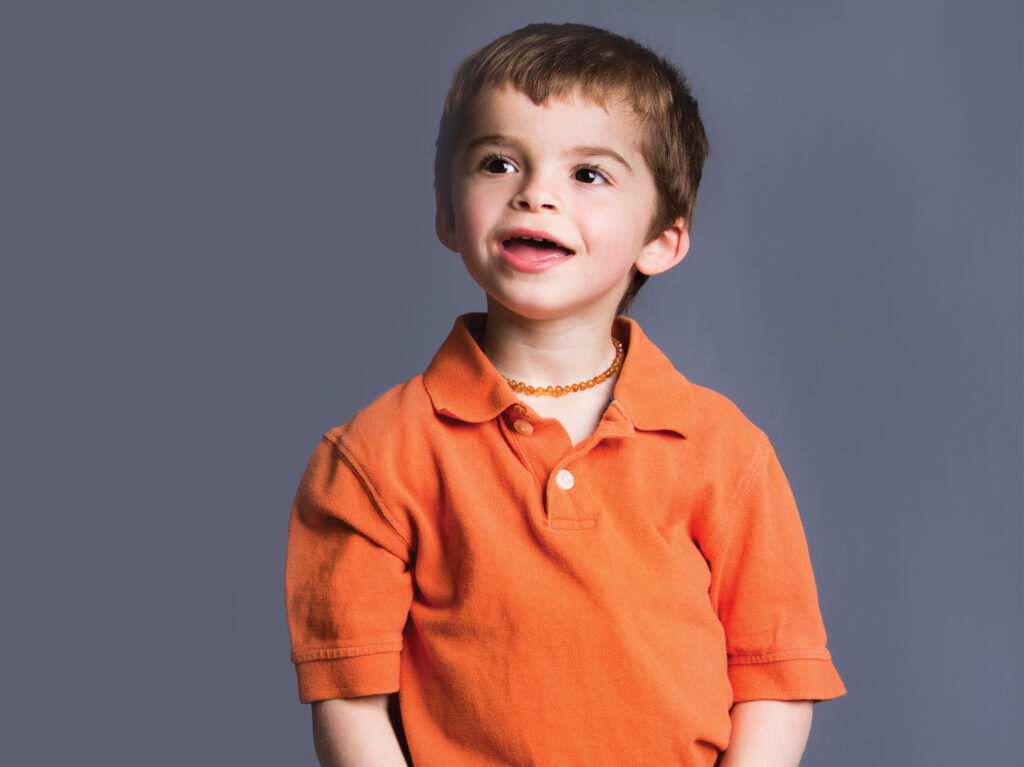
Rare Disease Day – Owen is Unique 

Awareness Days

Written by IDEA committee member and Grandview Kids parent, Abby V.

Rare Disease Day is an international event held on February 28 to raise awareness about the impact of rare diseases on people’s lives and to emphasize the need for research. Canadian families with rare illnesses are facing extraordinary challenges. These include misdiagnosis, unnecessary surgeries, social isolation, financial hardship and lack of treatment options.

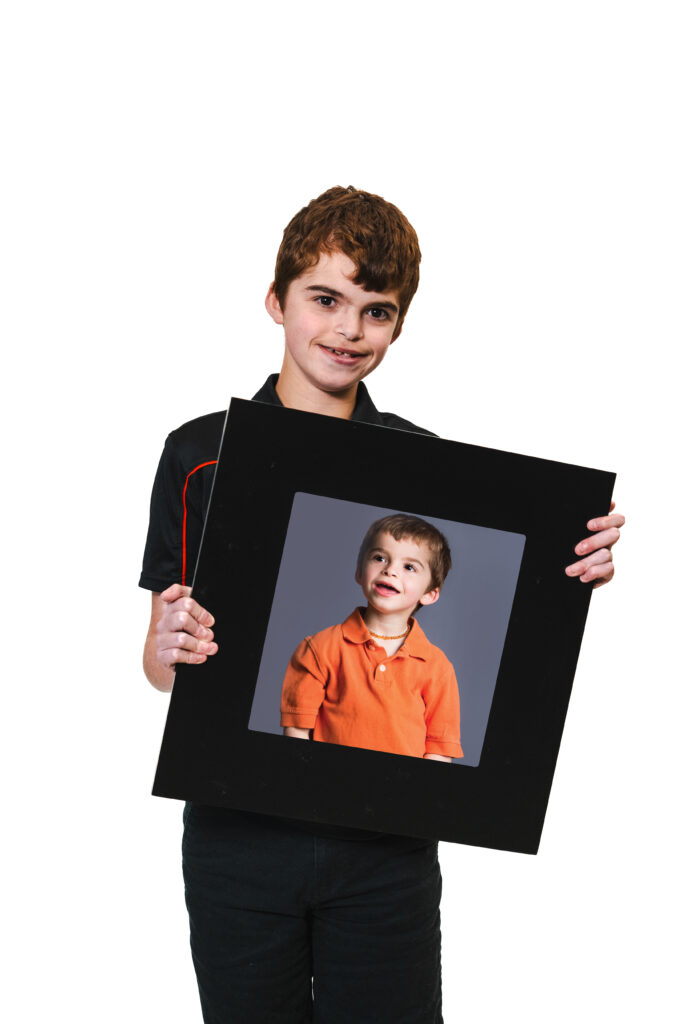
Read the interview between Abby and Owen’s parents below to learn more about his rare diagnosis of Kleefstra syndrome and his relationship with Grandview Kids.


Q: What does Owen like to do? 

A: He loves to listen to stories, go for drives in the car, watch wrestling with his dad, and dance, bake and snuggle on the couch with his mom. Like a typical little brother, he also loves to torment his sister and looks forward to her visits home from school. 

Q: What is Owen’s diagnosis and how rare is it? 

A: Kleefstra Syndrome, a microdeletion at 9q34.3. At the time of diagnosis in 2010, he was only the 124th person in the world to have Kleefstra Syndrome. With improvements in testing, we now believe there are close to 1000 people worldwide with this diagnosis. 

Q: What is Kleefstra Syndrome? 

A: Kleefstra Syndrome is a rare genetic condition that affects development and involves many body systems. Those with Kleefstra Syndrome are missing the gene EMHT1 which is a regulator for other genes. Symptoms can include intellectual delay, autism, low tone, seizures and speech delay. 

Q: What signs and symptoms led to Owen’s diagnosis? 

A: Owen was not meeting milestones as a baby which was initially believed to be due to his being born 6 weeks early. However, it soon became obvious that his collection of symptoms may have a genetic basis. His nasal bridge was shortened, he had very low tone and was not gaining weight due to feeding and swallowing issues. 

Q: How was Owen diagnosed? 

A: He underwent local testing, and the results came back as unremarkable. We decided to have him do a test in the U.S. that looks for gene changes in cells called FISH testing (fluorescence in situ hybridisation). At the time, this test was not available in Canada and required extensive paperwork and approvals. Now genetic testing is more routine and easier to obtain. 

Q: How has Grandview Kids helped Owen? 

A: Grandview Kids became a big part of Owen and his family’s life soon after diagnosis. He has accessed vital services for his development and well-being, including medical, physiotherapy, occupational therapy, speech-language pathology, recreational therapy, social work and family engagement. Grandview Kids helped build a community of support which without, his family would have been lost. Owen has met many of his milestones at Grandview Kids, including his first words, steps and riding a bike. 

Q: If you could go back to the day of Owen’s diagnosis, what advice would you give to yourselves? 

A: Hold on! Seriously, just let him lead and follow his direction. Nothing changed on diagnosis day. He is still the exact same kid; we just got more information. 

Ryan’s ARFID Story 

Written by IDEA committee member and Grandview Kids parent, Abby V.

Eating Disorder Awareness Week (EDAW) occurs from February 1 to 7 annually across Canada. This week is dedicated to raising awareness and developing understanding about eating disorders and how it impacts people’s lives. Eating disorders come in various forms, each with its unique set of challenges and symptoms. In Canada, an estimated 2.7 million people are impacted with approximately 1.4 million of these being youth. Common eating disorders are Anorexia Nervosa (AN), Bulimia Nervosa (BN), Binge Eating Disorder (BED) and Avoidance Restrictive Food Intake Disorder (ARFID). 

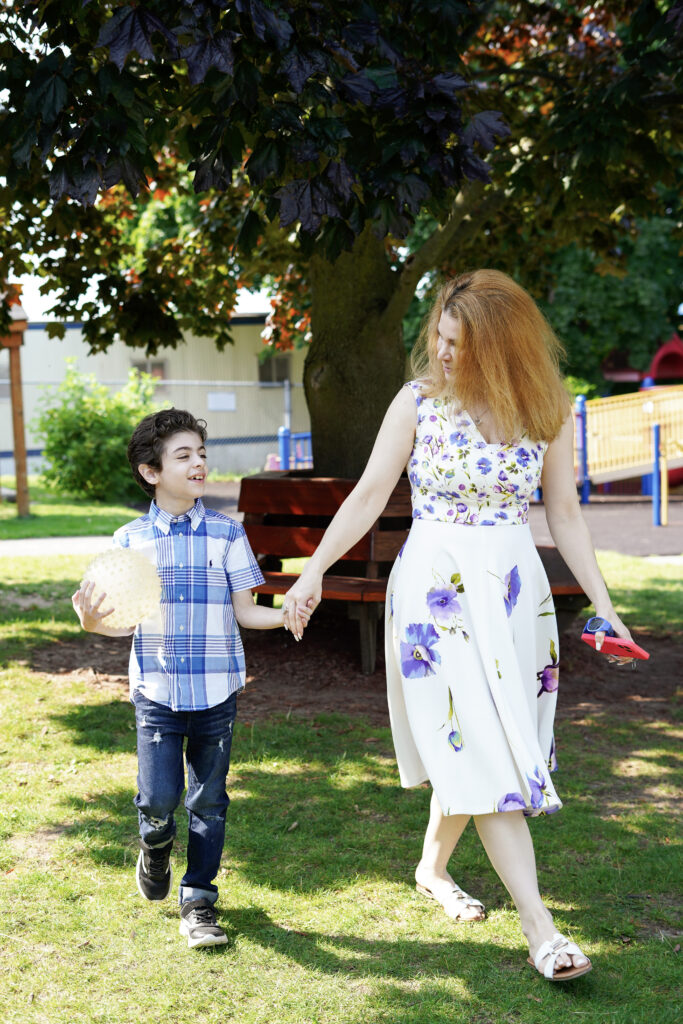
Ryan is a sweet, curious and intelligent eight-year-old boy who lives with his doting parents, Ali and Dima, and their beloved cat, Goldie. He loves spending time outdoors in nature collecting leaves, catching bugs, fishing at his family’s cottage and playing at the beach during family vacations. His curiosity is seen through the endless questions he will ask his parents about topics of interest, including numerous studies of science such as physics, space and animals (reptiles and ocean creatures).  

When Ryan’s mom, Dima, was pregnant with Ryan, she was referred to Ontario’s free Healthy Baby Healthy Children program that provided her with a nurse to help guide her through pregnancy and provide postpartum support due to her lack of family in Canada. A few months after his birth, he began to exhibit some alarming signs of concern which included how the way he would play (spinning everything), lightly hitting his head on wall and babbling that ceased at six months. The biggest alert was his refusal to eat solid food.  

Soon after, Ryan’s paediatrician referred him to Grandview Kids. “We were lucky to meet our Grandview Kids doctor after a short waitlist of five months. Ryan was only 18 months old. We feel very fortunate to receive an early diagnosis of mild autism spectrum disorder (ASD) six months later which allowed us to provide early intervention,” recalls Dima. His refusal to eat was still a huge challenge and Dima knew it was not just “picky eating” due to his ASD. She connected with other specialists and parents in the community, which led her to discover Avoidance Restrictive Food Intake Disorder (ARFID).  

Ryan and his Mom, Dima.

Ryan was referred to Holland Bloorview Rehabilitation Hospital to participate in the first ever ARFID study for kids in Ontario and Ryan received an official ARFID diagnosis. As there is a lack of information and programs offered for ARFID for kids under the age of 18, this study was promising but unfortunately did not continue for long. Dima and Ali continued to provide Ryan with unwavering support. At Grandview Kids he accessed services in Speech-Language Pathology, Occupational Therapy (OT), Therapeutic Recreation Therapy and went on to private OT and a food explorer therapy program. While the interventions certainly helped Ryan in many areas affected by his ASD, he was still not eating any solid food. They considered applying for costly programs offered in the US, even going as far as communicating with the Ontario Ministry of Health in hopes of securing funding as these vital programs are not offered in Canada. 

Ryan’s turning point was during the Summer of 2024 when his Grandview Kids’ paediatrician suggested the use of an antidepressant medication to curb his anxiety around food. “When he looks at a plate of food, he doesn’t see food. Instead, he sees something scary like spiders. Ryan used to cry when he would see me with a plate of food and would take me to my bedroom thinking he was keeping me safe,” says Dima. At 7.5 years of age, Ryan was finally able to consume solid food for the first time in his life. With the help of his amazing Grandview Kids team consisting of his paediatrician, nurse, and nutritionist who meet monthly to adjust the medication dosage to suit Ryan’s needs, “he is less anxious around food, more willing to play with it and comfortable to try and put it in his mouth.”  

Eating remains a challenge as he will still only eat five food items, often gaining one type only to drop another. Dima shares how “it was stigmatizing for Ryan to drink milk from a bottle at school.” However, she beams with pride and joy because he is now chewing and swallowing food, new skills that he had to learn, and he can go to school with a lunchbox like his peers. His success has really driven his parents to shift their perspective. “Once I stopped comparing him to others, and began comparing him to old versions of himself, I could see the progress. I tell him to be proud of himself. His teacher said he has high self-esteem because of his supportive, loving parents.”  

Feeding Tube Awareness Week, observed from February 2 to 8 this year, aims to increase the understanding of feeding tubes and their critical role in supporting the health and well-being of children with medical complexities. The week promotes best practices, innovations and the lived experiences of families who rely on tube feeding.

Founded in 2011, this initiative has grown into a nationwide movement, with SickKids Hospital launching the first Feeding Tube Awareness Week in Canada in 2020. This global observance, held annually in the first week of February, highlights the life-saving impact of feeding tubes and helps challenge the stigma surrounding them. Families come together each year to share stories and raise awareness of their positive influence on patients’ lives.

Jamilah’s story

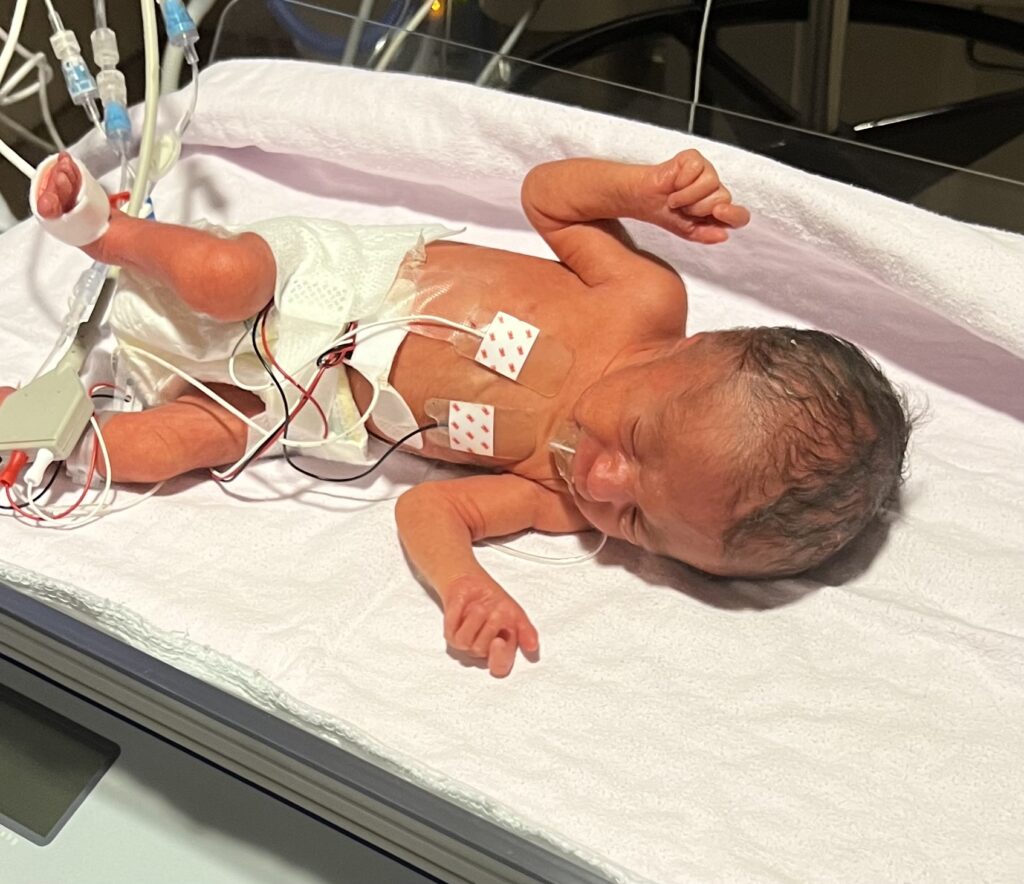
Tabitha’s birth plan for her youngest child, Jamilah, was drastically altered when cysts in Jamilah’s brain were discovered at the 20-week scan. This was followed up by testing positive for Trisomy 18, also known as Edwards Syndrome, during the noninvasive prenatal testing (NIPT) tests and confirmation of the genetic disorder at 32 weeks gestation. Edwards Syndrome affects many body parts, causing health issues that include feeding or sucking difficulties, trouble gaining weight and congenital heart issues. Tabitha’s high-risk pregnancy resulted in an induction at 34 weeks of pregnancy to ensure her team of healthcare professionals would be present to assist her during the birth. 

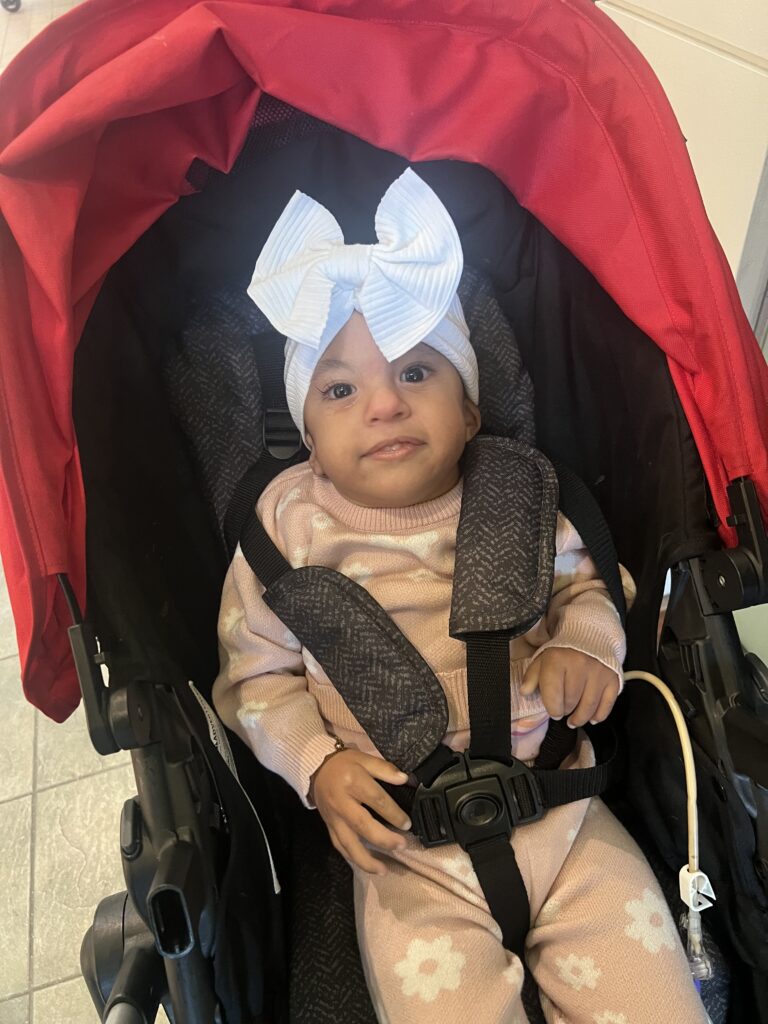
Jamilah spent nearly three months at the hospital’s Neonatal Intensive Care Unit (NICU), where she initially had a Natrogastic (NG) Tube but began projectile vomiting her feeds. Her medical team advised that a Gastrotomy Tube (G-Tube) was her only real option to keep her thriving. Jamilah was transferred to SickKids Hospital for G-Tube insertion and stayed in the hospital for two additional months for growth and stabilization.  

Knowing that you are making the right decision for your child as a parent does not always make it easier. Tabitha had to come to terms with the fact that since there was no other choice, there was no point in being upset. She would learn to make the best of it for her daughter. She recognized that the G-Tube was helping Jamilah thrive, along with other positive changes. Regular feeds made it easier to schedule appointments and her calendar.

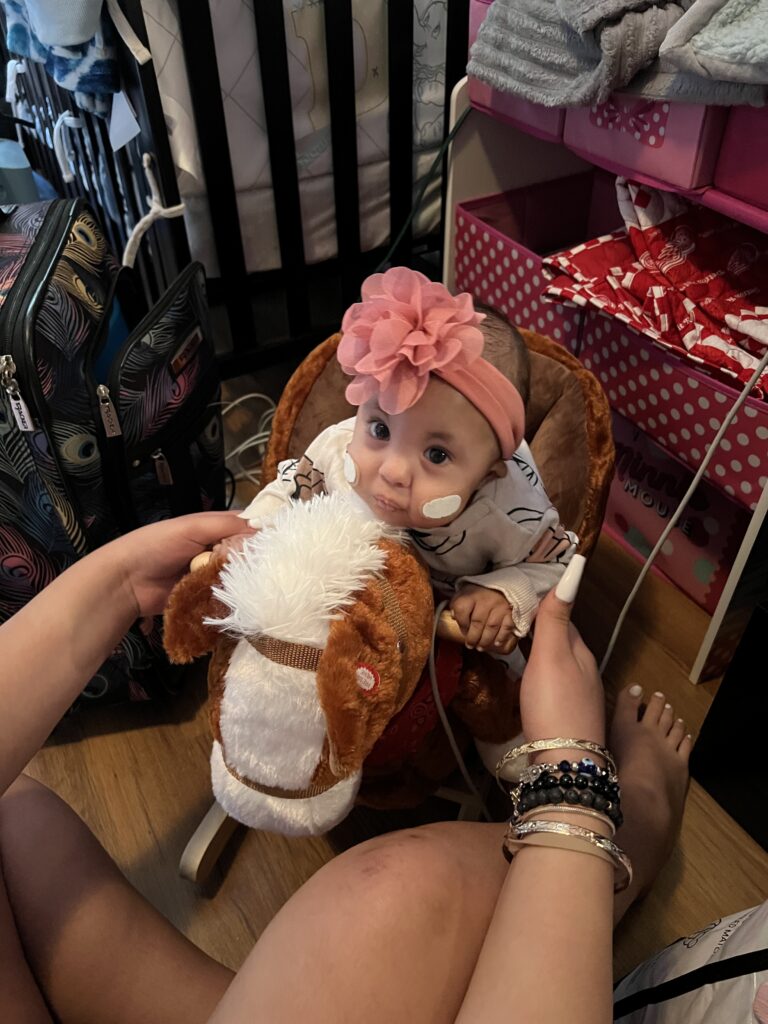
As a single mom working from home, a G-Tube alleviated the time spent sitting down and bottle-feeding Jamilah every time she was hungry, as formula can be fed straight through the tube. However, there are challenges attached to having a G-Tube, such as getting outside of the home with all necessary equipment and sometimes requiring stopping on the side of the road to administer a scheduled feed. There is also the learning curve to prevent the tube from being pulled out and what to do if it happens. 

Tabitha’s advice to other parents starting or continuing their G-Tube journey is to “take it all in stride and watch for what your child needs and what will help them thrive.” Becoming a medical parent makes one second guess their own skills and abilities to raise their child effectively, but those parental instincts play a huge role. “Pay attention to your child and not the diagnosis. Nobody knows your child better than you know them. You will know what is working and what is not,” Tabitha reminds fellow parents. It is vital to work collaboratively with your healthcare team but know that you—as mom, dad or caregiver—are the one with your child every day and are their biggest advocator. 

Feeding Tube Awareness Week, observed from February 2 to 8 this year, aims to increase the understanding of feeding tubes and their critical role in supporting the health and well-being of children with medical complexities. The week promotes best practices, innovations and the lived experiences of families who rely on tube feeding.

Founded in 2011, this initiative has grown into a nationwide movement, with SickKids Hospital launching the first Feeding Tube Awareness Week in Canada in 2020. This global observance, held annually in the first week of February, highlights the life-saving impact of feeding tubes and helps challenge the stigma surrounding them. Families come together each year to share stories and raise awareness of their positive influence on patients’ lives.

Henley’s story

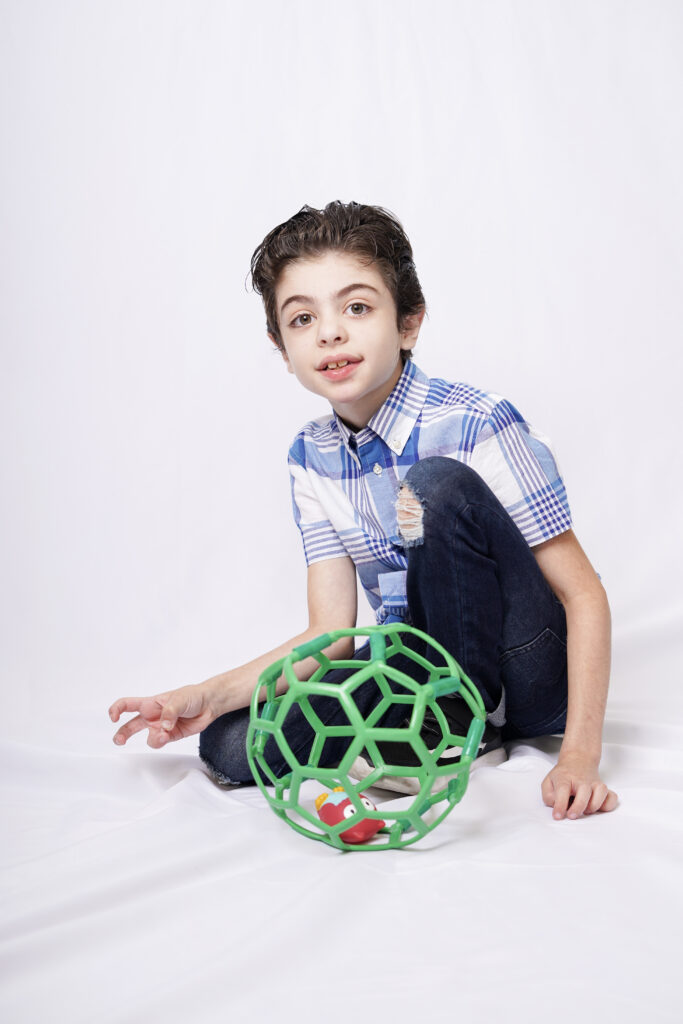
Henley lives with his parents, Josh and Laura, and their two dogs, Riley and Zoe. At seven months of age, Henley was diagnosed with Kabuki syndrome, a rare genetic disorder that affects multiple parts of the body. In Henley’s case, his diagnosis primarily affects his feeding abilities and hips. The first sign that hinted at something being amiss began when he was not feeding well nor gaining weight. When he was two months old, he received a failure to thrive diagnosis and required life-saving intervention through the insertion of a Nastrogastic (NG) Tube which was five months later replaced with a Gastrostomy Tube (G-Tube). 

Josh and Laura’s journey started before Henley’s conception as he was a surrogate baby conceived through an egg donor. Henley was a baby that the family truly desired and waited for patiently. Therefore, despite doing everything they could with prenatal genetic testing through the fertility clinic, his genetic disorder was a shock.  

Laura, also a professional Registered Nurse, admits that the decision to insert a G-Tube was harder to accept than the actual Kabuki syndrome diagnosis itself. “Overall, it was a lot to process, but with the G-Tube, as a mom and nurse, it seemed so permanent. We tried to avoid it but when looking at the pros and cons, and the thought of not nourishing your child at all, the G-Tube made the most sense,” says Laura. The acceptance piece took time but after processing everything, it was the best decision for Henley and the whole family as it allowed him to get to where he is now.  

Henley’s parents worked closely with his nursing team to educate themselves on how to use the device correctly and to best meet Henley’s needs. Laura explains that “it was a learning curve. We had to know what medications and food/formula could be given through the G-tube, how to vent the tube (opening the tube to allow trapped gas/air to escape and massaging his belly), organize a caddy with syringes, prevent Henley from pulling the tube out and work around a new feeding schedule wherever we were. Henley had a G-Tube backpack which made it easier on the go.”  

Henley’s G-Tube journey has recently ended with the successful removal of his G-Tube. After swallowing assessments and being guided by a dietitian, his parents were able to safely introduce oral foods for him. Through a gradual wean of slowly decreasing his G-Tube feeds, he started to show signs of hunger and began eating purees and drinking water. Although they now face different challenges, he is primarily orally fed.  

Laura acknowledges that Henley’s success story may not be the same for others and feels very fortunate to have reached this point. Her advice to other parents who may be at a crossroads debating the use of a G-Tube for their child is to “look at what it can do for your child. Let your child lead the way through the journey by following their cues and trusting the medical team in the process. The harder decision is sometimes the right decision, even if at the time it is hard to accept. Educate yourself the best you can, talk to other parents with similar journeys for added support and ask questions – there are no silly questions, you need to be 100% comfortable with what you are doing. Finally, try to see the process as a positive experience knowing that [the G-Tube] is helping your child.” 

Henley is now two years old and nine months. He eats orally and his favourite foods are strawberries and cheese and crackers. Following a simple procedure in Fall 2024, Henley had his G-Tube removed and has healed well. 

In December and January, we acknowledge Hanukkah, Christmas, Kwanzaa and Orthodox Christmas. Read more about each holiday below, written by members of our Inclusivity, Diversity, Equity and Accessibility (IDEA) Committee.

Hanukkah: December 25 to January 2, 2025

Hanukkah, the Festival of Lights, originates from a historical conflict in 175 B.C., when King Antiochus prohibited Judaism in Judea, resulting in the destruction of the Temple of Jerusalem. The subsequent rebellion, led by Judah the Maccabee, culminated in victory around 164 B.C. The unique aspect of Hanukkah lies in the miraculous event involving a single jar of oil found upon the Maccabees’ return to the Temple. Initially sufficient for one day, this oil inexplicably burned for eight days, providing ample time for the victorious Maccabees to secure additional sacred oil. This extraordinary occurrence is commemorated through Hanukkah’s eight nights of celebration.

Today, the festival’s commencement varies in the Gregorian calendar, with the 2024 celebration spanning from December 25, 2024, to January 2, 2025. Traditional practices include lighting a menorah, adding one candle each night, reciting blessings and exchanging gifts. The festival also features festive foods like sufganiyot and latkes, symbolizing the enduring lamp oil. Families partake in spinning a dreidel for chocolate gelt, adding to the rich traditions of Hanukkah.

Christmas: December 25, 2024

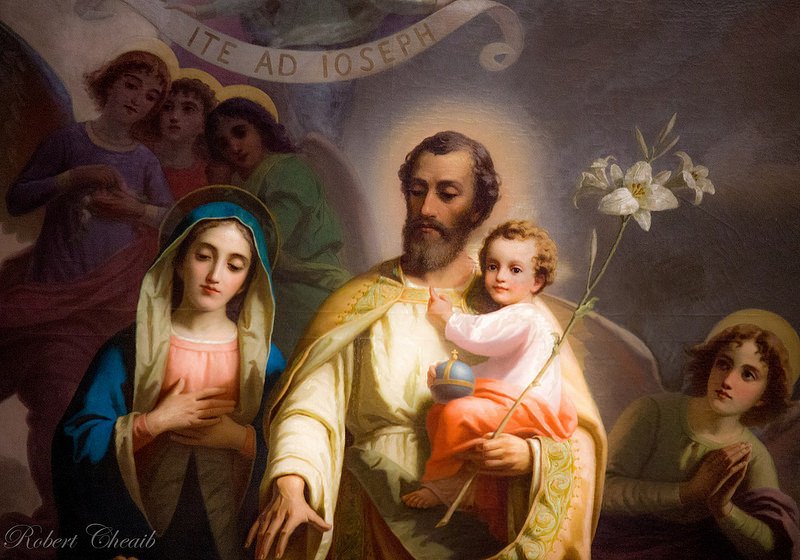
Christmas Day is celebrated globally to commemorate the birth of Jesus Christ. It is observed by both Christians and non-Christians as a religious and cultural holiday. Though the exact date of Jesus’s birth is not recorded in the Bible, December 25 corresponds with the traditional date of the winter solstice on the Roman calendar.

As recounted in the Bible’s New Testament, the Christmas narrative aligns with messianic prophecies told in the Old Testament. It was said that Jesus’s mother, Mary, would conceive through immaculate conception and that He would be born in a manager in Bethlehem. Mary and her husband Joseph, though originally from the town of Nazareth in Galilee, were on a journey to Bethlehem to fulfill census requirements decreed by Caesar Augustus. Once in Bethlehem, there was no room for them at the inn, only finding respite in a stable where Jesus would be born. The angels proclaimed the good news of the promised Saviour’s birth to lowly shepherds who then spread the word.

For many people, Christmas is not celebrated as a religious holiday but rather as a cultural holiday full of traditional celebrations with friends and family.

Many traditions accompany the Christmas holiday, such as giving presents, frequently associated with a figure named Santa Claus. Other traditions include the sending of cards to family and friends, parties with good food and drink, and the singing of carols and other songs.

On behalf of the IDEA Committee, Merry Christmas to all celebrating! “Glory to God in the highest, and on earth peace among those whom He is pleased!” (Luke 2:14 ESV). 

Kwanzaa: December 26 to January 1, 2025

Kwanzaa is an African American cultural holiday that is embraced in Canada and across the globe. The holiday is dedicated to celebrating African family, community and culture. Dr. Maulana Karenga, the founder of Kwanzaa and a member of the organization Us, established the holiday in 1966–67 as a response to race riots in Los Angeles, aiming to affirm African American culture and foster unity.  

Celebrated from December 26 to January 1, Kwanzaa derives its name from Swahili, meaning “first fruits,” and is characterized by a seven-day observance aligning with the seven principles of Nguzo Saba: umoja (unity), kujichagulia (self-determination), ujima (collective work and responsibility), ujamaa (co-operative economics), nia (purpose), kuumba (creativity), and imani (faith). Symbolism during Kwanzaa includes seven community values represented by symbols such as a straw mat, fruits, vegetables, corn, a cup, a kinara with seven candles and homemade gifts. Kwanzaa, spanning seven days, culminates in a vibrant December 31 celebration marked by gatherings in colourful African attire, a festive feast called karamu, and lively music, dance and singing, while the final day, January 1, is quieter and allows reflection on personal goals and aspirations for the upcoming year.

Orthodox Christmas: January 7, 2025

Orthodox Christmas is observed on January 7 by Eastern Orthodox Christians, marking the birth of Jesus Christ. It’s observed as per the Julian calendar, not the Gregorian calendar. This holiday is considered one of the most important in the Orthodox Christian calendar, marked by sacred rites, holy liturgies, and family gatherings. The tradition of observing Orthodox Christmas was carried over to Canada by immigrants from Eastern European countries such as Russia, Ukraine, Serbia, and Greece, amongst others. It continues to thrive in diverse, multicultural Canadian society today.

This November, we recognize Indigenous Disability Awareness Month (IDAM) and reflect on the unique experiences and contributions of Indigenous people with disabilities. IDAM was established by Indigenous Disability Canada and the British Columbia Aboriginal Network on Disability Society (BCANDS) in 2015. IDAM is dedicated to raising awareness of the social, economic and cultural contributions that Indigenous persons with disabilities bring to their communities while also highlighting the unique challenges they face.

Over 30 percent of Indigenous Canadians aged 15 and over experience some form of disability, a rate higher than the general Canadian population. This reality underscores the urgent need for inclusive services that address both disability and the additional barriers Indigenous persons face—such as systemic discrimination, lack of childcare, transportation and challenges in accessing culturally appropriate support. These barriers are rooted in the social determinants of health. They are further compounded by a history of colonial violence, which has led to complex, intersectional challenges impacting mental and physical health.

For details on supporting IDAM or further information on the awareness month, please visit https://www.bcands.bc.ca/.

  • ⟨
  • Page 1
  • Interim pages omitted …
  • Page 11
  • Page 12
  • Page 13
  • Page 14
  • Page 15
  • Interim pages omitted …
  • Page 26
  • ⟩

Primary Sidebar

Child Stories

ICBAbWVkaWEgb25seSBzY3JlZW4gYW5kIChtYXgtd2lkdGg6IDc4MXB4KSB7ICAgIH0gQG1lZGlhIG9ubHkgc2NyZWVuIGFuZCAobWF4LXdpZHRoOiA1OTlweCkgeyAgICB9IA==
LnRiLWhlYWRpbmcuaGFzLWJhY2tncm91bmR7cGFkZGluZzowfQ==
LnRiLWZpZWxke21hcmdpbi1ib3R0b206MC43NmVtfS50Yi1maWVsZC0tbGVmdHt0ZXh0LWFsaWduOmxlZnR9LnRiLWZpZWxkLS1jZW50ZXJ7dGV4dC1hbGlnbjpjZW50ZXJ9LnRiLWZpZWxkLS1yaWdodHt0ZXh0LWFsaWduOnJpZ2h0fS50Yi1maWVsZF9fc2t5cGVfcHJldmlld3twYWRkaW5nOjEwcHggMjBweDtib3JkZXItcmFkaXVzOjNweDtjb2xvcjojZmZmO2JhY2tncm91bmQ6IzAwYWZlZTtkaXNwbGF5OmlubGluZS1ibG9ja311bC5nbGlkZV9fc2xpZGVze21hcmdpbjowfQ==

National Siblings Day – April 10

Siblings by Siblings Program National Siblings Day is celebrated each year on April 10. To honour this, we are proud to feature Grandview Kids’ “Siblings by Siblings” program! Siblings by...

Latest Updates

  • Celebrating International Youth Day! July 31, 2026
  • Living beyond expectations: Haylee’s journey with SMA Type 1  July 31, 2026
  • Summer 2026: Dates of Significance July 30, 2026
  • “Grandview will always have my heart”: Brad’s story  July 20, 2026
  • International Pride Day Resources June 26, 2026

You Have Questions

We’d like to help you find the answers…

Contact Us Today

© Grandview Kids Built by PeaceWorks

  • About Us
  • Contact Us
  • Privacy
Accessibility Adjustments

Powered by OneTap

How long do you want to hide the toolbar?
Hide Toolbar Duration
Select your accessibility profile
Vision Impaired Mode
Enhances website's visuals
Seizure Safe Profile
Clear flashes & reduces color
ADHD Friendly Mode
Focused browsing, distraction-free
Blindness Mode
Reduces distractions, improves focus
Epilepsy Safe Mode
Dims colors and stops blinking
Content Modules
Font Size

Default

Line Height

Default

Color Modules
Orientation Modules