This October, we acknowledge National Disability Employment Month, Augmentative and Alternative Communication (AAC) Awareness Month, Canadian Islamic History Month, Global Diversity Awareness Month, World Cerebral Palsy Day, World Mental Health Day and the International Day of the Girl Child and more.
Below, read more about each date of significance, written by members of our Inclusivity, Diversity, Equity and Accessibility (IDEA) Committee.
National Disability Employment Month

October marks National Disability Employment Awareness Month (DEAM), a time to recognize the contributions of people with disabilities and promote greater inclusion in employment. The 2026 theme, “Skills Grow Economies. Disability Inclusion Drives Growth.”, highlights the talent already present in Canada’s workforce and the important role disability inclusion plays in helping businesses access talent, strengthen performance and grow. DEAM is an opportunity to celebrate diverse skills and talents while taking action to build stronger, more inclusive workplaces and communities.
At Grandview Kids, employees and students with disabilities help shape our workplace, programs and events. Through their lived experiences, they offer valuable insights into both challenges and solutions, helping us make our spaces more inclusive and accessible. Guided by the Accessibility for Ontarians with Disabilities Act (AODA), we are committed to identifying and removing barriers to ensure fair opportunities for all and creating workplaces where everyone feels welcome and valued.
Augmentative and Alternative Communication (AAC) Awareness Month
October is International AAC Awareness Month. AAC stands for “augmentative and alternative communication” and includes all forms of communication beyond spoken words. It includes a variety of no-tech, low-tech and high-tech options. While some people use gestures, facial expressions or sign language, others might use picture boards or symbol books. As for high-tech AAC, speech-generating apps such as TouchChat and Proloquo2Go are popular, highly accessible forms of communication. Having this diversity of communication options means that individuals of all abilities have the ability to communicate.
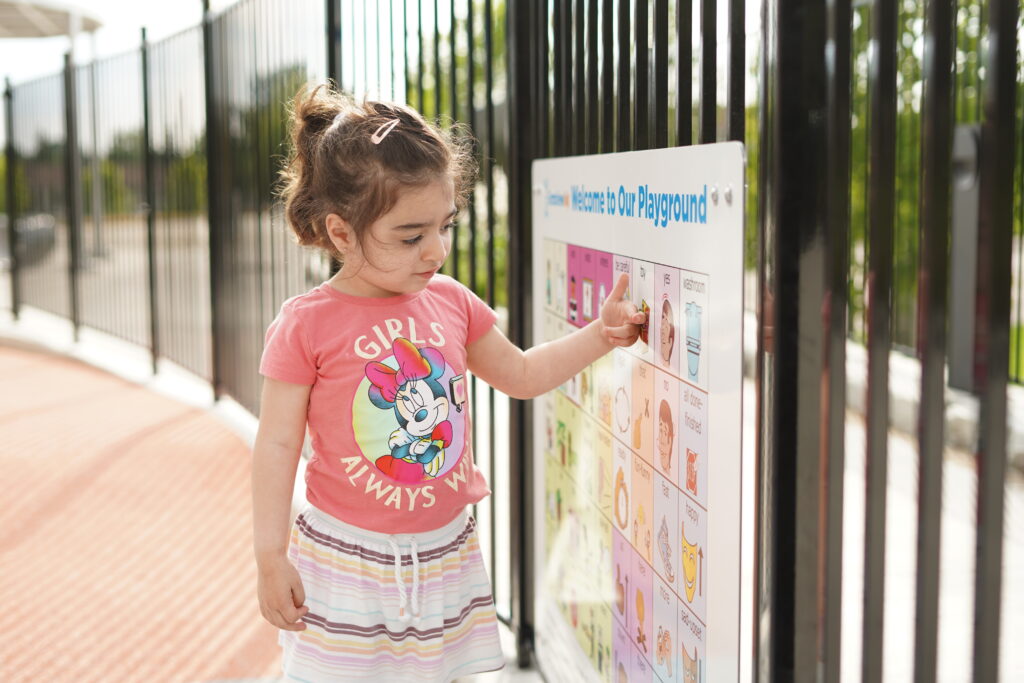
AAC users can be non-speaking, partially speaking or speech- or language-impaired. For these individuals, having access to AAC means that they can express themselves, build relationships and share their thoughts, needs and desires. AAC empowers individuals to self-advocate, express themselves, connect with others and participate in the classroom and the wider world. All people deserve to be heard and understood, and AAC makes this possible.
Today’s widespread use of and access to AAC tools and devices is due largely to the advocacy efforts of the International Society for Augmentative and Alternative Communication (ISAAC), beginning in the 1980s. AAC training, awareness, funding and usage have expanded in recent years, giving a voice to so many people who might otherwise go unheard.
AAC Awareness Month is a great time to appreciate and learn more about all the ways in which people communicate.
Canadian Islamic History Month
October marks Islamic Heritage Month in Canada, a time to recognize the rich history, diverse cultures and important contributions of Muslim communities. Since the first recorded Muslim presence in Canada in the 1860s, Muslim Canadians from many cultural backgrounds have helped shape the country’s social, cultural and economic fabric. Their traditions, languages and experiences continue to enrich communities across Canada.
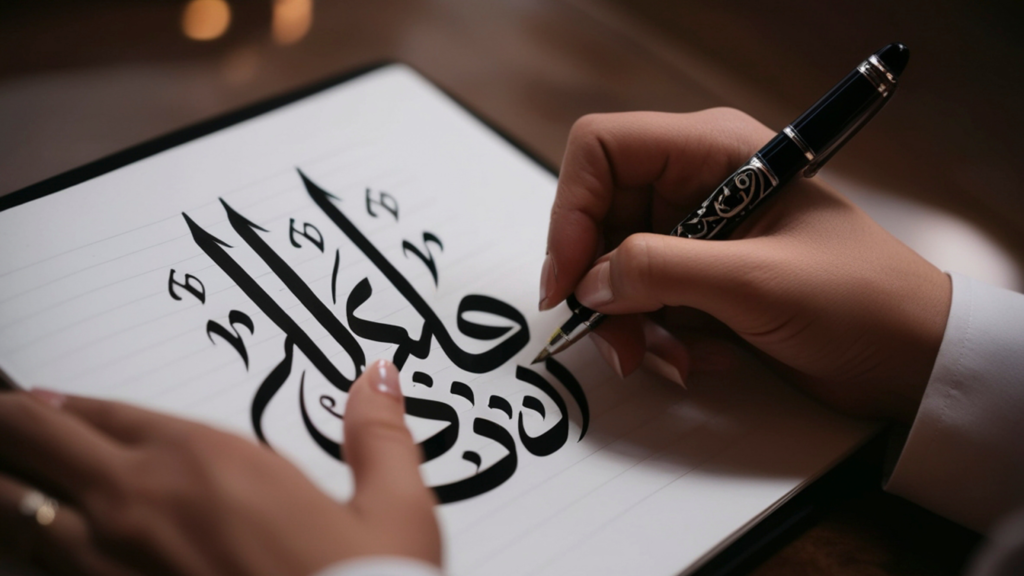
This year’s theme, The Art and Legacy of Islamic Calligraphy, celebrates a centuries-old tradition that has played a vital role in preserving knowledge, recording history and sharing ideas. More than an artistic practice, Islamic calligraphy has been used to document scientific discoveries, literature, poetry and spiritual teachings, leaving a lasting legacy across generations. The theme highlights the creativity, heritage and enduring contributions of Muslim communities in Canada and around the world.
Global Diversity Awareness Month
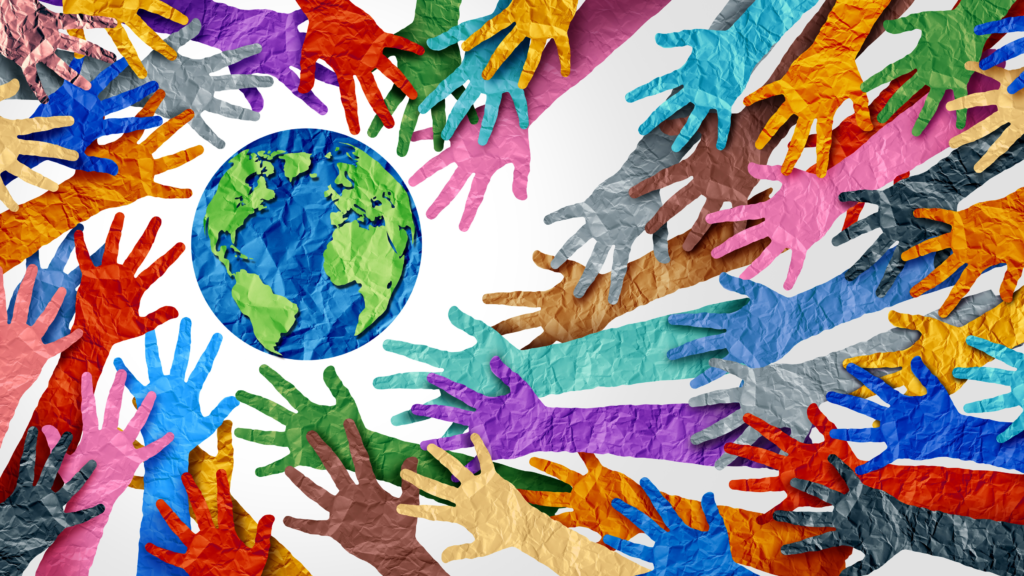
Global Diversity Awareness Month is a time to recognize and celebrate the many cultures, backgrounds and perspectives that make our world and our organization unique.
Why is diversity important?
Diversity means having people from different races, cultures, religions, genders, ages and abilities. When we work with people who are different from us, we learn new ideas, see things from different perspectives and grow as individuals and as a team.
Diverse teams are stronger because they bring together many voices. This helps us solve problems more effectively, be more creative and make everyone feel included and respected.
How can we support diversity?
- Learn about other cultures
- Read a book , watch a documentary or attend a cultural event.
- Listen and ask questions. Be curious and respectful when learning about someone’s background or experiences.
- Speak up. If you see unfair treatment or exclusion, say something or support someone who does.
- Celebrate differences. Share your own story and encourage others to do the same. Every voice matters.
Global Diversity Awareness Month reminds us that our differences are our strengths. When we embrace diversity, we help build a better world. Let’s celebrate each other, learn from one another and continue growing together!
World Cerebral Palsy Day: October 6

World Cerebral Palsy Day is marked each year on October 6 to celebrate the lives and achievements of people with cerebral palsy and to raise awareness about the challenges they face. The day brings together individuals, families, organizations and communities around the world to advocate for inclusion, accessibility and equal opportunities. It is a reminder of the need to break down barriers, support innovation and promote understanding so that people with cerebral palsy can live independently and with dignity.
World Mental Health Day: October 10
World Mental Health Day is observed on October 10, a day dedicated to raising awareness of mental health and promoting actions that support well-being. It provides an opportunity to reflect on what is working, identify gaps in care and encourage open conversations about mental health. This year’s theme, Lived experiences heard: real voices, real change, emphasizes the importance of listening to and learning from people with lived experience to help shape policies, programs and services.
The theme highlights the value of person-centred, rights-based care that responds to people’s real needs and concerns. By including lived experience in decision-making, organizations and communities can help create more effective and compassionate support systems. With one in four people expected to experience a mental health condition at some point in their lives, raising awareness and improving access to support remain important priorities. For local resources and information, visit Durham Region’s Mental Health webpage.
International Day of the Girl Child: October 11
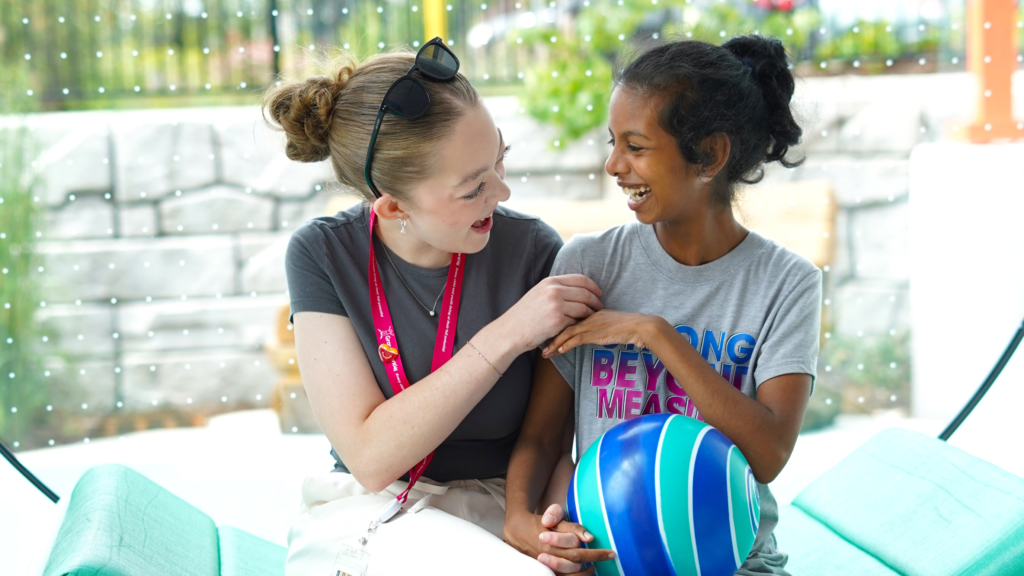
October 11 marks International Day of the Girl Child, a day to celebrate the voices, strengths and achievements of girls, while recognizing the barriers and inequalities many continue to face. Canada played a key role in advocating for the day, which was later officially recognized by the United Nations to raise awareness of issues affecting girls around the world.
Across Canada and beyond, girls are making a difference as students, volunteers, entrepreneurs and community leaders. Their ideas, determination and leadership demonstrate that age is no barrier to creating positive change and helping build a more inclusive future.
Other dates of significance in October:
- Occupational Therapy (OT) Month
- Down Syndrome Awareness Month
- Rett Syndrome Awareness Month
- Learning Disabilities Awareness Month
- German Heritage Month
- Latin American Heritage Month
- Women’s History Month
- 2SLGBTQIA+ History Month
- Kabuki Awareness Month
- National Custodian Day: October 2
- Shemini Atzeret: October 2
- World Smile Day: October 3
- World Teachers’ Day: October 5
- World Cerebral Palsy Day: October 6
- OTA Appreciation Day: October 12
- Thanksgiving: October 12
- Peer Support Day: October 15
- Persons Day: October 18
- Invisible Disabilities Week: October 18-24
- International Infection Prevention Week: October 18-24
- Canadian Down Syndrome Week: October 19-25
- Stuttering Awareness Day: October 22
- Kabuki Awareness Day: October 23
- International Dwarfism Awareness Day: October 24
- World Spina Bifida and Hydrocephalus Day: October 25
- World Occupational Therapy Day: October 27
- World Stroke Day: October 29
- Halloween: October 31
Check out more Grandview Kids articles
- October 2026: Dates of Significance
- “I am Clara”
- Mitchell’s journey with Hydrocephalus
- Celebrating World Cerebral Palsy Day 2026
- Building belonging through family leadership