• Skip to primary navigation
  • Skip to main content
  • Skip to primary sidebar
Grandview Kids Logo

Grandview Kids

Every Child And Youth Living Life At Their Full Potential

  • About Us
    • Vision, Mission and Values
    • The New Grandview Kids
      • Operational Readiness
      • Visiting Grandview Kids’ Ajax Headquarters
    • Our History
    • Leadership
    • Board of Directors and Committees
      • Join our Board of Directors and Committees
    • Annual Report
    • Strategic Plan
    • Policies
  • Calendar
  • Annual Report
    • Strategic Direction 1: Deliver meaningful, efficient client and caregiver outcomes and experiences
    • Strategic Direction 2: Foster a thriving, connected Team Grandview
    • Strategic Direction 3: Collaborate with partners to maximize impact, focusing on Durham Region
    • The New Grandview Kids – The Jerry Coughlan Building
    • 2024-25 Financial Statement
    • Grandview Kids Foundation update
    • Grandview School update
  • Contact
    • Contactez – nous
    • Ajax – Headquarters
    • Bowmanville Health Centre
    • Grandview School
    • Oshawa – Dwyer
    • Port Perry
    • Whitby – Abilities Centre
  • Careers
  • Register
  • Donate
  • Instagram
  • LinkedIn
  • Facebook
  • Services and Programs
    • Audiology
    • Autism Program
      • Autism Spectrum Disorder (ASD) Diagnostic Hub
      • Caregiver-Mediated Early Years Programs
      • OAP Core Clinical Services
      • Entry to School Program
      • Foundational Family Services
    • Blind-Low Vision Program
    • Extensive Needs Service
    • Family Engagement Program
      • Adolescent Transition Program
      • Family Leader Program
        • Family Advisory Council
        • Youth Advisory Council
    • Infant Hearing Program
    • Medical Services
      • Autism Spectrum Disorder (ASD) Diagnostic Hub
      • Complex Care Program
      • Grandview Anesthesia Procedure (GAP) Clinic
      • Hypertonia Clinic
      • Nutrition Services
      • Orthopaedic Clinic
    • Occupational Therapy
    • Physiotherapy
    • Preschool Outreach Program
    • School Programs & Resources
      • Resources for Educators
      • School-Based Rehabilitation
    • Service Navigation
      • SmartStart Hub: Parents
      • SmartStart Hub: Partners
    • Social Work
    • Speech-Language Pathology
      • Augmentative and Alternative Communication
    • Therapeutic Recreation
  • Purchased Services
    • Beyond the Walls
    • Summer Camp 2026
    • OAP Core Clinical Services
      • Behaviour Services
  • Research
    • Get involved in research
    • IDEA Study
      • Building knowledge and understanding of the intersection of race and disability in accessing pediatric rehabilitation services.
    • Research Associate: Dr. Fiona Moola
    • Research Associate: Dr. Meghann Lloyd
  • Resources
    • Ability Acceptance Program
    • Arriving at Grandview Kids
    • Community Supports & Resources
    • Family Support Fund
    • Free to Read Program
    • Frequently Asked Questions
    • Gather by Grandview Kids
    • News and Updates
    • Privacy
    • Resources for Parents and Caregivers
    • Visiting Grandview Kids
  • Support Us
    • 50/50 Lottery
    • Ways to support
    • Host a fundraiser
    • Participate in an event
      • Golf Fore Grandview Kids
      • Sponsor the Drum
      • Dream Big, Dream Brighter Awards Gala
    • Leave a legacy
      • Gifts of securities
      • Gifts of bequests
      • Gifts of life insurance
    • Your impact
    • Building a Legacy: Honouring Jerry Coughlan
  • I Want To…
    • Connect with Grandview Kids
    • Donate
    • Refer a child or youth
    • Register via My Community Hub
    • Schedule an Appointment
    • Volunteer at Grandview Kids
    • Work at Grandview Kids
  • Grandview School
    • About Our Program
    • About Our Board
    • Grandview School Social Story
    • Plans and Reports
    • Resources for Families
    • Resources for Schools – Switch It Up!
    • Careers and Volunteering
    • Contact Grandview School
  • Search

Posted February 26, 2025

Kiara’s Story: National Epilepsy Awareness Month

Awareness Days

Written by Ambassador Advisor and Grandview Kids parent, Abby V.

March is national epilepsy awareness month in Canada, and Grandview Kids hopes to encourage people to acknowledge and understand the disorder and support dismantling the misconceptions, discrimination and isolation facing those who live with epilepsy.

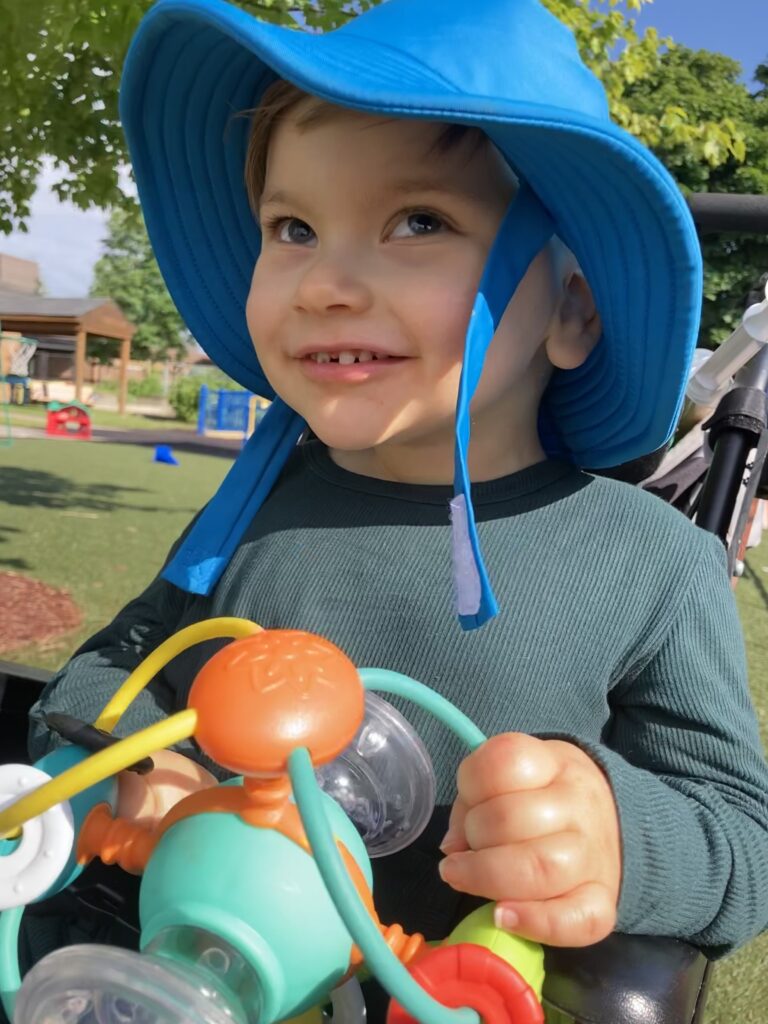
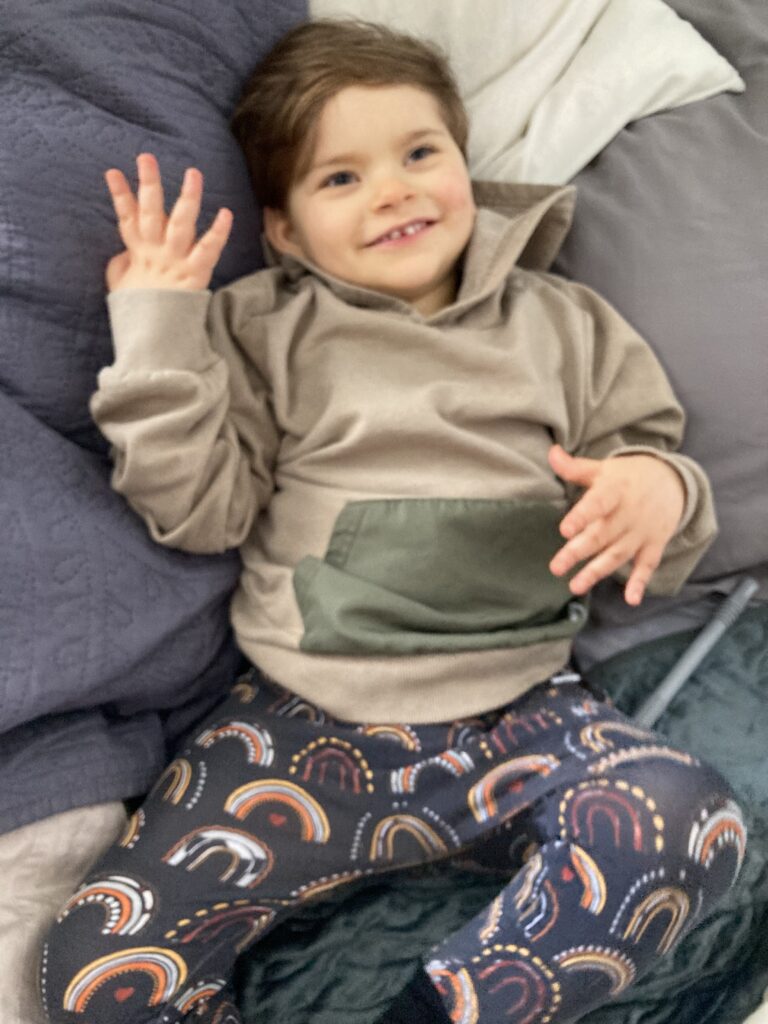
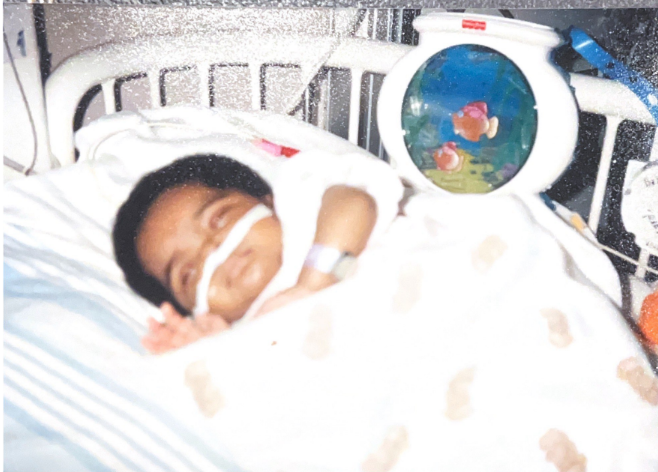
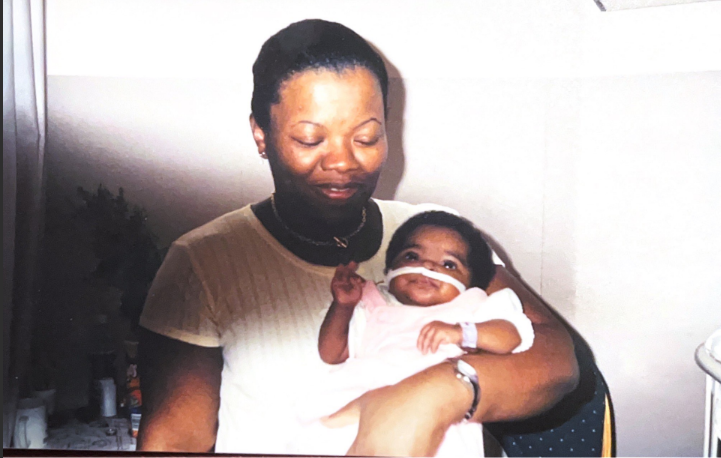
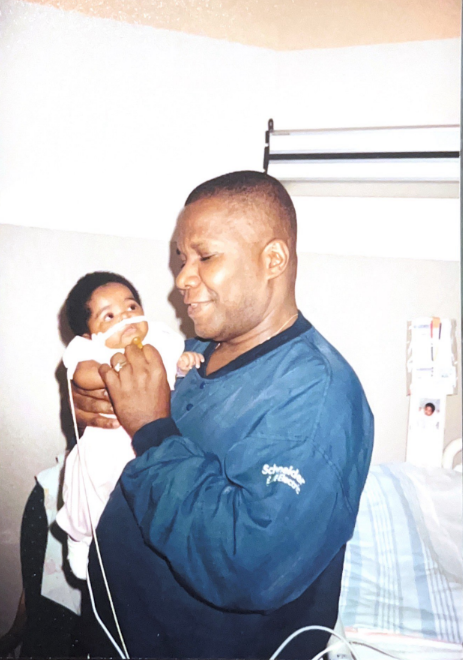
At eight months of age, Grandview Kid Kiara was diagnosed with infantile spasms, which later developed into epilepsy. The seizures occurred when she awoke from sleep, manifesting as uncontrollable body “twitching” and irregular eye movement that could last up to five minutes, with more than 200 spasm clusters. The severity of the seizures required strong medication to stop them. Initially, Kiara was prescribed Vigabatrin, but when it proved ineffective, Levetiracetam was introduced, and Vigabatrin was gradually reduced. Her parents, uncertain about her future, feared seizures would become a daily struggle. Remarkably, Kiara remained seizure-free for nearly five years.

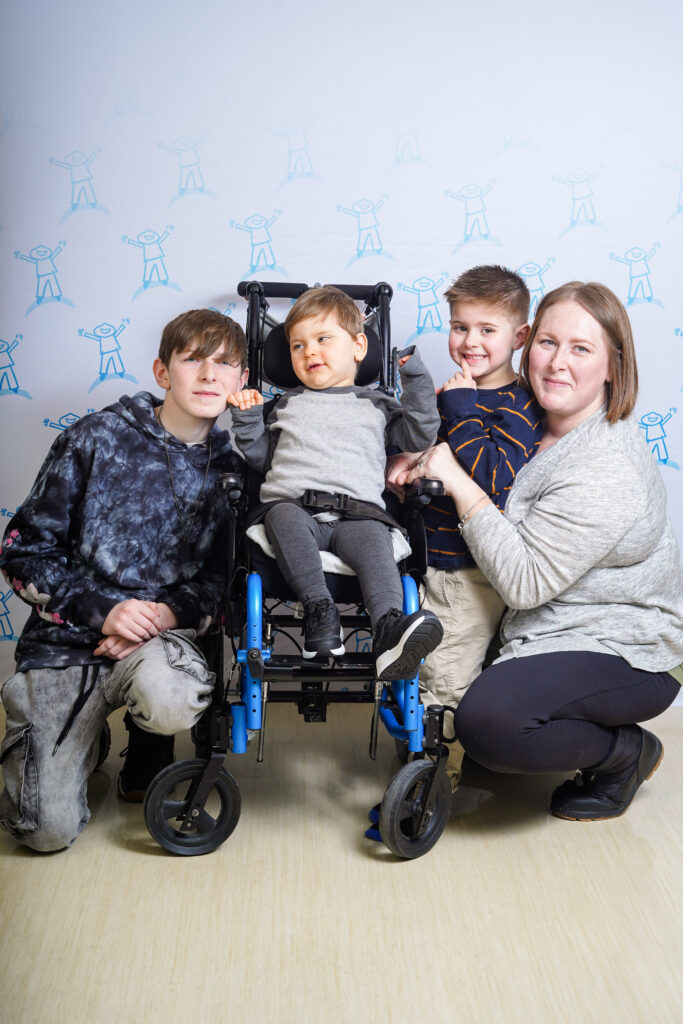
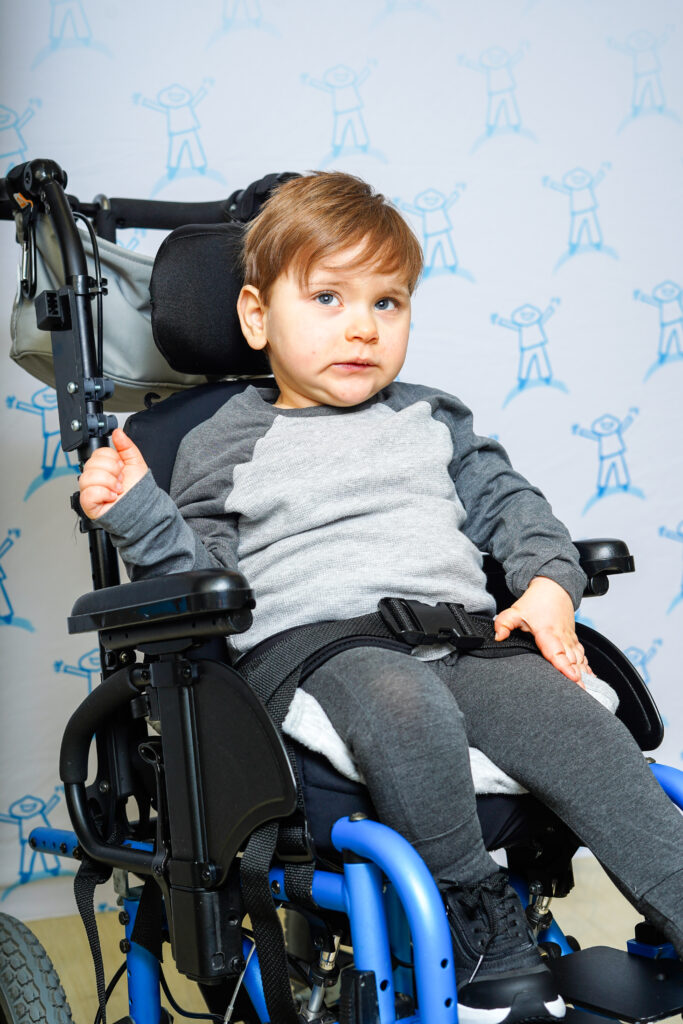
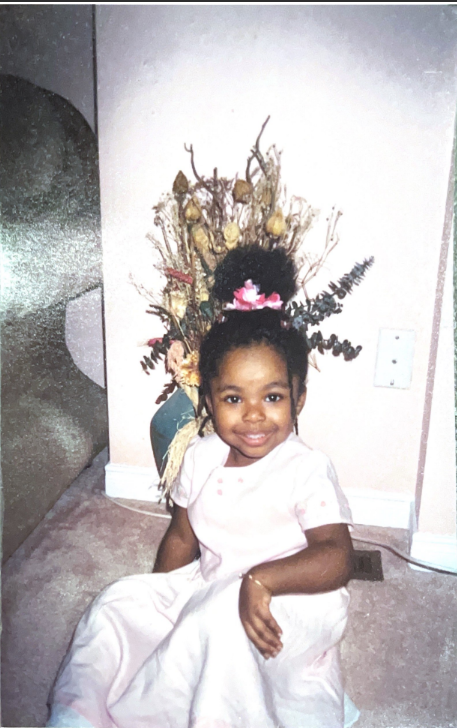
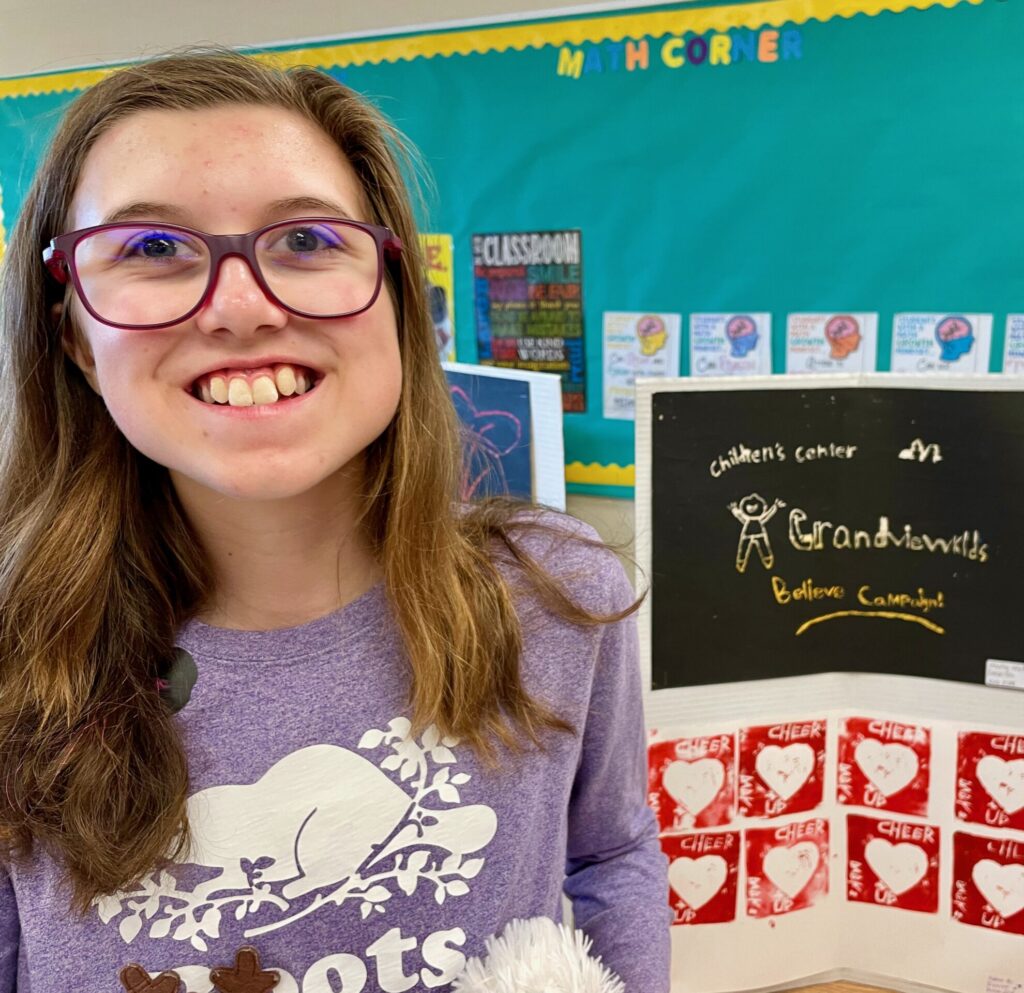
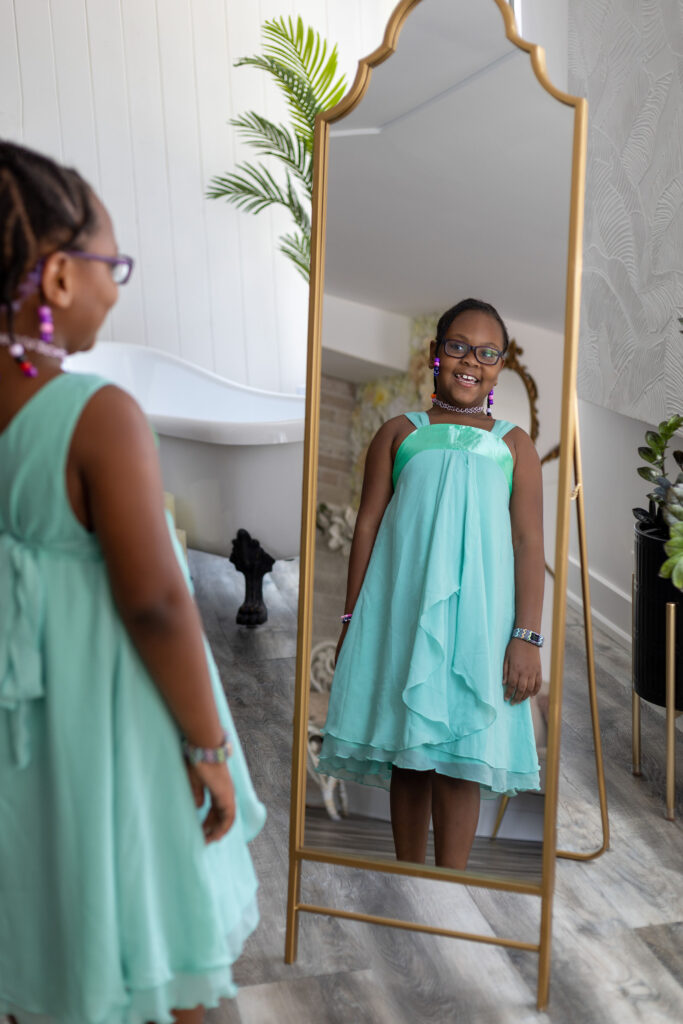
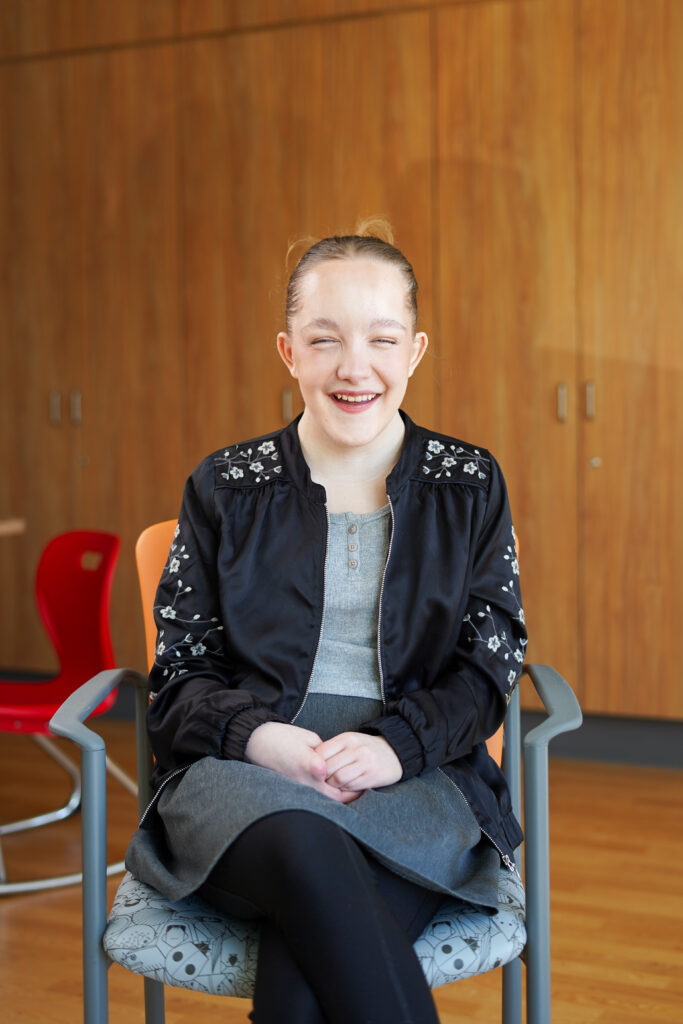
Kiara posing in a photoshoot at Grandview Kids
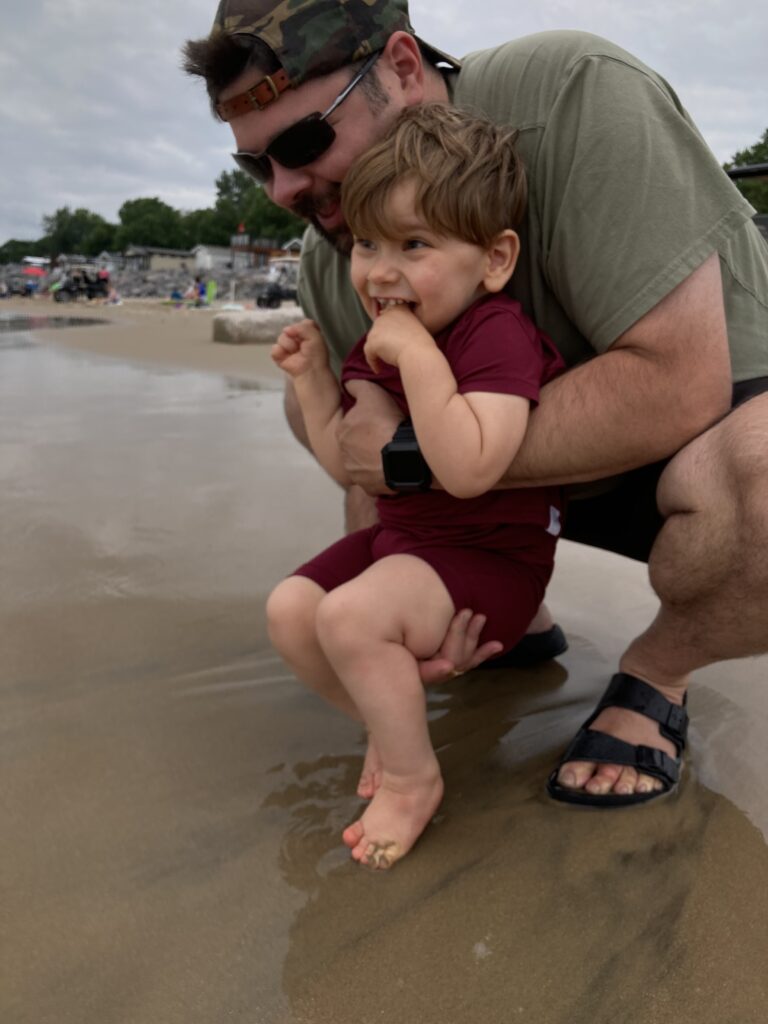
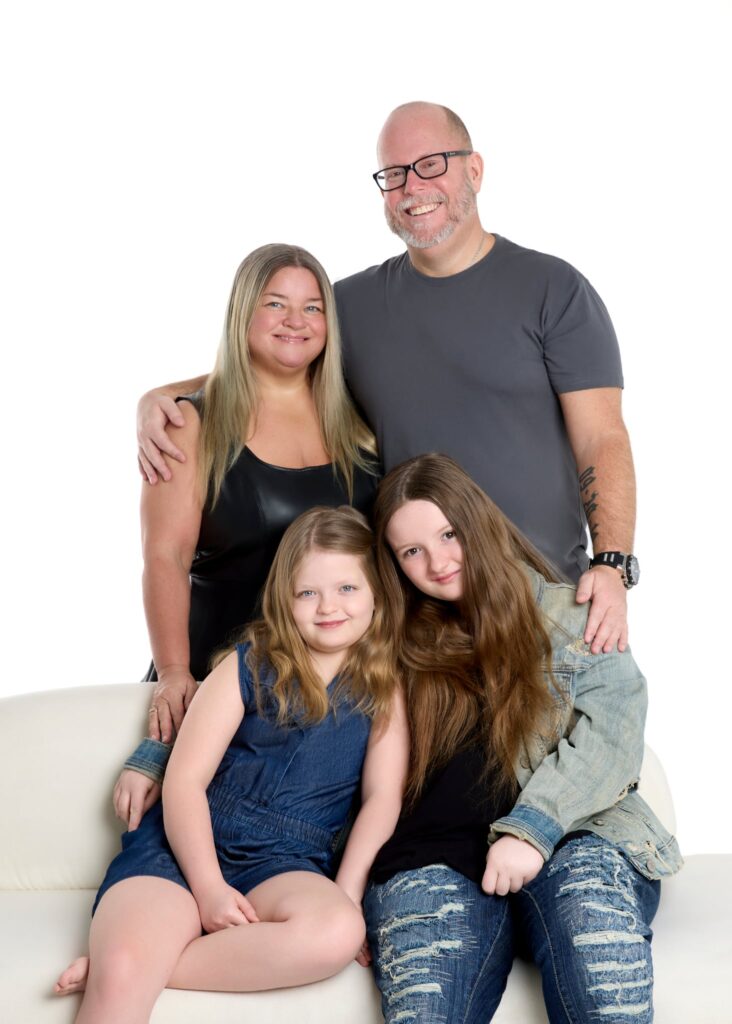
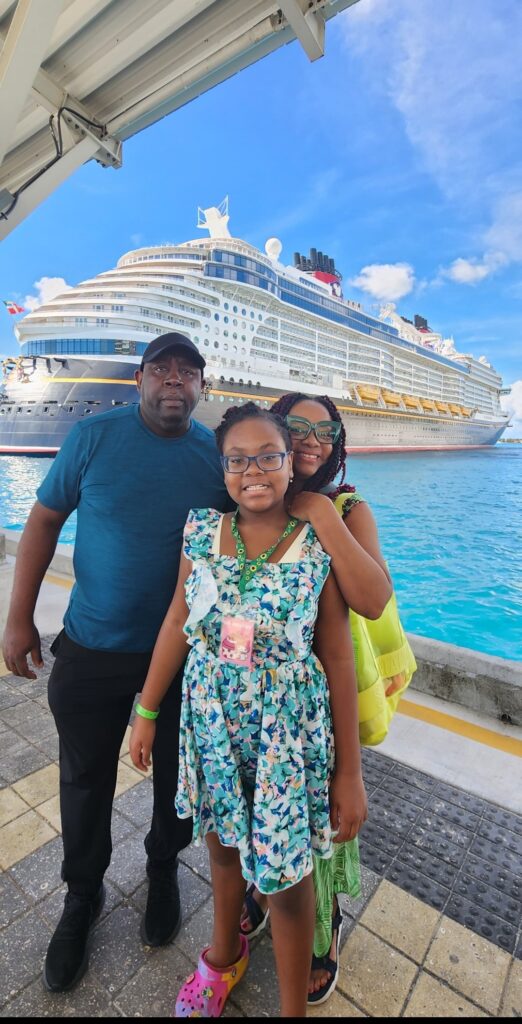
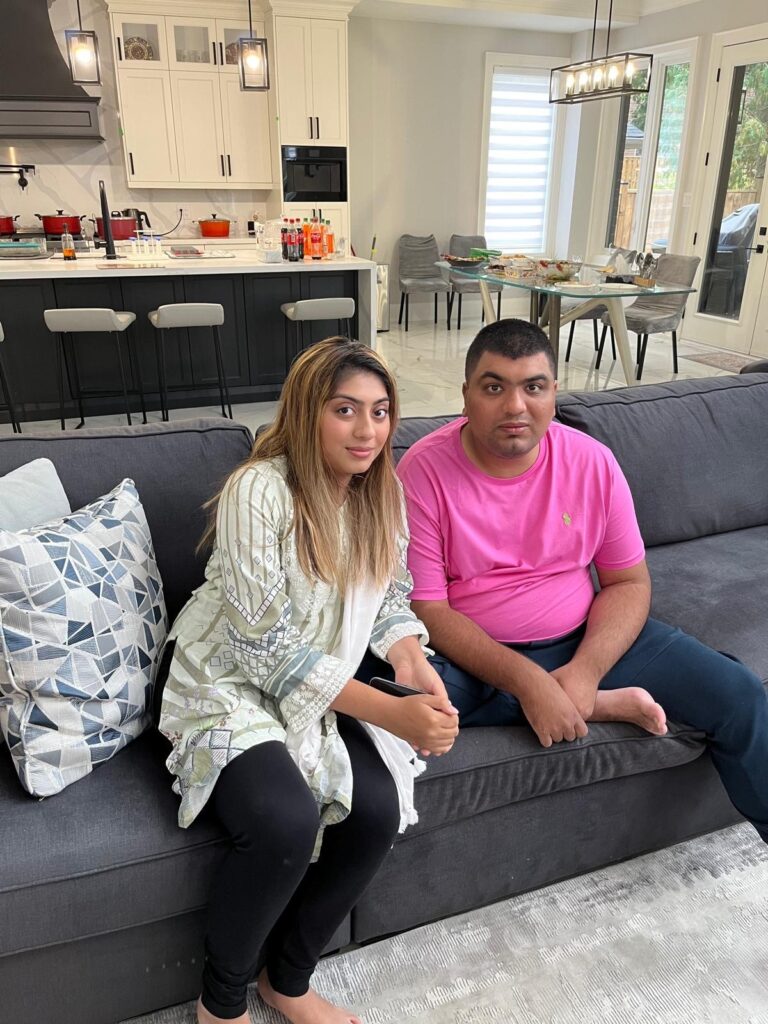
Kiara posing with her family

However, one day Kiara experienced a “breakthrough seizure” that lasted an hour. It was summer, and the family had just finished dinner and was relaxing at home when Kiara suddenly began to scream in pain and became inconsolable. Her parents, initially thinking it was due to fatigue, put her to bed. But when her father, Mahendra, checked on her, he noticed she had wet the bed and was twitching and unresponsive. An ambulance was called, and paramedics administered rescue medication, but the seizures continued until they reached the hospital.

Just four months later, Kiara had another seizure. This time, although conscious, she was unable to speak, and half of her body was paralyzed, with her right side completely shut down. During the 20-minute wait for an ambulance, Kiara experienced a seizure lasting two and a half hours, with twitching and foaming at the mouth. Despite several doses of rescue medication, her seizures persisted. It was then decided that Kiara would need an additional daily medication, Clobazam, to help control the seizures.

It has been more than two years since Kiara’s last seizure. Since her first major seizure occurred while she slept, Kiara now co-sleeps with her mother, Nerissa, to ensure her safety. Though she is seizure-free, the family remains vigilant. Unfamiliar body movements, headaches, or even extreme weather (heat or cold) require extra caution. Kiara’s spasms and seizures presented differently, making it difficult to identify triggers and further complicating prevention.

Watching a child in pain and feeling helpless is a trauma no parent should endure. The experience of being a “medical parent” without clear guidelines or treatment plans is equally frightening. Nerissa credits her husband for being a voice of reason, offering advice that helps ground her when the demands of medical parenting become overwhelming.

“You can’t stop life. You can’t prevent these things. You have to go with the flow. Live life and enjoy [Kiara] being healthy now. You can’t stop her growth and her life because of [our] worries and overprotectiveness. Just breathe, and everything will be okay. The seizures have always stopped, and we have resources (the right support, doctors, medications). Don’t project your fears and concerns onto your child.”

While the worry never fully disappears, Kiara’s family has learned to regain some control. Every November 15, they celebrate Kiara’s anniversary of being seizure-free, complete with cupcakes and candles. They sing “Happy Seizure-Free to You,” turning the milestone into a positive celebration. Each year, Kiara proudly declares, “I did it again!”

In March we acknowledge Juvenile Arthritis Awareness Month, World Teen Mental Wellness Day, World Birth Defects Day, World Hearing Day, World Lymphedema Day, International Women’s Day, World Social Work Day, National Cerebral Palsy Awareness Day, Purple Shirt Day and the Transgender Day of Visibility. Read more about each date of significance below, written by members of Grandview Kids’ Inclusivity, Diversity, Equity and Accessibility (IDEA) Committee.

Juvenile Arthritis Awareness Month

March is Juvenile Arthritis Awareness Month in Canada, highlighting the challenges faced by the over 24,000 children under 16 living with this condition. Juvenile arthritis includes various autoimmune and inflammatory diseases that cause joint inflammation and stiffness, with symptoms ranging from mild to severe pain and reduced mobility. The causes of juvenile arthritis are not fully understood but involve the immune system mistakenly attacking the body’s tissues, influenced by genetic and environmental factors.

Early diagnosis and appropriate treatment are vital for managing symptoms and preventing long-term joint damage. Treatment strategies may include medications, physical therapy and sometimes surgery. By raising awareness, we aim to improve understanding and support for these young patients and their families across Canada.

Learn more about Juvenile Arthritis Awareness Month here!

World Teen Mental Wellness Day: March 2

This day raises awareness about the mental health challenges teens face, from stress and anxiety to depression and social pressures. It’s a reminder of the importance of open conversations, reducing stigma and ensuring young people have access to the support they need. You can show your support by checking in on the teens in your life, encouraging open discussions about mental well-being and sharing resources that promote self-care and resilience. Small actions (like listening without judgment or normalizing seeking help) can make a big difference.

In 2024, Sam Keane, a former Grandview Kids client and current Grandview Kids employee working on the Family Engagement Team as a Peer Navigator shared his story for Teen Mental Wellness Day. Sam has Spastic Triplegia Cerebral Palsy and, during his time as a client, accessed many of Grandview Kids’ services, such as physiotherapy and occupational therapy, alongside a variety of social programs and activities. These resources helped Sam achieve many personal goals and accomplishments throughout his journey as he transitioned from adolescence to adult life outside of Grandview Kids. Click here to read Sam’s story.

World Birth Defects Day: March 3

March 3 is World Birth Defects Day (WBDD). Birth defects, also known as congenital disorders, are health conditions that develop before birth and affect the structure or function of a baby’s body. These defects can result in physical, intellectual or developmental disabilities, which can vary in severity.

Maritza B., a research coordinator at Grandview Kids, was born with one of the most common birth defects: a cleft lip and palate. A cleft lip and palate occur when the tissues and bones of the face and mouth do not fully fuse, resulting in a gap in the upper lip and/or palate. Maritza is grateful for the opportunity to raise awareness of birth defects and highlight the importance of equitable prevention efforts worldwide. Through the collective efforts of researchers, medical professionals and community members, Maritza believes we can reduce stigma and improve the quality of care for individuals born with birth defects.

World Hearing Day: March 3

World Hearing Day is observed every March 3 to raise awareness about hearing loss and promote ear care globally. The 2025 theme encourages everyone to prioritize their hearing health.

This year, the World Health Organization (WHO) will introduce a new global standard for safe listening in video games and sports. WHO will also launch a school module to teach students about smart listening. These initiatives aim to improve listening habits and integrate hearing care into education.

Learn more about World Hearing Day here!

World Lymphedema Day: March 6

World Lymphedema Day is observed annually on March 6. The day was officially recognized in 2016 after the Lymphatic Education & Research Network (LE&RN) successfully petitioned the United States Senate. In 2025, it will mark the 10th World Lymphedema Day. The day aims to raise awareness of lymphatic diseases worldwide

Lymphatic diseases encompass a range of conditions that affect the lymphatic system, a key part of the immune system responsible for fighting infection and cancer. Common conditions include lymphedema, lipedema, lymphatic malformations, lymphatic filariasis and the lymphatic continuum of diseases. These diseases occur when the lymph vessels are unable to properly drain lymph fluid.

Learn more about World Lymphedema Day here.

International Women’s Day: March 8

March 8, 2025, is International Women’s Day. This year’s theme is “Let’s accelerate action for women’s equality.” Today is a day to celebrate the incredible achievements women have made so far and the ongoing work toward achieving gender parity.

Since its inception in 1911, IWD has served as a symbol of solidarity, uniting individuals to collaborate and drive action that promotes positive change in women’s equality around the world. Let’s reflect on these achievements and take pride in how far we’ve come while staying motivated to continue working toward greater progress.

There are many ways to support women’s equality. Here are a few:

  • Educate yourself and others on women’s equality and current global issues.
  • Ask questions, even when others may not.
  • Raise awareness of women’s equality, rights and achievements.
  • Get involved in initiatives that advance women’s progress.
  • Fundraise or donate to women-focused charities and organizations.
  • Support women-owned businesses.
  • Thank the powerful women in your life.
  • Reflect on the positive changes women around the world have made (and are making) to support gender parity.

Let’s come together to support and celebrate International Women’s Day and continue the work of the trailblazers who paved the way before us!

Here are some great quotes to consider:

  • “There is no limit to what we, as women, can accomplish.” – Michelle Obama
  • “I think realizing that you’re not alone, that you are standing with millions of your sisters around the world is vital.” – Malala Yousafzai
  • “Every women’s success should be an inspiration to another. We’re stronger when we cheer each other on.” – Serena Williams
  • “I’ve never been interested in being invisible and erased.” – Laverne Cox
  • “What’s the greatest lesson a woman should learn? That since day one, she’s already had everything she needs within herself. It’s the world that convinced her she did not.” – Rupi Kaur

World Social Work Day: March 18

World Social Work Day has been observed annually on the third Tuesday of March since 2007, recognizing the vital contributions of social workers in building inclusive, equitable and sustainable communities. Organized by the International Federation of Social Workers (IFSW) and celebrated on March 18 this year, the day serves as a platform to highlight the achievements of social work and advocate for social justice, human rights, and the well-being of individuals and communities.

Each year, a specific theme draws attention to pressing social issues, encouraging collaboration among professionals, organizations and policymakers to drive meaningful change. This year’s theme is “Strengthening Intergenerational Solidarity for Enduring Wellbeing,” which emphasizes the importance of care and respect across generations to support strong communities.

World Social Work Day celebrates the dedication of social workers while raising awareness about the challenges they face and the critical role they play in shaping a more just society.

National Cerebral Palsy Awareness Day: March 25

March is National Cerebral Palsy Awareness Month, and National Cerebral Palsy Awareness Day is on March 25.

Cerebral Palsy (CP) is a group of movement disorders that affect a person’s ability to move and maintain balance and posture. It is the most common physical disability in childhood, and while it affects everyone differently, it can impact muscle tone, coordination and motor skills.

This initiative was started by a CP advocacy group in 2006. Supporters, activists and advocates celebrate by wearing green, using the “#GoGreen4CP” hashtag and donating to organizations that support people with CP.

Here is a quote from a mom whose child is a Grandview Kids Client with CP: “At first, it was difficult and hard to accept that something was wrong with my son. Once I came to terms with this, all the help and support from the Grandview Kids staff made it an easier road.”

Purple Shirt Day: March 26

Purple Shirt Day is an international grassroots movement aimed at raising awareness about epilepsy. On March 26 each year, people around the world wear purple and host events in support of epilepsy awareness.

Epilepsy is a neurological disorder that causes recurring, unprovoked seizures. It is the fourth most common neurological condition worldwide. In people with epilepsy, surges of electrical activity in the brain trigger seizures.

Last year, individuals in more than 85 countries across all continents participated in Purple Day. Canada is the only country to officially recognize March 26 as Purple Day, following the implementation of the Purple Day Act on June 28, 2012.

Transgender Day of Visibility

Transgender Day of Visibility (TDOV) is observed annually on March 31 to celebrate transgender people and raise awareness of the discrimination they face worldwide. Founded in 2009 by transgender activist Rachel Crandall, TDOV was created to counter negative narratives often associated with transgender lives. By observing TDOV, individuals and organizations can help foster understanding, reduce stigma and promote inclusivity for transgender people in workplaces, schools and communities.

In March, we acknowledge Holi, St. Patrick’s Day, St. Joseph’s Day and Eid al-Fitr. Read more about each holiday/celebration below, written by members of our Inclusivity, Diversity, Equity and Accessibility (IDEA) Committee.

Holi

Holi, one of the most vibrant and widely celebrated festivals in Hindu culture, is marked by joy and enthusiasm around the world. Known as “the festival of colours,” it celebrates the arrival of spring and the triumph of good over evil. Individuals take part in the tradition of painting each other in coloured powders, dancing, singing and sharing festive foods.

Rooted in Hinduism, Holi is derived from the legend of Prahlad and the demoness Holika. It’s a time for forgiveness, letting go of past grievances and fostering peace and harmony. The festival also symbolizes renewal, marking the end of winter and the beginning of new beginnings, as it celebrates the victory of light, love and good fortune over darkness.

St. Patrick’s Day

Celebrated annually on March 17, St. Patrick’s Day originally honoured St. Patrick, the patron saint of Ireland, with religious feasts and services. Born in the late 4th century, St. Patrick was kidnapped at the age of 16 and taken to Ireland as a slave. After escaping, he later returned to the country to convert the Irish to Christianity. By the time of his death, St. Patrick had established monasteries, churches and schools across Ireland. One of the most famous legends surrounding him is that he drove the snakes out of Ireland.

Although rooted in religion, St. Patrick’s Day has evolved into a largely secular holiday, especially in North America, where immigrants transformed it into a celebration of all things Irish. The first St. Patrick’s Day parade was held in Boston in 1737, and in 1962, Chicago began the now-iconic tradition of dyeing its river green for the occasion.

Today, St. Patrick’s Day celebrations, particularly in North America and Australia, bring together people of all backgrounds. Those who celebrate typically wear green, participate in parades and indulge in traditional Irish foods like corned beef and cabbage, shepherd’s pie and Irish soda bread.

St. Joseph’s Day

St. Joseph’s Day, also known as the Feast of Saint Joseph, is celebrated annually on March 19. Saint Joseph holds great significance for Christians as the husband of Mary and the stepfather of Jesus. The day is observed with particular importance in Poland and Canada, and it is also recognized as Father’s Day in Italy and Spain. In Switzerland, it is a public holiday.

In Canada, St. Joseph’s Day is especially celebrated in areas with large Italian communities. Traditionally, people wear red and gather for a special meal featuring “lucky” foods. Since the day falls during Lent, the meal typically includes fish instead of meat.

Eid al-Fitr

Eid al-Fitr holds deep significance in Islam. It is centred on gratitude, renewal and community connection. The festival marks the end of Ramadan, a month of fasting and spiritual growth that brings Muslims closer to Allah (God) and fosters self-discipline. Eid is a time to express thanks for the strength gained during Ramadan and the blessings of the year.

The celebration brings Muslims together for prayer, feasting and acts of charity, underscoring the importance of giving to the less fortunate, family and community. Islam’s emphasis on thankfulness and forgiveness encourages a fulfilling life, promotes conflict resolution and helps build resilience and harmony among people.

In February, we acknowledge Vasant Panchami, Setsubun, Shab-e Barat, Nirvana Day and Ramadan. Read more about each holiday/celebration below, written by members of our Inclusivity, Diversity, Equity and Accessibility (IDEA) Committee.

Vasant Panchami: February 2

Vasant Panchami is a famous festival that marks the end of the winter season and ushers in the springtime. Saraswati is the Hindu goddess of the Vasant Panchami festival. Saraswati is the goddess of wisdom. She embodies the different facets of learning, such as the sciences, arts, crafts and skills. She is often pictured seated on a lotus or a peacock, wearing a white dress. Many honour the Goddess Saraswati by waking up early and dressing in yellow (believed to be her favourite colour), eating and sharing yellow sweets and snacks, and performing rituals (puja) to her deity.

Setsubun: February 3

Setsubun (節分), meaning “seasonal division,” is a traditional Japanese festival celebrated on February 3, 2024, to welcome the arrival of spring according to the Japanese lunar calendar. The festival includes the ritual of Mamemaki, a tradition of throwing roasted soybeans to drive away evil spirits and invite good fortune. While throwing the soybeans, individuals shout, “Oni wa soto! Fuku wa uchi!” (“Devils out, happiness in”) as a means of purifying your space and minds. Although some customs are no longer popular during Setsubun, few people continue to traditionally ornament their homes with fish heads and holy tree leaves at their entrances to deter evil spirits from entering. This ritual symbolizes purification and is a lively family activity that emphasizes unity and tradition. Setsubun holds cultural and spiritual significance, marking the seasonal transition and creating a sense of harmony with nature.

Shab-e Barat: February 13 (depends on moon sighting)

Celebrated on the 15th of Shaban, Shab-e Barat, or the Night of Forgiveness, is a significant Islamic festival. On this night, Muslims worldwide ask forgiveness for their sins from the all-merciful Allah (God in Arabic). Additionally, the night can be used to seek mercy for the deceased and ill family members. It is believed that Allah decides the fortune and the future of every creature of the earth on this night. Muslims across the world celebrate the night differently depending on cultural diversity and local traditions.

Nirvana Day: February 15

Nirvana Day celebrated annually on February 15, holds significant importance in the Buddhist tradition as it commemorates the death of Buddha and his attainment of Nirvana. Buddhists believe in rebirth, meaning that all people are born again and again. During the Buddha’s life, he became enlightened, which means he understood the true nature of everything. So, when he died, he achieved complete Nirvana, which means he was free from ever being reborn again.

On Nirvana Day, Buddhists go to a temple or monastery and reflect deeply on the teachings of Buddha. People may engage in meditation sessions, participate in rituals, and engage in acts of charity and kindness to honour the Buddha’s teachings and legacy. It is also a time to think about impermanence, which means that we remember that people and things are precious, but they do not last forever, so we should enjoy them while we can. 

Ramadan (Friday, February 28 to Sunday, March 30)

Ramadan, the ninth month of the Islamic calendar, is a sacred time for Muslims, marking the revelation of the Qur’an. During the month, Muslims fast from dawn to sunset, abstaining from food and drink as an act of worship, spiritual discipline, and empathy for the less fortunate. The fast is broken at sunset with prayer and a festive meal called iftar, often shared with family and friends. In addition to the five daily prayers, Muslims also perform the Tarawih night prayers and observe Laylat al-Qadr on the 27th night, believed to be when the Qur’an was first revealed to Prophet Muhammad. Ramadan ends with Eid al-Fitr, a celebration of the fast’s conclusion, featuring meals, gift exchanges and charitable giving to the poor.

In February, we acknowledge Black History Month, World Hijab Day, Eating Disorders Awareness Week, Missing Women’s Memorial March, International Childhood Cancer Day and Pink Shirt Day. Read more about each date of significance below, written by members of our Inclusivity, Diversity, Equity and Accessibility (IDEA) Committee.

Black History Month

February is dedicated to observing Black history and celebrating the achievements of Black communities and individuals. This month, people across Canada participate in events and festivities that honour the legacy of Black people in Canada and their communities. The theme for Black History Month 2025 is Black Legacy and Leadership: Celebrating Canadian History and Uplifting Future Generations.

Did you know? Hallie Quinn Brown, born in 1850, was an elocutionist and is considered by many to be the first Black Speech-Language Pathologist in America. Hallie utilized her skills in linguistics to improve the early literacy and language of Black children living on plantations and taught thousands of Black adults the power of using spoken language to enact change for social justice.

Learn more about Black History Month here!

World Hijab Day: February 1

As we approach World Hijab Day on February 1, it presents a meaningful opportunity for us at Grandview Kids to enhance our understanding and appreciation of the cultural and religious practices of our Muslim colleagues, clients and their families.

Initiated by Nazma Khan in 2013, World Hijab Day is dedicated to raising awareness and fostering understanding about the hijab, which is a head covering worn by many Muslim women as part of Islamic modesty. This practice often includes wearing loosely fitted clothing to avoid attracting attention from non-mahram (men whom they can marry). At Grandview Kids, recognizing the significance of the hijab is crucial in ensuring our Muslim clients, caregivers and staff feel safe, respected and free from fear.

Staff member, Fadia, wearing the Hijab at Grandview Kids.

We encourage open and respectful dialogues about the cultural and religious importance of the hijab, and we invite our staff to engage in this cultural experience. If any staff member is interested in wearing the hijab for a period of time as a gesture of solidarity or understanding, we warmly encourage them to reach out to their Muslim colleagues. Our Muslim staff members would be delighted to share their experiences and even bring a hijab for those interested to try out. This gesture can be a powerful way to connect, understand and show support.

Eating Disorders Awareness Week: February 1 to 7

Since 2020, Eating Disorders Awareness Week has provided an opportunity to raise awareness about various types of eating disorders which can affect individuals of all demographics. Though Eating Disorders Awareness Week has only been officially recognized since 2020, it has existed since 1986.

It’s interesting to note that eating disorders can be caused both by medical conditions and socioeconomic conditions. According to Statistics Canada, in 2022, 6.9 million Canadians experienced food insecurity, 1.6 million of whom were children. This food insecurity can often lead to the development of eating disorders as well.

There are several types of eating disorders, though one of the most common is anorexia or anorexia nervosa, which is a psychiatric condition in which a patient restricts how much food they eat based on their energy needs. These individuals tend to eat less and exercise more, resulting in these individuals becoming extremely underweight, which can lead to several additional medical complications. This is just one example, though there are many others.

If you or someone you know is struggling with any type of eating disorder, or if you are interested in learning more about learning disorders, please see our additional resources below, or please reach out to your healthcare provider.

Resources

  1. https://nied.ca/the-history-of-eating-disorders-awareness-week-edaw/
  2. https://kidshealth.org/en/teens/eat-disorder.html
  3. https://nedic.ca/eating-disorders-treatment/

Missing Women’s Memorial March: February 14

The Missing Women’s Memorial March occurs on February 14 to honour the lives of missing and murdered Indigenous women and girls across Canada and the USA. The event originated in downtown Vancouver’s eastside following the murder of a local Indigenous woman in 1992. Since then, it has grown to become an annual march to recognize all missing indigenous women and girls around the globe.

Participants in the Women’s March believe that it stands for survival and resilience and symbolizes the reclamation of dignity that has been denied to many women in Canada who identify as part of a marginalized group. Although originating in Vancouver, provinces all over Canada now hold annual marches to honour and bring visibility to these missing women and girls. To find out more information on marches for 2025, be sure to research marches in your community.

International Childhood Cancer Day: February 15

International Childhood Cancer Day is a global collaborative campaign to raise awareness about childhood cancer, and to express support for children and adolescents with cancer, the survivors and their families.

The day promotes increased appreciation and deeper understanding of issues and challenges relevant to childhood cancer and impacting on children/adolescents with cancer, the survivors, their families and society as a whole. It also spotlights the need for more equitable and better access to treatment and care for all children with cancer everywhere. As a community that supports children and youth, we stand with the World Health Organization Initiative for Childhood Cancer – striving for 60% survival globally by 2030.

Pink Shirt Day: February 26

Pink Shirt Day originated in 2007 in Coldbrook, Nova Scotia, when two grade 12 students bought 50 pink shirts to support a new student who was bullied for wearing one. The next day, most students wore pink, leading to the birth of Pink Shirt Day. In recognition of this event, Nova Scotia declared the second Thursday of September as “Stand Up Against Bullying Day,” and the movement spread globally, with British Columbia declaring February 27 as Anti-Bullying Day in 2008 and the United Nations recognizing May 4 as Anti-Bullying Day in 2012.

In Canada, Pink Shirt Day is now celebrated on the last Wednesday of February, raising awareness about bullying prevention, kindness, and inclusion, with the movement continuing to grow.

Learn more about Pink Shirt Day here!

Written by IDEA committee member and Grandview Kids parent, Abby V.

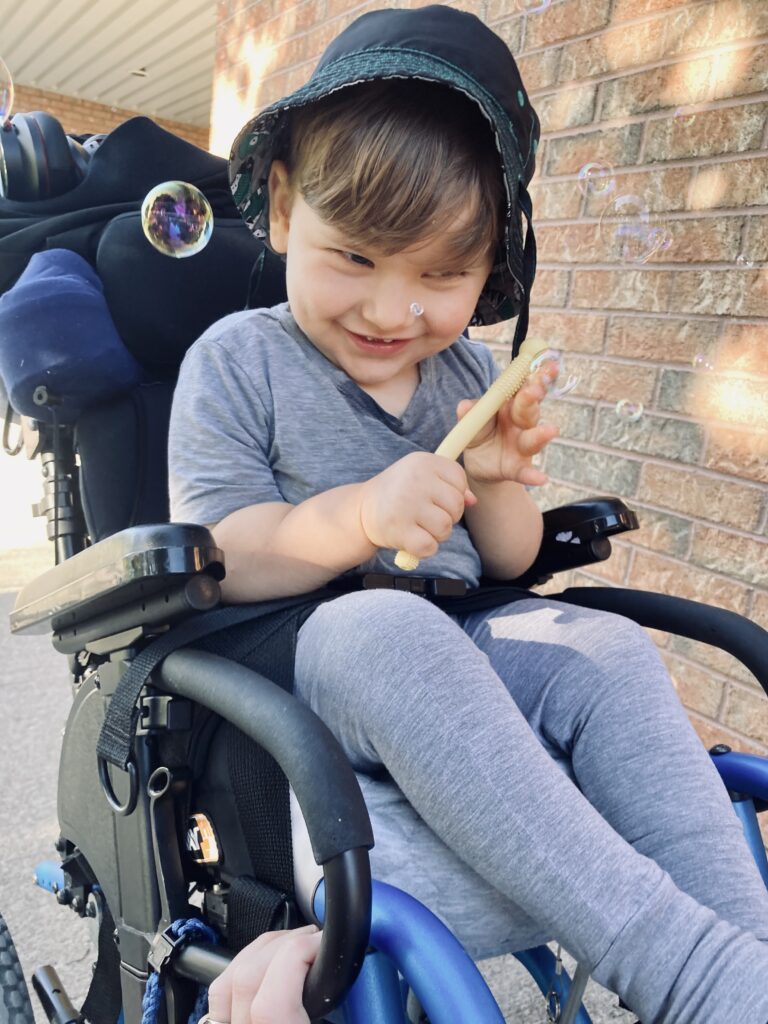
Rare Disease Day is an international event held on February 28 to raise awareness about the impact of rare diseases on people’s lives and to emphasize the need for research. Canadian families with rare illnesses are facing extraordinary challenges. These include misdiagnosis, unnecessary surgeries, social isolation, financial hardship and lack of treatment options.

Read the interview between Abby and Owen’s parents below to learn more about his rare diagnosis of Kleefstra syndrome and his relationship with Grandview Kids.


Q: What does Owen like to do? 

A: He loves to listen to stories, go for drives in the car, watch wrestling with his dad, and dance, bake and snuggle on the couch with his mom. Like a typical little brother, he also loves to torment his sister and looks forward to her visits home from school. 

Q: What is Owen’s diagnosis and how rare is it? 

A: Kleefstra Syndrome, a microdeletion at 9q34.3. At the time of diagnosis in 2010, he was only the 124th person in the world to have Kleefstra Syndrome. With improvements in testing, we now believe there are close to 1000 people worldwide with this diagnosis. 

Q: What is Kleefstra Syndrome? 

A: Kleefstra Syndrome is a rare genetic condition that affects development and involves many body systems. Those with Kleefstra Syndrome are missing the gene EMHT1 which is a regulator for other genes. Symptoms can include intellectual delay, autism, low tone, seizures and speech delay. 

Q: What signs and symptoms led to Owen’s diagnosis? 

A: Owen was not meeting milestones as a baby which was initially believed to be due to his being born 6 weeks early. However, it soon became obvious that his collection of symptoms may have a genetic basis. His nasal bridge was shortened, he had very low tone and was not gaining weight due to feeding and swallowing issues. 

Q: How was Owen diagnosed? 

A: He underwent local testing, and the results came back as unremarkable. We decided to have him do a test in the U.S. that looks for gene changes in cells called FISH testing (fluorescence in situ hybridisation). At the time, this test was not available in Canada and required extensive paperwork and approvals. Now genetic testing is more routine and easier to obtain. 

Q: How has Grandview Kids helped Owen? 

A: Grandview Kids became a big part of Owen and his family’s life soon after diagnosis. He has accessed vital services for his development and well-being, including medical, physiotherapy, occupational therapy, speech-language pathology, recreational therapy, social work and family engagement. Grandview Kids helped build a community of support which without, his family would have been lost. Owen has met many of his milestones at Grandview Kids, including his first words, steps and riding a bike. 

Q: If you could go back to the day of Owen’s diagnosis, what advice would you give to yourselves? 

A: Hold on! Seriously, just let him lead and follow his direction. Nothing changed on diagnosis day. He is still the exact same kid; we just got more information. 

  • ⟨
  • Page 1
  • Interim pages omitted …
  • Page 9
  • Page 10
  • Page 11
  • Page 12
  • Page 13
  • Interim pages omitted …
  • Page 25
  • ⟩

Primary Sidebar

Child Stories

LnRiLWZpZWxke21hcmdpbi1ib3R0b206MC43NmVtfS50Yi1maWVsZC0tbGVmdHt0ZXh0LWFsaWduOmxlZnR9LnRiLWZpZWxkLS1jZW50ZXJ7dGV4dC1hbGlnbjpjZW50ZXJ9LnRiLWZpZWxkLS1yaWdodHt0ZXh0LWFsaWduOnJpZ2h0fS50Yi1maWVsZF9fc2t5cGVfcHJldmlld3twYWRkaW5nOjEwcHggMjBweDtib3JkZXItcmFkaXVzOjNweDtjb2xvcjojZmZmO2JhY2tncm91bmQ6IzAwYWZlZTtkaXNwbGF5OmlubGluZS1ibG9ja311bC5nbGlkZV9fc2xpZGVze21hcmdpbjowfQ==
LnRiLWhlYWRpbmcuaGFzLWJhY2tncm91bmR7cGFkZGluZzowfQ==
ICAudGItaW1hZ2V7cG9zaXRpb246cmVsYXRpdmU7dHJhbnNpdGlvbjp0cmFuc2Zvcm0gMC4yNXMgZWFzZX0ud3AtYmxvY2staW1hZ2UgLnRiLWltYWdlLmFsaWduY2VudGVye21hcmdpbi1sZWZ0OmF1dG87bWFyZ2luLXJpZ2h0OmF1dG99LnRiLWltYWdlIGltZ3ttYXgtd2lkdGg6MTAwJTtoZWlnaHQ6YXV0bzt3aWR0aDphdXRvO3RyYW5zaXRpb246dHJhbnNmb3JtIDAuMjVzIGVhc2V9LnRiLWltYWdlIC50Yi1pbWFnZS1jYXB0aW9uLWZpdC10by1pbWFnZXtkaXNwbGF5OnRhYmxlfS50Yi1pbWFnZSAudGItaW1hZ2UtY2FwdGlvbi1maXQtdG8taW1hZ2UgLnRiLWltYWdlLWNhcHRpb257ZGlzcGxheTp0YWJsZS1jYXB0aW9uO2NhcHRpb24tc2lkZTpib3R0b219IC53cC1ibG9jay1pbWFnZS50Yi1pbWFnZVtkYXRhLXRvb2xzZXQtYmxvY2tzLWltYWdlPSJhMWJlMmUyODAwMWFkMGRlMjBhM2RlZWVlYmE5MDJhMSJdIHsgbWF4LXdpZHRoOiAxMDAlOyB9IEBtZWRpYSBvbmx5IHNjcmVlbiBhbmQgKG1heC13aWR0aDogNzgxcHgpIHsgICAudGItaW1hZ2V7cG9zaXRpb246cmVsYXRpdmU7dHJhbnNpdGlvbjp0cmFuc2Zvcm0gMC4yNXMgZWFzZX0ud3AtYmxvY2staW1hZ2UgLnRiLWltYWdlLmFsaWduY2VudGVye21hcmdpbi1sZWZ0OmF1dG87bWFyZ2luLXJpZ2h0OmF1dG99LnRiLWltYWdlIGltZ3ttYXgtd2lkdGg6MTAwJTtoZWlnaHQ6YXV0bzt3aWR0aDphdXRvO3RyYW5zaXRpb246dHJhbnNmb3JtIDAuMjVzIGVhc2V9LnRiLWltYWdlIC50Yi1pbWFnZS1jYXB0aW9uLWZpdC10by1pbWFnZXtkaXNwbGF5OnRhYmxlfS50Yi1pbWFnZSAudGItaW1hZ2UtY2FwdGlvbi1maXQtdG8taW1hZ2UgLnRiLWltYWdlLWNhcHRpb257ZGlzcGxheTp0YWJsZS1jYXB0aW9uO2NhcHRpb24tc2lkZTpib3R0b219IH0gQG1lZGlhIG9ubHkgc2NyZWVuIGFuZCAobWF4LXdpZHRoOiA1OTlweCkgeyAgIC50Yi1pbWFnZXtwb3NpdGlvbjpyZWxhdGl2ZTt0cmFuc2l0aW9uOnRyYW5zZm9ybSAwLjI1cyBlYXNlfS53cC1ibG9jay1pbWFnZSAudGItaW1hZ2UuYWxpZ25jZW50ZXJ7bWFyZ2luLWxlZnQ6YXV0bzttYXJnaW4tcmlnaHQ6YXV0b30udGItaW1hZ2UgaW1ne21heC13aWR0aDoxMDAlO2hlaWdodDphdXRvO3dpZHRoOmF1dG87dHJhbnNpdGlvbjp0cmFuc2Zvcm0gMC4yNXMgZWFzZX0udGItaW1hZ2UgLnRiLWltYWdlLWNhcHRpb24tZml0LXRvLWltYWdle2Rpc3BsYXk6dGFibGV9LnRiLWltYWdlIC50Yi1pbWFnZS1jYXB0aW9uLWZpdC10by1pbWFnZSAudGItaW1hZ2UtY2FwdGlvbntkaXNwbGF5OnRhYmxlLWNhcHRpb247Y2FwdGlvbi1zaWRlOmJvdHRvbX0gfSA=

Program Spotlight: Family Engagement

Our Family Engagement Team (FET) is comprised of caregivers to Grandview Kids clients and former clients (grads), who use their lived experience and specialized training to support other parents, caregivers...

Latest Updates

  • Grandview Kids and Lakeridge Health open Canada’s first anesthesia procedure clinic in a Children’s Treatment Centre May 6, 2026
  • Ahaana’s magic ears: Speech and Hearing Month May 5, 2026
  • May: Dates of Significance April 30, 2026
  • Building confidence through the power of giving: Norah’s story April 30, 2026
  • A Place Where S Shines: Williams Syndrome Awareness Month April 29, 2026

You Have Questions

We’d like to help you find the answers…

Contact Us Today

© Grandview Kids Built by PeaceWorks

  • About Us
  • Contact Us
  • Privacy
Accessibility Adjustments

Powered by OneTap

How long do you want to hide the toolbar?
Hide Toolbar Duration
Select your accessibility profile
Vision Impaired Mode
Enhances website's visuals
Seizure Safe Profile
Clear flashes & reduces color
ADHD Friendly Mode
Focused browsing, distraction-free
Blindness Mode
Reduces distractions, improves focus
Epilepsy Safe Mode
Dims colors and stops blinking
Content Modules
Font Size

Default

Line Height

Default

Color Modules
Orientation Modules