• Skip to primary navigation
  • Skip to main content
  • Skip to primary sidebar
Grandview Kids Logo

Grandview Kids

Every Child And Youth Living Life At Their Full Potential

  • About Us
    • Vision, Mission and Values
    • The New Grandview Kids
      • Operational Readiness
      • Visiting Grandview Kids’ Ajax Headquarters
    • Our History
    • Leadership
    • Board of Directors and Committees
      • Join our Board of Directors and Committees
    • Annual Report
    • Strategic Plan
    • Policies
  • Calendar
  • Annual Report
    • Strategic Direction 1: Deliver meaningful, efficient client and caregiver outcomes and experiences
    • Strategic Direction 2: Foster a thriving, connected Team Grandview
    • Strategic Direction 3: Collaborate with partners to maximize impact, focusing on Durham Region
    • The New Grandview Kids – The Jerry Coughlan Building
    • 2024-25 Financial Statement
    • Grandview Kids Foundation update
    • Grandview School update
  • Contact
    • Contactez – nous
    • Ajax – Headquarters
    • Bowmanville Health Centre
    • Grandview School
    • Oshawa – Dwyer
    • Port Perry
    • Whitby – Abilities Centre
  • Careers
  • Register
  • Donate
  • Instagram
  • LinkedIn
  • Facebook
  • Services and Programs
    • Audiology
    • Autism Program
      • Autism Spectrum Disorder (ASD) Diagnostic Hub
      • Caregiver-Mediated Early Years Programs
      • OAP Core Clinical Services
      • Entry to School Program
      • Foundational Family Services
    • Blind-Low Vision Program
    • Extensive Needs Service
    • Family Engagement Program
      • Adolescent Transition Program
      • Family Leader Program
        • Family Advisory Council
        • Youth Advisory Council
    • Infant Hearing Program
    • Medical Services
      • Autism Spectrum Disorder (ASD) Diagnostic Hub
      • Complex Care Program
      • Grandview Anesthesia Procedure (GAP) Clinic
      • Hypertonia Clinic
      • Nutrition Services
      • Orthopaedic Clinic
    • Occupational Therapy
    • Physiotherapy
    • Preschool Outreach Program
    • School Programs & Resources
      • Resources for Educators
      • School-Based Rehabilitation
    • Service Navigation
      • SmartStart Hub: Parents
      • SmartStart Hub: Partners
    • Social Work
    • Speech-Language Pathology
      • Augmentative and Alternative Communication
    • Therapeutic Recreation
  • Purchased Services
    • Beyond the Walls
    • Summer Camp 2026
    • OAP Core Clinical Services
      • Behaviour Services
  • Research
    • Get involved in research
    • IDEA Study
      • Building knowledge and understanding of the intersection of race and disability in accessing pediatric rehabilitation services.
    • Research Associate: Dr. Fiona Moola
    • Research Associate: Dr. Meghann Lloyd
  • Resources
    • Ability Acceptance Program
    • Arriving at Grandview Kids
    • Community Supports & Resources
    • Family Support Fund
    • Free to Read Program
    • Frequently Asked Questions
    • Gather by Grandview Kids
    • News and Updates
    • Privacy
    • Resources for Parents and Caregivers
    • Visiting Grandview Kids
  • Support Us
    • 50/50 Lottery
    • Ways to support
    • Host a fundraiser
    • Participate in an event
      • Golf Fore Grandview Kids
      • Sponsor the Drum
      • Dream Big, Dream Brighter Awards Gala
    • Leave a legacy
      • Gifts of securities
      • Gifts of bequests
      • Gifts of life insurance
    • Your impact
    • Building a Legacy: Honouring Jerry Coughlan
  • I Want To…
    • Connect with Grandview Kids
    • Donate
    • Refer a child or youth
    • Register via My Community Hub
    • Schedule an Appointment
    • Volunteer at Grandview Kids
    • Work at Grandview Kids
  • Grandview School
    • About Our Program
    • About Our Board
    • Grandview School Social Story
    • Plans and Reports
    • Resources for Families
    • Resources for Schools – Switch It Up!
    • Careers and Volunteering
    • Contact Grandview School
  • Search

Posted September 24, 2024

October 20-26: Canadian Down Syndrome Week – Ariana’s Story

Awareness Days

Written by a Grandview parent

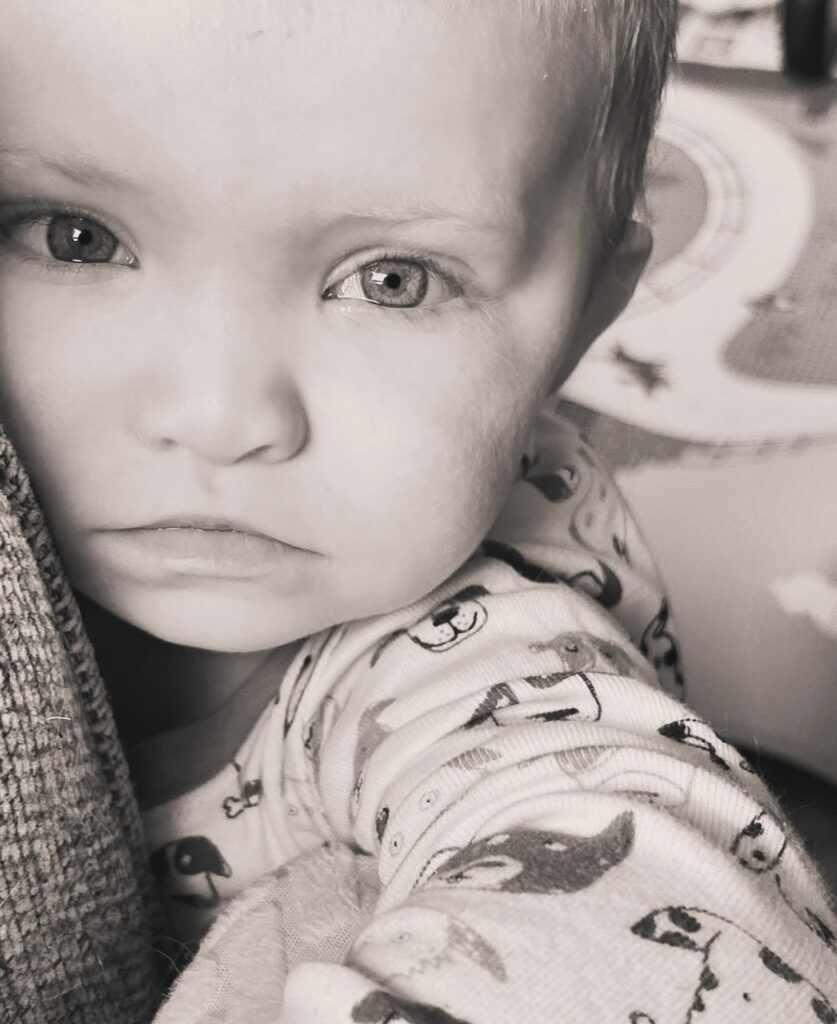
My husband and I are proud parents to three beautiful children, ages seven, five and three months. There is never a dull moment in our house, and we wouldn’t change one bit of it.

Seven years ago, our beautiful baby girl, Ariana, was born. She was the image of perfection and everything we could have dreamt of. Shortly after birth, she was having trouble breathing and was put in the neonatal intensive care unit (NICU) for the first time. As new parents, we were terrified but had all the faith in the world that she would be okay and we would be taking her home in no time.


The next day, the paediatrician walked in to inform us that her breathing was under control, but he also let us know that the breathing issue was the least of his concerns. At this time, we received the very unexpected news that Ariana was born with Down Syndrome and had a hole in her heart.

Having so much information thrown at us all at once was indescribable. We had a diagnosis, health complications, appointments to rush to and juggling just being first-time parents. To say the first three months of Ariana’s life were overwhelming is a complete understatement. It was incredibly isolating and daunting trying to navigate this world alone.


This is where our journey with Grandview Kids began. I remember the first time I walked through the doors, not knowing what to expect. I was greeted with smiles from the staff, eager to meet our sweet girl. It was the first time anyone said, “Congratulations.” I could finally breathe again, knowing that we had found our place—a place of acceptance, love and support.

Ariana has received many services through Grandview Kids, including Physiotherapy, Occupational Therapy, Speech-Language Pathology, Medical Services and Social Work. Ariana has moved mountains with her development and continues to blow us away daily. She has come from being non-verbal to now speaking in sentences. She holds her pencil perfectly and is practicing writing her name by herself. She runs, jumps, rides a bike and swims like a fish. I could go on and on about everything she can do today that took a lot of practice, determination and guidance from Grandview Kids.

My family would not be where we are today without the help of Grandview Kids. Clients and caregivers in the Durham Region can utilize life-changing programs and services that changed my little girl’s life.

Written by Grandview Kids OT, Suvaathy V.

October is Occupational Therapy (OT) Month in Canada! OT month is about celebrating and raising awareness about occupational therapy, a very diverse profession with one main goal: helping people live the best lives they can.

What is Occupational Therapy?

When we think of the word “occupation,” we often think of “work,” but occupations are everyday activities that you need to do, want to do or are expected to do. Occupations generally fall into three categories:

  • Self-care: feeding, sleeping, dressing, toileting, personal hygiene
  • Productivity: participating in school activities (handwriting), routines, chores, job skills
  • Leisure: play development, participation in community activities, sports

OT is a health profession that enables people across their lifespan to engage in activities essential for their well-being, independence, and overall quality of life. OT considers the person as a whole by considering how their ability relates to their environment and the activities they want to do.

What do Occupational Therapists do?

When someone cannot participate in daily activities due to injury, illness, disability or social and environmental barriers, an Occupational Therapist will work with them to develop strategies to help them participate in meaningful occupations. Occupational Therapists work in various settings, such as hospitals, clinics, schools and the community.

At Grandview Kids, Occupational Therapists work with children, their families and other professionals to help children carry out their daily activities to the best of their ability. Occupational Therapists can help identify the child’s strengths and abilities, suggest ways to simplify the activity, implement adaptive equipment to help the child do the activity, suggest changes to the environment to support the child in doing the activity, break down the activity into small steps and help the child develop new skills to do the activity.

In honour of OT Month and World OT Day, we asked staff what OT means to them and why they chose to pursue the profession.

“I love the variety of the work I can do as an OT. The fact that it focuses on the person and what brings value to their life and what they want to be able to do is key.  I can pull out my creative and practical brain to help solve their challenges as they see them.  I became an OT after being amazed by young people doing their thing at Easter Seals camps and wanting to support them to be able to do that.” – Marika Beaumont, Clinical Manager

“My favourite part about working in Cccupational Therapy is how creative we get to be to support our clients in a way that is meaningful and motivating to them! Every person is so unique, and being able to support a client in a way that suits them is super rewarding!” – Emily Fredericks, Occupational Therapist

“I love OT because it is a profession embedded in kindness and human connection – dedicated to understanding a person and their dreams, learning what is meaningful, inspiring hope-filled environments and discovering how to get there together. We choose to look at things from a different perspective. To see a person with an injury, illness or disability and to also see the same person’s strength, potential and goals is a pretty incredible thing.” – Suvaathy Vigneswaran, Occupational Therapist

During OT month, there are two special dates to remember:

  • October 12: Occupational Therapy Assistant (OTA) Appreciation Day
    • By working collaboratively with occupational therapists, OTAs play a key role in supporting the delivery of OT services to clients, families, and communities.
  • October 27: World Occupational Therapy Day
    • This year’s World Occupational Therapy Day theme is “Occupational Therapy for All.”

Let’s take this month as an opportunity to acknowledge and appreciate the dedicated OTs and OTAs who positively impact so many lives. If you know an OT or OTA, take a moment to express your gratitude and recognize their tireless efforts in helping others!


Originating in the United States as Lesbian and Gay History Month in 1994, it is a month-long observance of the history of the lesbian, gay, bisexual and transgender (LGBT) rights movement. LGBT History Month was founded by Missouri high school history teacher Rodney Wilson, who believed that it was important to recognize and celebrate the achievements and contributions of the LGBT community and to raise awareness of the discrimination and challenges that LGBT people face.

While this awareness month is preceded by the acronym “LGBT,” it is critical to recognize that it is not entirely inclusive of the community it aims to represent. When referring to sexual and gender-diverse communities, opt instead for the acronym “2SLGBTQI+,” which represents Two-Spirit, lesbian, gay, bisexual transgender, queer, intersex and additional people who identify as part of sexual and gender-diverse communities. Note that the Government of Canada has officially adopted the acronym “2SLGBTQI+” as a more comprehensive alternative to “LGBT.”

Breaking down the acronym further: The “2S” at the front recognizes Two-Spirit people as the first 2SLGBTQI+ communities. The “I” for intersex considers sex characteristics beyond sexual orientation, gender identity and gender expression. The “+” is inclusive of people who identify as part of sexual and gender diverse communities, who use additional terminologies.

Read this helpful FAQ-style document from SEE Change Happen* to learn more about LGBT History Month. It includes information on the difference between this awareness month and Pride Month, how the 2SLGBTQI+ community has been erased in history, what the role of an ally is, and more.

*SEE Change Happen is a United Kingdom (UK)- based organization. The UK observes LGBT History Month in February, as referenced in the FAQ. While the article is from last year, it provides a solid basis for understanding the significance of acknowledging and understanding 2SLGBTQI+ history.

In September, we acknowledge International Pain Awareness Month, Chiari Malformation Awareness Month, Ganesh Chaturthi, Duchenne Muscular Dystrophy Awareness Day, Worldwide Cystic Fibrosis Day, Fetal Alcohol Syndrome Day, World Suicide Prevention Day, International Myotonic Dystrophy Awareness Day, World Lymphoma Day, World Patient Safety Day, World Chronic Myeloid Leukemia Day, and International Day of Sign Languages. Below, read more about each date of significance, written by members of our Inclusivity, Diversity, Equity and Accessibility (IDEA) Committee.

International Pain Awareness Month

September is International Pain Awareness Month. This month is dedicated to raising awareness and understanding pain. We know that many adults and children alike experience chronic pain due to their varying diagnoses. Pain management is an essential factor that can determine a person’s quality of life. Some of our Grandview Kids families share how pain impacts their family’s daily living and the different ways they help to manage their brave children’s pain.

“Cerebral palsy causes my child lifelong pain due to the spasticity in his muscles. To manage his pain and ease the tightness in his legs, we do daily stretches taught by our physiotherapist, use knee-immobilizers while in long-legged sitting and administer over-the-counter pain medication, such as acetaminophen when necessary. We also attend Grandview Kids’ Botox Clinic every 4-6 months to receive Botox shots that are quite painful at the moment but create huge but temporary relief. As a parent, I would switch places to take the pain away from my child, but I am also very proud of my child’s resiliency and strength.”

“There were times I felt helpless and frustrated, unable to take away my child’s pain. I prayed to God, asking to let me bear his pain and free him from it. In those moments, I realized just how deeply I loved my child.”

“Due to our child’s kidney issues, we have to limit the use of pain medication. This led us to explore alternative treatments, including homeopathy, oils, chiropractic care, and many prayers. These approaches have made a difference in managing his pain levels.”

“I have broken down in tears, seeing my son in unbearable pain. Despite his own suffering, he saw my helplessness and reassured me that he was feeling better, even pretending his pain wasn’t as severe to keep me from being upset. To me, he is a true hero.”

“For families just beginning their journey with pain, I want to say: take it one day at a time and explore as many alternatives as possible to manage pain. Talk to others, learn what has worked for them, and draw strength from their experiences as parents. Never overlook when your child says they are in pain—listen closely and respond with love. Sometimes, the smallest gestures, like singing a song or reading a book, can work like magic to divert their attention from constant discomfort. Above all, never lose hope, and know that your presence alone is a source of immense comfort to your child.”

“Living with pain in our family, especially after our daughter’s recent hip surgery, has been quite challenging. We face each day as it comes, trying our best to manage her discomfort. Some days are particularly tough, even though we exhaust all efforts to ease her pain. We navigate this difficult time by seeking help whenever possible and supporting each other as best as we can.

For families just beginning their journey with pain, remember to do everything you can to manage the situation, but don’t feel guilty on the days when it feels like nothing is working. It’s important to take breaks when you can, as self-care is crucial. You are doing your best, and that’s what truly matters.”

Chiari Malformation Awareness Month

Chiari malformation is a condition where part of the cerebellum extends into the spinal canal, which can pressure the brainstem and spinal cord. There are four types, with Type I being the most common, causing symptoms like headaches, neck pain, dizziness, and balance problems. Types II and III are more severe and often diagnosed in infancy, leading to significant neurological issues. Diagnosis is usually done with MRI scans. Treatment varies depending on the severity, ranging from monitoring and pain management to surgery to relieve pressure on the brain and spinal cord. Early detection and treatment are crucial for managing symptoms and preventing complications. September is Chiari Malformation Awareness Month, a time dedicated to raising awareness about this condition and supporting those affected.

Sept 6: Ganesh Chaturthi

Ganesh Chaturthi is a Hindu celebration that honours the birth of Lord Ganesh, the god of wisdom and prosperity. This celebration is being observed as a 10-day festival starting on September 6, 2024. During this time, idols of Ganesh are offered food and anointed. Observers will chant vedic hymns, give prayers and fast. Lord Ganesh is known as the remover of obstacles and is often seen to bring good fortune, prosperity and success to his devotees. We would like to take this time to wish any staff celebrating a happy Ganesh Chaturthi!


Sept 7: Duchenne Muscular Dystrophy Awareness Day

Duchenne Muscular Dystrophy (DMD) is a rare progressive disorder. People with DMD are missing muscle-protecting proteins. This is due to a fault in the gene-producing dystrophin. Muscles become weaker over time until the disease affects the whole body. It is caused by a mutation on the X-chromosome, which is why mainly males are affected.

First, walking becomes difficult, and then other motor functions follow. Ultimately, it affects the ability to breathe and the function of the heart, as the heart is also a muscle. The missing protein also functions in the brain, so learning and behaviour issues can also be part of the disease.

In most countries, the average age of diagnosis of DMD is above four years of age, and the diagnostic delay is around 2.5 years. Parents see symptoms much earlier, and some symptoms are already visible when the children are very young.

Duchenne Muscular Dystrophy is named after Dr. Duchenne de Boulogne, one of the first to report the disease in detail in the 1860s.

This year’s World Duchenne Awareness Day theme emphasizes the importance of amplifying voices to advocate for the rights, inclusion and well-being of people living with Duchenne muscular dystrophy (DMD) and other dystrophinopathies. We invite everyone, irrespective of their personal connection to Duchenne, to join in creating a more inclusive world where people living with disabilities are empowered to thrive. #WorldDuchenneAwarenessDay.

Sept 8: Worldwide Cystic Fibrosis Day 

Cystic fibrosis (CF) is the most common fatal genetic disease affecting more than 4,300 Canadian children, adolescents, and young adults. Half of the Canadians who died with CF in the past five years were under the age of 37. Unfortunately, there is no current cure.  

CF affects many systems in the body but mainly affects the digestive system and lungs.  

Typical symptoms and complications caused by cystic fibrosis are: 

  • Persistent cough with productive thick mucous 
  • Wheezing and shortness of breath 
  • Weight loss or failure to gain weight despite possible increased appetite 
  • Difficulty digesting fats and proteins 
  • Malnutrition and vitamin deficiencies because of the inability to absorb nutrients 
  • Progressive lung damage from chronic infections and inflammation 
  • CF-related diabetes 
  • Sinus infections 

For more information, please visit www.cysticfibrosis.ca/about-cf

Sept 9: Fetal Alcohol Syndrome Day

Fetal Alcohol Syndrome Day is observed every year on September 9 to raise awareness about Fetal Alcohol Spectrum Disorders (FASD). First recognized in 1999, the date 9/9 symbolizes the nine months of pregnancy, during which women must abstain from alcohol to protect their developing fetus from harm. Fetal Alcohol Spectrum Disorder (FASD) refers to a range of lifelong effects on the brain and body caused by prenatal exposure to alcohol.

Individuals with FASD may face challenges in various aspects of their daily lives, including motor skills, physical health, learning, memory, attention, communication, emotional regulation, and social skills. Despite these challenges, every individual with FASD has unique strengths and can reach their full potential with the proper support. FASD is a lifelong condition, but with increased awareness and understanding, we can better support those affected and work towards preventing future cases. Today, we encourage everyone to learn more about FASD, share this vital message, and support individuals and families impacted by this disorder.

Learn more about the impact of alcohol:

  • Living with Fetal Alcohol Syndrome (YouTube)
  • What Can Alcohol Do To A Fetus? (YouTube)

Sept 10: World Suicide Prevention Day

World Suicide Prevention Day, held every year on September 10, is a global effort to raise awareness about the critical issue of suicide and to promote actions that can help prevent it. This day is a call to action for individuals, communities and organizations to come together in support of those who may be struggling with suicidal thoughts or mental health challenges. It emphasizes the importance of understanding, compassion and open dialogue in breaking down the stigma that often surrounds mental illness.

Through educational campaigns, supportive networks and accessible resources, World Suicide Prevention Day seeks to create a world where everyone feels heard, valued and connected, reducing the tragic loss of life and offering hope to those in need. By fostering a culture of empathy and care, we can work towards a future where suicide is no longer seen as the only option.

Sept 15: International Myotonic Dystrophy Awareness Day

Myotonic dystrophy (DM) is a form of muscular dystrophy that affects muscles and other organs in the body. “Myotonia” is defined as the inability to relax muscles at will. “Muscular dystrophy” is defined as progressive muscle degeneration, with weakness and shrinkage of the muscle tissue. International Myotonic Dystrophy Awareness Day aims to bring awareness to the broader public and anyone interested in changing the future of myotonic dystrophy.

Raising awareness of myotonic dystrophy will help improve service provision, basic research, drug development, and policymaking related to the disease. Wear green on September 15 to raise awareness!

Sept 15: World Lymphoma Awareness Day

On Sunday, September 15, it is the 20th anniversary of World Lymphoma Day. The theme of this year focuses on the emotional effects of living with Lymphoma. A yearly trend that comes out of the Global Patient Survey on Lymphoma shows that most patients and caregivers experience emotional effects during their diagnosis, including anxiety, depression and fear of cancer progression.

Having honest conversations can help. Creating a link between caregivers and patients, as well as their healthcare teams, can help foster an understanding and support blanket for those affected.

Sept 17: World Patient Safety Day

World Patient Safety Day, observed annually on September 17, is a significant occasion to reaffirm our commitment to patient and client safety. This year, we are joining hands with healthcare professionals around the world to raise awareness about the importance of patient safety and to promote open dialogue on this critical issue.

At Grandview Kids, our focus is on fostering a culture of transparency and accountability in client care. Together, let’s continue to ensure that every client receives safe and effective care and strive to continuously improve our services for the well-being of all. 

Thank you to all who contribute to the many programs and services available to our families.  We all play a very important role in our clients’ and families’ experiences, and doing so safely is a significant priority.

Sept 23: World Chronic Myeloid Leukemia Day 

World Chronic Myeloid Leukemia (CML) Day is on September 22 each year. It’s a special day to learn about and raise awareness for chronic myeloid leukemia, a type of cancer that affects the blood and bone marrow. People with CML have too many white blood cells, which can make them very sick. This day is important because it helps us understand CML and how it impacts those with it.

To help today, you can start by learning about CML and sharing what you know with friends and family. Another great way to support is by donating to organizations that are working hard to find better treatments and cures. Your efforts can make a big difference for people living with CML and help improve their lives.

Sept 23: International Day of Sign Languages


We recognize International Day of Sign Languages (IDSL) annually on September 23 with the goal of celebrating and encouraging the use of sign languages. The date chosen for IDSL falls during International Week of the Deaf and commemorates when The World Federation of the Deaf (WFD) was founded in 1951. WFD is a global movement to raise awareness of the issues Deaf people face in their everyday lives.  Sign language is a valuable means of communicating across different languages and cultures and is not limited in use by the Deaf community. Many individuals in our Grandview Kids community, including parents with their babies/toddlers and non-verbal children, learn American Sign Language as an alternative and/or bridge to verbal communication.


The National Day for Truth and Reconciliation, or “Orange Shirt Day,” falls on Monday, September 30, 2024. This day honours the children who never returned home and Survivors of residential schools, as well as their families and communities. Public commemoration of the tragic and painful history and ongoing impacts of residential schools is a vital component of the reconciliation process.

What was the residential school system?

Established in the late 19th century and extending throughout the 20th, Canada’s residential school system aimed to assimilate Indigenous children into Euro-Canadian culture, a process that involved forcibly separating them from their families and suppressing their cultural practices, languages and identities. The harm inflicted upon these children was immeasurable, including emotional, physical and psychological suffering. They endured neglect, abuse and even death within the confines of these institutions.

The consequences have extended far beyond the immediate suffering experienced by those who attended these schools. Generational trauma, the pain and emotional scars passed down through families and communities, continues to reverberate through Indigenous communities today. This enduring legacy underscores the urgent need for healing, reconciliation and the ongoing commitment to ensuring that such injustices are never repeated.

Source: First Light

What you can do to support the National Day for Truth and Reconciliation

Wear an orange shirt: Orange shirts became a recognizable symbol for Truth and Reconciliation after Phyllis Webstad publicly shared her experiences in the residential school system in 2013. Phyllis shared that her grandmother took her into town to buy her a new piece of clothing ahead of her first day of school. She chose a brightly coloured orange shirt. She wore it on her first day of residential school as a reminder of her grandmother, the rest of her family and the community she grew up in. Her orange shirt was immediately confiscated when she arrived at the residential school. No matter how much Phyllis begged for her orange shirt back, it was not returned to her. Click here to listen to Phyllis Webstad’s experience at Residential School and the creation of Orange Shirt Day.

If you do not have an orange shirt, consider purchasing one from any of the websites below, where all proceeds go directly to Indigenous groups and organizations:

  • Bawaajigewin Aboriginal Community Circle
    • Bawaajigewin Aboriginal Community Circle (BACC) is an Indigenous-led incorporated non-profit agency in the Durham Region.
  • Nish tees
  • Walmart Canada

Educate yourself: Take the time to learn about the history of residential schools in Canada. Understand the depth of the suffering and the long-lasting impact on Indigenous communities. Consider starting your education on the Government of Canada’s Indigenous arts, culture and heritage web page.

Listen and learn from survivors of residential schools: If you have the opportunity, listen to the stories of residential school survivors. Their firsthand accounts provide invaluable insights into Indigenous peoples’ experiences and resilience.

Engage in difficult conversations: Have open and respectful discussions with family and friends about the legacy of residential schools. Encourage dialogue, empathy and understanding.

Austin’s Story

Chiari Malformation is a congenital defect in the lower back of the head where the brain and spinal cord connect. The brain tissue extends into the spinal canal, putting pressure on the brain that can cause symptoms such as headaches, decreased strength in the arms and hands, neck pain and other health problems. The severity and impact of symptoms will vary for individuals with Chiari Malformation, thus making diagnosis and treatment difficult to determine until after the onset of specific signs and symptoms.

Eight-year-old Austin, the youngest of Michelle’s three children, was born one month premature but overall healthy except for having clubfoot that would require reconstructive foot surgery at seven months of age. When his cast was removed eight weeks after the surgery, he would not use his right leg and began to show right-sided weakness, alerting his parents that something was awry. His parents, Michelle and Matthias, continued to seek medical help in search of a diagnosis despite being told by doctors that he did not meet the criteria for a Chiari Malformation or Tethered Cord Syndrome diagnosis.


After months of appointments at Grandview Kids for bracing, casting and post-surgery rehab treatments, Austin’s physiotherapist, Winnie, went above and beyond her duty as she advocated for the family and sent a referral to Sick Kids Hospital for further investigation. During physiotherapy sessions, she noticed that Austin’s case needed to be looked at differently as the underlying cause seemed not to be muscular but neurological. After completing a number of MRIs and seeing symptoms worsen, Austin was finally diagnosed with Chiari Malformation at age one.

Treatment for Chiari Malformation is determined based on the severity and state of progressiveness of the illness. Austin’s first seven years of life would be spent at endless appointments at many of Sick Kids’ clinics, including their Pain, Neurology and Neurosurgery Clinics, and working hard during physiotherapy (PT) and occupational therapy (OT). He could not walk for more than 15 minutes at a time, required the use of a stroller at school, was quickly drained of energy and had neurological damage to his right hand and pelvic floor due to Chiari Malformation.


Austin’s parents continued to fight for further medical intervention due to his poor quality of life. On June 05, 2023, Austin finally received his life-changing Chiari Malformation Decompression Surgery. His abnormally enlarged tonsils were removed along with two inches of his skull and C1 and C2 of his vertebrae. Since his surgery, Austin’s quality of life has improved exponentially. Once too exhausted to participate in extra-curricular activities, he is now on the soccer team, has found a love for running track and swimming, rides a bike, and does it all in a way that exceeds doctors’ expectations.


Although Austin still has difficulty keeping up with his peers due to his fragility, tremors, right-sided weakness and right-hand nerve damage, his tenacity is palpable. “I don’t quit,” is Austin’s motto. He pushes himself in PT and OT without complaint, aiming to get stronger. Michelle believes that his fierce determination is shaped by having always involved him in his care. From reviewing brain MRI images to reading medical books geared for kids and watching videos on procedures that he will have done, “We made it normal language in our house… because we are a team,” Michelle states.

Austin has taught his family how to persevere, remain positive through the negative and always fight to be the best version of ourselves. Michelle shares Austin’s story because “being a medical mama is a lonely world,’ and she does not want anyone to feel alone as she did. She hopes that her story encourages and empowers other families to be their own champions, knowing that individual stories matter and that, collectively, these powerful stories can make meaningful changes for future generations.

  • ⟨
  • Page 1
  • Interim pages omitted …
  • Page 12
  • Page 13
  • Page 14
  • Page 15
  • Page 16
  • Interim pages omitted …
  • Page 25
  • ⟩

Primary Sidebar

Child Stories

LnRiLWZpZWxke21hcmdpbi1ib3R0b206MC43NmVtfS50Yi1maWVsZC0tbGVmdHt0ZXh0LWFsaWduOmxlZnR9LnRiLWZpZWxkLS1jZW50ZXJ7dGV4dC1hbGlnbjpjZW50ZXJ9LnRiLWZpZWxkLS1yaWdodHt0ZXh0LWFsaWduOnJpZ2h0fS50Yi1maWVsZF9fc2t5cGVfcHJldmlld3twYWRkaW5nOjEwcHggMjBweDtib3JkZXItcmFkaXVzOjNweDtjb2xvcjojZmZmO2JhY2tncm91bmQ6IzAwYWZlZTtkaXNwbGF5OmlubGluZS1ibG9ja311bC5nbGlkZV9fc2xpZGVze21hcmdpbjowfQ==
LnRiLWhlYWRpbmcuaGFzLWJhY2tncm91bmR7cGFkZGluZzowfQ==
ICAudGItaW1hZ2V7cG9zaXRpb246cmVsYXRpdmU7dHJhbnNpdGlvbjp0cmFuc2Zvcm0gMC4yNXMgZWFzZX0ud3AtYmxvY2staW1hZ2UgLnRiLWltYWdlLmFsaWduY2VudGVye21hcmdpbi1sZWZ0OmF1dG87bWFyZ2luLXJpZ2h0OmF1dG99LnRiLWltYWdlIGltZ3ttYXgtd2lkdGg6MTAwJTtoZWlnaHQ6YXV0bzt3aWR0aDphdXRvO3RyYW5zaXRpb246dHJhbnNmb3JtIDAuMjVzIGVhc2V9LnRiLWltYWdlIC50Yi1pbWFnZS1jYXB0aW9uLWZpdC10by1pbWFnZXtkaXNwbGF5OnRhYmxlfS50Yi1pbWFnZSAudGItaW1hZ2UtY2FwdGlvbi1maXQtdG8taW1hZ2UgLnRiLWltYWdlLWNhcHRpb257ZGlzcGxheTp0YWJsZS1jYXB0aW9uO2NhcHRpb24tc2lkZTpib3R0b219IC53cC1ibG9jay1pbWFnZS50Yi1pbWFnZVtkYXRhLXRvb2xzZXQtYmxvY2tzLWltYWdlPSJhMWJlMmUyODAwMWFkMGRlMjBhM2RlZWVlYmE5MDJhMSJdIHsgbWF4LXdpZHRoOiAxMDAlOyB9IEBtZWRpYSBvbmx5IHNjcmVlbiBhbmQgKG1heC13aWR0aDogNzgxcHgpIHsgICAudGItaW1hZ2V7cG9zaXRpb246cmVsYXRpdmU7dHJhbnNpdGlvbjp0cmFuc2Zvcm0gMC4yNXMgZWFzZX0ud3AtYmxvY2staW1hZ2UgLnRiLWltYWdlLmFsaWduY2VudGVye21hcmdpbi1sZWZ0OmF1dG87bWFyZ2luLXJpZ2h0OmF1dG99LnRiLWltYWdlIGltZ3ttYXgtd2lkdGg6MTAwJTtoZWlnaHQ6YXV0bzt3aWR0aDphdXRvO3RyYW5zaXRpb246dHJhbnNmb3JtIDAuMjVzIGVhc2V9LnRiLWltYWdlIC50Yi1pbWFnZS1jYXB0aW9uLWZpdC10by1pbWFnZXtkaXNwbGF5OnRhYmxlfS50Yi1pbWFnZSAudGItaW1hZ2UtY2FwdGlvbi1maXQtdG8taW1hZ2UgLnRiLWltYWdlLWNhcHRpb257ZGlzcGxheTp0YWJsZS1jYXB0aW9uO2NhcHRpb24tc2lkZTpib3R0b219IH0gQG1lZGlhIG9ubHkgc2NyZWVuIGFuZCAobWF4LXdpZHRoOiA1OTlweCkgeyAgIC50Yi1pbWFnZXtwb3NpdGlvbjpyZWxhdGl2ZTt0cmFuc2l0aW9uOnRyYW5zZm9ybSAwLjI1cyBlYXNlfS53cC1ibG9jay1pbWFnZSAudGItaW1hZ2UuYWxpZ25jZW50ZXJ7bWFyZ2luLWxlZnQ6YXV0bzttYXJnaW4tcmlnaHQ6YXV0b30udGItaW1hZ2UgaW1ne21heC13aWR0aDoxMDAlO2hlaWdodDphdXRvO3dpZHRoOmF1dG87dHJhbnNpdGlvbjp0cmFuc2Zvcm0gMC4yNXMgZWFzZX0udGItaW1hZ2UgLnRiLWltYWdlLWNhcHRpb24tZml0LXRvLWltYWdle2Rpc3BsYXk6dGFibGV9LnRiLWltYWdlIC50Yi1pbWFnZS1jYXB0aW9uLWZpdC10by1pbWFnZSAudGItaW1hZ2UtY2FwdGlvbntkaXNwbGF5OnRhYmxlLWNhcHRpb247Y2FwdGlvbi1zaWRlOmJvdHRvbX0gfSA=

Rare Disease Day – February 28

Rare Disease Day is an international event held on February 28 to raise awareness about the impact of rare diseases on people’s lives and to emphasize the need for research....

Latest Updates

  • Grandview Kids and Lakeridge Health open Canada’s first anesthesia procedure clinic in a Children’s Treatment Centre May 6, 2026
  • Ahaana’s magic ears: Speech and Hearing Month May 5, 2026
  • May: Dates of Significance April 30, 2026
  • Building confidence through the power of giving: Norah’s story April 30, 2026
  • A Place Where S Shines: Williams Syndrome Awareness Month April 29, 2026

You Have Questions

We’d like to help you find the answers…

Contact Us Today

© Grandview Kids Built by PeaceWorks

  • About Us
  • Contact Us
  • Privacy
Accessibility Adjustments

Powered by OneTap

How long do you want to hide the toolbar?
Hide Toolbar Duration
Select your accessibility profile
Vision Impaired Mode
Enhances website's visuals
Seizure Safe Profile
Clear flashes & reduces color
ADHD Friendly Mode
Focused browsing, distraction-free
Blindness Mode
Reduces distractions, improves focus
Epilepsy Safe Mode
Dims colors and stops blinking
Content Modules
Font Size

Default

Line Height

Default

Color Modules
Orientation Modules