Celebrating World Spina Bifida and Hydrocephalus Day
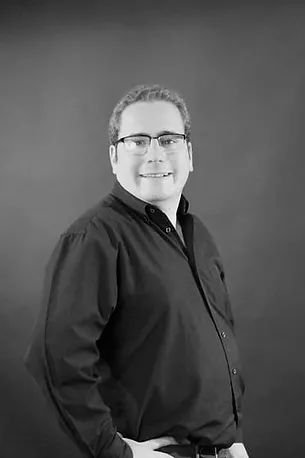
Mitchell is an Ability Acceptance Presenter and Archivist at Grandview Kids. He draws on his lived experience, love of history and passion for performance to help others understand disability, accessibility and the importance of seeing the person beyond the diagnosis. Mitchell also lives with hydrocephalus, and although part of his story, it is far from the whole story.
Hydrocephalus occurs when cerebrospinal fluid (CSF), which surrounds and cushions the brain and spinal cord, builds up in the brain. This can happen when the normal flow or drainage of CSF is blocked or disrupted. The resulting pressure can damage the brain, making hydrocephalus a medical emergency requiring timely treatment.
Mitchell developed hydrocephalus shortly after birth. At around three months of age, his mother, Barb, noticed that his head had grown enough that his hat no longer fit. She also noticed “sunsetting” of his eyes, in which the eyes appear to look downward, an important warning sign of hydrocephalus in infants. What followed was a lengthy and complicated hospital stay. Doctors first attempted a ventriculostomy, a neurosurgical procedure to drain CSF, but it was unsuccessful. Mitchell then received a shunt, a surgically implanted tube-and-valve system, which became blocked and infected and had to be removed. After a temporary external shunt and antibiotics, his current shunt was placed. Shortly afterward, he experienced a serious brain hemorrhage. Fortunately, doctors were able to identify and stop the bleeding.
Mitchell’s early days were frightening and uncertain for his parents, but nearly three decades later, Mitchell’s shunt is still functioning well. Although he continues to live with some of its effects, such as phantom pains at incision sites and delicate, intentional movement of his neck to prevent shunt damage, his experience also highlights how dramatically treatment has changed. “Hydrocephalus is not a new condition,” Mitchell says as he shares its history. “Its name comes from Greek terms meaning “water” and “head,” and descriptions of the condition can be traced through ancient medical writings. Historically, however, there were few effective treatments. Procedures such as drilling into the skull to drain fluid offered only temporary relief, and many children with severe hydrocephalus did not survive.”
The development of shunts in the 20th century transformed treatment. Further advances from the 1960s through the 1990s brought safer procedures, improved technology and a better understanding of the condition. Today, treatment can include shunts and minimally invasive procedures, with programmable shunts allowing clinicians to adjust pressure settings. Mitchell experienced treatment during a period of considerable trial and error. His experience is therefore also a living piece of medical history, a fitting connection for someone with a special interest in history.
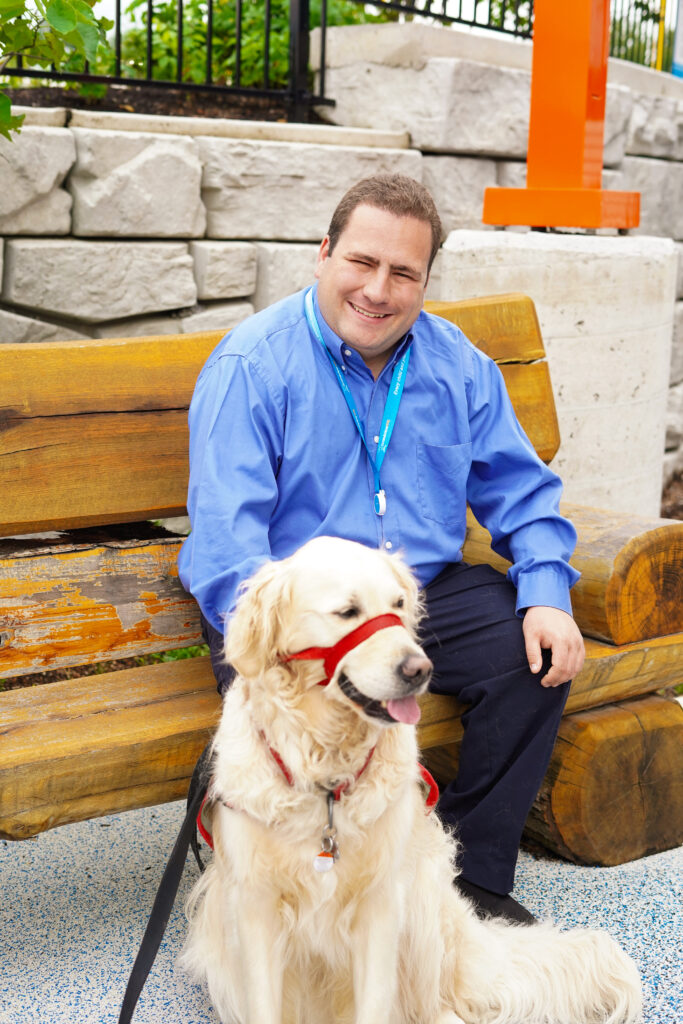
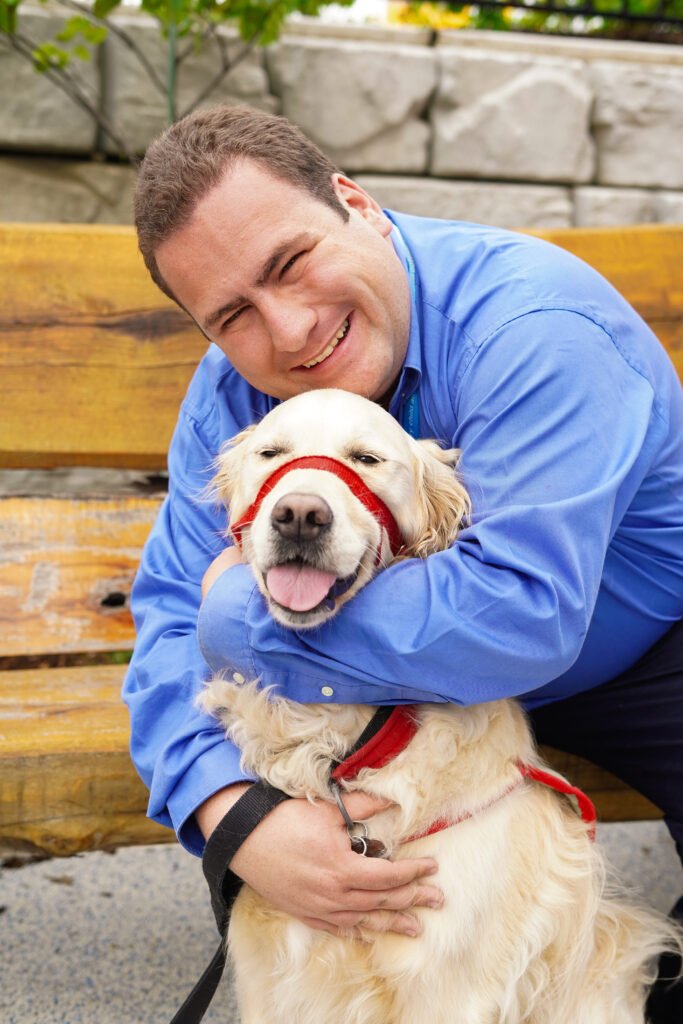
Hydrocephalus shaped Mitchell’s childhood in many ways. His early years involved frequent therapies and medical appointments, significant developmental and speech delays and challenges associated with autism. He also underwent three surgeries to correct strabismus, or “lazy eye,” and was later diagnosed with an atrial septal defect, a hole in the heart. For Mitchell’s family, SickKids Hospital became a second home. His mother’s work there helped the family connect with specialists early, something Mitchell recognizes as a tremendous advantage. His parents also worked hard to ensure his diagnoses did not define him.
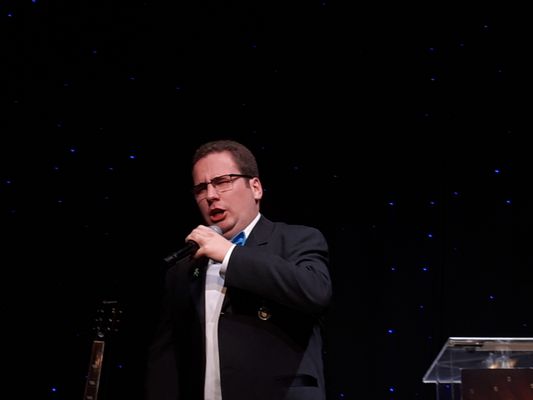
School brought its own challenges. Mitchell received consistent educational assistance before moving through specialized education programs and eventually exploring a transition toward mainstream education. He ultimately completed a “victory lap,” graduating from high school with honours. Music and performance became important outlets. Mitchell has performed at venues across the Greater Toronto Area and around the world and has also participated in television and radio. His interests in history, trains, disability awareness and performance have helped shape his confidence and career.
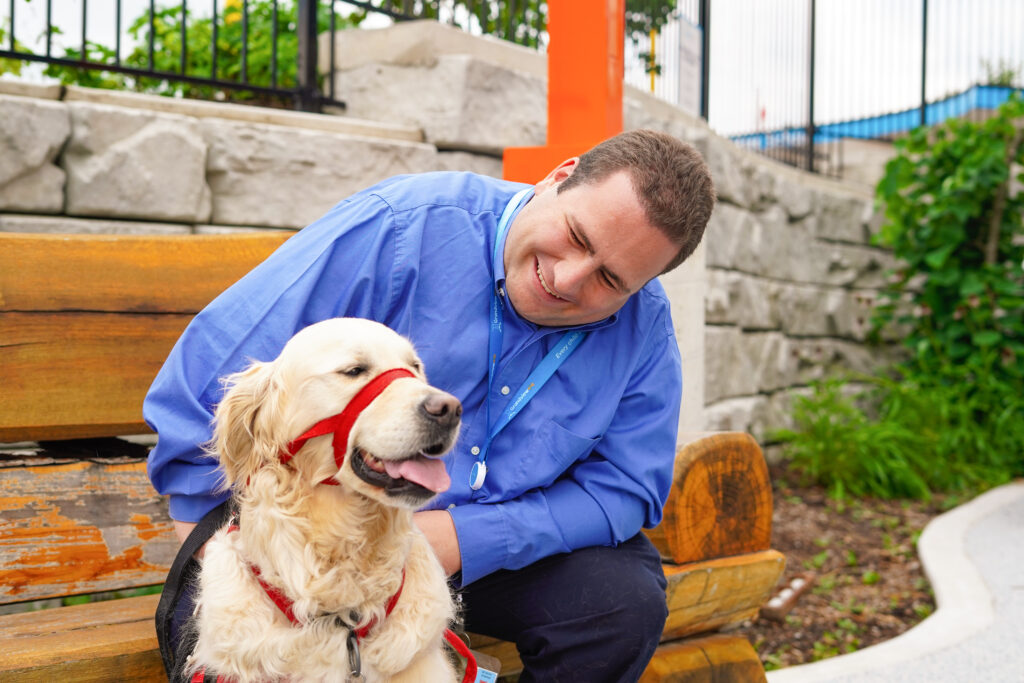
Mitchell’s connection to Grandview Kids has come full circle. As a child, he benefited from speech-language pathology, behavioural therapy, occupational therapy and physiotherapy. Today, he returns as an employee, using those experiences to advocate for others. As Grandview Kids’ Ability Acceptance Presenter and Archivist, Mitchell raises awareness in schools, childcare centres, businesses and community organizations. His presentations combine lived experience with research, encouraging people to think differently about disability and accessibility. He emphasizes that accessibility does not always require major expense. Often, meaningful changes can be simple and practical. More importantly, creating inclusive spaces is an ongoing process.
Mitchell has seen encouraging changes in schools, where disability awareness is increasingly part of the conversation. He recognizes the impact of returning to schools and continuing those discussions with new groups of students. His work as an archivist reflects his passion for preserving stories and history, while his advocacy helps shape a more inclusive future.
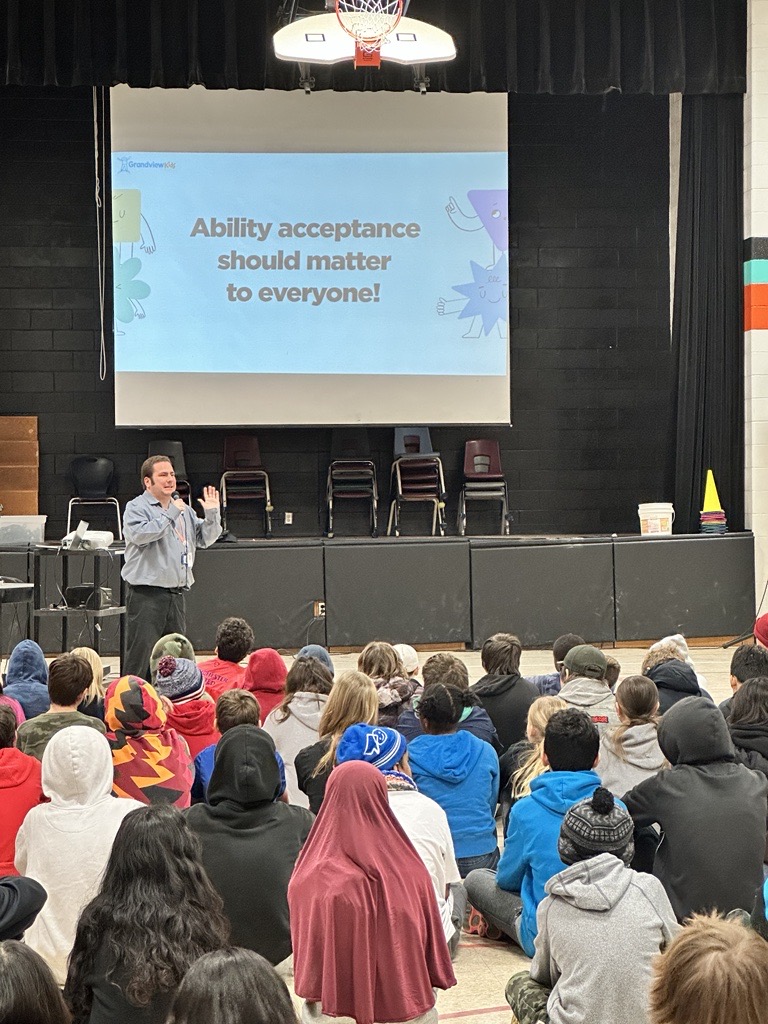
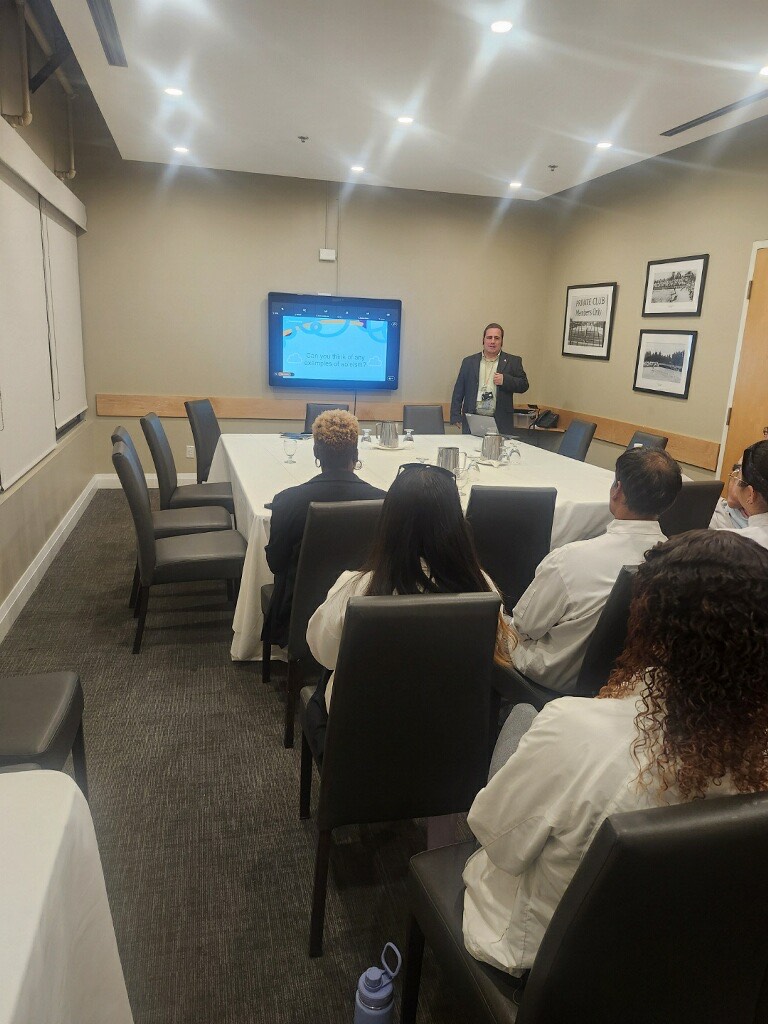
Mitchell’s message is one of hope, acceptance and individuality. Hydrocephalus can be frightening, but medical and technological advances mean that many people with the condition can live long, successful lives. Most importantly, Mitchell believes disability is one part of a person, not the entirety of who they are. Every person has strengths and challenges, and those differences deserve to be recognized and respected. He often returns to a lesson from his Grade 5 teacher: “pobody’s nerfect.” For Mitchell, the phrase captures something important. We all have things we do well and things we find difficult. We should celebrate major milestones, but also the smaller “inchstones”: the first attempt to communicate, stand, write or try something new.
On World Spina Bifida and Hydrocephalus Day, Mitchell invites us to look beyond diagnoses and labels, celebrate individual strengths and build communities where everyone has the opportunity to become the best version of themselves. After all, nobody’s perfect – and that is exactly what makes every one of us unique.
Want to learn more about the Ability Acceptance Program or request a presentation? Find out more on the Grandview Kids’ website.
Check out more Grandview Kids articles
- Mitchell’s journey with Hydrocephalus
- Celebrating World Cerebral Palsy Day 2026
- Building belonging through family leadership
- September 2026: Dates of Significance
- Celebrating Camp at Grandview Kids