Celebrating Down Syndrome Awareness Month!
Before Tanya tells you about diagnoses, therapies or milestones, she tells you about her daughter. She tells you about a nine-year-old who cannot help but dance when music comes on. A girl who loves singing, tumbling, graphic novels and K-pop. A child who happily introduces herself to anyone she meets with a cheerful, “Hi, my name’s Clara.” She tells you about weekly coffee dates where Tanya settles into a cozy chair at Starbucks with a book, while Clara enjoys a lemonade nearby. It’s one of their favourite traditions, simple moments spent reading together. That is Clara.
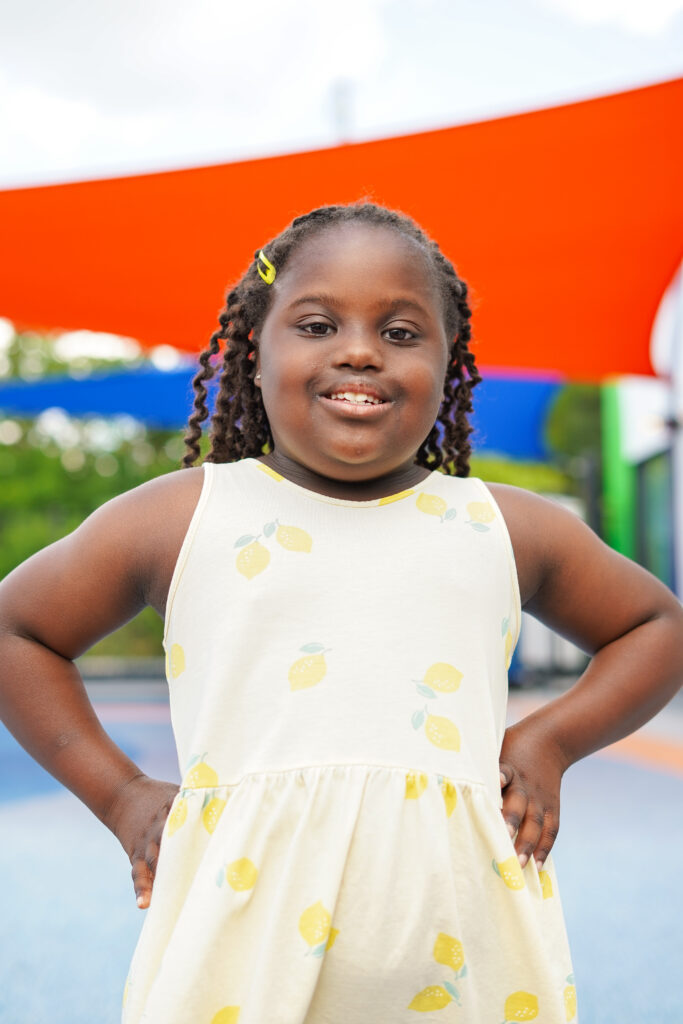
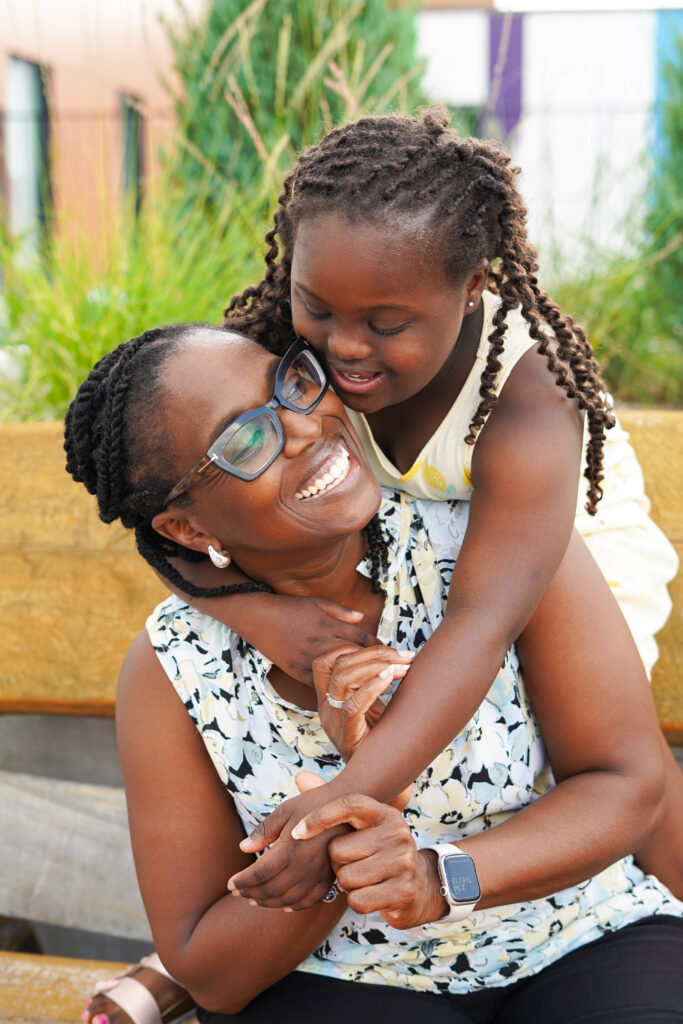
Like many parents, Tanya remembers the uncertainty that came after learning her daughter had Down syndrome. Alongside the excitement of welcoming her child came predictions about what Clara might never do. Some were shared by medical professionals. Others came from people who thought they understood what life would look like. Then Tanya got to know her daughter. “The vision of what I thought life was going to be was completely trumped by who she truly is.”
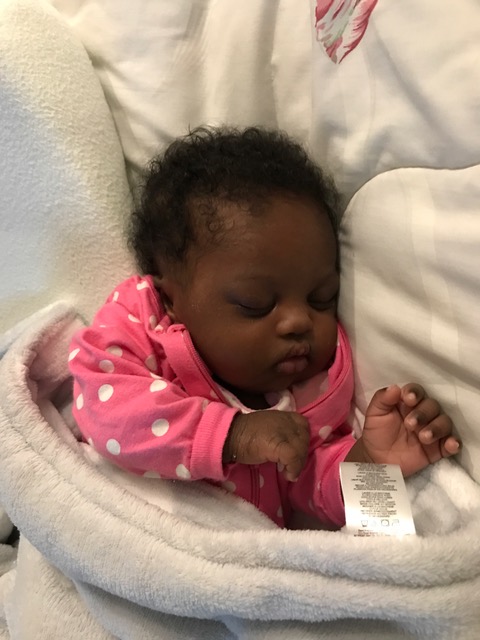
As Clara grew, so did Tanya. Their connection with Grandview Kids became more than appointments; it became a partnership that helped both mother and daughter discover new ways to learn together. Speech-Language Pathology showed Tanya how to connect with Clara through play and activities that captured her interests. Physiotherapy transformed everyday movement into fun challenges. Occupational therapy brought practical strategies into their home, while Therapeutic Recreation encouraged Clara’s love of social play and helped Tanya find welcoming community programs where she could continue to thrive. Support from Grandview Kids’ Social Work team also connected the family with funding, resources and services that made the journey feel less overwhelming.
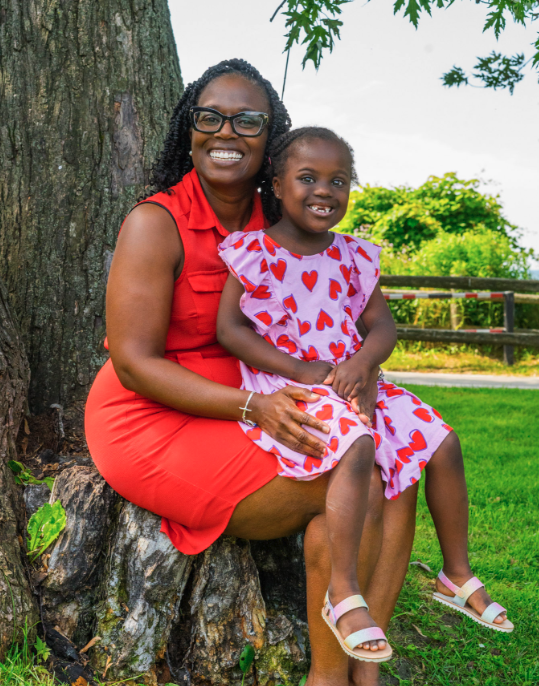
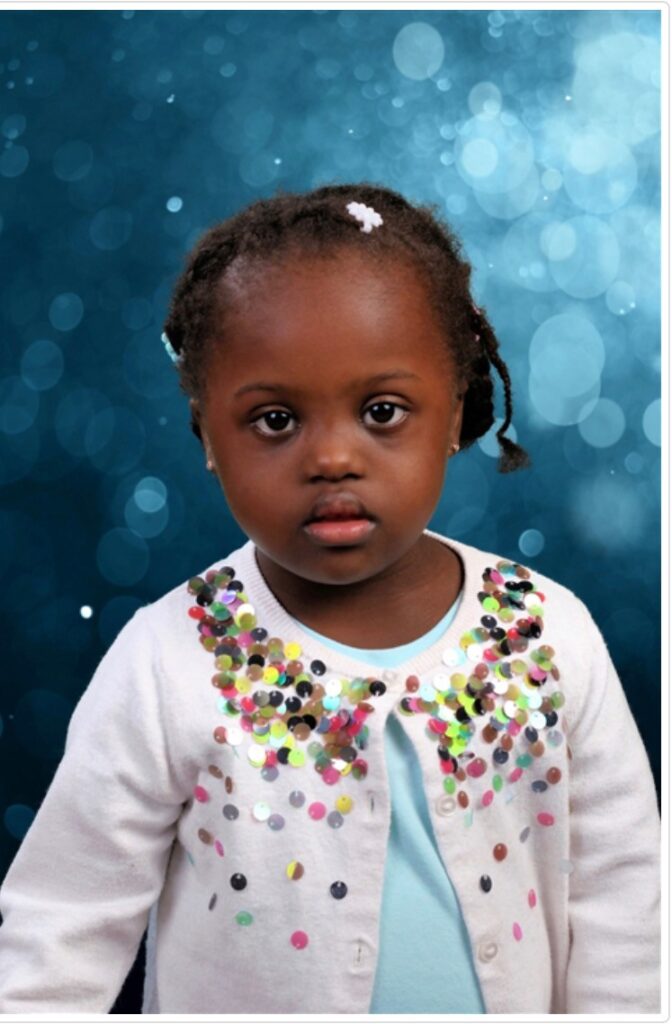
As an educator, Tanya already understood how children learn. Becoming Clara’s mom taught her something different. “Grandview taught me to see Clara as a unique learner.” Instead of focusing on what milestones should happen or when, Tanya learned to celebrate the way Clara learns – at her own pace, with determination and joy. That perspective has shaped everything that followed.
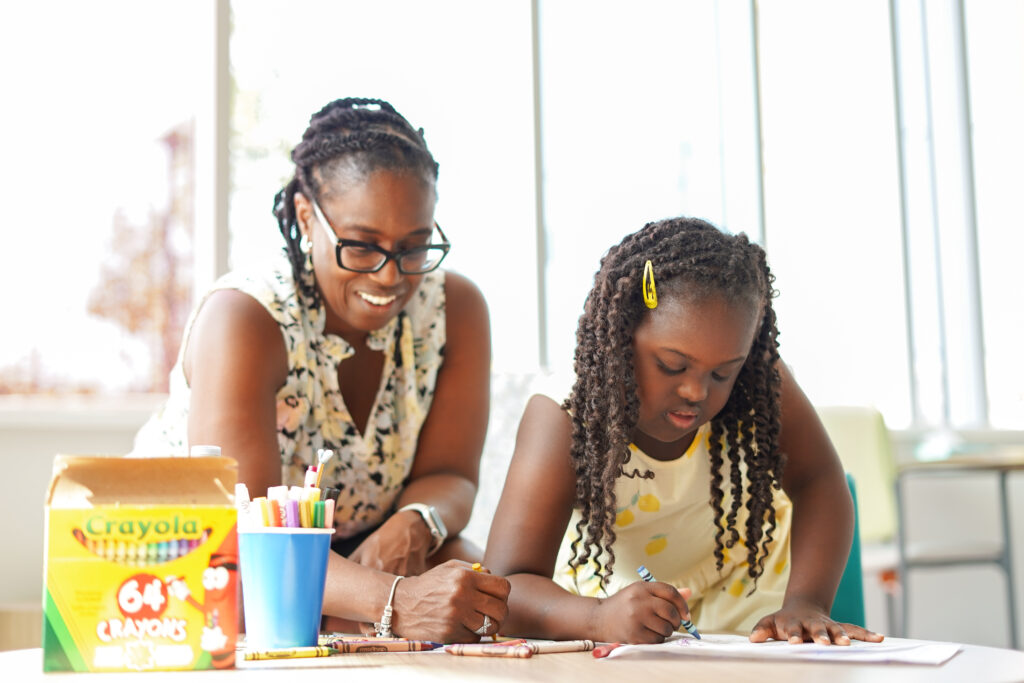
For Tanya, one of the biggest misconceptions about Down syndrome is that people often see the diagnosis before the child. Conversations too often focus on limitations instead of possibilities. Clara has a way of changing those expectations. Although Tanya was told Clara might struggle to read, she now reads above grade level. She approaches new challenges with persistence, often trying to work through them on her own before asking for help. Her diagnosis has never been the most interesting thing about her. “The diagnosis will never trump the fact that she can do something.”
One phrase, however, has become especially meaningful in their home. “I am Clara.”
It began as a simple statement, but today it represents something much bigger. It is confidence. It is identity. It is the quiet belief that she belongs exactly as she is.
Recently, Tanya has watched Clara become increasingly independent. She chooses her own clothes, brushes her own teeth, gets herself ready and tackles new challenges without waiting for someone else to do them first. She knows some things may take a little longer, but she also knows she will get there. That confidence continues to grow beyond home. Returning to Girls Inc. summer camp for a second year has been another milestone, where Tanya says Clara has always been seen simply as Clara, not defined by a disability, but welcomed as herself. Those moments have become some of Tanya’s greatest joys.

As Clara has grown, Tanya has changed too. Today, whether she is leading a school community or parenting at home, she begins with the same question: What does this child need to succeed? Her experiences have made her a more empathetic principal, thoughtful leader and an even stronger advocate for inclusion. Success no longer looks the same for every learner because every child arrives with different strengths, identities and experiences. As the mother of a Black daughter with Down syndrome, Tanya also understands that inclusion means recognizing every part of a child’s identity. It means looking beyond assumptions and ensuring every child, and their family, feels welcomed, valued and safe. “You lead with empathy. You lead with love.” That same philosophy shapes Tanya’s advocacy beyond the school walls.
There was a time when Tanya felt alone. Despite years as an educator, becoming the parent of a child with special needs felt isolating. Finding resources that reflected families like hers was not easy, and she often wondered if she was doing enough. Over time, she found a community of people who understood. Now she hopes to be that person for someone else. Whether she is sharing resources, mentoring another parent or simply exchanging a knowing smile with a family navigating a similar path, Tanya believes advocacy begins with seeing one another. Every child’s journey is different, and every family deserves support that honours who they are. “We have to band together as a community. We can’t do it alone.”
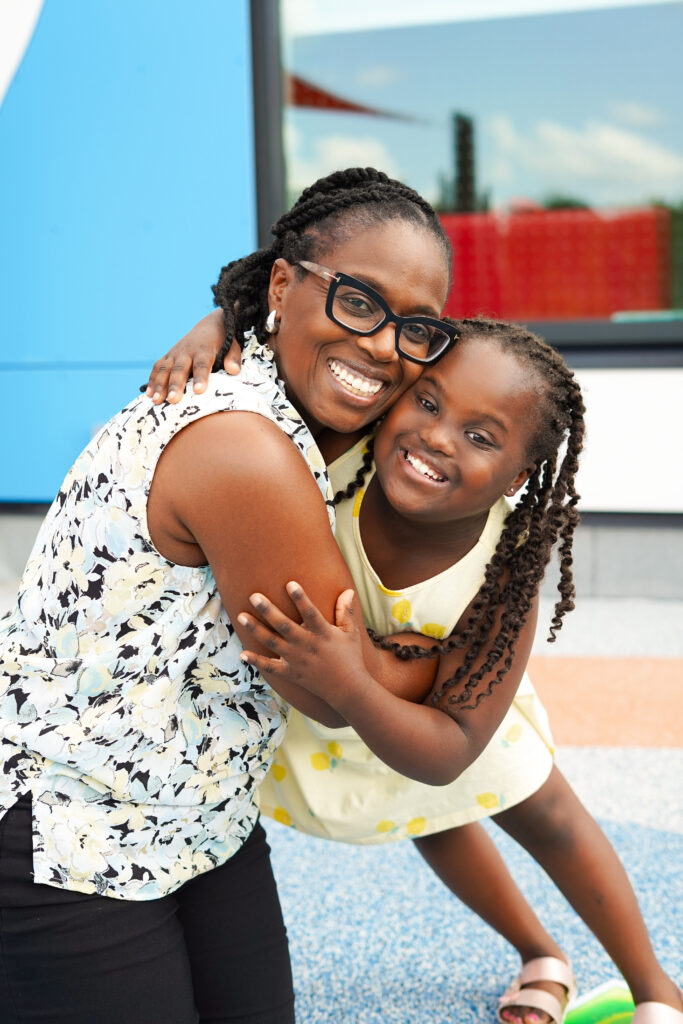
If Clara reads this story years from now, Tanya hopes one message stays with her:
“You are resilient. You are capable. You are deeply loved. The challenges you’ve overcome, the surgeries you’ve undergone and the time you’ve needed to learn new things have never defined your worth. They are simply part of your story. Keep believing in yourself. Keep embracing who you are. Keep showing the world your joy, kindness and determination. Because before anyone else tells you who you are, remember the words you’ve already learned to say with confidence: I am Clara.”
Check out more Grandview Kids articles
- “I am Clara”
- Mitchell’s journey with Hydrocephalus
- Celebrating World Cerebral Palsy Day 2026
- Building belonging through family leadership
- September 2026: Dates of Significance