• Skip to primary navigation
  • Skip to main content
  • Skip to primary sidebar
Grandview Kids Logo

Grandview Kids

Every Child And Youth Living Life At Their Full Potential

  • About Us
    • Vision, Mission and Values
    • The New Grandview Kids
      • Operational Readiness
      • Visiting Grandview Kids’ Ajax Headquarters
    • Our History
    • Leadership
    • Board of Directors and Committees
    • Annual Report
    • Strategic Plan
    • Policies
  • Calendar
  • Annual Report
  • Contact
    • Contactez – nous
    • Ajax – Headquarters
    • Bowmanville Health Centre
    • Grandview School
    • Oshawa – Dwyer
    • Port Perry
    • Whitby – Abilities Centre
  • Careers
  • Register
  • Donate
  • Instagram
  • LinkedIn
  • Facebook
  • Services and Programs
    • Audiology
    • Autism Program
      • Autism Spectrum Disorder (ASD) Diagnostic Hub
      • Caregiver-Mediated Early Years Programs
      • OAP Core Clinical Services
      • Entry to School Program
      • Foundational Family Services
    • Blind-Low Vision Program
    • Extensive Needs Service
    • Family Engagement Program
      • Adolescent Transition Program
      • Family Leader Program
        • Family Advisory Council
        • Paid Advocates
        • Youth Advisory Council
    • Infant Hearing Program
    • Medical Services
      • Autism Spectrum Disorder (ASD) Diagnostic Hub
      • Complex Care Program
      • Grandview Anesthesia Procedure (GAP) Clinic
      • Hypertonia Clinic
      • Nutrition Services
      • Orthopaedic Clinic
    • Occupational Therapy
    • Physiotherapy
    • Preschool Outreach Program
    • School Programs & Resources
      • Resources for Educators
      • School-Based Rehabilitation
    • Service Navigation
      • SmartStart Hub: Parents
      • SmartStart Hub: Partners
    • Social Work
    • Speech-Language Pathology
      • Augmentative and Alternative Communication
    • Therapeutic Recreation
  • Purchased Services
    • Inclusive Recreation
    • Beyond the Walls
    • OAP Core Clinical Services
      • Behaviour Services
  • Research
    • Get involved in research
    • IDEA Study
      • Building knowledge and understanding of the intersection of race and disability in accessing pediatric rehabilitation services.
    • Joint Research Ethics Board
    • Research Associate: Dr. Fiona Moola
    • Research Associate: Dr. Meghann Lloyd
  • Resources
    • Ability Acceptance Program
    • Arriving at Grandview Kids
    • Community Supports & Resources
    • Family Support Fund
    • Free to Read Program
    • Frequently Asked Questions
    • Gather by Grandview Kids
    • News and Updates
    • Privacy
    • Resources for Parents and Caregivers
    • Visiting Grandview Kids
  • Support Us
    • Ways to support
    • Host a fundraiser
    • Participate in an event
      • Golf Fore Grandview Kids
      • Sponsor the Drum
      • Dream Big, Dream Brighter Awards Gala
    • Leave a legacy
      • Gifts of securities
      • Gifts of bequests
      • Gifts of life insurance
    • Your impact
    • Building a Legacy: Honouring Jerry Coughlan
  • I Want To…
    • Connect with Grandview Kids
    • Donate
    • Refer a child or youth
    • Register via My Community Hub
    • Schedule an Appointment
    • Volunteer at Grandview Kids
    • Work at Grandview Kids
  • Grandview School
    • About Our Program
    • About Our Board
    • Grandview School Social Story
    • Plans and Reports
    • Resources for Families
    • Resources for Schools – Switch It Up!
    • Careers and Volunteering
    • Contact Grandview School
  • Search

Posted August 28, 2025

“Every milestone was met with cheers from ‘Team Delilah'” – Myotonic Dystrophy Day 2025

Stories

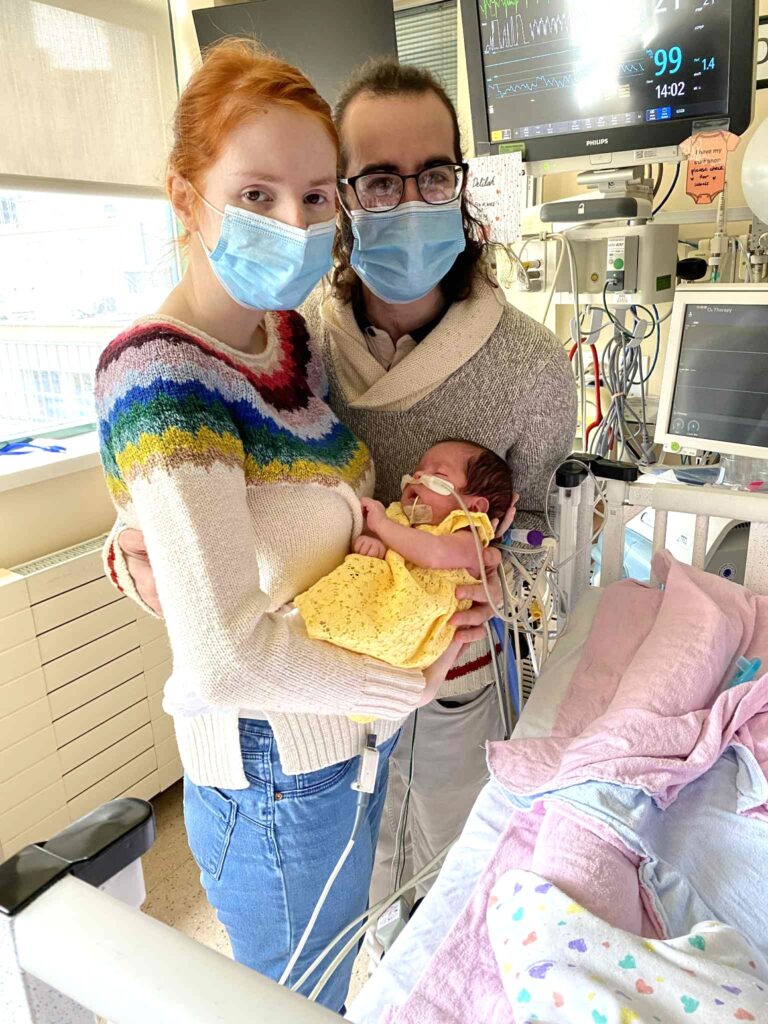
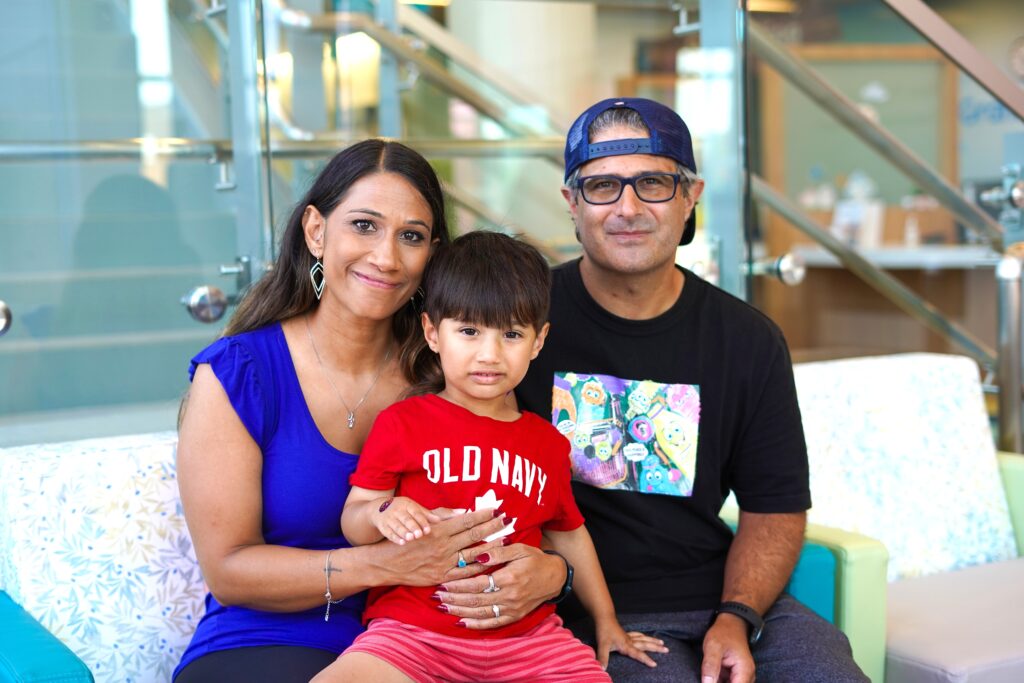
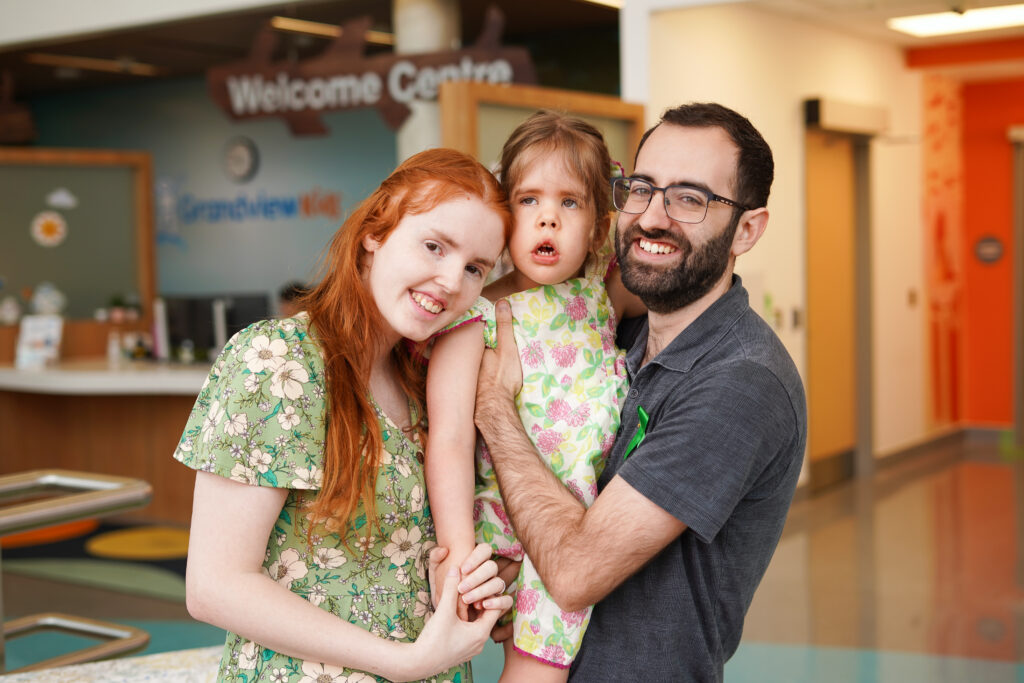
Before Delilah was born, her mom, Mallory, knew something wasn’t quite right about herself, but she could not explain it. There were subtle signs beginning in her teenage years that were mostly ignored or misunderstood. Mallory would get sudden hand cramps while opening jars. Her eyes wouldn’t fully close while she slept, leading to damage and scarring on her eyes. Her facial muscles were weak, making it hard to close her mouth. Mallory would fatigue quickly from short walks. People saw her as lazy, unmotivated or even unusual, given the uninterested appearance caused by her facial weakness. No one thought it could be something deeper. 

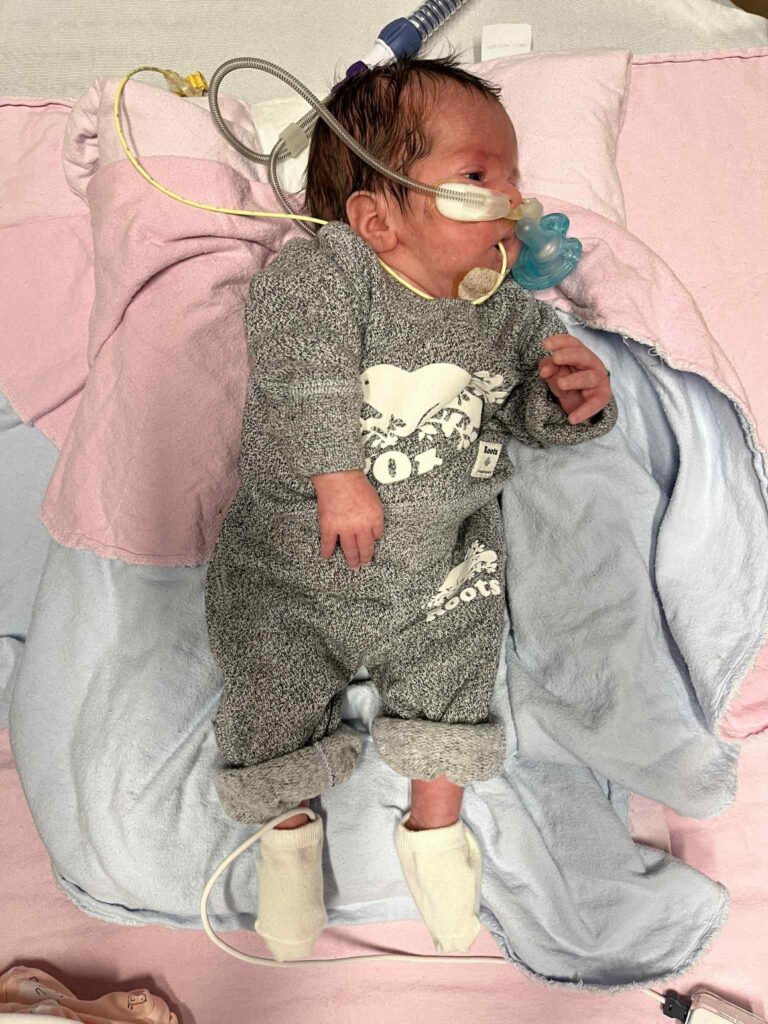
After being married for some time, Daniel and Mallory were ready to begin family planning shortly after graduating from college. They were excitedly awaiting the birth of their first child. The pregnancy had some subtle abnormalities. Mallory did not feel her baby kicking, and she had a vast amount of amniotic fluid building up, leading to her water breaking prematurely at 33 weeks. Delilah was born three days later and faced a tough start. She had to be resuscitated, wasn’t breathing on her own and a week later was limp in her parents’ arms and considered very “floppy.” 
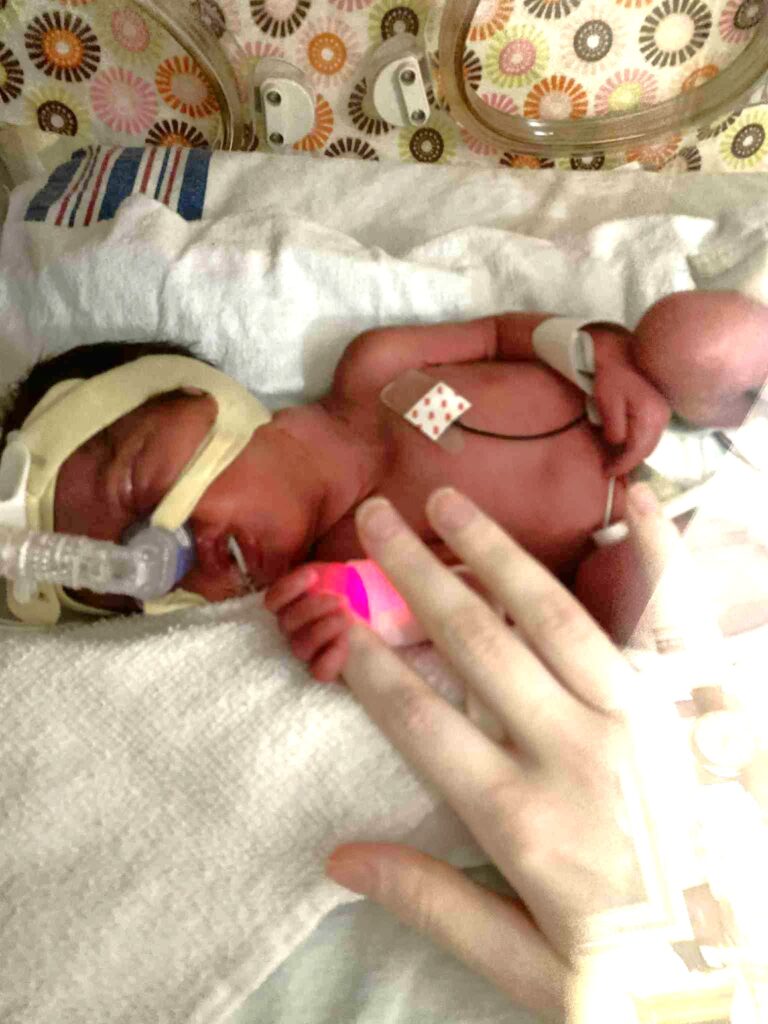
Delilah was transferred to SickKids Hospital for extra support as she couldn’t swallow, had no gag reflex, needed feeding tubes and air support. A neurologist at SickKids took one look at Mallory, noting her unique facial structures, and was confident that Delilah’s symptoms were due to a form of Muscular Dystrophy called “Myotonic Dystrophy Type 1” (“DM,” from the Latin term “dystrophia myotonica”). On March 21, 2022, Delilah was officially diagnosed with Congenital Myotonic Dystrophy Type 1. DM is a progressive, inherited neuromuscular disorder. “Myotonic” means difficulty releasing muscles once they contract. “Dystrophy” refers to the gradual weakening of all muscles over time. 

Despite her parents’ optimism about her growth and progress, they were told she would either need a trach and a feeding tube indefinitely, or they could choose to let her pass in palliative care. They were given two weeks to decide. This was a terrifying and heartbreaking time for Mallory and Daniel, given the uncertainty their family was now facing. Miraculously, Delilah began coughing, swallowing and developed a gag reflex. Once the two-week period concluded, instead of meeting the doctors regarding a decision, Delilah graduated from the neonatal intensive care unit (NICU). 
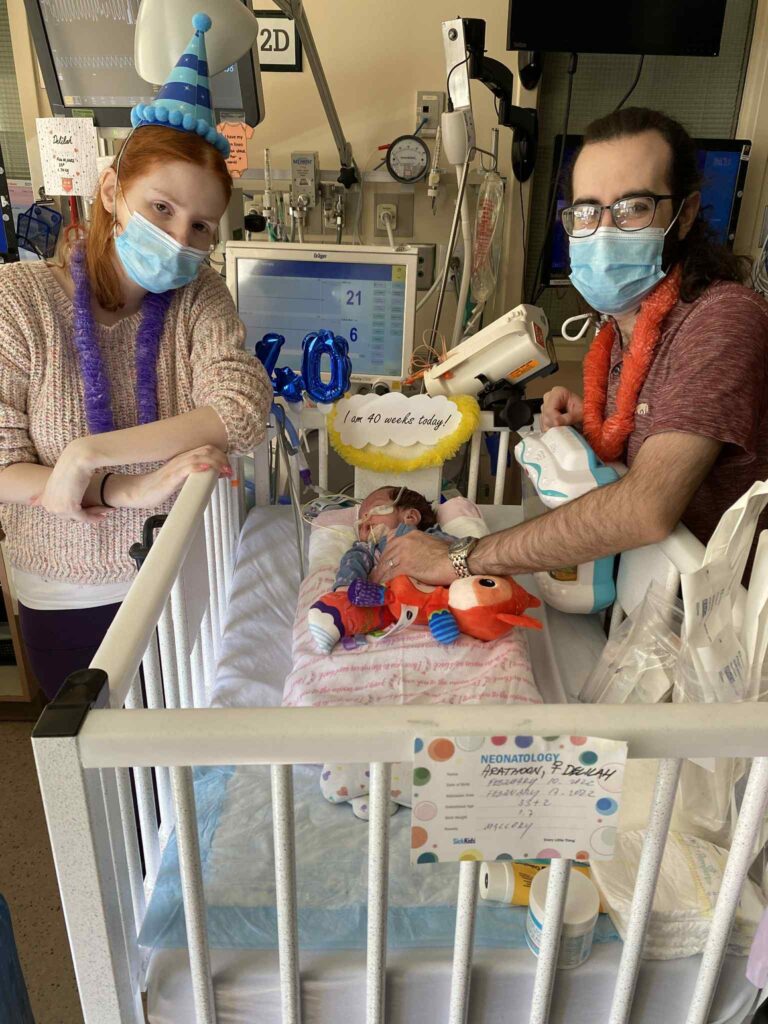
After Delilah was formally diagnosed, Mallory received her own genetic test back, and it revealed that she indeed had DM. The diagnosis changed everything. Suddenly, all of Mallory’s struggles as a teen made sense. The exhaustion, brain fog, muscle weakness and sadness of being misunderstood. The diagnosis brought grief and validation. Mallory wasn’t lazy or weak. She had a progressive neuromuscular condition. It was real, and her daughter’s life depended on knowing that. 
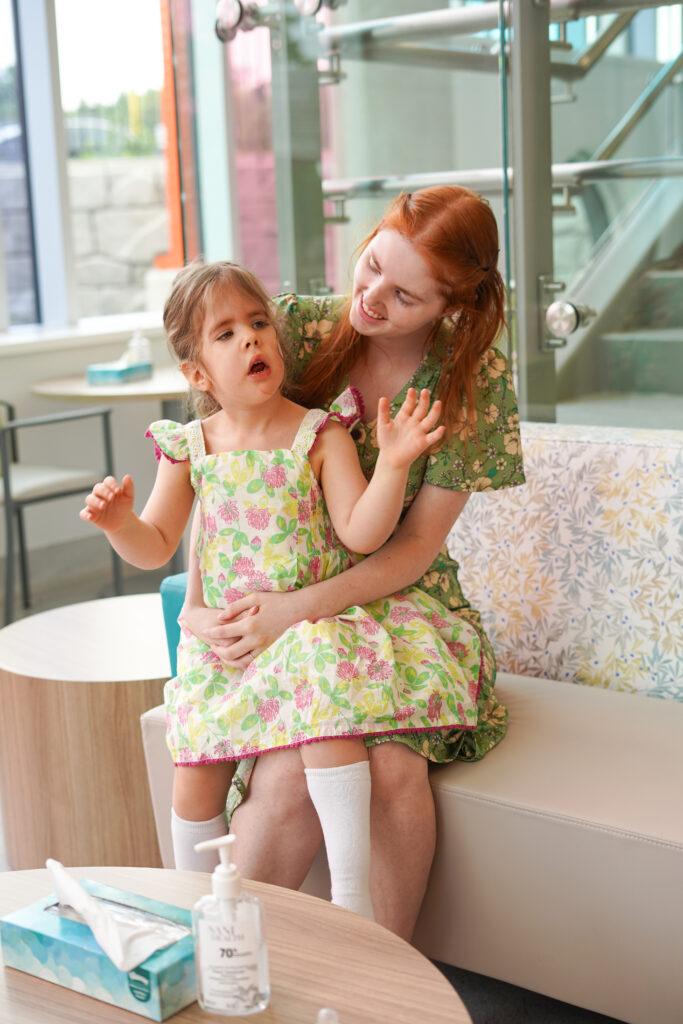
DM is characterized by repeat extensions in specific genes – cytosine, thymine and guanine, a trinucleotide repeat expansion, with CTG repeats in DM Type 1 and CCTG in DM Type 2. The length of the repeats correlates with the severity of the disorder. A normal number of repeats is up to 35. Mallory’s father was tested and diagnosed with the mildest form of DM with a repeat count of about 50. Mallory’s repeat count was between 300-600. Delilah’s repeat count is a staggering 1300 repeats. Each of them represents the three severities of Myotonic Dystrophy: Mild, Classic and Congenital. If the DM gene is passed on to a child, it will often present more severely than in the parent who had it. This diagnosis story is very familiar to other families living with Myotonic Dystrophy, and it emphasizes the importance of being aware and recognizing milder symptoms. 

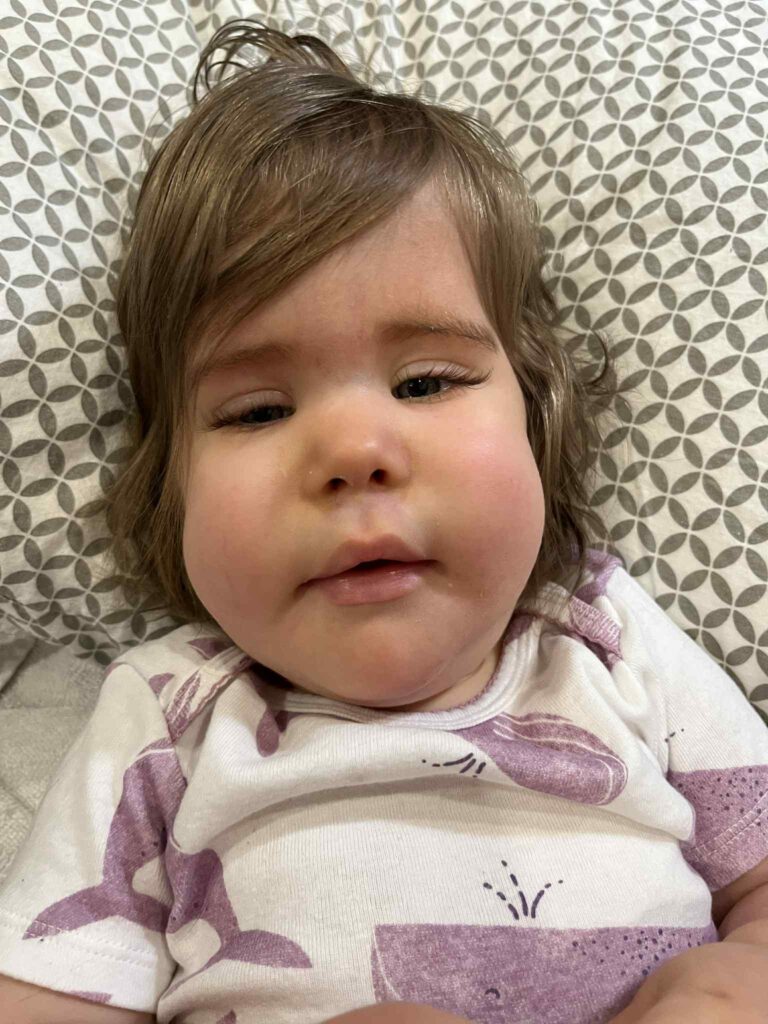
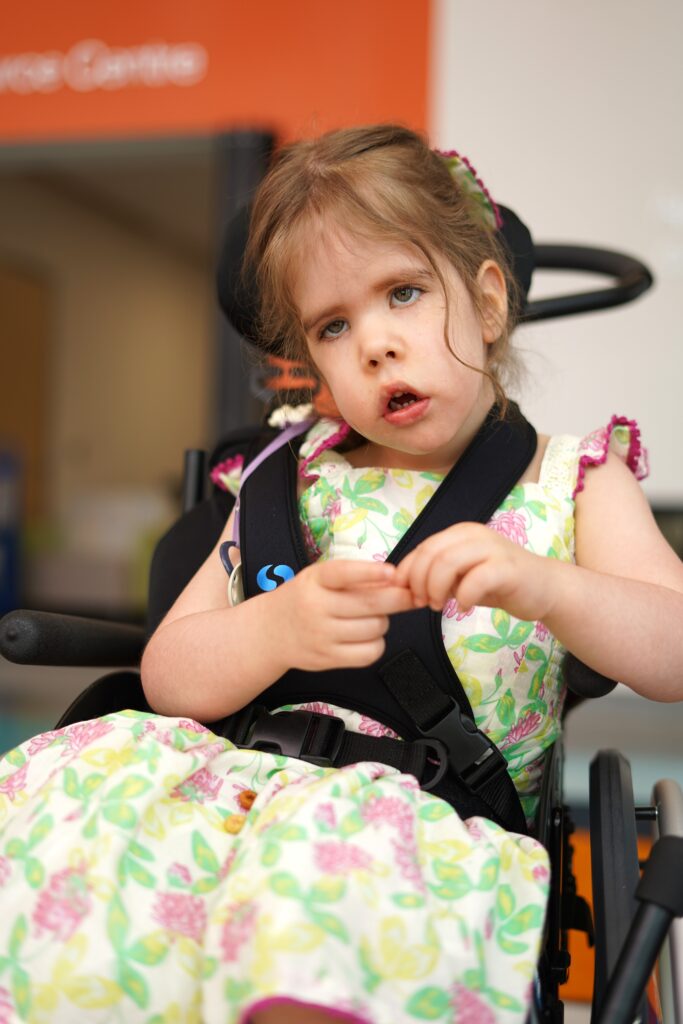
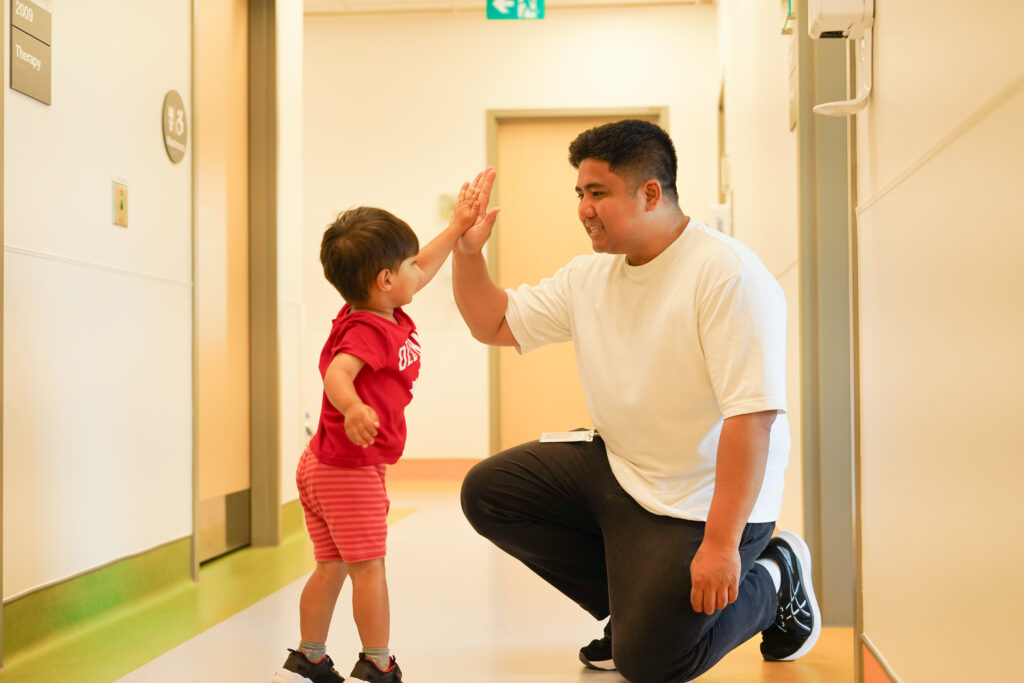
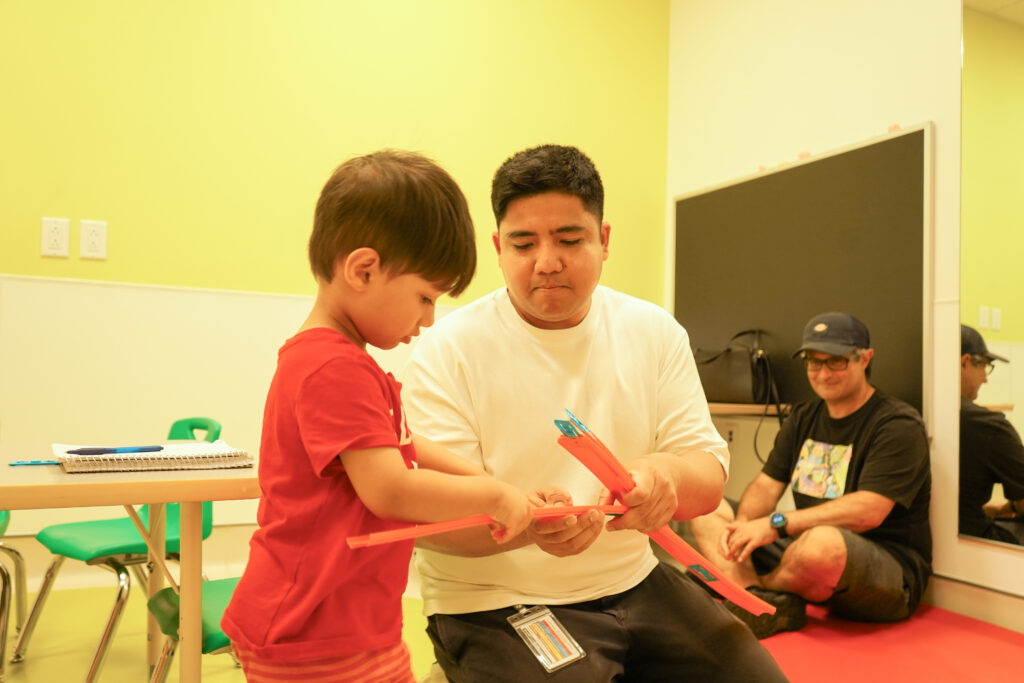
Early diagnosis brought vital early intervention in the form of networking, information, research, support and therapies. Delilah was referred to Grandview Kids and connected to a team of specialists who rallied around her: physiotherapy (PT), occupational therapy (OT), speech-language pathology (SLP), social work and more. From learning how to hold her head up to crawling and walking with a walker, Delilah’s every milestone was met with cheers from “Team Delilah.” Speech therapy introduced her to an augmentative and alternative communication (AAC) device so she could express her needs, as she is non-verbal. OT helps with fine motor skills and feeding. PT supports her balance, strength and walking goals. At Grandview Kids, she is more than just a textbook diagnosis. 
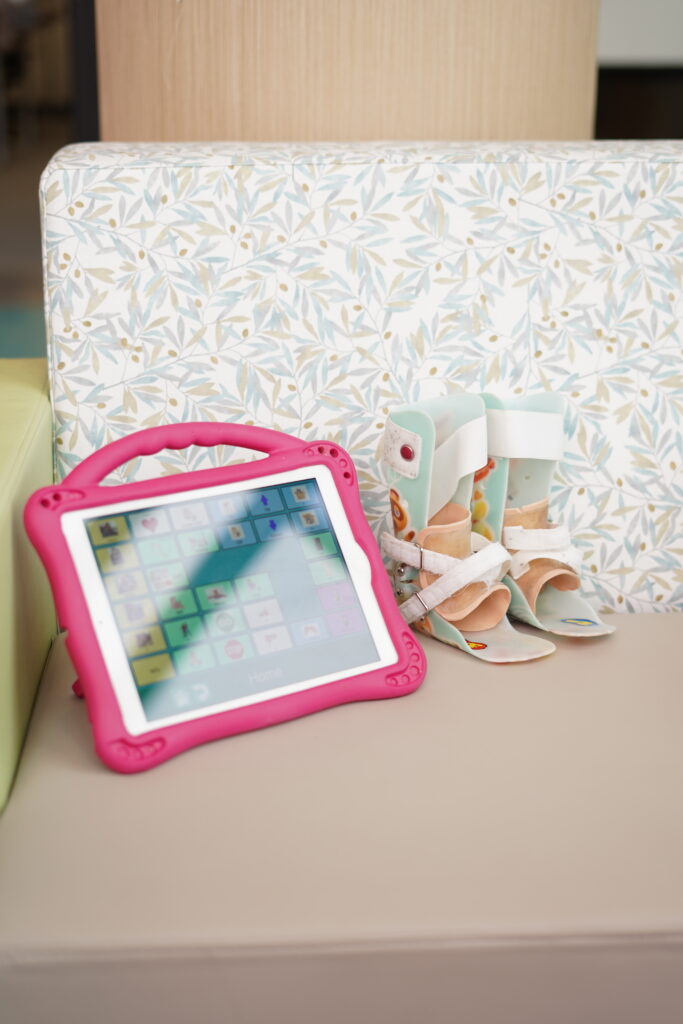
Deliah’s AAC and Ankle Foot Orthosis (AFO)

“Delilah lights up when she sees her therapists,” Mallory says. “They don’t need to read notes; they know her. They care about her. They care about us,” recounting how the therapists even ask Daniel and Mallory about their personal well-being. 

Delilah’s goals are to walk and talk. She shows it through her everyday determination. She’s pulling herself up into a standing position against walls, taking side steps and has even taken an independent step towards her parents. Shortly after Delilah’s birth, Daniel wrote to his workplace to explain his daughter’s condition. To their surprise, the company’s owner responded, explaining how intimately aware he was of DM and its impact, as his own daughter and late wife had congenital and classic DM. His daughter is now 40, doing well, working and living as independently as she can. This has been a large contributing factor to the family’s optimism and inspiration for Delilah’s future. 
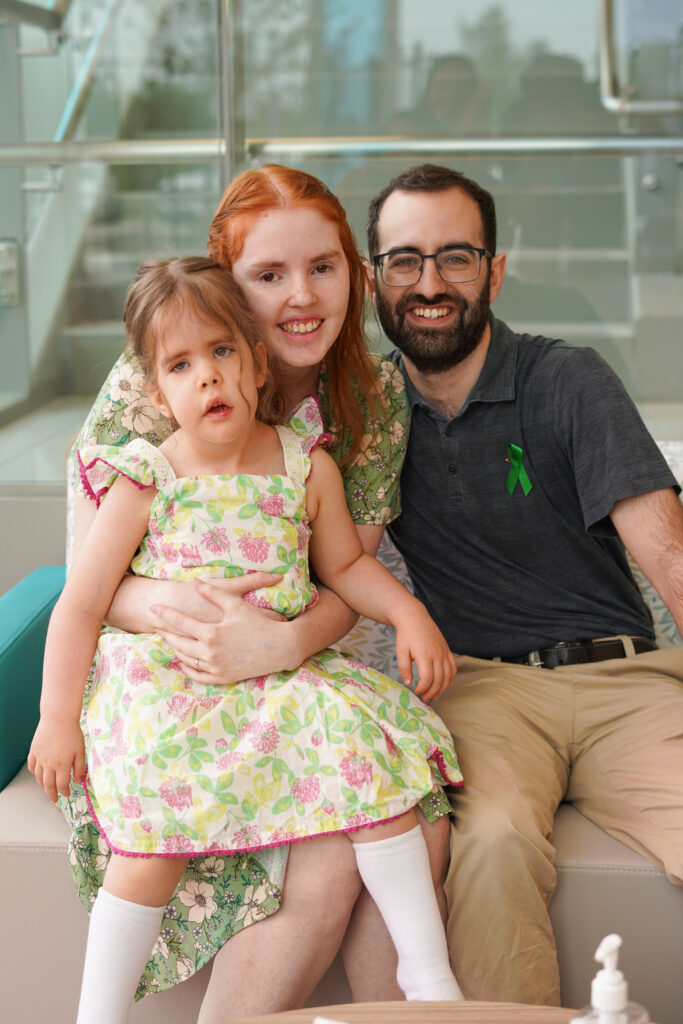
It may not be tomorrow, but hope is growing for Daniel, Mallory and Delilah. Every day is a challenge. There are appointments with neurologists, cardiologists, ophthalmologists and respirologists. There are grant forms, funding applications and sleepless nights. Alongside the hardships, there is also laughter, progress and a deep sense of community. 
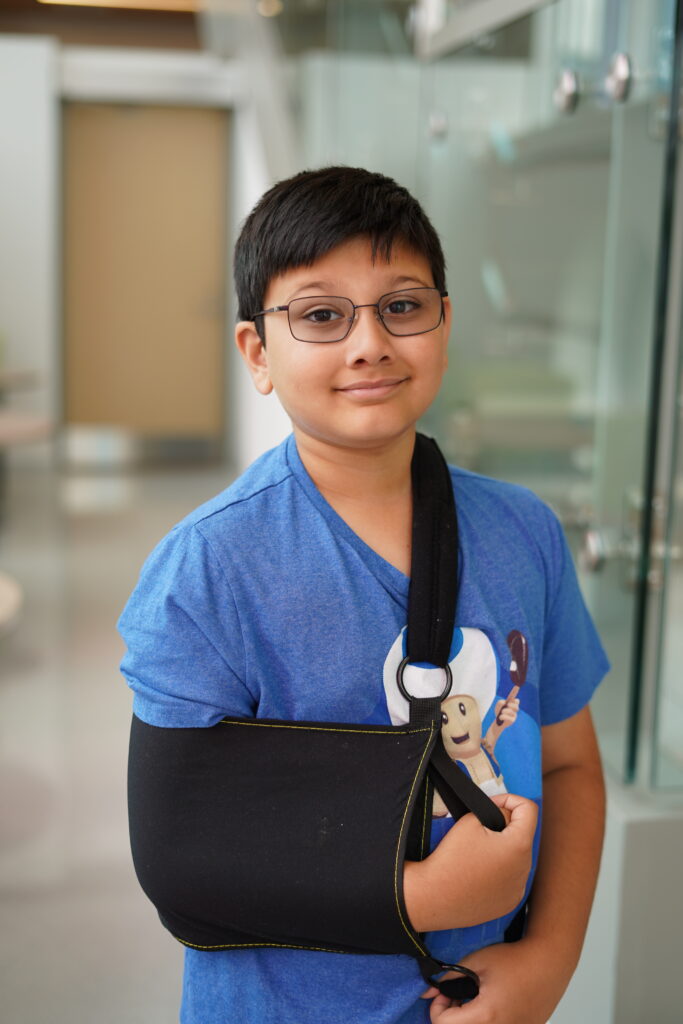
9-year-old Suraj wakes up and quietly listens to his body. Some days, his legs and arms feel strong. Other days, they don’t move at all. To the outside world, it might seem confusing. He looks fine, but inside, Suraj’s brain is playing tricks on him. These tricks began after the sudden loss of his maternal grandmother, a very important person in his life and an emotional anchor. His brain reacted to the traumatic stress by signalling it to shut down, telling him that the emotional and mental pain also meant physical pain. 

What followed were years of uncertainty. At just five years old, Suraj experienced his first episode of paralysis. He woke up to find his limbs lifeless, unable to walk or raise a finger. Doctors initially believed that he was experiencing a stroke, but after rushing to multiple hospitals and specialists, he was eventually diagnosed with Somatization, a complex condition where emotional pain and anxiety take a physical form. His brain, overwhelmed by trauma and fear, began sending false danger signals to his body. 

For two years, Suraj lived in a wheelchair on and off. The paralysis came and went, sometimes for minutes, sometimes for days. He missed out on school, time with friends and the little moments in between that most kids take for granted. At times, he reverted to “baby talk,” overwhelmed by the stress in his body and mind. The pain signals are loud and scary. A small scratch on his arm would feel like a fracture. Writing a page in school could lead to severe tingling, heaviness and shoulder pain. His body would enter “shutdown mode” as if it were protecting him from a world that felt unsafe. 

There were no easy answers. Suraj did not fit neatly into any box. Not quite physical pain, but not quite mental either. Too young for some programs and too complex for others. His family often felt lost while navigating a fragmented healthcare system, chasing therapies and asking questions like “Where do we go? Who understands this?” 

With the help of SickKids’ Somatization Program, psychiatrists and his team at Grandview Kids, consisting of an occupational and physiotherapist, Suraj has begun using small but powerful tools. Breathing exercises help calm his brain, gentle sports strengthen his muscles and distraction techniques interrupt his paralysis before it fully sets in. Every step forward was a triumph for his body and spirit.  

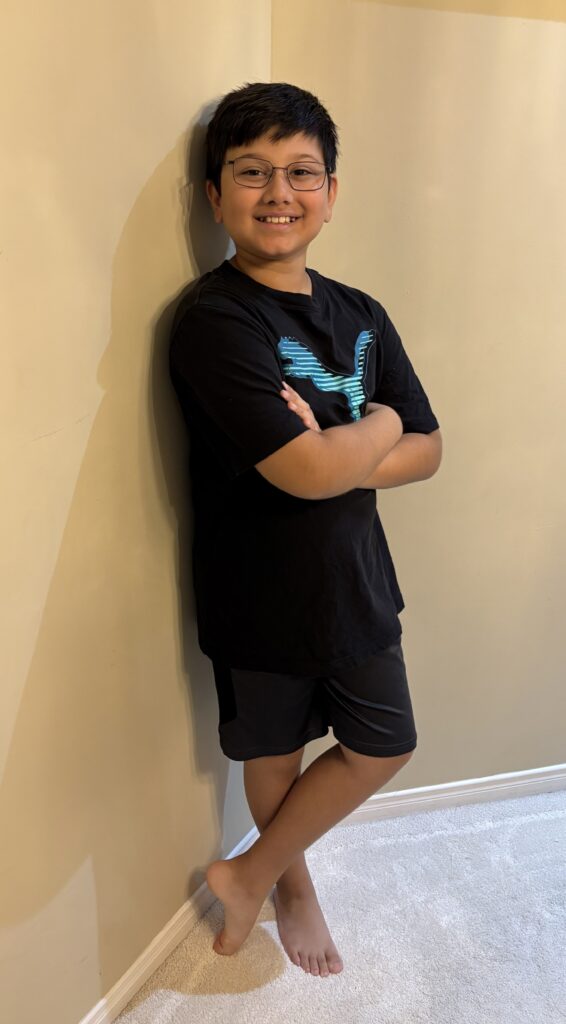
Now back in school after four years of virtual learning, Suraj still faces daily pain and fatigue. He makes it a point to stay active to keep his muscles working by playing sports like basketball, soccer, swimming, fencing and skateboarding. He’s still on a journey, but he’s also learning how to catch the warning signs and how to talk back to his brain’s false alarms and move through fear and anxiety with courage. Somatization may not be visible. The pain might not show on a scan, but Suraj is proof that invisible pain is as real as inner strength. 

For International Pain Awareness Month, Suraj’s journey reminds us of the importance of compassion, awareness and belief. Children and youth who experience pain like his often have it go unnoticed because their pain doesn’t follow the usual expectations. However, with the proper support, understanding of others and a willingness to think outside the box, healing can happen for the body, heart and mind. 

International Assistance Dog Week, observed from August 3 to 9, recognizes the dedication of assistance dogs and their trainers, and the critical role these animals play in helping individuals lead more independent lives. While dogs have offered comfort and support to people for centuries, including to wounded soldiers as early as the 1700s, the first formal training of guide dogs for people with vision loss began in California in 1942. Today, assistance dogs are trained to support a wide range of needs, including mobility challenges, autism, hearing impairments, epilepsy, attention-deficit/hyperactivity disorder (ADHD) and anxiety.

What is an Assistance Dog?

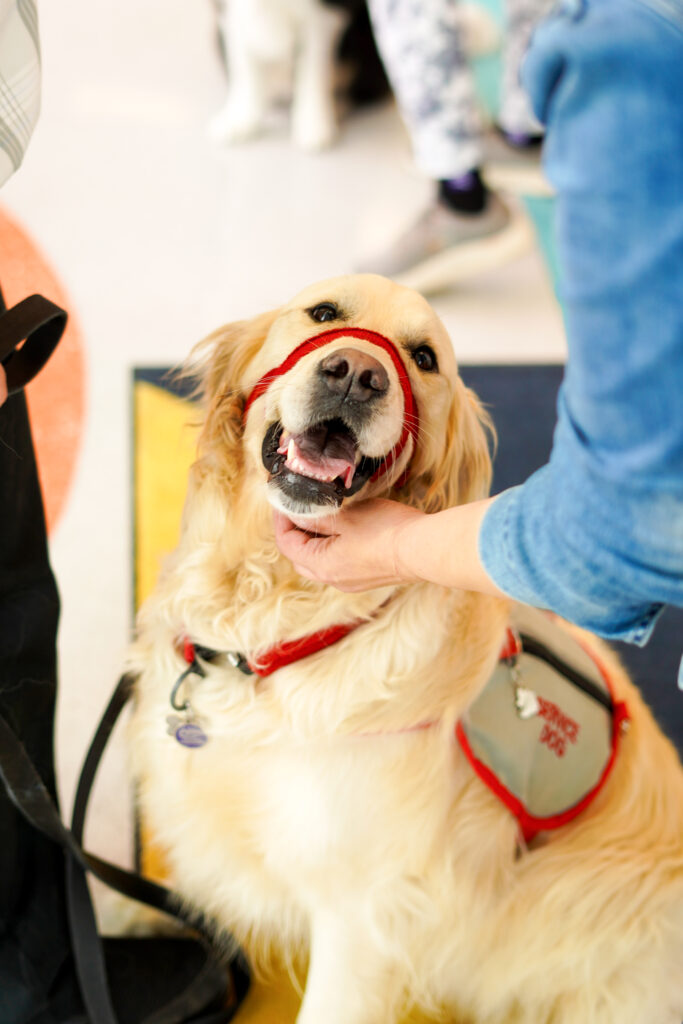
An assistance dog or service dog refers to specially trained canines, such as guide dogs and hearing dogs, of any breed that support people with disabilities. Their tasks may include alerting their handler to take medication, providing physical support to those with mobility challenges or performing household duties such as opening cupboards and turning on lights. These dogs may be matched with an individual or work within facilities that support people with special needs.

A therapy dog or emotional support animal, however, is not considered a legally protected assistance dog. While they offer comfort by their presence, they do not perform the specific tasks required under The Accessibility for Ontarians with Disabilities Act and the Ontario Service Dogs Act.

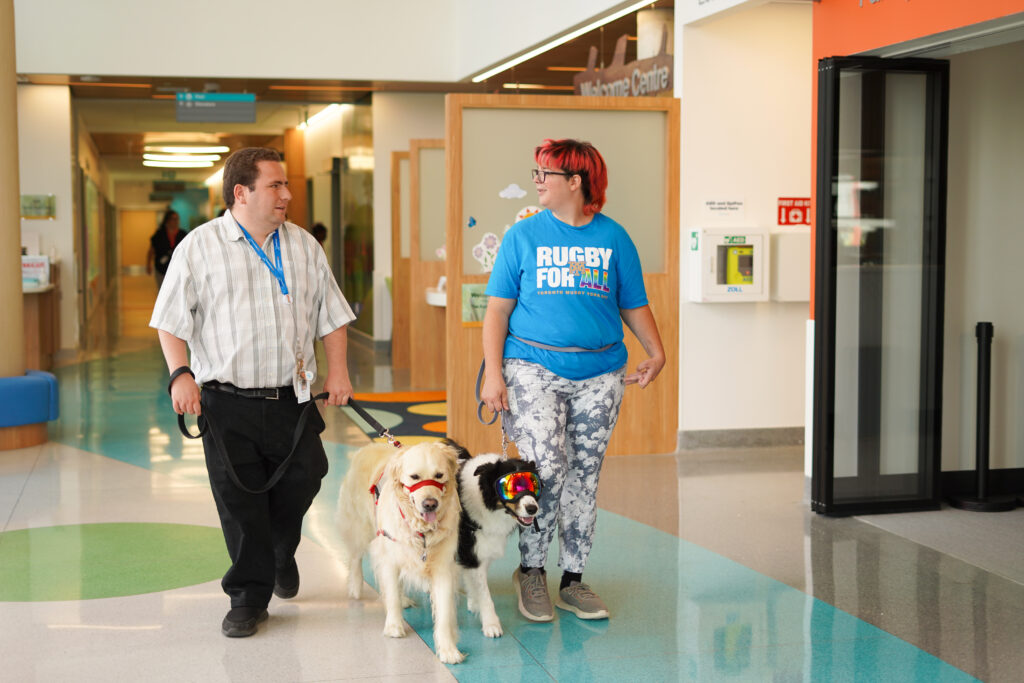
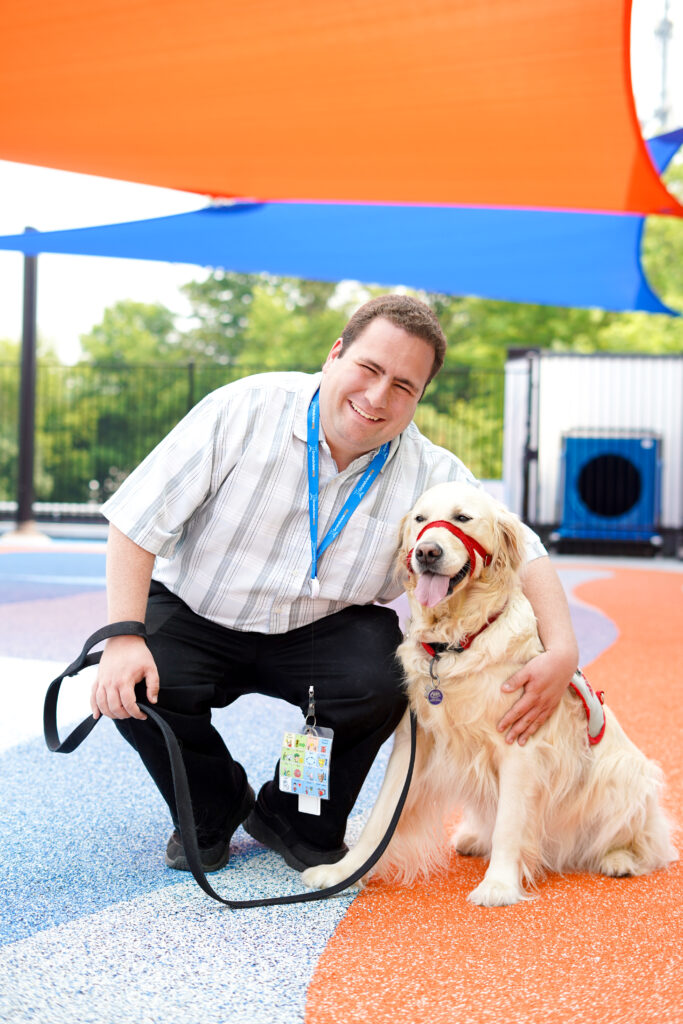
Grandview Kids Archivist and Ability Acceptance presenter Mitchell Daniels, along with Grandview Kids graduate and volunteer Amanda P., recently shared their experiences of living with assistance dogs and the impact these animals have on their daily lives.

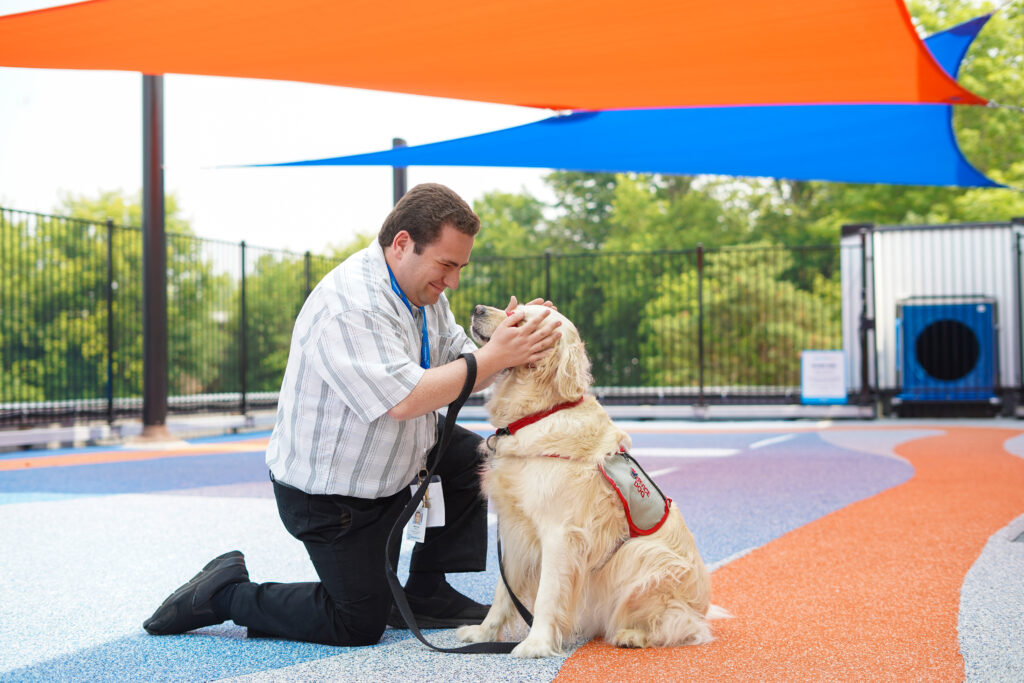
Mitchell’s service dog, Sasha, supports him in his work at Grandview Kids and during his Ability Acceptance presentations. As an autism service dog, Sasha provides Mitchell with reliable companionship and practical support. Together, they educate others about the role of service animals and promote understanding of how to appropriately interact with them through their presentations.

Mitchell and Sasha

“Sasha helps with my self-esteem, confidence and my anxiety.” – Mitchell Daniels, Grandview Kids Archivist and Ability Acceptance Presenter

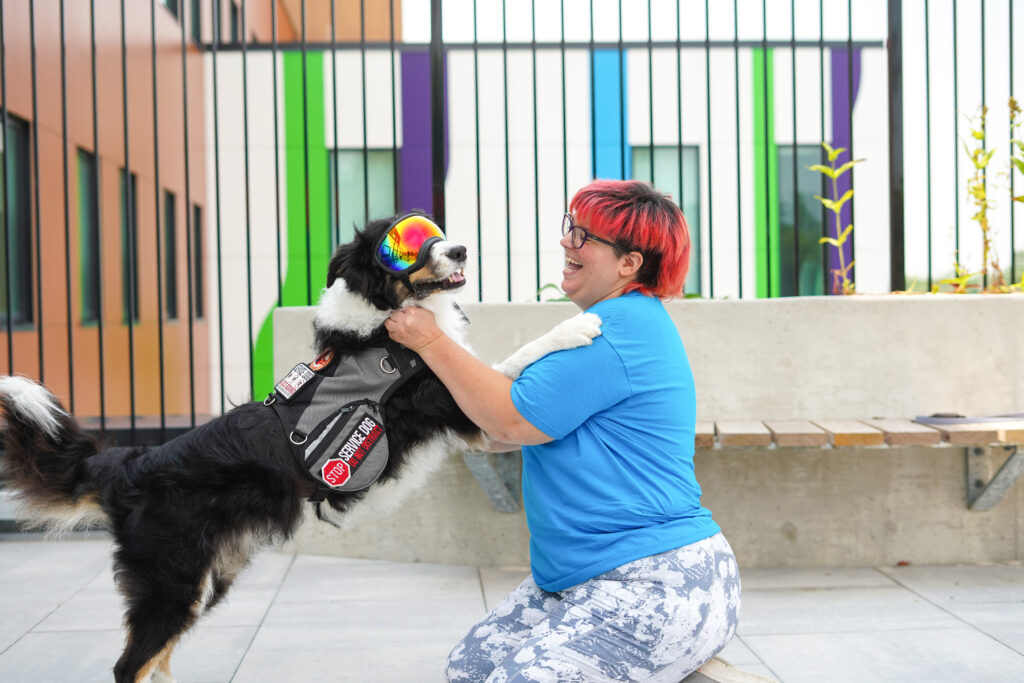
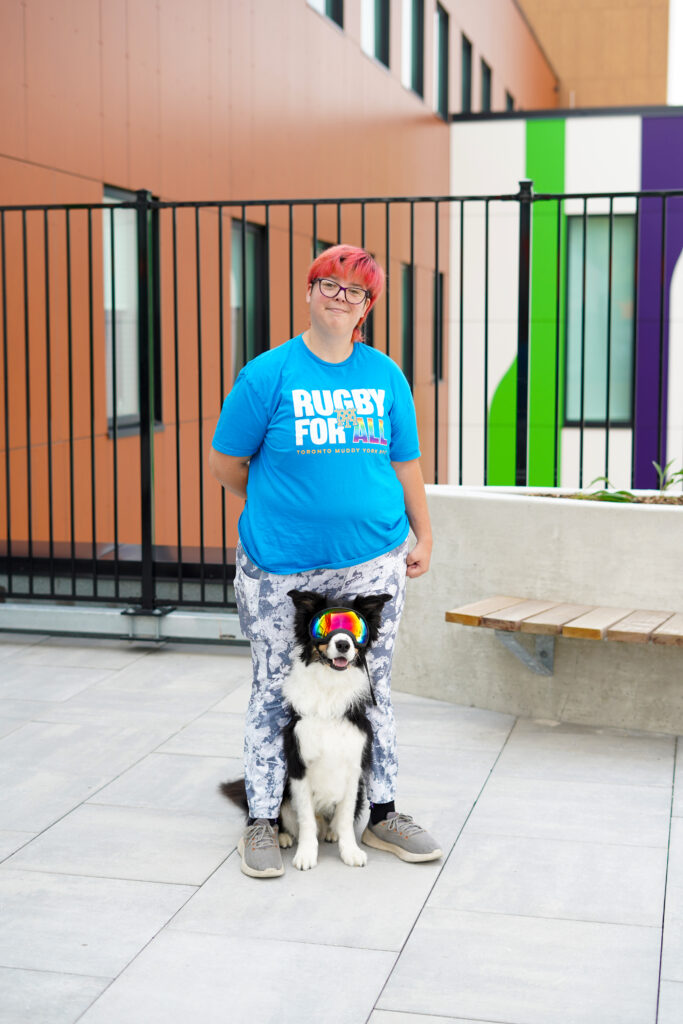
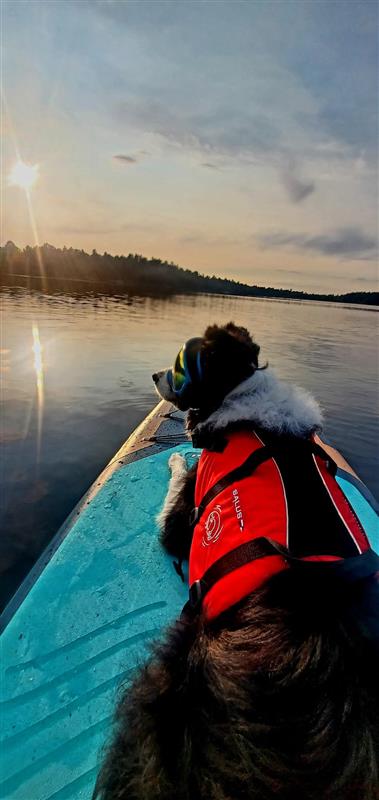
Amanda has had Charlie since he was eight weeks old. He began his service dog training at 18 months and completed it two years later. Charlie has now been by Amanda’s side for the past eight years. When he’s not working, Charlie enjoys going on adventures, including hiking, swimming, paddleboarding and camping  and especially loves rolling in the grass after it rains.

Amanda and Charlie

“Charlie has improved my life so much. He makes me feel so happy and has given me a lot of independence. Charlie provides me the ability to go out and do things independently. He has been there for me when I try new things, like rugby. He has even helped me make the friends I have today. Charlie helps calm me down when I am stressed and lays beside me or on my legs. He helps me when my body hurts and is unable to pick up items from the ground” – Amanda P., Grandview Kids Graduate and Volunteer

Ten-year-old Nolan lives in Durham Region with his parents, Krista and Brandon, and his older sister, Lily. When he was 15 months old, a paediatrician recommended the family submit a referral to Grandview Kids for speech-language services. “Nolan’s communication delay was leading to lots of frustration and behavioural outbursts,” said his mother, Krista. “This created a lot of added stress on our family and isolated us from many social experiences.” Grandview Kids began his care by providing Speech-Language Pathology, completing a sensory assessment and referring him to Holland Bloorview’s augmentative communication program.

Nolan received a diagnosis of developmental delay in his early years, which he outgrew by age six. He has since been left undiagnosed, but his parents understand he still needs support with communication, sensory processing and self-regulation. With services from Grandview Kids including speech therapy, occupational therapy, social work and medical care, Nolan has made remarkable progress. Once reliant on his parents to communicate for him, he is now fully verbal and expresses himself well. While he continues to build his vocabulary, his mother says he is “resourceful in making word connections to communicate.”

Krista also became involved with Grandview Kids’ Family Engagement Team and Family Advisory Committee, and later joined the Parent Task Force that helped advocate for the construction of The Jerry Coughlan Building, the organization’s new headquarters in Ajax.

“Both of these groups allowed me to connect with other families and meet amazing children who are happy to share their experiences and resources,” she said. “You don’t feel so alone knowing there are other people who just get it.”

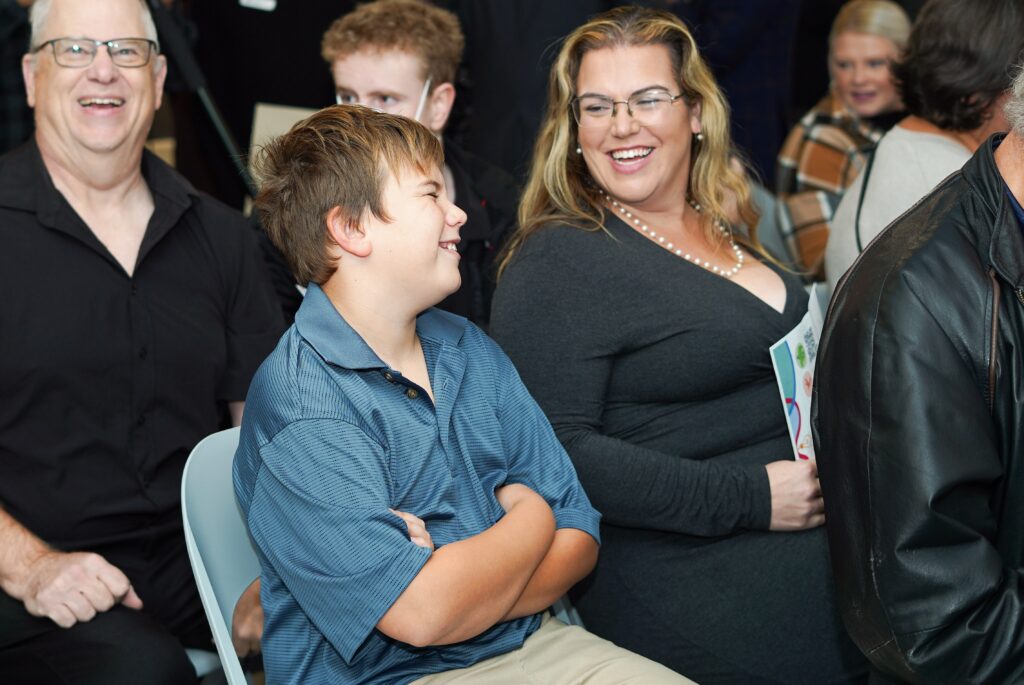
Krista and Nolan attended the building’s ribbon-cutting ceremony alongside other Grandview Kids champions, feeling a strong sense of accomplishment after years of advocacy.

Krista and Nolan at The Jerry Coughlan Building ribbon cutting ceremony

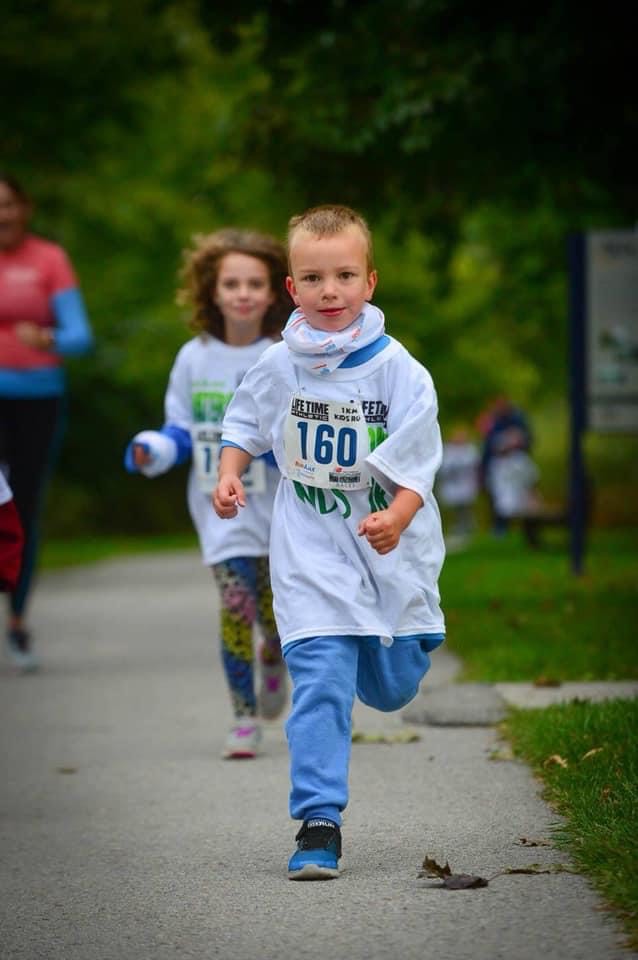
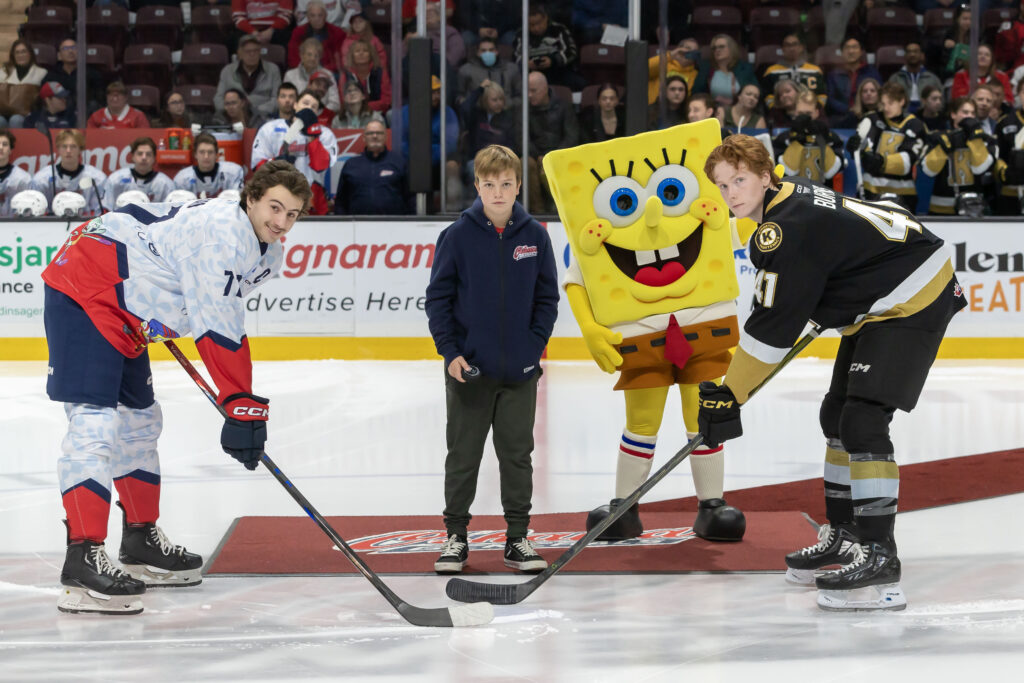
Today, Nolan is an inquisitive and active pre-teen. He enjoys playing sports, swimming, fishing, canoeing and kayaking. With a focused personality and a strong drive to complete tasks, Nolan thrives in groups with peers who share his interests. Like any child, he wants to feel included and accepted. Nolan also serves as a Grandview Kids Ambassador and has taken part in events such as Run Ajax and the Oshawa Generals’ Nickelodeon Night in November 2024.

Nolan participating in Run Ajax

During Nickelodeon Night, the Oshawa Generals auctioned off game-worn jerseys and donated $2,524 to Grandview Kids. Nolan and his family were hosted at the game, where he proudly walked onto the ice alone to perform the ceremonial puck drop — the first time a Grandview Kids Ambassador had done so since before the pandemic.

Nolan at the Oshawa Generals, Nickelodeon Night game

“It’s nice to see how far he’s come thanks to Grandview Kids’ support” – Krista, Nolan’s mom

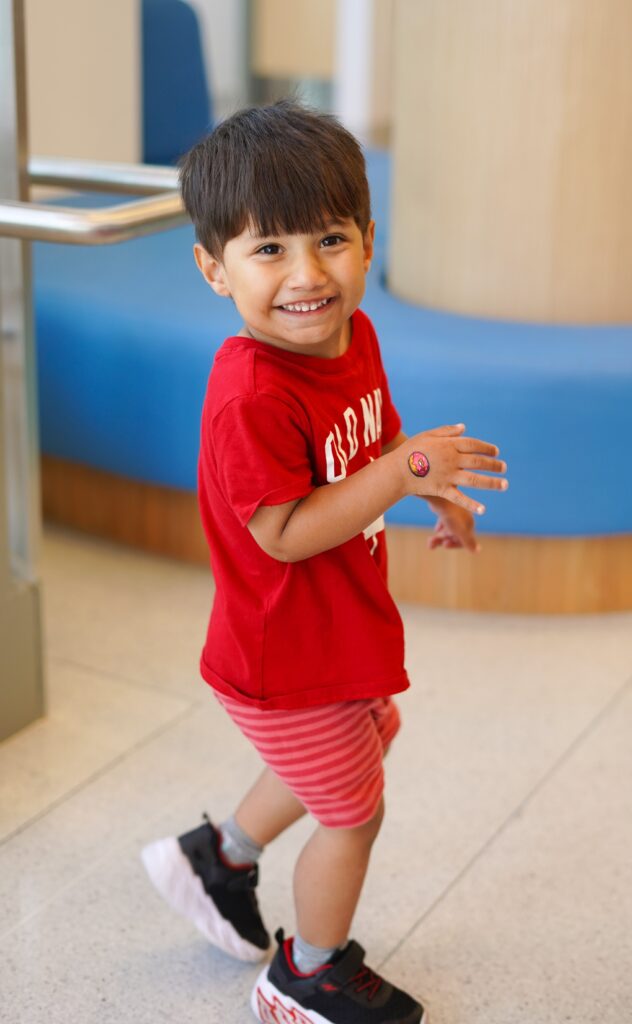
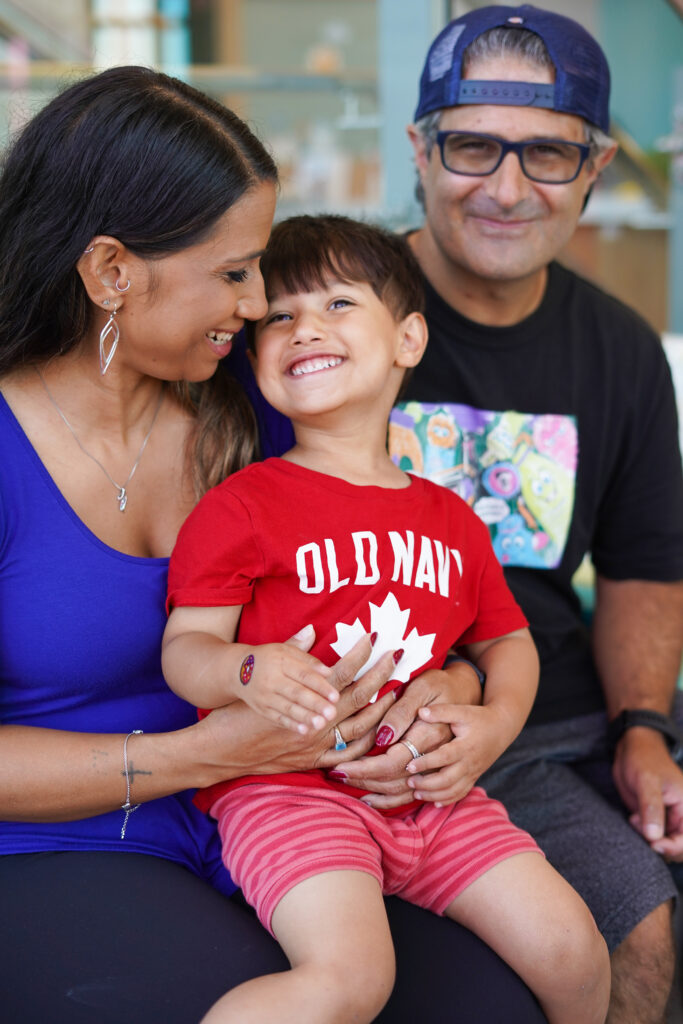
When Michelle and David welcomed their son Dante into the world in early 2022, they knew he would be extraordinary. Even in the womb, he was bursting with energy “doing cartwheels,” as Michelle affectionately puts it. Two days after birth, their world shifted as Dante was diagnosed with a cleft palate, a condition that had not been detected earlier. It is characterized by an opening or split in the roof of the mouth (palate) that occurs when the tissues do not fully join during fetal development. Cleft palate can lead to difficulties with feeding, speech and ear infections.  

“It was a shock… We didn’t know what that would mean for his future.” – David, Dante’s Dad

As older parents, navigating new parenthood during a pandemic, the diagnosis brought with it fear, uncertainty and a lot of questions. They were determined to face it together. Dante had the love of his big half-sister, Heaven (27), by his side for the first three years of his life, plus the support of extended family across Ontario. This was an incredibly challenging time and with services backed up due to the pandemic, Dante did not have his palate repaired until he was 16 months old.  

Dante’s energy and curiosity were obvious from the start. He loved Sesame Street, playing with Lego and Play-Doh and charmed everyone he met. Despite the challenges he faced, he has been a vibrant, joyful and social child, more outgoing than his parents ever expected. 

However, by 22 months, Dante was speaking fewer than 20 words. His parents, concerned about his speech development, had already engaged private speech therapy, but still weren’t seeing the progress they hoped for. In January 2024, Michelle and David were introduced to Jerome, a Speech-Language Pathologist at Grandview Kids. “Meeting Jerome was a game-changer,” David shares. “He saw what Dante needed, and suddenly, so did we.” 

Then came a major realization: Dante wasn’t hearing properly. His ear tubes had fallen out and needed to be reinserted. Once they were, everything changed. By March 2024, with improved hearing and expert speech support from Grandview Kids, Dante’s vocabulary skyrocketed. Other challenges remained as children with cleft palates often substitute certain consonants, a habit known as “backing”—saying “kuh” instead of “buh” or “puh.” Now, Jerome and the family are helping Dante re-learn how to use his voice effectively and clearly. Jerome made therapy approachable and fun. Dante now looks forward to sessions, excitedly pointing out the Grandview Kids’ Ajax headquarters, The Jerry Coughlan Building, on walks, exclaiming, “That’s where we see Jerome!” 

“Not every session is perfect,” David laughs. “Some days he’s not in the mood. But other days he loves it. That’s life with a toddler.” Michelle and David didn’t expect to qualify for Grandview Kids’ support since Dante’s case was moderate. However, to their surprise, they were accepted and found the local support close to home invaluable. “We felt lucky. Grateful. Privileged, even,” David says. “Not everyone gets access to these services. And when you do, it makes all the difference.” 

Their experience highlights why early intervention is critical. Speech therapy isn’t a four-week process; it’s a journey. And the earlier that journey begins, the more impactful it can be. 

“It broke my heart not hearing ‘Dada’ until he was nearly two,” David shares. “But now, we hear him all the time. And it’s the sweetest sound.” 

Michelle and David’s advice to other families: 

  • Don’t wait. Trust your gut if something feels off. 
  • Leverage every resource, make connections: doctors, networks and early childhood centres. 
  • Advocate loudly and early for your child and others like them. 
  • Push for funding. Write your councillor. Help make support like Grandview Kids’ available to every family. 

“We’re not just helping Dante,” David says. “We’re building a better path for every kid who comes after him.” 

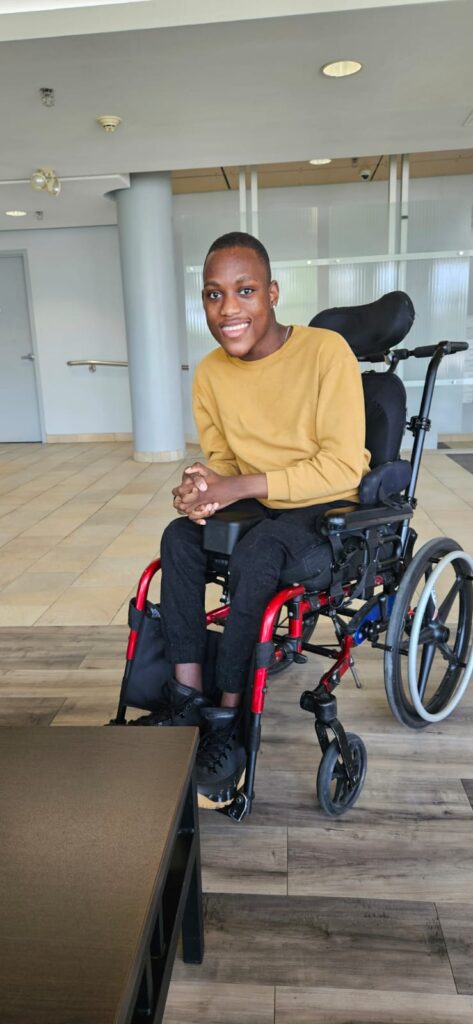
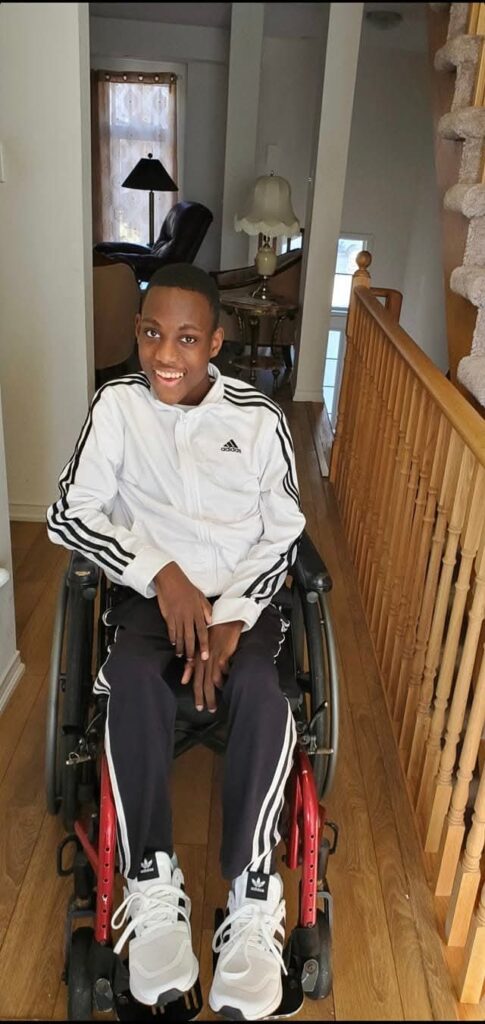
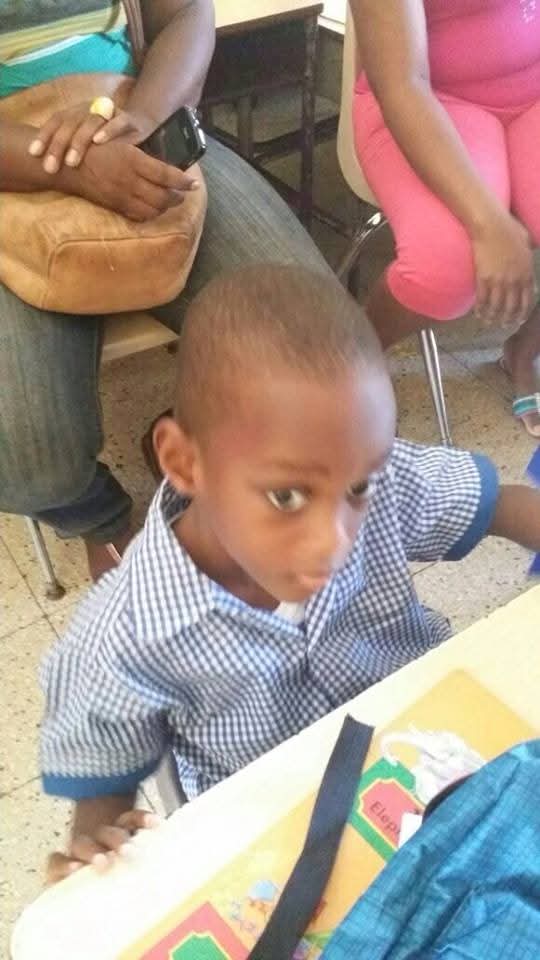
Cyle, born at just 26 weeks, came into the world fragile, impossibly small and a fighter. It wasn’t until he was three years old, while living in Jamaica, that he was diagnosed with cerebral palsy (CP), level 4. Even then, answers were hard to come by. Resources were few, and therapies were out of reach. For most of his childhood, understanding his condition was like trying to read in the dark. 


For years, his mother, Nordean, a resilient and determined woman, did what she could with the limited resources she had. Financial hardship meant makeshift solutions, such as pillows to help him sit up, custom-built wooden chairs, and of course, endless love. Without access to specialized mobility devices or consistent medical care, every day was a challenge. As Cyle aged, his mental and emotional health began to waver. As he watched other children run and play, and though his spirit was vibrant and full of life, he began to withdraw. His mother, one of ten siblings herself, never treated him differently, ensuring he was participating socially as best as he could.  

Cyle at Preschool in Jamaica

Everything changed when Cyle and his mom moved to Canada when he was 12. At first, they weren’t sure where to turn. They called many different organizations trying to connect with the right place that would provide them guidance. One of those calls connected them to Grandview Kids, and from that moment, hope began to blossom. 

Occupational therapist, Sandie, and physiotherapist, Nicole, were some of the first from Team Grandview to visit the family. They walked into a home marked by strength as they saw homemade equipment built by loving hands. “You’re super people,” they said, recognizing the love and fight that had brought them this far. Social Work helped secure Assistance for Children with Severe Disabilities (ACSD) funding and quickly provided a loaner wheelchair while the paperwork for permanent equipment was processed. Soon, Cyle received ankle-foot orthotics (AFOs), a stander, commode and other tools that eased daily functions.  

Physiotherapy, Botox® treatments and customized home exercise plans from Grandview Kids helped reduce his pain, especially in his growing body. His physiotherapists even printed out exercises with photos and instructions, making it easier for the family to follow at home. The relief of pain allowed him to stretch, grow and, perhaps most significantly, focus. For the first time, he could attend school regularly and began to thrive. 

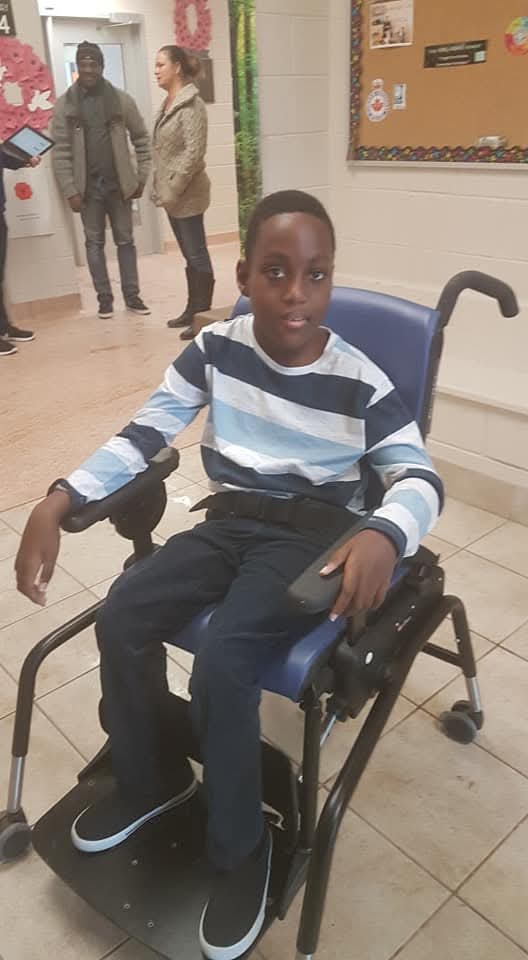
Cyle’s first day of middle school in Canada

In Jamaica, school had been a battle. Many didn’t believe he belonged in a classroom. However, in Canada, with Grandview Kids’ support, not only was he welcomed, but he excelled. Despite the learning gaps from years without proper support, Cyle caught up, and by middle school, he had earned a student award. By high school, it was straight A’s. His mother watched as her son blossomed, finding strength in the very place where others had once only seen limitation. 

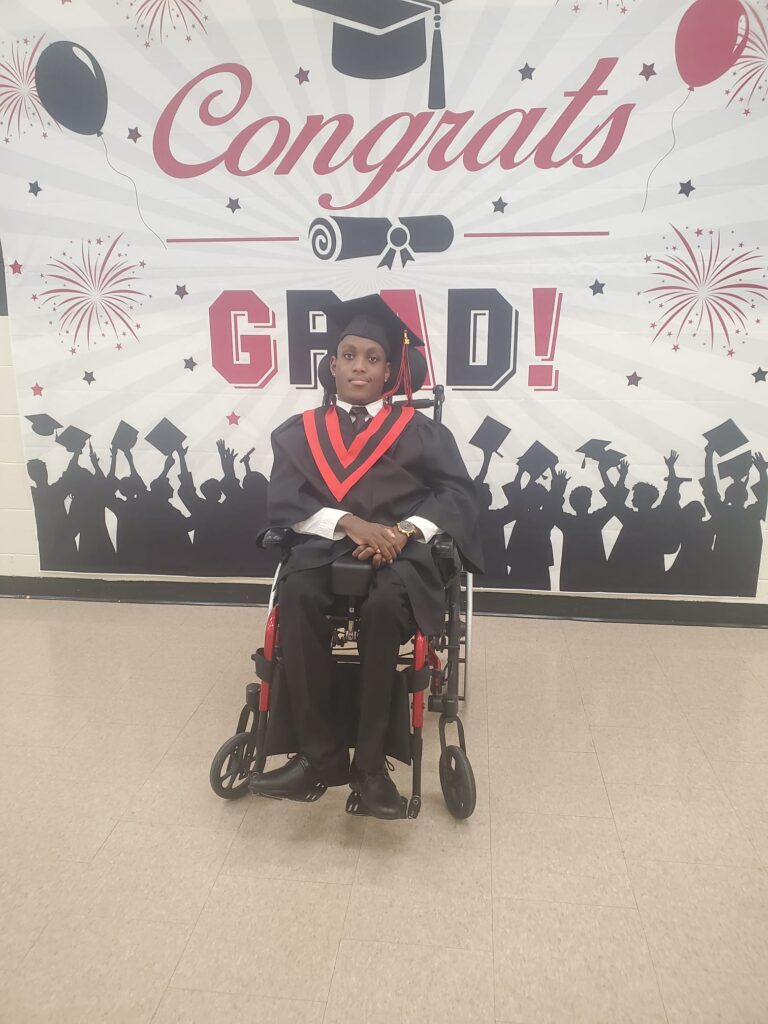
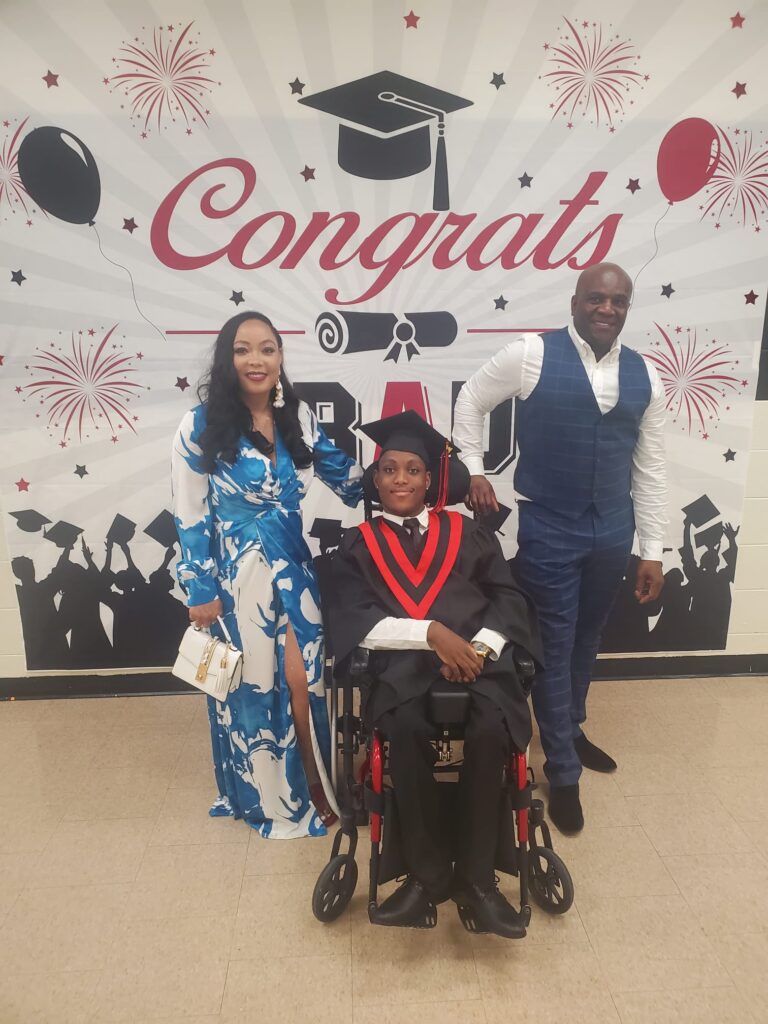
Cyle celebrating graduation with his family

Grandview Kids continued to support Cyle, Nordean and his stepdad beyond his physical needs. Cyle was missing his extended family in Jamaica, the warmth of his homeland and the familiarity of his culture. Canada’s cold winters and unfamiliar systems made the early days tough. His team at Grandview Kids, consisting of therapists across several disciplines, developmental paediatrician, a social worker and a family support assistant, helped bridge that emotional gap. They listened to Cyle, connected him with other kids, showed him he wasn’t alone and made space for his voice and his story. He saw that he belonged. 

When Cyle had major surgery in September 2024 for hip relocation and foot lengthening, he spent eight weeks at Holland Bloorview Kids Rehabilitation Hospital in inpatient rehab. Following his surgery, Cyle received follow-up care from his Grandview Kids team. While recovering, he stayed on top of his schoolwork, and by the end of the year, he made the honour roll again! Graduating high school this year was more than a standard ceremony. It was a celebration of resilience. His mom wept tears of joy and pride, remembering the 12 to 18-hour days: waking at 6:30 a.m., finishing homework by 10 p.m. “I look up to my son,” she says. “I see many days where Cyle can push through because of his mental fortitude. I am very proud.” 

“Cyle has been with Grandview since 2019, and has Level IV spastic CP. As a result, he is unable to stand or walk and has limited use of his hands. He has sustained significant pain and difficulties over the years. None of this has stopped his drive and ambition. His resilience and determination were rewarded last night as he walked across his high school stage to graduate with honours and the Ontario Scholar Award!” – Tanya, Family Support Assistant 

Cyle at prom

Cyle, now 18, loves basketball, music and lively conversations about politics and societal topics. With the loving support of his mom, stepdad and extended family, he knows his differences make him uniquely important in the world. Nordean reminds him that, “Your difference is appreciated. Look at colours, they can’t all be the same – they come in different shades, and it makes the world more beautiful.” Along with the unwavering support of Grandview Kids, Cyle’s story is one of hope not only to children and youth with physical, communication and developmental needs in Canada, but including those back in Jamaica and beyond. He’s living proof that with the right support, every child and youth can live at their full potential. 

  • ⟨
  • Page 1
  • Interim pages omitted …
  • Page 4
  • Page 5
  • Page 6
  • Page 7
  • Page 8
  • Interim pages omitted …
  • Page 17
  • ⟩

Primary Sidebar

Child Stories

ICBAbWVkaWEgb25seSBzY3JlZW4gYW5kIChtYXgtd2lkdGg6IDc4MXB4KSB7ICAgIH0gQG1lZGlhIG9ubHkgc2NyZWVuIGFuZCAobWF4LXdpZHRoOiA1OTlweCkgeyAgICB9IA==
LnRiLWhlYWRpbmcuaGFzLWJhY2tncm91bmR7cGFkZGluZzowfQ==
LnRiLWZpZWxke21hcmdpbi1ib3R0b206MC43NmVtfS50Yi1maWVsZC0tbGVmdHt0ZXh0LWFsaWduOmxlZnR9LnRiLWZpZWxkLS1jZW50ZXJ7dGV4dC1hbGlnbjpjZW50ZXJ9LnRiLWZpZWxkLS1yaWdodHt0ZXh0LWFsaWduOnJpZ2h0fS50Yi1maWVsZF9fc2t5cGVfcHJldmlld3twYWRkaW5nOjEwcHggMjBweDtib3JkZXItcmFkaXVzOjNweDtjb2xvcjojZmZmO2JhY2tncm91bmQ6IzAwYWZlZTtkaXNwbGF5OmlubGluZS1ibG9ja311bC5nbGlkZV9fc2xpZGVze21hcmdpbjowfQ==

National Siblings Day – April 10

Siblings by Siblings Program National Siblings Day is celebrated each year on April 10. To honour this, we are proud to feature Grandview Kids’ “Siblings by Siblings” program! Siblings by...

Latest Updates

  • October 2026: Dates of Significance September 30, 2026
  • “I am Clara”  September 30, 2026
  • Mitchell’s journey with Hydrocephalus September 30, 2026
  • Celebrating World Cerebral Palsy Day 2026 September 29, 2026
  • Building belonging through family leadership August 31, 2026

You Have Questions

We’d like to help you find the answers…

Contact Us Today

© Grandview Kids Built by PeaceWorks

  • About Us
  • Contact Us
  • Privacy
Accessibility Adjustments

Powered by OneTap

How long do you want to hide the toolbar?
Hide Toolbar Duration
Select your accessibility profile
Vision Impaired Mode
Enhances website's visuals
Seizure Safe Profile
Clear flashes & reduces color
ADHD Friendly Mode
Focused browsing, distraction-free
Blindness Mode
Reduces distractions, improves focus
Epilepsy Safe Mode
Dims colors and stops blinking
Content Modules
Font Size

Default

Line Height

Default

Color Modules
Orientation Modules