• Skip to primary navigation
  • Skip to main content
  • Skip to primary sidebar
Grandview Kids Logo

Grandview Kids

Every Child And Youth Living Life At Their Full Potential

  • About Us
    • Vision, Mission and Values
    • The New Grandview Kids
      • Operational Readiness
      • Visiting Grandview Kids’ Ajax Headquarters
    • Our History
    • Leadership
    • Board of Directors and Committees
    • Annual Report
    • Strategic Plan
    • Policies
  • Calendar
  • Annual Report
  • Contact
    • Contactez – nous
    • Ajax – Headquarters
    • Bowmanville Health Centre
    • Grandview School
    • Oshawa – Dwyer
    • Port Perry
    • Whitby – Abilities Centre
  • Careers
  • Register
  • Donate
  • Instagram
  • LinkedIn
  • Facebook
  • Services and Programs
    • Audiology
    • Autism Program
      • Autism Spectrum Disorder (ASD) Diagnostic Hub
      • Caregiver-Mediated Early Years Programs
      • OAP Core Clinical Services
      • Entry to School Program
      • Foundational Family Services
    • Blind-Low Vision Program
    • Extensive Needs Service
    • Family Engagement Program
      • Adolescent Transition Program
      • Family Leader Program
        • Family Advisory Council
        • Paid Advocates
        • Youth Advisory Council
    • Infant Hearing Program
    • Medical Services
      • Autism Spectrum Disorder (ASD) Diagnostic Hub
      • Complex Care Program
      • Grandview Anesthesia Procedure (GAP) Clinic
      • Hypertonia Clinic
      • Nutrition Services
      • Orthopaedic Clinic
    • Occupational Therapy
    • Physiotherapy
    • Preschool Outreach Program
    • School Programs & Resources
      • Resources for Educators
      • School-Based Rehabilitation
    • Service Navigation
      • SmartStart Hub: Parents
      • SmartStart Hub: Partners
    • Social Work
    • Speech-Language Pathology
      • Augmentative and Alternative Communication
    • Therapeutic Recreation
  • Purchased Services
    • Inclusive Recreation
    • Beyond the Walls
    • OAP Core Clinical Services
      • Behaviour Services
  • Research
    • Get involved in research
    • IDEA Study
      • Building knowledge and understanding of the intersection of race and disability in accessing pediatric rehabilitation services.
    • Joint Research Ethics Board
    • Research Associate: Dr. Fiona Moola
    • Research Associate: Dr. Meghann Lloyd
  • Resources
    • Ability Acceptance Program
    • Arriving at Grandview Kids
    • Community Supports & Resources
    • Family Support Fund
    • Free to Read Program
    • Frequently Asked Questions
    • Gather by Grandview Kids
    • News and Updates
    • Privacy
    • Resources for Parents and Caregivers
    • Visiting Grandview Kids
  • Support Us
    • Ways to support
    • Host a fundraiser
    • Participate in an event
      • Golf Fore Grandview Kids
      • Sponsor the Drum
      • Dream Big, Dream Brighter Awards Gala
    • Leave a legacy
      • Gifts of securities
      • Gifts of bequests
      • Gifts of life insurance
    • Your impact
    • Building a Legacy: Honouring Jerry Coughlan
  • I Want To…
    • Connect with Grandview Kids
    • Donate
    • Refer a child or youth
    • Register via My Community Hub
    • Schedule an Appointment
    • Volunteer at Grandview Kids
    • Work at Grandview Kids
  • Grandview School
    • About Our Program
    • About Our Board
    • Grandview School Social Story
    • Plans and Reports
    • Resources for Families
    • Resources for Schools – Switch It Up!
    • Careers and Volunteering
    • Contact Grandview School
  • Search

Posted October 23, 2025

Henley’s journey with Kabuki Syndrome: Kabuki Syndrome Awareness Day

Stories

Written by Grandview Kids parent, Laura 

Kabuki syndrome is a rare genetic disorder affecting 1 of every 32,000 births worldwide. Children with Kabuki Syndrome may experience a variety of symptoms, including mild to moderate intellectual impairment, growth delays, low muscle tone, feeding issues, swallowing difficulties, heart defects, cleft palate or other mouth issues, skeletal abnormalities, including hip dysplasia, visual and hearing impairments, autistic behavioural challenges, developmental delay and possible seizures. It is a spectrum disorder, meaning that every child is affected differently, like many genetic disorders.  

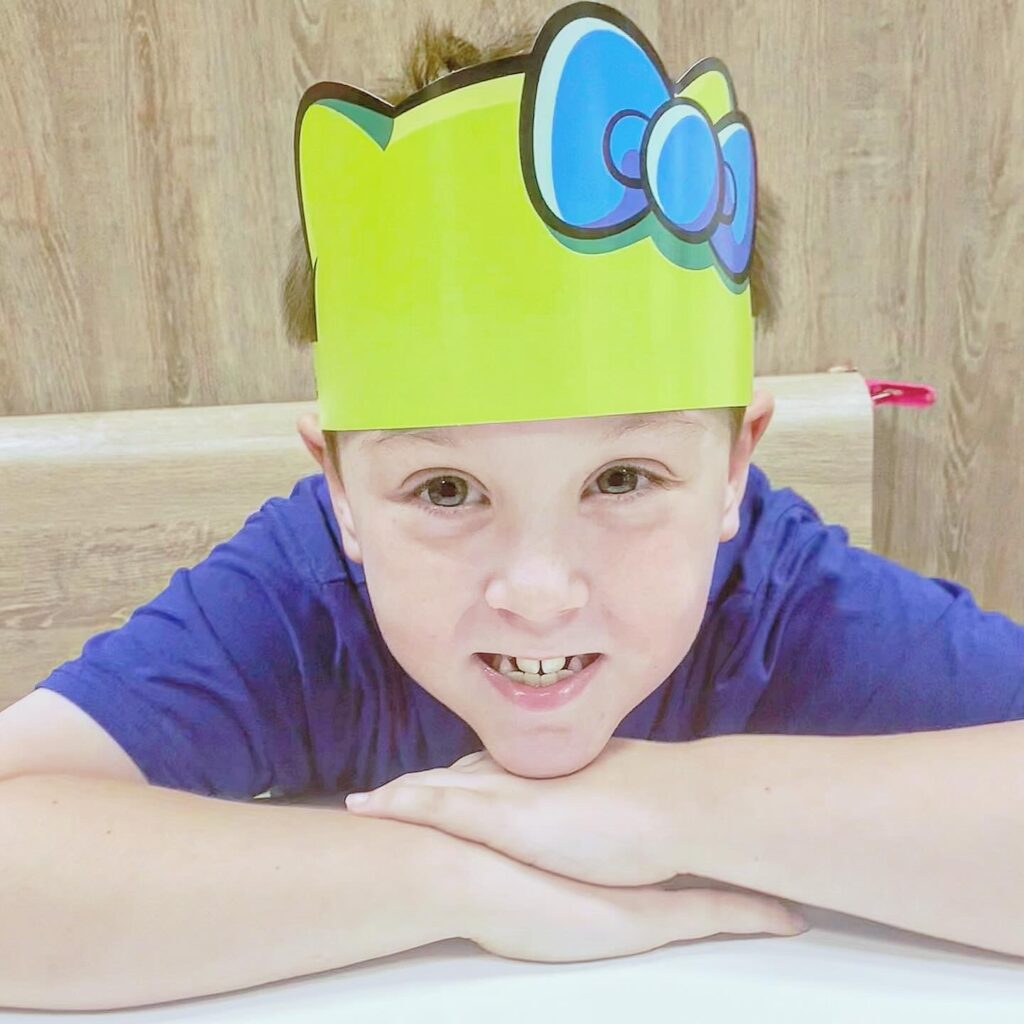
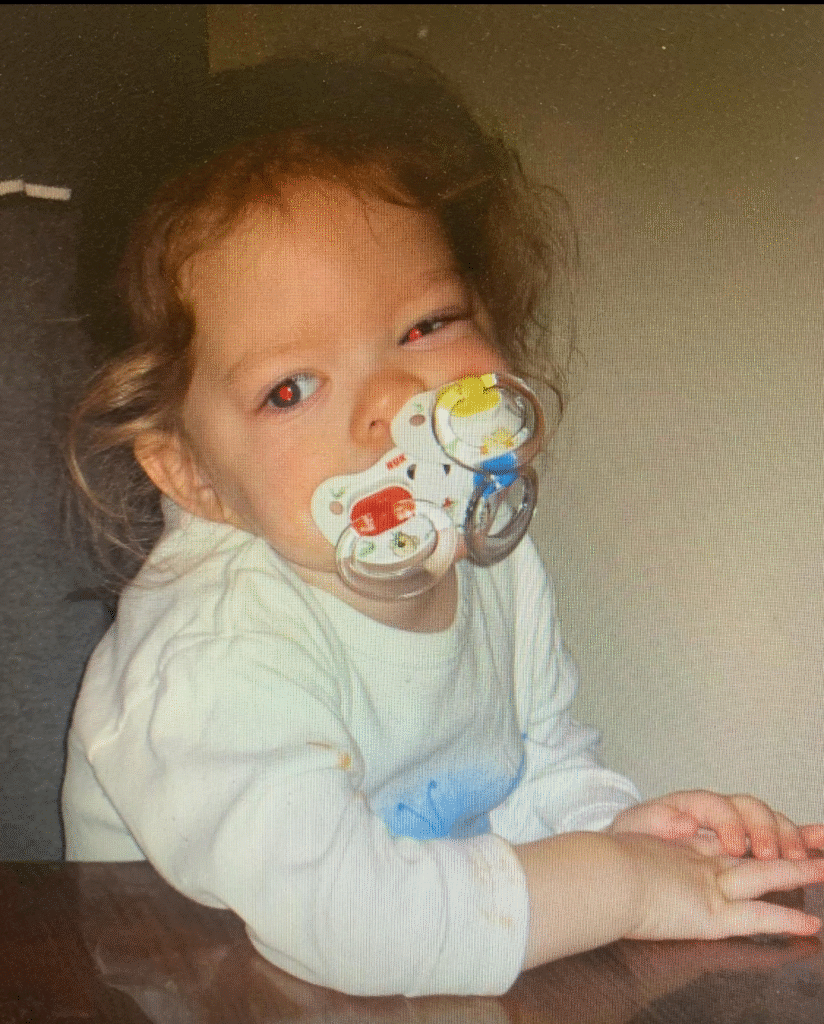
Henley was born 5 lbs 19 oz with both of his hips dislocated (hip dysplasia) and with two sacral dimples, an ear pit and was hard to feed formula or breast milk.  We were told that the signs may be a genetic disorder and something we should test for. He had low blood sugar and, for a short period of time, was in the Neonatal Intensive Care Unit (NICU), where my husband and I visited him and tried to do feeds, which never went very well.  
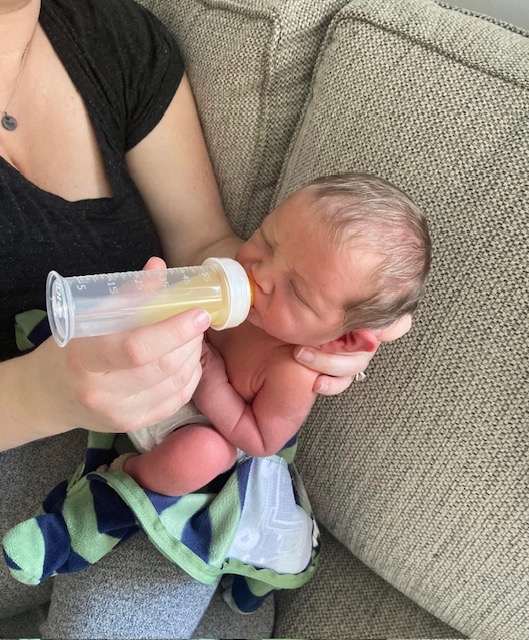
At 2 months old, he was small and still looked like a newborn. He had been vomiting after any formula he managed to ingest and had been diagnosed with reflux. He was placed on two medications for this. He was deemed “failure to thrive” and was admitted to the hospital for daily weight checks, observation and to have a nasogastric (NG) tube inserted for feedings. At age 7 months, he had an inguinal hernia repair, which expedited Henley’s access to a gastrostomy tube (G tube) for feedings. As a mom with a nursing background, I had a really hard time with both, but especially the G tube. It felt so permanent. I felt like I had failed him and didn’t want this for my child.  

Grandview Kids has been a big part of our journey and is there for every step. Our social worker here really helped talk us through the diagnosis, the grief associated with this and how it was okay to have all the feelings while still being proud of how far you’ve come from the beginning.  
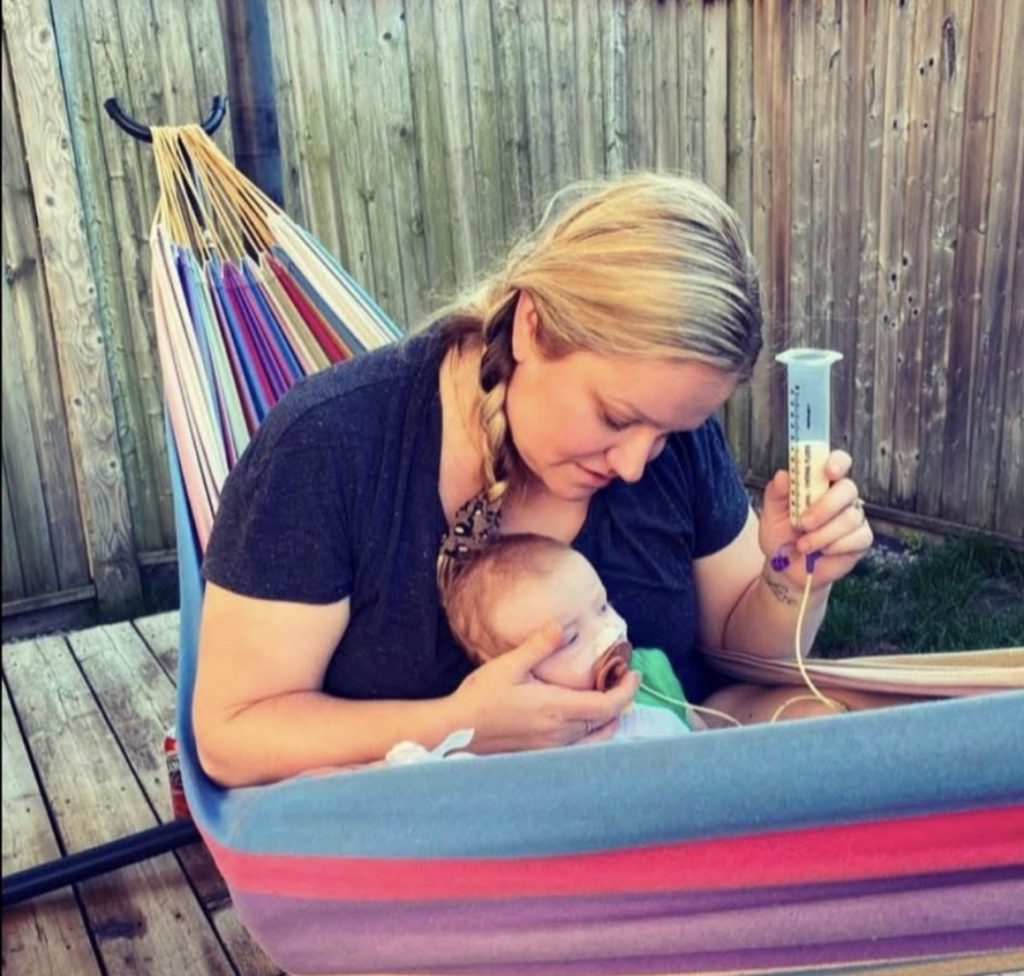
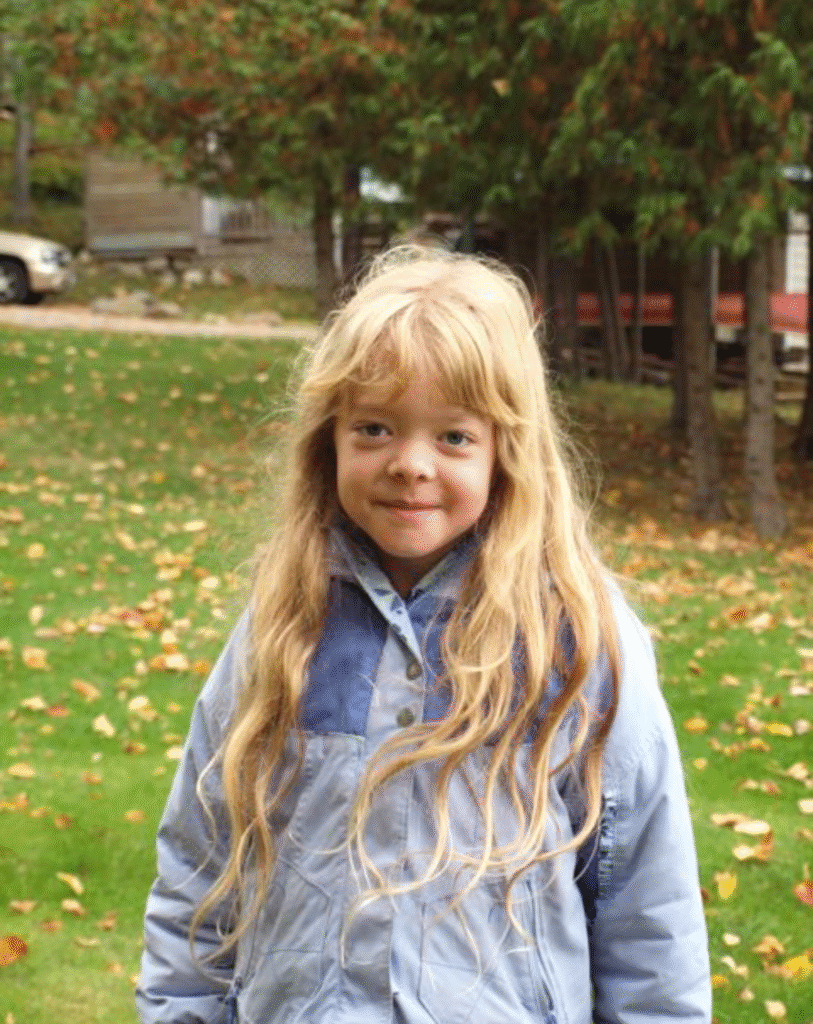
Henley and his mother, Laura

While we struggled with all of this, we underwent testing for genetic disorders. There are two mutations that cause Kabuki syndrome: KMT2D & KDM6A. Weeks later, it came back, and Henley tested positive for the KMT-2D gene. Henley had Kabuki syndrome. After seeing the geneticist, we were referred for early intervention services at Grandview Kids, including participation in the Complex Care Program, delivered in partnership with The Hospital for Sick Children (SickKids), Grandview Kids, Lakeridge Health and the Ontario Health at Home, Central East.  

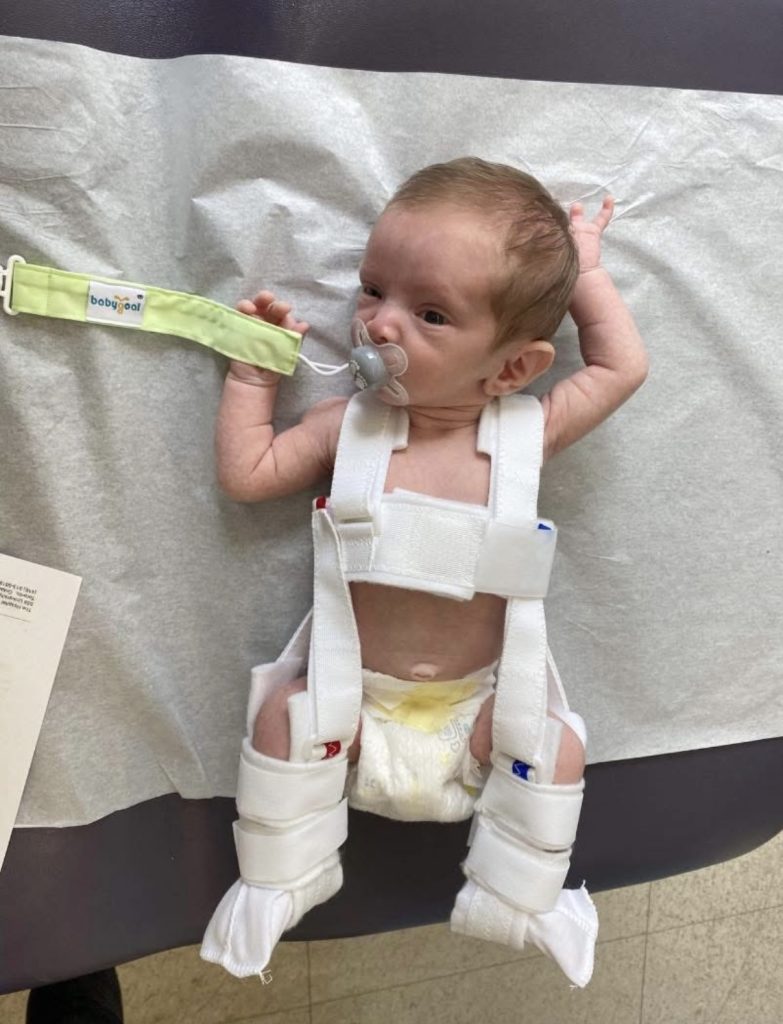
Prior to Henley’s Kabuki syndrome diagnosis, we had already been seeing different specialists at SickKids, primarily orthopaedics, having biweekly ultrasounds and then hip x-rays as he grew. He was placed in a leg brace so we couldn’t bathe or put our baby in pants for months. It was hard, but we were hopeful this would help. It didn’t.  

We had Grandview Kids for support through the Complex Care Program, occupational therapy, speech-language pathology, physiotherapy, dietetics, feeding therapy and social work consults throughout Henley’s hurdles. We also travelled to SickKids for many specialist appointments.  

For Henley, Kabuki syndrome involved mostly feeding problems, hip dysplasia, low muscle tone as a baby and developmental delay. He missed most milestones. After a swallowing assessment, he was discovered to be mildly aspirating fluids. At this time, we tried to thicken fluids and, as he aged, continued to do swallowing assessment at SickKids radiology, which eventually he was no longer having tracheal aspirations, so we could “try to feed.”  

This was terrifying and exciting at the same time. My baby hadn’t had bottles or formula. He started having thickened water and eventually purées. With his G Tube feeds, we would give him opportunities to eat/taste and play orally with food. We did a lot of it by trial and error and just kept going, even when I was nervous. It was a long road, but at 2 years 7 months old, Henley became a feeding tube graduate and was discharged from Grandview Kids’ Complex Care Program. We know this isn’t everyone’s journey, as many Kabuki kids we follow online still have feeding tubes and feeding struggles. 
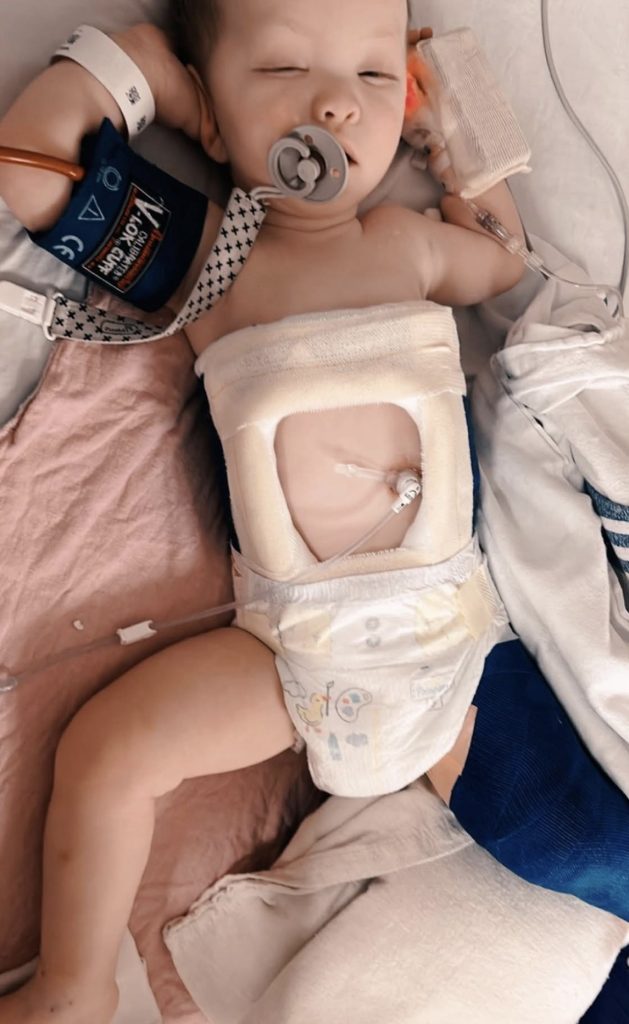
At age 1 year 10 months, Henley also underwent a lengthy 5-hour surgery for his hip. He had hip dysplasia surgery with a pelvic osteotomy (t pins inserted into the hip for proper angle and alignment). He was in a full body cast from his chest down to his ankle on one side, including a “window” for his G tube. We had to watch the cast wasn’t too tight, and we lived on a mattress in our living room for 6+ weeks. After surgery, Henley celebrated his 2nd birthday fresh out of a cast with limited movement and spent his day on the couch.  
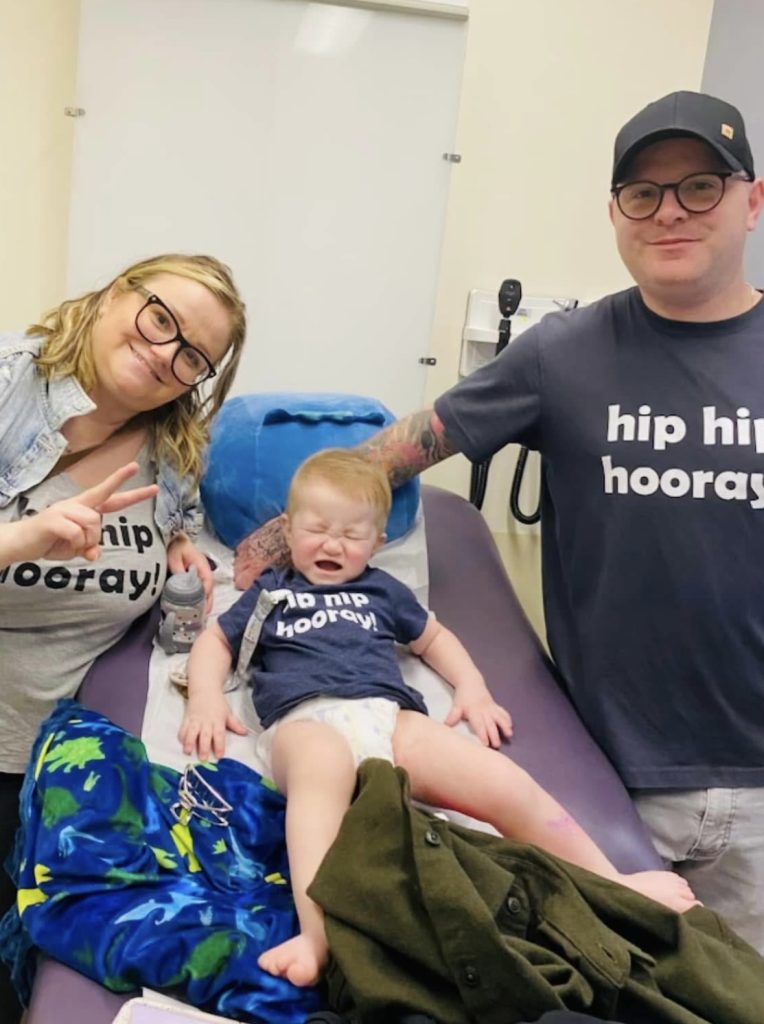
He had to learn to sit up again at age 2. He gained strength and eventually walked with his shopping cart and then independently. He couldn’t have physiotherapy for months after surgery, as his surgeon wanted him to access this care when he was ready for it. Henley is now walking independently and can walk up stairs with assistance. He is eating orally–a lot of “beige foods” and carbs–but he’s eating! His favourite foods are strawberries, popsicles, pizza and cheese and crackers.  
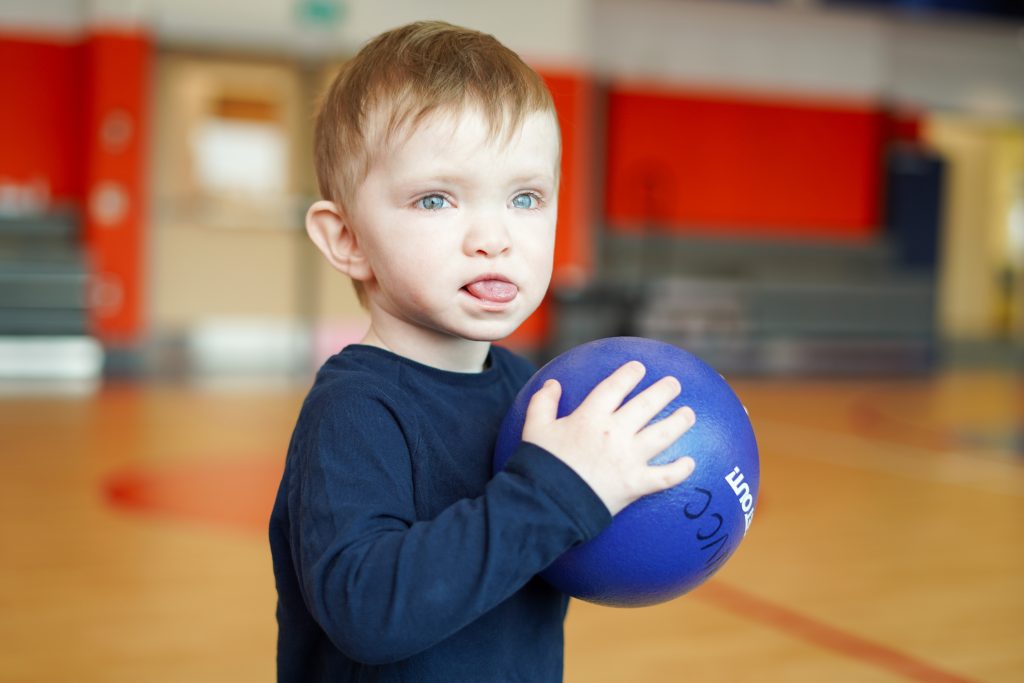
The entire journey, especially in the early days, was a blur. He has been through so much and come so far. Henley is now 3 years 5 months old, has started Nursery School and is thriving. He stims a lot with his autism spectrum disorder (ASD) and seems to enjoy the routine. We are amazed every day by our boy. He is non-verbal, developmentally delayed and has had a diagnosis of autism received through a developmental paediatrician at Grandview Kids.  
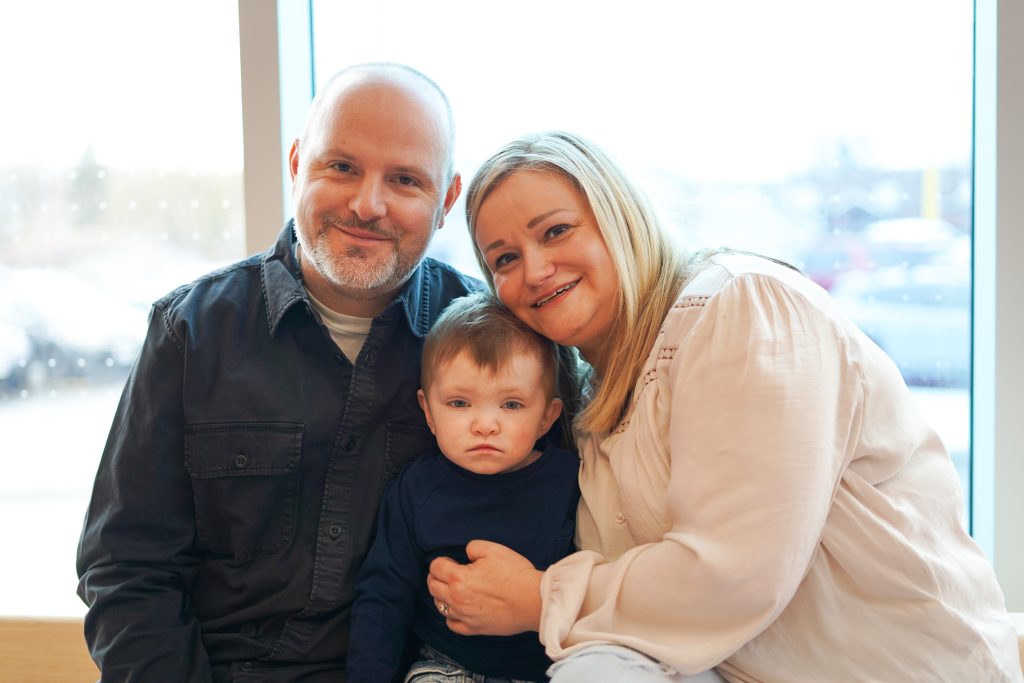
We are so proud of how far Henley’s come, especially when we share our story. I hope this helps anyone with a new genetic diagnosis, including Kabuki syndrome. You are not alone, and my best advice would be to reach out online, find support groups or others going through similar experiences, whatever that may be.  

To show your support, I encourage you to wear green on October 23rd for Kabuki Syndrome Awareness Day! 
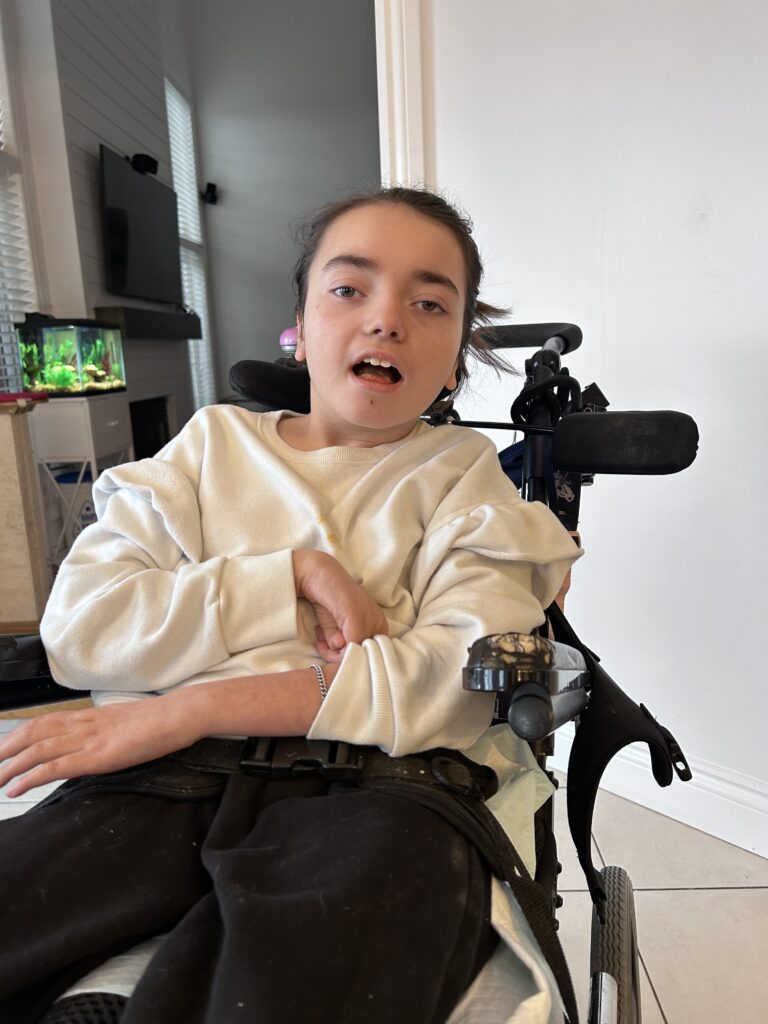
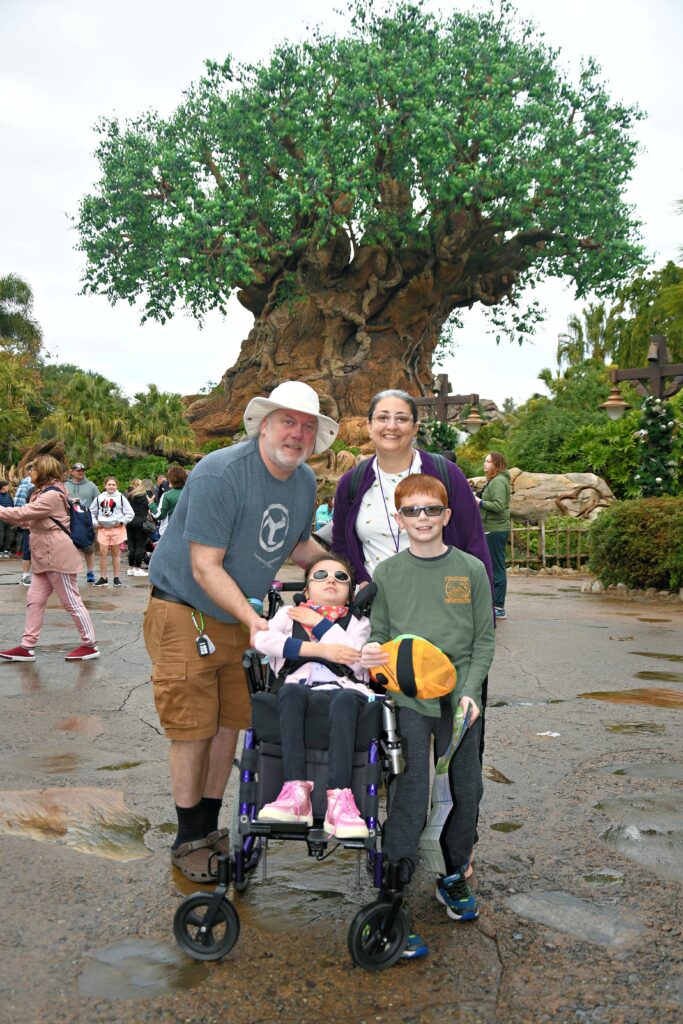
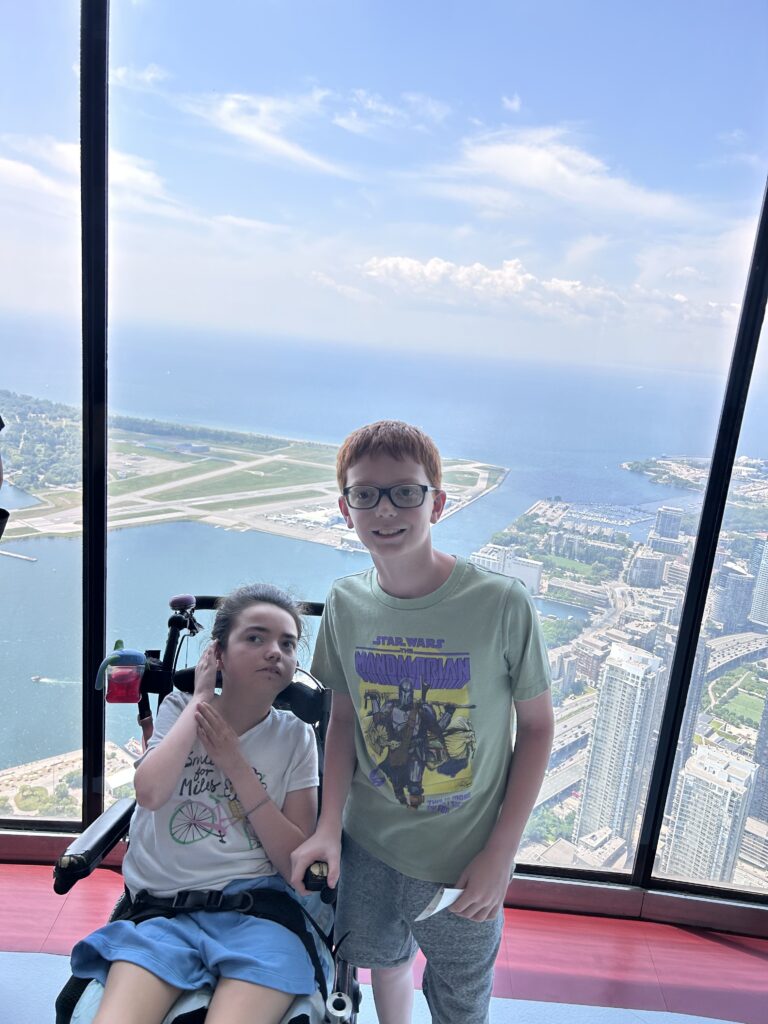
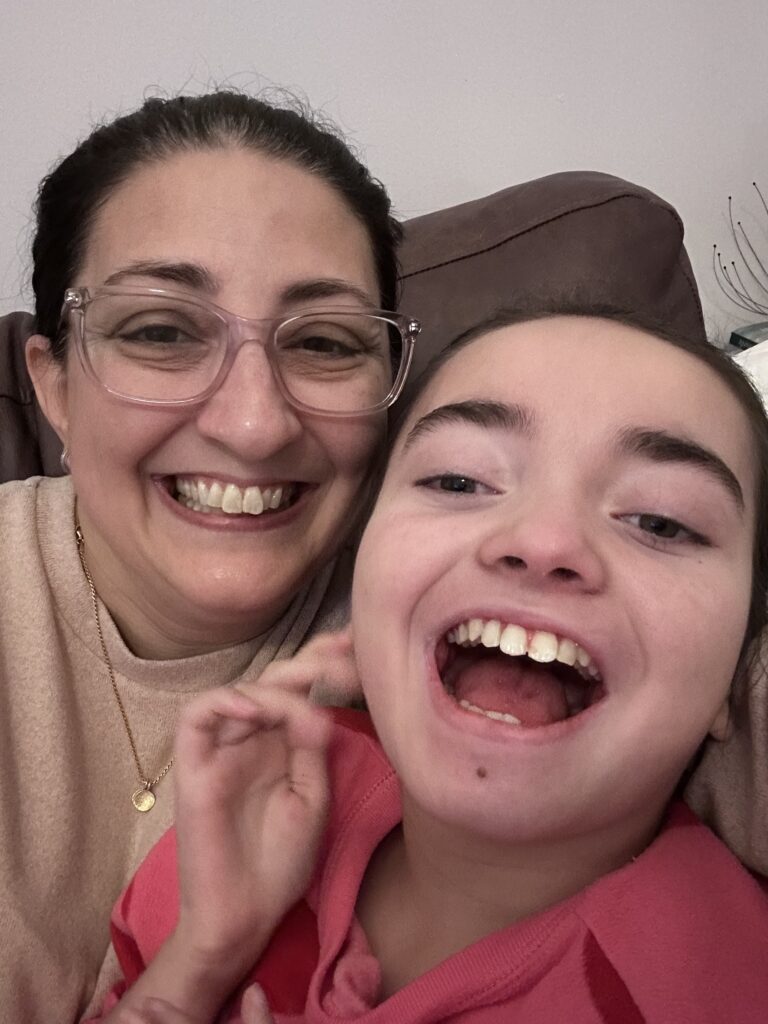
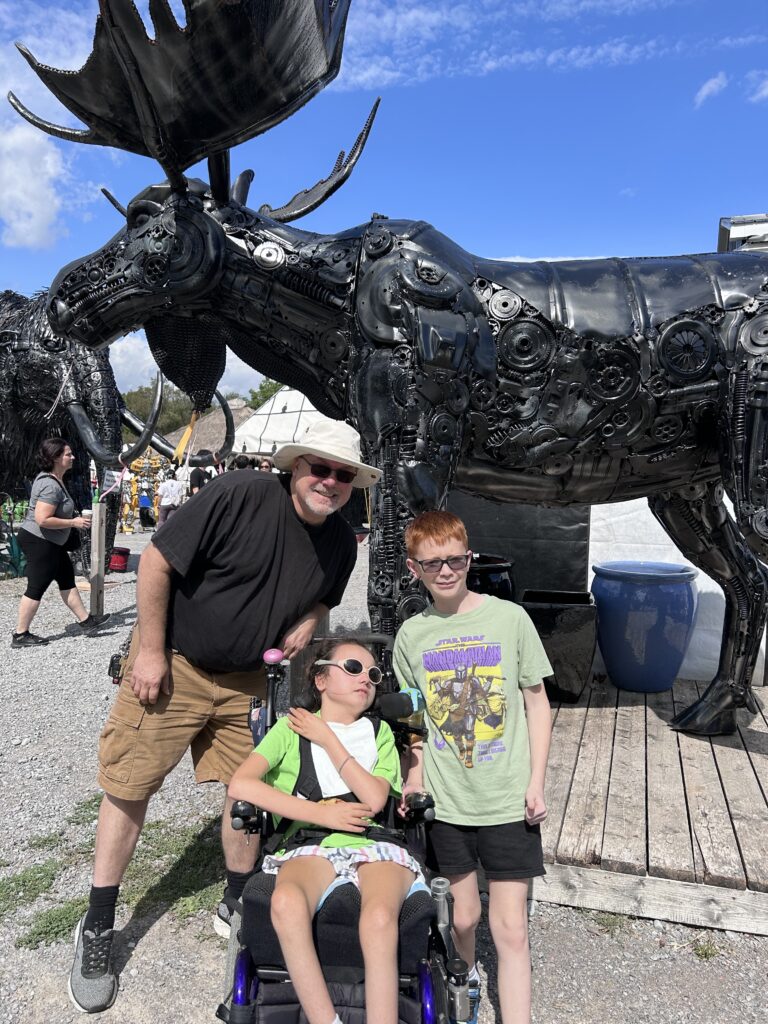
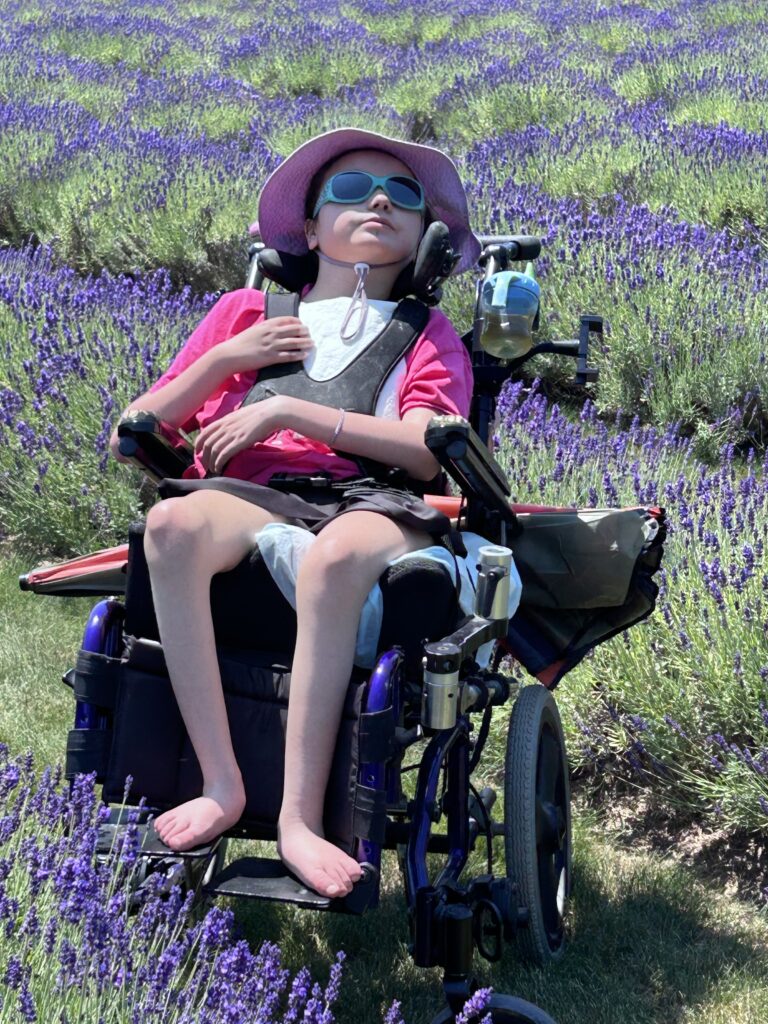
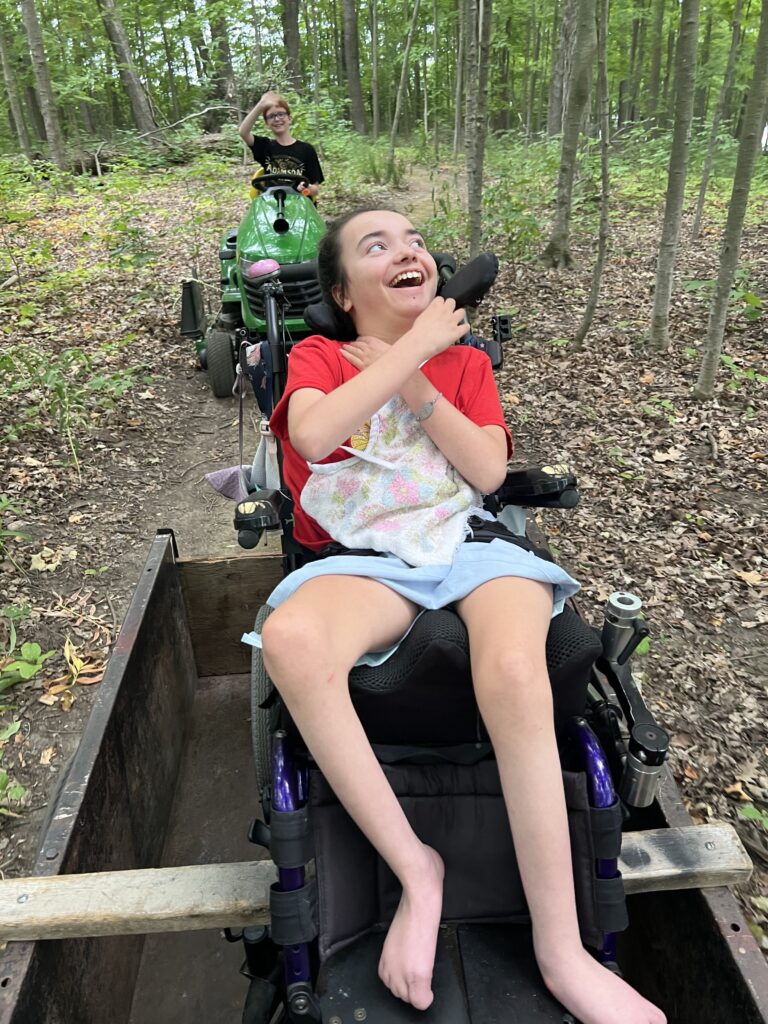
Mya is a bright, joyful 13-year-old whose presence lights up any room. Though she uses a wheelchair, communicates non-verbally and is fed through a g-tube, these details are only part of her story. What truly defines Mya is her love for music, her quirky sense of humour and the way she connects deeply with the people around her. Whether it’s the beat of an Imagine Dragons song, a silly moment with her brother Nicholas or receiving a compliment that makes her smile, Mya’s joy is unmistakable and contagious.

Mya lives in Durham Region with her parents, Karen and Matt, her fun-loving 11-year-old brother Nicholas and their beloved dog and cat. She’s an easygoing, joyful soul who finds comfort in music, stories and connection. When things get tough, all it takes is a song or a silly moment with her brother to bring out her signature laugh, often laced with a sharp sense of sarcasm that only those closest to her can truly appreciate. “She loves people, music and being read to. We know when she wants something even without words. She makes it clear to us through her vocalizations and facial expressions,” says Karen. 

At 15 months old, Mya was diagnosed with Rett Syndrome, a rare genetic disorder that primarily affects girls and impacts nearly every aspect of development. Children with Rett Syndrome are often born without any apparent concerns, only to start losing acquired skills such as speech, movement and even the ability to functionally use their hands as they grow older. As they age, the loss of skills stabilizes, but they do not gain any extra skills. In Mya’s case, her development plateaued around six months. She had learned to sit up but then lost the ability. Karen, trusting her instincts, pushed for answers early. Her paediatrician acted fast and referred her to SickKids for genetic testing.  

“A lot of kids with Rett [Syndrome] are first diagnosed with autism,” Karen explains, “but our doctor saw it right away.” Diagnosed with Rett Syndrome at just 15 months old, Mya began losing developmental skills, such as sitting up and self-feeding. She does not walk, feed orally, speak or have purposeful use of her hands. She has seizures, is g-tube fed and communicates primarily through a computer that tracks her eye movements. Though physically limited, her personality shines through in unexpected ways, from cheeky jokes via her eye-gaze device to a mischievous smile when her brother gets in trouble. “She uses her communication computer to ‘mess’ with people,” Karen laughs. “She’ll repeatedly say ‘all done’ during therapy, just to get a reaction, then giggles about it. That’s her sense of humour.”  

Mya’s condition includes apraxia, a frustrating disconnect between her brain’s commands and her body’s ability to respond. Whether it’s using her eyes to choose a word or reaching toward a toy, it takes an incredible amount of effort. Yet she tries every single day. “She’s trapped in her body, but she’s fully there. You can see her fighting to connect thought and action,” Karen says. 

Despite these challenges, Mya thrives with the proper support. She is fully present, deeply expressive and surrounded by a family that advocates fiercely for her happiness and quality of life. She attends a regular school every day, takes the bus and is known for her love of socializing. Her home has been modified to meet her needs with a bedroom and accessible bathroom on the main floor, complete with a lift. Music remains her greatest comfort. When she’s agitated or tired, the family turns on her favourite songs to calm and soothe her.  

Within a month of her diagnosis, Mya’s family was connected to a team of specialists at Grandview Kids. From physiotherapy and occupational therapy to feeding consultations and a Botox® clinic, Grandview Kids has helped her and her family navigate each new stage of care. Today, Grandview Kids provides Mya with School-Based Rehabilitation (SBR), helping her stay mobile and comfortable both at school and home through the provision of appropriate equipment and modifications to help her live the fullest life possible.   

“Any question about therapy, equipment or funding, Grandview is the first place we go,” shares Karen. “They’ve been exceptional, accommodating and so good with Mya.” 

In the early days, Karen also found comfort in a Grandview Kids , where she connected with other moms navigating similar challenges. “Talking to people who got it, who were going through it too, was invaluable. I learned so much about what to expect, how to advocate and what to ask for at school. It helped me emotionally, too.” 

If Karen could go back to that first heartbreaking day when the diagnosis was confirmed, she’d offer herself a message of hope. 

“I’d tell myself: It’s not going to be easy, but it’s not as bad as you think. Your daughter will be happy. Her life will be good. Different – but good. You can do this.” 

Mya is now facing major surgeries to stabilize her spine and hips, common among girls with Rett Syndrome due to scoliosis and muscle atrophy. The family is preparing for the challenges ahead, but they’re grounded by the joy Mya brings into their lives every day. 

“She’s content, comfortable and knows that she’s loved,” Karen says. “You still worry, of course, but when you see her smiling, it’s hard to feel devastated. We’re lucky in so many ways.” 

Rett Syndrome affects approximately 1 in every 10,000 female births. Though there is no cure, promising gene therapies and new treatments are on the horizon. Families like Mya’s continue to push for research, resources and better care coordination. In the meantime, the support of organizations like Grandview Kids ensures that children with Rett Syndrome are not just surviving, but living joyful, meaningful lives. 

Celebrating International Augmentative & Alternative Communication (AAC) Awareness Month 

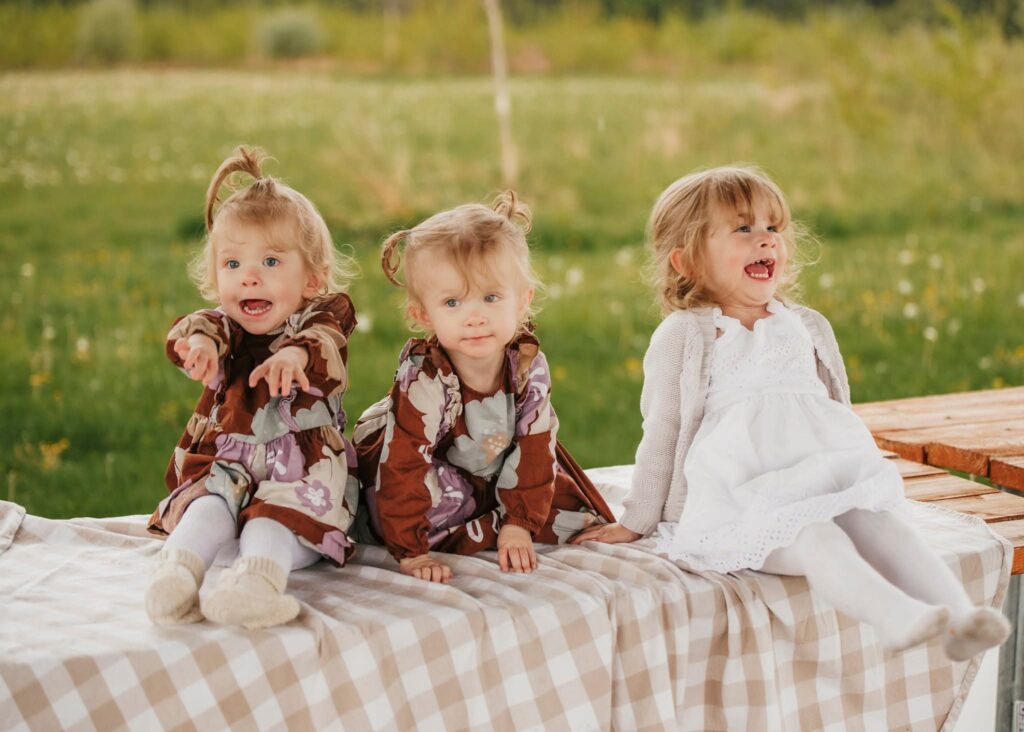
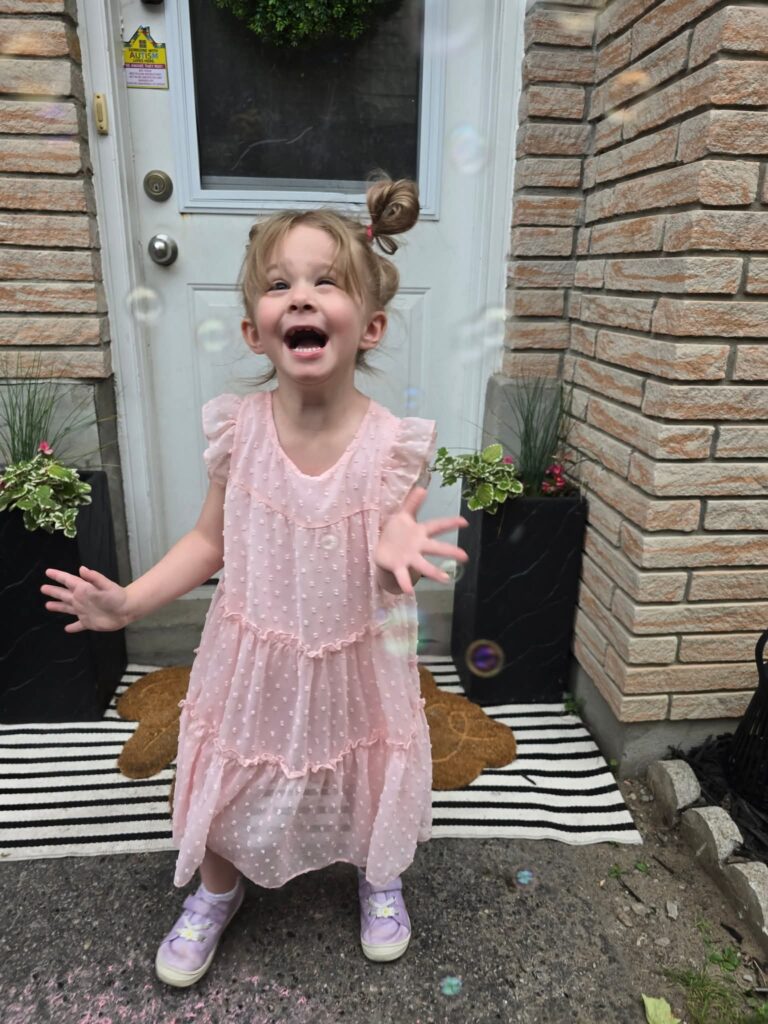
In a bright and busy household filled with laughter, bubbles, Doritos and Little People toys, four-year-old Charlie is the heartbeat of her family. With her younger twin sisters, Poppy and Scottlyn, by her side and the support of her parents, Kara and Scott, Charlie’s journey has been anything but typical. It is a story marked by resilience, discovery and the power of communication – however that may look like. 

Charlie was born prematurely at 34 weeks following a difficult pregnancy. At just 15 weeks old, she underwent cataract surgery and is now blind in her left eye. “She makes up for it in so many ways, you wouldn’t even know,” Kara shares. However, early on, her parents noticed that Charlie wasn’t meeting the developmental milestones typical for her age. She was not laughing, making eye contact and had gross motor skill delays and sensitivities that seemed to overwhelm her more than most babies. 

At 23 months, Charlie was diagnosed with autism spectrum disorder (ASD). “It was a lot,” Kara admits. “We had newborn twins and were navigating surgery and a diagnosis. You go from expecting the ‘usual’ parenting experience, and then everything shifts. But now, looking back, it’s truly been a blessing seeing the girls grow and thrive.” 

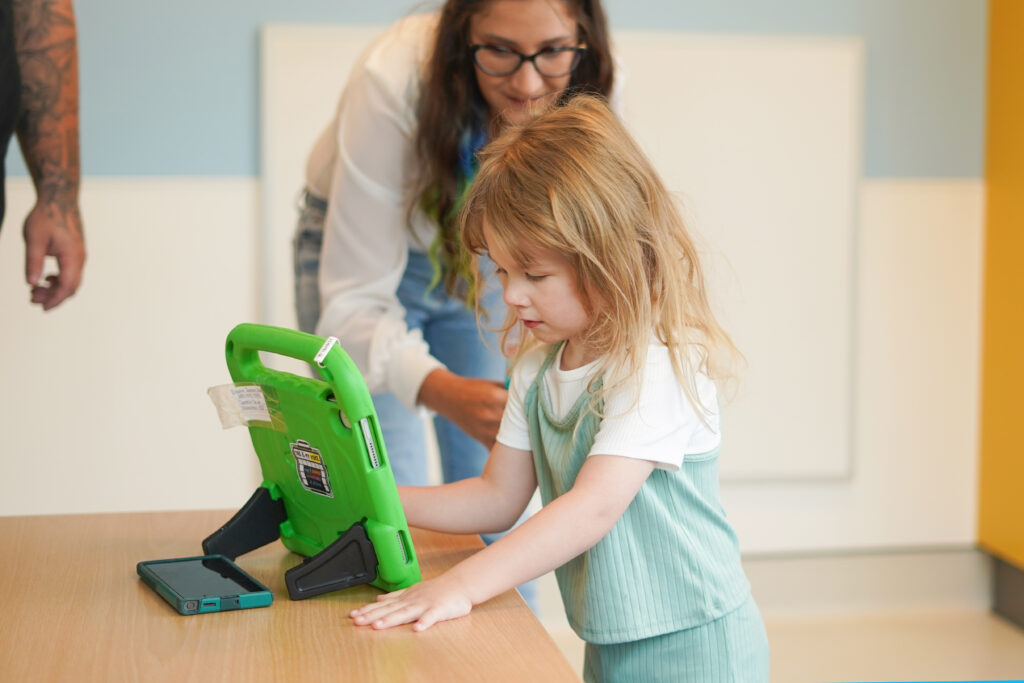
After a referral to Grandview Kids from their paediatrician, the family began accessing various services including physiotherapy, speech-language pathology and therapeutic recreation. Initially, their family tried using the Picture Exchange Communication System (PECS), a method that uses picture cards to help Charlie communicate. They were then introduced to Augmentative and Alternative Communication (AAC) with the use of an iPad, and everything began to change. 

“At first, we were just guessing what Charlie needed. She would get so frustrated, and we felt helpless,” Kara recalls. “But when we started with AAC, something clicked. Seeing her go from no communication to expressing her needs and wants fast and easily was the neatest thing ever.” 

What began with a simple one-page setup of icons like “yes,” “no,” and “stop” has now blossomed into a fully unlocked AAC system. Charlie quickly mastered using the device faster than her parents expected. Through games like Red Light, Green Light and gentle prompting, she learned to navigate categories like “My Food” and “My Family,” requesting her favourite snacks or choosing which family member she wanted to visit. 

“She’s a picky eater,” Kara laughs. “But with her device, she can go to ‘My Food > Favourite Foods’ and ask for exactly what she wants – no more guessing games!” 

Now, Charlie uses her AAC device to interact with others, request shows, engage in play and even introduce herself. “There’s a button that says, ‘Hi, my name is Charlie, I live at…’ which gives us peace of mind, especially in public. She can tell people who she is and where she lives if she ever elopes.” 

Charlie’s success with AAC has had a ripple effect within the family. All three of Kara and Scott’s daughters are diagnosed with ASD and non-speaking. One of her sisters is beginning to use PECS cards and gesture toward words, modelling after Charlie. This gives their parents hope that they will mirror Charlie’s actions and eventually use AAC devices to communicate as well.  

As Charlie prepares for junior kindergarten in a mainstream public school this year, the family is encouraged by the school’s openness to AAC. Staff are committed to learning how to use the device and ensuring Charlie’s voice is heard in the classroom. “It’s emotional,” Kara says. “When we started this, we didn’t know if it would work. Now it’s opened a whole world for Charlie.” Thanks to the AAC device, she is communicating, connecting and showing her personality.  

For families just beginning their AAC journey, Kara offers this message: “Don’t give up. Try every tool and option available to you: PECS cards, devices, anything. It’s all trial and error. But eventually, your child will find their way of communicating. You just have to keep planting those seeds of independence.”  

AAC isn’t just a tool—it’s a bridge to connection, understanding and independence. At Grandview Kids, we believe every child deserves to be heard in their own unique way. 

Learn more about AAC on our dedicated web page here! 

Suhana’s story

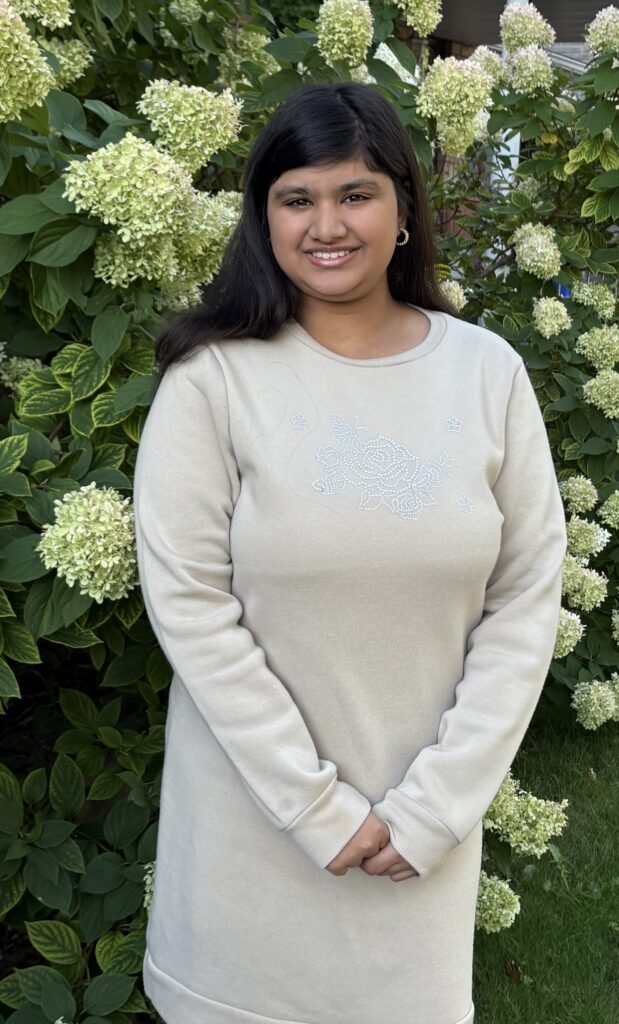
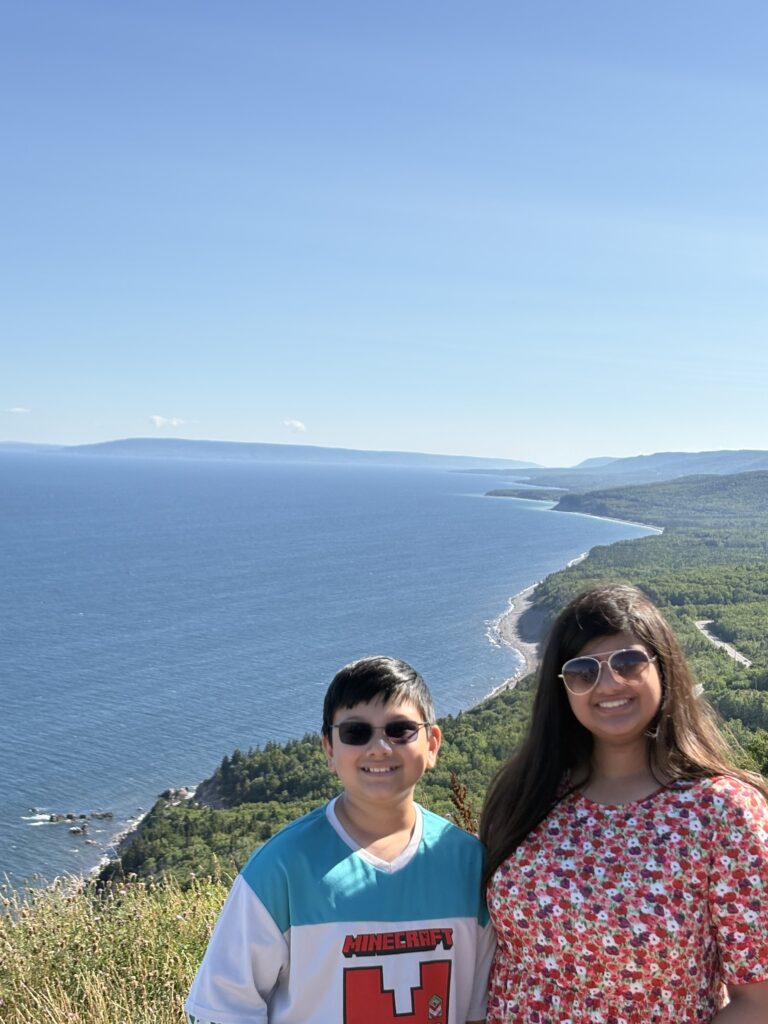
At first glance, Suhana is like any other vibrant 15-year-old in Grade 10. She laughs during movie nights with her family, creates paintings that reflect her inner world, dances to the rhythms of Indian classical music, expresses herself through piano playing and is preparing to become a certified lifeguard. 

However, Suhana’s story did not begin easily. Born 7 weeks early and weighing just 3 lbs. 2 oz., her parents watched over her tiny frame in the neonatal intensive care unit (NICU) with both love and uncertainty. At 4 months old, they noticed something was not quite right – her right arm was not moving, and her leg seemed unresponsive. A long journey began, starting with a referral from a caring paediatrician at Centenary Hospital, leading them to Grandview Kids, where Suhana would eventually receive a life-changing diagnosis of hemiplegic cerebral palsy (CP). An MRI later revealed that both sides of her brain were affected, so her CP condition was likely bilateral from birth. 

The early years were the hardest as Suhana could not use her right arm at all. She walked at an angle, her body constantly adjusting to a world that was not built for the way she moved. Speech, occupational and physiotherapy became a full-time commitment, sometimes three to four times a week. To encourage movement in her right hand, they had to cast her left arm for nearly 14 weeks. Even now, her right hand still curls, but she has learned to work with it. 

She faced physical hurdles, from toe-lifting struggles to leg length discrepancies, scoliosis and enduring pain from overcompensating posture; but the social ones were just as difficult. In elementary school, she wore an ankle-foot orthotic (AFO) on her right leg. What was meant to improve Suhana’s walking ability also became a social barrier as it was visible, making her “different” from her peers. Climbing stairs was difficult, causing fatigue, so she required the use of her school’s elevators. For some, that was reason enough to treat her difference as undesirable and problematic. Acceptance was not easy. Even teachers sometimes failed to listen or understand. Suhana and her family did not back down and continued to advocate, educate and push for awareness. 

As the years passed, Suhana’s management of her daily tasks and the social struggles eased, although not completely, but enough to see change. More students with diverse needs entered the school system. Slowly, things started to shift. High school, by contrast, has been a more inclusive and understanding place. Suhana now uses assistive technology, such as voice-to-text, receives accessible modifications at school and at home, and participates in pool therapy, yoga, and group strengthening sessions. She has also learned to tie her shoelaces, use scissors with adaptive grips and express herself with power and poise. 

Perhaps most meaningful to Suhana is the Youth Advisory Council (YAC) at Grandview Kids. This is where Suhana discovered that she had a story that mattered and a voice to be heard. As a YAC member, she volunteers and works to make life better for kids like her and connects with other youth and graduates who understand the complexities of having a disability, like CP. 

Living with CP does not define Suhana, but it is part of her journey. She has off days when her legs hurt, and tripping or falling is still a risk she faces. She still battles fatigue and a posture that tries to pull her to the right, but she faces it all with unwavering determination. Suhana has become an artist, a dancer, a future lifeguard, a leader and most importantly, an advocate for inclusion. Suhana’s journey is far from over, but already, she is inspiring change. She reminds us that awareness is not just about understanding what CP is, it is also about creating a world that makes space for all bodies, all abilities and all kinds of strength. 

Celebrating Invisible Disabilities Week: October 19-25 

Every October, Invisible Disabilities Week shines a light on the millions of individuals living with challenges that cannot always be seen but are deeply felt. For Erika and her son, Kaleb, this week is more than just a time for awareness. It is their life, daily journey and call to action for compassion and understanding. 

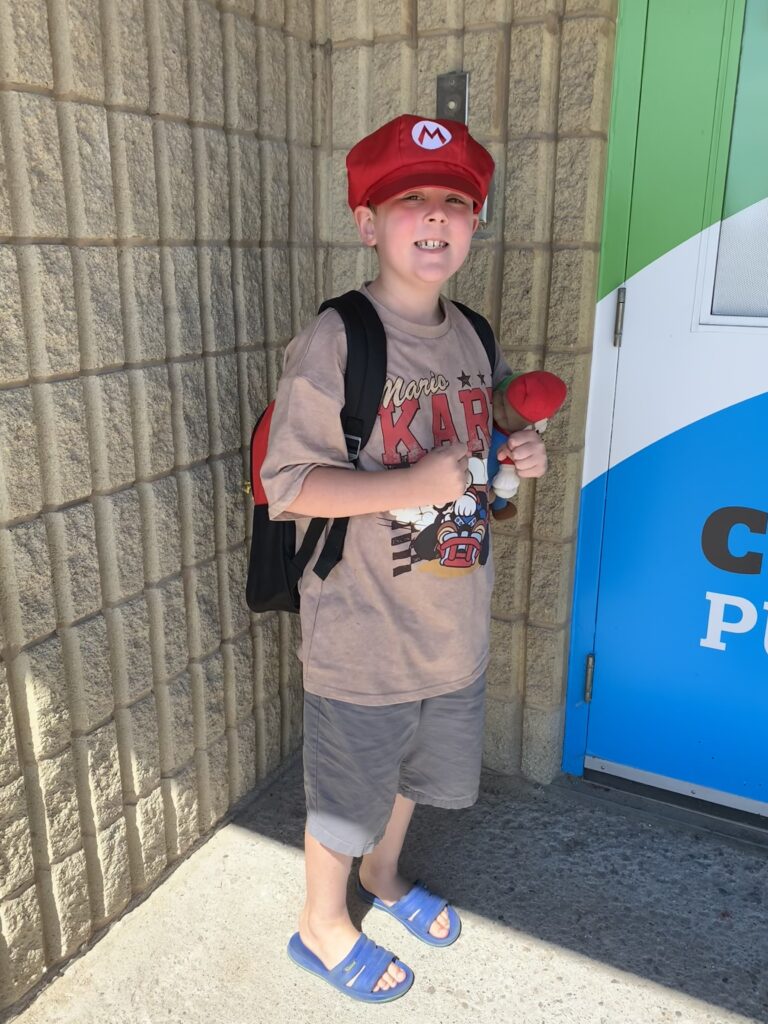
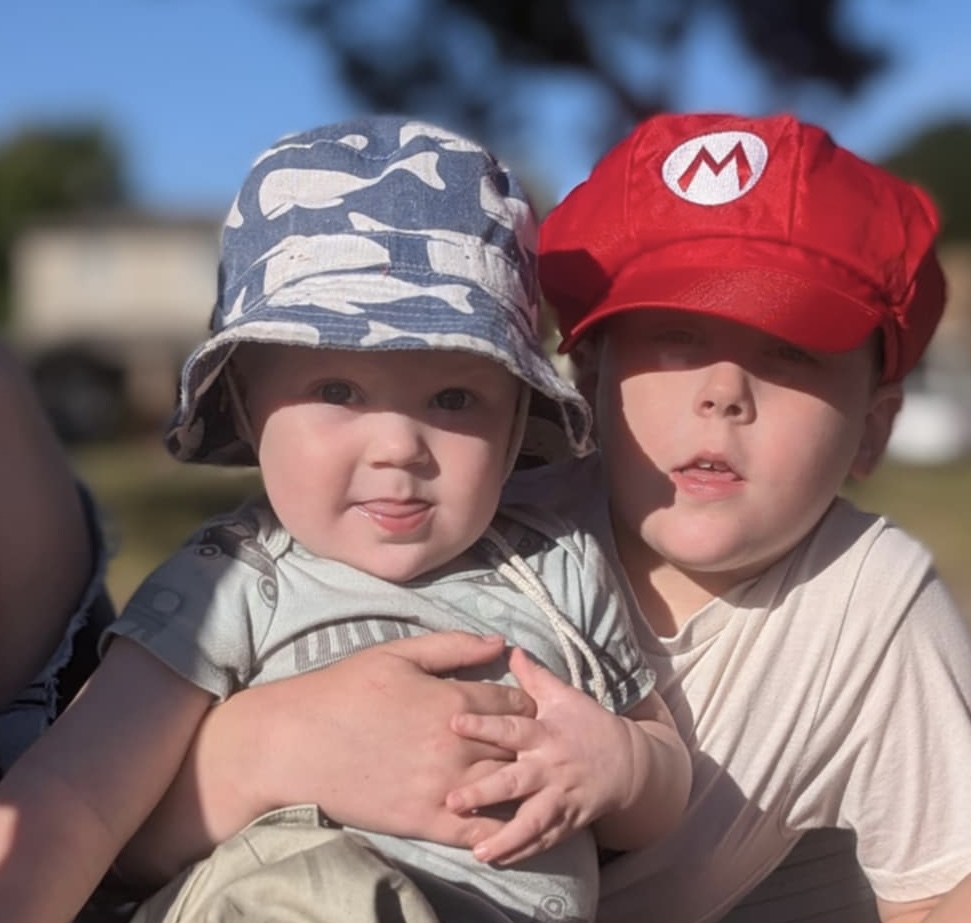
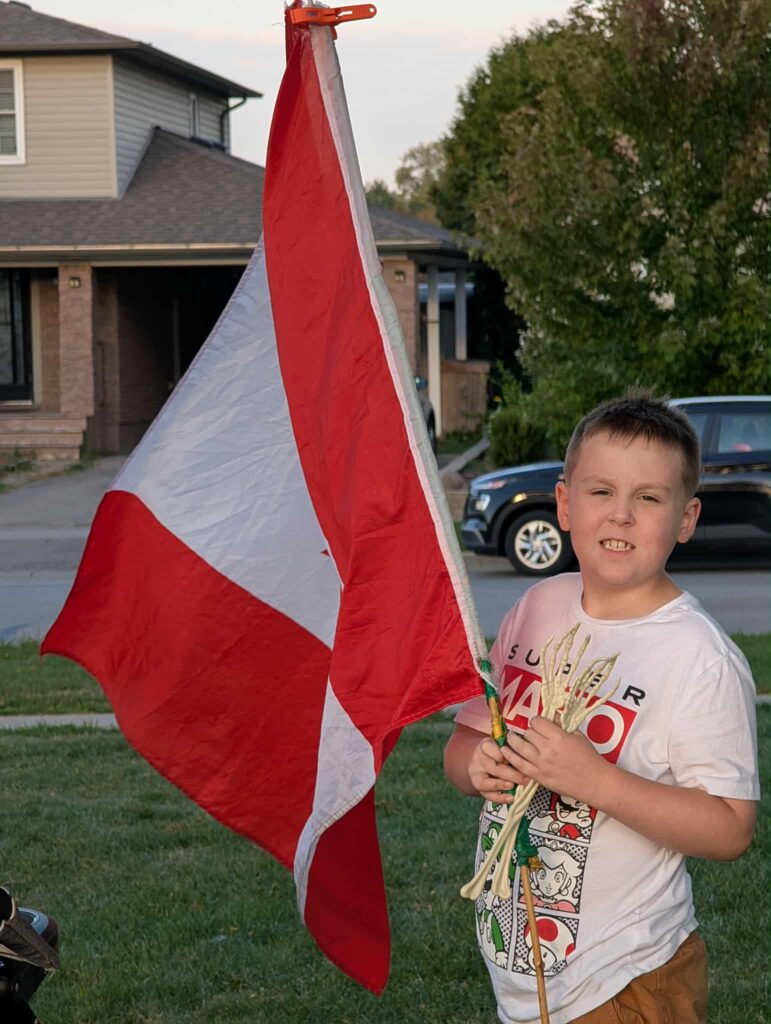
8-year-old Kaleb is brilliant with numbers, builds flags by hand and is a video game whiz – especially when it comes to Super Mario Brothers. He is a proud big brother to 1.5-year-old Tatum and is always ready to throw out diapers, lend a helping hand and make his baby brother laugh. He’s headstrong, full of heart and never afraid to speak his mind. 

What many do not see when they look at Kaleb is that he lives with several invisible disabilities. Diagnosed with autism spectrum disorder (ASD) at age 2, attention deficit hyperactivity disorder (ADHD) at 4, oppositional defiant disorder (ODD) at 6 and more recently with obsessive compulsive disorder (OCD) and post-traumatic stress disorder (PTSD), Kaleb’s story is layered and complex. From the outside, it might be easy to miss, but for those closest to him, every day brings challenges and victories that cannot be measured by appearance alone. 

Signs of Kaleb’s neurodivergence began early. By six months, Erika noticed tantrums and delays in meeting developmental milestones. Though he began speaking early, he became non-verbal around age 2 and remained so until he was 4. Thanks to a quick diagnosis and services from Grandview Kids, Kaleb began to receive early interventions, services that Erika credits with changing his path entirely. 

Kaleb’s family has been his greatest source of strength. He lives with grandparents, Papa Kevin and Nana Linda. Nana was there when Kaleb was born and even cut his umbilical cord. She continues to attend every appointment and advocate fiercely for her grandson. Papa works full-time but took the time to build a sensory room at home to support Kaleb’s needs. Even Kaleb’s uncle Dylan, a member of the Canadian Armed Forces stationed in Kingston but who lives in Napanee, never hesitates to take time off work to drive him to appointments at SickKids Hospital in Toronto. This tight-knit family team, which also includes his aunt Ashley, cousin Penelope, and baby Tatum, keeps Kaleb supported, grounded, and loved. 

Living with invisible disabilities brings daily challenges that aren’t always understood by the outside world. Kaleb experiences aggressive outbursts, sensory overloads and overwhelming emotions, many of which stem from trauma, including past abuse. Despite the outward calm that may be seen, there are storms he’s constantly weathering beneath the surface. “People in public sometimes judge us when Kaleb has a meltdown,” Erika says. “But what they don’t realize is that he’s not ‘being bad’ – he’s overwhelmed. He’s feeling everything all at once.” 

Erika’s own journey has been one of learning, unlearning and growing. “I used to be quick to judge other parents and kids, but Kaleb taught me so much. Now I see every child differently. I realize that not every challenge is visible, and not every meltdown means a child is misbehaving.” 

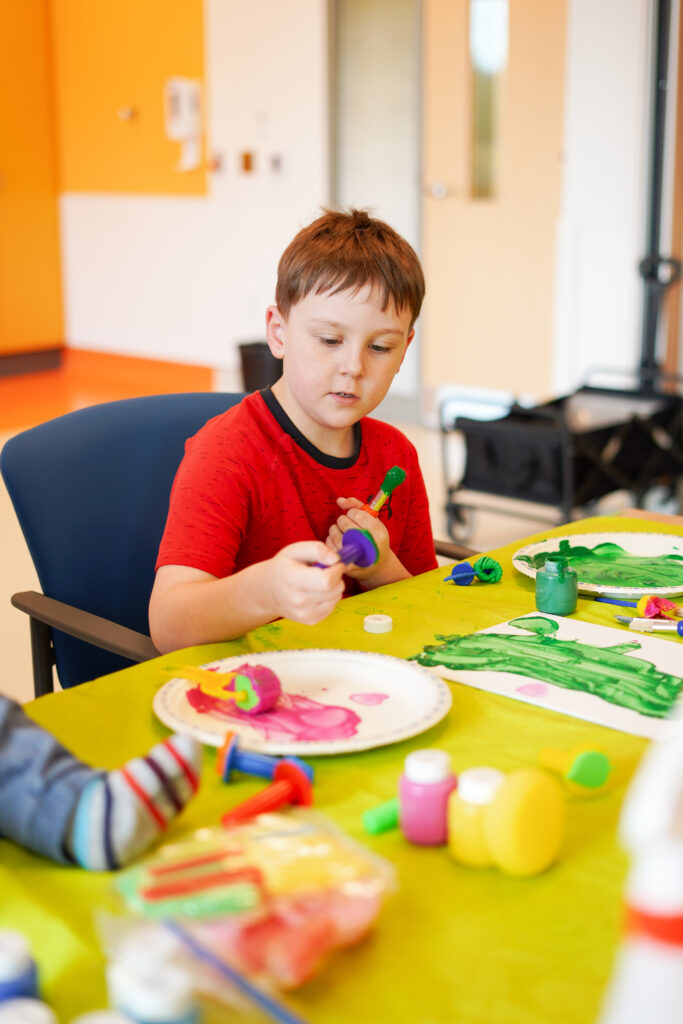
Through Grandview Kids, Kaleb has accessed a wide range of essential services: speech and occupational therapy, physiotherapy, social work, ABA, recreational therapy and participation in the Extensive Needs Services (ENS) Program during their most trying time. Therapeutic recreation outings serviced through ENS gave both Kaleb and his mom much-needed breaks, while social work services supported Erika and Nana Linda as caregivers. “ENS and his entire team at Grandview Kids were incredible,” Erika shares. “They even visited him while he was admitted to the hospital. They fought for him, for our family. I cried when he was discharged from ENS because they had become like family.” 

Kaleb now also receives care through Kinark and private Applied Behaviour Analysis (ABA) therapy. Slowly but surely, he is finding his footing, with increased time at school, upcoming speech therapy and stronger communication skills. Most importantly, he is surrounded by people who believe in him. 

Invisible Disabilities Week reminds us to look beyond what is visible and to lead with compassion. For Erika, it is also about encouraging understanding from others. “I wish people would ask before judging. Ask questions instead of being quick to judge. Even just saying, ‘Can I help you?’ can mean everything. We’re not always looking for answers, just kindness.” 

She continues, “I am scared sometimes for Kaleb’s future, for how the community at large might let him down. But I have a good feeling about his future. He’s so smart and has a great support system with his family and his care team. I know he can have a bright future.” 

Kaleb’s story is a powerful reminder that invisible does not mean insignificant. Behind the smiles, tantrums, quiet moments and the loud ones, there is a child who is learning to thrive in a world that does not always understand him. Behind that child, there is also a village that sees the unseen and never stops fighting for better. 

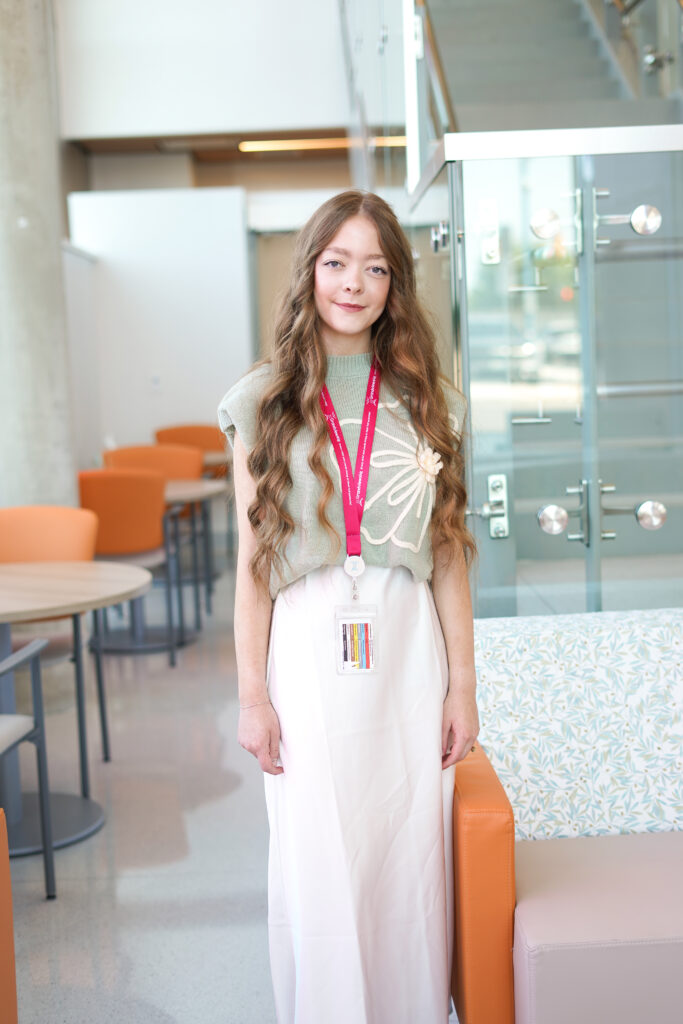
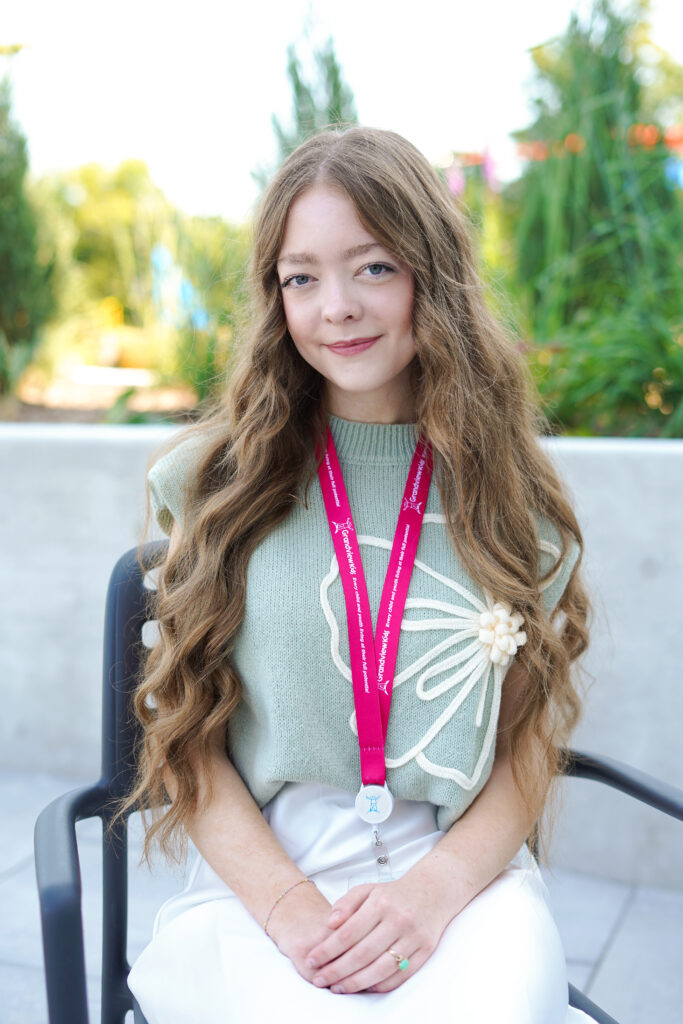
At just 21 years old, Ella Wiley is already making a profound impact on the world around her. A fourth-year pre-med student at York University, majoring in Health Studies with a minor in Life Sciences in Society, Ella is determined to become a paediatric neurologist. This dream is shaped not only by her academic passions but also by her lived experience with a rare condition called Charcot-Marie-Tooth Disease (CMT). 

Ella’s journey began at the age of 3, when a preschool teacher noticed she was struggling with mobility, particularly how she would carefully walk down the stairs with both feet on each step. That observation led to a referral to Grandview Kids, where Ella’s sister, Anna, was already receiving speech and occupational therapies. Though Ella started with physiotherapy and occupational therapy at Grandview Kids, it would be more than a decade before she received a diagnosis. 


“I wasn’t officially diagnosed with CMT until I was 17,” Ella explains. “We were at Markham Stouffville Hospital and the paediatric doctor noticed something unusual. She told me she’d only read about CMT during her residency, but she’d never actually seen a case before.” 

CMT is a rare neurological disorder that affects the peripheral nerves, which control the muscles. Ella explains that CMT affects the nerves, leading to muscle weakness, balance issues and changes in the feet and hands. It’s not life-threatening, but it influences mobility and physical endurance. For Ella, that meant ongoing mobility challenges and unexplained pain. “Growing up, everyone just thought this was the way I was. Whenever we were on long walks or vacations, my muscles and bones would shift, my feet would swell and I’d be in pain. We just planned around it,” she says. 

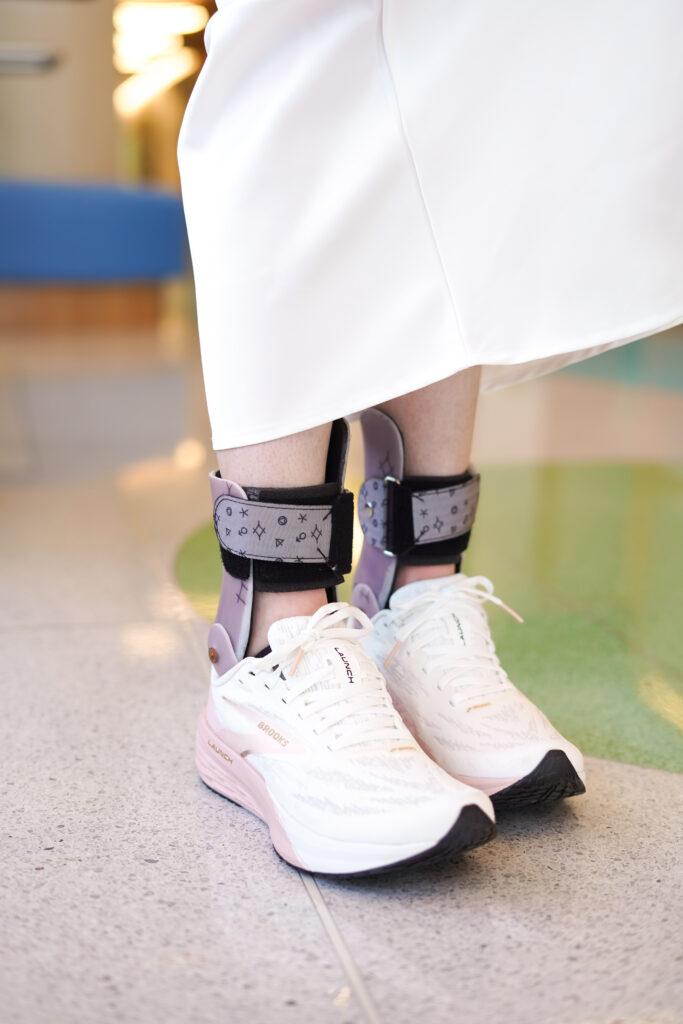
With no cure for CMT, Ella learned to manage her symptoms. She does daily strengthening exercises using resistance bands, especially for her ankles and finds working out regularly helps maintain muscle tone. Orthotics and ankle-foot orthoses (AFOs) have also made a huge difference. “I can walk longer distances without pain now,” Ella beams. “There are different types of CMT, and I have one of the milder versions. I’ve met people who can’t walk at all and need surgeries to rotate their feet. It really puts things in perspective.”  

Ella’s AFOs

Ella credits Grandview Kids not just for giving her the physical tools to improve her mobility, but for providing a community that understood her. “It wasn’t just about therapy – it was about feeling supported,” she says. “They taught me how to walk up and down the stairs properly and gave me more control over how I move. But the biggest impact was the environment. Grandview Kids was always welcoming, uplifting and filled with people who just ‘get it.’” 

Her experience at Grandview Kids extended beyond accessing services. She returned as a sibling and former client, participating in Family Engagement Team activities and events that helped her learn to advocate for herself and others. “When you’re around people who truly understand what you’re going through, even without saying it, it gives you the strength you didn’t know you needed,” Ella shares. 

Over the years, Ella has faced many physical challenges but receiving a diagnosis brought clarity and empowerment. “It gave me an actual reason for the struggles I’d faced,” she says. “Now I’m more motivated to speak up and advocate for what I need.” She also acknowledges her family’s unwavering support, especially her sister Reggie, who instinctively offers her arm when walking downhill so she can steady herself. 

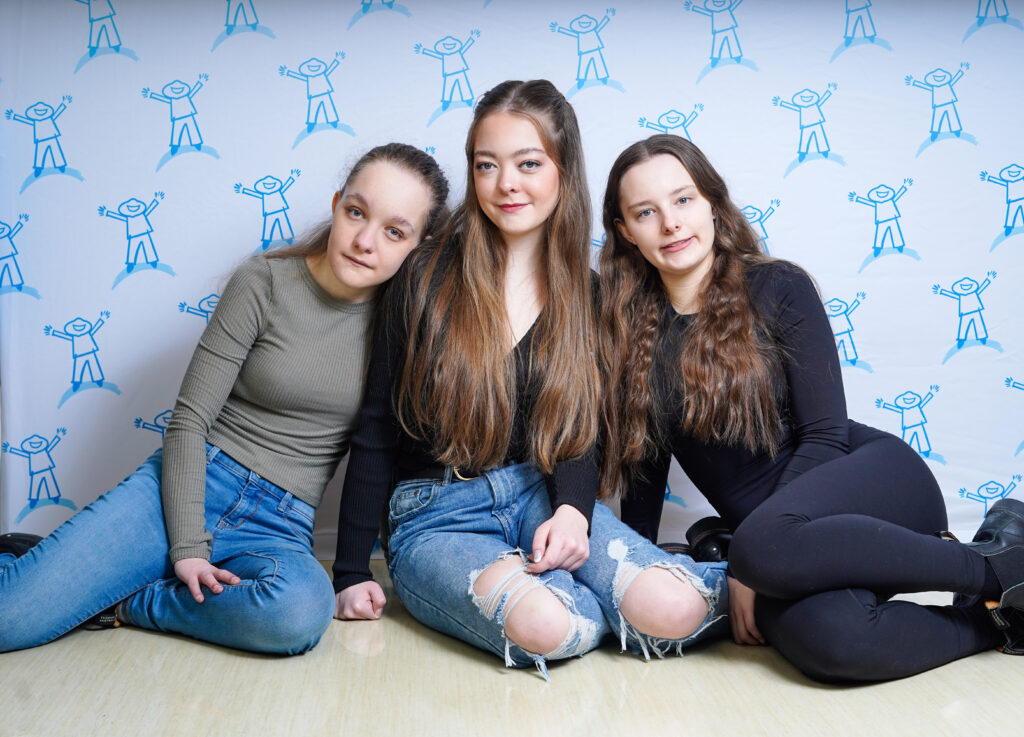
Anna, Ella and Reggie

Outside her studies, Ella finds joy in reading, singing and playing the piano and harp. She, Reggie and Anna share a love of K-pop and attending concerts. The Wiley sisters support each other through music, laughter and life’s hills, both literal and figurative. Ella allows herself to find beauty and meaning in the things she enjoys. Reading has become an opportunity to not just immerse herself in a good plot but also discover characters that resonate and give her a strong sense of belonging. Ella illustrates that finding these characters “make me feel like I matter, that I’m worthy – and that representation truly matters.” 

Now serving as a Grandview Kids Ambassador, Ella wants to be a representative for other children and youth. She offers powerful advice to other young people navigating disability and uncertainty: 

“To anyone who’s living with a disability and unsure about what’s ahead: Please know that you are not alone, and your path—while it may look different—is still full of possibilities. You are capable, worthy, and deserving of joy and success.

Start by learning to advocate for yourself—what your needs are, what helps you thrive, and who your support people are. Build a community that uplifts you. Physically, do what you can to care for your body in a way that feels right for you. Mentally and emotionally, give yourself grace. It’s okay to have hard days.” 

  • ⟨
  • Page 1
  • Interim pages omitted …
  • Page 3
  • Page 4
  • Page 5
  • Page 6
  • Page 7
  • Interim pages omitted …
  • Page 17
  • ⟩

Primary Sidebar

Child Stories

ICAudGItaW1hZ2V7cG9zaXRpb246cmVsYXRpdmU7dHJhbnNpdGlvbjp0cmFuc2Zvcm0gMC4yNXMgZWFzZX0ud3AtYmxvY2staW1hZ2UgLnRiLWltYWdlLmFsaWduY2VudGVye21hcmdpbi1sZWZ0OmF1dG87bWFyZ2luLXJpZ2h0OmF1dG99LnRiLWltYWdlIGltZ3ttYXgtd2lkdGg6MTAwJTtoZWlnaHQ6YXV0bzt3aWR0aDphdXRvO3RyYW5zaXRpb246dHJhbnNmb3JtIDAuMjVzIGVhc2V9LnRiLWltYWdlIC50Yi1pbWFnZS1jYXB0aW9uLWZpdC10by1pbWFnZXtkaXNwbGF5OnRhYmxlfS50Yi1pbWFnZSAudGItaW1hZ2UtY2FwdGlvbi1maXQtdG8taW1hZ2UgLnRiLWltYWdlLWNhcHRpb257ZGlzcGxheTp0YWJsZS1jYXB0aW9uO2NhcHRpb24tc2lkZTpib3R0b219IC53cC1ibG9jay1pbWFnZS50Yi1pbWFnZVtkYXRhLXRvb2xzZXQtYmxvY2tzLWltYWdlPSJhMWJlMmUyODAwMWFkMGRlMjBhM2RlZWVlYmE5MDJhMSJdIHsgbWF4LXdpZHRoOiAxMDAlOyB9IEBtZWRpYSBvbmx5IHNjcmVlbiBhbmQgKG1heC13aWR0aDogNzgxcHgpIHsgICAudGItaW1hZ2V7cG9zaXRpb246cmVsYXRpdmU7dHJhbnNpdGlvbjp0cmFuc2Zvcm0gMC4yNXMgZWFzZX0ud3AtYmxvY2staW1hZ2UgLnRiLWltYWdlLmFsaWduY2VudGVye21hcmdpbi1sZWZ0OmF1dG87bWFyZ2luLXJpZ2h0OmF1dG99LnRiLWltYWdlIGltZ3ttYXgtd2lkdGg6MTAwJTtoZWlnaHQ6YXV0bzt3aWR0aDphdXRvO3RyYW5zaXRpb246dHJhbnNmb3JtIDAuMjVzIGVhc2V9LnRiLWltYWdlIC50Yi1pbWFnZS1jYXB0aW9uLWZpdC10by1pbWFnZXtkaXNwbGF5OnRhYmxlfS50Yi1pbWFnZSAudGItaW1hZ2UtY2FwdGlvbi1maXQtdG8taW1hZ2UgLnRiLWltYWdlLWNhcHRpb257ZGlzcGxheTp0YWJsZS1jYXB0aW9uO2NhcHRpb24tc2lkZTpib3R0b219IH0gQG1lZGlhIG9ubHkgc2NyZWVuIGFuZCAobWF4LXdpZHRoOiA1OTlweCkgeyAgIC50Yi1pbWFnZXtwb3NpdGlvbjpyZWxhdGl2ZTt0cmFuc2l0aW9uOnRyYW5zZm9ybSAwLjI1cyBlYXNlfS53cC1ibG9jay1pbWFnZSAudGItaW1hZ2UuYWxpZ25jZW50ZXJ7bWFyZ2luLWxlZnQ6YXV0bzttYXJnaW4tcmlnaHQ6YXV0b30udGItaW1hZ2UgaW1ne21heC13aWR0aDoxMDAlO2hlaWdodDphdXRvO3dpZHRoOmF1dG87dHJhbnNpdGlvbjp0cmFuc2Zvcm0gMC4yNXMgZWFzZX0udGItaW1hZ2UgLnRiLWltYWdlLWNhcHRpb24tZml0LXRvLWltYWdle2Rpc3BsYXk6dGFibGV9LnRiLWltYWdlIC50Yi1pbWFnZS1jYXB0aW9uLWZpdC10by1pbWFnZSAudGItaW1hZ2UtY2FwdGlvbntkaXNwbGF5OnRhYmxlLWNhcHRpb247Y2FwdGlvbi1zaWRlOmJvdHRvbX0gfSA=
LnRiLWhlYWRpbmcuaGFzLWJhY2tncm91bmR7cGFkZGluZzowfQ==
LnRiLWZpZWxke21hcmdpbi1ib3R0b206MC43NmVtfS50Yi1maWVsZC0tbGVmdHt0ZXh0LWFsaWduOmxlZnR9LnRiLWZpZWxkLS1jZW50ZXJ7dGV4dC1hbGlnbjpjZW50ZXJ9LnRiLWZpZWxkLS1yaWdodHt0ZXh0LWFsaWduOnJpZ2h0fS50Yi1maWVsZF9fc2t5cGVfcHJldmlld3twYWRkaW5nOjEwcHggMjBweDtib3JkZXItcmFkaXVzOjNweDtjb2xvcjojZmZmO2JhY2tncm91bmQ6IzAwYWZlZTtkaXNwbGF5OmlubGluZS1ibG9ja311bC5nbGlkZV9fc2xpZGVze21hcmdpbjowfQ==

Embracing hope through every challenge: Brock’s journey

Cassandra never imagined how many turns her family’s journey would take, but loving her son, Brock, has taught her resilience, creativity and fierce advocacy. Brock is nearly 13 years old...

Latest Updates

  • October 2026: Dates of Significance September 30, 2026
  • “I am Clara”  September 30, 2026
  • Mitchell’s journey with Hydrocephalus September 30, 2026
  • Celebrating World Cerebral Palsy Day 2026 September 29, 2026
  • Building belonging through family leadership August 31, 2026

You Have Questions

We’d like to help you find the answers…

Contact Us Today

© Grandview Kids Built by PeaceWorks

  • About Us
  • Contact Us
  • Privacy
Accessibility Adjustments

Powered by OneTap

How long do you want to hide the toolbar?
Hide Toolbar Duration
Select your accessibility profile
Vision Impaired Mode
Enhances website's visuals
Seizure Safe Profile
Clear flashes & reduces color
ADHD Friendly Mode
Focused browsing, distraction-free
Blindness Mode
Reduces distractions, improves focus
Epilepsy Safe Mode
Dims colors and stops blinking
Content Modules
Font Size

Default

Line Height

Default

Color Modules
Orientation Modules