• Skip to primary navigation
  • Skip to main content
  • Skip to primary sidebar
Grandview Kids Logo

Grandview Kids

Every Child And Youth Living Life At Their Full Potential

  • About Us
    • Vision, Mission and Values
    • The New Grandview Kids
      • Operational Readiness
      • Visiting Grandview Kids’ Ajax Headquarters
    • Our History
    • Leadership
    • Board of Directors and Committees
    • Annual Report
    • Strategic Plan
    • Policies
  • Calendar
  • Annual Report
  • Contact
    • Contactez – nous
    • Ajax – Headquarters
    • Bowmanville Health Centre
    • Grandview School
    • Oshawa – Dwyer
    • Port Perry
    • Whitby – Abilities Centre
  • Careers
  • Register
  • Donate
  • Instagram
  • LinkedIn
  • Facebook
  • Services and Programs
    • Audiology
    • Autism Program
      • Autism Spectrum Disorder (ASD) Diagnostic Hub
      • Caregiver-Mediated Early Years Programs
      • OAP Core Clinical Services
      • Entry to School Program
      • Foundational Family Services
    • Blind-Low Vision Program
    • Extensive Needs Service
    • Family Engagement Program
      • Adolescent Transition Program
      • Ambassador Program
      • Family Leader Program
        • Family Advisory Council
        • Paid Advocates
        • Youth Advisory Council
    • Infant Hearing Program
    • Medical Services
      • Autism Spectrum Disorder (ASD) Diagnostic Hub
      • Complex Care Program
      • Grandview Anesthesia Procedure (GAP) Clinic
      • Hypertonia Clinic
      • Nutrition Services
      • Orthopaedic Clinic
    • Occupational Therapy
    • Physiotherapy
    • Preschool Outreach Program
    • School Programs & Resources
      • Resources for Educators
      • School-Based Rehabilitation
    • Service Navigation
      • SmartStart Hub: Parents
      • SmartStart Hub: Partners
    • Social Work
    • Speech-Language Pathology
      • Augmentative and Alternative Communication
    • Therapeutic Recreation
  • Purchased Services
    • Inclusive Recreation
    • Beyond the Walls
    • OAP Core Clinical Services
      • Behaviour Services
  • Research
    • Get involved in research
    • IDEA Study
      • Building knowledge and understanding of the intersection of race and disability in accessing pediatric rehabilitation services.
    • Joint Research Ethics Board
    • Research Associate: Dr. Fiona Moola
    • Research Associate: Dr. Meghann Lloyd
  • Resources
    • Ability Acceptance Program
    • Arriving at Grandview Kids
    • Community Supports & Resources
    • Family Support Fund
    • Free to Read Program
    • Frequently Asked Questions
    • Gather by Grandview Kids
    • News and Updates
    • Privacy
    • Resources for Parents and Caregivers
    • Visiting Grandview Kids
  • Support Us
    • Ways to support
    • Case for Support
    • Host a fundraiser
    • Participate in an event
      • Golf Fore Grandview Kids
      • Sponsor the Drum
      • Dream Big, Dream Brighter Awards Gala
    • Leave a legacy
      • Gifts of securities
      • Gifts of bequests
      • Gifts of life insurance
    • Your impact
    • Building a Legacy: Honouring Jerry Coughlan
  • I Want To…
    • Connect with Grandview Kids
    • Donate
    • Refer a child or youth
    • Register via My Community Hub
    • Schedule an Appointment
    • Volunteer at Grandview Kids
    • Work at Grandview Kids
  • Grandview School
    • About Our Program
    • About Our Board
    • Grandview School Social Story
    • Plans and Reports
    • Resources for Families
    • Resources for Schools – Switch It Up!
    • Careers and Volunteering
    • Contact Grandview School
  • Search

Posted August 4, 2020

Ontario Provides More Supports for Families of Children on the Autism Spectrum

News

Foundational family services are tailored to children’s needs and stages of development

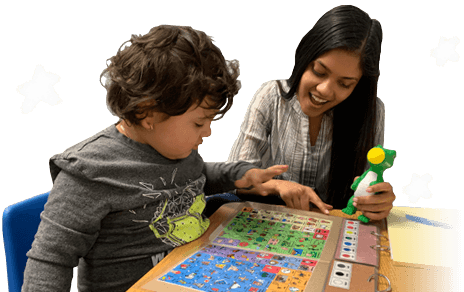
TORONTO — Ontario is providing families in the Ontario Autism Program (OAP) with services to support their child’s ongoing learning and development. Foundational family services such as family and peer mentoring, caregiver workshops and coaching will be tailored to the unique regional and cultural needs in different communities. These services will build on existing virtual and remote options introduced during the COVID-19 outbreak. The first phase of foundational family services is part of the ongoing implementation of the new needs-based, sustainable and family-centred OAP.

“Feedback received through public consultations and the OAP Advisory Panel highlighted the importance of having ongoing capacity-building supports available to families,” said Todd Smith, Minister of Children, Community and Social Services. “That’s why family supports that put children at the centre of care are a key element of our new needs-based Ontario Autism Program. We know having virtual services as an option during this challenging time has become critical to families and service providers.”

The first phase of foundational family services is launching on August 7, 2020. Services will be offered at no cost in a variety of formats with individual and group supports and virtual and in-person sessions. Options may vary during the first phase of implementation as providers continue to expand their services and as COVID-19 restrictions are lifted. For example, families may participate in an online group workshop to learn strategies to help toilet train their child and then receive one-on-one clinical follow-up afterward, or they may access coaching sessions to help with managing challenging behaviours. The services are based on a family’s changing needs over time and their child’s needs, strengths and developmental stage.

“In these unprecedented times, the needs of children and youth on the autism spectrum and their families are greater than ever,” said Marg Spoelstra, co-chair, OAP Advisory Panel. “It is encouraging to see the new foundational family services being implemented province-wide as recommended by the panel and now through the sustained efforts of the OAP Implementation Working Group.”

Families can contact select Ontario Autism Program service providers to learn more about the types of supports currently available in their community.

“Ontario’s publicly supported providers are ready to increase their offerings for this essential component of the new OAP,” said Jennifer Churchill, CEO of Empowered Kids Ontario – Enfants Avenir Ontario. “Building on the system that is in place aligns with the recommendations of the OAP Advisory Panel. The government is responding and that’s good news.”

Since announcing the new needs-based Ontario Autism Program in December 2019, the ministry has:

  • launched a variety of interim early years supports focused on younger children on the waitlist to help build skills in social communication, engagement, speech and language and emotional regulation;
  • made it easier for families to receive funding by streamlining and reducing administrative steps;
  • begun development of a new user-friendly family website, the future one-stop-shop to register for the OAP, apply for funding and get updates on status in the program.

“We are working extremely hard to implement an Ontario Autism Program built by the community, for the community that supports the needs of families and their children,” said Minister Smith. “This significant transformation will lead us to a sustainable, needs-based program that will provide all families access to supports and services no matter where they live in Ontario.”

QUICK FACTS

  • Foundational family services are one of many service pathways that families will have access to in the new Ontario Autism Program.
  • These pathways include accessing: Core services like Applied Behaviour Analysis, speech language pathology, occupational therapy and mental health services; Early intervention and school readiness services to help young children access critical services when they will benefit most, and to prepare them to enter school; and Urgent and complex needs services to support children and youth who are in service, or are waiting for service, and have significant and immediate needs.
  • In July 2019, the Ontario Autism Program budget was increased from approximately $300 million to $600 million annually to help ensure it is both needs-based and sustainable moving forward.

LEARN MORE

  • Learn more about Foundational Family Services
  • Learn more about the new needs-based Ontario Autism Program
  • Learn more about the work of the Implementation Working Group

July 27, 2020

Architectural firm and project manager named for new Grandview Children’s Treatment Centre Redevelopment Project

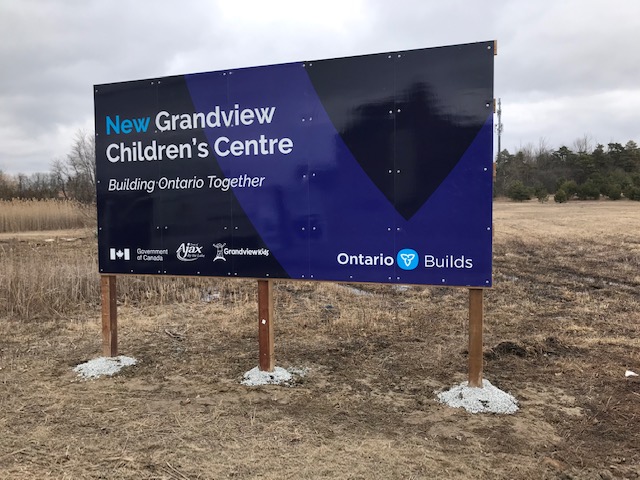
The site for the new Grandview Children's Centre in Ajax, Ontario

The Grandview Children’s Treatment Centre Redevelopment Project has taken an important step forward with the selection of B+H Architects as the planning, design and conformance (PDC) team and Colliers Project Leaders as Grandview’s project manager.

B+H Architects will prepare project documents, including output specifications that will form the guidelines and performance requirements that the successful building team must meet when preparing the design. The team will also monitor construction progress and provide coordination and oversight during commissioning, completion, and transition to the new facility.

Colliers Project Leaders will support the management of the project on behalf of Grandview Children’s Centre by providing advice on the output specifications, procurement, contract administration and post-occupancy stages.

The vision for the new Grandview Children’s Centre is to support the seamless and coordinated provision of family-centred care for children and youth with physical, communication and developmental needs and their families. It will be an open, welcoming and inclusive community-based paediatric facility supporting an integrated mix of rehabilitation, medical and clinical services, education and research activities.

The new Grandview Children’s Centre will include:

  • Centre-Wide Therapy Services: occupational therapy, physiotherapy, speech-language pathology, recreation therapy, audiology, infant hearing, blind low vision, social work;
  • The Ontario Autism Program and services
  • Developmental Paediatric Medical Services including specialist medical clinics, 
  • Campbell Children’s School
  • Family resources services,
  • School-based rehabilitation services, and,
  • Preschool outreach program.

Once complete, Grandview will consolidate the existing main site in Oshawa and multiple satellite locations into one purpose-built site at 1465 Harwood Avenue North, Ajax. Grandview will maintain three satellite locations to reduce extensive travel times for some clients and their families  

Grandview Children’s Centre will be working closely with the Ministry of Children, Community and Social Services and Infrastructure Ontario to deliver the project under the public-private partnership model.

As the next major step, Grandview Children’s Centre and Infrastructure Ontario will issue a request for qualifications (RFQ), inviting teams to submit their credentials to design, build and finance the new facility. The RFQ is expected to be released in late summer 2020.

For more information, visit: https://infrastructureontario.ca/Grandview-Children%E2%80%99s-Centre-Redevelopment/.

About Grandview Children’s Centre:

Grandview Children’s Centre provides expert paediatric assessment, treatment and rehabilitation services to children and youth with physical, communication and developmental needs. Grandview’s main facility in Oshawa was built in 1983 to serve 400 children. Grandview’s demand has now reached over 19,000 kids with more than 11,000 waiting for services. As the only children’s treatment centre in Durham Region, Grandview’s work has broad impact in our community, changing lives daily.

For more information about Grandview Kids, visit: http://grandviewkids.ca/.

For updates, follow @GrandviewKids on Facebook, Twitter and Instagram.

Media Contact:

Avori Cheyne
Director, Strategic Communications, Partnership and Engagement
905-728-1673 ext. 2240
Avori.Cheyne@grandviewkids.ca

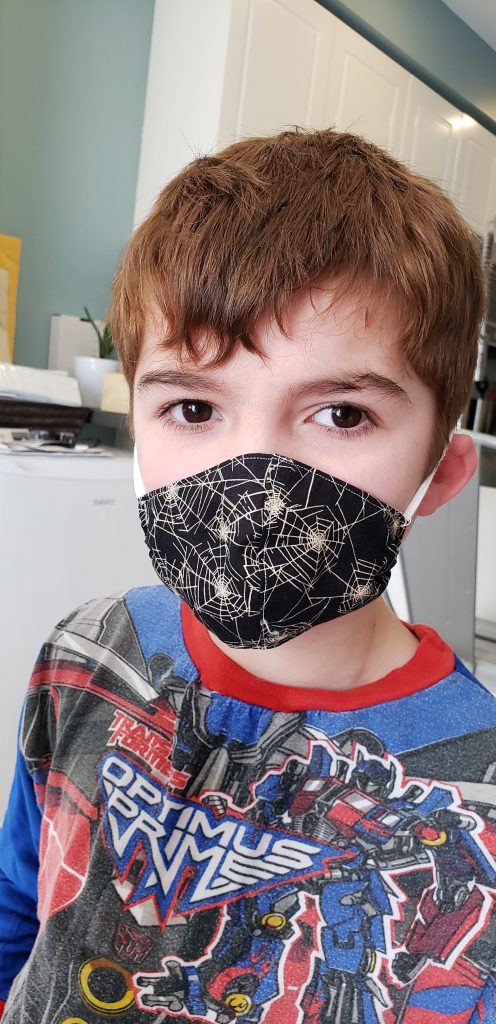
Managing public encounters for parents/caregivers with children with disabilities is even more challenging during COVID where increased restrictions in public settings such as physical distancing and wearing a mask are now a reality. Whether it is a well-meaning question, stares, or ignorant comments, carers are faced with navigating sometimes uncomfortable social exchanges. This can make leaving the house difficult, contributing to feelings of isolation. Feelings of anger, guilt, embarrassment, sadness, and anxiety are common for parents/caregivers as they experience the effects of ableism, discrimination, and prejudices. Learning to successfully navigate these encounters will not only make life easier but will model self-advocacy for your child, helping them develop this critical skill.

A child wearing a face mask.

Here are some tips for managing public encounters:

–        Prepare a simple, short script so you are not caught off guard in public.

–        You do not need to be the spokesperson for a particular diagnosis.

–        It is up to you how much information you provide and with whom you share it.

–        It’s okay to not get it right- you are human.

–        Talk with other parents who “get it”, they will have good advice.

–        With time and practice, it will get easier to navigate these situations.

–        You will develop a keen sense of when to speak up and when to step back. Remember you are the expert on your child and your child is not defined by their diagnosis.

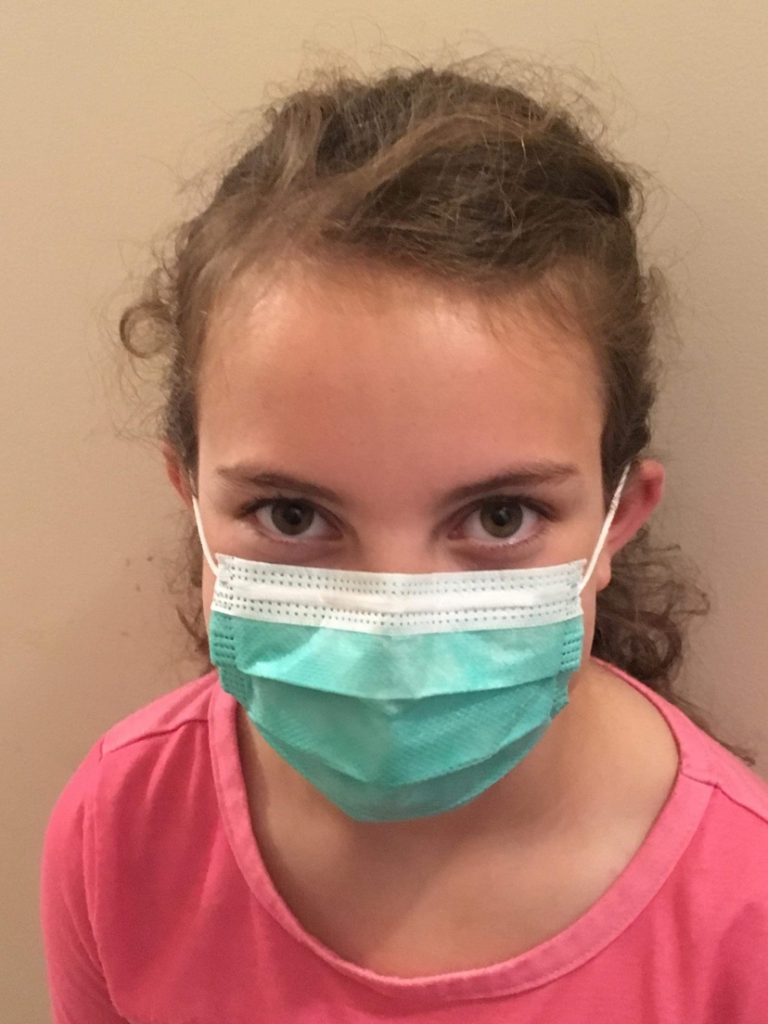
A child wearing a face mask

“When they go low, we go high” – Michelle Obama

–– Grandview’s Social Work Services

Link to Article on Durham Region’s Website: “Non-medical masks and face coverings mandatory while in indoor places accessible to the public”

Written by Grandview Kids Behaviour Analyst Alicia and Autism Therapy Assistants Maritza and Brittany


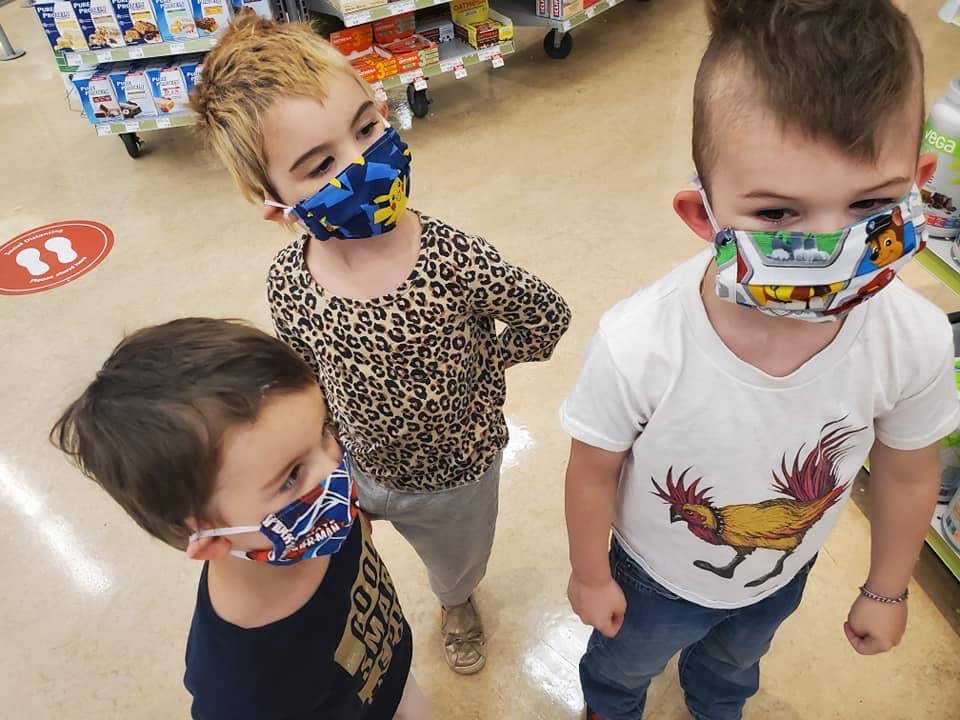
A group of children wearing face masks.

It was recently announced that as of July 10th, facemasks/face coverings will be mandatory for Durham Region residents in public indoor settings which can include: enclosed commercial spaces and public buildings (e.g., libraries, community centres). Many families with members who have ASD and sensory sensitivities are left wondering how they are going to support their loved one while implementing this rule.

Individuals with ASD have been managing A LOT of change over the last few months!

·       Daily routines have been turned upside down

·       Family, friends and support workers have been less available

·       Individuals may be dealing with new or increased anxiety

·       And so much more…!

As a parent or caregiver you may be worried that because your child is unable to tolerate a mask, they may be further restricted in the places they can go and the activities they can engage in.

Exemptions are available when necessary, but you might still be hoping that your child will one day learn to tolerate wearing a mask.

It seems that individuals with sensory challenges and other varying disabilities will be exempt from wearing a mask as well as people who are unable to remove the mask without help. This may bring some relief as we begin to prepare our children for the “new normal”; however, without knowing how COVID-19 management will continue to unfold, tolerating a face covering is now added to the list of skills that children of all abilities should begin to learn about when possible. Like any skill, it may take some children longer to learn it, so it is important to be patient and remain vigilant with our teaching strategies.

You may be asking yourself, “How will I go about doing this?” or maybe you are thinking “My child will NEVER be able to do that!”.

The 2 most important things we learned as behaviour analysts:

  1. NEVER say NEVER
  2. Start small and work up slowly  

Now let’s discuss some strategies to use when teaching your child a new skill in your home:

Use clear and simple language

Although understanding may vary across individuals with ASD, some children may benefit from discussions around why wearing a face covering is important.

·       Have the discussion more than once!

·       Repeat. Repeat! Repeat! (did we mention repeat?)

·       Use a social story or script (you can find one online or create your own!)

o   Here is an example from The Boggs Center and Children’s Specialized Hospital: https://rwjms.rutgers.edu/boggscenter/Links/documents/ICanStayHealthybyWearingaFaceMask-F.PDF

Use Visuals

Visuals can be very helpful for individuals with ASD and other disabilities by helping them understand, prepare, and visualize something that is new and unknown.

·       Show pictures of people your child may recognize wearing a mask and having fun!

·       Show pictures of your child wearing a mask (this could be used as a cue to let them know when wearing a mask is required)

·       Use a visual timer to show how long the mask is required (reminding your child it won’t be forever!)

Use “First and Then” Language and Visuals

‘First and Then’ language and visuals allow your child to know (and see when using visuals), what activity they are completing currently and what activity will occur next. Using ‘First and Then’ may help an individual transition to a location or activity that is not preferred if he/she is able to see that a preferred activity is coming next.

·       For example: ‘first’ wear a mask and ‘then’ play with cars

·       Example of preferred activities: bubbles, access to favourite toys, screen time, books

“But how do I get my child to wear a mask, or even look at a mask??”

This would not be a blog post by behaviour analysts if we didn’t stress the importance of reinforcement. Reinforcement is what increases the likelihood of a behaviour happening again in the future. In this case, the behaviour is interacting with and EVENTUALLY wearing the mask. As we probably know from experience, wearing a mask is not inherently motivating. For children, this is a classic case of, “what’s in it for me?” It is up to us as the parents and caregivers to find a way to reward wearing a mask to make it “worth it” for the child.

Reinforcing your way to “mask-wearing”

Start small! Provide immediate reinforcement after the desired behaviour.

·       Begin by having the mask near your family member during enjoyable activities. Reinforce them for allowing it to be close to them!

·       Example reinforcers are: tickles, high fives, praise, time with electronics, M&Ms

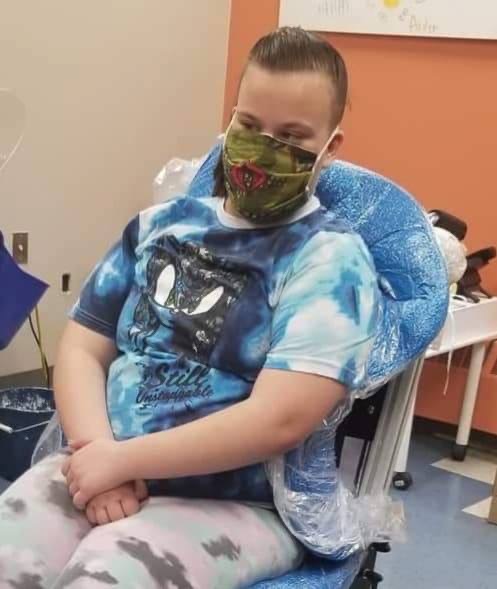
·       You can also build reinforcement into mask-wearing by finding a mask with a favorite character or item. Have your child look at themselves in the mirror so they can see the cool designs.

Increase expectations slowly…

Be realistic about your expectations, but as your child begins to tolerate masks, increase the requirements over time.

·       After your child has learned to tolerate being near a mask, start rewarding your child for holding the mask, and touching the mask to their face (begin without the expectation of having to wear the mask)

·       When your child is ready to start practicing wearing the mask, begin with a short amount of time and slowly increase (e.g., 1 second, 5 seconds, 10 seconds).  Remember using a visual timer may be helpful!

·       Remember: no matter how small successes may seem, continue to offer reinforcement that is highly preferred by your child

When teaching your child a new skill, practice makes perfect is hard work, and it is okay if you need some support!

Individuals with ASD can have narrowed interests or focuses. This is important to consider when teaching a new skill like wearing a facemask. Include a variety of masks for them to try so you have options if one isn’t available or comfortable. Practice the skill at different times of day, in different places, and with different people.

The last few months have brought about a lot of change and it looks like change will continue to occur. Supporting individuals with ASD can be difficult and these are just a few tips to help you continue the journey of keeping your child with ASD safe and included during these changing times. Change can impact children and families with ASD in many ways. Reach out to professionals for direct assistance in teaching your child to tolerate and wear a mask, but NEVER say NEVER. With some support, you might be surprised by what your family member will be able to manage.

It may become a little tricky when trying to explain to your child how their visit at Grandview may look a little different.

To make this process simple for all, we have provided a very simple booklet (below) showcasing the steps you and your child will take when coming in for your appointment at Grandview (complete with pictures)!

Click here to view the booklet.

Below are links to videos on our YouTube Channel showcasing what an appointment will look like and how to navigate the changes at Grandview Children’s Centre:

Watch as Grandview Kids Physiotherapist Corrie shows you how your child’s therapist may look when you meet for an in-person therapy appointment.

Watch as Grandview kid Faith and her mom Amanda demonstrate how to navigate the changes at Grandview Children’s Centre.

While the doors of Grandview Children’s Centre were closed in mid-March due to the COVID-19 pandemic, the work to support and care for Grandview kids and their families did not stop.

#TeamGrandview has worked tirelessly, around the clock to retool their practices and therapies to ensure children and youth were able to receive the care they needed and continue working on the goals they are working hard to achieve, albeit in a completely different and new way.

Prior to COVID-19, the heart of Grandview Kids could often be seen and heard in the halls of the Centre; with smiles and laughter booming from wall-to-wall. Over the last 12 weeks, that heart kept beating; as close to 200 clinicians were set up at home with the technology required to deliver services virtually.

Grandview’s team of Physicians even reconfigured their usual methods to partner with the Vanderbilt Institute out of Tennessee, U.S.A. to receive training on how to virtually diagnose Autism Spectrum Disorder, making Grandview Children’s Centre one of the leaders in Ontario, along with Holland Bloorview Children’s Hospital to be using this intervention.

“It has been well-received by families who’ve been waiting long periods of time to get a diagnosis for their children,” explained Grandview Kids CEO, Lorraine Sunstrum-Mann.

“We are ramping up each week. Families are getting more comfortable, clinicians are getting more comfortable and so we are seeing these virtual telepractice activities increase.”

Grandview Kids CEO, Lorraine Sunstrum-Mann

In addition, Grandview has also provided critical in-person appointments at its main Oshawa headquarters. The team developed a prioritised ranking to determine which children would come into the centre to receive therapy in-person. Up until this time it has been only a very select group of children who predominantly have had an increase or an exacerbation of pain or loss of function. These children and youth have been coming in for an intervention at the Botox clinic.

“Staff used recommended PPE and took all the necessary precautions to be able to support those kids,” said Sunstrum-Mann.

As the Province reopens in phases, so too is Grandview. Beginning Monday, June 8 the number of in-person appointments will grow.

Schedulers are reaching out to families with children and youth with urgent needs to book therapy appointments at Grandview’s main headquarters.

The increase in in-person therapy has caused Grandview to have to retool the organisation once again, reconsidering almost every aspect of how the team delivers services.

“Working with children and the work we do is very high contact,” explained Sunstrum-Mann. “We have to think from a health and safety lens first and foremost so we have redesigned almost every process at Grandview.”

What to expect at appointment in Centre:

  • Appointments will be scheduled with a COVID-19 health screen for both the client and caregiver.
  • Main waiting room eliminated.
  • Only one parent/caregiver allowed to accompany child to appointment.
  • Screener/greeter will meet families upon arrival to their appointment and another COVID-19 health screen will occur.
  • Families will be asked to wait in their vehicles (if that is a possibility) until their clinician is ready and then they’ll be escorted directly to a treatment room.
  • If arriving by transit or by walking, families will be health screened and greeted then asked to wait in a private, designated waiting space until their appointment time when they’ll be escorted directly to the treatment room.
  • Staff and families will don the appropriate PPE based on Public Health Ontario’s recommendations.

Children under 2 years old, people with breathing difficulties and those unable to remove a face mask on their own are not recommended to wear a mask or face covering.

“This can be tricky. Many kids at Grandview might struggle to wear a mask because of sensory challenges or other concerns and so our staff in that case would not require the child to mask but staff themselves would increase their level of PPE so in addition to a mask they would don a face shield for example.”

Grandview has a priority ranking for clients to return to the Centre.

“Just like we’ve been seeing a very select children in-person all during COVID, the ranking will increase the number of kids based on urgent requirement to come in and see a therapist.”

This new priority ranking system is part of Phase 1 of Grandview’s reopening. This is expected to continue over the summer, gradually increasing to more groups of children as required based on their need and Grandview’s ability to maintain safety.

“There won’t be hundreds of kids next week but we plan to start gradually increasing the number of appointments over the month of June and then into the summer,” said Sunstrum-Mann. “This means for some families they’ll continue with virtual services until September and for other families, depending on the need of the child and the kind of intervention required, that they will be given an option of returning to the Centre for that in-person care.”

Sunstrum-Mann acknowledges for some families neither of those options will work and so a break in therapy may be what’s best, with plans to resume in September or whenever is best for the family.

Fast Facts:

  • Grandview has conducted close to 13,000 appointments during the time period of COVID, which includes telephone calls, virtual sessions and a small number of in-person interventions.
  • Grandview has 7 locations but will begin the reopening stage at the main Oshawa headquarters only.
  • In Centre staff to work limited 4-5 hour shifts, alternating schedules due to elimination of staff lunch room and areas where people could congregate.
  • Maintenance team has undergone extensive training to prepare for heightened cleaning.
  • ⟨
  • Page 1
  • Page 2
  • Page 3
  • Page 4
  • Page 5
  • Page 6
  • Interim pages omitted …
  • Page 14
  • ⟩

Primary Sidebar

Child Stories

Interview with Scott Bremner

We recently had an interview with Scott Bremner, the author of Durability: Braving the non-disabled world. Read what he had to say about his writing process, his inspirations, and about...

Latest Updates

  • November: Dates of Significance October 30, 2026
  • Farheen’s Legacy: A Mother’s journey through grief  October 30, 2026
  • Violet’s voice is valuable! October 30, 2026
  • Grandview Kids receives 11 MarCom Awards October 27, 2026
  • October 2026: Dates of Significance September 30, 2026

You Have Questions

We’d like to help you find the answers…

Contact Us Today

© Grandview Kids Built by PeaceWorks

  • About Us
  • Contact Us
  • Privacy
Accessibility Adjustments

Powered by OneTap

How long do you want to hide the toolbar?
Hide Toolbar Duration
Select your accessibility profile
Vision Impaired Mode
Enhances website's visuals
Seizure Safe Profile
Clear flashes & reduces color
ADHD Friendly Mode
Focused browsing, distraction-free
Blindness Mode
Reduces distractions, improves focus
Epilepsy Safe Mode
Dims colors and stops blinking
Content Modules
Font Size

Default

Line Height

Default

Color Modules
Orientation Modules