When Lilly’s pregnancy suddenly took a turn at 29 weeks, everything changed in a matter of days. After months of severe pregnancy sickness, a routine appointment at Markham Stouffville Hospital revealed that her daughter, Violet, was not moving as expected. Within three days, Lilly was transferred to Mount Sinai Hospital, where Violet was delivered prematurely at just 29 weeks’ gestation. Instead of bringing their newborn home, Lilly and Harant began a journey that many families of premature babies know all too well.
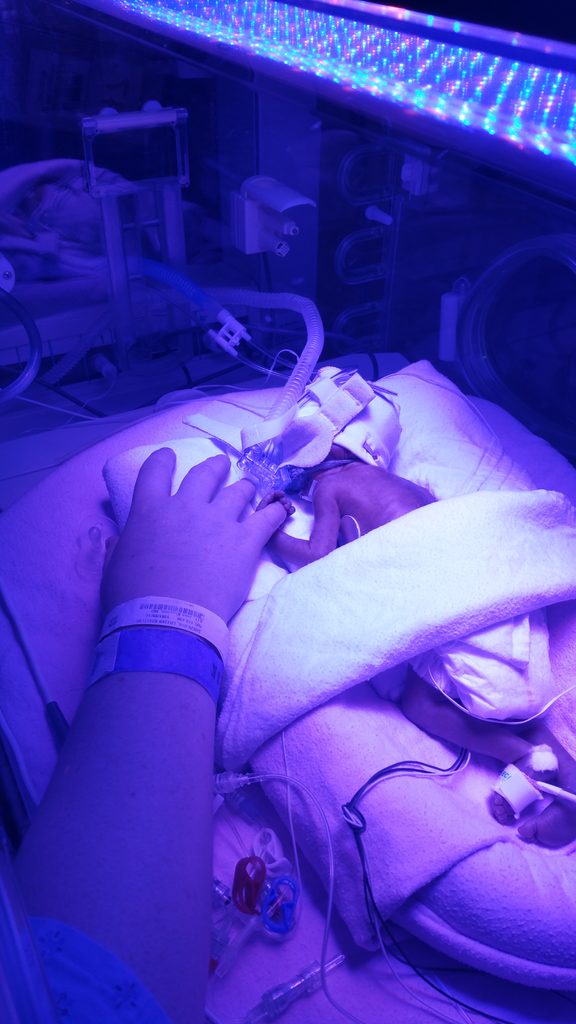
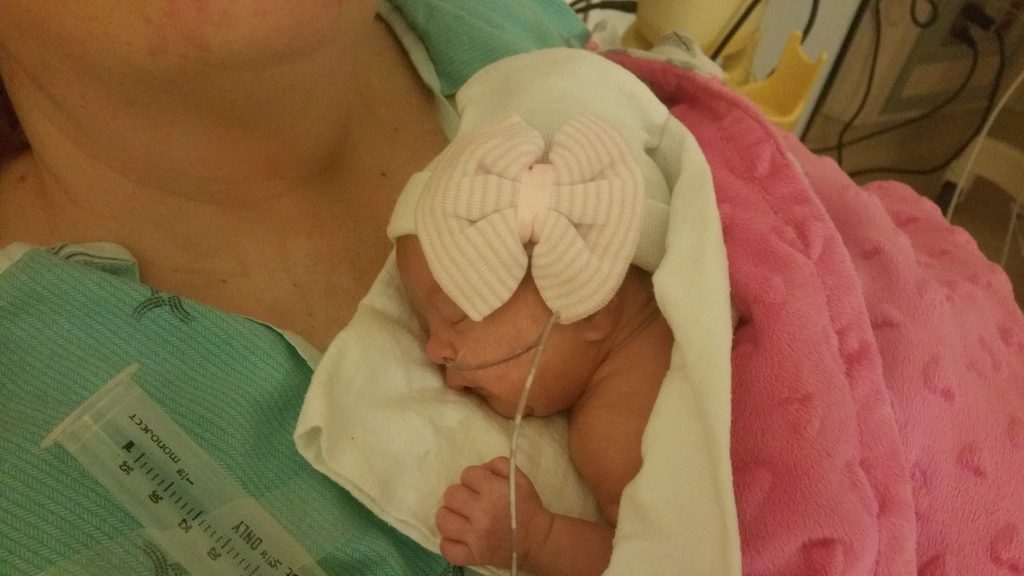
For the next two months, the neonatal intensive care unit (NICU) became their world. Inside the unit, rows of isolated glass pods protected the hospital’s tiniest patients from infection. Bright lights illuminated the room around the clock while monitors and ventilators filled the air with a constant chorus of beeping. Violet relied on continuous positive airway pressure (CPAP) to help her breathe as doctors and nurses carefully monitored every milestone. Each day brought hope, but also uncertainty. “You were terrified that you’d be next,” painfully Lilly recalls. “You saw families experiencing unimaginable loss, and you couldn’t help wondering what tomorrow would bring.”
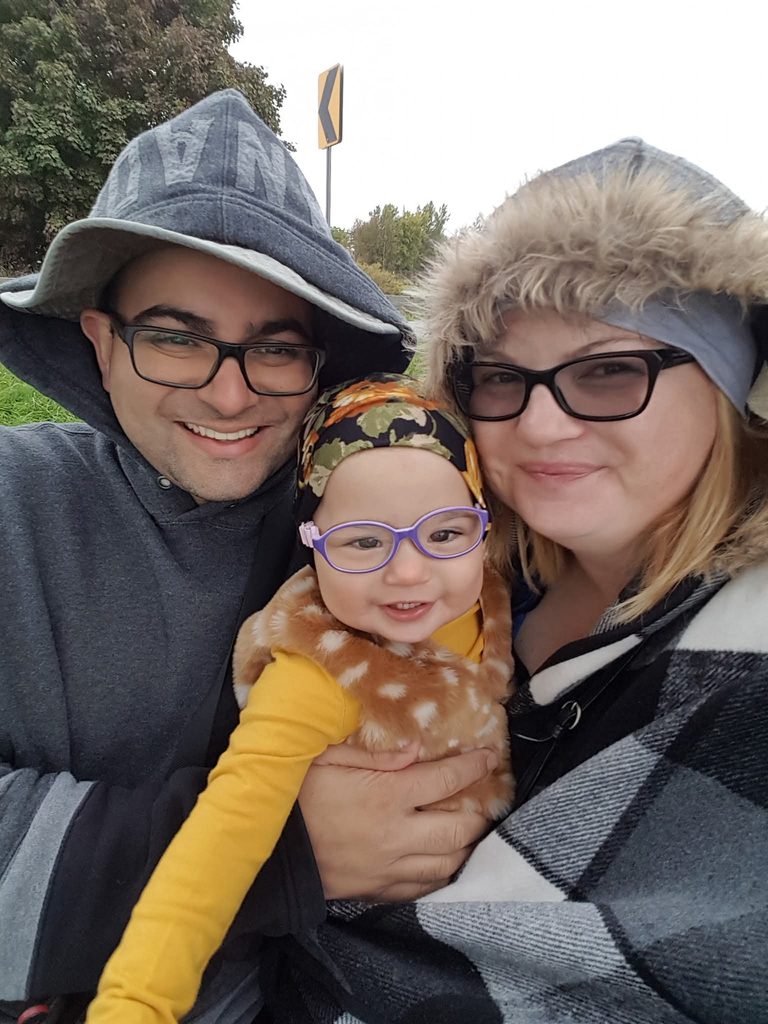
The emotional toll extended well beyond the hospital. Every evening, Lilly and her husband made the difficult drive home without their daughter. Sitting in traffic on the Don Valley Parkway became part of their daily routine, but one small detail helped carry them through. “There were always groundhogs in this grassy field,” Lilly says. “They’d be running around or lying in the sun. It sounds so small, but I looked for them every day. Those little moments made things feel okay.”
Like many NICU parents, Lilly was also navigating postpartum depression while trying to remain hopeful for her daughter. Even years later, the sound of hospital monitors can instantly transport her back to those early days. “The beeping still affects me,” she admits. “It brings everything back.” After two months at Mount Sinai Hospital and another month at Markham Stouffville Hospital, Violet was finally well enough to come home, but their journey was far from over.
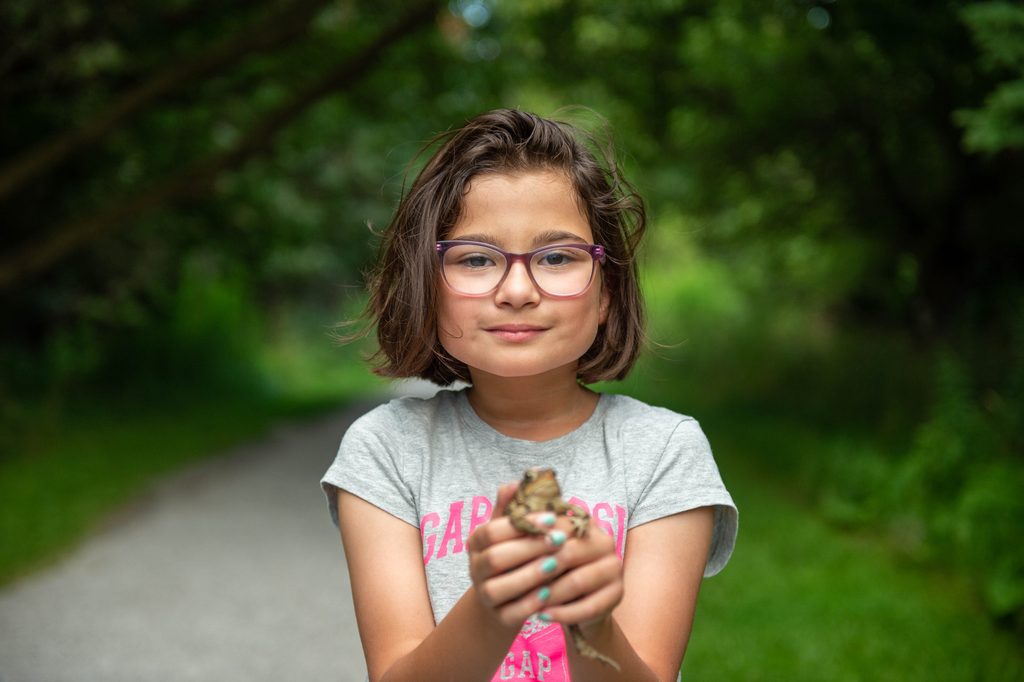
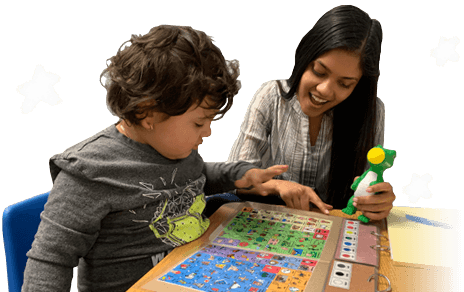
Babies born prematurely face a greater risk of developmental delays, prompting a referral for Violet to Grandview Kids shortly after leaving the hospital. Grandview Kids’ Occupational Therapy and Physiotherapy programs became an important part of her early years as she worked to strengthen her motor skills after experiencing delays with walking. “The staff have been incredible,” Lilly attests. “They’ve always approached us with compassion. They saw Violet for who she is, making us feel supported every step of the way.”
The therapies helped improve Violet’s hand-eye coordination and confidence, but for Lilly, the empathy shown by Grandview Kids’ staff was equally important. “When you’re raising a child who was born prematurely, you’re carrying so much already. Having people who truly listen and understand makes all the difference.” Years later, the family would return to Grandview Kids to receive further help with social and emotional skills after receiving more diagnoses.
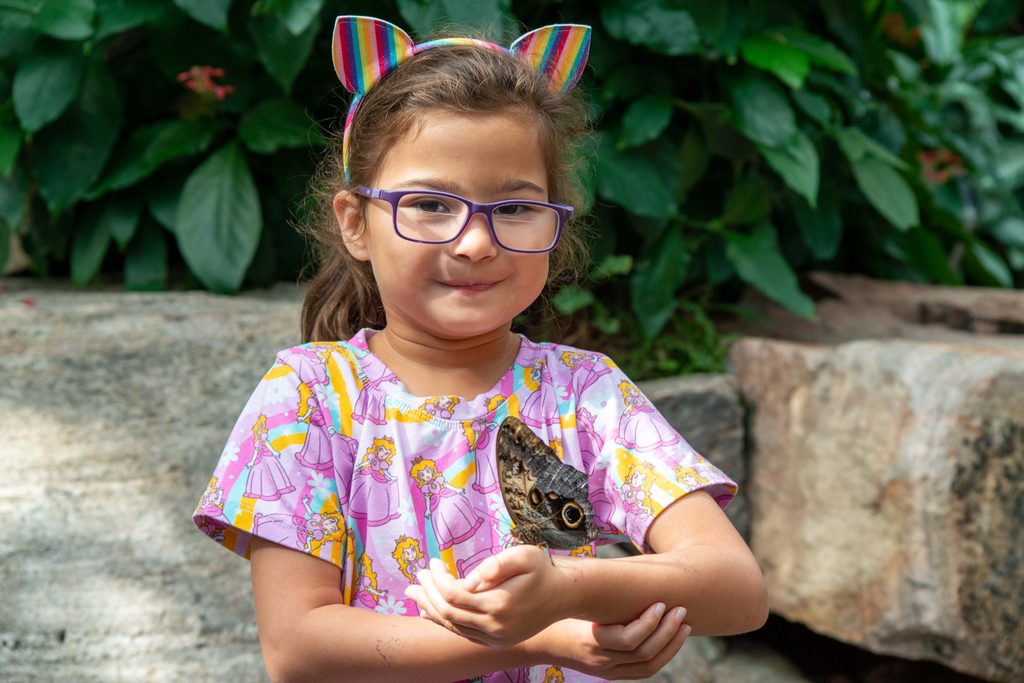
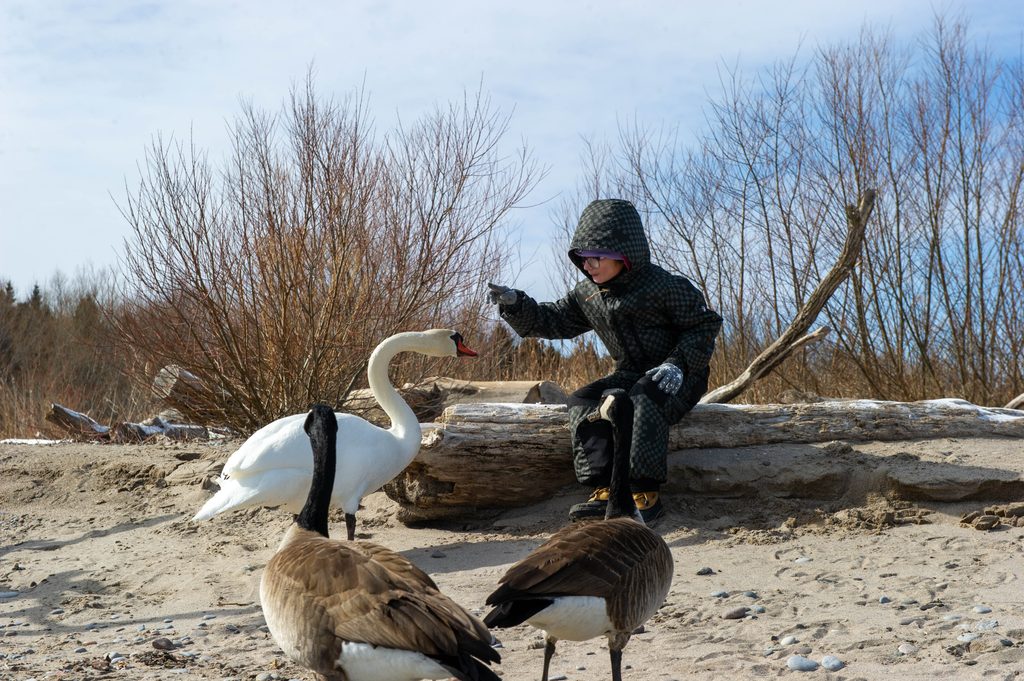
As Violet grew, Lilly continued noticing behaviours that could not be explained by prematurity alone. At five years old, during martial arts classes, Violet happily reorganized her instructor’s equipment, arranging it by size or colour. She flapped her hands when excited, preferred routines and found eye contact increasingly difficult. At school, however, those differences were not always obvious. Like many autistic girls, Violet masked her challenges so effectively that teachers often did not see the struggles taking place beneath the surface. She received an attention deficit hyperactivity disorder (ADHD) diagnosis in Grade 1, but Lilly believed there was more to her daughter’s story. A private assessment at age eight confirmed autism spectrum disorder (ASD), obsessive-compulsive disorder (OCD), anxiety, depression and dyscalculia.
For Lilly, the diagnoses brought answers after years of uncertainty. Without them, she often found herself trying to explain behaviours that others misunderstood. “People would wonder why she was acting a certain way,” she said. “They couldn’t see that she was overwhelmed or working incredibly hard just to get through the day.” That experience shaped Lilly’s understanding of invisible disability. “You can’t tell how hard someone is working just by looking at them,” she said. “You don’t know how much energy they’re putting into masking or trying to fit in. You never know what someone is carrying that you can’t see.”
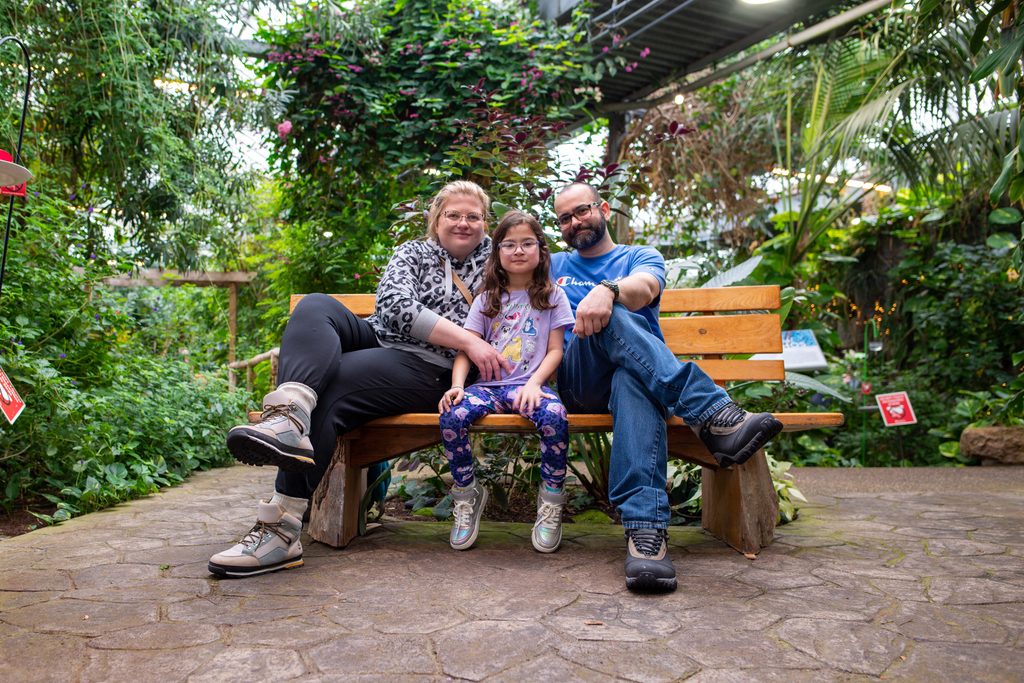
Violet’s disabilities are not immediately visible, and the family has encountered many assumptions over the years. When Violet struggled to stay still or was constantly moving, strangers were quick to offer explanations. “They didn’t realize there was a disability behind those behaviours.” Rather than judgment, she hopes people choose empathy. “A little patience and kindness make such a big difference,” she said. “Listen before assuming. Learn about autism and invisible disabilities. Every child is different, and every family has their own strengths.” That belief in education and inclusion is one Violet has embraced herself.
One of Lilly’s proudest moments came when Violet volunteered to create a school-wide announcement called My Voice Is Valuable. Working with her mom and her school’s special education resource teacher (SERT), she wrote a message explaining autism and invisible disabilities in her own words. When the announcement was shared over the school’s public address system, the response was immediate. Teachers told Lilly they had learned something new. Several asked to play the recording again in their classrooms so more students could hear Violet’s message. “She wanted people to understand how her brain works, realizing that by sharing her story, she could help other people,” Lilly proudly beams. Watching her daughter become an advocate has been one of the most meaningful milestones of all. “The tiny baby we worried about every day is now teaching other people about acceptance,” she said. “That’s something we’re incredibly proud of.”
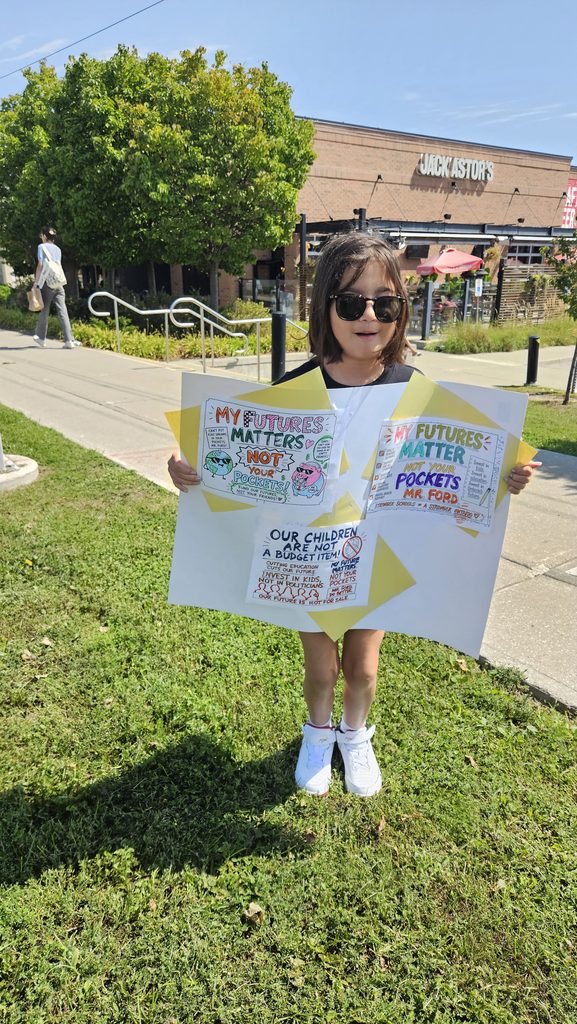
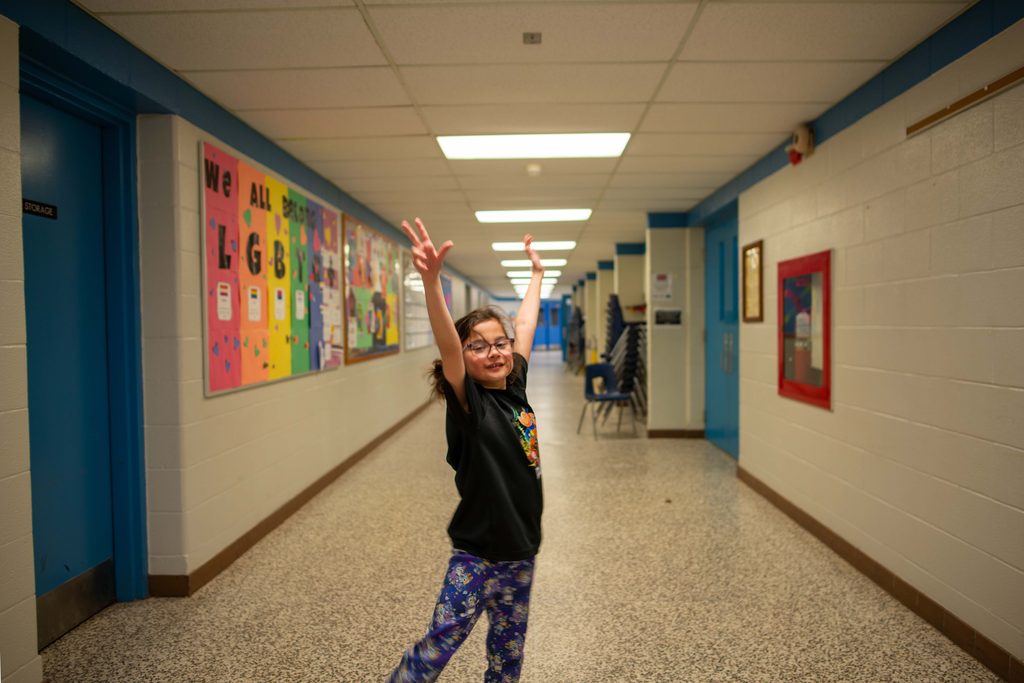
As Prematurity Awareness Month recognizes the strength of babies born too soon and the families who stand beside them, Lilly hopes parents currently sitting in the NICU know there is hope beyond the uncertainty. “It’s going to be okay in the end,” she said. “It doesn’t feel like it when you’re living through it, but it will.” She encourages families to connect with other NICU parents who understand the experience in a way few others can and to accept every support available, whether a program or specialist referral, as waitlists can be long. Nine years after Violet’s premature birth, the family still remembers the uncertainty of those early days, but they also remember the people who helped carry them through.
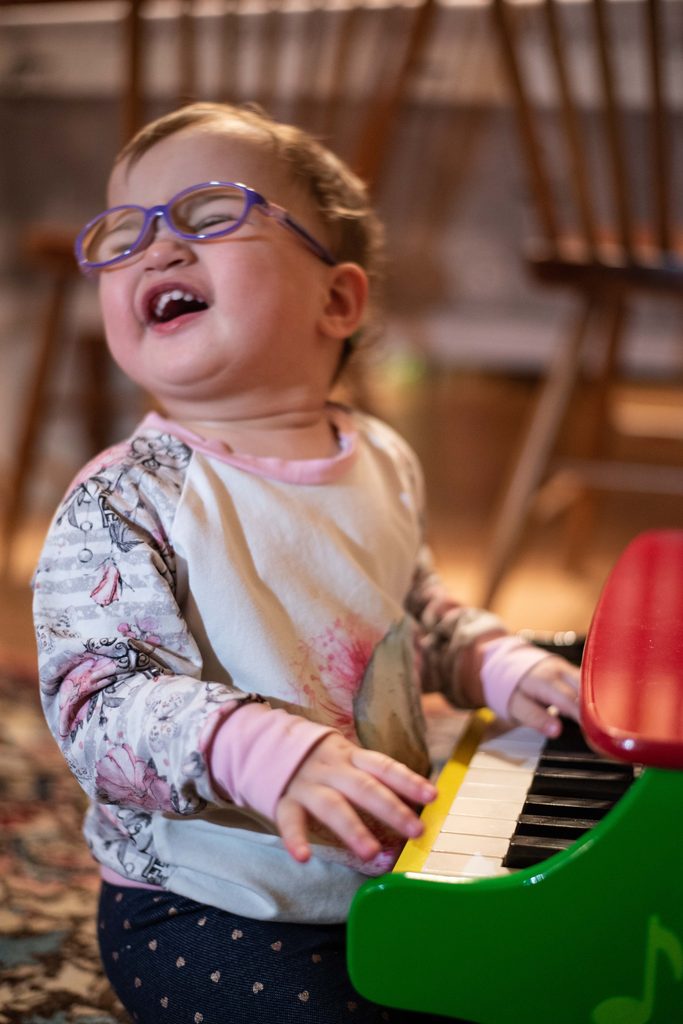
Today, Violet is a curious nine-year-old who loves bugs, nature, drawing, martial arts and exploring the outdoors with her family. She continues to navigate challenges that others cannot always see, but she does so with resilience, confidence and a voice that is helping others better understand invisible disabilities. Her journey is a reminder that some of the greatest battles happen beneath the surface, but with compassion, early support and a community that believes in every child’s potential, remarkable things are possible.
Check out more Grandview Kids articles
- November: Dates of Significance
- Farheen’s Legacy: A Mother’s journey through grief
- Violet’s voice is valuable!
- Grandview Kids receives 11 MarCom Awards
- October 2026: Dates of Significance