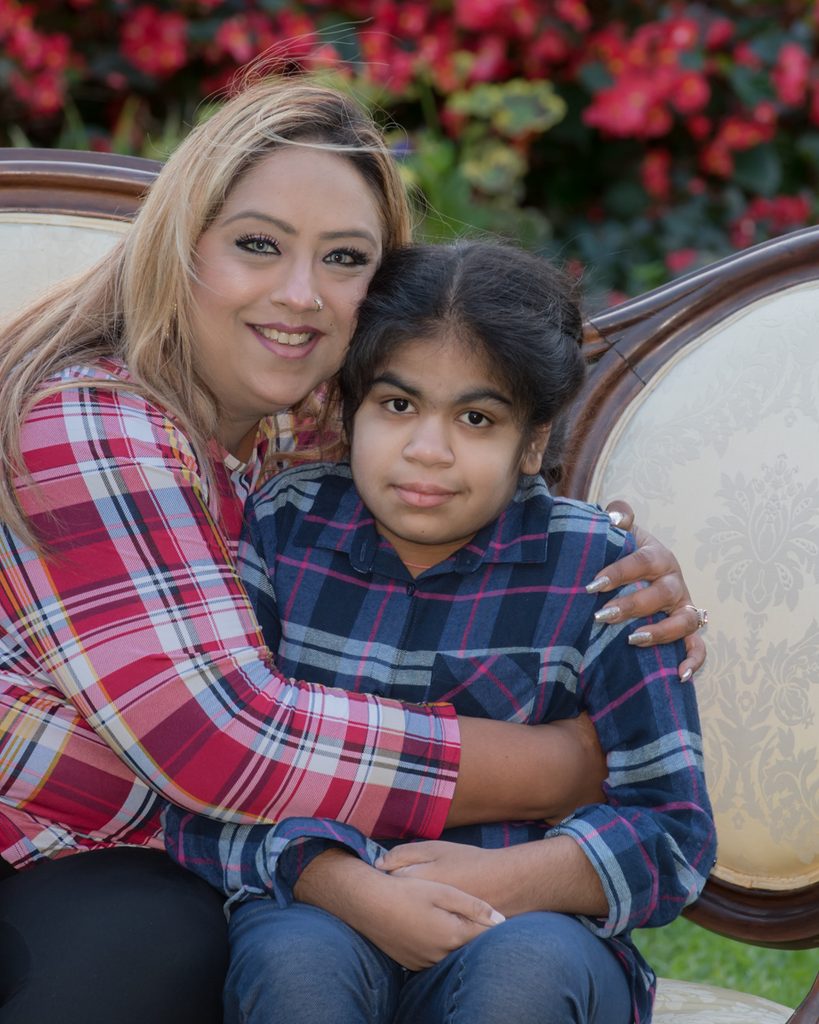
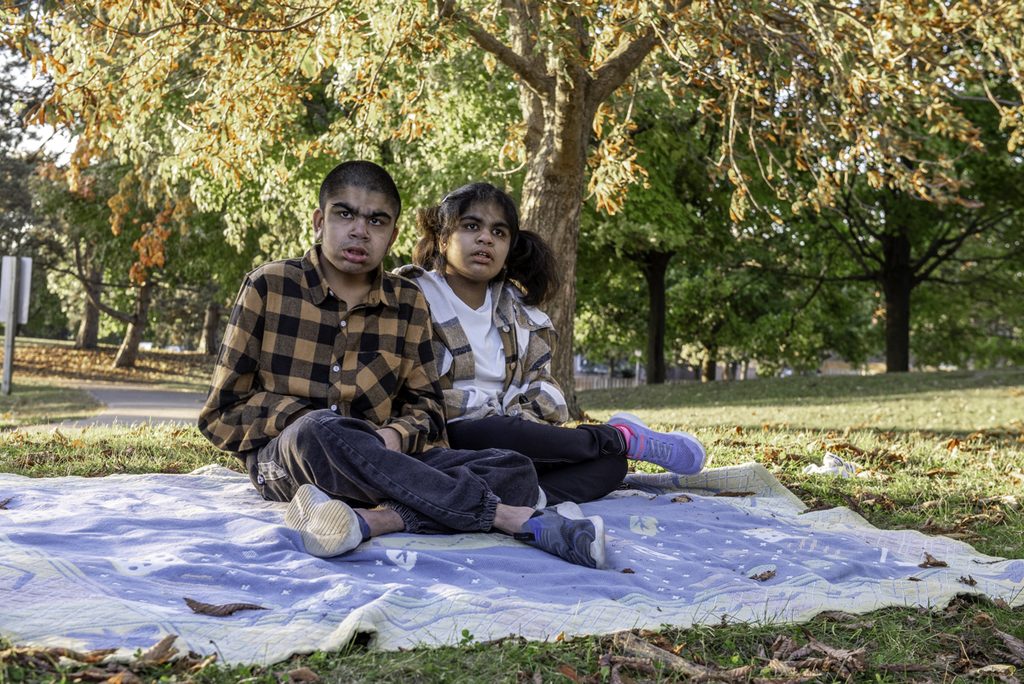
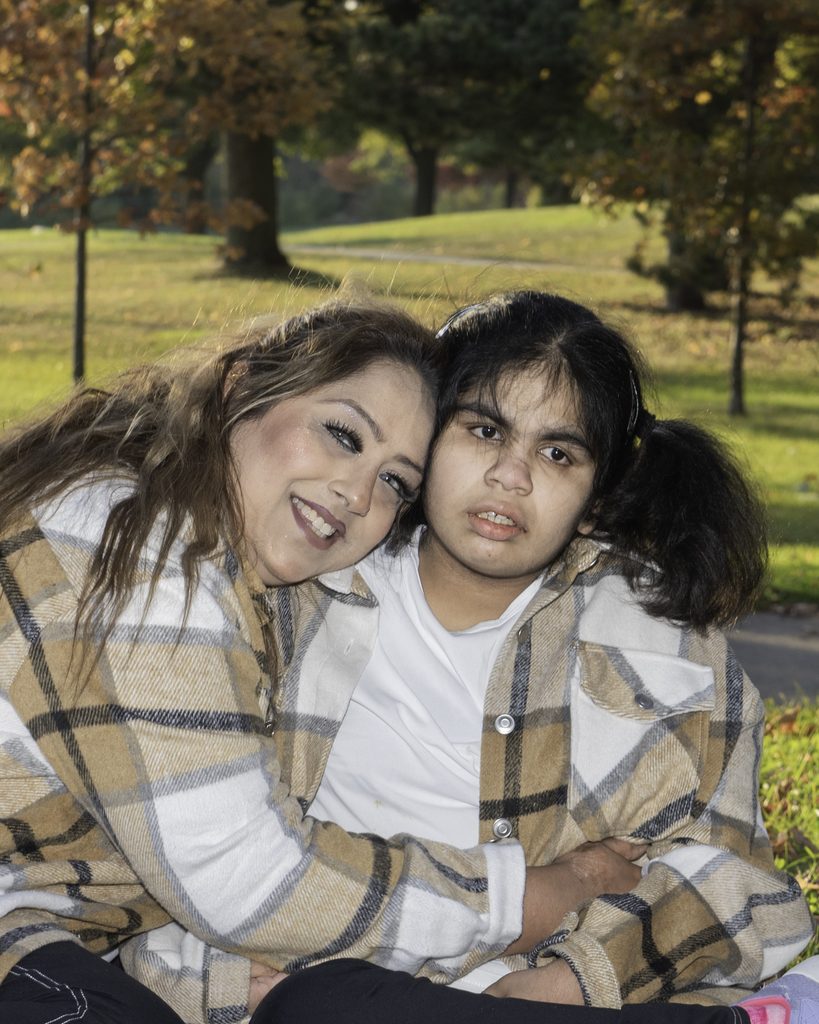
When I think about Farheen, I don’t want the first thing people hear to be that she is my daughter who died. Before she became part of my grief, she was part of my everyday life. She was my beautiful daughter, a sister, a twin and a little girl with her own personality, her own ways of communicating and her own special place in our family.
For anyone who never had the opportunity to meet her, I want them to know Farheen for who she truly was. I want them to see the girl behind the diagnosis and understand that her life was so much bigger than the challenges she faced.
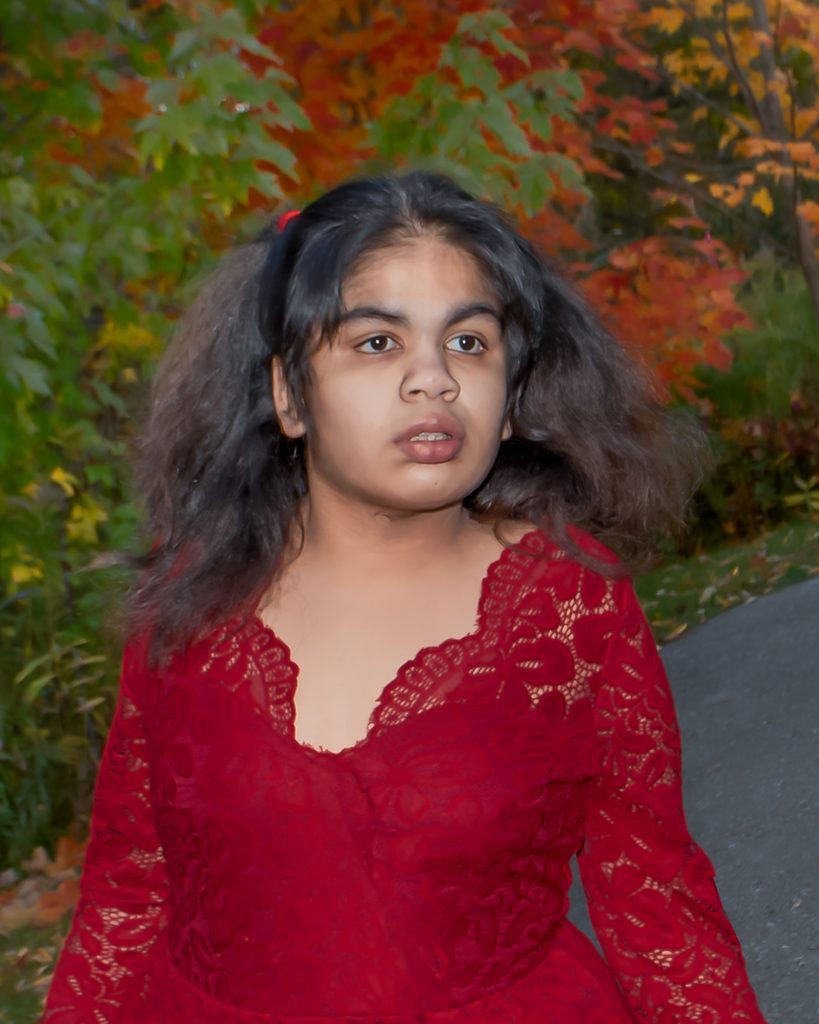
Farheen lived with Sanfilippo syndrome, and because of her condition, many things in life were different for her. She was nonverbal and depended on others for many aspects of her care, but being nonverbal never meant that she had no voice. Farheen had her own language, and the people who loved her learned to understand it. She could communicate so much through her eyes, her expressions, her smile and the little moments that were uniquely hers. I remember the way she would look into my eyes, and there were moments when I felt like we were having an entire conversation without saying a single word. That connection between a mother and her daughter is something I will carry with me for the rest of my life.
Farheen had the sweetest little attributes that made her who she was. She loved pizza, animals, Dora and sensory toys. She had a giggle that could brighten the room. These might seem like small memories to someone else, but to a mother, those little things become priceless. When someone you love is gone, you hold onto the details because those details are pieces of the person you are trying so desperately to keep close. I don’t want people to remember Farheen only because she had a rare condition or because of the difficulties she experienced. I want them to remember her smile, her personality, her happiness and the love she brought into our home.
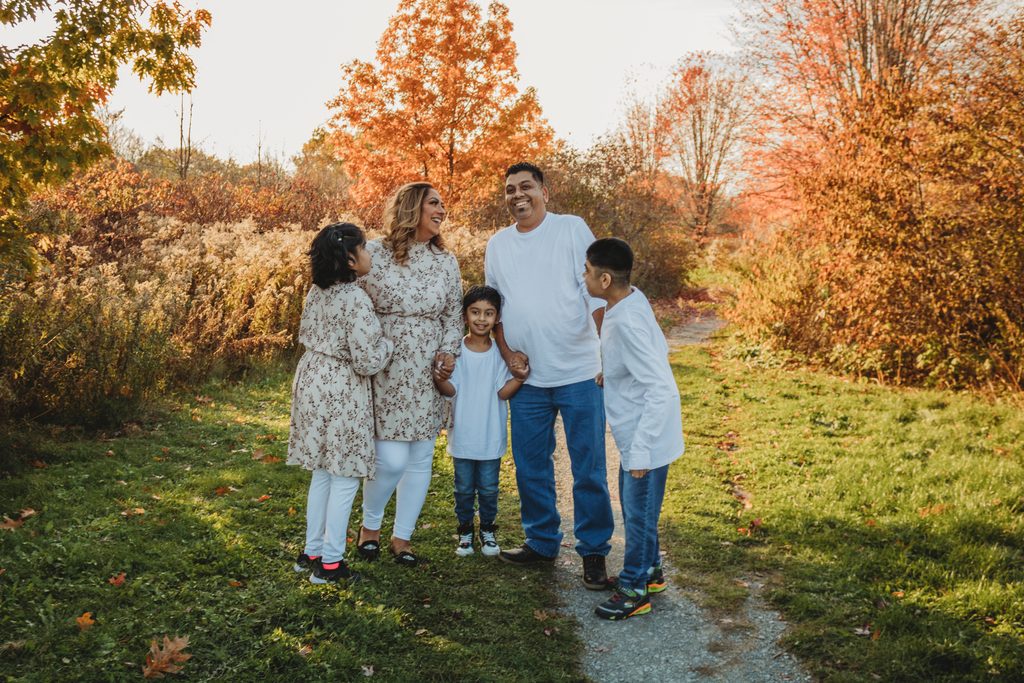
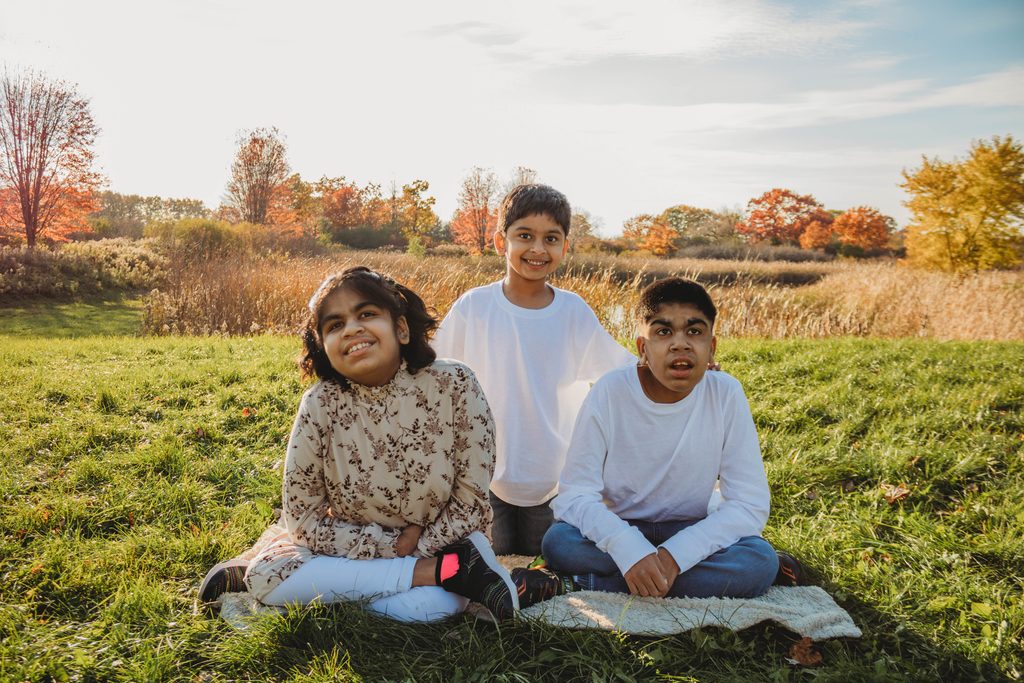
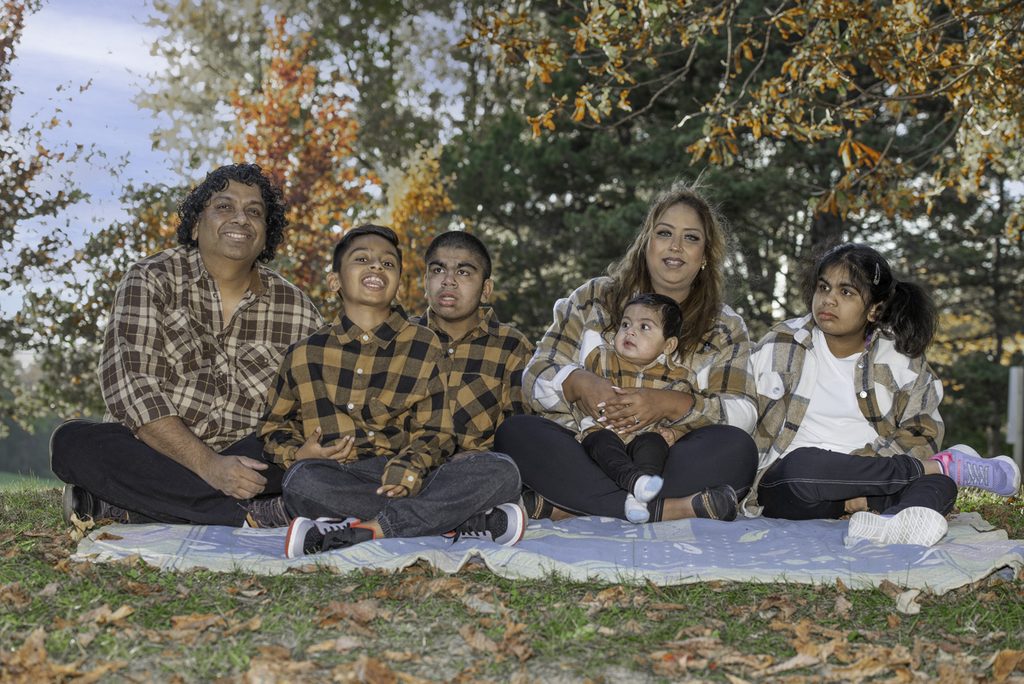
Farheen was also a twin. Her twin brother, Aslam, came into this world alongside her, and their connection is something that will always be part of our family’s story. They shared a beginning that nobody can ever take away from them and having them together was such an important part of my life as their mother. Farheen was also a sister to her other siblings, and I believe she taught all three of them lessons that they may not even realize they carry with them. Growing up with a sibling who had special needs teaches you about patience, compassion, acceptance and unconditional love. Farheen showed her siblings that every person has value, regardless of how they communicate or what they are able to do.
Being Farheen’s mother was a journey that came with challenges I could never have predicted, but it also gave me experiences and a kind of love that I would not trade for anything. Raising a child with special needs changes the way you see the world. You learn to celebrate things that other people might overlook. You learn that progress can look different from one child to another. You learn to understand your child’s expressions, routines and little signals. Most importantly, you learn that love doesn’t need to look a certain way to be real.
One of the places that became part of our journey with Farheen was Grandview Kids. Grandview Kids was part of the support system surrounding our family as we navigated life with a child who had complex developmental needs. It wasn’t simply about appointments or services; it was about having people who understood that Farheen was a whole person and that our family was a whole family with needs of its own. Having professionals who understood her challenges and supported her development helped us navigate parts of our journey that could sometimes feel overwhelming. The people and services that surrounded Farheen became part of her story, and I will always remember the role they played in our lives.
Looking back now, I realize that families raising children with special needs often live a life that many people don’t see. There can be appointments, therapies, planning, caregiving, uncertainty and constant advocacy. There are also beautiful moments that make all of it worthwhile. I wish more people understood that behind every child with special needs is a family learning how to navigate a world that isn’t always designed for them. We aren’t looking for pity. We are looking for understanding, acceptance and people who see our children for who they are.
And then came the loss of my daughter.
There is no way to explain what it feels like to lose a child unless you have lived through it. Grief changed my life in ways I am still learning to understand. I am still a mother to my children who are here, while carrying the love and absence of a daughter who is no longer physically beside me. That can be one of the hardest parts of grief. Life continues around you even when your heart feels like it has stopped. You still have responsibilities. You still have people who need you. You still have ordinary days, ordinary conversations and ordinary things that need to get done, while inside you are carrying something that feels anything but ordinary.
Grief doesn’t follow a schedule. It doesn’t disappear because time has passed, and it doesn’t mean that you stop loving your child because you have learned how to get through another day. Sometimes I can talk about Farheen and smile because the memories are beautiful. Other times, remembering her can bring an ache that feels just as deep as it did before. Both things can exist at the same time. I can miss her terribly and still be grateful that I was her mother. I can cry for her and still laugh with my other children. I can continue living while still carrying a part of my heart that belongs to her.
That is something I wish more people understood about bereaved parents. We don’t leave our children behind simply because they have died. We continue being their parents. We continue saying their names, remembering their birthdays, thinking about the things they loved and wondering what they would be like today. We carry their absence and their presence at the same time. Our arms may no longer hold them, but our hearts still do.
For me and my family, remembering Farheen has become a way of keeping her connected to our everyday lives. Her memory lives in the stories we tell, the moments we remember and the way her name continues to be part of our family. There are certain memories that I will never want to let go of because they are pieces of her that I can still carry. Her smile, the way she looked at me, her giggle, the things she loved and the love she brought into our family are all part of the life she gave us.
On National Grief and Bereavement Day, I think about all the parents who are walking a road they never wanted to be on. There are so many of us carrying children in our hearts while learning how to live in a world without them physically beside us. Bereaved parents don’t need to be told to move on. We need people to understand that moving forward doesn’t mean leaving our children behind. Sometimes moving forward means learning how to carry their love with us into every new day.
For the parents who carry their children in their hearts
For every parent who wakes up with an empty space where their child should be, I want you to know that your love still has somewhere to go. It lives in the memories you protect, in the stories you tell, in the tears you shed and in the moments when your child’s name unexpectedly crosses your mind. You don’t have to stop missing them in order to keep living. You don’t have to choose between remembering them and finding moments of happiness. Your heart can hold both.
We are parents who carry invisible photographs inside our minds. We remember little hands, familiar smiles, voices, expressions and all the ordinary moments that became extraordinary because they belonged to our children. Some days we may feel strong, and other days we may simply be trying to make it through the day. Neither makes us better or worse at grieving. We are simply learning to live with a love that has nowhere physical to go.
And when the world becomes quiet, we remember that our children were here. They were loved. They mattered. Their lives changed us. Their stories deserve to continue.
That is the kind of legacy I want for Farheen.
I don’t want her legacy to be defined only by how she died. I want it to be defined by how she lived and by the love she created around her. I want people to remember that she was a daughter, a sister and a twin. I want them to remember the beautiful little girl who loved pizza, animals, Dora and sensory toys. I want them to remember her smile and the way she could communicate so much without words. Most of all, I want them to remember that her life had meaning.
If another parent raising a child with communication, physical or developmental challenges hears my story, I want them to know that their child is not their diagnosis. Their child has a personality, preferences, emotions, dreams and a place in this world. There will be difficult days, and there will be moments when you question how you will keep going, but there will also be moments of connection and love that you will treasure forever. Take the time to see your child for who they are. Learn their language. Celebrate their little victories. Hold onto the moments that might seem ordinary to everyone else, because one day those moments may become some of your most precious memories.
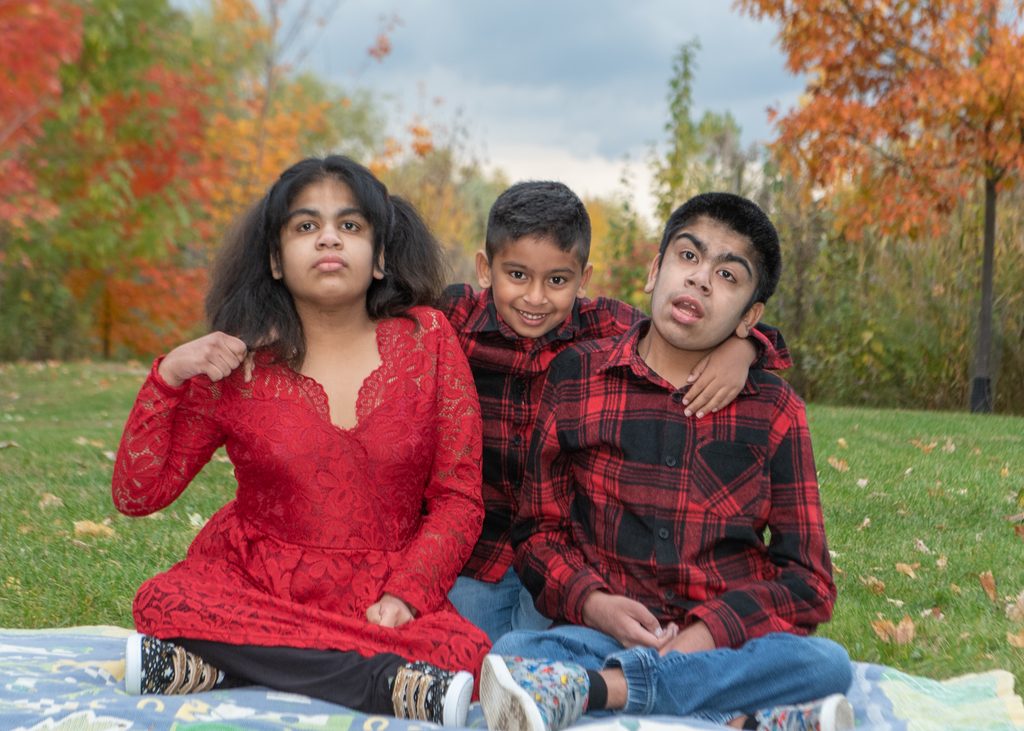
And if Farheen could see me now, if she could see that I am still talking about her, still saying her name and still trying to create something beautiful from the love I have for her, I think I would want her to know that Mama never stopped loving her. I would tell her that I miss her more than words can explain, but I am grateful for every moment I was given with her. I would tell her that she changed me, that she changed our family and that she left something behind that cannot be erased.
If I could have one more moment with her, I wouldn’t need a long conversation. I would simply want to hold my daughter close, look into those beautiful eyes and let her know that she was loved every single day of her life. I would tell her that she will always be my baby girl, always be Aslam’s twin, always be her siblings’ sister and always have a place in our family.
Farheen, I wish I could give you one more hug. I wish I could see your smile one more time and hear that beautiful little giggle. I wish I could have more ordinary days with you, because I now understand that ordinary days with the people we love are never really ordinary.
You are not here in the way I want you to be, but you are still here in the story of our family, in the memories I carry and in the love that will never leave me.
Your life mattered.
Your love mattered.
And your legacy will continue.
Because I am your mother, and I will always be your mother.
This is Farheen’s Legacy.
Childhood is precious. At Grandview Kids, we have the honour of supporting children, youth and families in navigating complex health journeys. When a child’s journey comes to an end, Grandview Kids is here to support families through grief. In May 2025, we introduced Grandview Kids’ Memorial Service.
With the help of our partners at Sloane’s House, Bereaved Families of Ontario – Durham Chapter and the Bawaajigewin Aboriginal Community Circle, Team Grandview honoured the stories of children who have gone before us. Through song, art, blessings and reflection, we remembered. Thank you to members of Team Grandview, the families and siblings and the greater Durham Region community who ensure the legacy of their love lives on.
Check out more Grandview Kids articles
- November: Dates of Significance
- Farheen’s Legacy: A Mother’s journey through grief
- Violet’s voice is valuable!
- Grandview Kids receives 11 MarCom Awards
- October 2026: Dates of Significance