• Skip to primary navigation
  • Skip to main content
  • Skip to primary sidebar
Grandview Kids Logo

Grandview Kids

Every Child And Youth Living Life At Their Full Potential

  • About Us
    • Vision, Mission and Values
    • The New Grandview Kids
      • Operational Readiness
      • Visiting Grandview Kids’ Ajax Headquarters
    • Our History
    • Leadership
    • Board of Directors and Committees
      • Join our Board of Directors and Committees
    • Annual Report
    • Strategic Plan
    • Policies
  • Calendar
  • Annual Report
    • Strategic Direction 1: Deliver meaningful, efficient client and caregiver outcomes and experiences
    • Strategic Direction 2: Foster a thriving, connected Team Grandview
    • Strategic Direction 3: Collaborate with partners to maximize impact, focusing on Durham Region
    • The New Grandview Kids – The Jerry Coughlan Building
    • 2024-25 Financial Statement
    • Grandview Kids Foundation update
    • Grandview School update
  • Contact
    • Contactez – nous
    • Ajax – Headquarters
    • Bowmanville Health Centre
    • Grandview School
    • Oshawa – Dwyer
    • Port Perry
    • Whitby – Abilities Centre
  • Careers
  • Register
  • Donate
  • Instagram
  • LinkedIn
  • Facebook
  • Services and Programs
    • Audiology
    • Autism Program
      • Autism Spectrum Disorder (ASD) Diagnostic Hub
      • Caregiver-Mediated Early Years Programs
      • OAP Core Clinical Services
      • Entry to School Program
      • Foundational Family Services
    • Blind-Low Vision Program
    • Extensive Needs Service
    • Family Engagement Program
      • Adolescent Transition Program
      • Family Leader Program
        • Family Advisory Council
        • Youth Advisory Council
    • Infant Hearing Program
    • Medical Services
      • Autism Spectrum Disorder (ASD) Diagnostic Hub
      • Complex Care Program
      • Grandview Anesthesia Procedure (GAP) Clinic
      • Hypertonia Clinic
      • Nutrition Services
      • Orthopaedic Clinic
    • Occupational Therapy
    • Physiotherapy
    • Preschool Outreach Program
    • School Programs & Resources
      • Resources for Educators
      • School-Based Rehabilitation
    • Service Navigation
      • SmartStart Hub: Parents
      • SmartStart Hub: Partners
    • Social Work
    • Speech-Language Pathology
      • Augmentative and Alternative Communication
    • Therapeutic Recreation
  • Purchased Services
    • Beyond the Walls
    • Summer Camp 2026
    • OAP Core Clinical Services
      • Behaviour Services
  • Research
    • Get involved in research
    • IDEA Study
      • Building knowledge and understanding of the intersection of race and disability in accessing pediatric rehabilitation services.
    • Research Associate: Dr. Fiona Moola
    • Research Associate: Dr. Meghann Lloyd
  • Resources
    • Ability Acceptance Program
    • Arriving at Grandview Kids
    • Community Supports & Resources
    • Family Support Fund
    • Free to Read Program
    • Frequently Asked Questions
    • Gather by Grandview Kids
    • News and Updates
    • Privacy
    • Resources for Parents and Caregivers
    • Visiting Grandview Kids
  • Support Us
    • 50/50 Lottery
    • Ways to support
    • Host a fundraiser
    • Participate in an event
      • Golf Fore Grandview Kids
      • Sponsor the Drum
      • Dream Big, Dream Brighter Awards Gala
    • Leave a legacy
      • Gifts of securities
      • Gifts of bequests
      • Gifts of life insurance
    • Your impact
    • Building a Legacy: Honouring Jerry Coughlan
  • I Want To…
    • Connect with Grandview Kids
    • Donate
    • Refer a child or youth
    • Register via My Community Hub
    • Schedule an Appointment
    • Volunteer at Grandview Kids
    • Work at Grandview Kids
  • Grandview School
    • About Our Program
    • About Our Board
    • Grandview School Social Story
    • Plans and Reports
    • Resources for Families
    • Resources for Schools – Switch It Up!
    • Careers and Volunteering
    • Contact Grandview School
  • Search

Posted February 27, 2026

“You don’t know what exists until it’s in front of you”: Jaxon’s story

Awareness Days

Celebrating National Epilepsy Awareness Month and National Cerebral Palsy (CP) Awareness Month

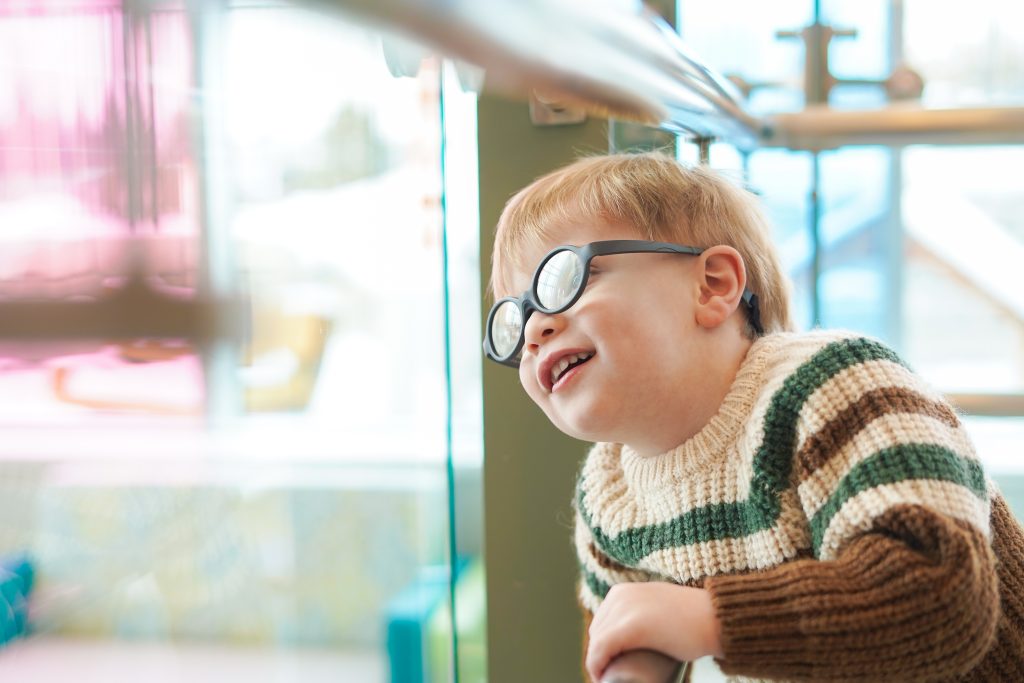
Before Jaxon was ever held in their arms, Julie and Mike had already learned how fragile hope could be. After four pregnancy losses, Jaxon was born, followed by another miscarriage and the loss of a younger brother, Jameson. Jameson was born stillborn shortly after the halfway mark of pregnancy, but he will always be spoken of, remembered and included as part of their family. Jaxon proudly took on the title of “big brother” when their youngest family member, Eric, arrived. The road to building their family was marked by grief, but also by a deep sense of reverence and gratitude for the children they get to hold daily, kids who arrived through immense love and loss. 

Julie’s pregnancy with Jaxon was healthy and normal, despite his traumatic and chaotic birth in September 2019. Jaxon became stuck in the birth canal, leading to an emergency C-section. He was not breathing and needed to be resuscitated, followed by eight days in the hospital’s neonatal intensive care unit (NICU). They were sent home, relieved but unaware of the journey awaiting them. 

At four and a half months old, Julie noticed something that did not sit right. Jaxon was not using his right hand and babies were not supposed to show a clear preference that early. His paediatrician agreed it was odd and sent a referral for an MRI at The Hospital for Sick Children (SickKids). A week later, Jaxon began having strange body movements, his eye contact changed and he became constantly irritable and inconsolable. Julie still found herself questioning everything, wondering if she was failing as a mother. When Jaxon’s head drops began, they knew that something else was going on and a quick search on the Internet led them to “infantile spasms.” She read the phrase “catastrophic neurological emergency,” which is a condition that can cause permanent brain damage or death if not treated immediately. 

Julie and Mike rushed Jaxon to SickKids, but as nothing happened in the emergency department, they were sent home. Once home, Jaxon’s head drops progressed significantly, going from a few episodes to hundreds within hours. Julie was able to record videos of these episodes, and they were back at SickKids. The videos and real-time episodes witnessed by SickKids staff were enough to take them seriously, but because electroencephalograms (EEGs) were not done at night, they were again sent home. Terrified and watching Jaxon, Julie dared not sleep, afraid that if she did, her worst fears would come true. The next day, an emergency EEG confirmed infantile spasms, and treatment began immediately with aggressive doses of two oral medications. Administering the awful-tasting medication every half hour to their young baby was very difficult to give and watch, but there was no choice as seizure control was everything. 

Within a week, Jaxon had received three diagnoses: infantile spasms, epilepsy and cerebral palsy. An MRI confirmed a massive stroke on the left side of his brain, likely experienced during birth. Julie remembers the flood of guilt and grief as she replayed her pregnancy, wondering what she did wrong, wondering if she caused this. Although she acknowledges that these thoughts are baseless and untrue, they still visit her, even now. Jaxon spent months hospitalized at SickKids, and Julie was often alone because COVID-19 policies allowed only one parent per visit. The emotional, financial and physical costs added up quickly. Eventually, Jaxon achieved some seizure stability, and they allowed themselves to breathe for awhile. 

During a follow-up appointment, brain surgery, specifically, a hemispherectomy was mentioned, almost casually. They had stability, and thought, surely this was not for them. The doctors explained the risk of Jaxon’s epilepsy. The damage was isolated to the left hemisphere so surgery could protect the rest of his brain should the seizures return and eliminate the risk of spreading to the right side of his brain, threatening even more of his development. The surgery would disconnect both sides of Jaxon’s brain and remove two-thirds of the damaged left hemisphere.  

“It felt barbaric. Terrifying. Impossible,” recounts Julie. At just 18 months old, Julie and Mike made one of the hardest decisions imaginable. Epilepsy had already shown them how much it could steal so they chose the path that gave Jaxon the best chance at quality of life. 

The surgery was a success but Jaxon unfortunately developed hydrocephalus, a condition where cerebrospinal fluid (CSF) pools in the brain’s ventricles, leading to increase pressure in the skull. He underwent five shunt revisions and contracted meningitis. He had two rehabilitation stays at Holland Bloorview Kids Rehabilitation Hospital, holding onto the hope that with the right supports and therapies in place, Jaxon could live a full, meaningful life. 

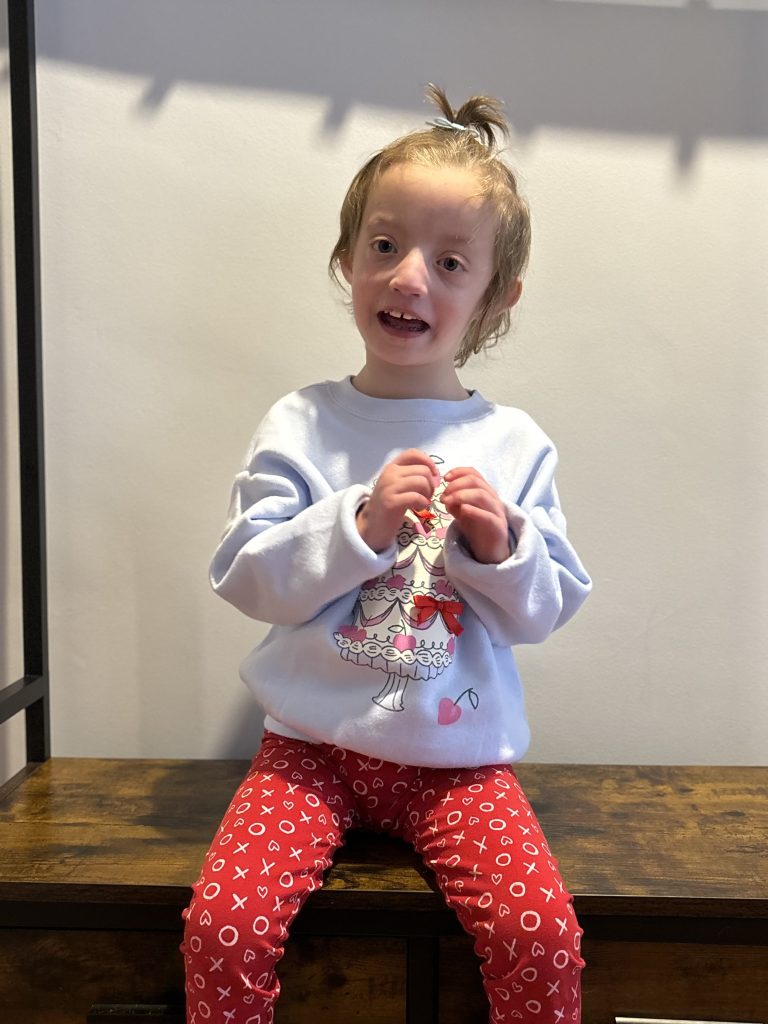
Today, Jaxon is six years old. He is nonverbal, autistic and lives with epilepsy and right-sided spastic hemiplegia cerebral palsy. He uses an ankle-foot orthotic (AFO) on his right leg, a supramalleolar orthotic (SMO) on his left and a wheelchair for long distances and when he’s tired. His motivation to do things for himself, in his own way and time, has always been the driving force behind his progress. That determination carried him through years of therapy, using a walker, stander, and eventually, walking independently on this third birthday. 

Jaxon’s family moved to Durham Region in 2023 to a home that they could modify for Jaxon’s long-term needs, a decision driven by advocacy to do everything possible to stack the odds in Jaxon’s favour. Jaxon’s care was transferred to Grandview Kids, where he receives physiotherapy, occupational therapy, speech-language pathology and therapeutic recreation. Therapy is not always easy, especially for a child who communicates differently, but progress happens because of the amazing therapists willing to meet him where he is. 

Grandview Kids physiotherapist, Winnie W., stands out. Julie describes her as phenomenal, deeply intuitive and genuinely impactful because of her approach. Winnie played a key role in helping Jaxon make immense progress and access an adaptive bike for school and home use, giving him freedom of movement even in the winter months. Therapeutic Recreation groups gave Jaxon the opportunity to experience joy in social settings, which is often a struggle. In these groups, he is welcomed, accommodated and happy. 

“When I first started working with Jaxon, he would be very upset when encouraged to try the physical activities. One day, we had a breakthrough with a piggy bank toy that made fake sneezing noises.  He started laughing so hard whenever the pig sneezed.  And from then on, he became an eager participant in every Physiotherapy session. There were no more tears, and he became more familiar with the routines of the session. Watching him improve in his physical skills and participation in sessions over the 2 years, it is rewarding to know the impact that has been made on his life.” – Winnie W., Grandview Kids Physiotherapist

Being nonverbal, Julie’s experience is that people underestimate Jaxon’s cognitive skills and understanding. Grandview Kids was instrumental in securing Jaxon a high-tech Augmentative and Alternative Communication (AAC) device. Julie had advocated alone for years, and through Grandview Kids’ referral, within a year Jaxon had a device that changed everything. Now, he can order his own meals at restaurants. He can show people what he knows and he is seen for who he truly is – a smart, capable, tech-loving kid who learns quickly, writes his name, uses his device for spelling tests and makes his own breakfast in the morning. 

Grandview Kids has been a cornerstone of Jaxon’s growth. Julie says one of the most powerful things Grandview Kids has given their family is community. Family Engagement events like “Accessible Trick-or-Treating” at the Kids Safety Village of Durham Region remind them they are not alone. They are surrounded by families who understand, instinctively help when a child bolts toward a parking lot, help Jaxon up when he trips and look out for each other without explanation. “It’s a community no one asks to be part of, but you’re still grateful it exists.” 

The daily reality of having a child with complex medical needs means Julie and Mike are hypervigilant, looking for signs of seizures or shunt malfunction. Jaxon cannot always tell them when something feels off so they make the best decisions they can, carrying heavy rocks they never chose to pick up. This included the tough decision for Julie to step back in her career as a child and youth worker and Mike to become the sole provider, working hard to not only provide the basic necessities of life but to ensure Jaxon could attend inclusive camp and pay for the yearly release of his communication device. They also learned to lean on their support system of advocates, including Jaxon’s respite worker, Olivia, who has become daughter-figure to them since Jaxon was one year old.  

Yet Jaxon’s joy makes it worthwhile. He is affectionate, gentle and endlessly loving. His belly laugh is infectious, and his silliness brings smiles to everyone around. Julie says she would not change him for anything. She would change the suffering, fear, diagnoses, but never Jaxon himself. 

Sharing Jaxon’s story has become part of their advocacy. Through a small TikTok platform, Julie has connected with hundreds of medical families. Some have recognized signs in their own children because of Jaxon’s videos and sought diagnoses sooner. “You don’t know what exists until it’s in front of you,” she says. 

For Epilepsy and Cerebral Palsy Awareness Month, Julie hopes people understand that resilience does not mean being strong all the time. It means showing up anyway and making impossible decisions with love. It means re-choosing community, advocacy and hope. Their story, layered with loss, fear, advocacy and fierce love, is not a predictable path but is all woven together by the steady belief that Jaxon deserves every possible chance to live a full, meaningful life. 

At five years old, Ahaana’s deep joy and desire for connection are easily observed by everyone around her. Her playful but intelligent conversation demonstrates how she is goofy, creative, endlessly curious, witty and has deep empathy for others. She lives with her parents, Ankit and Mansi, and her one-month-old baby brother Agastya. 

Ahaana is surrounded by love that stretches across generations and cultures, enjoying visits from her grandparents on weekends or when her family travels to India regularly to stay connected to their roots. Ahaana loves science experiments with her dad, Ankit, and crafts and reading with her mom, Mansi. Social by nature, Ahaana is often the first to help a new child at school, guiding classmates through routines, holding hands to provide comfort and even helping them put on their winter attire. A natural leader with a strong sense of responsibility, she is learning multiple languages, including Hindi and French. She has a love for music, dance and creativity that continues to grow. 

Ahaana’s drive and ability to explore her world were once only a dream to her parents. Born during the COVID-19 pandemic, she entered a world already filled with much anxiety. Shortly after birth, Ahaana failed her newborn hearing screening in both ears. Like many families, Ankit and Mansi were initially reassured that this was common and often temporary. However, follow-up tests through Grandview Kids’ Infant Hearing Program and Audiology service told a different story. After three screenings and a detailed audiology assessment, Ahaana was diagnosed with bilateral profound sensorineural hearing loss. This meant she could not hear sounds at all in either ear, and traditional hearing aids would not help. 

With no family history of hearing loss, the diagnosis was shocking. Due to COVID restrictions, only one parent could attend appointments, making the experience even more isolating. At home, Ankit and Mansi found themselves testing sounds–calling her name, dropping toys, turning on music–hoping for any reaction. Slowly, it became clear that Ahaana was not responding to sound, though her other senses were heightened. She relied on physical closeness, movement and touch to feel safe and connected. 

Like many parents, Ankit and Mansi moved through denial, grief, fear and overwhelming uncertainty. But once the diagnosis was fully understood, they reached a turning point: acceptance. With that acceptance came the determination to learn everything they could and to make the most informed, loving decision possible for their daughter. 

Ahaana’s care journey became a shared decision-making process, guided by specialists at The Hospital for Sick Children (SickKids), Grandview Kids and cochlear implant support organizations. The family learned about cochlear implants, how they bypass underdeveloped parts of the ear and use electrical signals to stimulate the auditory nerve, allowing the brain to learn sound over time. Speech therapy, they learned, would be just as critical as the technology itself. 

They researched extensively, attended virtual meetings and connected with other families, including a cochlear implant community advocate who lived nearby and shared her own lived experience of parenting a child with cochlear implants. Seeing older children with cochlear implants thrive gave them hope. While the risks of surgery were frightening, the compassion and expertise of the medical team, especially their surgeon, Dr. Papsin, at SickKids, helped ground them. Rather than focusing on unanswered questions like “why,” the team encouraged them to focus on what came next: recovery, growth and possibility. Their SickKids Audiologist, Dr. Laurie, was a source of constant support since Ahaana was two months old. She took the time to listen, answer their queries and assist the family in overcoming the learning curve of cochlear implant use. 

Throughout this time, Grandview Kids played a pivotal role. Before surgery, Ahaana received audiology support, early speech-language pathology (SLP) and guidance from educators specializing in deaf and hard-of-hearing children. Even while knowing hearing aids would not restore Ahaana’s perception of sound, they were used to help her and her parents become familiar with the devices and routines. More importantly, Grandview Kids supported the family emotionally, acknowledging the grief, helping them prepare for surgery and reminding them they were not alone. Ahaana’s Speech-Language Pathologist, Alishia C., exemplified Grandview Kids’ values of belonging, excellence and connection through her kind, caring and family-centred service. Alishia helped Mansi and Ankit discover their own potential, amplifying their voice and value as partners in care, and celebrated successes together along the way.  

In October 2021, Ahaana underwent a six-hour bilateral cochlear implant surgery. It was an emotional day for her parents, but the surgery was successful. Recovery was swift, and by the time she arrived home, Ahaana was already playing on her playmat, resilient and determined. One month later, on November 8, 2021, a day before her first birthday, her implants were activated. Six months after activation, the results were extraordinary. With consistent speech therapy, family dedication and ongoing support, Ahaana’s speech developed rapidly, soon on par with her hearing peers. She hums, sings and listens to music every night before bed, and she is preparing to learn piano! Her cochlear implants, lovingly called her “magic ears,” have become a celebrated part of who she is.  

Grandview Kids continued to walk alongside the family before, during and long after surgery. Through audiology check-ins, SLP and the Infant and Child Hearing Program, Ahaana’s parents gained confidence in their approach and reassurance that they were doing the right things. However, it was the Family Engagement Program, specifically their Caregiver Café, a monthly networking and respite event for Grandview Kids parents and caregivers, that truly transformed their journey. Through connection with other families, Ankit and Mansi found a powerful sense of belonging. Hearing others’ stories helped them heal, dream again and even find the courage to grow their family. They realized the power of community, not just for support, but for the discovery of their own strength and potential as advocates. 

Today, Ahaana’s family celebrates not only how far she has come, but the community that helped make it possible. They now volunteer, share their story openly and connect with families just beginning similar journeys. They are raising awareness, offering hope and reminding parents to give themselves grace. They are teaching Ahaana that her differences are her special powers, to find beauty in them by making her headbands colourful and pretty and to learn to advocate for her needs.  

For Ankit and Mansi, Cochlear Implant Day is about celebrating technology, resilience, teamwork and the little girl who shows every day that differences can be powerful. With the right support, connection and care, Ahaana is not just hearing the world; she has also found a voice to help make it a more inclusive, compassionate place for everyone.  

Celebrating Black History Month!

A few years ago, when my child was six-years-old, we walked into a clinical office (not affiliated with Grandview Kids). He was happily flapping his hands, ready to get started with his Alternative and Augmentative Communication (AAC) device for the first time. The professional we were meeting with flinched. I was confused because she worked with disabled children who stim all the time. “Let’s relax a little,” she said and pushed out a laugh. “Does he get angry like this a lot?” she asked. I looked at my son. He was calm. He was just happily flapping and vocalizing, like I had seen many other autistic children do. She pulled away from us at the table. “He won’t hit you,” I said calmly, and she reacted positively to my reassurance. I realized that she was afraid of him. Our appointment went on as I had originally expected, but I left feeling confused. 

After pondering “why” I felt so uneasy about our interaction, I remembered some research that explained my experience. I realized that my son had experienced a microaggression. This professional most likely had experience dealing with white autistic children, but my son is Black. She may not even have been conscious that she was doing it, but the effects of her posture, tone and questions lingered. It took me years to articulate how she made me feel during that appointment. In reality, Black children are perceived as angry, more often than white children (Halberstadt et al., 2020). This is an implicit bias. 

 I am privileged to have a front row seat to the lives of my three sweet, hilarious and determined Black autistic children, each with varying support needs. I try to take every opportunity to celebrate our different disabilities. On one hand, there is joy in this journey. On the other hand, there are also difficulties placed on them by society, simply because they are disabled. This is ableism. In addition to living in a world where others may not understand their disabilities, we also live in a world where people view my children as angry because they are Black. This is racism.  

Black History Month is exciting because we get to publicly celebrate all the joyful things about being Black. It is also an opportunity to highlight the difficulties that have been placed on us by society, simply because we are Black. Just as we must all learn to look at our biases towards the disabled community, we must also look at our biases towards the Black community. Being Black and disabled is a unique, intersectional experience that is often overlooked and dismissed. I challenge us to dismantle ableism and racism, especially this month. I cannot wait to see the impact that my children will have in the world, equipped with the knowledge that they are valuable regardless of their abilities but also because they are Black.   

Summary: https://www.apa.org/news/press/releases/2020/07/racialized-anger-bias 

Article sourced: “Racialized Emotion Recognition Accuracy and Anger Bias of Children’s Faces,” by Amy G. Halberstadt, PhD, Alison N. Cooke, PhD, Dejah Oertwig, MA, and Shevaun D. Neupert, PhD, North Carolina State University; Sherick Hughes, PhD, University of North Carolina-Chapel Hill; and Pamela W. Garner, PhD, George Mason University, Emotion, published online July 2, 2020.    

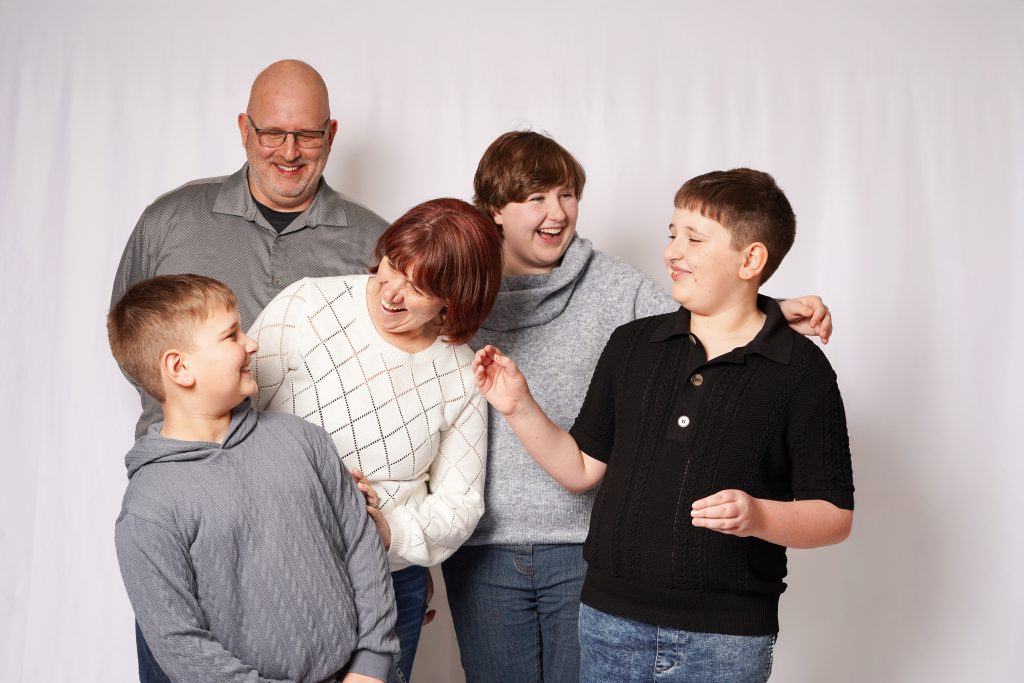
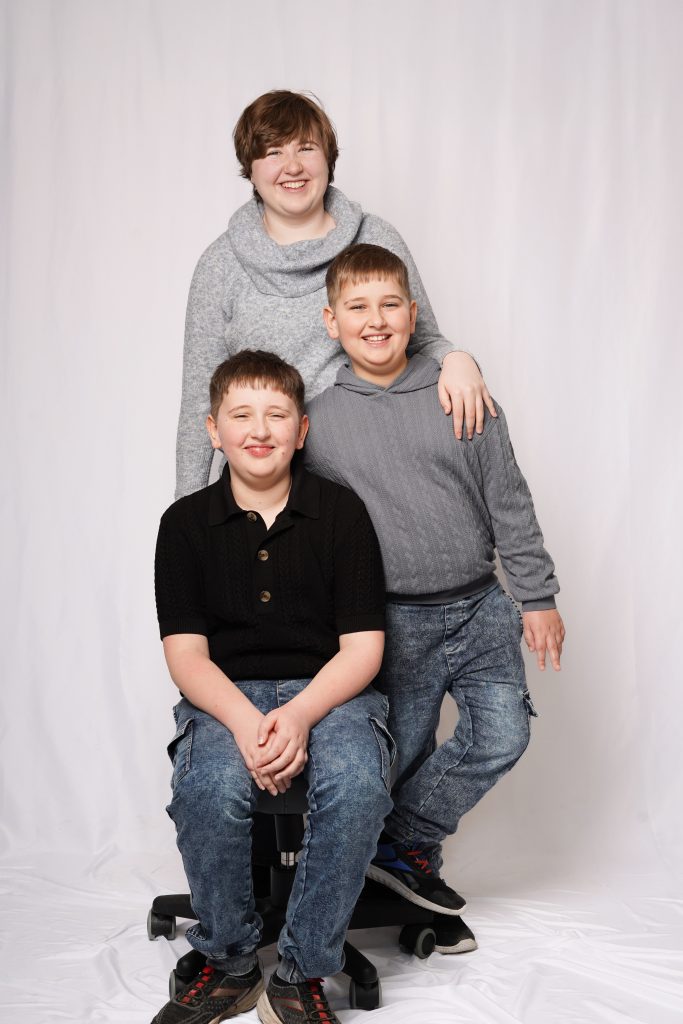
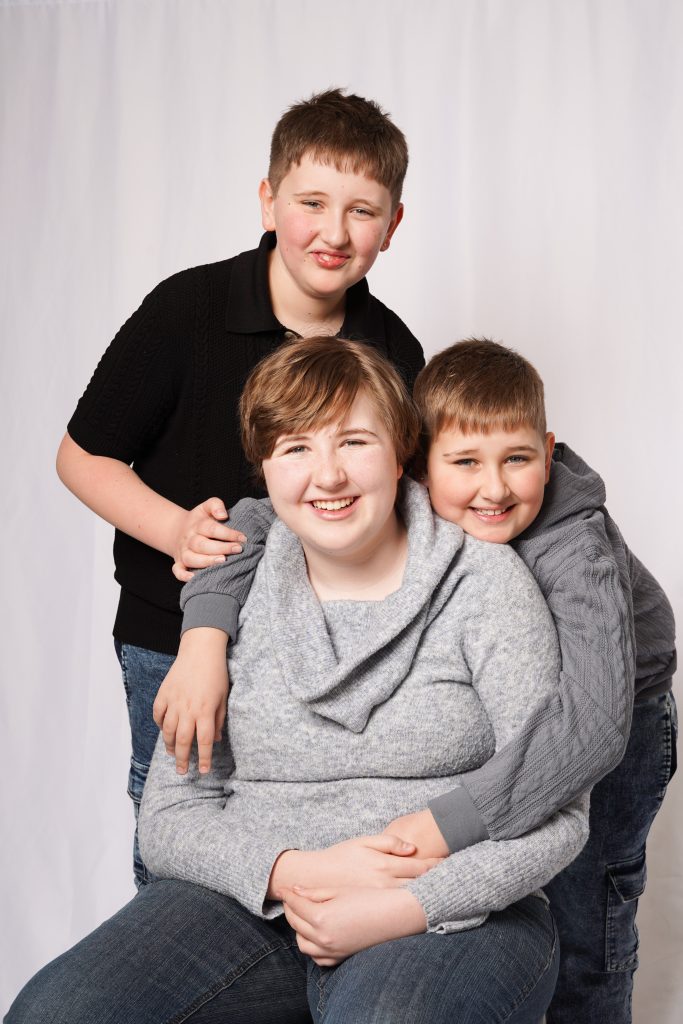
Cassandra never imagined how many turns her family’s journey would take, but loving her son, Brock, has taught her resilience, creativity and fierce advocacy. Brock is nearly 13 years old and lives with complex medical needs, including hydrocephalus with a ventriculoperitoneal (VP) shunt, cerebral palsy, chronic kidney disease, autism spectrum disorder, intellectual disability, developmental delay and a neurogenic bladder that requires catheterization. He lives at home with his mom, Cassandra, his sister, Olive, his grandma and his stepdad. They face each day together as his tight-knit care team.

Before 2019, Brock ate and drank by mouth. Then a life-changing fall down 13 steps caused a brain bleed, and Brock slowly lost the ability and desire to eat. His weight dropped to dangerous levels, and Cassandra knew something had to change. Choosing a feeding tube was not easy, but it became necessary when Brock stopped gaining weight altogether. The feeding tube became a lifeline.

The learning curve was steep. Cassandra became the only one trained to manage Brock’s pump and tube changes, while also teaching others how to care for him, since in-home nursing was not an option. The cost of equipment added constant stress, even with assistance programs, and emergencies often meant long trips to The Hospital for Sick Children (SickKids) because local hospitals were not trained to manage paediatric feeding tubes. There were unexpected challenges too, like Brock learning how to open his feeding line mid-feed, or discovering that their travel backpack blocked the tubing, leading the family to invest in intravenous (IV) poles and multiple pumps so Brock could move freely at home and out in the community.

Despite the hurdles, the feeding tube changed Brock’s life for the better. He is now gaining weight appropriately and has more energy to enjoy the things he loves, just like any child. These include camping with his family, attending Scouts, playing soccer, riding his bike in the summer, watching Peppa Pig and lining up his dinky cars. Grandview Kids has been a constant source of support for Brock and his sister as they have accessed services, including occupational therapy, physiotherapy, speech-language pathology, the Complex Care Program, therapeutic recreation and dietitian support to ensure Brock gets the nutrition and fluids his body needs.

Cassandra’s message during Feeding Tube Awareness Week is one of honesty and hope. She advises caregivers and parents exploring the use of a feeding tube to ask questions, explore all tube options, seek out community resources and not to let fear or doubt stop them from choosing something that can help their child thrive. “You don’t have to do it alone,” Cassandra emphasizes. “If challenges arise, reach out to hospital g-tube teams, members of your family and others in the Grandview Kids community who understand.” Brock’s feeding tube is not a limitation; it is a part of the reason he continues to grow, explore and be exactly who he is.

Learn more about the Family Engagement Team

If you want to connect with others in the Grandview Kids community, reach out to a Peer Navigator on our Family Engagement Team (FET) to start fostering those relationships and gain additional support from peers. You can meet someone from the FET in the Family Resource Centre at Grandview Kids’ Ajax-based headquarters, The Jerry Coughlan Building, Monday through Friday, from 9 a.m. to 2 p.m. 

For more information, email the team at familyengagement@grandviewkids.ca or join the Grandview Kids’ Online Parent Support page to make connections and learn about all upcoming events. 

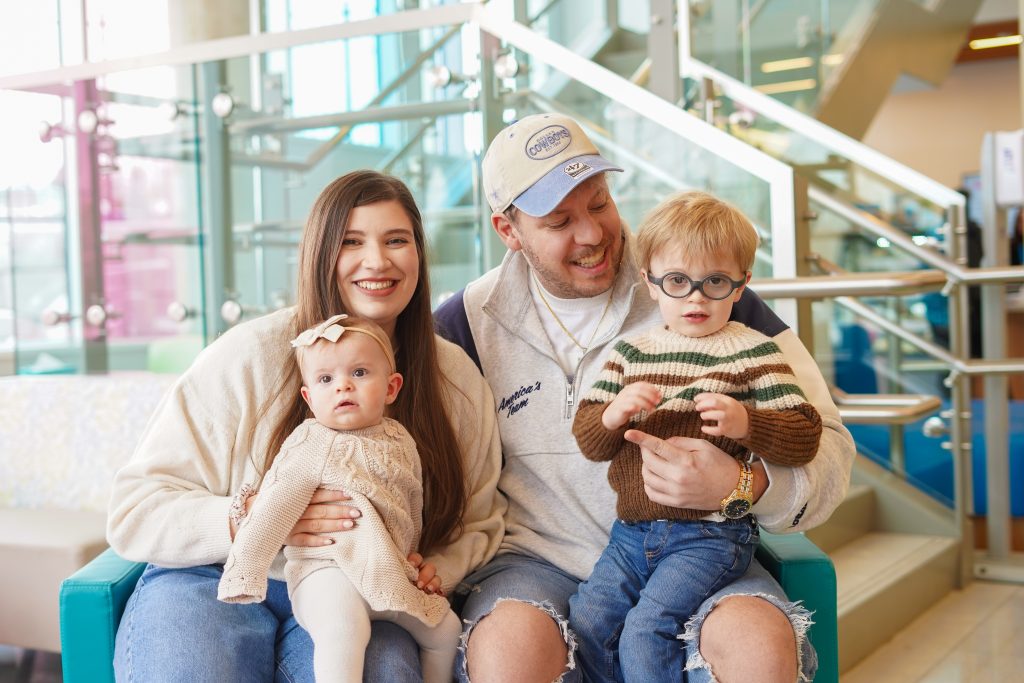
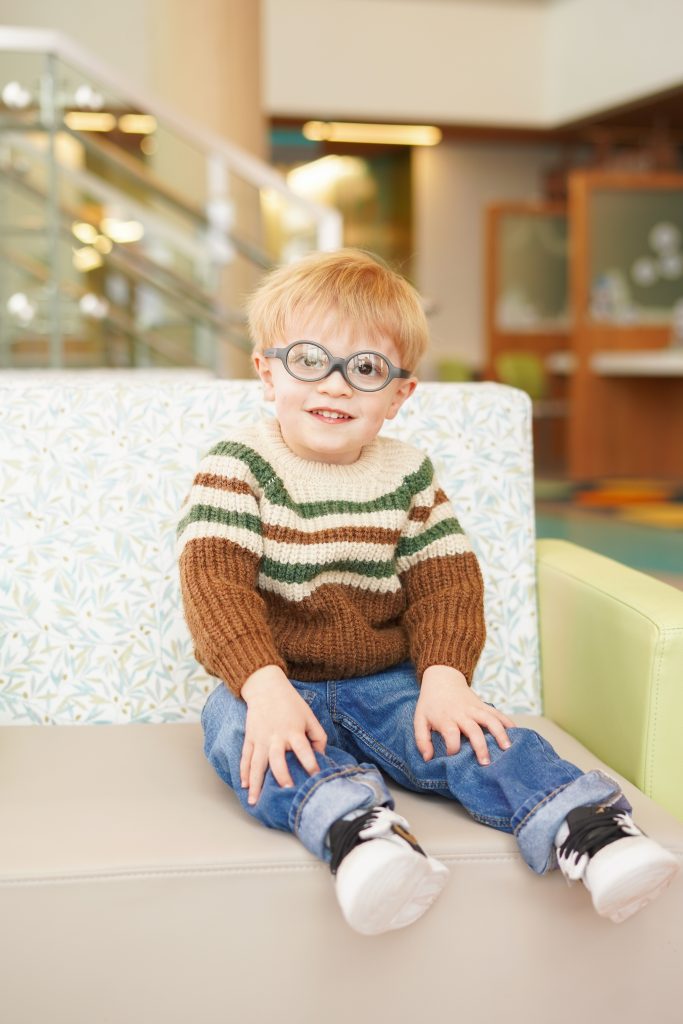
Jack is a bright, determined three-and-a-half-year-old whose smile and spirit often arrive before his words do. To those who know him, Jack is a fighter, a leader and a little light guiding everyone around him forward, one hard-earned step at a time. His parents, Olivia and Matt, and loving grandmothers, Julie and Michelle, work hard together to raise Jack, but truly believe that he is the one teaching them to grow in unimaginable ways.

At seven months old, Jack suffered damage after a viral illness (COVID-19), causing him to lose his ability to sit, army crawl, roll and grasp objects, essentially leaving him in paralysis for several months before he miraculously recovered. His muscle tone was affected, and his body seemed to shut down in ways no one could explain. For months, Jack and his family cycled through neurology, genetics and paediatric teams at The Hospital for Sick Children (SickKids) and Holland Bloorview Rehabilitation Centre, searching for answers. Without a diagnosis, his parents did what they could to support his gross motor skill development through physiotherapy, occupational therapy and constant advocacy, all the while grappling with the fear of not knowing what Jack truly needed.  

Just as Jack began home daycare when Olivia returned to work, his care provider noticed concerning symptoms. Jack began shaking and growing increasingly lethargic. What followed was lifesaving. Jack fainted at daycare and was rushed to the hospital. That moment led to the discovery that Jack had initially suffered a metabolic stroke and now had suffered a second. 

At 23 months old, after immense advocacy and support from his medical team at SickKids and Health Canada, Jack was diagnosed with Pyruvate Dehydrogenase Complex Deficiency (PDCD), a rare metabolic condition that prevents the body from properly converting carbohydrates or sugar into energy. The condition is so rare that most children, particularly boys, do not survive infancy. By the time of his diagnosis, Jack was severely hypotonic and required a ventilator and a gastrostomy tube (G-tube). His brain and organs were not receiving the energy they needed to properly function. The diagnosis was both devastating and relieving, terrifying in its implications, but lifesaving in its timing. 

Treatment began immediately. Jack was placed on a strict ketogenic diet, carefully measured down to every gram of fat, protein and carbohydrate. He takes over 20 supplements daily, including thiamine, and undergoes regular monitoring to ensure his body remains in balance. It’s a complex and demanding routine, but it gave Jack a chance. It did make it difficult to find a new daycare provider that was comfortable with Jack’s medical needs, interviewing about 12 different providers. This stress was alleviated when they met Angela, who reassured them of her involvement and care, treating Jack as one of her own and becoming part of their family.  

Jack and his daycare provider, Angela

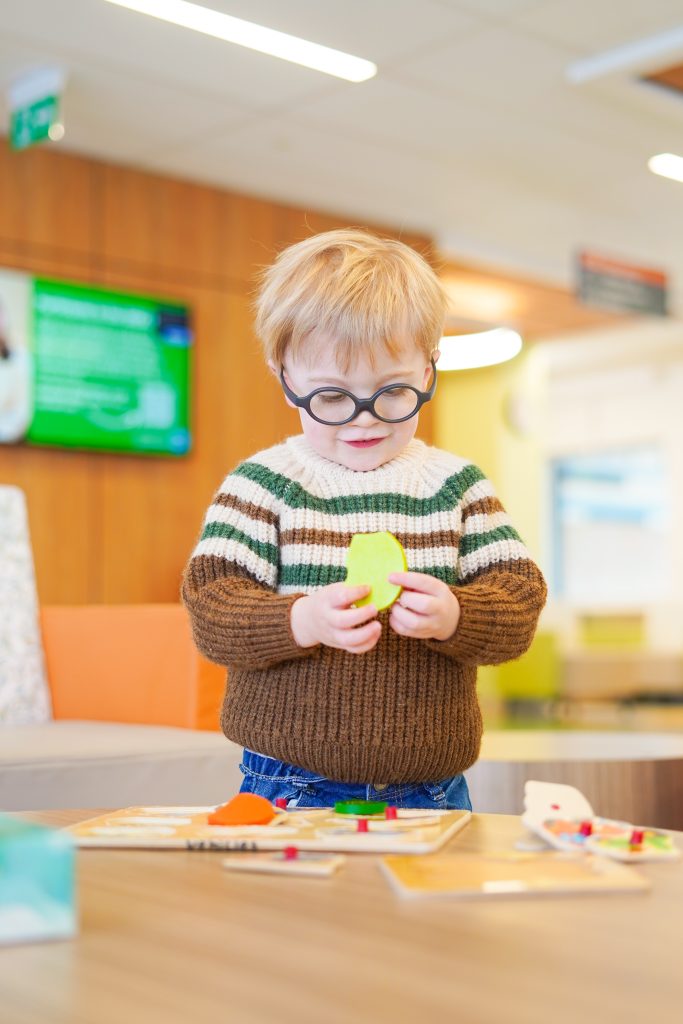
Today, after a year on the ketogenic diet, Jack is walking with a walker, communicating and engaging with the world in his own determined way. His fine motor skills are strong, his personality shines, and although every movement requires immense effort, Jack shows up ready to try.  

Throughout his recovery, Grandview Kids has been a cornerstone of support for Jack and his family.  

Referred through SickKids after his initial metabolic stroke, Jack began receiving physiotherapy, occupational therapy and speech-language pathology services at Grandview Kids, even before his diagnosis. His therapists stood beside the family at their lowest points, helping Jack relearn how to sit, crawl, stand, walk and communicate. 

“Grandview Kids was there before we had answers. They saw us at our worst, and they helped carry us through.” – Olivia, Jack’s mom 

Jack’s therapists also guided the family through equipment needs like standers and orthotics, supported transitions with daycare and connected them to vital resources when the path forward felt impossible to navigate. More than providers, they became trusted partners, a second family walking alongside them. 

Life with a rare disease means living without certainty. Jack’s future remains unknown, but his family takes it one day at a time. They advocate fiercely, lean on their village, including grandparents, medical teams, daycare providers and Grandview Kids, but ultimately follow Jack’s lead. 

“Jack has changed all of our lives for the better,” Olivia says. “He’s teaching us patience, compassion and strength. He works ten times harder than anyone else just to take a single step. And he keeps going.” 

Each month, the Inclusivity, Diversity, Equity and Accessibility (IDEA) Committee highlights dates of significance. These may include religious observances, clinical and medical awareness dates, important events or other significant moments within the community. See below for a broader list of additional dates of significance.

In February, we acknowledge White Cane Awareness Week, The Missing Women’s Memorial March, Lunar New Year, Ramadan and Pink Shirt Day. Below, read more about each date of significance, written by members of our IDEA Committee.

White Cane Awareness Week: February 1 to 7

White Cane Awareness Week takes place during the first week of February and is observed across Canada. The week focuses on raising awareness about how people who are blind or have low vision travel safely and independently, including through the use of white canes. White canes are mobility tools used by some people who are blind or visually impaired. The cane is held in front of the user and moved side to side while walking, providing information about the surrounding environment, such as changes in surface texture, curbs, crosswalks and obstacles. White canes are typically straight and may fold when not in use.

Guide dogs are also specially trained to support safe travel, work and community participation. Whether using a white cane or a guide dog, individuals receive orientation and mobility (O&M) training to travel safely and efficiently. Some people who are blind or have low vision may also choose to travel with assistance from another person by lightly holding their guide near the elbow. These tools and supports help promote independence and confidence.

Blindness exists on a spectrum, and each person’s experience and needs are different. When in doubt, ask before offering assistance rather than making assumptions. To learn more, click here to read Shelley Morris’ interview with the Canadian Council of the Blind about her experience living with low vision.

The Missing Women’s Memorial March: February 14

On February 14, Canada honours and remembers the lives of missing and murdered Indigenous women, girls and Two-Spirit people (MMIWG2S+). Across the country, the Missing Women’s Memorial March provides an opportunity to grieve lost loved ones and support those who have experienced such loss.

A 2023 Statistics Canada report found that Indigenous women and girls were six times more likely to be murdered than other groups in Canada. Many of these cases do not result in justice, a consequence of racism, homophobia, colonization and misogyny. The annual marches highlight the ongoing need to stand up for the rights of MMIWG2S+ and honour the memory of those lost, while acknowledging the systemic injustices that continue to harm Indigenous people in Canada.

For more information, visit the Canadian Museum for Human Rights website to read their resource guide on missing and murdered Indigenous women, girls and 2SLGBTQI+ people.

Lunar New Year: February 17

The Lunar New Year is determined by the first new moon of the lunar calendar and in 2026 falls on February 17. The holiday is celebrated by many cultures in countries including China, the Philippines, Malaysia, Singapore, Hong Kong, South Korea, Taiwan, Thailand and others.

In China, the celebration is specifically known as Chinese New Year. Red decorations and clothing are commonly seen, as red is believed to ward off evil spirits and negative energy. Family gatherings are an integral part of the holiday, with meals shared together and offerings made to ancestors. Red envelopes containing money are often given to children and seniors to wish them a safe and prosperous year. Fireworks and public celebrations are also common. Festivities typically last several days and include a variety of activities and cultural events.

Ramadan: February 17 to March 19

Ramadan is one of the holiest months in Islam, marking the period when the Qur’an was first revealed. During Ramadan, Muslims fast from food and drink from pre-dawn to sunset as a way to strengthen self-discipline, gratitude and compassion, and to draw closer to God. The month is marked by increased prayer, Qur’an reading and spiritual reflection. Those who are unable to fast, including pregnant or nursing women, children, the elderly or people who are ill, are exempt.

Ramadan is the ninth month of the Islamic lunar calendar, which shifts earlier each year. The month typically lasts 29 or 30 days and begins with the sighting of the new moon, although some communities follow astronomical calculations. Fasting during Ramadan is intended to cultivate God-consciousness, known as taqwa, and encourage moral growth by avoiding negative behaviour. Ramadan is also a communal time, with families and friends gathering to break the fast together and attend prayers at the mosque.

Pink Shirt Day: February 25

Pink Shirt Day is celebrated to spread awareness about bullying while promoting kindness, inclusion and respect. The movement began in 2007 in Berwick, Nova Scotia, after a student was bullied for wearing a pink shirt. Two Grade 12 students, David and Travis, responded by purchasing pink shirts and encouraging their classmates to wear them as a sign of solidarity. Their simple act of kindness was met with widespread support and helped launch what is now known as Pink Shirt Day.

Since then, Pink Shirt Day has grown into a national and international movement that encourages individuals, schools and communities to stand together against bullying. In Canada, the last Wednesday of February is recognized as Pink Shirt Day, providing an opportunity to reflect on the importance of empathy, acceptance and inclusion. The day serves as a reminder that small actions can have a lasting impact in creating safer, more welcoming spaces for everyone.

Visit the Pink Shirt Day website to learn how you can stand up to bullying and promote inclusion!

Other dates of significance in February:

  • World Hijab Day: February 1
  • Feeding Tube Awareness Week: February 1 to 7
  • Tu BiShvat: February 1 to 2
  • Groundhog Day: February 2
  • Setsubun: February 3
  • Shab-e-Barat: February 3
  • Congenital Heart Defect (CHD) Awareness Week: February 7 to 14
  • International Day of Women and Girls in Science: February 11
  • Valentine’s Day: February 14
  • Parinirvana Day: February 15
  • International Childhood Cancer Day: February 15
  • Family Day: February 16
  • International Mother Language Day: February 21
  • Cochlear Implant Day: February 25
  • Eating Disorders Awareness Week: February 23 to March 1
  • Rare Disease Day: February 28
  • ⟨
  • Page 1
  • Page 2
  • Page 3
  • Page 4
  • Page 5
  • Interim pages omitted …
  • Page 25
  • ⟩

Primary Sidebar

Child Stories

LnRiLWZpZWxke21hcmdpbi1ib3R0b206MC43NmVtfS50Yi1maWVsZC0tbGVmdHt0ZXh0LWFsaWduOmxlZnR9LnRiLWZpZWxkLS1jZW50ZXJ7dGV4dC1hbGlnbjpjZW50ZXJ9LnRiLWZpZWxkLS1yaWdodHt0ZXh0LWFsaWduOnJpZ2h0fS50Yi1maWVsZF9fc2t5cGVfcHJldmlld3twYWRkaW5nOjEwcHggMjBweDtib3JkZXItcmFkaXVzOjNweDtjb2xvcjojZmZmO2JhY2tncm91bmQ6IzAwYWZlZTtkaXNwbGF5OmlubGluZS1ibG9ja311bC5nbGlkZV9fc2xpZGVze21hcmdpbjowfQ==
LnRiLWhlYWRpbmcuaGFzLWJhY2tncm91bmR7cGFkZGluZzowfQ==
ICAudGItaW1hZ2V7cG9zaXRpb246cmVsYXRpdmU7dHJhbnNpdGlvbjp0cmFuc2Zvcm0gMC4yNXMgZWFzZX0ud3AtYmxvY2staW1hZ2UgLnRiLWltYWdlLmFsaWduY2VudGVye21hcmdpbi1sZWZ0OmF1dG87bWFyZ2luLXJpZ2h0OmF1dG99LnRiLWltYWdlIGltZ3ttYXgtd2lkdGg6MTAwJTtoZWlnaHQ6YXV0bzt3aWR0aDphdXRvO3RyYW5zaXRpb246dHJhbnNmb3JtIDAuMjVzIGVhc2V9LnRiLWltYWdlIC50Yi1pbWFnZS1jYXB0aW9uLWZpdC10by1pbWFnZXtkaXNwbGF5OnRhYmxlfS50Yi1pbWFnZSAudGItaW1hZ2UtY2FwdGlvbi1maXQtdG8taW1hZ2UgLnRiLWltYWdlLWNhcHRpb257ZGlzcGxheTp0YWJsZS1jYXB0aW9uO2NhcHRpb24tc2lkZTpib3R0b219IC53cC1ibG9jay1pbWFnZS50Yi1pbWFnZVtkYXRhLXRvb2xzZXQtYmxvY2tzLWltYWdlPSJhMWJlMmUyODAwMWFkMGRlMjBhM2RlZWVlYmE5MDJhMSJdIHsgbWF4LXdpZHRoOiAxMDAlOyB9IEBtZWRpYSBvbmx5IHNjcmVlbiBhbmQgKG1heC13aWR0aDogNzgxcHgpIHsgICAudGItaW1hZ2V7cG9zaXRpb246cmVsYXRpdmU7dHJhbnNpdGlvbjp0cmFuc2Zvcm0gMC4yNXMgZWFzZX0ud3AtYmxvY2staW1hZ2UgLnRiLWltYWdlLmFsaWduY2VudGVye21hcmdpbi1sZWZ0OmF1dG87bWFyZ2luLXJpZ2h0OmF1dG99LnRiLWltYWdlIGltZ3ttYXgtd2lkdGg6MTAwJTtoZWlnaHQ6YXV0bzt3aWR0aDphdXRvO3RyYW5zaXRpb246dHJhbnNmb3JtIDAuMjVzIGVhc2V9LnRiLWltYWdlIC50Yi1pbWFnZS1jYXB0aW9uLWZpdC10by1pbWFnZXtkaXNwbGF5OnRhYmxlfS50Yi1pbWFnZSAudGItaW1hZ2UtY2FwdGlvbi1maXQtdG8taW1hZ2UgLnRiLWltYWdlLWNhcHRpb257ZGlzcGxheTp0YWJsZS1jYXB0aW9uO2NhcHRpb24tc2lkZTpib3R0b219IH0gQG1lZGlhIG9ubHkgc2NyZWVuIGFuZCAobWF4LXdpZHRoOiA1OTlweCkgeyAgIC50Yi1pbWFnZXtwb3NpdGlvbjpyZWxhdGl2ZTt0cmFuc2l0aW9uOnRyYW5zZm9ybSAwLjI1cyBlYXNlfS53cC1ibG9jay1pbWFnZSAudGItaW1hZ2UuYWxpZ25jZW50ZXJ7bWFyZ2luLWxlZnQ6YXV0bzttYXJnaW4tcmlnaHQ6YXV0b30udGItaW1hZ2UgaW1ne21heC13aWR0aDoxMDAlO2hlaWdodDphdXRvO3dpZHRoOmF1dG87dHJhbnNpdGlvbjp0cmFuc2Zvcm0gMC4yNXMgZWFzZX0udGItaW1hZ2UgLnRiLWltYWdlLWNhcHRpb24tZml0LXRvLWltYWdle2Rpc3BsYXk6dGFibGV9LnRiLWltYWdlIC50Yi1pbWFnZS1jYXB0aW9uLWZpdC10by1pbWFnZSAudGItaW1hZ2UtY2FwdGlvbntkaXNwbGF5OnRhYmxlLWNhcHRpb247Y2FwdGlvbi1zaWRlOmJvdHRvbX0gfSA=

Jack’s resilience shines through every step: Rare Disease Day

Jack is a bright, determined three-and-a-half-year-old whose smile and spirit often arrive before his words do. To those who know him, Jack is a fighter, a leader and a little...

Latest Updates

  • Grandview Kids and Lakeridge Health open Canada’s first anesthesia procedure clinic in a Children’s Treatment Centre May 6, 2026
  • Ahaana’s magic ears: Speech and Hearing Month May 5, 2026
  • May: Dates of Significance April 30, 2026
  • Building confidence through the power of giving: Norah’s story April 30, 2026
  • A Place Where S Shines: Williams Syndrome Awareness Month April 29, 2026

You Have Questions

We’d like to help you find the answers…

Contact Us Today

© Grandview Kids Built by PeaceWorks

  • About Us
  • Contact Us
  • Privacy
Accessibility Adjustments

Powered by OneTap

How long do you want to hide the toolbar?
Hide Toolbar Duration
Select your accessibility profile
Vision Impaired Mode
Enhances website's visuals
Seizure Safe Profile
Clear flashes & reduces color
ADHD Friendly Mode
Focused browsing, distraction-free
Blindness Mode
Reduces distractions, improves focus
Epilepsy Safe Mode
Dims colors and stops blinking
Content Modules
Font Size

Default

Line Height

Default

Color Modules
Orientation Modules