• Skip to primary navigation
  • Skip to main content
  • Skip to primary sidebar
Grandview Kids Logo

Grandview Kids

Every Child And Youth Living Life At Their Full Potential

  • About Us
    • Vision, Mission and Values
    • The New Grandview Kids
      • Operational Readiness
      • Visiting Grandview Kids’ Ajax Headquarters
    • Our History
    • Leadership
    • Board of Directors and Committees
      • Join our Board of Directors and Committees
    • Annual Report
    • Strategic Plan
    • Policies
  • Calendar
  • Annual Report
    • Strategic Direction 1: Deliver meaningful, efficient client and caregiver outcomes and experiences
    • Strategic Direction 2: Foster a thriving, connected Team Grandview
    • Strategic Direction 3: Collaborate with partners to maximize impact, focusing on Durham Region
    • The New Grandview Kids – The Jerry Coughlan Building
    • 2024-25 Financial Statement
    • Grandview Kids Foundation update
    • Grandview School update
  • Contact
    • Contactez – nous
    • Ajax – Headquarters
    • Bowmanville Health Centre
    • Grandview School
    • Oshawa – Dwyer
    • Port Perry
    • Whitby – Abilities Centre
  • Careers
  • Register
  • Donate
  • Instagram
  • LinkedIn
  • Facebook
  • Services and Programs
    • Audiology
    • Autism Program
      • Autism Spectrum Disorder (ASD) Diagnostic Hub
      • Caregiver-Mediated Early Years Programs
      • OAP Core Clinical Services
      • Entry to School Program
      • Foundational Family Services
    • Blind-Low Vision Program
    • Extensive Needs Service
    • Family Engagement Program
      • Adolescent Transition Program
      • Family Leader Program
        • Family Advisory Council
        • Youth Advisory Council
    • Infant Hearing Program
    • Medical Services
      • Autism Spectrum Disorder (ASD) Diagnostic Hub
      • Complex Care Program
      • Grandview Anesthesia Procedure (GAP) Clinic
      • Hypertonia Clinic
      • Nutrition Services
      • Orthopaedic Clinic
    • Occupational Therapy
    • Physiotherapy
    • Preschool Outreach Program
    • School Programs & Resources
      • Resources for Educators
      • School-Based Rehabilitation
    • Service Navigation
      • SmartStart Hub: Parents
      • SmartStart Hub: Partners
    • Social Work
    • Speech-Language Pathology
      • Augmentative and Alternative Communication
    • Therapeutic Recreation
  • Purchased Services
    • Beyond the Walls
    • Summer Camp 2026
    • OAP Core Clinical Services
      • Behaviour Services
  • Research
    • Get involved in research
    • IDEA Study
      • Building knowledge and understanding of the intersection of race and disability in accessing pediatric rehabilitation services.
    • Research Associate: Dr. Fiona Moola
    • Research Associate: Dr. Meghann Lloyd
  • Resources
    • Ability Acceptance Program
    • Arriving at Grandview Kids
    • Community Supports & Resources
    • Family Support Fund
    • Free to Read Program
    • Frequently Asked Questions
    • Gather by Grandview Kids
    • News and Updates
    • Privacy
    • Resources for Parents and Caregivers
    • Visiting Grandview Kids
  • Support Us
    • 50/50 Lottery
    • Ways to support
    • Host a fundraiser
    • Participate in an event
      • Golf Fore Grandview Kids
      • Sponsor the Drum
      • Dream Big, Dream Brighter Awards Gala
    • Leave a legacy
      • Gifts of securities
      • Gifts of bequests
      • Gifts of life insurance
    • Your impact
    • Building a Legacy: Honouring Jerry Coughlan
  • I Want To…
    • Connect with Grandview Kids
    • Donate
    • Refer a child or youth
    • Register via My Community Hub
    • Schedule an Appointment
    • Volunteer at Grandview Kids
    • Work at Grandview Kids
  • Grandview School
    • About Our Program
    • About Our Board
    • Grandview School Social Story
    • Plans and Reports
    • Resources for Families
    • Resources for Schools – Switch It Up!
    • Careers and Volunteering
    • Contact Grandview School
  • Search

Posted March 27, 2026

National Siblings Day – April 10

Awareness Days

Siblings by Siblings Program

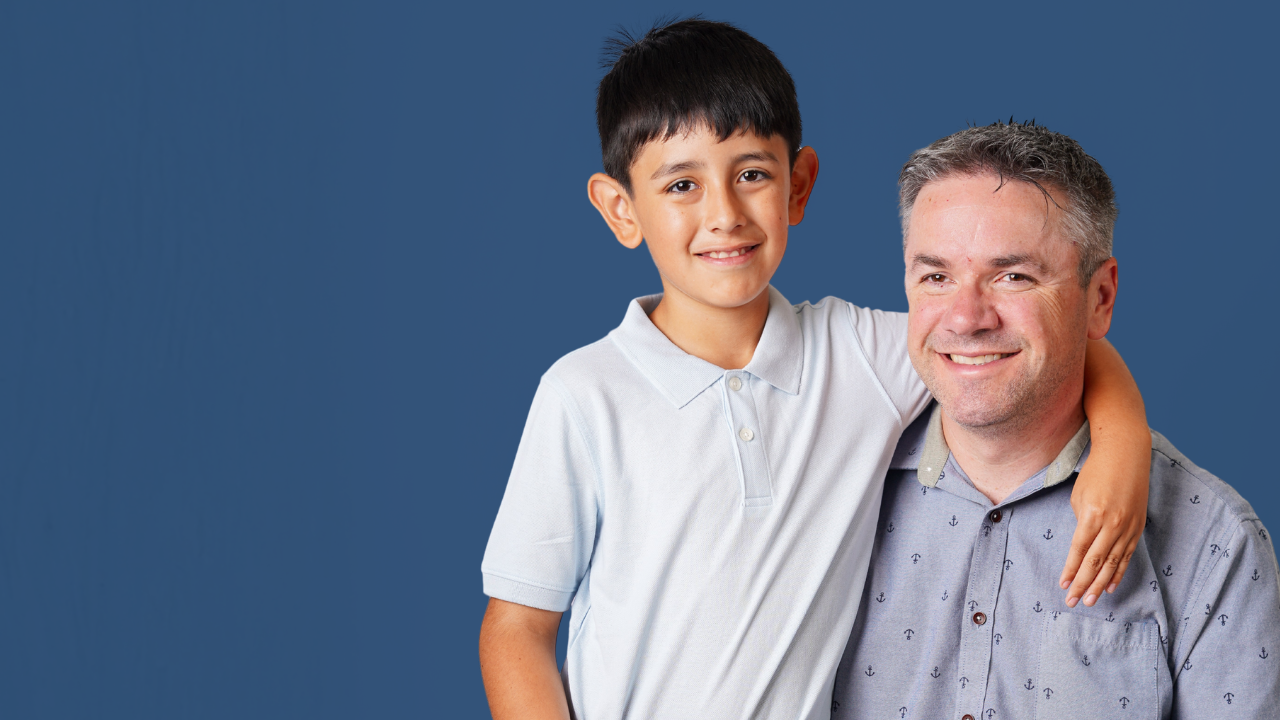
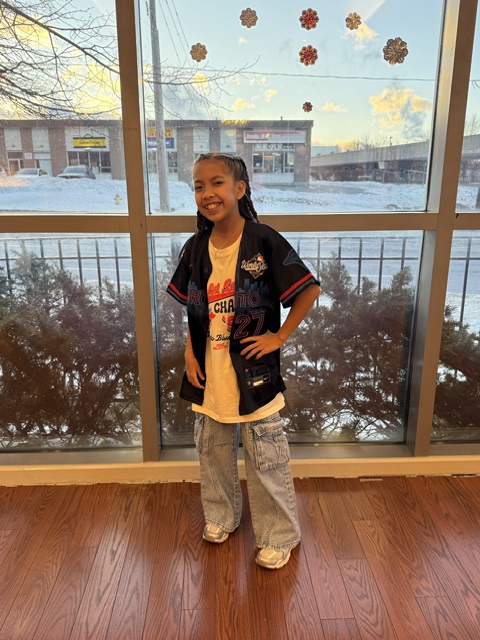
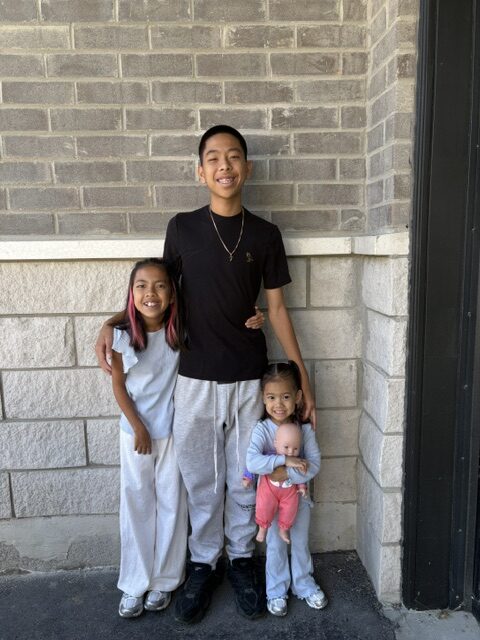
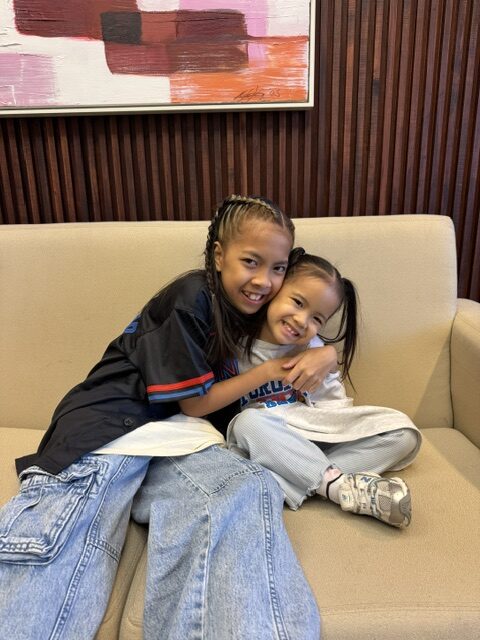
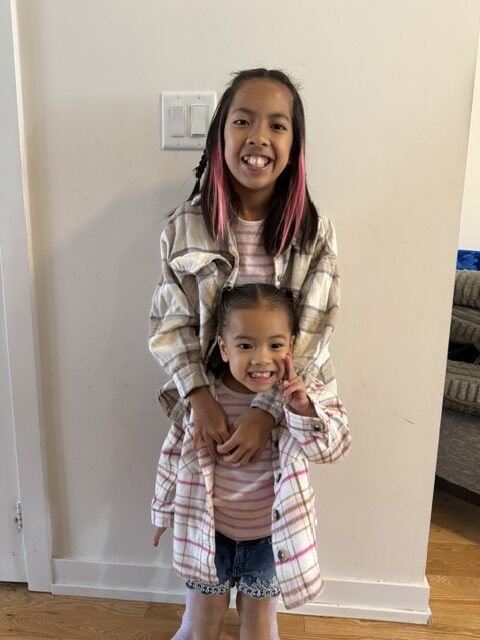
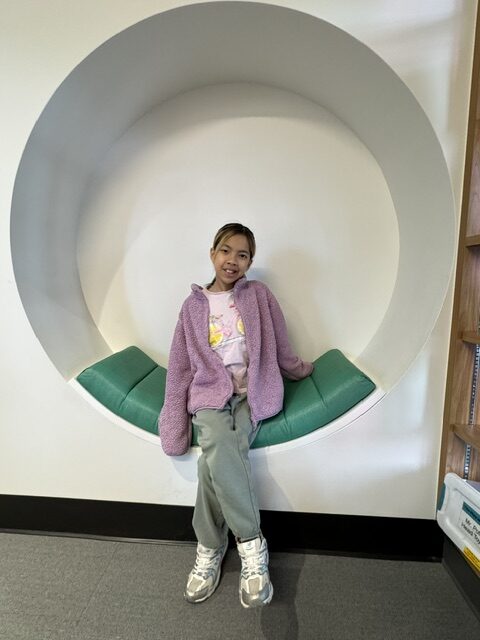
National Siblings Day is celebrated each year on April 10. To honour this, we are proud to feature Grandview Kids’ “Siblings by Siblings” program!

Siblings by Siblings is a peer-led support program created specifically for siblings of children with disabilities or medical complexities. The program provides a safe, welcoming space where siblings can connect with others who understand their lived experiences. Through interactive discussions, games and creative activities, participants build friendships, strengthen coping strategies and recognize one another for their unique roles within their families.

Where did the idea for the program come from?

Siblings often carry a complex mix of emotions, such as pride, protectiveness, responsibility, frustration and love. While they play an important role within their families, they may not always have a dedicated space to process their own experiences. Siblings by Siblings was developed to ensure siblings of Grandview Kids clients feel seen, heard and valued as individuals. The program emphasizes building resilience, confidence and peer connection.

What happens in the Siblings by Siblings program?

The Siblings by Siblings Team, which includes Peer Navigators Ella, Fizza, and Isabella, hosts evening events throughout the year at our Ajax headquarters, The Jerry Coughlan Building. At each event, the team organizes a variety of activities, which have included thoughtful discussions on burnout, decorating cupcakes (for themselves and their siblings), self-care trivia, card games and creating self-care booklets and loot bags.

The program is open to siblings ages 10 to 18 and is positively impacting those who participate. When asked about their favourite Siblings by Siblings activities, participants shared, “My favourite activity is playing with my peers and connecting with them,” and “Making cupcakes — it was so much fun and calming. I just had fun!” When asked about the most inclusive activities, attendees noted, “Talking about my experiences with my siblings,” and “Playing Uno — I felt so included.”

The responses from Siblings by Siblings participants reflect the importance of peer connection, shared storytelling and meaningful yet fun engagement.

Attendance and growth

The promotion of the program’s launch reached 2,809 views (as of August 15, 2025). This attention demonstrated the strong community interest in sibling-focused programming. Since the pilot event, we have seen consistent growth, with attendance ranging from 8 to 16 siblings per session. Notably, 8 participants have been recurring attendees since the very first pilot event, highlighting sustained engagement and the value siblings are finding in the program.

Siblings by Siblings continues to grow as a meaningful and anticipated offering within Family Engagement programming. National Siblings Day provides a wonderful opportunity to celebrate siblings and spotlight the importance of investing in spaces designed for them and by them.

Testimonials

“My name is Aaleyah, and I’m in Grade 8. Being part of the Siblings by Siblings program at Grandview Kids has meant a lot to me. Having a sibling with a disability can feel overwhelming because there are a lot of extra responsibilities and moments when things are harder or different from other families. I adapted to how my brother made my life different, and sometimes that was kind of hard for me. Being part of this program helped me realize I’m not alone, and I’ve learned to be more patient, understanding, and proud of my brother and everything he accomplishes.

My favourite part of the Siblings by Siblings program is that it’s run by people with siblings with a disability, just like me, so they actually understand and relate to what it’s like. It makes it easier to open up because they’ve had similar experiences. I also love the events where we can connect, share stories, and just have fun together. This program has given me a safe space to talk about my feelings without judgment, and I would definitely recommend it to other kids who have a sibling at Grandview Kids because it helps you feel heard, supported, and understood.”

– Aaleyah, Grandview Kids sibling

“I really liked going to the Siblings by Siblings group. At first, I wasn’t sure what to expect, but it ended up being really fun and comfortable. It was nice meeting other kids who understand what it’s like, and it made me feel less alone.

I liked that we could talk about our feelings without it being awkward or forced. Everyone was really easy to talk to, and the environment was calm and relaxed. It actually helped me open up more than I thought I would. Overall, I had a really good experience, and I’m glad I went. I’d definitely recommend it to other siblings.”

– Kaleb Fancy, Grandview Kids sibling

“I had a really good time at the Siblings by Siblings group. It was lots of fun, and I liked being there with other kids. My favourite part was the snacks and drawing. It was really relaxing and easy to just hang out and enjoy. I can’t wait for the next one!”

– Kareem Fancy, Grandview Kids sibling

To register for an upcoming “Siblings by Siblings” event, follow Grandview Kids on Instagram and Facebook or speak to a member of the Family Engagement Team!

This week marks Neurodiversity Celebration Week. To celebrate, we share an interview between Katy and Samantha. Katy is a parent of and a big advocate for Grandview kid Jake. Samantha is an Occupational Therapist at Grandview Kids. The three have spent the past year learning together with Jake in the Entry to School program.

Their conversation focuses on Jake’s sensory needs and preferences. These factors play a big role in Jake’s everyday life. Katy shares what helps Jake feel calm, regulated and ready to engage with the world. Samantha offers a clinical perspective on why these sensory supports matter. This conversation is a reminder that neurodivergent brains aren’t something to “fix.” In fact, they are something to understand, celebrate and support on a deeper level.

An interview between Samantha and Katy

Sam: Katy and I wanted to discuss something that plays a huge role in a neurodivergent person’s wellbeing: sensory needs and preferences. Understanding sensory needs isn’t about “fixing” a child. Rather, it’s about supporting how their brain works so they can engage, play, learn and connect comfortably. Every person’s brain processes the world through the senses: touch, sound, movement, taste, sight, smell, and even internal senses like body awareness, feelings and balance.

Neurodivergent people often process these sensations differently, which can lead to strong likes, dislikes and unique ways of interacting with their environment. This past year, I worked with Katy and her son Jake in the Entry to School program. Through the program, Katy and I worked with his childcare and school educators to support his sensory and regulatory needs.  Katy, can you please describe some of Jake’s sensory interests and what these mean to him?

Katy: One of the biggest things that helps Jake regulate his body and feel calm is water.

Water has always been something Jake is drawn to. The movement, the sound and the feeling of it seem to help his nervous system settle. When he’s feeling overwhelmed or dysregulated, water activities can help him refocus and feel more comfortable in his body.

At school, his team has been wonderful in supporting his sensory needs. They provide him with water-based fidget toys and often allow him time to play in the sink. Recently, they introduced something new that Jake absolutely loves—a continuous water tornado. Watching the water spin in a constant swirling motion is incredibly calming for him. It gives him something predictable and soothing to focus on. It helps regulate his body when he needs a moment to reset.

Jake also benefits from movement throughout his day. In the classroom, he has a rocking chair at his desk, which lets him gently rock while he works. This kind of movement helps him stay regulated and focused. He is also given opportunities to take breaks from the classroom for movement activities when his body needs it. These breaks help him release energy and return to learning feeling calmer and more ready.

“Supports like these might seem small, but for Jake, they make a big difference. They help him regulate his body, feel safe in his environment and participate more fully in his school day.” – Katy, Grandview Kids mom

Sam: Having many sensory interests and stimming (the repetition of a wide range of actions, often done rhythmically) are important regulation tools for neurodivergent people. They give us clues about what their body may need to help them grow and learn. I’ve noticed that when Jake’s interests and sensory needs are supported at school, he is better able to participate and looks more comfortable. What does this look like at home for your family?

Katy: At home, we try to create an environment that supports Jake’s sensory needs in ways that feel natural and accessible to him. Movement is a big part of how Jake regulates his body, so we make sure there are lots of opportunities for physical activity throughout the day.

Jake loves to move. He enjoys biking and rollerblading. We even have a swing inside the house that he can use whenever his body needs that calming, rhythmic motion. Outdoor play is also very important to him, so we make sure he has access to the outdoors whenever possible. Fresh air and space to move help him reset and feel his best.

We also keep a variety of sensory toys available for Jake. Some of his favourites include water fidget toys, kinetic sand, marble runs and fine motor toys he can manipulate with his hands. These activities give him opportunities to explore different textures and movements that help regulate his sensory system.

Jake also loves music and movement. Our home often has music playing, and it’s something he naturally responds to. Music gives him another way to move his body, express himself and regulate his energy.

Transitions can sometimes be challenging for Jake, so we’ve learned that preparation makes a big difference. When we’re getting ready for school or heading somewhere, I try to give him as much information as possible about what to expect. At school, he uses visuals to help with transitions, but at home, I usually support him by talking things through and explaining plans in detail.

I’ll often give him countdowns when it’s time to finish a preferred activity, so he knows a transition is coming. I also use simple language like “first this, then this” to help him understand what will happen next. Giving Jake time and information to process changes helps make transitions smoother and helps him feel more comfortable.

“Every small support helps Jake navigate his day with more confidence and ease. By creating a home environment that meets his sensory needs, we’re helping him feel safe, regulated and ready to take on the world in his own way.” – Katy, Grandview Kids mom

Sam: What else have you learned from Jake about sensory interests and needs that you think is important for others to know?

Katy: One of the biggest things we’ve learned on this journey is that sensory needs aren’t “extra” or something to fix. Jake’s sensory needs are simply part of who he is and how he experiences the world. When we support those needs instead of trying to stop them, we see Jake thrive. The movement, the water play, the music, the breaks — these are all tools that help him regulate his body and feel comfortable in his environment. To other parents walking a similar path, trust your child to share what helps them feel calm and safe. What may look small or unusual to others can make a huge difference for our kids. When we listen, adapt and meet them where they are, we give them the space to be their best selves. 

Julie Beazley is a Digital Publisher, Graphic and Web Designer based in Oshawa, Ontario. She creates and shares resources through her small business, including resources, advocacy tools, printables and heartfelt reflections from life with her son, Liam. Julie channels her professional expertise into empowering other families walking similar paths. 

13-year-old Liam lives with his mom, Julie, his stepfather, Brent, their dog, Fox, and a couple of parrot fish. He loves music, dancing, using the bucket swing at parks and cracking up at funny movies. Liam thrives on experiences like bowling, theme park rides, ziplining, canoeing, hovercraft adventures and ATV rides through muddy forest trails. He has been on the ice with the Toronto Maple Leafs, navigated through jungle and mangroves by boat and embraced life with a boldness many only dream of. In Julie’s words, Liam is “extremely mischievous,” full of laughter and loves engaging with his family and friends. Together they have built a life that is equal parts organized, adventurous and beautifully unpredictable. 

Liam entered the world at 34 weeks gestation in Costa Rica, weighing just 5.5 pounds. Doctors immediately noted facial features consistent with Trisomy 21 (Down Syndrome), along with jaundice and a concerning cardiac murmur. Julie flew back with Liam to Toronto, where she is from, and he was transferred to The Hospital for Sick Children (SickKids) as an infant and underwent open-heart surgery at just seven weeks old to repair a congenital heart defect (Tetralogy of Fallot with aortic stenosis and AVSD). Down Syndrome is a genetic condition caused by an extra copy of chromosome 21, resulting in 47 chromosomes instead of the typical 46. It causes mild to moderate cognitive delays, distinct physical features and potential health issues like heart defects. It is not caused by anything parents do and occurs by chance.  

Liam has what Julie calls a “trifecta” of diagnoses: Down Syndrome, cerebral palsy and autism spectrum disorder. The combination results in low muscle tone working against spasticity, sensory challenges and global developmental delays. He is non-verbal, though deeply communicative through sounds, gestures and expression. Liam’s receptive understanding far exceeds his ability to express his needs. Gross and fine motor skills are limited, and he requires one-to-one support in all areas of daily living. Though predominantly a wheelchair user, he walks with support in a walker and rides an adaptive bike at school. 

Feeding was one of the earliest and most exhausting battles as Julie navigated Liam’s severe milk protein allergy, which led to Liam receiving a temporary nasogastric tube (NG Tube). She was told repeatedly that Liam was “failure to thrive” and urged to place a gastrostomy tube (G Tube), but Julie made the decision to persevere. After creative problem-solving (including feeding him from a salad dressing bottle) and relentless advocacy, Liam now enjoys orally eating French fries, pasta, vegetables and soft rotisserie chicken in addition to homemade purees. Food, once a battlefield, is now a celebration when they eat at restaurants or pull into a Wendy’s drive-thru. 

After relocating from the Sarnia area to Oshawa, Liam’s care transitioned to Grandview Kids. Through Grandview Kids, Liam receives services for occupational therapy, physiotherapy (including equipment support and ankle-foot orthoses fittings), therapeutic recreation, developmental paediatric monitoring and Botox injections for spasticity through the Hypertonia Clinic. Alongside medical services, Liam and Julie have accessed social work (funding and school IEP assistance), the Extensive Needs Service for behavioural support and introduction to fun activities and events through the Family Engagement Program, emphasizing the importance of connection. Julie met other parents who understood the sleepless nights, the behaviour challenges and the medical overwhelm. This encouraged her to discover other community groups that further expanded that circle of support, turning isolation into global sisterhood. 

Julie received Liam’s Down Syndrome diagnosis shortly after birth but did not have time to fully process it. “I was so in love with my baby and terrified of the immediate open-heart surgery and its implications that the diagnosis took a back seat.” She describes the diagnosis as “unexpected, scary and overwhelming, given the life I had envisioned for my child while I was pregnant. The relief I felt following his heart repair diminished any of the circumstances impending from having Down Syndrome. And it never took away from the love I felt for my son.” 

If Julie could talk to herself on diagnosis day, she would encourage her to not listen to other people’s perceptions of Liam’s abilities and worth. “Simply love your child and believe in him. He will prove every single limitation placed on him to be inaccurate, and along the way, champion so many hearts.” Julie’s feelings about Liam’s future are mixed. She worries about supports when she is no longer here but she is also excited because she knows her son. “He is the epitome of unconditional love,” she says. “If everyone was like him, the world would be such a better place.”

Misconceptions about Down Syndrome that Julie wants to challenge 

  • People with Down Syndrome are not “always happy.” They experience the full range of emotions. 
  • It is not a disease and cannot be “cured.” 
  • Life expectancy has more than doubled (now 60+ years). 
  • Individuals with Down Syndrome often resemble their families more than each other. 
  • Many can live independently and drive with support. 
  • Many attend mainstream schools. 
  • Women with Down Syndrome can have children. 
  • They are more alike than different, defined by personality and passions and not diagnosis. 
  • Individuals with Down Syndrome succeed in elite arenas: 
    • Monika Myers, Toronto-based professional international runway model 
    • Madison Tevlin, Canadian actress and broadcaster 
    • Kyle Land, Canadian competitive bodybuilder and certified personal trainer 
    • Ana Victoria Espino de Santiago from Mexico is a lawyer advocating for disability rights  

Each month, the Inclusivity, Diversity, Equity and Accessibility (IDEA) Committee highlights dates of significance. These may include religious observances, clinical and medical awareness dates, important events or other significant moments within the community. See below for a broader list of additional dates of significance.

In March, we acknowledge Holi, Neurodiversity Celebration Week, Eid Al-Fitr, Earth Hour, Transgender Day of Visibility and National Indigenous Languages Day. Below, read more about each date of significance, written by members of our IDEA Committee.

Holi: March 4

Holi is a joyful celebration of colour observed by Hindus around the world. The festival heralds the end of winter and marks the beginning of spring. It is celebrated on the last full moon in the lunar month of Phalguna, which usually occurs in March. The time not only symbolizes a new season but also represents new beginnings for Hindus. It is often a time to end conflicts and let go of emotional baggage. The celebration also honours the triumph of good over evil.

Holi is normally a two-day celebration. The day before is known as “Jalane wali Holi” or “Holika dahan,” the day Holika burned. People celebrate by having their own bonfires in the neighbourhood. The morning after is called “Rangwali Holi,” the day of colour. That is the main day of the festival. Families and neighbours get together on the streets, throw powdered colour and liquid dye at each other, sing and enjoy. These coloured powders have special meaning: red dye symbolizes love, blue represents the Hindu god Krishna, and green stands for new beginnings.

The food is also fun and colourful. Finger foods are most popular since they can be eaten even with colour-smeared hands and face. The most popular sweet is Gujiya, a fried and sweetened empanada-like pastry stuffed with dried fruits and nuts.

Neurodiversity Celebration Week: March 16 to 20

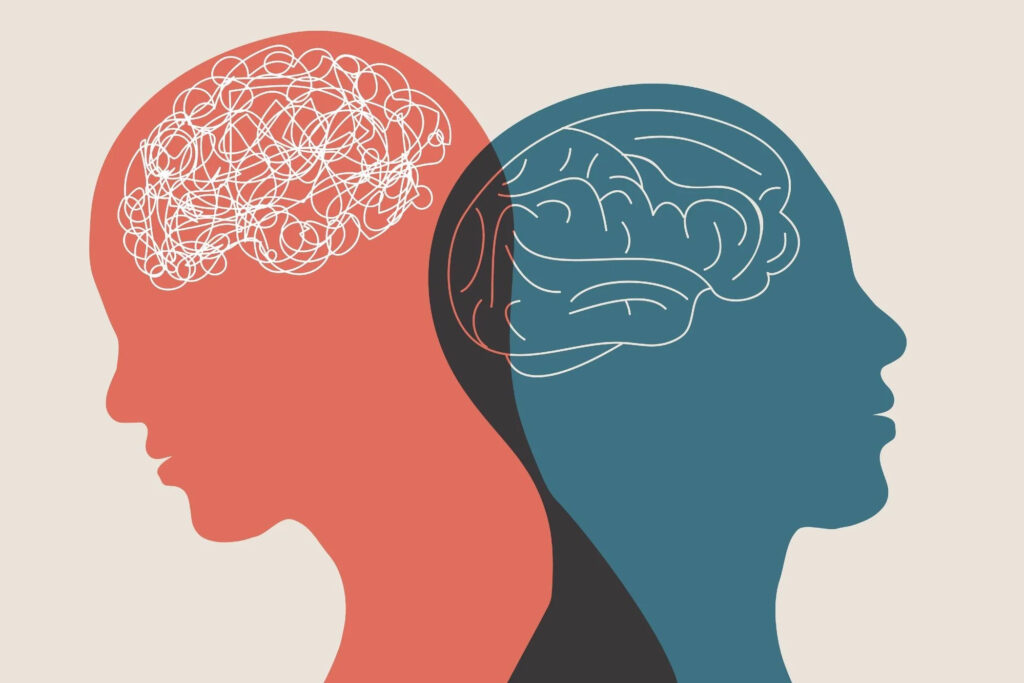
March 16 to 20 is Neurodivergent Celebration Week! This week is a time to challenge the stereotypes and misconceptions that are often associated with being neurodivergent. It is also a time for people to celebrate the beauty of different ways of thinking and experiencing the world.

Neurodivergence, or neurodiversity, refers to the neurological differences that can be found in some people’s brains. Some examples of neurodiversity are dyspraxia, autism, ADHD, and dyscalculia. With different brains and ways of thinking come unique strengths and challenges. Often, environments and systems are not set up for neurodivergent people in ways that support their ways of learning and processing.

Neurodiversity might be a term that has come up more recently, but it is not a trend. Increasing understanding of how people’s brains work and what different people need allows more people to be successful in their lives. Neurodiversity is not something that is outgrown or “cured.” However, the support and coping skills that are needed may vary over a person’s life span.

Neurodivergence is often diagnosed in children. However, for many reasons, a diagnosis might not happen until adulthood. Some people are never officially diagnosed. Stigma, access to assessments, cultural understanding of differences, and financial challenges contribute to someone not being diagnosed.

At Grandview Kids, we strive to provide neuro-affirming services to both clients and their families by learning from the individuals that we work with and approaching treatment and interactions as opportunities to learn together. Happy Neurodiversity Celebration Week!

Eid Al-Fitr: March 19 or 20 (based on the moon)

Eid Al‑Fitr, often shortened to Eid, is a joyful celebration observed by Muslims around the world to mark the end of Ramadan, a month devoted to fasting, reflection, prayer and community. The celebration begins with the sighting of the new moon, so its date can vary by region. Many families start the day with a special morning prayer, then visit loved ones, share meals and sweets, exchange gifts and greet one another with “Eid Mubarak,” meaning “Blessed Eid.” Many families take the day off work or postpone appointments when possible so they can enjoy the celebrations.

A core value of Eid Al‑Fitr is generosity. Zakat al‑Fitr is given by Muslims, a charitable contribution meant to ensure everyone can take part in the festivities, including those facing financial hardship. Eid is also a time to strengthen relationships, heal misunderstandings, reaffirm moral values and extend kindness throughout the community.

At Grandview Kids, recognizing awareness moments like Eid reflects a commitment to inclusion, dignity and family‑centred care. The children and families we support come from diverse cultural, linguistic and faith backgrounds—identities that often influence how families build community, cope with stress and find joy during challenging seasons of care. Small gestures, such as asking families whether cultural or faith considerations may help us support them better, contribute to an environment where everyone feels respected and understood.

Awareness isn’t about everyone celebrating the holiday; it’s about making space for one another. Eid Mubarak to all Grandview Kids families, staff and community members who are celebrating.

Earth Hour: March 28

March 28 marks Earth Hour, a time when millions of people across Canada and around the world turn off their lights for one hour to show their commitment to protecting the planet. What began in 2007 as a symbolic event in Sydney, Australia, has grown into a global movement, engaging communities, businesses and individuals in over 190 countries. Earth Hour is more than just an hour without electricity; it is a call to action, raising awareness about climate change, energy use and the urgent need for sustainable practices.

The significance of Earth Hour lies in its ability to bring people together for a common cause. When households, landmarks and businesses switch off their lights, it sends a visible message of solidarity, showing that collective action can make a difference. Beyond the symbolic act, Earth Hour encourages Canadians to reflect on how daily choices affect the environment and to adopt long-term sustainable habits.

Earth Hour is also a chance to reconnect with nature, whether by spending time outdoors, appreciating the night sky or reducing energy use. It reminds us that every action matters and that Canadians can contribute to a healthier, more sustainable future for generations to come.

Transgender Day of Visibility: March 31

March 31 marks Transgender Day of Visibility, a day to celebrate transgender, non-binary and gender-diverse people across Canada and around the world. The day was founded in 2009 by transgender activist Rachel Crandall to recognize the achievements, contributions and resilience of trans communities while raising awareness of the challenges they face. Unlike Transgender Day of Remembrance, which honours lives lost to violence, this day focuses on visibility, empowerment and recognition. It is a chance to affirm trans identities, challenge stigma and promote understanding in families, schools and communities.

Visibility is important because transgender and non-binary people often experience discrimination, exclusion and misunderstanding. Acknowledging their presence and contributions is a step toward creating safer, more inclusive spaces where all children, youth and families can feel seen and respected. At Grandview Kids, we are committed to being allies by listening to our clients, using affirming language and celebrating diversity in gender identity.

By fostering inclusion, raising awareness and modelling respect, we can help create a community where every child has the opportunity to thrive and be proud of who they are. Visibility matters, and allyship makes it stronger.

National Indigenous Languages Day: March 31

On March 31, we celebrate the 33rd National Indigenous Languages Day, created by the Assembly of First Nations in 1989 and first observed in 1993. The goal of this day is to raise awareness of and build support for the preservation of Indigenous languages across Canada.

There are 64 Indigenous languages spoken across the country, some of which are at risk of extinction. Dedicated advocates have long fought and continue to fight to preserve and revitalize these valuable languages. Below, join us in celebrating their efforts as we recognize and reflect on what the residential school system and colonization threatened to erase: the diverse and beautiful languages that form the founding fabric of our nation.

  • Sol Mamakwa: Sol Mamakwa, NDP Member of Provincial Parliament (MPP) and the only First Nations legislator in the province addressed Queen’s Park in Anishinaabemowin in May 2024, making history. It was the first time an Indigenous language, or any language other than English or French, had been used by officials in the legislature. Sol emphasized that protecting Indigenous languages is central to identity and being a person.  
  • Dr. Ronald Ignace: Dr. Ronald Ignace has been a driving force in the revitalization and protection of Indigenous languages and was the first appointed Commissioner of Indigenous Languages for Canada. His dedication, expertise, academic background in anthropology and sociology, and lived experience earned him the 2019 Governor General’s Innovation Award and the 2024 Inspire Language Award.
  • Gord Downie: Gord’s advocacy to improve the lives of Indigenous Canadians was inspired by the story of Chanie Wenjack, who died in 1966 trying to return home from a residential school. His call to build a better Canada led to the creation of the Gord Downie & Chanie Wenjack Fund, aimed at fostering cultural understanding and promoting reconciliation between Indigenous and non-Indigenous peoples. In June 2017, he was appointed to the Order of Canada for his work in Indigenous rights advocacy.
  • Robert-Falcon Ouellette: Robert-Falcon Ouellette twice made history, achieving milestones in Indigenous languages advocacy. As a Cree member of Parliament, he helped establish standing orders allowing Indigenous languages to be fully translated in the House of Commons and delivered a speech in Cree on January 28, 2019. He was also the first Indigenous knowledge keeper in the Canadian Armed Forces, where he served 29 years, and became the first Indigenous chaplain in 2025. Today, Ouellette continues his advocacy as an associate professor at the University of Ottawa in Indigenous education and serves as director of the French teacher education programs.

Other dates of significance in March:

  • Irish Heritage Month
  • National Epilepsy Awareness Month
  • National Cerebral Palsy Awareness Month
  • Juvenile Arthritis Awareness Month
  • International Wheelchair Day: March 1
  • World Teen Mental Wellness Day: March 2
  • World Hearing Day: March 3
  • World Birth Defects Day: March 3
  • International Women’s Day: March 8
  • International Day to Combat Islamophobia: March 16
  • Laylat al Qadr: March 16
  • St. Patrick’s Day: March 17
  • National Trisomy 18 Awareness Day: March 18
  • Lent: March 18 to April 2
  • St. Joseph’s Day: March 19
  • Nowruz: March 20
  • International Day for the Elimination of Racial Discrimination: March 21
  • World Down Syndrome Day: March 21
  • National Cerebral Palsy Awareness Day: March 25

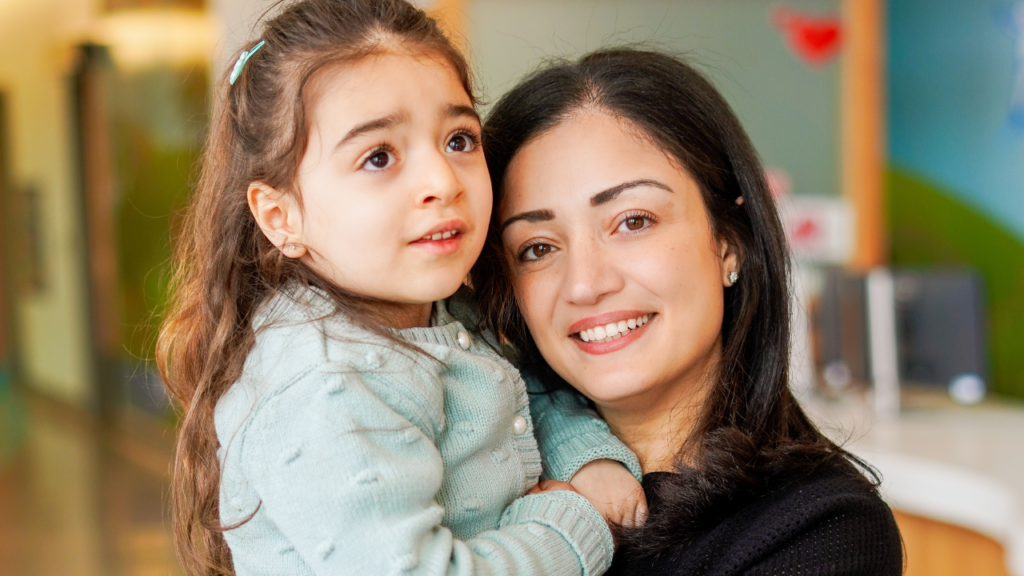
On a gloomy winter morning in Winnipeg, with clouds hanging low and snow clinging stubbornly to the ground, Vince and Michelle brought their two-and-a-half-month-old daughter, Ayla, to The Children’s Hospital of Winnipeg emergency department. They arrived at 9 a.m., but by the time they returned home at 4 p.m., their lives had changed forever. 

Michelle observed that Ayla was having unusual, repetitive body movements. At first, Michelle wondered if these clustered small spasms were simply the newborn startle reflex. Days later, Vince noticed the same movements, and together they searched online looking for answers. They immediately found articles on and videos of infantile spasms that looked exactly like what they were seeing. Over the next few days, they took videos of Ayla’s twitching, which were sporadic and unpredictable. Trusting their instincts and with evidence in hand, they went straight to the hospital. Within the hour, a paediatric neurologist saw the videos and observed Ayla’s spasms in real time. Testing began immediately, infantile spasms were strongly suspected and treatment began that same week. 

Ayla’s epilepsy journey has been anything but straightforward. Over time, she was diagnosed with drug-resistant epilepsy, requiring multiple medication trials. Today, she takes three medications and additional supplements to help manage both large seizures and smaller spasms, which is a delicate balance achieved only through persistence, advocacy and constant reassessment. As Ayla grew, further diagnoses followed, including global developmental delay and cortical visual impairment. Developmentally, she remains at an early infancy level. She does not sit independently, crawl or stand, and feeding requires full support. Despite consistent therapy, her brain struggles to retain what her body practices – a reality many families living with neurological conditions know all too well. 

At the time of Ayla’s diagnosis, her parents were just beginning to find their footing as new parents. Vince, a meticulous planner, signed them up to take every baby class available. They were attending webinars and in-person classes every other weekend. The pregnancy had been normal with no indication that medical challenges lay ahead. They learned that no amount of preparation can ready you for life’s curveballs. Learning how to administer seizure medication to a tiny infant, often by syringe, while navigating sleep deprivation, fear and uncertainty was overwhelming. Emotionally, it marked the beginning of life as “medical parents,” a role they never anticipated.  

Michelle carried a heavy sense of guilt, questioning whether she could have done something differently during pregnancy or delivery, an inevitable but impossible question to answer. Over time, they learned that two things can be true at once: deep gratitude for their daughter, Ayla, and grief for the motherhood and parenthood they once imagined. Both feelings are valid, but sitting with the latter for too long would dim the former.  

After more than a year of treatment and therapy in Winnipeg, Ayla’s medical team felt they had exhausted all local options. Conversations turned to advanced epilepsy care, including possible surgical interventions and the need for broader, specialized supports. With encouragement from family and a strong partnership with their Winnipeg-based care team, the decision was made to pursue care in Ontario. Leaving behind a settled life with established careers, family and home was not easy, but advocating for Ayla meant doing what was best for her future. Ontario offered expanded epilepsy expertise, specialized paediatric care and access to a wider network of supports. Thankfully, Vince’s parents had relocated to Ajax, Ontario, 15 years ago, and welcomed their family and 16-year-old dog, Mikka, into their home during this transitional period in the summer of 2025. 

One sunny day, while driving in Ajax, Ayla’s mom noticed a large, colourful building and asked herself, “What is that place?” That building was Grandview Kids. She searched the internet, and after learning more, told Vince, “Ayla needs to be here.” The family self-referred, and soon after, Ayla qualified to begin receiving services. 

From the moment they walked through the doors, they felt welcomed. The inclusive environment, the warmth of the space and the family-centred approach made an immediate impression. For a family new to Ontario and still feeling like “new parents,” Grandview Kids offered something deeply meaningful: a sense of belonging. 

Today, Ayla is 2 years old and receives physiotherapy, occupational therapy and speech-language pathology services, along with feeding clinic support at Grandview Kids. As they wait for a developmental paediatrician and equipment funding, they are assured by therapists that they are on the right track. Each appointment feels like a step forward, not just in care, but in confidence. Just as importantly, the family is beginning to connect with other Grandview Kids families who truly understand the realities of epilepsy and complex medical needs. 

When Michelle thinks about Ayla’s future, she feels a mix of emotions, like hope, fear, excitement and uncertainty. Will Ayla walk? What will school look like? How independent will she be? As she reflects, one thought stands out. “When you’re a parent, you prepare your child to not need you someday, but you’re never prepared for the possibility that they might need you for the rest of their life.” And yet, there is hope. Seizures are better managed, supports are in place and Ayla is surrounded by a team and a community that sees her potential. 

During National Epilepsy Awareness Month, Ayla’s family wants other parents and caregivers to know that they need to trust their instincts, ask questions, follow up and push for answers and supports, even in the face of pushback or doubt. You are your child’s strongest advocate.  

They also encourage families to meet their child where they are at. Inchstones and milestones look different for every child, especially for those with physical, communication and developmental needs. “If you find yourself comparing your journey to others, always remember to find the glimmers among what can feel like so many triggers.” Epilepsy is not a straight path, as treatment takes time and decisions are complex.  

With the right supports, compassionate care and a community like Grandview Kids, families do not have to walk this journey alone.  

Celebrating National Epilepsy Awareness Month and National Cerebral Palsy (CP) Awareness Month

12-year-old Lorenzo is warm, welcoming and engaging in his own way. Though he is nonverbal, he communicates clearly. He shows interest through his eyes and energy and demonstrates displeasure by pushing an object away or disengaging. He is an extremely happy preteen who still loves to cuddle when he is in the mood and not in pain. Lorenzo lives with his mom, Melecia, and his grandmother, who recently began helping with his care. As a family, they treasure simple moments such as car rides, trips to the mall, watching movies and spending time outdoors. Lorenzo also loves cartoons, for their bright colours and fast movement and riding his adaptive tricycle when the weather allows. 

At two months old, Melecia noticed Lorenzo lying in his bassinet, staring steadily at one side. “It didn’t look right,” Melecia recalls, “So I told our family doctor about it. He said to bring Lorenzo to the emergency department if it recurred, which I did.”  That moment marked the beginning of a long and unpredictable medical journey. Lorenzo was experiencing difficult-to-control seizures and although medications were introduced, they did not bring meaningful improvement.  

Monitoring, testing and sleepless nights turned the hospital into a second home. At The Hospital for Sick Children (SickKids), doctors conducted extensive investigations, including genetic testing. They identified a rare mutation in the KCTN1 gene, a mutation that occurs at conception. Lorenzo was first diagnosed with infantile spasms and later with malignant migrating focal seizures in infancy, a severe and rare form of epilepsy. 

For Melecia, the diagnosis felt surreal. During her pregnancy, she did all that she could to stay healthy, and Lorenzo was born full-term. There was a sense of disbelief; surely something could “fix” this. Melecia learned that epilepsy, especially rare genetic epilepsy, rarely follows a straight line. Brain surgery was not an option because seizure activity affected both sides of Lorenzo’s brain. Instead, doctors focused on medication to calm the electrical misfiring. He tried countless treatments, but eventually, he required a complex combination of medications, including pharmaceutical-grade CBD oil and a strict ketogenic diet. 

The ketogenic diet demanded exact precision, with every ingredient weighed and every ounce mattered. Melecia followed instructions meticulously, determined to do her part while doctors did theirs. The diet reduced seizure activity for a time, but it also took a toll. Long-term restrictions led to fragile bones from calcium deficiency, leading to the difficult decision to pause the diet and slowly rely on a concoction of medications. Like much of Lorenzo’s care, treatment required constant re-balancing. Now entering adolescence, Lorenzo’s seizures are changing again. Hormonal shifts have increased their frequency, and they look different than before. They are not back-to-back emergencies, but they remain unpredictable. 

The impact of uncontrolled seizures in infancy was profound. During critical stages of brain development, repeated seizure activity altered Lorenzo’s developmental path. He was later diagnosed with Level 5 cerebral palsy, cortical visual impairment (CVI) and global developmental delay. Caring for Lorenzo demands constant vigilance as he requires assistance with all daily activities, managed solely by Melecia. Nights can be sleepless as Lorenzo sleeps beside her to monitor if no nurse is available. Every seizure is tracked, and medication is carefully timed. Feeding adds a further layer of complexity as Lorenzo uses both oral feeds and a gastrotomy tube (G-tube). Lorenzo also uses many devices and equipment, including ankle-foot orthoses (AFOs), a manual wheelchair, a stander, a walker and, at one time, a lift. 

Melecia attests that she was thankful she did not have to do it alone, especially in their early, confusing days. SickKids connected the family with Grandview Kids, opening the door to vital services such as occupational therapy, physiotherapy and speech-language pathology. Lorenzo is part of the Durham Region Complex Care Program, delivered in partnership between SickKids, Grandview Kids, Lakeridge Health and Ontario Health at Home, Central East. Having appointments organized locally has eased much of the logistical burden and ensures continuity of care with each team member informed at every point of Lorenzo’s journey. 

Melecia notes that being able to receive social work services through Grandview Kids has been especially meaningful. “Sometimes just having someone to talk to and being connected with other Grandview Kids parents (with their consent) has been a gamechanger.” Being connected to other Grandview Kids families has provided insight, encouragement and community. “At one point, I was a bus driver and was assigned a route with a Grandview child on the bus. It felt so rewarding knowing that I was taking care of a Grandview friend’s child and confidently caring for them as they were my own.” Through Lorenzo, Melecia learned the need for reciprocity in community, knowing when to give and take assistance. 

Still, the weight of caregiving remains heavy, especially when your child is completely dependent due to seizures and profound physical limitations. “You know you’re doing enough, but it’s still never enough,” Melecia reflects. There is always more to research, monitor and manage. Early on in their journey, she made a conscious decision not to lose herself. Shortly after Lorenzo’s diagnosis, she returned to weight training and cardio. What began as physical conditioning became something deeper. “I have to be strong for my son,” she says. “I want him to know that he’ll never outgrow my lap.” As Lorenzo grows, lifting and transferring him safely requires strength. To her surprise, building physical strength also strengthened her mentally. The gym became her outlet, the place where she processed both good and bad news. “I run for me,” she explains, “so that whenever something happens, I know how to handle it.” 

Lorenzo’s life is complex, shaped by seizures and significant physical disability. Yet it is also filled with joy through bright cartoons, busy public spaces, fresh air and family connection. As a medical parent, self-care became essential to Melecia, not optional. She encourages other parents to invest in themselves now, building resilience for the years ahead. Physical and mental strength, she believes, create the foundation needed to weather uncertainty.  

She lives by this belief: people may give up on you, but you dare not give up on yourself.  

  • ⟨
  • Page 1
  • Page 2
  • Page 3
  • Page 4
  • Interim pages omitted …
  • Page 25
  • ⟩

Primary Sidebar

Child Stories

LnRiLWZpZWxke21hcmdpbi1ib3R0b206MC43NmVtfS50Yi1maWVsZC0tbGVmdHt0ZXh0LWFsaWduOmxlZnR9LnRiLWZpZWxkLS1jZW50ZXJ7dGV4dC1hbGlnbjpjZW50ZXJ9LnRiLWZpZWxkLS1yaWdodHt0ZXh0LWFsaWduOnJpZ2h0fS50Yi1maWVsZF9fc2t5cGVfcHJldmlld3twYWRkaW5nOjEwcHggMjBweDtib3JkZXItcmFkaXVzOjNweDtjb2xvcjojZmZmO2JhY2tncm91bmQ6IzAwYWZlZTtkaXNwbGF5OmlubGluZS1ibG9ja311bC5nbGlkZV9fc2xpZGVze21hcmdpbjowfQ==
LnRiLWhlYWRpbmcuaGFzLWJhY2tncm91bmR7cGFkZGluZzowfQ==
ICAudGItaW1hZ2V7cG9zaXRpb246cmVsYXRpdmU7dHJhbnNpdGlvbjp0cmFuc2Zvcm0gMC4yNXMgZWFzZX0ud3AtYmxvY2staW1hZ2UgLnRiLWltYWdlLmFsaWduY2VudGVye21hcmdpbi1sZWZ0OmF1dG87bWFyZ2luLXJpZ2h0OmF1dG99LnRiLWltYWdlIGltZ3ttYXgtd2lkdGg6MTAwJTtoZWlnaHQ6YXV0bzt3aWR0aDphdXRvO3RyYW5zaXRpb246dHJhbnNmb3JtIDAuMjVzIGVhc2V9LnRiLWltYWdlIC50Yi1pbWFnZS1jYXB0aW9uLWZpdC10by1pbWFnZXtkaXNwbGF5OnRhYmxlfS50Yi1pbWFnZSAudGItaW1hZ2UtY2FwdGlvbi1maXQtdG8taW1hZ2UgLnRiLWltYWdlLWNhcHRpb257ZGlzcGxheTp0YWJsZS1jYXB0aW9uO2NhcHRpb24tc2lkZTpib3R0b219IC53cC1ibG9jay1pbWFnZS50Yi1pbWFnZVtkYXRhLXRvb2xzZXQtYmxvY2tzLWltYWdlPSJhMWJlMmUyODAwMWFkMGRlMjBhM2RlZWVlYmE5MDJhMSJdIHsgbWF4LXdpZHRoOiAxMDAlOyB9IEBtZWRpYSBvbmx5IHNjcmVlbiBhbmQgKG1heC13aWR0aDogNzgxcHgpIHsgICAudGItaW1hZ2V7cG9zaXRpb246cmVsYXRpdmU7dHJhbnNpdGlvbjp0cmFuc2Zvcm0gMC4yNXMgZWFzZX0ud3AtYmxvY2staW1hZ2UgLnRiLWltYWdlLmFsaWduY2VudGVye21hcmdpbi1sZWZ0OmF1dG87bWFyZ2luLXJpZ2h0OmF1dG99LnRiLWltYWdlIGltZ3ttYXgtd2lkdGg6MTAwJTtoZWlnaHQ6YXV0bzt3aWR0aDphdXRvO3RyYW5zaXRpb246dHJhbnNmb3JtIDAuMjVzIGVhc2V9LnRiLWltYWdlIC50Yi1pbWFnZS1jYXB0aW9uLWZpdC10by1pbWFnZXtkaXNwbGF5OnRhYmxlfS50Yi1pbWFnZSAudGItaW1hZ2UtY2FwdGlvbi1maXQtdG8taW1hZ2UgLnRiLWltYWdlLWNhcHRpb257ZGlzcGxheTp0YWJsZS1jYXB0aW9uO2NhcHRpb24tc2lkZTpib3R0b219IH0gQG1lZGlhIG9ubHkgc2NyZWVuIGFuZCAobWF4LXdpZHRoOiA1OTlweCkgeyAgIC50Yi1pbWFnZXtwb3NpdGlvbjpyZWxhdGl2ZTt0cmFuc2l0aW9uOnRyYW5zZm9ybSAwLjI1cyBlYXNlfS53cC1ibG9jay1pbWFnZSAudGItaW1hZ2UuYWxpZ25jZW50ZXJ7bWFyZ2luLWxlZnQ6YXV0bzttYXJnaW4tcmlnaHQ6YXV0b30udGItaW1hZ2UgaW1ne21heC13aWR0aDoxMDAlO2hlaWdodDphdXRvO3dpZHRoOmF1dG87dHJhbnNpdGlvbjp0cmFuc2Zvcm0gMC4yNXMgZWFzZX0udGItaW1hZ2UgLnRiLWltYWdlLWNhcHRpb24tZml0LXRvLWltYWdle2Rpc3BsYXk6dGFibGV9LnRiLWltYWdlIC50Yi1pbWFnZS1jYXB0aW9uLWZpdC10by1pbWFnZSAudGItaW1hZ2UtY2FwdGlvbntkaXNwbGF5OnRhYmxlLWNhcHRpb247Y2FwdGlvbi1zaWRlOmJvdHRvbX0gfSA=

From the NICU to the Hockey Rink: Zander & Elliott’s Story 

Celebrating World Prematurity Day! Nine-year-old twins Zander and Elliott are rarely still. Whether on the ice playing double-A hockey, outpacing their peers in cross country or diving into board games...

Latest Updates

  • Grandview Kids and Lakeridge Health open Canada’s first anesthesia procedure clinic in a Children’s Treatment Centre May 6, 2026
  • Ahaana’s magic ears: Speech and Hearing Month May 5, 2026
  • May: Dates of Significance April 30, 2026
  • Building confidence through the power of giving: Norah’s story April 30, 2026
  • A Place Where S Shines: Williams Syndrome Awareness Month April 29, 2026

You Have Questions

We’d like to help you find the answers…

Contact Us Today

© Grandview Kids Built by PeaceWorks

  • About Us
  • Contact Us
  • Privacy
Accessibility Adjustments

Powered by OneTap

How long do you want to hide the toolbar?
Hide Toolbar Duration
Select your accessibility profile
Vision Impaired Mode
Enhances website's visuals
Seizure Safe Profile
Clear flashes & reduces color
ADHD Friendly Mode
Focused browsing, distraction-free
Blindness Mode
Reduces distractions, improves focus
Epilepsy Safe Mode
Dims colors and stops blinking
Content Modules
Font Size

Default

Line Height

Default

Color Modules
Orientation Modules