• Skip to primary navigation
  • Skip to main content
  • Skip to primary sidebar
Grandview Kids Logo

Grandview Kids

Every Child And Youth Living Life At Their Full Potential

  • About Us
    • Vision, Mission and Values
    • The New Grandview Kids
      • Operational Readiness
      • Visiting Grandview Kids’ Ajax Headquarters
    • Our History
    • Leadership
    • Board of Directors and Committees
      • Join our Board of Directors and Committees
    • Annual Report
    • Strategic Plan
    • Policies
  • Calendar
  • Annual Report
    • Strategic Direction 1: Deliver meaningful, efficient client and caregiver outcomes and experiences
    • Strategic Direction 2: Foster a thriving, connected Team Grandview
    • Strategic Direction 3: Collaborate with partners to maximize impact, focusing on Durham Region
    • The New Grandview Kids – The Jerry Coughlan Building
    • 2024-25 Financial Statement
    • Grandview Kids Foundation update
    • Grandview School update
  • Contact
    • Contactez – nous
    • Ajax – Headquarters
    • Bowmanville Health Centre
    • Grandview School
    • Oshawa – Dwyer
    • Port Perry
    • Whitby – Abilities Centre
  • Careers
  • Register
  • Donate
  • Instagram
  • LinkedIn
  • Facebook
  • Services and Programs
    • Audiology
    • Autism Program
      • Autism Spectrum Disorder (ASD) Diagnostic Hub
      • Caregiver-Mediated Early Years Programs
      • OAP Core Clinical Services
      • Entry to School Program
      • Foundational Family Services
    • Blind-Low Vision Program
    • Extensive Needs Service
    • Family Engagement Program
      • Adolescent Transition Program
      • Family Leader Program
        • Family Advisory Council
        • Youth Advisory Council
    • Infant Hearing Program
    • Medical Services
      • Autism Spectrum Disorder (ASD) Diagnostic Hub
      • Complex Care Program
      • Grandview Anesthesia Procedure (GAP) Clinic
      • Hypertonia Clinic
      • Nutrition Services
      • Orthopaedic Clinic
    • Occupational Therapy
    • Physiotherapy
    • Preschool Outreach Program
    • School Programs & Resources
      • Resources for Educators
      • School-Based Rehabilitation
    • Service Navigation
      • SmartStart Hub: Parents
      • SmartStart Hub: Partners
    • Social Work
    • Speech-Language Pathology
      • Augmentative and Alternative Communication
    • Therapeutic Recreation
  • Purchased Services
    • Beyond the Walls
    • Summer Camp 2026
    • OAP Core Clinical Services
      • Behaviour Services
  • Research
    • Get involved in research
    • IDEA Study
      • Building knowledge and understanding of the intersection of race and disability in accessing pediatric rehabilitation services.
    • Research Associate: Dr. Fiona Moola
    • Research Associate: Dr. Meghann Lloyd
  • Resources
    • Ability Acceptance Program
    • Arriving at Grandview Kids
    • Community Supports & Resources
    • Family Support Fund
    • Free to Read Program
    • Frequently Asked Questions
    • Gather by Grandview Kids
    • News and Updates
    • Privacy
    • Resources for Parents and Caregivers
    • Visiting Grandview Kids
  • Support Us
    • 50/50 Lottery
    • Ways to support
    • Host a fundraiser
    • Participate in an event
      • Golf Fore Grandview Kids
      • Sponsor the Drum
      • Dream Big, Dream Brighter Awards Gala
    • Leave a legacy
      • Gifts of securities
      • Gifts of bequests
      • Gifts of life insurance
    • Your impact
    • Building a Legacy: Honouring Jerry Coughlan
  • I Want To…
    • Connect with Grandview Kids
    • Donate
    • Refer a child or youth
    • Register via My Community Hub
    • Schedule an Appointment
    • Volunteer at Grandview Kids
    • Work at Grandview Kids
  • Grandview School
    • About Our Program
    • About Our Board
    • Grandview School Social Story
    • Plans and Reports
    • Resources for Families
    • Resources for Schools – Switch It Up!
    • Careers and Volunteering
    • Contact Grandview School
  • Search

Posted October 23, 2025

Henley’s journey with Kabuki Syndrome: Kabuki Syndrome Awareness Day

Awareness Days

Written by Grandview Kids parent, Laura 

Kabuki syndrome is a rare genetic disorder affecting 1 of every 32,000 births worldwide. Children with Kabuki Syndrome may experience a variety of symptoms, including mild to moderate intellectual impairment, growth delays, low muscle tone, feeding issues, swallowing difficulties, heart defects, cleft palate or other mouth issues, skeletal abnormalities, including hip dysplasia, visual and hearing impairments, autistic behavioural challenges, developmental delay and possible seizures. It is a spectrum disorder, meaning that every child is affected differently, like many genetic disorders.  

Henley was born 5 lbs 19 oz with both of his hips dislocated (hip dysplasia) and with two sacral dimples, an ear pit and was hard to feed formula or breast milk.  We were told that the signs may be a genetic disorder and something we should test for. He had low blood sugar and, for a short period of time, was in the Neonatal Intensive Care Unit (NICU), where my husband and I visited him and tried to do feeds, which never went very well.  

At 2 months old, he was small and still looked like a newborn. He had been vomiting after any formula he managed to ingest and had been diagnosed with reflux. He was placed on two medications for this. He was deemed “failure to thrive” and was admitted to the hospital for daily weight checks, observation and to have a nasogastric (NG) tube inserted for feedings. At age 7 months, he had an inguinal hernia repair, which expedited Henley’s access to a gastrostomy tube (G tube) for feedings. As a mom with a nursing background, I had a really hard time with both, but especially the G tube. It felt so permanent. I felt like I had failed him and didn’t want this for my child.  

Grandview Kids has been a big part of our journey and is there for every step. Our social worker here really helped talk us through the diagnosis, the grief associated with this and how it was okay to have all the feelings while still being proud of how far you’ve come from the beginning.  

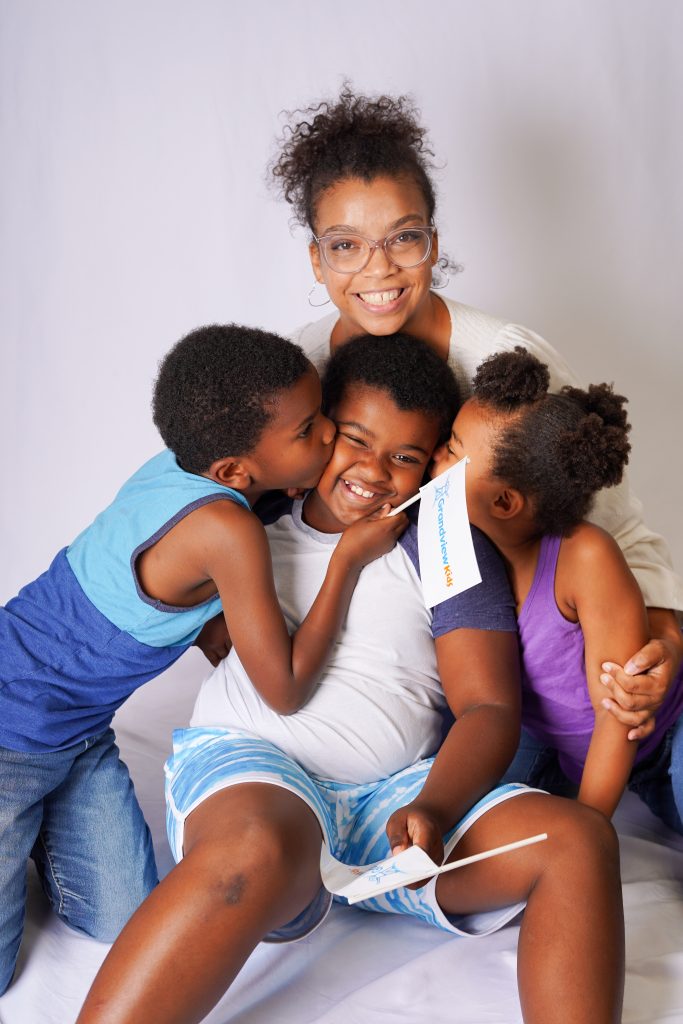
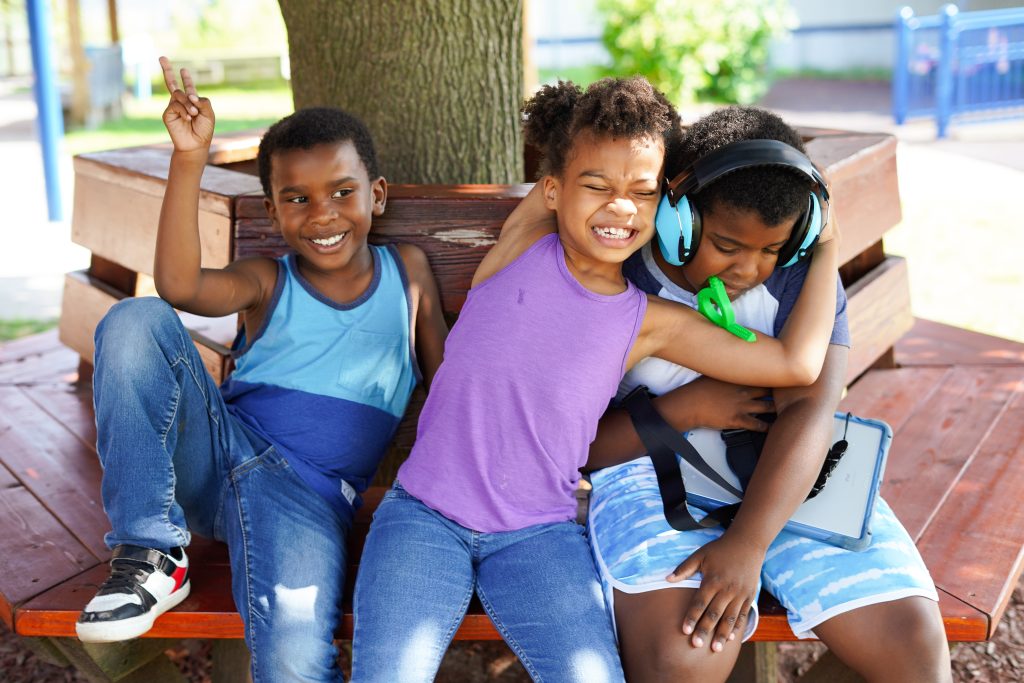
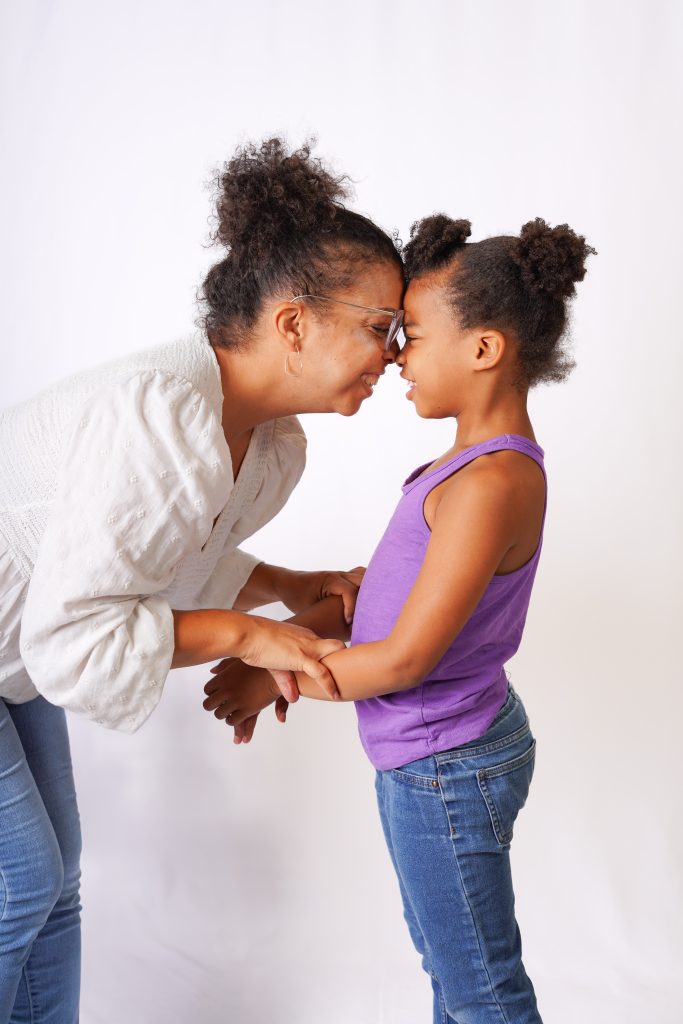
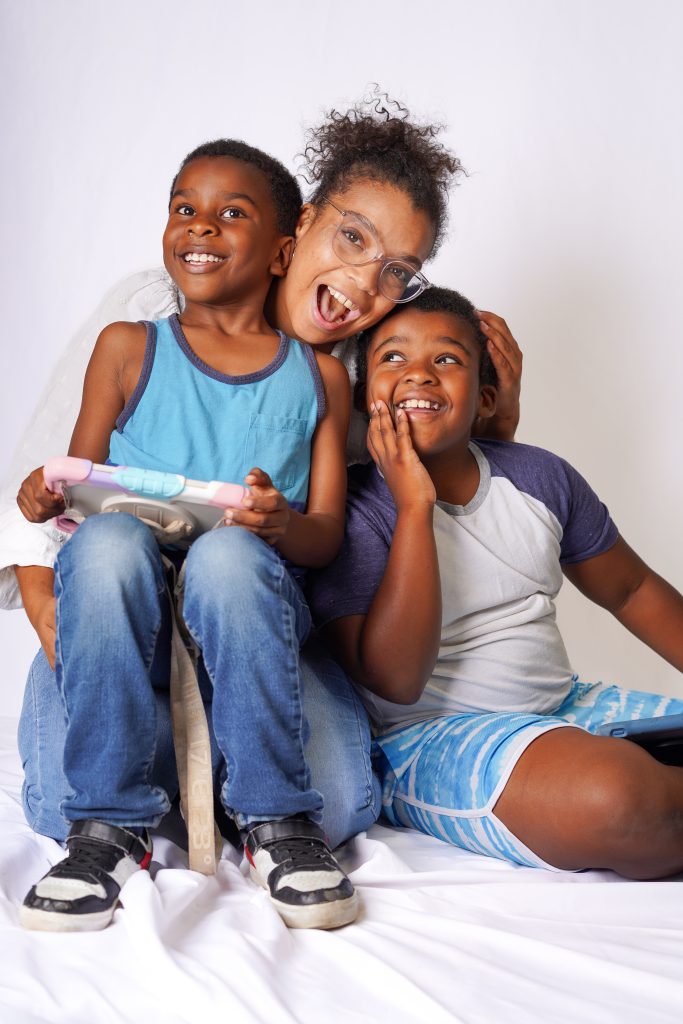
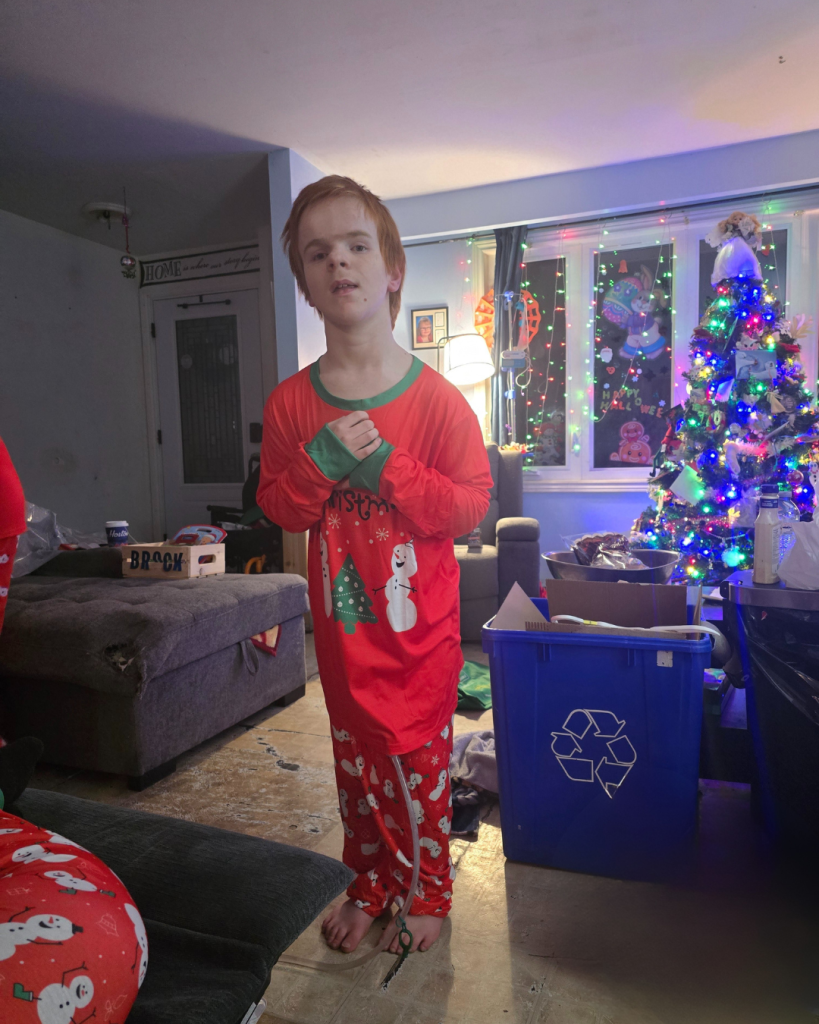
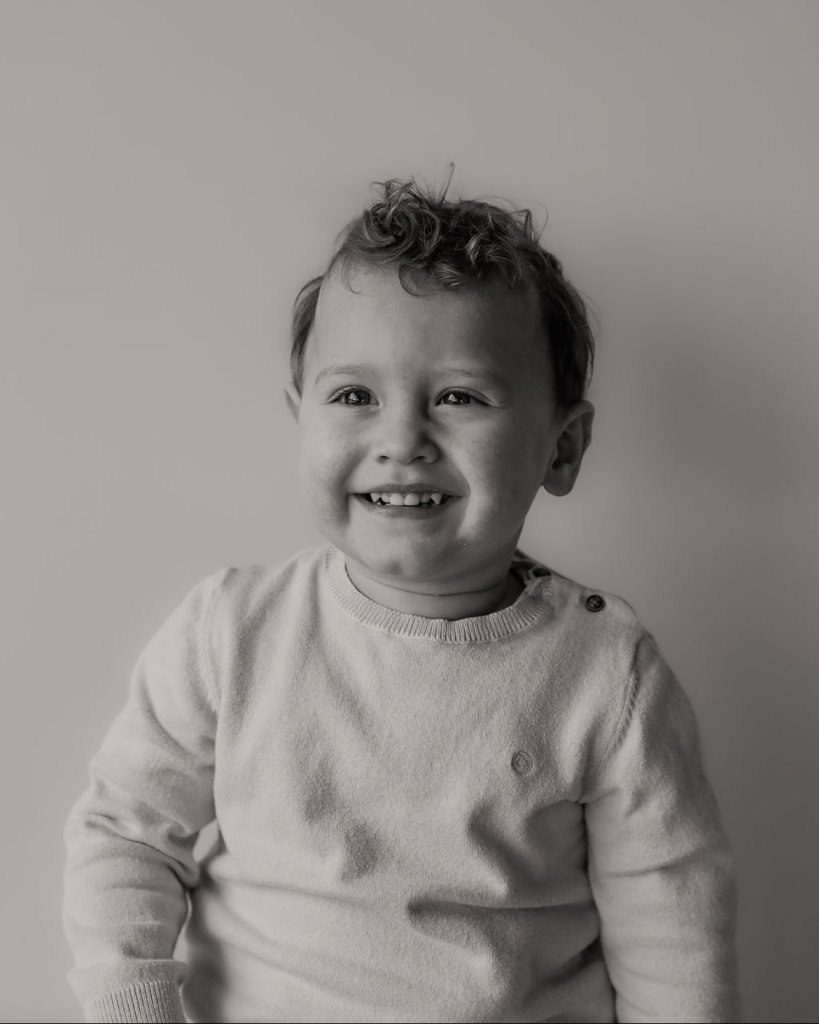
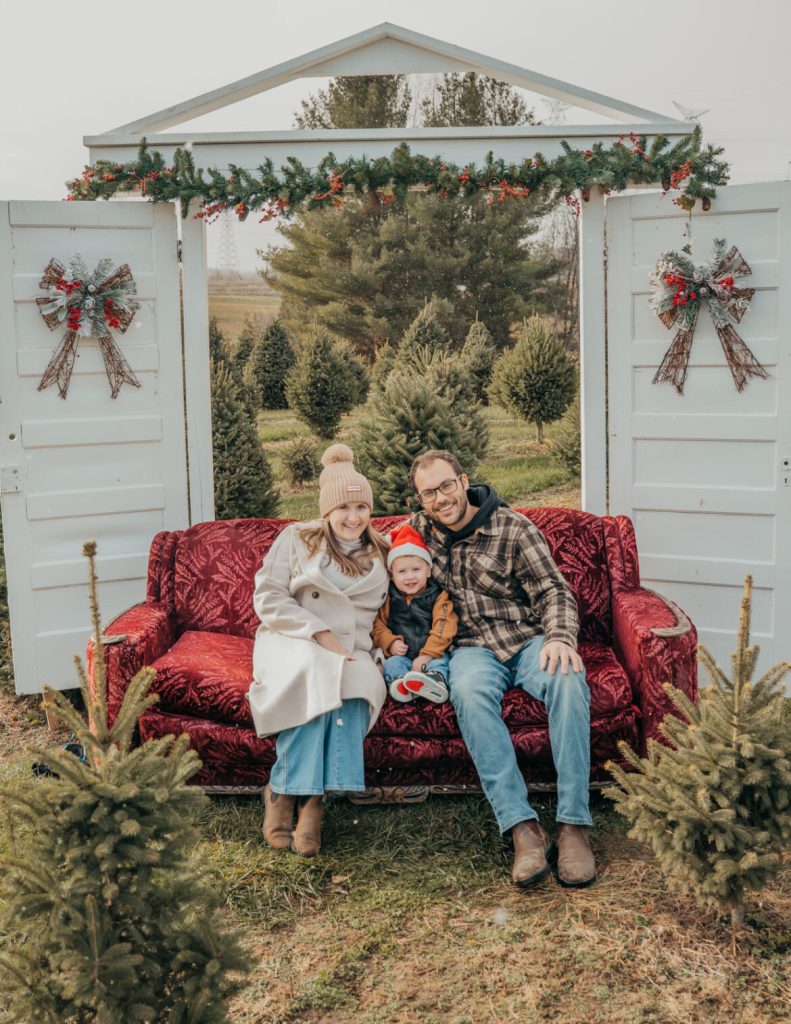
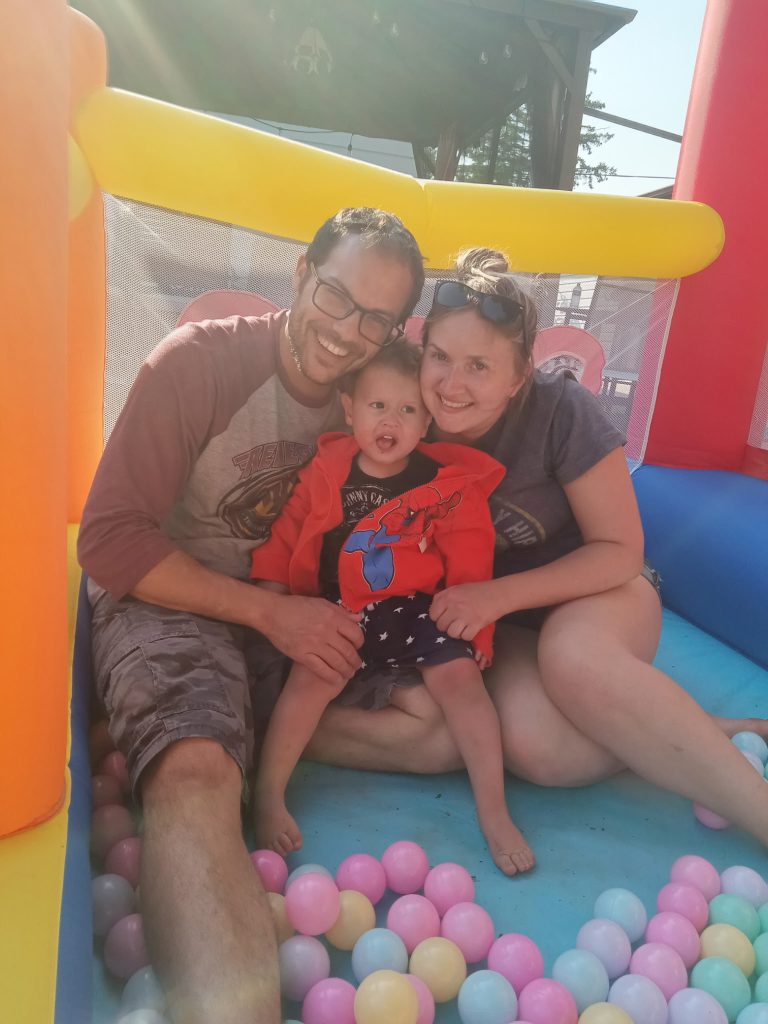
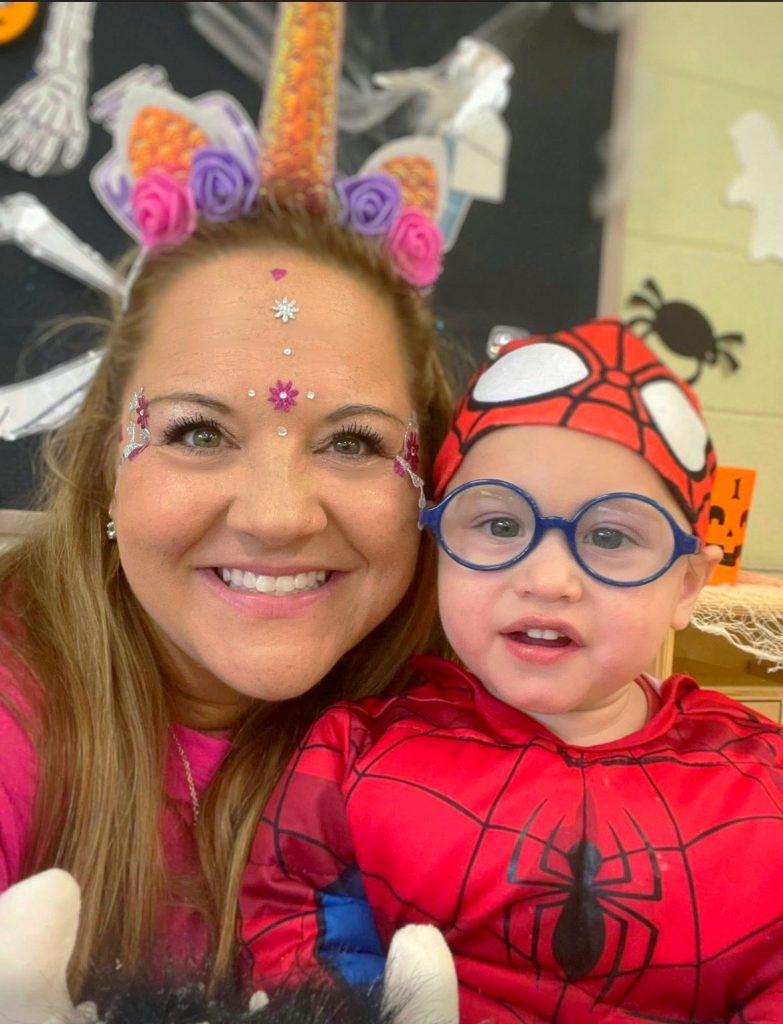
Henley and his mother, Laura

While we struggled with all of this, we underwent testing for genetic disorders. There are two mutations that cause Kabuki syndrome: KMT2D & KDM6A. Weeks later, it came back, and Henley tested positive for the KMT-2D gene. Henley had Kabuki syndrome. After seeing the geneticist, we were referred for early intervention services at Grandview Kids, including participation in the Complex Care Program, delivered in partnership with The Hospital for Sick Children (SickKids), Grandview Kids, Lakeridge Health and the Ontario Health at Home, Central East.  

Prior to Henley’s Kabuki syndrome diagnosis, we had already been seeing different specialists at SickKids, primarily orthopaedics, having biweekly ultrasounds and then hip x-rays as he grew. He was placed in a leg brace so we couldn’t bathe or put our baby in pants for months. It was hard, but we were hopeful this would help. It didn’t.  

We had Grandview Kids for support through the Complex Care Program, occupational therapy, speech-language pathology, physiotherapy, dietetics, feeding therapy and social work consults throughout Henley’s hurdles. We also travelled to SickKids for many specialist appointments.  

For Henley, Kabuki syndrome involved mostly feeding problems, hip dysplasia, low muscle tone as a baby and developmental delay. He missed most milestones. After a swallowing assessment, he was discovered to be mildly aspirating fluids. At this time, we tried to thicken fluids and, as he aged, continued to do swallowing assessment at SickKids radiology, which eventually he was no longer having tracheal aspirations, so we could “try to feed.”  

This was terrifying and exciting at the same time. My baby hadn’t had bottles or formula. He started having thickened water and eventually purées. With his G Tube feeds, we would give him opportunities to eat/taste and play orally with food. We did a lot of it by trial and error and just kept going, even when I was nervous. It was a long road, but at 2 years 7 months old, Henley became a feeding tube graduate and was discharged from Grandview Kids’ Complex Care Program. We know this isn’t everyone’s journey, as many Kabuki kids we follow online still have feeding tubes and feeding struggles. 

At age 1 year 10 months, Henley also underwent a lengthy 5-hour surgery for his hip. He had hip dysplasia surgery with a pelvic osteotomy (t pins inserted into the hip for proper angle and alignment). He was in a full body cast from his chest down to his ankle on one side, including a “window” for his G tube. We had to watch the cast wasn’t too tight, and we lived on a mattress in our living room for 6+ weeks. After surgery, Henley celebrated his 2nd birthday fresh out of a cast with limited movement and spent his day on the couch.  

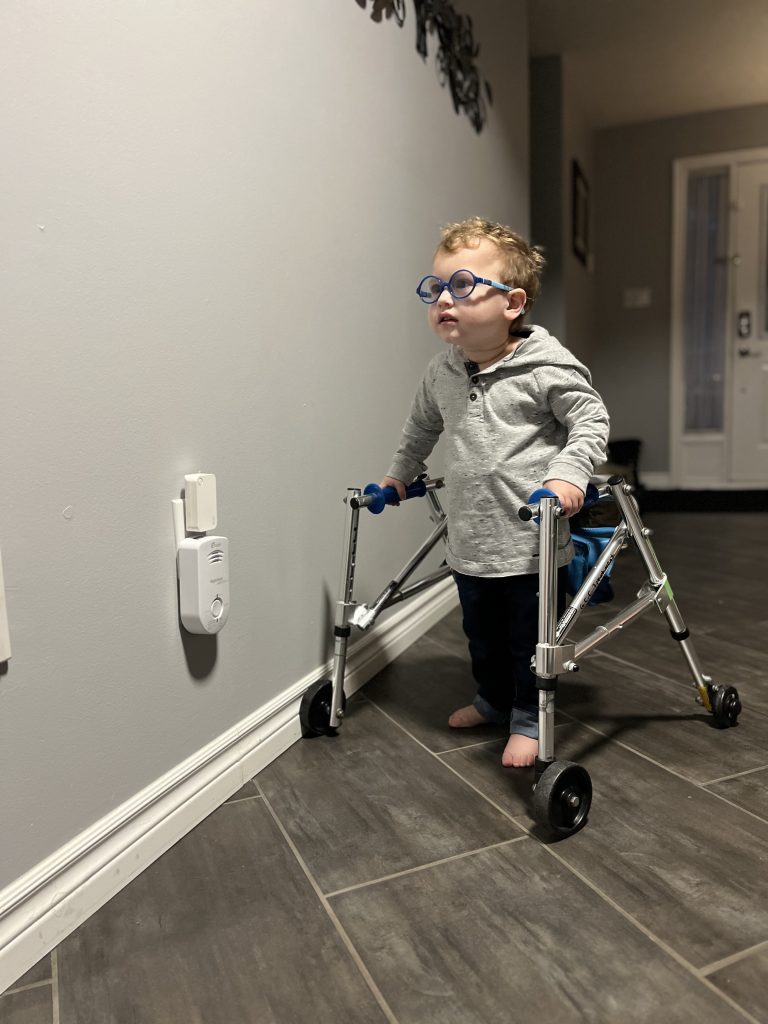
He had to learn to sit up again at age 2. He gained strength and eventually walked with his shopping cart and then independently. He couldn’t have physiotherapy for months after surgery, as his surgeon wanted him to access this care when he was ready for it. Henley is now walking independently and can walk up stairs with assistance. He is eating orally–a lot of “beige foods” and carbs–but he’s eating! His favourite foods are strawberries, popsicles, pizza and cheese and crackers.  

The entire journey, especially in the early days, was a blur. He has been through so much and come so far. Henley is now 3 years 5 months old, has started Nursery School and is thriving. He stims a lot with his autism spectrum disorder (ASD) and seems to enjoy the routine. We are amazed every day by our boy. He is non-verbal, developmentally delayed and has had a diagnosis of autism received through a developmental paediatrician at Grandview Kids.  

We are so proud of how far Henley’s come, especially when we share our story. I hope this helps anyone with a new genetic diagnosis, including Kabuki syndrome. You are not alone, and my best advice would be to reach out online, find support groups or others going through similar experiences, whatever that may be.  

To show your support, I encourage you to wear green on October 23rd for Kabuki Syndrome Awareness Day! 

In October, we acknowledge Occupational Therapy Month, International Augmentative Alternative Communication (AAC) Awareness Month, National Disability Employment Awareness Month, Rett Syndrome Awareness Month, Learning Disabilities Awareness Month, Global Diversity Awareness Month, Canadian Islamic Heritage Month, Women’s History Month, National 2SLGBTQIA+ History Month, World Cerebral Palsy Day, World Mental Health Day, International Day of the Girl Child, Person’s Day, Invisible Disabilities Week, International Stuttering Awareness Day, International Dwarfism Awareness Day, World Spina Bifida and Hydrocephalus Day, World Occupational Therapy Day and World Stroke Day.

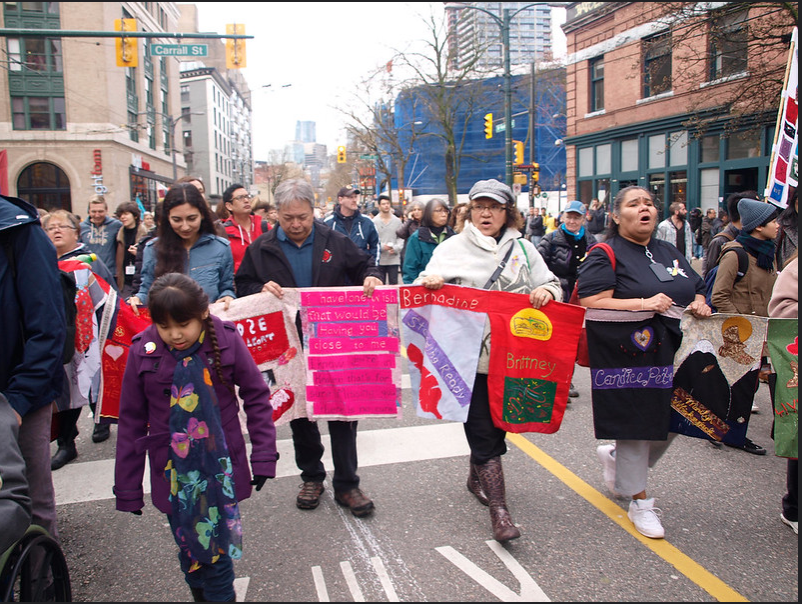
Below, read more about each date of significance, written by members of our Inclusivity, Diversity, Equity and Accessibility (IDEA) Committee.

Occupational Therapy Month

October is Occupational Therapy Month, a time to celebrate the vital role occupational therapists play in helping people live full and independent lives. Occupational therapy, or OT for short, is a health profession that helps you or your family member develop the skills needed for day-to-day activities when these abilities have been hampered by injury, illness, chronic disease, mental health issues, developmental delays, learning problems, the impacts of getting older or other health factors.

OTs use different approaches to help meet your needs, including:

  • Therapy programs for physical, cognitive, behavioural or mental health problems
  • Introducing alternative ways of doing things
  • Modifying your environment with accessible design and ergonomic solutions
  • Prescribing assistive devices
  • Consulting with families or caregivers

Learn more about occupational therapy at Grandview Kids from our occupational therapist, Natasha S., here.

International Augmentative Alternative Communication (AAC) Awareness Month 

October is International Augmentative and Alternative Communication (AAC) Awareness Month, a time to recognize the vital role AAC plays in helping people express themselves and connect with others. AAC can include using pictures, a tech device, sign language, writing things down, body language or any other way of communicating that isn’t speaking. For some, AAC is their primary means of communication. For others, it provides essential support when speech is limited. AAC Awareness Month is an opportunity to learn more about the many ways people communicate and connect.

Article 12 of the United Nations Convention on the Rights of the Child says, “Children have the right to say what they think should happen and have their opinions taken into account.” Having different ways to communicate is essential for children to express their needs and share their thoughts.

Books like Roz MacLean’s More than Words: So Many Ways to Say What We Mean explore communication options and devices that children might use.

Think about the different ways you communicate. Texting, emojis and memes are all ways to get a message across without speaking. Our words are powerful and important, no matter how we choose to express them.

National Disability Employment Awareness Month

October is National Disability Employment Awareness Month, a time to promote inclusion and fair employment practices for people with disabilities. The month raises awareness that individuals with disabilities have the right to equal opportunities to work and contribute their skills. It also encourages employers and communities to remove barriers, provide support and create environments where everyone can work and feel valued.

At Grandview Kids, employees and summer students with disabilities help shape our workplace, programs and events. Through their lived experiences, they offer valuable insights into both challenges and solutions, helping us make our spaces more inclusive and accessible.

Guided by the Accessibility for Ontarians with Disabilities Act (AODA), we are committed to identifying and removing barriers to ensure fair opportunities for all.

Not hiring someone because of a disability is not only illegal under Canadian human rights and accessibility laws, it also means missing out on diverse perspectives and valuable skills. Discrimination can lead to legal complaints, fines and reputational harm. Inclusive workplaces thrive by becoming stronger and more innovative.

This month is a reminder to value every perspective, regardless of physical or intellectual barriers, and to create workplaces where everyone feels welcome.

Rett Syndrome Awareness Month

October is recognized as Rett Syndrome Awareness Month, a time dedicated to raising awareness and understanding of this rare and complex neurological disorder.

Rett syndrome is a genetic condition that primarily affects girls and leads to severe impairments in speech, motor skills and cognitive development after an initial period of typical growth. It is most often caused by mutations in the MECP2gene and usually becomes apparent between six and 18 months of age.

Common symptoms include loss of purposeful hand use, difficulties with walking, irregular breathing and seizures.

Organizations such as the International Rett Syndrome Foundation lead efforts throughout the month to educate the public, support families and fund vital research. Through community events, personal stories and educational outreach, Rett Syndrome Awareness Month helps drive progress toward better treatments and, ultimately, a cure. It also fosters a supportive community for those affected by the disorder.

Learning Disabilities Awareness Month

October is Learning Disabilities Awareness Month. Learning disabilities are brain-based and have nothing to do with intelligence, capability, effort or character. One in every 10 Canadians has a learning disability (LD), and ADHD co-occurs with LDs 30 to 40 per cent of the time. Among Canadians with an LD, 96 per cent also have at least one other disability.

Sadly, 68 per cent of youth with learning disabilities experience mental health challenges. But we can change that. Together, we can ensure everyone has the opportunity to access their right to learn and the power to achieve.

This month is a time for inclusion, to learn the facts and to reflect on strengths, empowerment and the importance of removing the stigma around learning disabilities.

Grandview Kids mom and HR generalist Vera O. shares her family’s diagnosis and how she navigates her son Noah’s life with learning disabilities.

My son Noah has several identified learning disabilities, along with ADHD and a mild form of autism. He is also exceptionally brilliant, creative, capable, an entrepreneur and a humanitarian and philanthropist. I was cautioned to manage my expectations and accept that he would struggle and have limitations. I saw beyond that. I saw potential. I knew he could do or be anything.

I reached out to agencies, including Grandview Kids. I committed to learning how he learns — what works, what makes it more challenging, how he processes information. Sure enough, he can process like everyone else, sometimes more efficiently and better than average. With support, tools, strategies, practice, patience and encouragement, I have found that he can succeed. Does it matter how he gets from point A to point B? What matters is that he gets there.

I clearly recall when he was six, struggling to learn to read and recall information. There was a tiny voice expressing frustration, fear and shame. I told him, “I am here. You can and you will. I will be here. Together, we will.” I turned learning into a game, with short sessions, character voices and sounding out words. The key was consistency. We practised language use by making up stories about what we read.

I rewarded his progress with quality time doing things he enjoyed. I did the same with handwriting, providing the tools he needed. An occupational therapist from Grandview Kids worked with him at school and recommended special writing paper. I rewarded him for every legible page and recognised his success.

It was Noah who insisted in grade nine that he was capable and wanted to be in a fully mainstream high school like everyone else. With encouragement, study help and tutors at first, he began realising success. He put in extra effort and started getting A’s. One day he said, “Mom, I may have to work harder than everyone else, but I can do what everyone else can do.” I smiled and replied, “Yes, you can, you are, and I’ll bet you can do even more. Nothing is out of your reach.”

There are challenges — frustration, escalation, undeserved shame, embarrassment and even anger. It is amazing how those barriers to success can be removed with support, tools and encouragement. I believe it is about someone believing in you, showing they believe in you, and eventually you believing in yourself.

At age five, Noah raised $330 for Sick Kids Hospital. He didn’t want gifts. He wanted to help sick kids because it isn’t fair to them. At age 12, he started his own business, Water on Wheels, and made $220 on his first day. He is now in grade 12, has a part-time job, is achieving excellent grades, has nearly completed his volunteer hours and self-manages. He intends to pursue a skilled trade in carpentry or mechanics. We still celebrate his wins.

Having a learning disability does not need to be a barrier. It needs to be identified, supported and a new path to success established. Success is possible.

Global Diversity Awareness Month

Global Diversity Awareness Month is a time to recognize and celebrate the many cultures, backgrounds and perspectives that make our world and our organization unique.

Why is diversity important?
Diversity means having people from different races, cultures, religions, genders, ages and abilities. When we work with people who are different from us, we learn new ideas, see things from different perspectives and grow as individuals and as a team.

Diverse teams are stronger because they bring together many voices. This helps us solve problems more effectively, be more creative and make everyone feel included and respected.

How can we support diversity?

  • Learn about other cultures
  • Read a book , watch a documentary or attend a cultural event.
  • Listen and ask questions. Be curious and respectful when learning about someone’s background or experiences.
  • Speak up. If you see unfair treatment or exclusion, say something or support someone who does.
  • Celebrate differences. Share your own story and encourage others to do the same. Every voice matters.

Global Diversity Awareness Month reminds us that our differences are our strengths. When we embrace diversity, we help build a better world. Let’s celebrate each other, learn from one another and continue growing together!

Canadian Islamic Heritage Month

Every October Canada celebrates Islamic Heritage Month honouring the rich history, culture and contributions of Muslim communities across the country and around the world. The first recorded presence of Muslims in Canada dates to the 1860s during the country’s early state formation. Today Islam is the second most widely declared religion in Canada after Christianity with diverse and thriving communities from South Asia, the Middle East, Eastern Europe, sub-Saharan Africa and beyond. Together these communities bring a wealth of traditions, languages and experiences that continue to shape and enrich Canadian society.

Islamic Heritage Month is not only about celebrating identity and culture it is also an opportunity to reflect on the profound impact Muslim scholars, scientists and innovators have had on shaping the modern world. Between the eighth and 14th centuries during what is known as the Islamic Golden Age Muslim thinkers made groundbreaking advances in medicine, astronomy, mathematics, engineering and the sciences centuries before similar developments in Europe.

Their work laid the foundation for modern technology and scientific thought. However, these contributions have often been overlooked or undervalued in Western narratives, which have tended to disregard the achievements of Muslim scholars. Islamic Heritage Month challenges these omissions by highlighting a legacy of knowledge, innovation and progress that continues to shape our world today.

Notable figures like Al-Khwarizmi, known as the father of algebra, whose work introduced the term and laid the groundwork for algorithms that power modern computing, made lasting contributions to mathematics. In the field of engineering, Al-Jazari designed intricate automated machines, including water clocks and mechanical devices described in his landmark 13th-century manuscript The Book of Knowledge of Ingenious Mechanical Devices. These scholars exemplify the profound impact of Muslim heritage on science and innovation, reminding us of the enduring value of curiosity, knowledge and creativity in shaping the modern world.

As we observe Canadian Islamic Heritage Month, let us take this opportunity to learn, and appreciate the rich legacy of Muslim communities, past and present, and their ongoing contributions to a stronger, more inclusive Canada.

Women’s History Month

Women have shaped Canadian history through their contributions in the military, law, social movements, human rights advocacy, education, medicine, athletics, political leadership and science.

To recognize these achievements, October is marked as Women’s History Month in Canada. The federal government officially designated the month in 1992 to celebrate the vital role women and girls have played in building a stronger, safer and more inclusive country. From courage and tenacity to brilliance and leadership, their efforts have helped Canada move closer to becoming a culturally rich, fair and just society.

This October, honour our heritage by learning more about the trailblazing women who have helped shape our nation’s history.

  • Viola Desmond, Canadian antiracism activist
  • Jeanne Mance, the founder of Canada’s first hospital
  • Emily Stowe, the first Canadian woman physician
  • Elsie Knott, the first Canadian woman First Nation Leader
  • Dr. Roberta Bondar, the first Canadian woman astronaut in space

National 2SLGBTQIA+ History Month

October is National 2SLGBTQIA+ History Month, a time to honour the histories, contributions and resilience of 2SLGBTQIA+ community. Throughout this month we reflect on the struggles for equity and human rights, and celebrate the individuals and movements that have helped shape a more inclusive Canada. From advocacy for legal protections to groundbreaking cultural and political leadership, 2SLGBTQIA+ people have played a vital role in building a more just and compassionate society.

By learning about 2SLGBTQIA+ history, Canadians can better understand the importance of inclusion, representation and solidarity. Recognizing the achievements and lived experiences of 2SLGBTQIA+ individuals helps foster a society where everyone is valued, respected and free to live authentically.

World Cerebral Palsy Day: October 6

World Cerebral Palsy Day is marked each year on October 6 to celebrate the lives and achievements of people with cerebral palsy and to raise awareness about the challenges they face. The day brings together individuals, families, organizations and communities around the world to advocate for inclusion, accessibility and equal opportunities.It is a reminder of the need to break down barriers, support innovation and promote understanding so that people with cerebral palsy can live independently and with dignity.

World Mental Health Day: October 10

October 10 is World Mental Health Day, a time to recognize that mental health is a vital part of overall well-being. Yet it remains widely misunderstood, often overlooked and still stigmatized. Around the world, millions of people face mental health challenges every day, challenges that affect relationships, work and quality of life. From anxiety and depression to more complex conditions, mental health concerns exist in every culture, age group and community.

Raising awareness is only the first step. Supporting mental wellness means creating environments that value empathy, education and access to care. It begins with listening without judgment, speaking openly about mental health and ensuring no one feels alone in their struggles.

This World Mental Health Day, let’s recommit to building a society where mental health is treated with the same importance as physical health, a place where seeking help is viewed as a strength. Through understanding and connection, we can promote mental wellness and ensure support is always within reach.

International Day of the Girl Child: October 11

The International Day of the Girl Child, observed annually on October 11, highlights the rights, challenges and potential of girls around the world. Established by the United Nations in 2011, the day draws attention to issues such as gender-based violence, access to education, child marriage and inequality in health care and leadership opportunities. In Canada, organizations and communities mark the occasion with events, campaigns and advocacy efforts aimed at empowering girls and promoting gender equity. The day serves as a reminder of the importance of investing in girls’ futures and amplifying their voices in shaping a more inclusive society.

Person’s Day: October 18

October 18 marks Person’s Day, a time to honour the 1929 legal victory that recognized women as persons under Canadian law. The decision by the Judicial Committee of the Privy Council allowed women to be appointed to the Senate and affirmed their right to fully participate in public life. The case was brought forward by five Alberta women, Emily Murphy, Nellie McClung, Irene Parlby, Louise McKinney and Henrietta Muir Edwards, who became known as the Famous Five.

The day serves as a reminder of the ongoing pursuit of gender equality in Canada. Events and discussions are held across the country to reflect on the progress made and the challenges that remain. Person’s Day highlights the importance of civic engagement and the continued efforts to ensure equal representation in all areas of society.

Invisible Disabilities Week: October 19 to 25

October 19 to 25 marks Invisible Disabilities Week, a time to raise awareness about the challenges faced by people living with disabilities that are not immediately visible. The week encourages greater understanding and empathy from able-bodied individuals and highlights the need to remove barriers that impact daily life for many.

While some disabilities are more apparent, many are not. It is estimated that one in seven people globally has a disability and that 90 per cent of those are invisible. These can be neurological, mental or physical conditions that may not be obvious but still affect a person’s ability to navigate the world.

Examples of invisible disabilities include:

  • Epilepsy
  • Diabetes
  • Autism
  • Ulcerative colitis
  • Fibromyalgia
  • Long COVID
  • Learning difficulties such as dyslexia
  • Chronic conditions

Invisible Disabilities Week is a reminder that not all disabilities are seen, but all deserve recognition, accommodation and respect.

International Stuttering Awareness Day: October 22

Stuttering is an interruption in fluency when speaking. It can lead to frustration and, in some cases, cause people to avoid speaking altogether.

On October 22, we raise awareness about stuttering and work to debunk the myths that can cause harm to those who experience it. Stuttering can have various causes, including genetic and neurophysiological factors. Some environmental factors, such as stress, negative reactions from others and pressure to stop stuttering, can make it worse.

By creating patient and supportive spaces for people who stutter, we give them the opportunity to speak and be heard. Everyone’s voice matters.

International Dwarfism Awareness Day: October 25

When most people hear the word “dwarfism”, they think only of height. But International Dwarfism Awareness Day is about more than size, it’s about perspective, inclusion and human dignity.

Imagine a world where every counter is too high, where reaching an ATM means asking for help, where clothing rarely fits and where strangers often see your difference before they see you. Too often, people with dwarfism are reduced to stereotypes or comic relief. But real life tells a different story. People with dwarfism are athletes, scientists, teachers, entrepreneurs, parents and advocates. They are shaping communities, leading change and living full, active lives.

Language matters, and respect starts with the words we choose. Preferred terms include “Little Person,” “person with dwarfism” or simply a person’s name. Being aware means using inclusive language that honours dignity and fosters understanding.

Step-stools, adjustable desks, lower light switches and universal design are not extras, they are smart, inclusive ways to build spaces that work for all. What benefits one community often supports many others, including children, seniors, people with disabilities and those recovering from injury or illness.

Dwarfism affects about one in every 25,000 births. There are more than 400 medical conditions that can cause short stature. Dwarfism is not an illness to be “fixed”, while some individuals may require medical care, the most significant barriers are often social, not physical.October 25 is not about sympathy. It is about moving past assumptions, listening to lived experiences and rethinking how we design, include and respect. Dwarfism is not just about height, it is about reminding us that true equity is not measured in inches, but in opportunities.

World Spina Bifida and Hydrocephalus Day: October 25

On October 25, the global community marks World Spina Bifida and Hydrocephalus Day to recognize the rights, remove barriers and celebrate the strengths of people born with spina bifida and those living with hydrocephalus. Spina bifida is a neural tube difference present at birth. With appropriate medical care, equipment and accommodations at school and work, children and adults can fully participate in learning, play and employment.

We encourage community partners to make inclusion concrete through step-free access, accessible washrooms and changing spaces, quiet areas for headaches or sensory breaks, and respectful privacy for catheterization and other routines. We also highlight the importance of “latex-safe” environments. People with spina bifida are at higher risk of latex allergies, and everyday items like gloves and balloons can cause serious reactions. Simple changes, such as using nitrile or vinyl gloves and foil or Mylar balloons, make a big difference. When we design with everyone in mind, we create communities where people can focus on living, not navigating obstacles.

World Occupational Therapy Day: October 27

Occupational therapists play a vital role in improving the health and well-being of individuals by helping people of all ages participate more fully in the activities that matter most to them. Working in partnership with individuals, families and communities, OTs support meaningful engagement in daily life.

From paediatrics to geriatrics, orthopedic rehabilitation to mental health, and community safety to correctional settings, occupational therapists are found across every area of care. Their work focuses on understanding what is important to each person and helping them achieve their goals, whether in work, school, play, self-care or other aspects of daily living.

At Grandview, 47 front-line occupational therapists work across all programs and sites, with several others serving in leadership roles, including the CEO. On World Occupational Therapy Day, we recognize their invaluable contributions to building healthier, more inclusive communities.

World Stroke Day: October 29

World Stroke Day, observed annually on October 29, raises awareness about stroke prevention, treatment and recovery. Stroke remains a leading cause of death and disability worldwide, but many strokes can be prevented through lifestyle changes and timely medical care. The day encourages individuals to recognize warning signs, seek immediate help and support survivors on their journey to recovery. By promoting education and advocacy, World Stroke Day aims to reduce the impact of stroke and improve outcomes for people and families affected by this life-altering condition.

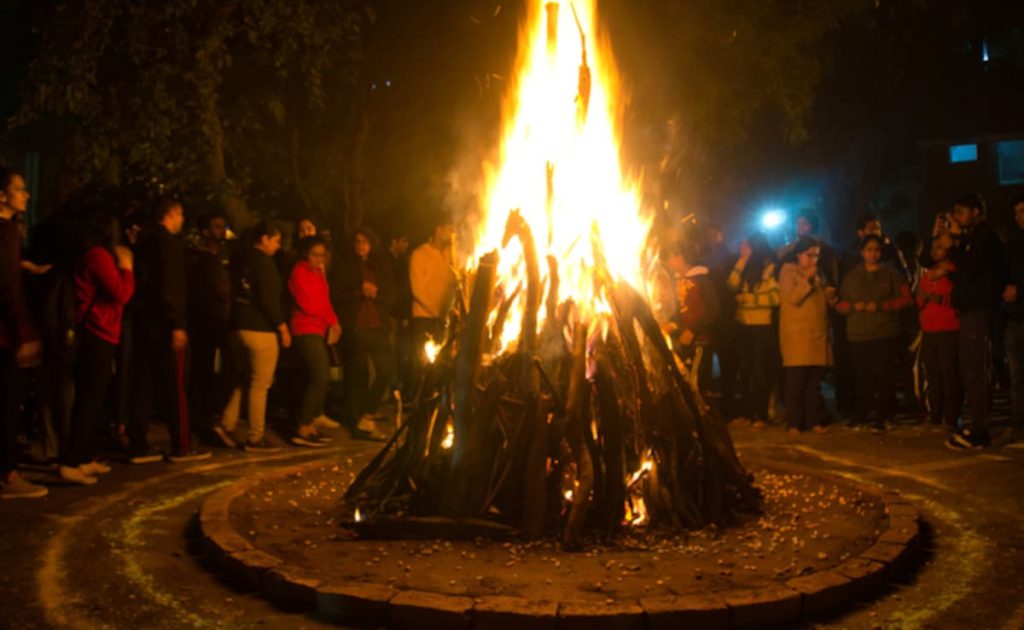
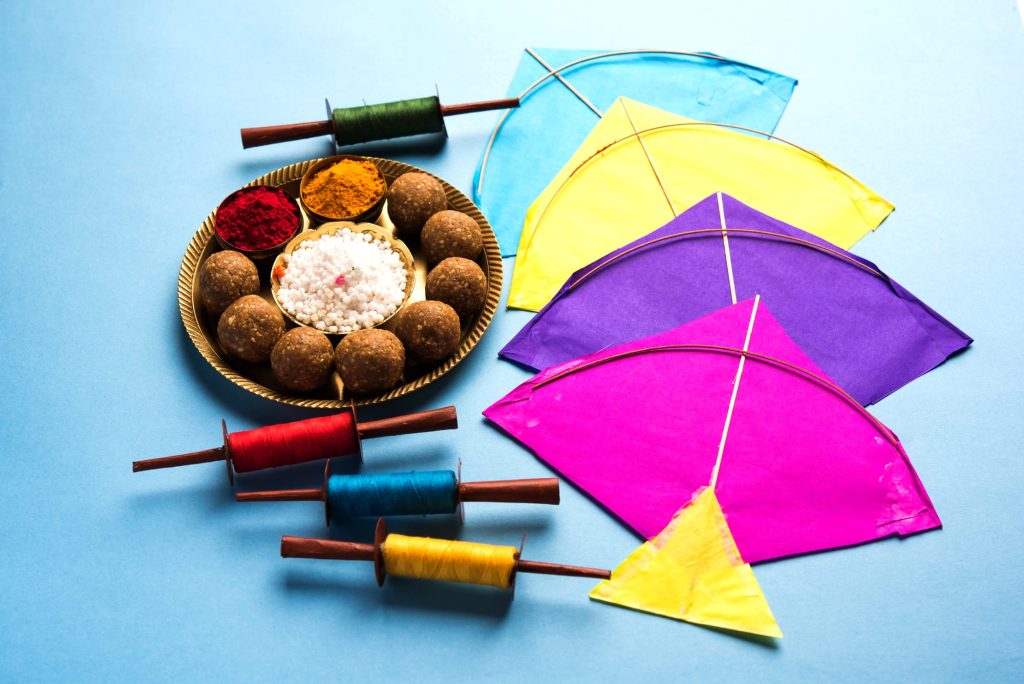
In October, we acknowledge Yom Kippur, Sukkot, Shemini Atzeret, Diwali and Halloween. Read more about each holiday/celebration below, written by members of our Inclusivity, Diversity, Equity and Accessibility (IDEA) Committee.

Yom Kippur: October 1

Yom Kippur, the Day of Atonement, is the holiest day in the Jewish calendar. It falls on the 10th day of the Hebrew month of Tishrei and is dedicated to reflection, repentance and seeking forgiveness.

In 2025, Yom Kippur begins at sundown on Wednesday, October 1 and ends at nightfall on Thursday, October 2. It is observed through fasting, prayer and refraining from work or physical comforts, with a focus on spiritual renewal and reconciliation with others and with God. The holiday marks the end of the Ten Days of Awe, a period of introspection that begins with Rosh Hashanah.

Sukkot: October 6

Sukkot is a week-long Jewish festival that begins five days after Yom Kippur and celebrates both the fall harvest and the Israelites’ journey through the wilderness. Families mark the occasion by building sukkahs, temporary outdoor shelters made of natural materials where meals are shared and in some cases people sleep. The holiday includes rituals involving the lulav and etrog, symbolic plants that are waved in six directions to acknowledge the presence of the divine. Rooted in joy and gratitude, Sukkot brings communities together through tradition, reflection and celebration.

Shemini Atzeret: October 13

Shemini Atzeret is a Jewish holiday observed immediately after the seven-day festival of Sukkot. Its name means “eighth day of assembly” and marks a transition from the agricultural themes of Sukkot to a more spiritual focus. In synagogues, special prayers for rain known as Tefillat Geshem are recited, reflecting the seasonal shift and the importance of rainfall in Israel.

In Canada and other diaspora communities, Shemini Atzeret is often celebrated alongside Simchat Torah, which marks the completion of the annual Torah reading cycle. While some traditions continue to use the sukkah for meals, it is no longer a requirement. The day is recognized as a time for reflection, renewal and connection to faith.

Diwali: October 20

Diwali or Deepavali, also known as the Festival of Lights, is a five-day festival that celebrates the triumph of light over darkness and good over evil. Observed by millions across Canada and around the world, the celebration includes lighting oil lamps called diyas, decorating homes, sharing festive meals and exchanging gifts. The holiday often features fireworks and prayers honouring Lakshmi, the Hindu goddess of wealth and prosperity.

While Diwali is rooted in Hindu tradition, it is also celebrated by Sikhs, Jains and some Buddhists, each with unique historical and spiritual meanings. Sikhs mark the release of Guru Hargobind Ji from imprisonment, while Jains observe the anniversary of Lord Mahavira’s attainment of nirvana. Across faiths, Diwali is a time of joy, reflection and renewal, bringing communities together in celebration

Halloween: October 31

Halloween, celebrated on October 31, is marked by a variety of traditions and events. It began as a time to remember the dead, including saints and martyrs, and has since evolved into a festive occasion enjoyed by people of all ages.

Common ways to celebrate include trick-or-treating, where children dress in costumes and collect candy door-to-door, as well as Halloween parties ranging from family-friendly gatherings to themed events. Pumpkin carving is also popular, with many creating jack-o’-lanterns to decorate their homes. Haunted attractions such as ghost tours and haunted houses draw thrill-seekers, while some communities host themed quizzes, parties and other local activities. Halloween is a time for fun, creativity and community, with customs that vary by region and tradition.

Mya is a bright, joyful 13-year-old whose presence lights up any room. Though she uses a wheelchair, communicates non-verbally and is fed through a g-tube, these details are only part of her story. What truly defines Mya is her love for music, her quirky sense of humour and the way she connects deeply with the people around her. Whether it’s the beat of an Imagine Dragons song, a silly moment with her brother Nicholas or receiving a compliment that makes her smile, Mya’s joy is unmistakable and contagious.

Mya lives in Durham Region with her parents, Karen and Matt, her fun-loving 11-year-old brother Nicholas and their beloved dog and cat. She’s an easygoing, joyful soul who finds comfort in music, stories and connection. When things get tough, all it takes is a song or a silly moment with her brother to bring out her signature laugh, often laced with a sharp sense of sarcasm that only those closest to her can truly appreciate. “She loves people, music and being read to. We know when she wants something even without words. She makes it clear to us through her vocalizations and facial expressions,” says Karen. 

At 15 months old, Mya was diagnosed with Rett Syndrome, a rare genetic disorder that primarily affects girls and impacts nearly every aspect of development. Children with Rett Syndrome are often born without any apparent concerns, only to start losing acquired skills such as speech, movement and even the ability to functionally use their hands as they grow older. As they age, the loss of skills stabilizes, but they do not gain any extra skills. In Mya’s case, her development plateaued around six months. She had learned to sit up but then lost the ability. Karen, trusting her instincts, pushed for answers early. Her paediatrician acted fast and referred her to SickKids for genetic testing.  

“A lot of kids with Rett [Syndrome] are first diagnosed with autism,” Karen explains, “but our doctor saw it right away.” Diagnosed with Rett Syndrome at just 15 months old, Mya began losing developmental skills, such as sitting up and self-feeding. She does not walk, feed orally, speak or have purposeful use of her hands. She has seizures, is g-tube fed and communicates primarily through a computer that tracks her eye movements. Though physically limited, her personality shines through in unexpected ways, from cheeky jokes via her eye-gaze device to a mischievous smile when her brother gets in trouble. “She uses her communication computer to ‘mess’ with people,” Karen laughs. “She’ll repeatedly say ‘all done’ during therapy, just to get a reaction, then giggles about it. That’s her sense of humour.”  

Mya’s condition includes apraxia, a frustrating disconnect between her brain’s commands and her body’s ability to respond. Whether it’s using her eyes to choose a word or reaching toward a toy, it takes an incredible amount of effort. Yet she tries every single day. “She’s trapped in her body, but she’s fully there. You can see her fighting to connect thought and action,” Karen says. 

Despite these challenges, Mya thrives with the proper support. She is fully present, deeply expressive and surrounded by a family that advocates fiercely for her happiness and quality of life. She attends a regular school every day, takes the bus and is known for her love of socializing. Her home has been modified to meet her needs with a bedroom and accessible bathroom on the main floor, complete with a lift. Music remains her greatest comfort. When she’s agitated or tired, the family turns on her favourite songs to calm and soothe her.  

Within a month of her diagnosis, Mya’s family was connected to a team of specialists at Grandview Kids. From physiotherapy and occupational therapy to feeding consultations and a Botox® clinic, Grandview Kids has helped her and her family navigate each new stage of care. Today, Grandview Kids provides Mya with School-Based Rehabilitation (SBR), helping her stay mobile and comfortable both at school and home through the provision of appropriate equipment and modifications to help her live the fullest life possible.   

“Any question about therapy, equipment or funding, Grandview is the first place we go,” shares Karen. “They’ve been exceptional, accommodating and so good with Mya.” 

In the early days, Karen also found comfort in a Grandview Kids , where she connected with other moms navigating similar challenges. “Talking to people who got it, who were going through it too, was invaluable. I learned so much about what to expect, how to advocate and what to ask for at school. It helped me emotionally, too.” 

If Karen could go back to that first heartbreaking day when the diagnosis was confirmed, she’d offer herself a message of hope. 

“I’d tell myself: It’s not going to be easy, but it’s not as bad as you think. Your daughter will be happy. Her life will be good. Different – but good. You can do this.” 

Mya is now facing major surgeries to stabilize her spine and hips, common among girls with Rett Syndrome due to scoliosis and muscle atrophy. The family is preparing for the challenges ahead, but they’re grounded by the joy Mya brings into their lives every day. 

“She’s content, comfortable and knows that she’s loved,” Karen says. “You still worry, of course, but when you see her smiling, it’s hard to feel devastated. We’re lucky in so many ways.” 

Rett Syndrome affects approximately 1 in every 10,000 female births. Though there is no cure, promising gene therapies and new treatments are on the horizon. Families like Mya’s continue to push for research, resources and better care coordination. In the meantime, the support of organizations like Grandview Kids ensures that children with Rett Syndrome are not just surviving, but living joyful, meaningful lives. 

Celebrating International Augmentative & Alternative Communication (AAC) Awareness Month 

In a bright and busy household filled with laughter, bubbles, Doritos and Little People toys, four-year-old Charlie is the heartbeat of her family. With her younger twin sisters, Poppy and Scottlyn, by her side and the support of her parents, Kara and Scott, Charlie’s journey has been anything but typical. It is a story marked by resilience, discovery and the power of communication – however that may look like. 

Charlie was born prematurely at 34 weeks following a difficult pregnancy. At just 15 weeks old, she underwent cataract surgery and is now blind in her left eye. “She makes up for it in so many ways, you wouldn’t even know,” Kara shares. However, early on, her parents noticed that Charlie wasn’t meeting the developmental milestones typical for her age. She was not laughing, making eye contact and had gross motor skill delays and sensitivities that seemed to overwhelm her more than most babies. 

At 23 months, Charlie was diagnosed with autism spectrum disorder (ASD). “It was a lot,” Kara admits. “We had newborn twins and were navigating surgery and a diagnosis. You go from expecting the ‘usual’ parenting experience, and then everything shifts. But now, looking back, it’s truly been a blessing seeing the girls grow and thrive.” 

After a referral to Grandview Kids from their paediatrician, the family began accessing various services including physiotherapy, speech-language pathology and therapeutic recreation. Initially, their family tried using the Picture Exchange Communication System (PECS), a method that uses picture cards to help Charlie communicate. They were then introduced to Augmentative and Alternative Communication (AAC) with the use of an iPad, and everything began to change. 

“At first, we were just guessing what Charlie needed. She would get so frustrated, and we felt helpless,” Kara recalls. “But when we started with AAC, something clicked. Seeing her go from no communication to expressing her needs and wants fast and easily was the neatest thing ever.” 

What began with a simple one-page setup of icons like “yes,” “no,” and “stop” has now blossomed into a fully unlocked AAC system. Charlie quickly mastered using the device faster than her parents expected. Through games like Red Light, Green Light and gentle prompting, she learned to navigate categories like “My Food” and “My Family,” requesting her favourite snacks or choosing which family member she wanted to visit. 

“She’s a picky eater,” Kara laughs. “But with her device, she can go to ‘My Food > Favourite Foods’ and ask for exactly what she wants – no more guessing games!” 

Now, Charlie uses her AAC device to interact with others, request shows, engage in play and even introduce herself. “There’s a button that says, ‘Hi, my name is Charlie, I live at…’ which gives us peace of mind, especially in public. She can tell people who she is and where she lives if she ever elopes.” 

Charlie’s success with AAC has had a ripple effect within the family. All three of Kara and Scott’s daughters are diagnosed with ASD and non-speaking. One of her sisters is beginning to use PECS cards and gesture toward words, modelling after Charlie. This gives their parents hope that they will mirror Charlie’s actions and eventually use AAC devices to communicate as well.  

As Charlie prepares for junior kindergarten in a mainstream public school this year, the family is encouraged by the school’s openness to AAC. Staff are committed to learning how to use the device and ensuring Charlie’s voice is heard in the classroom. “It’s emotional,” Kara says. “When we started this, we didn’t know if it would work. Now it’s opened a whole world for Charlie.” Thanks to the AAC device, she is communicating, connecting and showing her personality.  

For families just beginning their AAC journey, Kara offers this message: “Don’t give up. Try every tool and option available to you: PECS cards, devices, anything. It’s all trial and error. But eventually, your child will find their way of communicating. You just have to keep planting those seeds of independence.”  

AAC isn’t just a tool—it’s a bridge to connection, understanding and independence. At Grandview Kids, we believe every child deserves to be heard in their own unique way. 

Learn more about AAC on our dedicated web page here! 

Suhana’s story

At first glance, Suhana is like any other vibrant 15-year-old in Grade 10. She laughs during movie nights with her family, creates paintings that reflect her inner world, dances to the rhythms of Indian classical music, expresses herself through piano playing and is preparing to become a certified lifeguard. 

However, Suhana’s story did not begin easily. Born 7 weeks early and weighing just 3 lbs. 2 oz., her parents watched over her tiny frame in the neonatal intensive care unit (NICU) with both love and uncertainty. At 4 months old, they noticed something was not quite right – her right arm was not moving, and her leg seemed unresponsive. A long journey began, starting with a referral from a caring paediatrician at Centenary Hospital, leading them to Grandview Kids, where Suhana would eventually receive a life-changing diagnosis of hemiplegic cerebral palsy (CP). An MRI later revealed that both sides of her brain were affected, so her CP condition was likely bilateral from birth. 

The early years were the hardest as Suhana could not use her right arm at all. She walked at an angle, her body constantly adjusting to a world that was not built for the way she moved. Speech, occupational and physiotherapy became a full-time commitment, sometimes three to four times a week. To encourage movement in her right hand, they had to cast her left arm for nearly 14 weeks. Even now, her right hand still curls, but she has learned to work with it. 

She faced physical hurdles, from toe-lifting struggles to leg length discrepancies, scoliosis and enduring pain from overcompensating posture; but the social ones were just as difficult. In elementary school, she wore an ankle-foot orthotic (AFO) on her right leg. What was meant to improve Suhana’s walking ability also became a social barrier as it was visible, making her “different” from her peers. Climbing stairs was difficult, causing fatigue, so she required the use of her school’s elevators. For some, that was reason enough to treat her difference as undesirable and problematic. Acceptance was not easy. Even teachers sometimes failed to listen or understand. Suhana and her family did not back down and continued to advocate, educate and push for awareness. 

As the years passed, Suhana’s management of her daily tasks and the social struggles eased, although not completely, but enough to see change. More students with diverse needs entered the school system. Slowly, things started to shift. High school, by contrast, has been a more inclusive and understanding place. Suhana now uses assistive technology, such as voice-to-text, receives accessible modifications at school and at home, and participates in pool therapy, yoga, and group strengthening sessions. She has also learned to tie her shoelaces, use scissors with adaptive grips and express herself with power and poise. 

Perhaps most meaningful to Suhana is the Youth Advisory Council (YAC) at Grandview Kids. This is where Suhana discovered that she had a story that mattered and a voice to be heard. As a YAC member, she volunteers and works to make life better for kids like her and connects with other youth and graduates who understand the complexities of having a disability, like CP. 

Living with CP does not define Suhana, but it is part of her journey. She has off days when her legs hurt, and tripping or falling is still a risk she faces. She still battles fatigue and a posture that tries to pull her to the right, but she faces it all with unwavering determination. Suhana has become an artist, a dancer, a future lifeguard, a leader and most importantly, an advocate for inclusion. Suhana’s journey is far from over, but already, she is inspiring change. She reminds us that awareness is not just about understanding what CP is, it is also about creating a world that makes space for all bodies, all abilities and all kinds of strength. 

  • ⟨
  • Page 1
  • Interim pages omitted …
  • Page 3
  • Page 4
  • Page 5
  • Page 6
  • Page 7
  • Interim pages omitted …
  • Page 25
  • ⟩

Primary Sidebar

Child Stories

LnRiLWZpZWxke21hcmdpbi1ib3R0b206MC43NmVtfS50Yi1maWVsZC0tbGVmdHt0ZXh0LWFsaWduOmxlZnR9LnRiLWZpZWxkLS1jZW50ZXJ7dGV4dC1hbGlnbjpjZW50ZXJ9LnRiLWZpZWxkLS1yaWdodHt0ZXh0LWFsaWduOnJpZ2h0fS50Yi1maWVsZF9fc2t5cGVfcHJldmlld3twYWRkaW5nOjEwcHggMjBweDtib3JkZXItcmFkaXVzOjNweDtjb2xvcjojZmZmO2JhY2tncm91bmQ6IzAwYWZlZTtkaXNwbGF5OmlubGluZS1ibG9ja311bC5nbGlkZV9fc2xpZGVze21hcmdpbjowfQ==
LnRiLWhlYWRpbmcuaGFzLWJhY2tncm91bmR7cGFkZGluZzowfQ==
ICAudGItaW1hZ2V7cG9zaXRpb246cmVsYXRpdmU7dHJhbnNpdGlvbjp0cmFuc2Zvcm0gMC4yNXMgZWFzZX0ud3AtYmxvY2staW1hZ2UgLnRiLWltYWdlLmFsaWduY2VudGVye21hcmdpbi1sZWZ0OmF1dG87bWFyZ2luLXJpZ2h0OmF1dG99LnRiLWltYWdlIGltZ3ttYXgtd2lkdGg6MTAwJTtoZWlnaHQ6YXV0bzt3aWR0aDphdXRvO3RyYW5zaXRpb246dHJhbnNmb3JtIDAuMjVzIGVhc2V9LnRiLWltYWdlIC50Yi1pbWFnZS1jYXB0aW9uLWZpdC10by1pbWFnZXtkaXNwbGF5OnRhYmxlfS50Yi1pbWFnZSAudGItaW1hZ2UtY2FwdGlvbi1maXQtdG8taW1hZ2UgLnRiLWltYWdlLWNhcHRpb257ZGlzcGxheTp0YWJsZS1jYXB0aW9uO2NhcHRpb24tc2lkZTpib3R0b219IC53cC1ibG9jay1pbWFnZS50Yi1pbWFnZVtkYXRhLXRvb2xzZXQtYmxvY2tzLWltYWdlPSJhMWJlMmUyODAwMWFkMGRlMjBhM2RlZWVlYmE5MDJhMSJdIHsgbWF4LXdpZHRoOiAxMDAlOyB9IEBtZWRpYSBvbmx5IHNjcmVlbiBhbmQgKG1heC13aWR0aDogNzgxcHgpIHsgICAudGItaW1hZ2V7cG9zaXRpb246cmVsYXRpdmU7dHJhbnNpdGlvbjp0cmFuc2Zvcm0gMC4yNXMgZWFzZX0ud3AtYmxvY2staW1hZ2UgLnRiLWltYWdlLmFsaWduY2VudGVye21hcmdpbi1sZWZ0OmF1dG87bWFyZ2luLXJpZ2h0OmF1dG99LnRiLWltYWdlIGltZ3ttYXgtd2lkdGg6MTAwJTtoZWlnaHQ6YXV0bzt3aWR0aDphdXRvO3RyYW5zaXRpb246dHJhbnNmb3JtIDAuMjVzIGVhc2V9LnRiLWltYWdlIC50Yi1pbWFnZS1jYXB0aW9uLWZpdC10by1pbWFnZXtkaXNwbGF5OnRhYmxlfS50Yi1pbWFnZSAudGItaW1hZ2UtY2FwdGlvbi1maXQtdG8taW1hZ2UgLnRiLWltYWdlLWNhcHRpb257ZGlzcGxheTp0YWJsZS1jYXB0aW9uO2NhcHRpb24tc2lkZTpib3R0b219IH0gQG1lZGlhIG9ubHkgc2NyZWVuIGFuZCAobWF4LXdpZHRoOiA1OTlweCkgeyAgIC50Yi1pbWFnZXtwb3NpdGlvbjpyZWxhdGl2ZTt0cmFuc2l0aW9uOnRyYW5zZm9ybSAwLjI1cyBlYXNlfS53cC1ibG9jay1pbWFnZSAudGItaW1hZ2UuYWxpZ25jZW50ZXJ7bWFyZ2luLWxlZnQ6YXV0bzttYXJnaW4tcmlnaHQ6YXV0b30udGItaW1hZ2UgaW1ne21heC13aWR0aDoxMDAlO2hlaWdodDphdXRvO3dpZHRoOmF1dG87dHJhbnNpdGlvbjp0cmFuc2Zvcm0gMC4yNXMgZWFzZX0udGItaW1hZ2UgLnRiLWltYWdlLWNhcHRpb24tZml0LXRvLWltYWdle2Rpc3BsYXk6dGFibGV9LnRiLWltYWdlIC50Yi1pbWFnZS1jYXB0aW9uLWZpdC10by1pbWFnZSAudGItaW1hZ2UtY2FwdGlvbntkaXNwbGF5OnRhYmxlLWNhcHRpb247Y2FwdGlvbi1zaWRlOmJvdHRvbX0gfSA=

Congenital Heart Defect Awareness Week – February 7 to 14 

Congenital Heart Defect Awareness Week is held every year from February 7 to 14. According to the Centre for Disease Control and Prevention, CHDs are the leading birth defects that...

Latest Updates

  • Grandview Kids and Lakeridge Health open Canada’s first anesthesia procedure clinic in a Children’s Treatment Centre May 6, 2026
  • Ahaana’s magic ears: Speech and Hearing Month May 5, 2026
  • May: Dates of Significance April 30, 2026
  • Building confidence through the power of giving: Norah’s story April 30, 2026
  • A Place Where S Shines: Williams Syndrome Awareness Month April 29, 2026

You Have Questions

We’d like to help you find the answers…

Contact Us Today

© Grandview Kids Built by PeaceWorks

  • About Us
  • Contact Us
  • Privacy
Accessibility Adjustments

Powered by OneTap

How long do you want to hide the toolbar?
Hide Toolbar Duration
Select your accessibility profile
Vision Impaired Mode
Enhances website's visuals
Seizure Safe Profile
Clear flashes & reduces color
ADHD Friendly Mode
Focused browsing, distraction-free
Blindness Mode
Reduces distractions, improves focus
Epilepsy Safe Mode
Dims colors and stops blinking
Content Modules
Font Size

Default

Line Height

Default

Color Modules
Orientation Modules