• Skip to primary navigation
  • Skip to main content
  • Skip to primary sidebar
Grandview Kids Logo

Grandview Kids

Every Child And Youth Living Life At Their Full Potential

  • About Us
    • Vision, Mission and Values
    • The New Grandview Kids
      • Operational Readiness
      • Visiting Grandview Kids’ Ajax Headquarters
    • Our History
    • Leadership
    • Board of Directors and Committees
    • Annual Report
    • Strategic Plan
    • Policies
  • Calendar
  • Annual Report
  • Contact
    • Contactez – nous
    • Ajax – Headquarters
    • Bowmanville Health Centre
    • Grandview School
    • Oshawa – Dwyer
    • Port Perry
    • Whitby – Abilities Centre
  • Careers
  • Register
  • Donate
  • Instagram
  • LinkedIn
  • Facebook
  • Services and Programs
    • Audiology
    • Autism Program
      • Autism Spectrum Disorder (ASD) Diagnostic Hub
      • Caregiver-Mediated Early Years Programs
      • OAP Core Clinical Services
      • Entry to School Program
      • Foundational Family Services
    • Blind-Low Vision Program
    • Extensive Needs Service
    • Family Engagement Program
      • Adolescent Transition Program
      • Family Leader Program
        • Family Advisory Council
        • Youth Advisory Council
    • Infant Hearing Program
    • Medical Services
      • Autism Spectrum Disorder (ASD) Diagnostic Hub
      • Complex Care Program
      • Grandview Anesthesia Procedure (GAP) Clinic
      • Hypertonia Clinic
      • Nutrition Services
      • Orthopaedic Clinic
    • Occupational Therapy
    • Physiotherapy
    • Preschool Outreach Program
    • School Programs & Resources
      • Resources for Educators
      • School-Based Rehabilitation
    • Service Navigation
      • SmartStart Hub: Parents
      • SmartStart Hub: Partners
    • Social Work
    • Speech-Language Pathology
      • Augmentative and Alternative Communication
    • Therapeutic Recreation
  • Purchased Services
    • Beyond the Walls
    • OAP Core Clinical Services
      • Behaviour Services
  • Research
    • Get involved in research
    • IDEA Study
      • Building knowledge and understanding of the intersection of race and disability in accessing pediatric rehabilitation services.
    • Research Associate: Dr. Fiona Moola
    • Research Associate: Dr. Meghann Lloyd
  • Resources
    • Ability Acceptance Program
    • Arriving at Grandview Kids
    • Community Supports & Resources
    • Family Support Fund
    • Free to Read Program
    • Frequently Asked Questions
    • Gather by Grandview Kids
    • News and Updates
    • Privacy
    • Resources for Parents and Caregivers
    • Visiting Grandview Kids
  • Support Us
    • Ways to support
    • Host a fundraiser
    • Participate in an event
      • Golf Fore Grandview Kids
      • Sponsor the Drum
      • Dream Big, Dream Brighter Awards Gala
    • Leave a legacy
      • Gifts of securities
      • Gifts of bequests
      • Gifts of life insurance
    • Your impact
    • Building a Legacy: Honouring Jerry Coughlan
  • I Want To…
    • Connect with Grandview Kids
    • Donate
    • Refer a child or youth
    • Register via My Community Hub
    • Schedule an Appointment
    • Volunteer at Grandview Kids
    • Work at Grandview Kids
  • Grandview School
    • About Our Program
    • About Our Board
    • Grandview School Social Story
    • Plans and Reports
    • Resources for Families
    • Resources for Schools – Switch It Up!
    • Careers and Volunteering
    • Contact Grandview School
  • Search

Posted April 26, 2023

Autism Acceptance Month – Natasha’s Story

Awareness Days

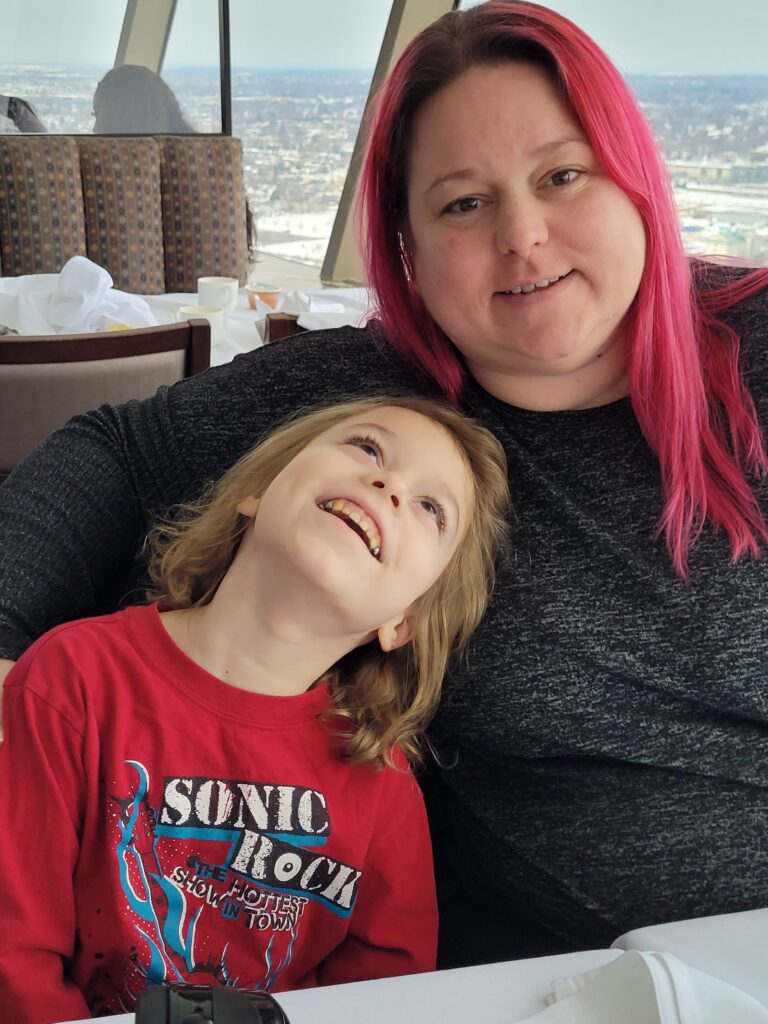
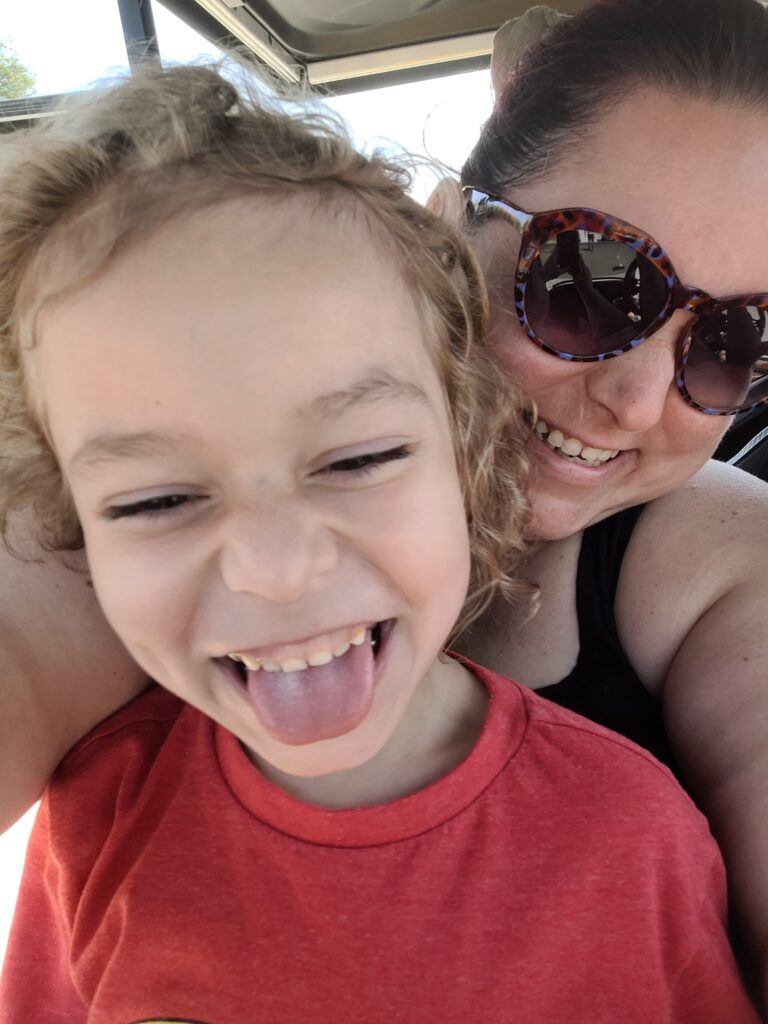
Alden (left) - a young boy with blonde hair sits beside his mom, Natasha (right).
Natasha and her son, Alden.

Natasha is a mom to three; her youngest is a Grandview kid. She works as part of the Grandview Kids’ Family Engagement Team. Here is Natasha and her son, Alden’s story:

My youngest wasn’t even six months old the first time I said the word “autism” out loud. It was to my husband. I had spent the better part of the last few months Googling:

“Why doesn’t my baby look at me?”
“What does flapping hands mean?”
“Why will my baby only sleep when he’s on me?”

I watched videos on YouTube about how autism is present in infants and babies. I didn’t know anything about autism, but I called my husband over and said, “I need to say this out loud, and maybe I’m crazy, and maybe I’m wrong.. but I have to tell someone. I think our son is autistic.”

Months go by, and at each doctor’s visit, we’re left with no answers, “He’s just a baby, kids develop differently, and he’s too young to tell.” So, we waited, and I Googled more…

“Why isn’t my son talking?”
“Is walking on your toes okay?”
“When will he recognize his name?”

Every question led me to the same outcome. Now we just needed to find someone to listen!

My son was also born prematurely, so he was followed by the FUNN clinic at Lakeridge Health. At his one-year check-up, I said it again, they told us if we have concerns at his 15-month check-up, they would bring in someone from Grandview Kids to do a speech assessment.

From the first day, Grandview Kids listened. We were referred to a developmental pediatrician, and on September 18, 2018, just one month before his second birthday, my son was diagnosed as Autistic, level 3, non-verbal. There were a lot of tears that day in the doctor’s office. But the tears were of relief for knowing that I wasn’t crazy and that we would finally be able to learn.

He is my third child, but I’m learning how to be a mom all over again. 

Family and friends told us how “sorry” they were when they found out. Professionals told us they could help us fix him but that he would likely never talk to or understand us.

Alden and I are here to tell them they were wrong! Nothing changed the day he was diagnosed. He was the same little boy who had stolen our hearts from the moment he was born. I was a fool to wish I was wrong. Autism is beautiful! It’s a whole world that you miss out on until someone special invites you in.

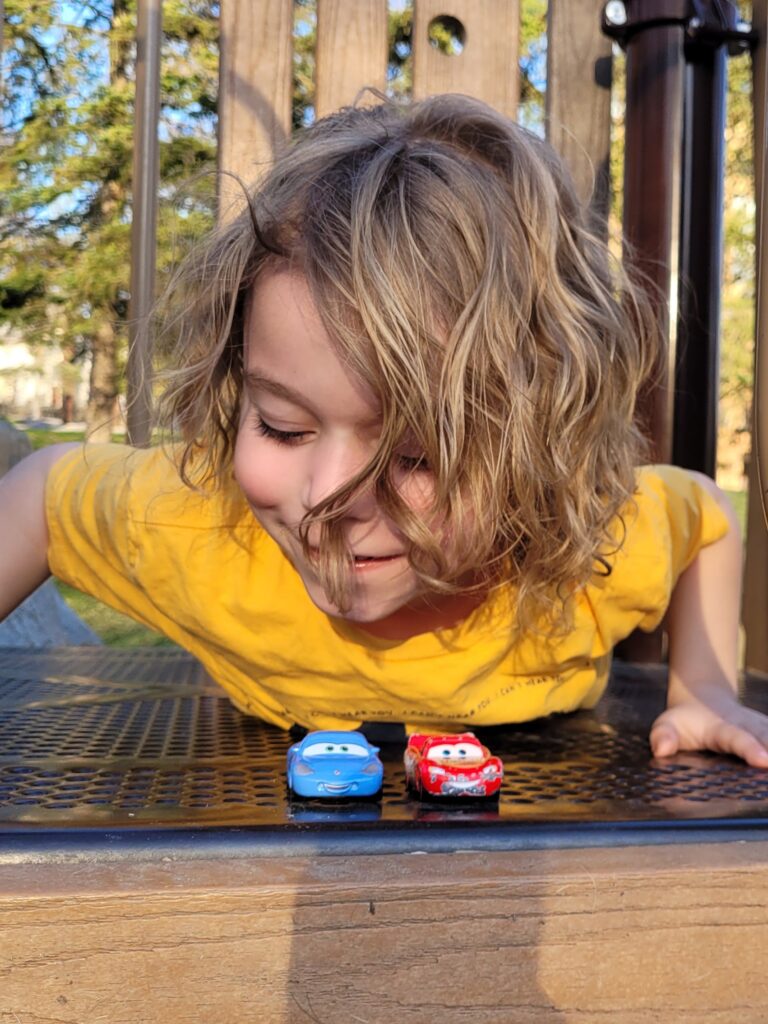
Alden playing with small car toys.
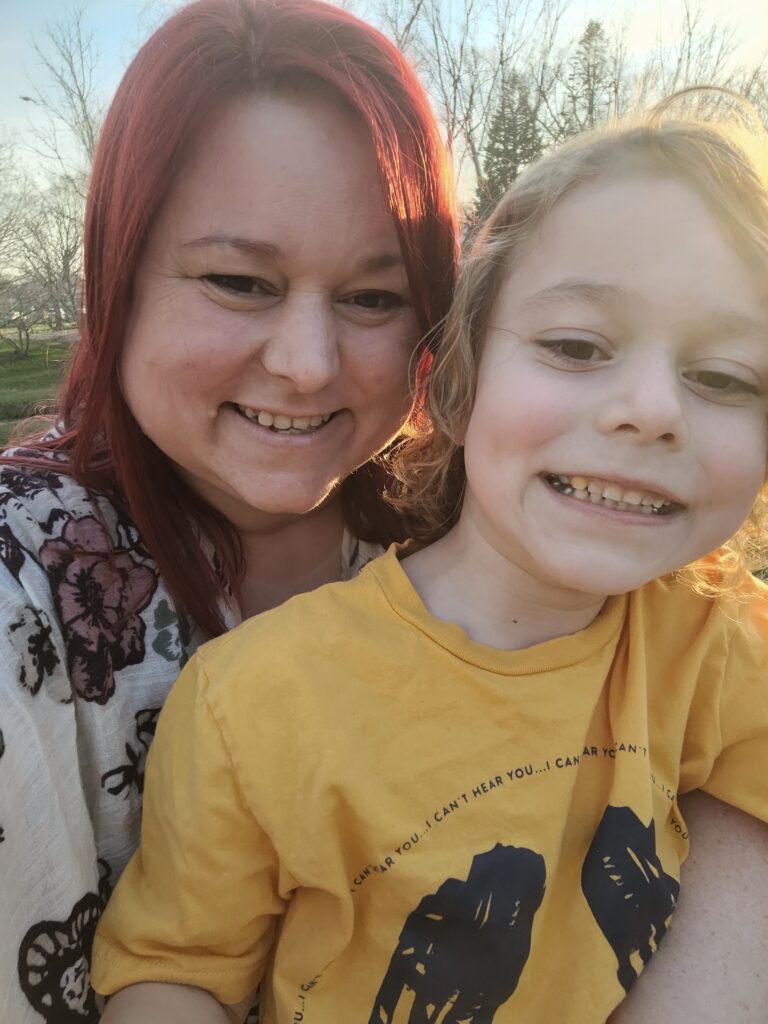
Natasha and her son Alden

We don’t want to change him; we simply want the tools to help him succeed in a world that struggles to accept anything different. A world I’ve never fit into either. “Dare to be different.” Those are the words my Mémère and mom would always say to me as a child. Acceptance is the next step toward a truly inclusive community.

Alden is now six-years-old. He has the best smile and laugh in the whole world! His humour and character are unmatched, and he gives the best hugs and squishes. He loves wrestling with his older brother and watching funny videos with his sister. His favourite thing to do is try and scare you, he thinks he’s hilarious! He loves Lightning McQueen, fart noises, trains and singing the “Wheels on the Bus” song all day long. 

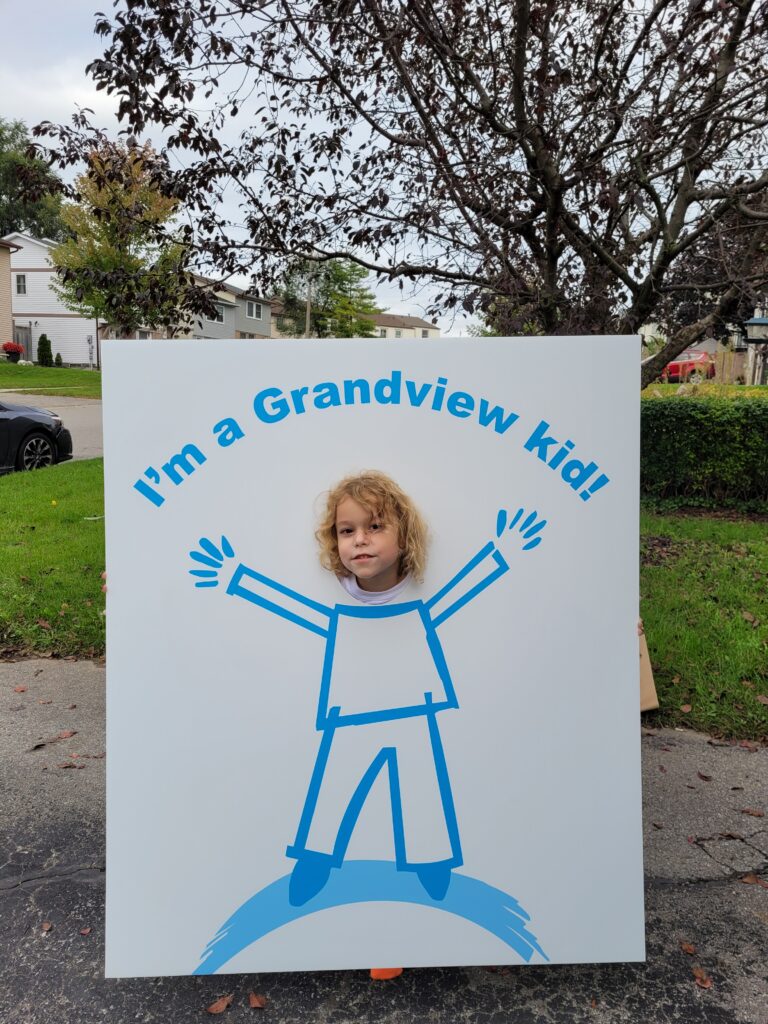
Alden with a cut-out poster around his head.
Alden and Natasha

I wanted to find all the ways to support him, and along the way, I found a lot of information to support me too. The more I read and learned, the more my own life started to make sense.

I feel like with my work at Grandview Kids, working with staff and professionals, as well as being surrounded by the autism community, I’m pretty well connected. Yet it still took me four years and paying out of pocket to get my own autism assessment.

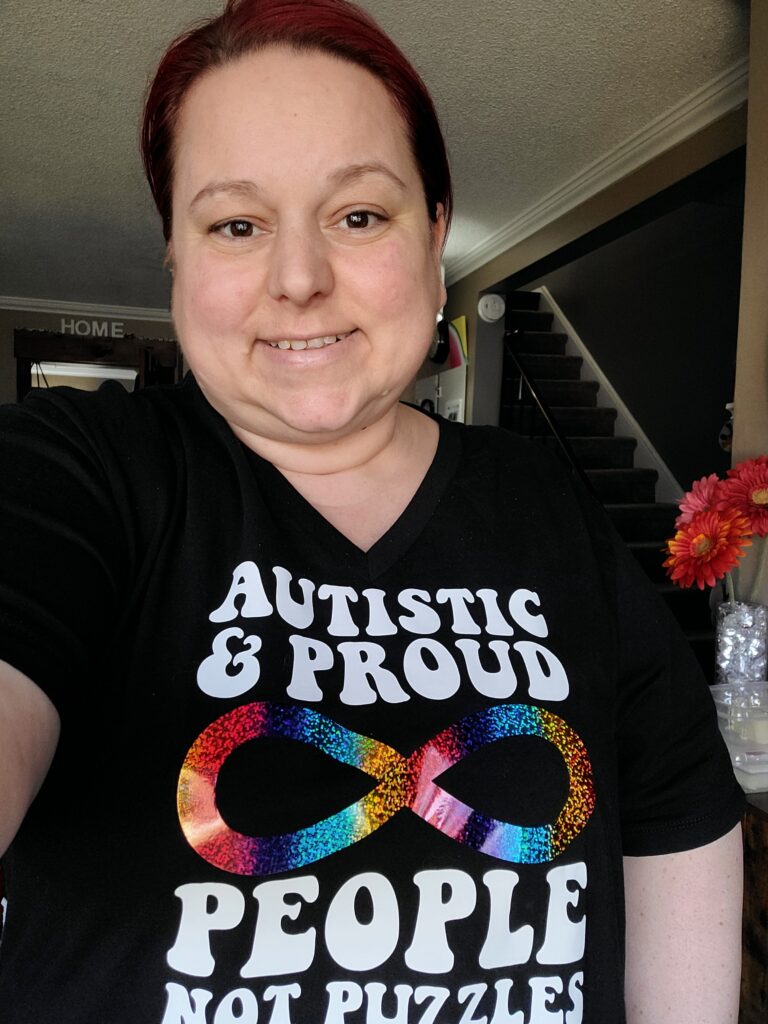
Oftentimes, adults go undiagnosed because they are simply unaware of autistic traits or they’ve learned to mask so well. Being self-diagnosed is common and accepted in the autism community. Getting a diagnosis is a privilege at any age, but the barriers for adults are honestly just cruel. Finally, on September 30, 2022, four years after my son, I was diagnosed as Autistic, level 2.

Now, I’m sharing the level with you all today, not because I believe in them but to show you how moderate/severe can look like with years of masking. Personally, I don’t believe in the levels because you can only diagnose us on the level that we present with at the time of the assessment. It’s not based on how it affects me or how much I’ve learned to mask.

Natasha wearing an Autistic and Proud t-shirt.

The good news is that I’m learning to unlearn! Unmasking is hard, but I deserve to be my authentic self. It’s a lot of undoing, but I’m doing the work. My son deserves to be proud of himself, and I’ll do the work to make sure he’s never ashamed of being autistic.

Often, my needs and my son’s needs, go against each other, so we are becoming experts on accommodations together.

Thank you, Grandview Kids, for listening when no one else would and continuing to listen and learn from those with lived experience. We will forever be grateful for everything Grandview Kids has done for our family. We’ve got a long way to go together, but I’m glad #TeamGrandview is part of our journey!

I’ve learned to see the world through my son’s eyes, and if you’re willing to get into his world instead of expecting him to join yours, it’s magical, and it feels more like home than anywhere I’ve ever been before. I have Alden, my family, and my work colleagues (who have become lifelong friends) to thank for helping me find myself, too!

Grandview Kids is proud to support, partner with and learn from autistic clients, caregivers, employees and community members. While society has greater awareness about autism than ever before, autistic people still face a number of challenges throughout life, including prejudice, bullying and limited job opportunities.

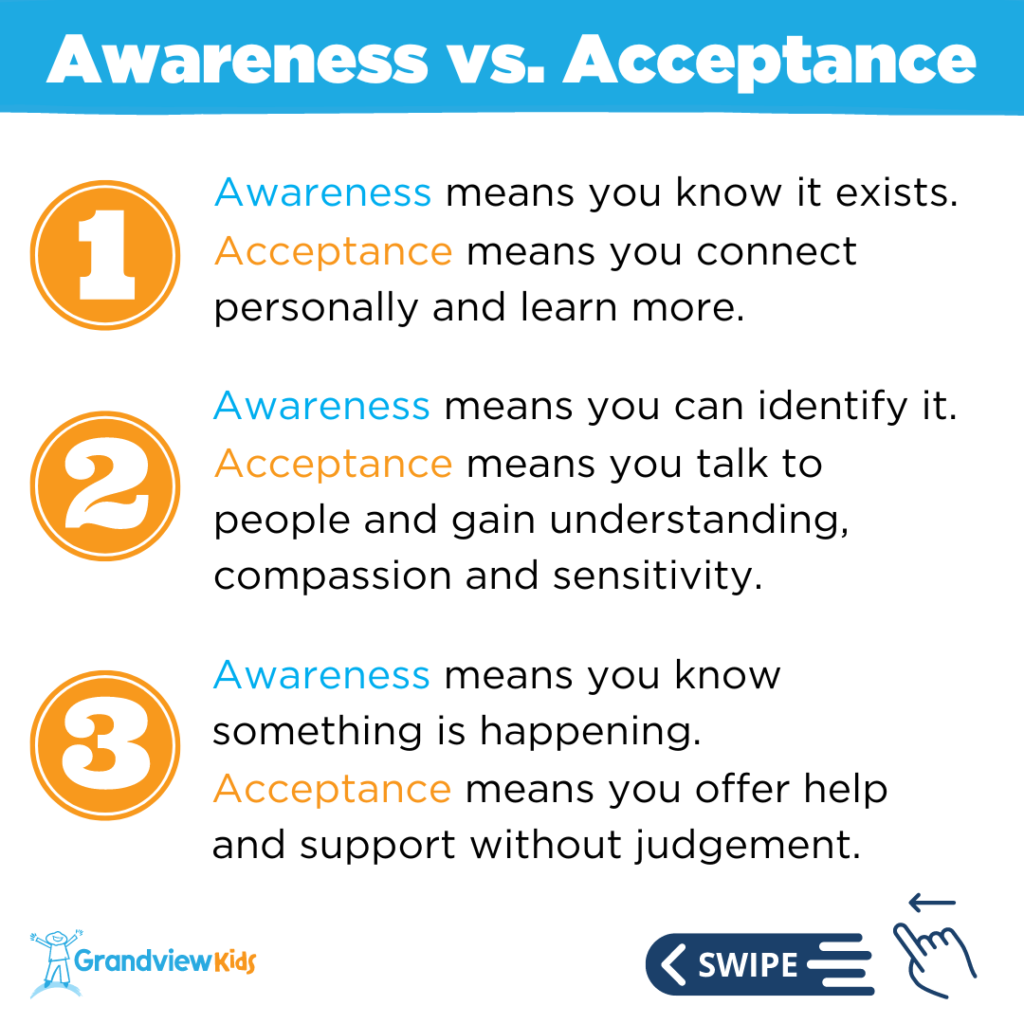
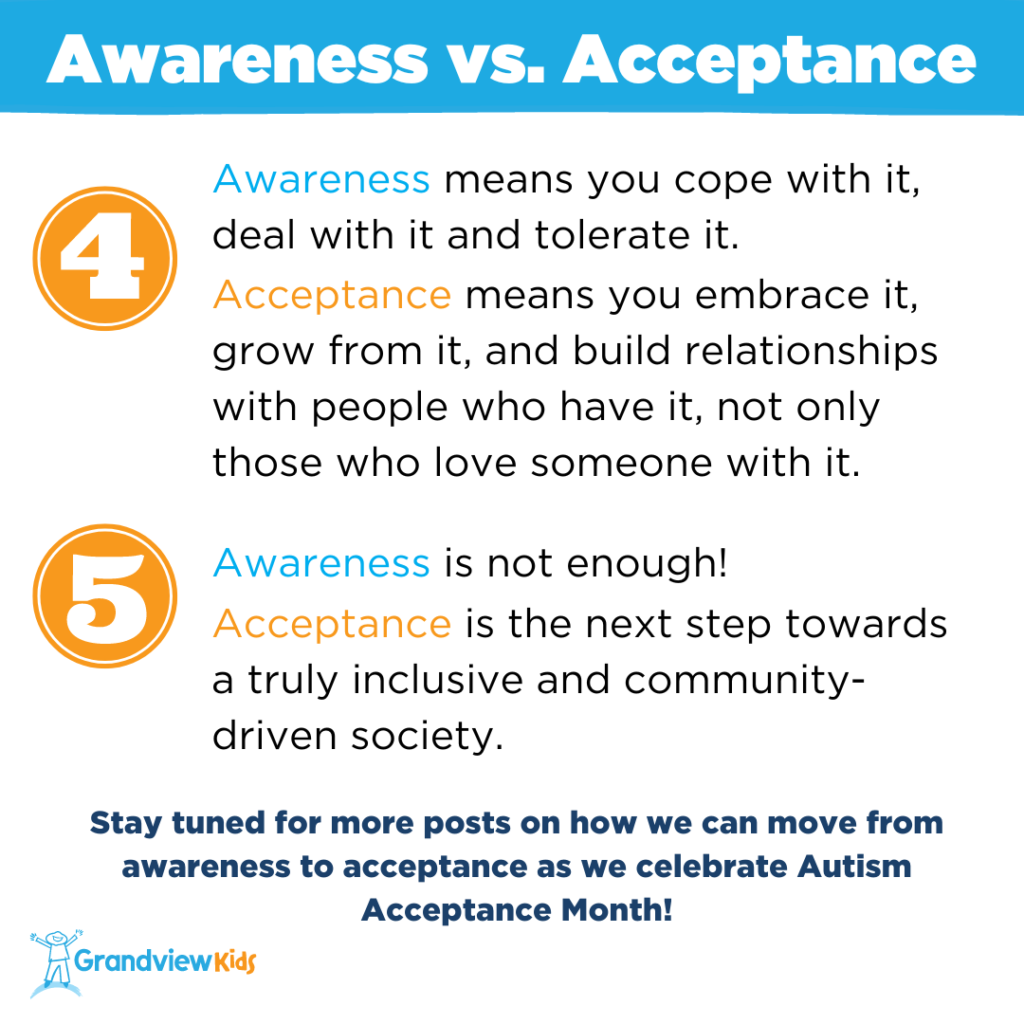
Awareness vs. Acceptance

Education is important, but we can’t stop there. Autism Acceptance means celebrating differences and encouraging tangible action to support and include autistic individuals. Acceptance means understanding and acknowledging the diversity of lived experiences, cultures and environments.

Definition of Autism Spectrum Disorder (ASD)

In clinical terms, Autism Spectrum Disorder (ASD) is a neurodevelopmental disorder with a wide range of symptoms and ability levels. ASD is an encompassing diagnostic category that includes 2 symptom domains: 1) social communication impairments; 2) restricted, repetitive patterns of behaviours and interests (Zwaigenbaum et al., 2019).

It’s also important to know:

1. No two Autistic people/persons with Autism are the same.

2. Every Autistic person/person with Autism has their own unique mix of traits, strengths, sensory systems, personalities, interests and needs.

3. Autism is a dynamic disability, so a person’s needs or abilities may fluctuate or change.

Language matters

You may also have heard about person-first and identify-first language. This refers to how someone describes themselves or others.

Person-first example: Person with Autism

Identity-first example: Autistic person/Autistic

Tip: Ask about their preference! Follow their lead and be flexible, as preferences may change over time.

Definitions:

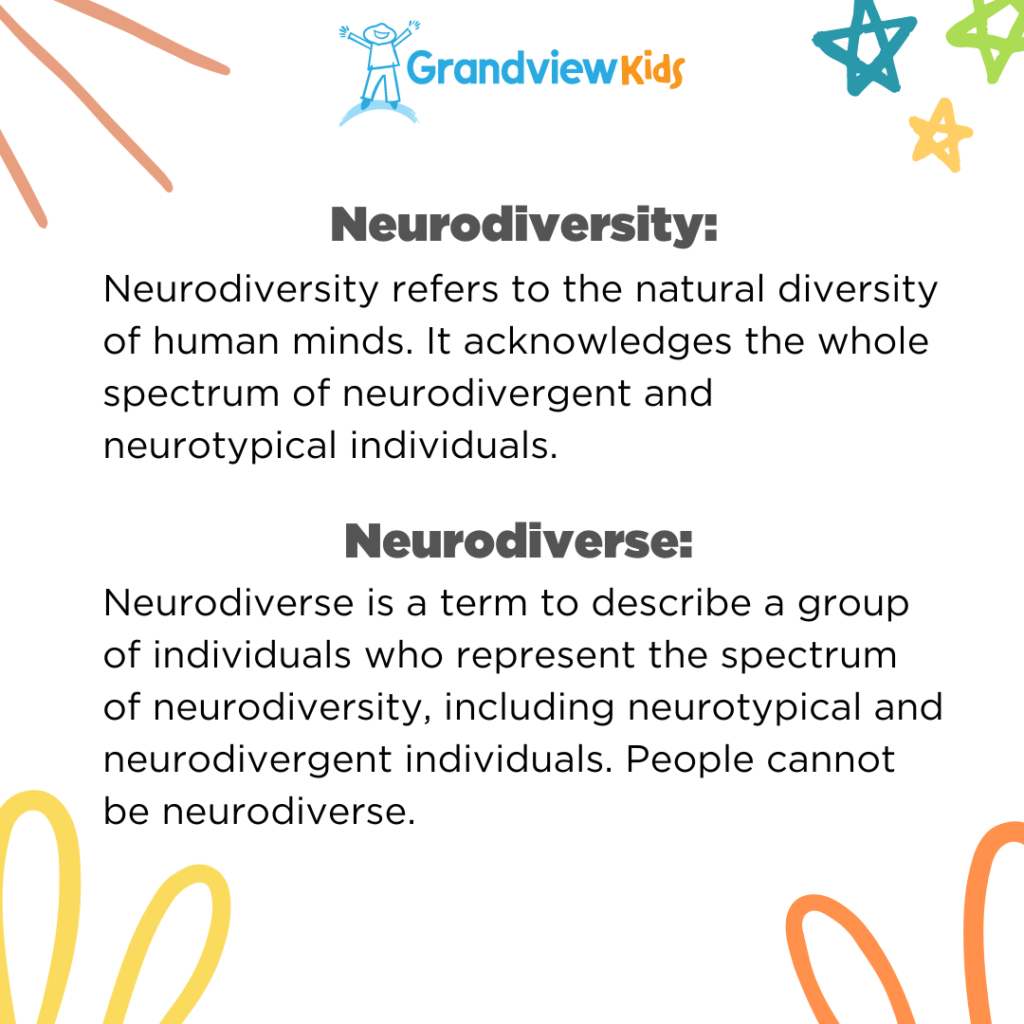
Neurodiversity refers to the natural diversity of human minds; it acknowledges the whole spectrum of neurodivergent and neurotypical individuals.

Neurodiverse is a term to describe a group of individuals who represent the spectrum of neurodiversity, including neurotypical and neurodivergent individuals. People cannot be neurodiverse.
Definitions:

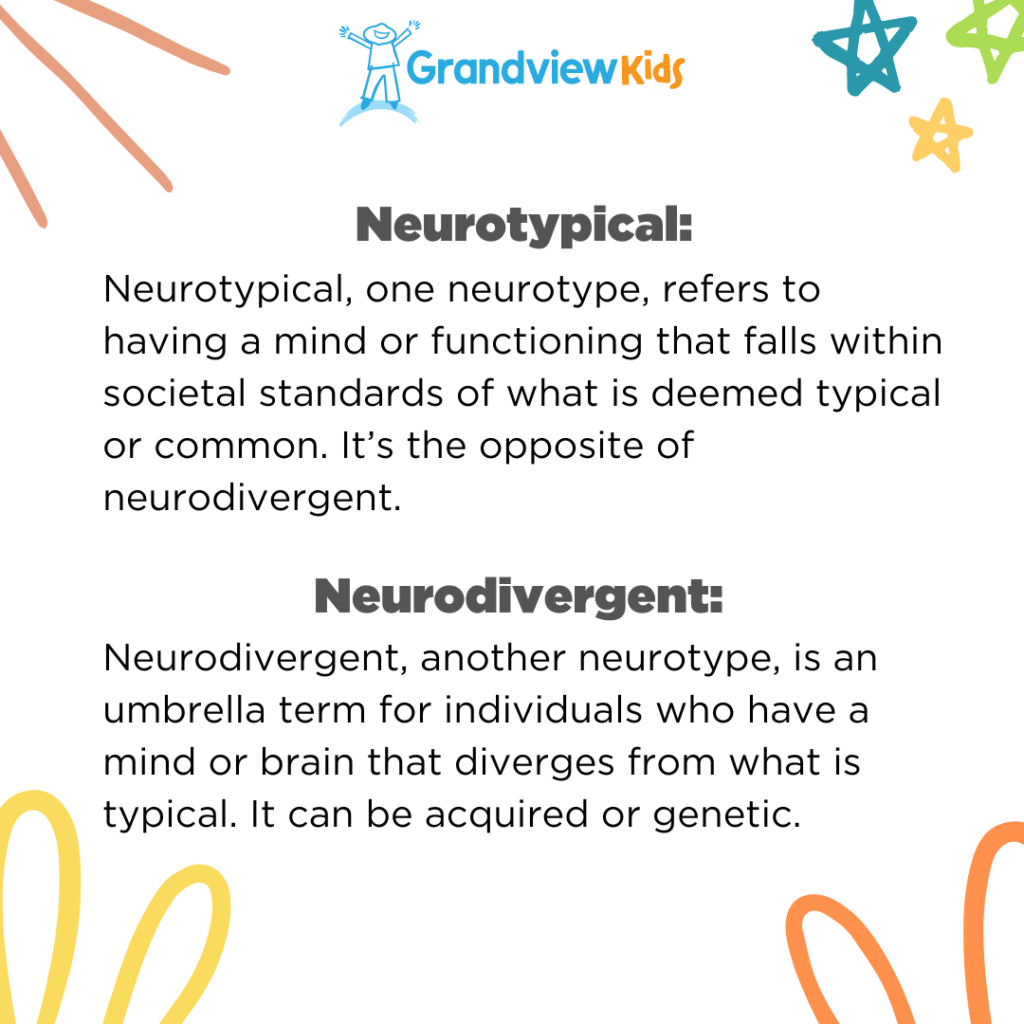
Neurotypical, one neurotype, refers to having a mind or functioning that falls within societal standards of what is deemed typical or common. It’s the opposite of neurodivergent.

Neurodivergent, another neurotype, is an umbrella term for individuals who have a mind or brain that diverges from what is typical. It can be acquired or genetic.

How can you be an ally during Autism Acceptance Month and beyond?

Here are a few tips from our Ability Acceptance Presenter, Mitchell Daniels:

1. Educate yourself. Learn about Autism. Learn about disabilities. Know that some are visible and some are not. Learn from disabled people and value their perspectives.

2. Offer support, but let them take the lead. Asking how you can support someone is always a recommended step, but do not assume just because someone has different needs or abilities that they need help. Be open and friendly.

3. Avoid talking to someone’s support person first. Engage directly with the person to whom you are talking. Sometimes, people may defer to their support person but do not assume that is their preference.

4. Always be kind, understanding and patient. Some people may take longer to process information. Give them time to respond, and get comfortable with silence while you wait.

5. Recognize that not everyone communicates verbally. Give them time to demonstrate how they prefer to communicate. If the person uses communication technologies, watch what they’re doing and respond as you would usually. It’s just another way to talk. Remove distractions and give them your full attention.

6. Remember that language matters. Ask their preference, whether it’s identity-first or person-first. Be flexible and follow their lead, as their preference may change over time.

7. Educate others. Call out ableism, which dismisses the challenges of disabled people and assumes every person has the same capacity and resources to handle things. Aim to build spaces, communities and opportunities where differences are celebrated and encouraged.

These are just a few of the many ways to be an inclusive ally. Where are you going to start?

Brain Injury Awareness Month, recognized each March, provides an important opportunity to bring attention to the prevention of traumatic brain injury (TBI) and to promote strategies to improve the quality of life for persons living with TBI and their families.

Claudia N., a Grandview parent and member of our Family Advisory Council (FAC), tells her son Reid’s story:

“Brain injury is invisible and often misunderstood.  The scars may not be obvious, but they are there. They show up in the way you move, talk, and process information.  My son acquired a traumatic brain injury (TBI) after a rare complication of brain inflammation during influenza.

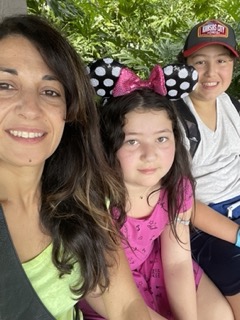
Claudia taking a selfie of herself with her two children.
Claudia N., with her children.
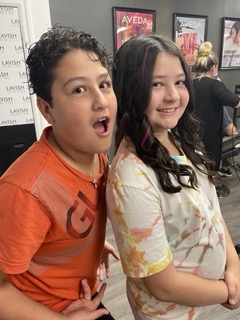
Claudia's son and daughter in a portrait like photo.
Claudia’s son and daughter.

He was a rep-athlete in hockey, basketball, soccer and baseball.  The more contact he had in sports, the better. Now he can no longer have contact. This was his identity. He had to re-learn everything, from riding a bike, walking, and running to tying his shoelaces. 

Having to answer the question, “why doesn’t my brain or body work like it used to?” daily is heartbreaking.  

Grandview Kids showed me there is hope after a TBI, but it begins when it is taken seriously by others. Instead of hockey, they introduced him to golf. Instead of tackle football, they are teaching how to swim. He was resistant at first but is now secretly loving it. They showed him that there are different directions that can just be as fulfilling. When he wanted to give up, they simply wouldn’t let him.

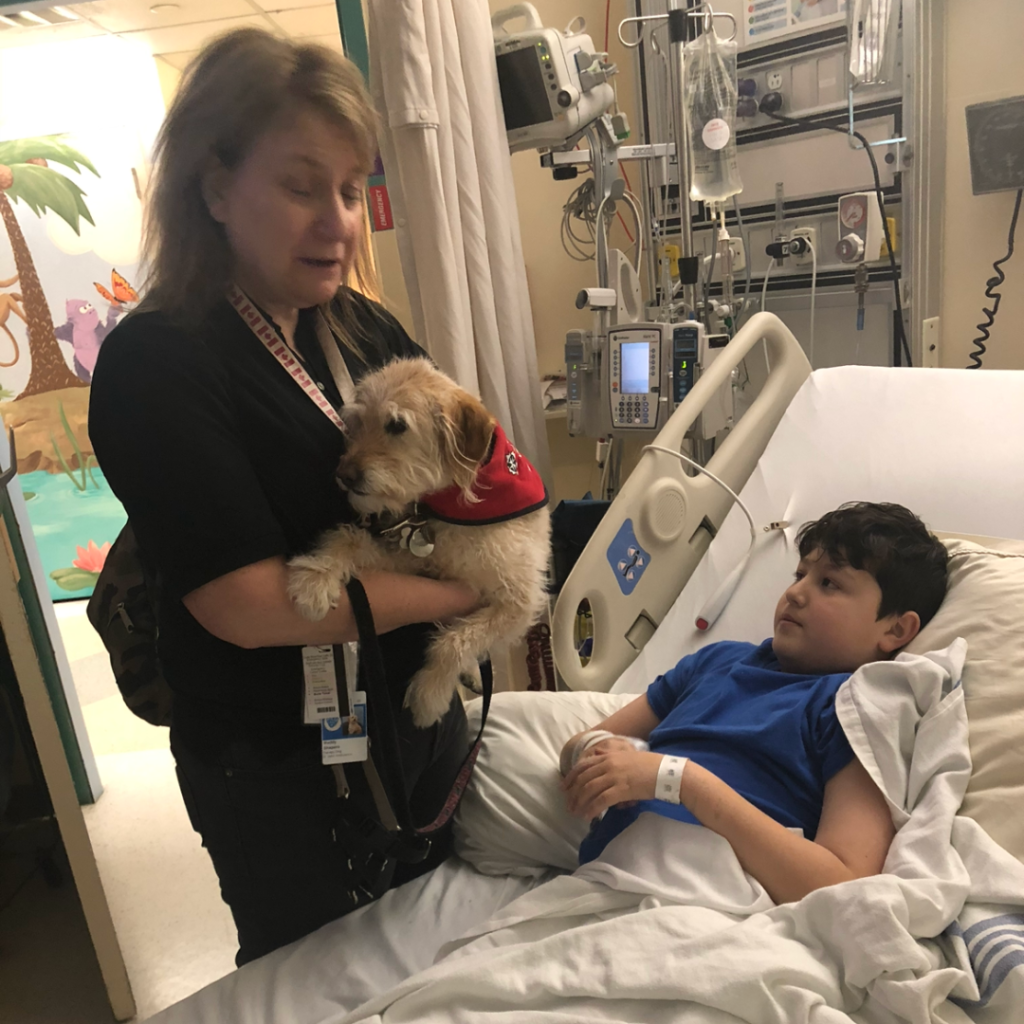
Claudia's son, Reid, sitting in the hospital bed for rehabilitation.
Reid in the hospital for rehabilitation.
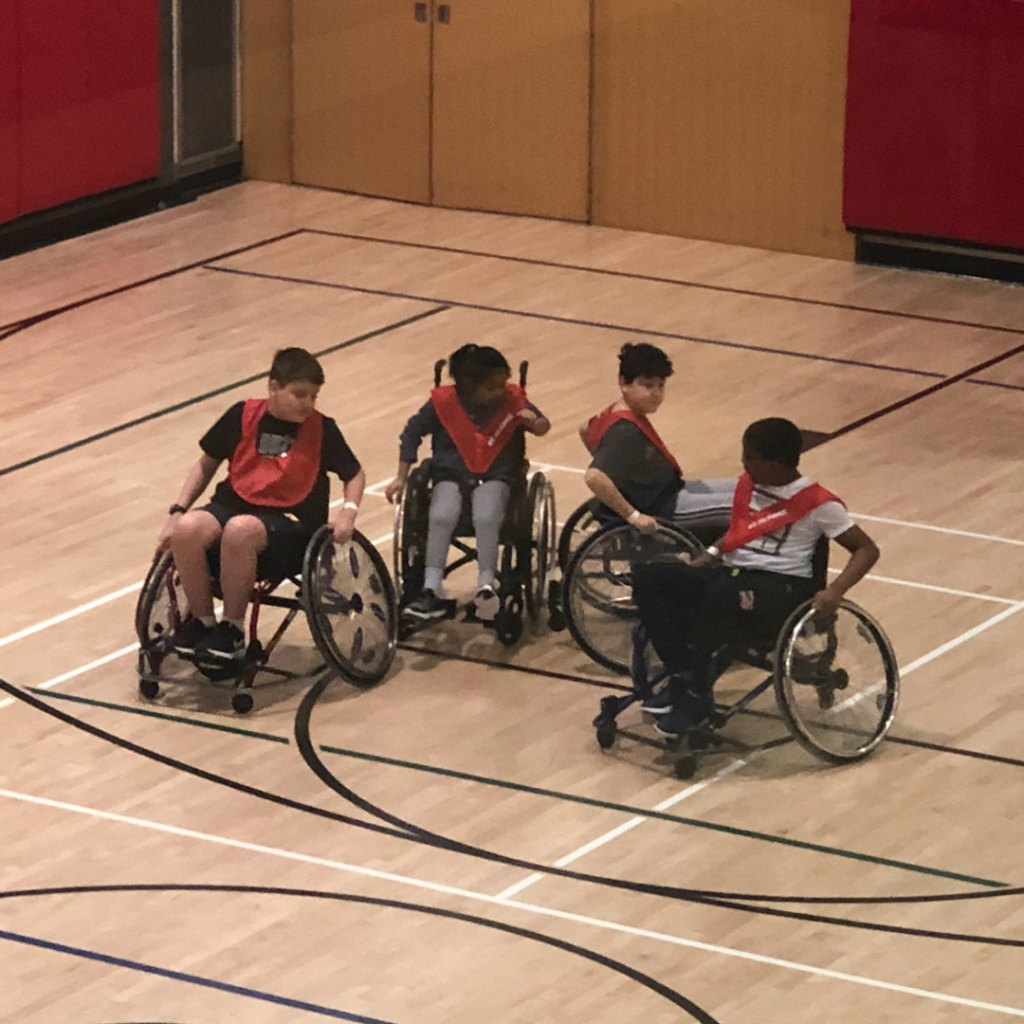
Claudia's son, Reid, playing wheelchair basketball with his friends.
Reid playing wheelchair basketball with his friends.

As his mom, seeing him feeling so lost every day is excruciating, and I wish I could trade places with him. Disabilities come in all shapes and sizes and visibilities. Yes, this injury is invisible, but the impact and effects are as lifelong as visible ones.

The good news is that with the right support and accommodations, there is light at the end of the tunnel. Next time you meet someone with a TBI, just know how much more there is behind those sweet eyes looking back at you.”

World Birth Defects Day is observed on March 3 each year and unites people and organizations working in the field of birth defects, also known as congenital anomalies, congenital disorders, or congenital conditions.

Globally, an estimated eight million newborns are born with a birth defect every year, of which around 300,000 die due to associated complications. Although it started as an annual event, this day has now become a movement for significant improvement in birth defects prevention and care.

Grandview Kids’ client, Shayaan, was born with a birth defect called Amelia. His mother and a member of the Family Engagement Team at Grandview Kids, Fadia, tells their story:

“The day my second child was born was not a day of joy or celebration for us, but a day of mourning. Our son, Shayaan, was born with a congenital anomaly called Amelia, which means he was born without both arms above the elbows.

Shayaan as a child in a painting/colouring class.
Shayaan as a child.
Shayaan learning to eat.

As parents of a healthy first child, we never anticipated having a child with a birth defect. Shayaan’s disability brought a multitude of questions and fears, such as how he would learn to walk, use the toilet, eat, and even get married. We went through all the stages of grief, including denial, anger, guilt, depression and finally, acceptance. It took me five months to come to terms with reality and nearly a year for my husband.

Taking Shayaan out in public was another challenge for us as we struggled to cope with the stares, whispers and hurtful comments. Despite our efforts to conceal his disability, we found that we could not. However, it was our seven-year-old son who taught us to focus on the positives. He pointed out that Shayaan still had eyes, ears and tiny feet, and we realized that we had been fixated on what our baby lacked instead of what he possessed.

Shayaan’s disabilities presented new challenges as he grew older, but we found comfort in the network of supportive parents we met through various support groups. We had genetic testing done twice, which revealed that Shayaan’s birth defect was not genetic. Not all birth defects are caused by gene mutations; some are caused by unknown reasons.

Shayaan, now, as a teen.

Now, at 16-years-old, Shayaan has undergone 16 surgeries and continues to experience pain, but he remains a remarkable young man with aspirations for the future. We quickly learned that he always found ways to accomplish things, and we allowed him to navigate challenges on his own. Shayaan has become an advocate and has been partnering in research to bring awareness by sharing his personal stories and his lived experiences.”

Rare Disease Day is an international event held on February 28 to raise awareness about the impact of rare diseases on people’s lives and to emphasize the need for research. Canadian families with rare illnesses are facing extraordinary challenges. These include misdiagnosis, unnecessary surgeries, social isolation, financial hardship and lack of treatment options.

Grandview Kids client, Xander, was born with a rare disease called Moyamoya. His mother, Laura, tells their story:

Baby Xander after surgery.
Baby Xander
Baby Xander after surgery.
Xander after his surgery.

“At 10-months-old, my son had a seizure, which we then found out was a stroke. The stroke damaged the right side of the brain. We were searching for answers as this was completely out of the blue. Once the doctors did an MRI and an angiogram, they found out that he had a rare condition called Moyamoya. The meaning of “a puff of smoke” in Japanese. This is where the blood vessels in the brain narrow over time, and it looks like they have literally disappeared in the MRI.

His right side of the brain and left side were narrow, so it was decided that he get bilateral brain surgery to help with the blood flow and to help prevent another stroke from occurring. But after only being home for four days, he had another stroke, this time damaging his motor control on the left side.

We ended up at Holland Bloorview for rehabilitation, where they worked with him to gain strength back in his left side, mainly his left hand. Since having the surgery, he is doing much better, but the doctors still must watch to make sure that other parts of the brain are not narrowing as this is a progressive disease and there is no cure. 

As parents, it’s extremely difficult to deal with this diagnosis, but he has shown so much improvement. That makes it a lot easier to navigate his diagnosis and relax a little bit. We hope that one day there will be a cure.”

Rare, catastrophic form of intractable epilepsy, frequent seizures, poor seizure control and developmental delays. Children with Dravet Syndrome do not outgrow this condition, affecting every aspect of their daily life.

My 11-year-old has Dravet Syndrome, and this is the definition of his condition. Colton had his first seizure in April 2012 at 8-months-old, lasting 20 minutes. His second seizure was 15 days later, which was the longest stretch he has been seizure free since. In 2012, Colton was in an ambulance 13 times and underwent an MRI and multiple EEGs. At the end of 2012, Colton was seizing daily and maxed out on three medications. He was 18-months-old, unable to walk and spoke two words.

Jacki hugging Colton.
Jacki and Colton.

I was scared for my baby. When he was awake, I couldn’t take my eyes off him. I was on constant alert, never knowing when he would seize next nor how long it would last. Doctors weren’t helping, medications weren’t helping and my family’s dreams and hopes were fading.

For years, I lived my life in fear, on edge and doing everything in my power to create this “bubble” where I could keep my son safe from seizures. This changed in February 2016 when our family went on Colton’s Wish Trip to Give Kids the World. Although I was petrified to get on a plane and leave our city, let alone the country, I knew I had to be strong for Colton. I looked fear in the face, I took Colton on his first rollercoaster: the Seven Dwarfs Minetrain. My fear of him having a seizure on the ride was almost crippling, but what happened next completely changed me. Colton had the time of his life – he screamed in pure delight. He smiled, and my heart was so full. It was then, I saw how my fear was holding him back from joy.

Jacki beside Colton as he is sitting on animal ride.

Parenting a child with epilepsy is hard. Through the years, there have been many challenging days but even more joyful ones. We found the right doctors, the right therapists and the right support staff, and that has made the journey easier. I educate and teach people on how to care for Colton so he can live the life he wants, one that includes going to school, swimming lessons and playing mini sticks and on the PlayStation with his brothers and sister. Colton now walks and has a 100-word vocabulary; he loves to travel and do puzzles, and he has been on many theme park rides. With the help of the Ketogenic Diet, he is on less medication today than when he was an infant.

Today, Colton had a seizure. I will never get used to it, but I no longer allow these seizures to keep Colton from living his life. I no longer let these seizures cause me to fear. After recovering from his seizure, Colton asked to go to school, so I took him. I am proud of him for being so strong. There is no longer this safety bubble because I have learned over and over that although it is okay to be scared, it’s not okay to stop living.

As an ever-strong champion for kids like her son, Jacki joined the Grandview Kids Family Engagement Team as a Peer Navigator in 2021, using her lived experience to help other families.

  • ⟨
  • Page 1
  • Interim pages omitted …
  • Page 23
  • Page 24
  • Page 25
  • Page 26
  • ⟩

Primary Sidebar

Child Stories

ICAudGItaW1hZ2V7cG9zaXRpb246cmVsYXRpdmU7dHJhbnNpdGlvbjp0cmFuc2Zvcm0gMC4yNXMgZWFzZX0ud3AtYmxvY2staW1hZ2UgLnRiLWltYWdlLmFsaWduY2VudGVye21hcmdpbi1sZWZ0OmF1dG87bWFyZ2luLXJpZ2h0OmF1dG99LnRiLWltYWdlIGltZ3ttYXgtd2lkdGg6MTAwJTtoZWlnaHQ6YXV0bzt3aWR0aDphdXRvO3RyYW5zaXRpb246dHJhbnNmb3JtIDAuMjVzIGVhc2V9LnRiLWltYWdlIC50Yi1pbWFnZS1jYXB0aW9uLWZpdC10by1pbWFnZXtkaXNwbGF5OnRhYmxlfS50Yi1pbWFnZSAudGItaW1hZ2UtY2FwdGlvbi1maXQtdG8taW1hZ2UgLnRiLWltYWdlLWNhcHRpb257ZGlzcGxheTp0YWJsZS1jYXB0aW9uO2NhcHRpb24tc2lkZTpib3R0b219IC53cC1ibG9jay1pbWFnZS50Yi1pbWFnZVtkYXRhLXRvb2xzZXQtYmxvY2tzLWltYWdlPSJhMWJlMmUyODAwMWFkMGRlMjBhM2RlZWVlYmE5MDJhMSJdIHsgbWF4LXdpZHRoOiAxMDAlOyB9IEBtZWRpYSBvbmx5IHNjcmVlbiBhbmQgKG1heC13aWR0aDogNzgxcHgpIHsgICAudGItaW1hZ2V7cG9zaXRpb246cmVsYXRpdmU7dHJhbnNpdGlvbjp0cmFuc2Zvcm0gMC4yNXMgZWFzZX0ud3AtYmxvY2staW1hZ2UgLnRiLWltYWdlLmFsaWduY2VudGVye21hcmdpbi1sZWZ0OmF1dG87bWFyZ2luLXJpZ2h0OmF1dG99LnRiLWltYWdlIGltZ3ttYXgtd2lkdGg6MTAwJTtoZWlnaHQ6YXV0bzt3aWR0aDphdXRvO3RyYW5zaXRpb246dHJhbnNmb3JtIDAuMjVzIGVhc2V9LnRiLWltYWdlIC50Yi1pbWFnZS1jYXB0aW9uLWZpdC10by1pbWFnZXtkaXNwbGF5OnRhYmxlfS50Yi1pbWFnZSAudGItaW1hZ2UtY2FwdGlvbi1maXQtdG8taW1hZ2UgLnRiLWltYWdlLWNhcHRpb257ZGlzcGxheTp0YWJsZS1jYXB0aW9uO2NhcHRpb24tc2lkZTpib3R0b219IH0gQG1lZGlhIG9ubHkgc2NyZWVuIGFuZCAobWF4LXdpZHRoOiA1OTlweCkgeyAgIC50Yi1pbWFnZXtwb3NpdGlvbjpyZWxhdGl2ZTt0cmFuc2l0aW9uOnRyYW5zZm9ybSAwLjI1cyBlYXNlfS53cC1ibG9jay1pbWFnZSAudGItaW1hZ2UuYWxpZ25jZW50ZXJ7bWFyZ2luLWxlZnQ6YXV0bzttYXJnaW4tcmlnaHQ6YXV0b30udGItaW1hZ2UgaW1ne21heC13aWR0aDoxMDAlO2hlaWdodDphdXRvO3dpZHRoOmF1dG87dHJhbnNpdGlvbjp0cmFuc2Zvcm0gMC4yNXMgZWFzZX0udGItaW1hZ2UgLnRiLWltYWdlLWNhcHRpb24tZml0LXRvLWltYWdle2Rpc3BsYXk6dGFibGV9LnRiLWltYWdlIC50Yi1pbWFnZS1jYXB0aW9uLWZpdC10by1pbWFnZSAudGItaW1hZ2UtY2FwdGlvbntkaXNwbGF5OnRhYmxlLWNhcHRpb247Y2FwdGlvbi1zaWRlOmJvdHRvbX0gfSA=
LnRiLWhlYWRpbmcuaGFzLWJhY2tncm91bmR7cGFkZGluZzowfQ==
LnRiLWZpZWxke21hcmdpbi1ib3R0b206MC43NmVtfS50Yi1maWVsZC0tbGVmdHt0ZXh0LWFsaWduOmxlZnR9LnRiLWZpZWxkLS1jZW50ZXJ7dGV4dC1hbGlnbjpjZW50ZXJ9LnRiLWZpZWxkLS1yaWdodHt0ZXh0LWFsaWduOnJpZ2h0fS50Yi1maWVsZF9fc2t5cGVfcHJldmlld3twYWRkaW5nOjEwcHggMjBweDtib3JkZXItcmFkaXVzOjNweDtjb2xvcjojZmZmO2JhY2tncm91bmQ6IzAwYWZlZTtkaXNwbGF5OmlubGluZS1ibG9ja311bC5nbGlkZV9fc2xpZGVze21hcmdpbjowfQ==

National Vaccine and Kids Day

On Thursday, January 27, Grandview Kids is joining organizations across the country in a National Kids and Vaccines Day.

Latest Updates

  • Celebrating International Youth Day! July 31, 2026
  • Living beyond expectations: Haylee’s journey with SMA Type 1  July 31, 2026
  • Summer 2026: Dates of Significance July 30, 2026
  • “Grandview will always have my heart”: Brad’s story  July 20, 2026
  • International Pride Day Resources June 26, 2026

You Have Questions

We’d like to help you find the answers…

Contact Us Today

© Grandview Kids Built by PeaceWorks

  • About Us
  • Contact Us
  • Privacy
Accessibility Adjustments

Powered by OneTap

How long do you want to hide the toolbar?
Hide Toolbar Duration
Select your accessibility profile
Vision Impaired Mode
Enhances website's visuals
Seizure Safe Profile
Clear flashes & reduces color
ADHD Friendly Mode
Focused browsing, distraction-free
Blindness Mode
Reduces distractions, improves focus
Epilepsy Safe Mode
Dims colors and stops blinking
Content Modules
Font Size

Default

Line Height

Default

Color Modules
Orientation Modules