Celebrating National Epilepsy Awareness Month and National Cerebral Palsy (CP) Awareness Month
Before Jaxon was ever held in their arms, Julie and Mike had already learned how fragile hope could be. After four pregnancy losses, Jaxon was born, followed by another miscarriage and the loss of a younger brother, Jameson. Jameson was born stillborn shortly after the halfway mark of pregnancy, but he will always be spoken of, remembered and included as part of their family. Jaxon proudly took on the title of “big brother” when their youngest family member, Eric, arrived. The road to building their family was marked by grief, but also by a deep sense of reverence and gratitude for the children they get to hold daily, kids who arrived through immense love and loss.
Julie’s pregnancy with Jaxon was healthy and normal, despite his traumatic and chaotic birth in September 2019. Jaxon became stuck in the birth canal, leading to an emergency C-section. He was not breathing and needed to be resuscitated, followed by eight days in the hospital’s neonatal intensive care unit (NICU). They were sent home, relieved but unaware of the journey awaiting them.

At four and a half months old, Julie noticed something that did not sit right. Jaxon was not using his right hand and babies were not supposed to show a clear preference that early. His paediatrician agreed it was odd and sent a referral for an MRI at The Hospital for Sick Children (SickKids). A week later, Jaxon began having strange body movements, his eye contact changed and he became constantly irritable and inconsolable. Julie still found herself questioning everything, wondering if she was failing as a mother. When Jaxon’s head drops began, they knew that something else was going on and a quick search on the Internet led them to “infantile spasms.” She read the phrase “catastrophic neurological emergency,” which is a condition that can cause permanent brain damage or death if not treated immediately.
Julie and Mike rushed Jaxon to SickKids, but as nothing happened in the emergency department, they were sent home. Once home, Jaxon’s head drops progressed significantly, going from a few episodes to hundreds within hours. Julie was able to record videos of these episodes, and they were back at SickKids. The videos and real-time episodes witnessed by SickKids staff were enough to take them seriously, but because electroencephalograms (EEGs) were not done at night, they were again sent home. Terrified and watching Jaxon, Julie dared not sleep, afraid that if she did, her worst fears would come true. The next day, an emergency EEG confirmed infantile spasms, and treatment began immediately with aggressive doses of two oral medications. Administering the awful-tasting medication every half hour to their young baby was very difficult to give and watch, but there was no choice as seizure control was everything.

Within a week, Jaxon had received three diagnoses: infantile spasms, epilepsy and cerebral palsy. An MRI confirmed a massive stroke on the left side of his brain, likely experienced during birth. Julie remembers the flood of guilt and grief as she replayed her pregnancy, wondering what she did wrong, wondering if she caused this. Although she acknowledges that these thoughts are baseless and untrue, they still visit her, even now. Jaxon spent months hospitalized at SickKids, and Julie was often alone because COVID-19 policies allowed only one parent per visit. The emotional, financial and physical costs added up quickly. Eventually, Jaxon achieved some seizure stability, and they allowed themselves to breathe for awhile.
During a follow-up appointment, brain surgery, specifically, a hemispherectomy was mentioned, almost casually. They had stability, and thought, surely this was not for them. The doctors explained the risk of Jaxon’s epilepsy. The damage was isolated to the left hemisphere so surgery could protect the rest of his brain should the seizures return and eliminate the risk of spreading to the right side of his brain, threatening even more of his development. The surgery would disconnect both sides of Jaxon’s brain and remove two-thirds of the damaged left hemisphere.

“It felt barbaric. Terrifying. Impossible,” recounts Julie. At just 18 months old, Julie and Mike made one of the hardest decisions imaginable. Epilepsy had already shown them how much it could steal so they chose the path that gave Jaxon the best chance at quality of life.
The surgery was a success but Jaxon unfortunately developed hydrocephalus, a condition where cerebrospinal fluid (CSF) pools in the brain’s ventricles, leading to increase pressure in the skull. He underwent five shunt revisions and contracted meningitis. He had two rehabilitation stays at Holland Bloorview Kids Rehabilitation Hospital, holding onto the hope that with the right supports and therapies in place, Jaxon could live a full, meaningful life.
Today, Jaxon is six years old. He is nonverbal, autistic and lives with epilepsy and right-sided spastic hemiplegia cerebral palsy. He uses an ankle-foot orthotic (AFO) on his right leg, a supramalleolar orthotic (SMO) on his left and a wheelchair for long distances and when he’s tired. His motivation to do things for himself, in his own way and time, has always been the driving force behind his progress. That determination carried him through years of therapy, using a walker, stander, and eventually, walking independently on this third birthday.

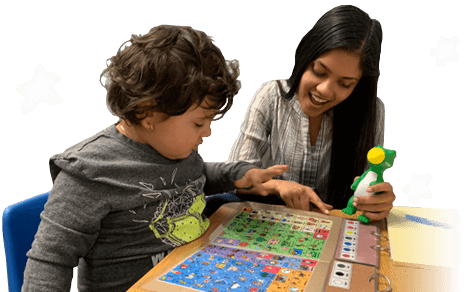
Jaxon’s family moved to Durham Region in 2023 to a home that they could modify for Jaxon’s long-term needs, a decision driven by advocacy to do everything possible to stack the odds in Jaxon’s favour. Jaxon’s care was transferred to Grandview Kids, where he receives physiotherapy, occupational therapy, speech-language pathology and therapeutic recreation. Therapy is not always easy, especially for a child who communicates differently, but progress happens because of the amazing therapists willing to meet him where he is.
Grandview Kids physiotherapist, Winnie W., stands out. Julie describes her as phenomenal, deeply intuitive and genuinely impactful because of her approach. Winnie played a key role in helping Jaxon make immense progress and access an adaptive bike for school and home use, giving him freedom of movement even in the winter months. Therapeutic Recreation groups gave Jaxon the opportunity to experience joy in social settings, which is often a struggle. In these groups, he is welcomed, accommodated and happy.
“When I first started working with Jaxon, he would be very upset when encouraged to try the physical activities. One day, we had a breakthrough with a piggy bank toy that made fake sneezing noises. He started laughing so hard whenever the pig sneezed. And from then on, he became an eager participant in every Physiotherapy session. There were no more tears, and he became more familiar with the routines of the session. Watching him improve in his physical skills and participation in sessions over the 2 years, it is rewarding to know the impact that has been made on his life.” – Winnie W., Grandview Kids Physiotherapist

Being nonverbal, Julie’s experience is that people underestimate Jaxon’s cognitive skills and understanding. Grandview Kids was instrumental in securing Jaxon a high-tech Augmentative and Alternative Communication (AAC) device. Julie had advocated alone for years, and through Grandview Kids’ referral, within a year Jaxon had a device that changed everything. Now, he can order his own meals at restaurants. He can show people what he knows and he is seen for who he truly is – a smart, capable, tech-loving kid who learns quickly, writes his name, uses his device for spelling tests and makes his own breakfast in the morning.
Grandview Kids has been a cornerstone of Jaxon’s growth. Julie says one of the most powerful things Grandview Kids has given their family is community. Family Engagement events like “Accessible Trick-or-Treating” at the Kids Safety Village of Durham Region remind them they are not alone. They are surrounded by families who understand, instinctively help when a child bolts toward a parking lot, help Jaxon up when he trips and look out for each other without explanation. “It’s a community no one asks to be part of, but you’re still grateful it exists.”
The daily reality of having a child with complex medical needs means Julie and Mike are hypervigilant, looking for signs of seizures or shunt malfunction. Jaxon cannot always tell them when something feels off so they make the best decisions they can, carrying heavy rocks they never chose to pick up. This included the tough decision for Julie to step back in her career as a child and youth worker and Mike to become the sole provider, working hard to not only provide the basic necessities of life but to ensure Jaxon could attend inclusive camp and pay for the yearly release of his communication device. They also learned to lean on their support system of advocates, including Jaxon’s respite worker, Olivia, who has become daughter-figure to them since Jaxon was one year old.
Yet Jaxon’s joy makes it worthwhile. He is affectionate, gentle and endlessly loving. His belly laugh is infectious, and his silliness brings smiles to everyone around. Julie says she would not change him for anything. She would change the suffering, fear, diagnoses, but never Jaxon himself.

Sharing Jaxon’s story has become part of their advocacy. Through a small TikTok platform, Julie has connected with hundreds of medical families. Some have recognized signs in their own children because of Jaxon’s videos and sought diagnoses sooner. “You don’t know what exists until it’s in front of you,” she says.
For Epilepsy and Cerebral Palsy Awareness Month, Julie hopes people understand that resilience does not mean being strong all the time. It means showing up anyway and making impossible decisions with love. It means re-choosing community, advocacy and hope. Their story, layered with loss, fear, advocacy and fierce love, is not a predictable path but is all woven together by the steady belief that Jaxon deserves every possible chance to live a full, meaningful life.
Check out more Grandview Kids articles
- October 2026: Dates of Significance
- “I am Clara”
- Mitchell’s journey with Hydrocephalus
- Celebrating World Cerebral Palsy Day 2026
- Building belonging through family leadership