• Skip to primary navigation
  • Skip to main content
  • Skip to primary sidebar
Grandview Kids Logo

Grandview Kids

Every Child And Youth Living Life At Their Full Potential

  • About Us
    • Vision, Mission and Values
    • The New Grandview Kids
      • Operational Readiness
      • Visiting Grandview Kids’ Ajax Headquarters
    • Our History
    • Leadership
    • Board of Directors and Committees
      • Join our Board of Directors and Committees
    • Annual Report
    • Strategic Plan
    • Policies
  • Calendar
  • Annual Report
    • Strategic Direction 1: Deliver meaningful, efficient client and caregiver outcomes and experiences
    • Strategic Direction 2: Foster a thriving, connected Team Grandview
    • Strategic Direction 3: Collaborate with partners to maximize impact, focusing on Durham Region
    • The New Grandview Kids – The Jerry Coughlan Building
    • 2024-25 Financial Statement
    • Grandview Kids Foundation update
    • Grandview School update
  • Contact
    • Contactez – nous
    • Ajax – Headquarters
    • Bowmanville Health Centre
    • Grandview School
    • Oshawa – Dwyer
    • Port Perry
    • Whitby – Abilities Centre
  • Careers
  • Register
  • Donate
  • Instagram
  • LinkedIn
  • Facebook
  • Services and Programs
    • Audiology
    • Autism Program
      • Autism Spectrum Disorder (ASD) Diagnostic Hub
      • Caregiver-Mediated Early Years Programs
      • OAP Core Clinical Services
      • Entry to School Program
      • Foundational Family Services
    • Blind-Low Vision Program
    • Extensive Needs Service
    • Family Engagement Program
      • Adolescent Transition Program
      • Family Leader Program
        • Family Advisory Council
        • Youth Advisory Council
    • Infant Hearing Program
    • Medical Services
      • Autism Spectrum Disorder (ASD) Diagnostic Hub
      • Complex Care Program
      • Grandview Anesthesia Procedure (GAP) Clinic
      • Hypertonia Clinic
      • Nutrition Services
      • Orthopaedic Clinic
    • Occupational Therapy
    • Physiotherapy
    • Preschool Outreach Program
    • School Programs & Resources
      • Resources for Educators
      • School-Based Rehabilitation
    • Service Navigation
      • SmartStart Hub: Parents
      • SmartStart Hub: Partners
    • Social Work
    • Speech-Language Pathology
      • Augmentative and Alternative Communication
    • Therapeutic Recreation
  • Purchased Services
    • Beyond the Walls
    • Summer Camp 2026
    • OAP Core Clinical Services
      • Behaviour Services
  • Research
    • Get involved in research
    • IDEA Study
      • Building knowledge and understanding of the intersection of race and disability in accessing pediatric rehabilitation services.
    • Research Associate: Dr. Fiona Moola
    • Research Associate: Dr. Meghann Lloyd
  • Resources
    • Ability Acceptance Program
    • Arriving at Grandview Kids
    • Community Supports & Resources
    • Family Support Fund
    • Free to Read Program
    • Frequently Asked Questions
    • Gather by Grandview Kids
    • News and Updates
    • Privacy
    • Resources for Parents and Caregivers
    • Visiting Grandview Kids
  • Support Us
    • 50/50 Lottery
    • Ways to support
    • Host a fundraiser
    • Participate in an event
      • Golf Fore Grandview Kids
      • Sponsor the Drum
      • Dream Big, Dream Brighter Awards Gala
    • Leave a legacy
      • Gifts of securities
      • Gifts of bequests
      • Gifts of life insurance
    • Your impact
    • Building a Legacy: Honouring Jerry Coughlan
  • I Want To…
    • Connect with Grandview Kids
    • Donate
    • Refer a child or youth
    • Register via My Community Hub
    • Schedule an Appointment
    • Volunteer at Grandview Kids
    • Work at Grandview Kids
  • Grandview School
    • About Our Program
    • About Our Board
    • Grandview School Social Story
    • Plans and Reports
    • Resources for Families
    • Resources for Schools – Switch It Up!
    • Careers and Volunteering
    • Contact Grandview School
  • Search

Posted August 27, 2024

Honouring the National Day for Truth and Reconciliation

Adrian Polidano


The National Day for Truth and Reconciliation, or “Orange Shirt Day,” falls on Monday, September 30, 2024. This day honours the children who never returned home and Survivors of residential schools, as well as their families and communities. Public commemoration of the tragic and painful history and ongoing impacts of residential schools is a vital component of the reconciliation process.

What was the residential school system?

Established in the late 19th century and extending throughout the 20th, Canada’s residential school system aimed to assimilate Indigenous children into Euro-Canadian culture, a process that involved forcibly separating them from their families and suppressing their cultural practices, languages and identities. The harm inflicted upon these children was immeasurable, including emotional, physical and psychological suffering. They endured neglect, abuse and even death within the confines of these institutions.

The consequences have extended far beyond the immediate suffering experienced by those who attended these schools. Generational trauma, the pain and emotional scars passed down through families and communities, continues to reverberate through Indigenous communities today. This enduring legacy underscores the urgent need for healing, reconciliation and the ongoing commitment to ensuring that such injustices are never repeated.

Source: First Light

What you can do to support the National Day for Truth and Reconciliation

Wear an orange shirt: Orange shirts became a recognizable symbol for Truth and Reconciliation after Phyllis Webstad publicly shared her experiences in the residential school system in 2013. Phyllis shared that her grandmother took her into town to buy her a new piece of clothing ahead of her first day of school. She chose a brightly coloured orange shirt. She wore it on her first day of residential school as a reminder of her grandmother, the rest of her family and the community she grew up in. Her orange shirt was immediately confiscated when she arrived at the residential school. No matter how much Phyllis begged for her orange shirt back, it was not returned to her. Click here to listen to Phyllis Webstad’s experience at Residential School and the creation of Orange Shirt Day.

If you do not have an orange shirt, consider purchasing one from any of the websites below, where all proceeds go directly to Indigenous groups and organizations:

  • Bawaajigewin Aboriginal Community Circle
    • Bawaajigewin Aboriginal Community Circle (BACC) is an Indigenous-led incorporated non-profit agency in the Durham Region.
  • Nish tees
  • Walmart Canada

Educate yourself: Take the time to learn about the history of residential schools in Canada. Understand the depth of the suffering and the long-lasting impact on Indigenous communities. Consider starting your education on the Government of Canada’s Indigenous arts, culture and heritage web page.

Listen and learn from survivors of residential schools: If you have the opportunity, listen to the stories of residential school survivors. Their firsthand accounts provide invaluable insights into Indigenous peoples’ experiences and resilience.

Engage in difficult conversations: Have open and respectful discussions with family and friends about the legacy of residential schools. Encourage dialogue, empathy and understanding.

Meet Grandview Kids Volunteer, Sylvia H.!

How long have you been volunteering at Grandview Kids?

One year and nine months .

Has anything interesting happened to you while you were volunteering at Grandview Kids?

Each volunteer experience is a new adventure. Some of my most memorable moments have been volunteering with the Recreation Therapy team and the fun activities we have facilitated, such as building a gingerbread house before the holidays, an off-site trip to Putting Edge, etc. It has been so much fun to participate in a variety of activities.

What is the best part of volunteering at Grandview Kids for you? 

The best part of volunteering at Grandview Kids has to be the client interactions. The high fives, smiles, excitement, and conversations are priceless. It is the greatest privilege to make a positive contribution to someone’s day week after week.  

Who inspires you to volunteer or give back?  

My sister Sarah, who passed away when she was 1 year and 3 months old, inspires me to volunteer. We were very lucky as a family to have had so much support from the countless medical professionals, volunteers, etc., who helped us along our journey. I hope that through my volunteer efforts, I can pay it forward in any way, big or small.

What would you say to someone who was thinking about volunteering at Grandview Kids?

I couldn’t recommend volunteering at Grandview Kids enough! Being a volunteer here has been one of the most rewarding experiences I’ve had. The variety of opportunities to participate is endless and truly caters to all interests. The staff makes you feel welcome and included, and above all, the clients are phenomenal to work with.

Austin’s Story

Chiari Malformation is a congenital defect in the lower back of the head where the brain and spinal cord connect. The brain tissue extends into the spinal canal, putting pressure on the brain that can cause symptoms such as headaches, decreased strength in the arms and hands, neck pain and other health problems. The severity and impact of symptoms will vary for individuals with Chiari Malformation, thus making diagnosis and treatment difficult to determine until after the onset of specific signs and symptoms.

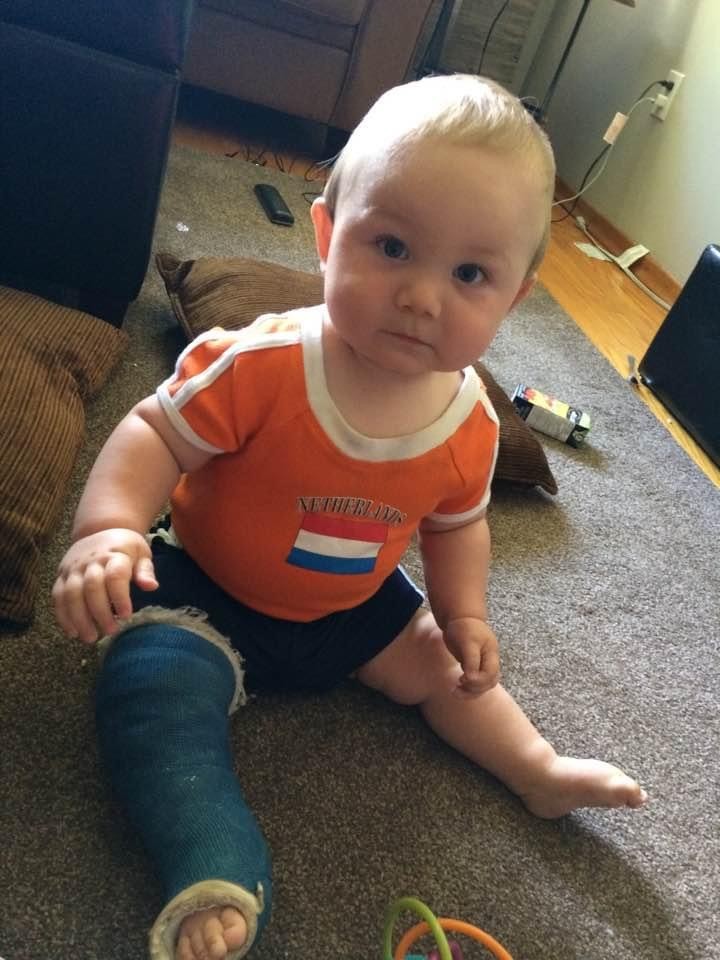
Eight-year-old Austin, the youngest of Michelle’s three children, was born one month premature but overall healthy except for having clubfoot that would require reconstructive foot surgery at seven months of age. When his cast was removed eight weeks after the surgery, he would not use his right leg and began to show right-sided weakness, alerting his parents that something was awry. His parents, Michelle and Matthias, continued to seek medical help in search of a diagnosis despite being told by doctors that he did not meet the criteria for a Chiari Malformation or Tethered Cord Syndrome diagnosis.


After months of appointments at Grandview Kids for bracing, casting and post-surgery rehab treatments, Austin’s physiotherapist, Winnie, went above and beyond her duty as she advocated for the family and sent a referral to Sick Kids Hospital for further investigation. During physiotherapy sessions, she noticed that Austin’s case needed to be looked at differently as the underlying cause seemed not to be muscular but neurological. After completing a number of MRIs and seeing symptoms worsen, Austin was finally diagnosed with Chiari Malformation at age one.

Treatment for Chiari Malformation is determined based on the severity and state of progressiveness of the illness. Austin’s first seven years of life would be spent at endless appointments at many of Sick Kids’ clinics, including their Pain, Neurology and Neurosurgery Clinics, and working hard during physiotherapy (PT) and occupational therapy (OT). He could not walk for more than 15 minutes at a time, required the use of a stroller at school, was quickly drained of energy and had neurological damage to his right hand and pelvic floor due to Chiari Malformation.


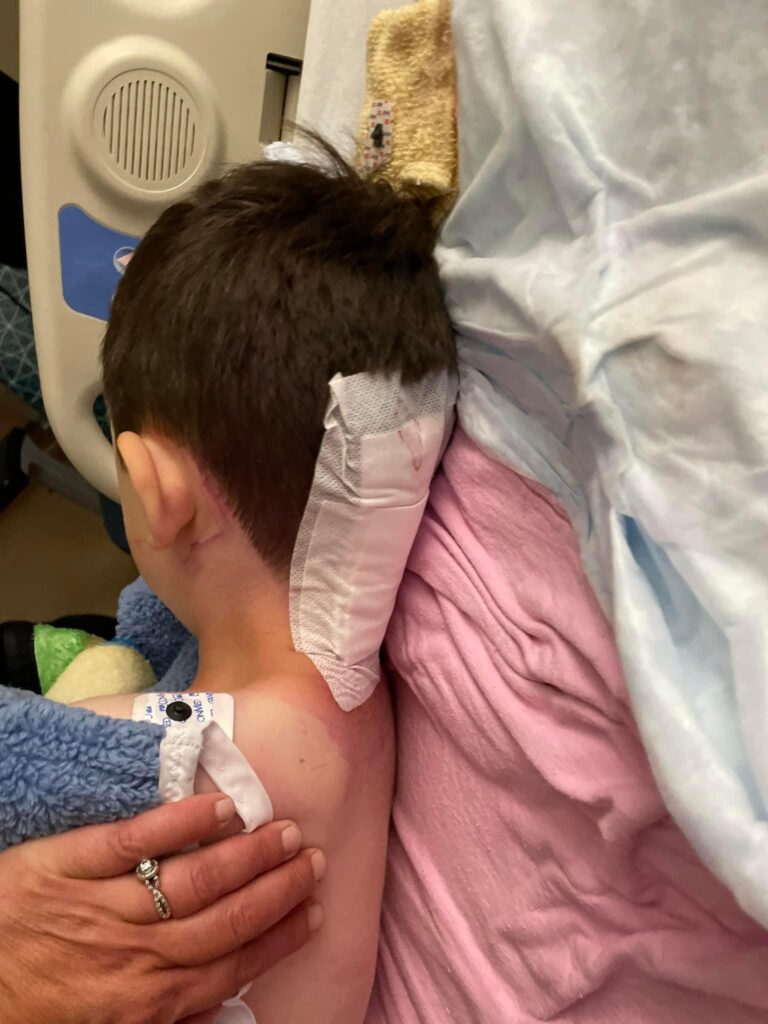
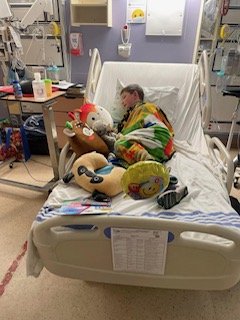
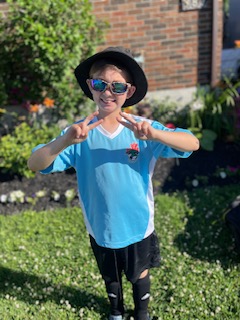
Austin’s parents continued to fight for further medical intervention due to his poor quality of life. On June 05, 2023, Austin finally received his life-changing Chiari Malformation Decompression Surgery. His abnormally enlarged tonsils were removed along with two inches of his skull and C1 and C2 of his vertebrae. Since his surgery, Austin’s quality of life has improved exponentially. Once too exhausted to participate in extra-curricular activities, he is now on the soccer team, has found a love for running track and swimming, rides a bike, and does it all in a way that exceeds doctors’ expectations.


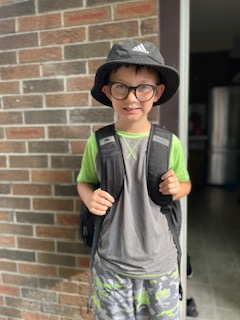
Although Austin still has difficulty keeping up with his peers due to his fragility, tremors, right-sided weakness and right-hand nerve damage, his tenacity is palpable. “I don’t quit,” is Austin’s motto. He pushes himself in PT and OT without complaint, aiming to get stronger. Michelle believes that his fierce determination is shaped by having always involved him in his care. From reviewing brain MRI images to reading medical books geared for kids and watching videos on procedures that he will have done, “We made it normal language in our house… because we are a team,” Michelle states.

Austin has taught his family how to persevere, remain positive through the negative and always fight to be the best version of ourselves. Michelle shares Austin’s story because “being a medical mama is a lonely world,’ and she does not want anyone to feel alone as she did. She hopes that her story encourages and empowers other families to be their own champions, knowing that individual stories matter and that, collectively, these powerful stories can make meaningful changes for future generations.

Written by Isabella Globe, Family Engagement Team summer student

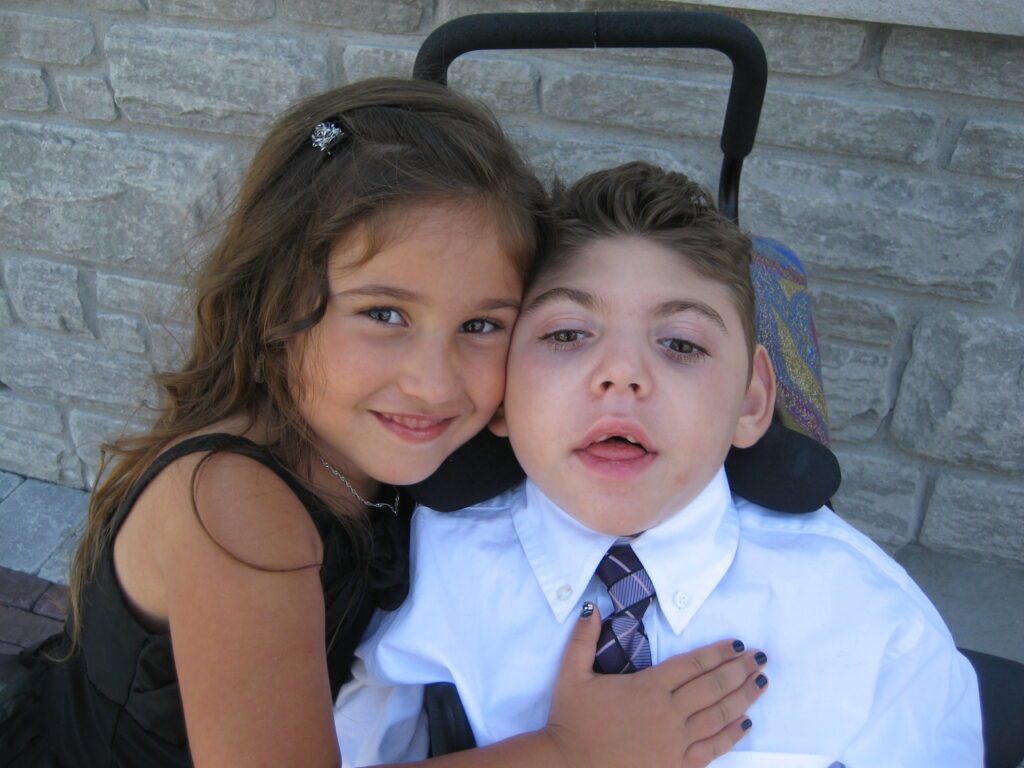
Despite being born into it, I have never had a clear definition of what is entailed in the ‘role’ of being a sibling to someone with a disability. It is different for everyone. It is an unspoken understanding that silently works to create the family dynamic.  

My brother, Lucas, is one year older than me and was diagnosed with cerebral palsy at birth. As the younger sibling, this has always been my “normal” and will forever be a part of my life.  

I often get asked by caregivers if I feel burdened or bitterness, and my honest answer is no. I would be lying if I said every day was easy and I have never struggled, but I don’t know my life to be any other way. I have always found it difficult to find my place as a sibling, as I am not a caregiver, yet I am directly involved in my brother’s life and affected by everything that comes with it. However, I hesitate to relate to caregivers, as I simply cannot share their experiences or resources in a comparable way. 

Isabella with her brother, Lucas.

Through my experience, I have always found that siblings are often a forgotten piece of the family and do not get recognition as often as they should. I believe that, especially as children, we can be overlooked and seen as naive and unaware of the weight that certain decisions and events may have, but this is not true. All siblings in these circumstances each have unique perspectives that allow for a deeper understanding from everyone. When I was a child, I remember offering suggestions to my brother’s care staff, and I received no acknowledgment. Lucas is nonverbal, so advocating for him has always been a large part of his life. My insight on my brother’s cues and ability to offer valuable tips to help manage situations that I had been experiencing firsthand my whole life was taken for granted. In many cases, I am the person there when my parents cannot be.  

Siblings fit into a variety of roles, such as advocates, friends, support, role models and more. The “sibling voice” is scarce and extremely important. Through my summer position at Grandview Kids, I found this opportunity to share the need for the voice of siblings with lived experience. It has made me stronger, empathic, resilient and understanding of what others experience. I have been able to share my story and aid others by speaking directly about how I watched my family navigate to where we are today. By gaining the sibling perspective, a more complete picture of each family can be achieved.  

For caregivers, my hope is that you will gain appreciation and understanding for siblings. We know more than you may think and can often offer valuable insight. Most importantly, I want siblings to know that there are others in their shoes and that their input, feelings, and experiences are all valid. 

In July and August, we acknowledge Cleft and Craniofacial Awareness Month, International Non-Binary People’s Day, Fragile X Awareness Day, National Disability Independence Day, Spinal Muscular Atrophy Awareness Month, MedicAlert Awareness Month, International Assistance Dog Week, International Day of the World’s Indigenous People, World Humanitarian Day, and International Overdose Awareness Day. Below, read more about each date of significance, written by members of our Inclusivity, Diversity, Equity and Accessibility (IDEA) Committee.

July is Cleft and Craniofacial Awareness Month

July is Cleft and Craniofacial Awareness Month, which focuses on raising awareness about cleft lip and palate. A cleft lip is a condition characterized by an opening in the upper lip. It occurs as early as the first three months of pregnancy and can cause problems with speech, hearing and social development. There are three different types of cleft lip and palate:

• Unilateral incomplete
• Unilateral complete
• Bilateral complete

Most of the time, a cleft lip can be treated with corrective surgery, allowing children born with this condition to live full and happy lives. However, in regions without access to proper medical care, a cleft lip can go untreated, leading to further problems. Learning about cleft lip and supporting research and awareness efforts will help ensure everyone has equal access to the best treatment and care.

July 14: International Non-Binary People’s Day

First celebrated in 2012, International Non-Binary People’s Day is observed annually on July 14, exactly at the midway point between International Men’s Day and International Women’s Day. It raises awareness of the issues faced by non-binary people and celebrates their rich diversity.

Non-binary is an umbrella term for gender identities that do not fit within the traditional gender binary of man/woman, including agender, bigender, genderfluid and genderqueer. These identities can be culturally specific, and some individuals may use “non-binary” as a specific identity.

Why this matters to us: In our work serving children and youth with developmental and physical disabilities, it’s vital that we create an environment that is inclusive and supportive of all gender identities. Recognizing and respecting non-binary identities helps us foster a more understanding and empathetic community, which in turn allows the individuals we serve to feel safe and valued.

How you can support individuals who identify as non-binary

  • Educate yourself: Learn about the history and diversity of non-binary identities across different cultures and times. Understanding that non-binary people have always existed helps promote respect and empathy.
  • Diversify your media consumption: Engage with content created by non-binary and transgender individuals to gain a broader perspective and reduce misunderstandings and biases.
  • Raise awareness: Share your knowledge about non-binary identities with friends, family and colleagues. By addressing common myths and answering questions, you can help create a more open and respectful environment.
  • Include pronouns: Add your pronouns to your email signature, Teams profile and when introducing yourself in meetings. This practice normalizes sharing pronouns and helps ensure everyone’s identities are respected.

July 22: Fragile X Awareness Day

World Fragile X Awareness Day is on July 22. Fragile X syndrome is a genetic condition that can cause cognitive impairment, anxiety and developmental delays. It was named Fragile X because when looking at the X chromosome through a microscope, part of it looks ‘fragile’ or ‘broken’. This condition can also be called Martin-Bell Syndrome.

FRAXA Research lists a few ways to get involved this year

  • Spread the word about Fragile X Day on social media
  • Organize a ‘learn about Fragile X’ event in schools, your community or through online platforms
  • Share personal stories through media outlets

July 26: National Disability Independence Day

Since 1990, National Disability Independence Day has been observed annually on July 26. It recognizes the importance of independence for individuals with disabilities. The day also commemorates the signing of the Americans with Disabilities Act, which prohibits discrimination against people with disabilities in the United States. In Canada, this day also recognizes section 15 under the Canadian Charter of Rights and Freedoms. These pieces of legislation help to ensure that people of all abilities can live to their fullest potential.

Here at Grandview Kids, we strive to help support our clients’ independence in many ways,  taking a strengths-based approach to child development. In addition, we actively promote acceptance and inclusion for people of all abilities. This is reflected in our value of “Belonging” and championed through our Ability Acceptance Program. If you’d like to know more about how you can become an Inclusive Ally, sign up for an Ability Acceptance presentation – available to schools, child care centres and local businesses.

August is Spinal Muscular Atrophy Awareness Month

August is Spinal Muscular Atrophy (SMA) awareness month. SMA is a genetic condition that causes muscle weakness and atrophy (the act of muscles getting smaller). The nerves controlling muscle strength and movement are unable to send signals from the brain to the muscles to make them move. It can affect the ability of a person to crawl, walk, sit up, and control head movements. Severe SMA can even damage the muscles used for breathing and swallowing. There are five types of SMA, differing in severity and when signs and symptoms are displayed. There is no cure for SMA, but ongoing medical treatment, such as equipment for breathing support, leg braces, physiotherapy and occupational therapy, can help patients living with SMA002E

Organizations like Grandview Kids desire to raise awareness of SMA and how it affects SMA families. Children and adults with SMA rely heavily on the invaluable support provided by these organizations. This August, we will come together as a community to raise awareness to improve outcomes for patients across Canada, holding onto hope for greater advances in treatment needs and opportunities for people with SMA.

August is MedicAlert Awareness Month

August is MedicAlert Awareness Month. MedicAlert® identification bracelets or tags alert emergency personnel to a member’s primary health conditions, medications, allergies, or implanted medical devices and notify them of specific advance directions. At Grandview Kids, we may see children wearing a bracelet or necklace that includes their name, medical condition, and the contact information of a caregiver. The intent is for the bracelet/necklace to speak on one’s behalf and share critical information that may be able to save one’s life.

The MedicAlert Foundation was founded by the father of 14-year-old Linda Collins of Turlock, California, in 1953 after she cut her finger badly and had to go to the hospital. During standard procedures, Linda went into anaphylactic shock and nearly died. Linda and her father, a doctor, sent the design to a jeweller in San Francisco who designed the first MedicAlert bracelet.

To learn more about a MedicAlert bracelet and the services provided by the MedicAlert Foundation of Canada, visit https://www.medicalert.ca/about-us.

August 4 to 10: International Assistance Dog Week

International Assistance Dog Week provides an opportunity to celebrate the amazing work that service dogs do for their handlers each and every day. Dogs have been used as service animals since the 1700s when dogs would comfort soldiers who were wounded at war. When people tend to think of service dogs, they often think of service dogs that are used as guide dogs for those who are visually impaired; the first service dogs were trained for this purpose in 1942 in California. Since then, dogs have been trained for a wide range of additional uses, including caring for individuals with ADHD, epilepsy, mobility challenges, anxiety, hearing impairments and autism.

August 9: International Day of the World’s Indigenous People

According to the United Nations, Indigenous Peoples have sought recognition of their identities, their way of life and their right to traditional lands, territories and natural resources for years. Yet, throughout history, their rights have been violated. Indigenous Peoples today are arguably among the most disadvantaged and vulnerable groups of people in the world. The international community now recognizes that special measures are required to protect their rights and maintain their distinct cultures and ways of life.

To build on the recognition and awareness of Indigenous Peoples, August 9 has become the International Day of the World’s Indigenous Peoples. This day honours and celebrates the culture, rights, and resilience of these groups and continues the effort to protect their human rights and dignity.

“Indigenous Peoples live in all regions of the world and own, occupy or use some 22% of global land area. Numbering at least 370-500 million, Indigenous Peoples represent the greater part of the world’s cultural diversity. They speak an overwhelming majority of the world’s estimated 7,000 languages and represent 5,000 different cultures.” (Unesco)

There are many ways to recognize International Day of the World’s Indigenous Peoples, but the most important way to build awareness is through learning, self-discovery and understanding.

  • Attend a virtual Indigenous Peoples’ Day event.
  • Look for online webinars and celebrations to learn about Indigenous Peoples’ Day.
  • Practice land acknowledgement.
  • Donate to organizations that support Indigenous peoples.
  • Attend a local event or Pow Wow.
  • Visit indigenous restaurants, shops or food trucks and try some culture and food!

August 19: World Humanitarian Day

World Humanitarian Day falls on August 19. This day was designated to commemorate the memory of the August 19, 2003, bomb attack on the Canal Hotel in Baghdad, which sadly claimed the lives of 22 people, including the chief humanitarian in Iraq.

This day was formalized in 2009 and now highlights the importance, effectiveness, and positive impact of Humanitarianism. It is a day to pay tribute to the lives lost due to humanitarian work and to honour all aid and health workers who continue to provide life-saving support to people most in need.

August 31: International Overdose Awareness Day

International Overdose Awareness Day, held annually on August 31, is dedicated to ending overdose, remembering those who have died without stigma and acknowledging the grief of families and friends left behind. As the world’s largest annual campaign focused on this issue, it raises awareness about one of the most pressing public health crises and promotes action and discussion around evidence-based overdose prevention and drug policy. The day spreads the critical message that drug overdose deaths are preventable and highlights the profound impact these tragedies have on families and communities.

The theme for 2024, “Together we can,” underscores the power of community in combating overdose. It emphasizes the strength found in collective efforts to provide support, raise awareness, and advocate for change. By participating in the global movement on August 31, we stand in solidarity with those affected by overdose, promoting the prevention and reduction of drug-related harm through informed policies and practices. This day reminds us that by working together, we can create a more compassionate and informed society and make a significant impact on preventing overdoses.

Click here to learn more about International Overdose Awareness Day.

In July and August, we acknowledge Canada Day, Al-Hijra, Guru Purnima, Obon Festival, Tu B’Av, Janmashtami, and Paryushana. Below, read more about each holiday/celebration written by members of our Inclusivity, Diversity, Equity, and Accessibility (IDEA) Committee.

July 1: Canada Day

July 1, 1867, was the date of the Canadian Confederation and the passing of the British North America Act, which united the United Canadas, Nova Scotia, and New Brunswick into a single dominion within the British Empire, which we now call Canada.

We celebrate Canada’s birthday each year on July 1 to recognize our culture and our history and to acknowledge our achievements in creating freedom across our nation. We take pride in our country, which is made up of many people from many places around the world who now call Canada home. Our Nation is known for ethnocultural and religious diversity, and over many years, we have been able to measure our mosaic of people and cultures through Statistics Canada. The 2021 Census provides more detail on the ethnocultural and religious facets of society than ever before. In fact, more than 450 ethnic and cultural origins, 200 places of birth, 100 religions and 450 languages have been included in this census.

We have so much to be proud of, and we encourage you and your family to celebrate our country’s birthday on July 1! Some traditional celebrations include fireworks, BBQs with friends and family, singing of our National Anthem, cultural, artistic, or sports activities, and even showing our patriotic pride through wearing red and white, enjoying Canadian-inspired foods, and enjoying local musicians.

No matter how you celebrate, enjoy your Canada Day safely!

July 7: Al-Hijra

The Islamic New Year, also known as the Hijri New Year, marks the beginning of the Islamic lunar calendar. It commemorates the Hijra, the migration of the Prophet Muhammad and his followers from Mecca to Medina in 622 CE, an event of profound significance in Islamic history. This migration was necessitated by severe persecution and hostility faced by the early Muslim community in Mecca. As Muhammad’s message of monotheism and social reform gained followers, it also drew strong opposition from the powerful Quraysh tribe. Leaders from the city of Yathrib (later renamed Medina) invited Muhammad to mediate tribal conflicts and offered refuge, presenting an opportunity for Muslims to practice their faith freely.

The first month of the Hijri calendar is Muharram, and the last is Dhu al-Hijjah. Unlike the Gregorian calendar, which is solar, the Hijri calendar is lunar, consisting of 12 months and approximately 354 or 355 days. This results in the Islamic New Year shifting by about 10-12 days each year in relation to the Gregorian calendar. 

July 21: Guru Purnima

Guru Purnima is a traditional Hindu festival dedicated to spiritual and academic teachers. Celebrated on the full moon day (Purnima) in the Hindu month of Ashadha (June–July), it honours the relationship between gurus (teachers or mentors) and their disciples. This day is marked by rituals and ceremonies where students express their gratitude and reverence to their gurus, acknowledging the invaluable guidance and wisdom imparted to them. Guru Purnima is observed not only in India but also in Nepal and other countries with Buddhist and Jain communities, symbolizing the universal respect for the role of teachers in nurturing knowledge and enlightenment.

August 13: Obon Festival

Obon, also known as Bon Festival, is a Japanese Buddhist tradition honouring the spirits of ancestors. Celebrated in mid-August, it is a time when families come together to pay their respects to deceased loved ones. The festival typically lasts for three days and includes various customs such as visiting graves, cleaning ancestral tombstones and participating in Bon Odori, a traditional dance to welcome and entertain the spirits. Lanterns are lit to guide the spirits back to their resting places, symbolizing a reunion with the departed and a reminder of the cyclical nature of life and death. Obon is a deeply spiritual and cultural event, emphasizing family ties and the reverence for ancestors.

August 18: Tu B’Av (The 15th of Av)

Tu B’Av is celebrated every year on the 15th day of Av. On the Hebrew calendar, Av is the eleventh month of the civil year and the fifth month of the ecclesiastical year. This year, it takes place from to 19. In the Babylonian Talmud, it is written that “when we enter Av, our joy is diminished.” The month is associated with the darkest events in Jewish history, such as the Nine Days, which culminate in the fast day of Tisha B’Av, the ninth of Av. However, Tu B’Av, which remained minor and largely unknown for many centuries, was one of the happiest days of the year in ancient times.

August 26: Janmashtami 

Janmashtami, also known as Krishna Janmashtami, is a Hindu festival celebrating the birth of Krishna, the eighth avatar of Vishnu. According to the Hindu lunar calendar, this auspicious event falls on the Ashtami (eighth day) of the Krishna Paksha (dark fortnight) in the month of Bhadrapada, which typically falls in August or September in the Gregorian calendar. The festival is marked by various customs and rituals, including fasting, singing devotional songs, and reenacting episodes from Krishna’s life, particularly his childhood. The Dahi Handi event, where teams form human pyramids to break a pot of curd hung high in the air, is a popular tradition associated with Janmashtami. Devotees also decorate temples, conduct midnight vigils, and chant hymns to celebrate the divine birth.

August 31 to 7: Paryushana

Paryushana is considered one of the most important festivals celebrated by Jains, followers of a religion that originated in India. It typically occurs in August or September and lasts for 8-10 days, depending on the Jain sect. In 2024, Paryushana will be observed from August 31 to September 7. During Paryushana, Jains focus on self-reflection, forgiveness, and spiritual growth. They engage in fasting, prayer, and reading sacred texts to cleanse their souls and improve their lives. The festival culminates with Samvatsari, a day of seeking and granting forgiveness among family, friends, and community members, which fosters harmony and unity. Paryushana is a time for Jains to renew their commitment to non-violence, truthfulness, and compassion towards all living beings.

  • ⟨
  • Page 1
  • Interim pages omitted …
  • Page 7
  • Page 8
  • Page 9
  • Page 10
  • Page 11
  • Interim pages omitted …
  • Page 51
  • ⟩

Primary Sidebar

Child Stories

LnRiLWZpZWxke21hcmdpbi1ib3R0b206MC43NmVtfS50Yi1maWVsZC0tbGVmdHt0ZXh0LWFsaWduOmxlZnR9LnRiLWZpZWxkLS1jZW50ZXJ7dGV4dC1hbGlnbjpjZW50ZXJ9LnRiLWZpZWxkLS1yaWdodHt0ZXh0LWFsaWduOnJpZ2h0fS50Yi1maWVsZF9fc2t5cGVfcHJldmlld3twYWRkaW5nOjEwcHggMjBweDtib3JkZXItcmFkaXVzOjNweDtjb2xvcjojZmZmO2JhY2tncm91bmQ6IzAwYWZlZTtkaXNwbGF5OmlubGluZS1ibG9ja311bC5nbGlkZV9fc2xpZGVze21hcmdpbjowfQ==
LnRiLWhlYWRpbmcuaGFzLWJhY2tncm91bmR7cGFkZGluZzowfQ==
ICAudGItaW1hZ2V7cG9zaXRpb246cmVsYXRpdmU7dHJhbnNpdGlvbjp0cmFuc2Zvcm0gMC4yNXMgZWFzZX0ud3AtYmxvY2staW1hZ2UgLnRiLWltYWdlLmFsaWduY2VudGVye21hcmdpbi1sZWZ0OmF1dG87bWFyZ2luLXJpZ2h0OmF1dG99LnRiLWltYWdlIGltZ3ttYXgtd2lkdGg6MTAwJTtoZWlnaHQ6YXV0bzt3aWR0aDphdXRvO3RyYW5zaXRpb246dHJhbnNmb3JtIDAuMjVzIGVhc2V9LnRiLWltYWdlIC50Yi1pbWFnZS1jYXB0aW9uLWZpdC10by1pbWFnZXtkaXNwbGF5OnRhYmxlfS50Yi1pbWFnZSAudGItaW1hZ2UtY2FwdGlvbi1maXQtdG8taW1hZ2UgLnRiLWltYWdlLWNhcHRpb257ZGlzcGxheTp0YWJsZS1jYXB0aW9uO2NhcHRpb24tc2lkZTpib3R0b219IC53cC1ibG9jay1pbWFnZS50Yi1pbWFnZVtkYXRhLXRvb2xzZXQtYmxvY2tzLWltYWdlPSJhMWJlMmUyODAwMWFkMGRlMjBhM2RlZWVlYmE5MDJhMSJdIHsgbWF4LXdpZHRoOiAxMDAlOyB9IEBtZWRpYSBvbmx5IHNjcmVlbiBhbmQgKG1heC13aWR0aDogNzgxcHgpIHsgICAudGItaW1hZ2V7cG9zaXRpb246cmVsYXRpdmU7dHJhbnNpdGlvbjp0cmFuc2Zvcm0gMC4yNXMgZWFzZX0ud3AtYmxvY2staW1hZ2UgLnRiLWltYWdlLmFsaWduY2VudGVye21hcmdpbi1sZWZ0OmF1dG87bWFyZ2luLXJpZ2h0OmF1dG99LnRiLWltYWdlIGltZ3ttYXgtd2lkdGg6MTAwJTtoZWlnaHQ6YXV0bzt3aWR0aDphdXRvO3RyYW5zaXRpb246dHJhbnNmb3JtIDAuMjVzIGVhc2V9LnRiLWltYWdlIC50Yi1pbWFnZS1jYXB0aW9uLWZpdC10by1pbWFnZXtkaXNwbGF5OnRhYmxlfS50Yi1pbWFnZSAudGItaW1hZ2UtY2FwdGlvbi1maXQtdG8taW1hZ2UgLnRiLWltYWdlLWNhcHRpb257ZGlzcGxheTp0YWJsZS1jYXB0aW9uO2NhcHRpb24tc2lkZTpib3R0b219IH0gQG1lZGlhIG9ubHkgc2NyZWVuIGFuZCAobWF4LXdpZHRoOiA1OTlweCkgeyAgIC50Yi1pbWFnZXtwb3NpdGlvbjpyZWxhdGl2ZTt0cmFuc2l0aW9uOnRyYW5zZm9ybSAwLjI1cyBlYXNlfS53cC1ibG9jay1pbWFnZSAudGItaW1hZ2UuYWxpZ25jZW50ZXJ7bWFyZ2luLWxlZnQ6YXV0bzttYXJnaW4tcmlnaHQ6YXV0b30udGItaW1hZ2UgaW1ne21heC13aWR0aDoxMDAlO2hlaWdodDphdXRvO3dpZHRoOmF1dG87dHJhbnNpdGlvbjp0cmFuc2Zvcm0gMC4yNXMgZWFzZX0udGItaW1hZ2UgLnRiLWltYWdlLWNhcHRpb24tZml0LXRvLWltYWdle2Rpc3BsYXk6dGFibGV9LnRiLWltYWdlIC50Yi1pbWFnZS1jYXB0aW9uLWZpdC10by1pbWFnZSAudGItaW1hZ2UtY2FwdGlvbntkaXNwbGF5OnRhYmxlLWNhcHRpb247Y2FwdGlvbi1zaWRlOmJvdHRvbX0gfSA=

The Importance Of Advocating For Yourself: Charcot-Marie-Tooth Awareness Month 

At just 21 years old, Ella Wiley is already making a profound impact on the world around her. A fourth-year pre-med student at York University, majoring in Health Studies with...

Latest Updates

  • Grandview Kids and Lakeridge Health open Canada’s first anesthesia procedure clinic in a Children’s Treatment Centre May 6, 2026
  • Ahaana’s magic ears: Speech and Hearing Month May 5, 2026
  • May: Dates of Significance April 30, 2026
  • Building confidence through the power of giving: Norah’s story April 30, 2026
  • A Place Where S Shines: Williams Syndrome Awareness Month April 29, 2026

You Have Questions

We’d like to help you find the answers…

Contact Us Today

© Grandview Kids Built by PeaceWorks

  • About Us
  • Contact Us
  • Privacy
Accessibility Adjustments

Powered by OneTap

How long do you want to hide the toolbar?
Hide Toolbar Duration
Select your accessibility profile
Vision Impaired Mode
Enhances website's visuals
Seizure Safe Profile
Clear flashes & reduces color
ADHD Friendly Mode
Focused browsing, distraction-free
Blindness Mode
Reduces distractions, improves focus
Epilepsy Safe Mode
Dims colors and stops blinking
Content Modules
Font Size

Default

Line Height

Default

Color Modules
Orientation Modules