• Skip to primary navigation
  • Skip to main content
  • Skip to primary sidebar
Grandview Kids Logo

Grandview Kids

Every Child And Youth Living Life At Their Full Potential

  • About Us
    • Vision, Mission and Values
    • The New Grandview Kids
      • Operational Readiness
      • Visiting Grandview Kids’ Ajax Headquarters
    • Our History
    • Leadership
    • Board of Directors and Committees
      • Join our Board of Directors and Committees
    • Annual Report
    • Strategic Plan
    • Policies
  • Calendar
  • Annual Report
    • Strategic Direction 1: Deliver meaningful, efficient client and caregiver outcomes and experiences
    • Strategic Direction 2: Foster a thriving, connected Team Grandview
    • Strategic Direction 3: Collaborate with partners to maximize impact, focusing on Durham Region
    • The New Grandview Kids – The Jerry Coughlan Building
    • 2024-25 Financial Statement
    • Grandview Kids Foundation update
    • Grandview School update
  • Contact
    • Contactez – nous
    • Ajax – Headquarters
    • Bowmanville Health Centre
    • Grandview School
    • Oshawa – Dwyer
    • Port Perry
    • Whitby – Abilities Centre
  • Careers
  • Register
  • Donate
  • Instagram
  • LinkedIn
  • Facebook
  • Services and Programs
    • Audiology
    • Autism Program
      • Autism Spectrum Disorder (ASD) Diagnostic Hub
      • Caregiver-Mediated Early Years Programs
      • OAP Core Clinical Services
      • Entry to School Program
      • Foundational Family Services
    • Blind-Low Vision Program
    • Extensive Needs Service
    • Family Engagement Program
      • Adolescent Transition Program
      • Family Leader Program
        • Family Advisory Council
        • Youth Advisory Council
    • Infant Hearing Program
    • Medical Services
      • Autism Spectrum Disorder (ASD) Diagnostic Hub
      • Complex Care Program
      • Grandview Anesthesia Procedure (GAP) Clinic
      • Hypertonia Clinic
      • Nutrition Services
      • Orthopaedic Clinic
    • Occupational Therapy
    • Physiotherapy
    • Preschool Outreach Program
    • School Programs & Resources
      • Resources for Educators
      • School-Based Rehabilitation
    • Service Navigation
      • SmartStart Hub: Parents
      • SmartStart Hub: Partners
    • Social Work
    • Speech-Language Pathology
      • Augmentative and Alternative Communication
    • Therapeutic Recreation
  • Purchased Services
    • Summer Camp 2026
    • OAP Core Clinical Services
      • Behaviour Services
  • Research
    • Get involved in research
    • IDEA Study
      • Building knowledge and understanding of the intersection of race and disability in accessing pediatric rehabilitation services.
    • Research Associate: Dr. Fiona Moola
    • Research Associate: Dr. Meghann Lloyd
  • Resources
    • Ability Acceptance Program
    • Arriving at Grandview Kids
    • Community Supports & Resources
    • Family Support Fund
    • Free to Read Program
    • Frequently Asked Questions
    • Gather by Grandview Kids
    • News and Updates
    • Privacy
    • Resources for Parents and Caregivers
    • Visiting Grandview Kids
  • Support Us
    • Ways to support
    • Host a fundraiser
    • Participate in an event
      • Golf Fore Grandview Kids
      • Sponsor the Drum
      • Dream Big, Dream Brighter Awards Gala
    • Leave a legacy
      • Gifts of securities
      • Gifts of bequests
      • Gifts of life insurance
    • Your impact
    • Building a Legacy: Honouring Jerry Coughlan
  • I Want To…
    • Connect with Grandview Kids
    • Donate
    • Refer a child or youth
    • Register via My Community Hub
    • Schedule an Appointment
    • Volunteer at Grandview Kids
    • Work at Grandview Kids
  • Grandview School
    • About Our Program
    • About Our Board
    • Grandview School Social Story
    • Plans and Reports
    • Resources for Families
    • Resources for Schools – Switch It Up!
    • Careers and Volunteering
    • Contact Grandview School
  • Search

Posted October 24, 2024

International Volunteer Managers Day 2024

Adrian Polidano

People around the world recognize the important role volunteers play in many areas of life. But volunteers don’t work alone. That’s why we celebrate International Volunteer Managers Day every year on November 5.

Here is what Grandview Kids’ Volunteer Coordinator, Tara, shares when asked what leading the Volunteer Program at Grandview Kids means to her

“I am honoured to be part of the Volunteer Program at Grandview Kids.  As a coordinator of volunteers, I enjoy meeting and ultimately introducing a diverse array of dynamic, talented, and caring people within our community to our organization.  When interviewing potential volunteers, it is no surprise to hear the most common response for wanting to volunteer is the desire to give back to the community.  

As we look to the future, it is exciting to grow and develop our program.  Our volunteers can be seen as the “Director of First Impressions” when clients/families enter our Centre, or they may be in the background assisting with various programs, offering their support to our clinical team.  Some offer their enthusiasm and expertise by participating in community events and on committees, and others are very happy to serve up freshly baked goods (and a smile) in our volunteer-run Café.“

This year’s International Volunteer Managers Day theme is “What’s our future normal?” Visit volunteermanagersday.org to learn more.

Did you know?

Grandview Kids is actively recruiting volunteers to support us at our new Ajax-based headquarters and Oshawa-Dwyer site starting this fall.

If you or someone you know is interested in our available opportunities and would like to apply, please visit our blog to learn more.
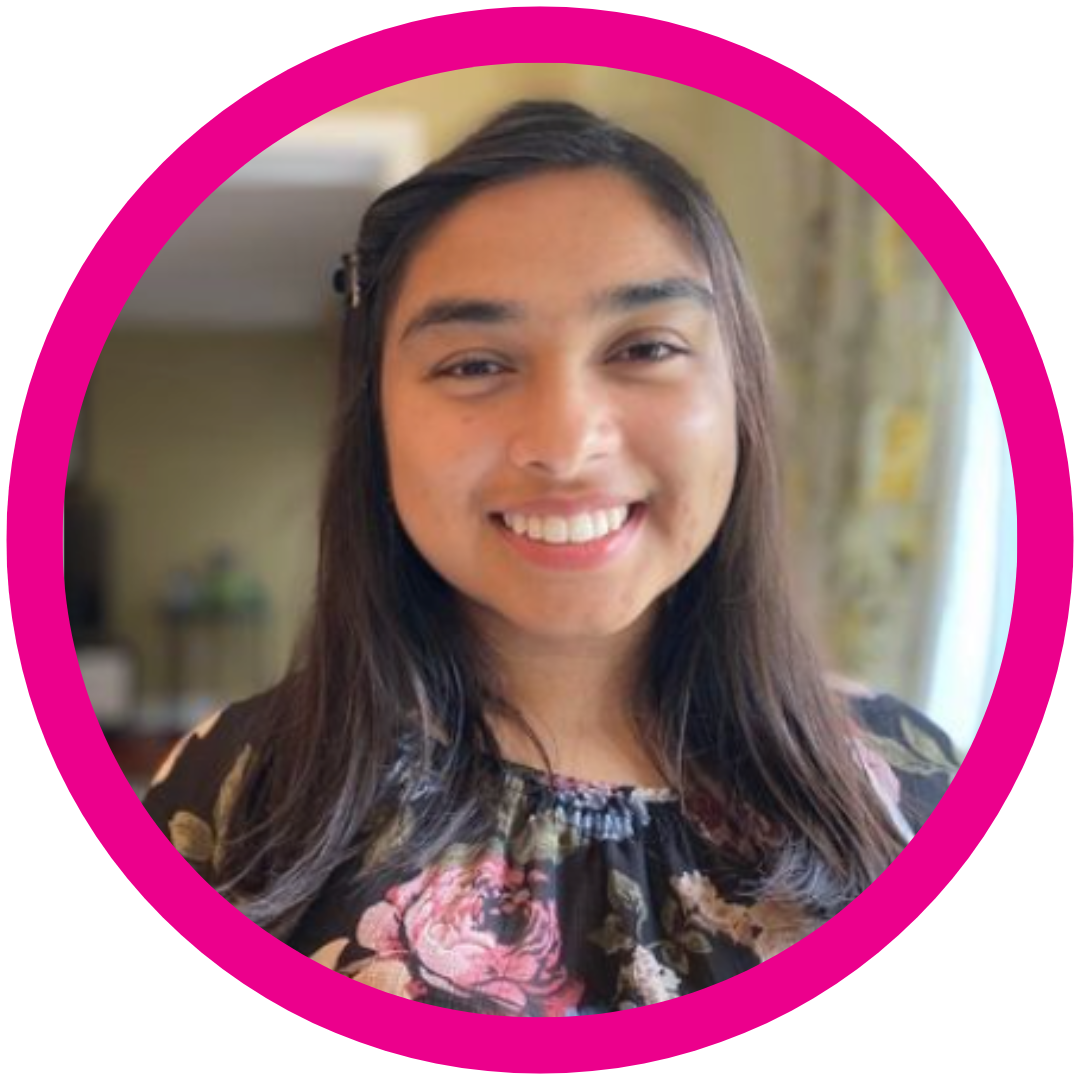
Meet Grandview Kids Volunteer, Tarana F.!

How long have you been volunteering at Grandview Kids?

I’ve been volunteering at Grandview Kids since July 2023 until now. 

Has anything interesting happened to you while you were volunteering at Grandview Kids?

Nothing in particular, but the staff have been consistently friendly and helpful. 

What is the best part of volunteering at Grandview Kids for you? 

Seeing the children and youth smile and have fun!

Who inspires you to volunteer or give back?  

My therapist inspires me to volunteer and give back. She encouraged me to seek opportunities beyond my bubble and into community involvement. I’m grateful she encouraged me because I’ve enjoyed my time at Grandview!

What would you say to someone who was thinking about volunteering at Grandview Kids?

I would tell them to do it! It’s a fantastic opportunity to connect with clinicians and support young children in need. Helping with the therapy sessions is also fun and brings you back to childhood. 

Written by Grandview Kids Speech-Language Pathologist, Rikki

Maintaining vocal health is important for everyone, especially in busy, active households. Whether your child or youth is learning to communicate or just loves chatting and singing, caring for their voices can make a big difference. Here are five simple tips to help you practice vocal hygiene at home.

1. Stay hydrated!

Encourage your child to drink plenty of water throughout the day. Try to limit caffeinated beverages, as they can dehydrate the vocal cords.

2. Incorporate voice breaks

Resting the voice is essential for preventing vocal fatigue. Encourage your child to engage in quiet activities that don’t require speaking.

3. Reduce background noise

Talking over background noise, like the TV or music, can lead to vocal strain. Turn off or lower the volume when speaking with your child.

4. Practice good posture

Proper posture allows for better airflow and more efficient voice production. Encourage your child to sit up straight when speaking.

5. Speak from an appropriate distance

Practice speaking with your child from a reasonable distance rather than from different rooms or floors of the house.

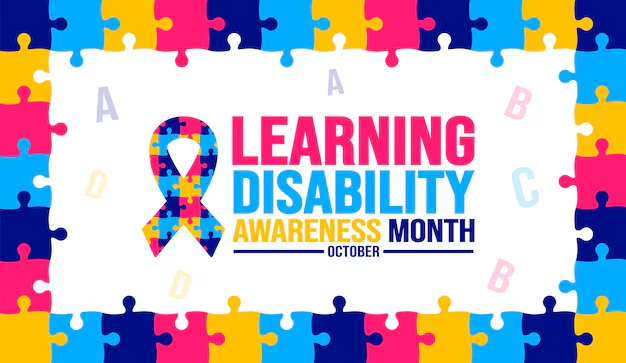
In October, we acknowledge Learning Disabilities Awareness Month, Global Diversity Awareness Month, International Augmentative and Alternative Communication (AAC) Month, National Disability Employment Awareness Month (NDEAM), Canadian Islamic History Month, Women’s History Month, Rett Syndrome Awareness Month, National Infection Prevention and Control Week, Canadian Patient Safety Week, World Mental Health Day, International Day of the Girl Child, Stuttering Awareness Day, World Spina Bifita and Hydrocephalus Awareness Day, International Dwarfism Awareness Day and World Stroke Day.

Below, read more about each date of significance, written by members of our Inclusivity, Diversity, Equity and Accessibility (IDEA) Committee.

Learning Disabilities Awareness Month


Learning disabilities (LDs) affect how information is processed by the brain. This can include how an individual acquires (takes in), organizes, retains, understands and uses verbal (words and speech) and nonverbal information. LDs do not affect intelligence and are different from intellectual disabilities. Many people with LDs have average to superior intelligence. While gifted in specific streams, their strengths are offset by noticeable weaknesses. Some famous people with LDs include Thomas Edison, Albert Einstein, Leonardo da Vinci and Winston Churchill.

Conducting a psychoeducational assessment by a psychologist can identify LDs through formal and informal tests that determine patterns of strengths and weaknesses compared to intellectual ability. Identifying LDs can help support individual education plans for children to assist their learning abilities best. The seven most common specific learning disabilities are:

  • Dyslexia: a language processing disorder that impacts reading, writing and comprehension.
  • Dysgraphia: having trouble converting thoughts into writing or drawing.
  • Dyscalculia: encompasses learning disabilities related to mathematical calculations (math concepts, numbers and reasoning).
  • Auditory processing disorder (APD): difficulty processing sounds as the brain misinterprets the information received and processed from the ear.
  • Language processing disorder: specific challenges in processing spoken language impacting both receptive and expressive language.
  • Nonverbal learning disabilities are difficulties in decoding nonverbal behaviours and social cues, such as body language, facial expressions, and tone of voice.
  • Visual perceptual/visual motor deficit: poor hand-eye coordination, often losing their place when reading, and may have difficulty with fine motor activities (writing, scissor use, etc.).

“A diagnosis of a learning disability does not imply that ______ lacks learning ability. Rather, having a learning disability suggests that he/she has the thinking and reasoning skills critical to the learning process, as evidenced by his/her high average verbal abilities, but that he/she also possesses significant processing weaknesses that interfere with his/her ability to learn certain types of information in a manner or rate similar to his/her peers. _______ will therefore require support to maximize his/her academic potential.” – excerpt from a registered psychologist’s summary and formulation in a child’s psychoeducational assessment.

Global Diversity Awareness Month

Celebrated each October, it is a time to honour and promote the value of diversity across cultures, backgrounds, and identities worldwide. It encourages individuals, communities, and organizations to recognize the unique contributions that different races, ethnicities, genders, religions, languages, and abilities bring to society.

The month increases awareness and understanding of global cultures and fosters inclusion, acceptance, and respect. Many workplaces and institutions use this time to host events, workshops, and discussions on diversity, equity, and inclusion, aiming to create more equitable and understanding environments. It’s an opportunity to reflect on human differences’ richness and advocate for social cohesion and equality.

Global Diversity visually explained: What Makes You, You? | Global Diversity Awareness Month (youtube.com)

International Augmentative and Alternative Communication (AAC) Month

International AAC (Augmentative and Alternative Communication) Awareness Month is celebrated each October. AAC involves “all forms of communication (other than oral speech) that are used to express thoughts, needs, wants, and ideas.” (American Speech-Language-Hearing Association). Facial expressions, gestures, symbols, and writing are all forms of AAC.

Some examples of AAC used at Grandview Kids to support client comprehension and language use include sign language, picture exchange communication systems (PECS), PIXON (core word picture boards), recorded speech devices (e.g., GoTalk Communication Aid, BIGmack Communicator), and electronic tablet speech applications (e.g., programs like LAMP and ProLoQuo2Go for devices like iPads).

The ISAAC theme for 2024 is “Vibes of AAC” and encourages celebrating with social events such as a morning or afternoon tea, reading stories, watching videos, making music and other community events to help promote AAC awareness.

Some quotes from our Grandview parents about their children using AAC devices:

“This is Zoe using her Tobii Eye Gaze Communication Device. It has been an absolute game changer having her learn to communicate with her device. She now has words to match her sass!” – Sarah-Lynne Gibbons

“When my daughter gained access to communication with AAC, it was life-changing. AAC has not only given her the ability to request, comment, and make jokes, but more importantly, it has given her agency over her life and the power to advocate for herself.” – Grandview parent

“It’s so rare to be in a room with other AAC device users. My daughter was able to see another girl her age who communicates just like her. They use the same language, and she’s never seen another girl like her before. We’ve created a beautiful little community. I really enjoyed chatting with other parents. We felt normal for the first time in a long time.” – Danielle Parris

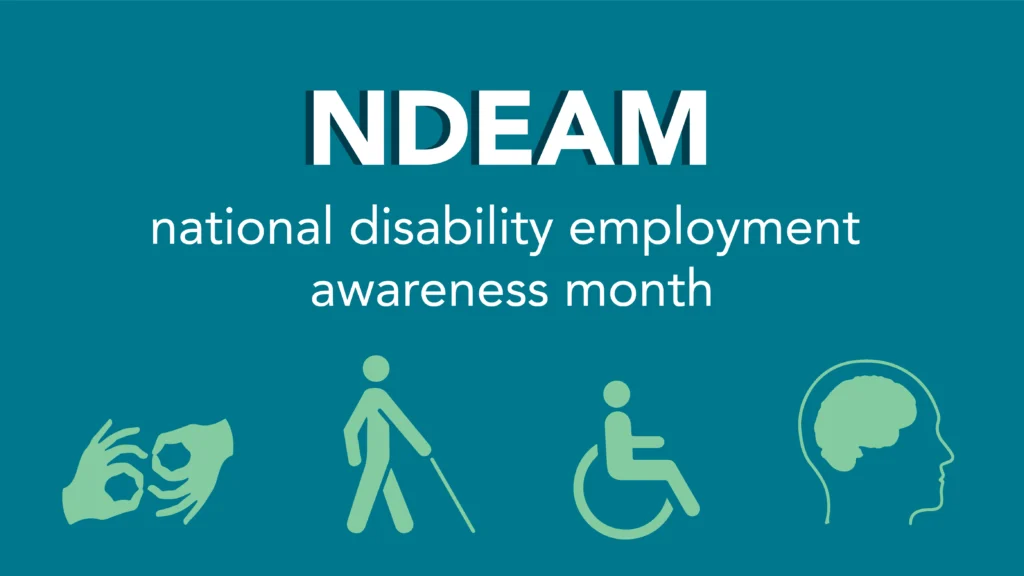
National Disability Employment Awareness Month (NDEAM)


National Disability Employment Awareness Month (NDEAM) is an annual event that takes place each October to celebrate the contributions of workers with disabilities and to highlight the importance of inclusive employment policies and practices. The theme for 2024, “Access to Good Jobs for All,” underscores the ongoing efforts to ensure that people with disabilities have equal opportunities in the workforce.

My name is Sam, and I am a former Grandview Kid’s client and current Grandview employee as a member of the Family Engagement Team (FET) in the Adolescent Transition Team. As someone with Cerebral Palsy, employment was something that I always struggled with. Many jobs are difficult to obtain due to my challenges. I always knew, however, that there was and is an employment opportunity where I could thrive in an environment that is empowering, inclusive, accommodating and the perfect fit to utilize my disability as an asset instead of it being a wall that I have to smash through.

Grandview Kids became that place for me. Not only is Grandview Kids extraordinarily accommodating and inclusive, but it also afforded me the chance to assist youth and their families while offering a unique perspective on the job as I navigate and learn in my own life.

Canadian Islamic History Month


Celebrated every October, it recognizes and honours the significant contributions of Muslim communities to Canada’s cultural, social, and historical fabric. Established by Parliament in 2007, CIHM aims to foster understanding and break stereotypes.

For 2024, Islamic History Month Canada proudly announces the theme: “Health and Healing.” Throughout history, the Muslim world has been home to remarkable physicians, scientists, and scholars whose pioneering work laid the foundation for modern healthcare. Their innovations continue to influence healing and wellness practices today.

Notable figures like Ibn Sina (Avicenna), whose The Canon of Medicine remains one of the most influential medical texts, and Al-Razi (Rhazes), known for his groundbreaking work on diseases like smallpox, made significant contributions. Ibn al-Nafis, who discovered pulmonary circulation, also revolutionized our understanding of the cardiovascular system. These scholars exemplify the profound impact of Muslim heritage on health and healing, reminding us of the lasting value of curiosity, knowledge, and compassion in advancing human well-being.

To delve deeper into these contributions, explore the Kingston Frontenac Public Library’s curated reading list for insights into Canadian Muslims’ rich history and diverse perspectives.

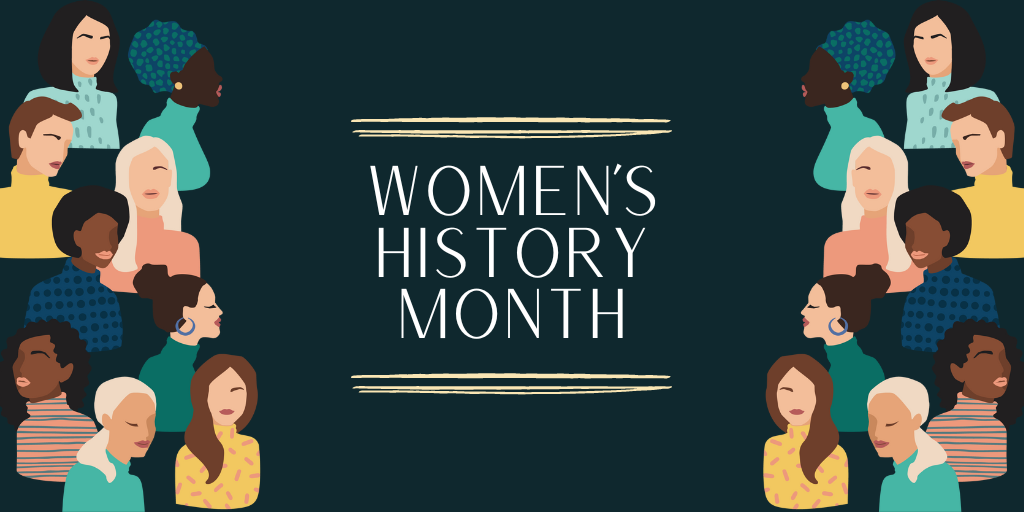
Women’s History Month


Since 1992, October has marked Women’s History Month. This year, we thought we would take the time to tell you about two famous women who worked in the Canadian medical sector: Dr. Jennie Trout and Dr. Emily Stove, the first female licensed physicians in Canada.

Dr. Jennie Trout was born on April 24, 1841, in Scotland. She immigrated to Canada with her family at six and attended the Normal School of Upper Canada, the only advanced school to enroll women in Canada. After graduating, she became a teacher in Stratford. It would be there that she would meet her husband, Edward. The two moved back to Toronto in 1867 when her husband founded the Monetary Times newspaper. Unfortunately, during this period, she began to suffer from “nervous disorders,” which often rendered her bedridden, only finding relief in the newly created electrotherapy. It would be these treatments that would inspire her to enter into the medical sector.  In 1869, they moved into a home with Emily Stove, who, along with Jennie, petitioned the Toronto School of Medicine. 

Dr. Emily Stove was born on May 1, 1831, on a farm in Norwich, Ontario. Being a Quaker (Member of The Society of Friends), Emilie’s mother decided to homeschool her children, encouraging lifelong learning. During this time, her mother also taught her about herbal medicine, and she secured an apprenticeship with homeopathic physician Joseph J. Lancaster. A few years later, like Jennie Trout, Emily attended Normal School and would later become a teacher, teaching at various schools in Canada West, later renamed Ontario, eventually becoming the first female principal in Ontario. In 1856, she married John Stove, a carriage maker, who unfortunately contracted tuberculosis in 1863, inspiring Emily to continue to pursue her interest in medicine.

Emily was accepted into the New York School of Medicine, receiving her degree in 1867, and would return to Toronto shortly. Unfortunately, a short time after she returned, the medical industry in Canada changed the qualifications needed to practice medicine in Canada, requiring her to take additional courses to ensure she met the industry standard. Due to this, she applied and was finally accepted into the Toronto School of Medicine, where she met Jennie Trout. Unfortunately, their time at the Toronto School of Medicine was not enjoyable. The two were regularly bullied by both their classmates and professors.

In addition, their professors would also refuse to talk about various topics while they were in the same room as them. Despite these challenges, both women completed the program, though Emily would not receive her licence for another ten years. Both women would go on to open their practices. Jennie would continue practicing until 1882, when the demands of her work began to take a toll on her health. She retired from her practice that winter. After retirement, she went on to help found medical schools in Toronto and Kingston, which eventually merged to form the Ontario Medical College for Women in Toronto.  She would also become a Christian missionary overseas and an active member of the Temperance movement, which advocated for the limiting of the consumption of alcohol. She would pass away in 1921.

Following her retirement, Emily Stove would also advocate for women’s education, help found several medical schools across Canada, and become an active member of the suffragette movement, fighting for equal rights for women. She passed away on April 30, 1903.

Rett Syndrome Awareness Month

Rett Syndrome (RTT) is a rare, non-inherited genetic disorder caused by mutations in the MECP2 gene, affecting early brain development, which causes loss of skills and abilities. This degenerative disorder occurs almost exclusively in girls, where development appears normal in infancy until symptoms begin showing between 6 and 18 months of age. They will often reach typical milestones such as crawling, walking, speaking and then things start to go “backwards” as they regress.

Children with Rett Syndrome are often unable to speak, walk, use their hands and feed orally. Other common problems include breathing problems, seizures, anxiety, and gastrointestinal and orthopedic issues. Though some skills can be learned or regained, most individuals with RTT depend on others to assist them with daily activities. However, individuals with RTT strongly desire to communicate with those around them as they have more fantastic receptive language (i.e. what they hear and understand) than expressive language (speech). Communication methods vary, including eye pointing and blinking, yes/no, flashcards, pictures, communication boards, etc.

Those with RTT tend to have a shorter life expectancy, averaging between 20-40 years of age. Although there is no cure, the US FDA approved the first-ever treatment on March 10, 2023. The approved drug, Trofinetide, reduces inflammation in the brain, stopping specific cells from being overactive and increasing the amount of the naturally occurring protein called IGF-1. In studies, Trofinetide participants saw improvement across several critical domains, including social communication, fine motor skills, and breathing. More research is needed to find a cure, but this milestone brings hope for the Rett community.

October 13-19: National Infection Prevention and Control Week

Each year, we celebrate NIPC Week to remind everyone about the importance of Infection Prevention and Control. This year’s tagline is “Prevent with Intent.” It’s the prevention of infections to be better prepared for future epidemics based on lessons learned from the COVID-19 pandemic.

Here are some things to consider that you might not know:

  • Every time you cough, you send germs into the air at speeds faster than 100 mph!
  • Antibiotics do not cure most colds
  • Almost all colds and other upper respiratory infections are caused by viruses – not bacteria
  • Your TV remote can harbour more germs than a toilet seat.
  • Germs from a toilet can travel up to 6 feet when you flush without closing the lid.

October 24-November 1: Canadian Patient Safety Week

Canadian Patient Safety Week is from October 24 to November 1. This important annual campaign aims to inspire and engage healthcare professionals, patients, and their families in the collective effort to improve patient safety in Canada.

During this week-long event, we are asked to consider healthcare harm: What does it mean? How can we make a difference? What can be done? We can make a difference by raising awareness about patient safety and fostering open communication about the importance of preventing errors and enhancing healthcare quality.

Ultimately, Canadian Patient Safety Week strives to create a culture of safety that will benefit both patients and healthcare providers. We also strive to protect the ones we care for and empower patients to take an active role in their safety.

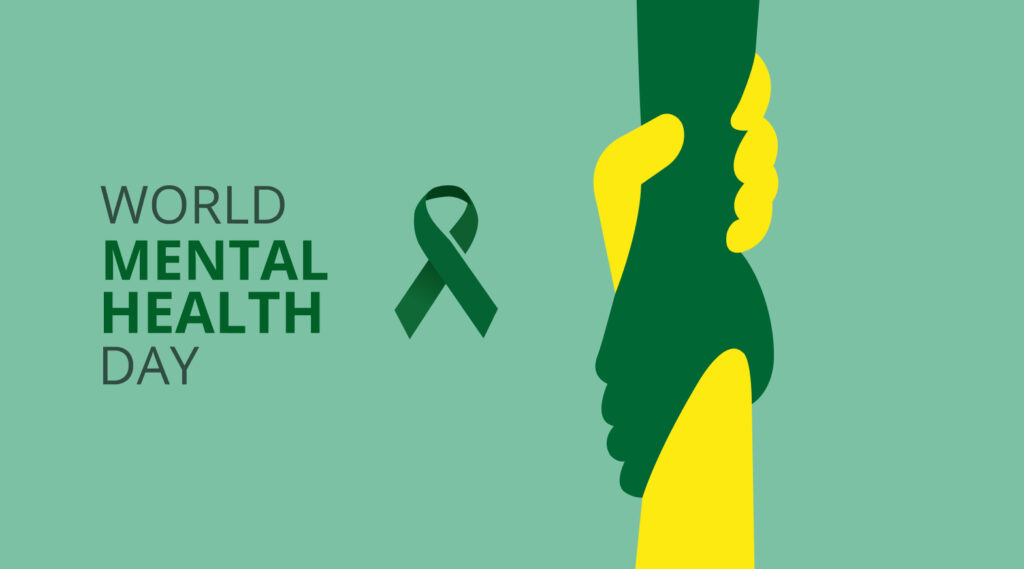
October 10: World Mental Health Day


It is #TimeToPrioritizeMentalHealth in the workplace, the objective of World Mental Health Day on October 10, 2024. We recognize that it is essential to prioritize mental health in workplaces. Grandview Kids is committed to creating a supportive and understanding work environment that positively impacts employees’ well-being, productivity, and satisfaction.

By implementing mental health initiatives, providing access to resources, and fostering open conversations about mental health, we can continue to play a significant role in promoting mental well-being. It’s so crucial for us to recognize the value of mental health and take proactive steps to support Team Grandview’s well-being.

October 11: International Day of the Girl Child


Every year, on October 11, we celebrate the International Day of the Girl Child. This day recognizes girls’ importance, rights, and challenges. It is a time to listen to their ideas and support them in achieving their dreams. Established by the United Nations in 2012, this day serves as a reminder of the rights girls deserve and the challenges many of them still face, from limited access to education to gender inequality and violence.

This year’s theme is “Girls’ Vision for the Future,” which means we focus on girls’ dreams and ideas for a better world. Girls worldwide are thinking about the changes they want, such as equal opportunities for education, better healthcare, and a world where everyone is treated fairly, regardless of gender.

This year’s theme encourages us to listen to girls and value their perspectives. In many parts of the world, girls are leading the charge on important issues like climate change, social justice, and technology. They take bold steps to create change, but their voices are often overlooked. The International Day of the Girl Child is a reminder that girls are not just tomorrow’s leaders—they are today’s leaders.

The International Day of the Girl Child calls on all of us to take action—supporting policies that ensure every girl has access to quality education, encouraging initiatives that empower girls to pursue their dreams, and challenging the biases that hold them back. By investing in the education and empowerment of girls, we are building a better world for tomorrow.

October 22: Stuttering Awareness Day

Stuttering affects people of all ages who can communicate verbally. People who stutter experience involuntary and unexpected physical interruptions in their speech movements as they attempt to communicate. Fear of stuttering may make it harder to speak freely and spontaneously. People who stutter may practice improving their fluency with Communicative Disorders Assistants (CDAs) and/or Speech-Language Pathologists (S-LPs).  

When communicating with someone who stutters, patience is essential while they finish their message. Remember that all communication matters!  

Did you know that many actors, actresses, artists, and famous figures stutter? These successful people demonstrate that children and youth can work towards any role they are motivated to achieve, even if they stutter!

Visit the Canadian Stuttering Association website to learn more about stuttering.  

October 25: World Spina Bifida and Hydrocephalus Awareness Day

World Spina Bifida and Hydrocephalus Day is celebrated on October 25. Spina Bifida is a congenital defect that causes the spinal cord to become exposed. Hydrocephalus is a condition that causes cerebral spinal fluid to accumulate in the brain, causing an increase in pressure on the brain. 

Established in 2011, World Spina Bifita and Hydrocephalus Day were co-created with the European Union to raise awareness around these two conditions and celebrate individuals diagnosed with them. In addition, each year, the organizers also create a theme for the day. This year’s theme is Bridging Gaps Together. Their goal is to create a world where all individuals with these conditions are treated as equals and respected in all aspects of life.

This year, the organizers will also be hosting the 30th International Conference on Spina Bifida and Hydrocephalus: Bridging the Healthcare and Prevention Gaps – A Multidisciplinary Team Approach with the Community at Heart, organized from October 24-26, 2024, in Kuala Lumpur, Malaysia.

October 25: International Dwarfism Awareness Day

Observed on October 25, this day reminds us to recognize the diversity within our communities and work towards a more inclusive and supportive world for people with dwarfism and their families. Dwarfism, a genetic condition that leads to short stature, affects individuals around the world, bringing both physical and mental challenges.

People with dwarfism, especially those with conditions like achondroplasia, often experience joint pain, spinal issues, and reduced mobility. Everyday tasks can be physically exhausting, and accessibility barriers are common. However, with adaptive tools and proper medical care, many individuals with dwarfism can lead independent and fulfilling lives. Social stigma, bullying, and body image concerns can result in significant mental health challenges. Anxiety and depression may arise as people with dwarfism navigate a world often not designed for them. Support from family, communities, and mental health professionals is vital to helping these individuals cope and thrive.

The term “Little People” gained prominence in the mid-20th century due to Billy Barty, who founded Little People of America (LPA) in 1957. This inclusive and respectful term provides an alternative to outdated and offensive language.

Today, over 30 countries have Little People support groups, including:

  • Little People of America (LPA) 
  • Little People UK
  • Little People of Canada
  • Little People of Ontario

Prominent TV and movie celebrities with dwarfism, such as Peter Dinklage from Game of Thrones, Warwick Davis from Harry Potter and Star Wars, Zelda Rubinstein from Poltergeist, and Canadian actor Jordan Prentice, known for his roles in In Bruges and Howard the Duck, have made significant contributions to the entertainment industry. Through their success and talent, these individuals help challenge stereotypes and promote dwarfism awareness.

October 29: World Stroke Day

This day falls annually on October 29. It is a day to raise stroke awareness, including signs and symptoms to look for. This year, the campaign highlights the importance of stroke prevention and encourages us all to be #GreaterThanStroke. With 9 in ten Canadians having at least one risk factor for strokes, it is essential to be vigilant and know the signs of someone who may be having one.

The acronym FAST can be used when spotting the signs of a stroke:

  • F: facial drooping
  • A: arm weakness
  • S: speech difficulties
  • T: time to call 911

Follow this link from the Heart and Stroke Foundation’s website for more information on stroke prevention and the signs to look for: Risk & prevention | Heart and Stroke Foundation.

In October, we acknowledge Rosh Hashanah, Yom Kippur, Sukkot, Shemini Atzeret and Diwali. Below, read more about each holiday/celebration written by members of our Inclusivity, Diversity, Equity, and Accessibility (IDEA) Committee.

October 2: Rosh Hashanah

Rosh Hashanah is a two-day celebration of the Jewish New Year, beginning on October 2, 2024 (at sunset). It is considered one of the holiest days in Judaism, as it is the first of the High Holy Days. Rosh Hashanah is celebrated through candle lighting, festive meals, prayers, shofar-blowing, and more. Grandview Kids wishes all individuals celebrating Shanah tovah (good year).

October 11: Yom Kippur


Yom Kippur, the Day of Atonement, is the holiest day in the Jewish calendar. It marks the end of the Ten Days of Repentance, a period of reflection and reconciliation. The day is observed through fasting and prayer as individuals seek forgiveness for their sins from God and others. Many people spend the day in synagogue, praying for repentance and spiritual renewal. The fast concludes with the blowing of the shofar, a ram’s horn, marking the end of the holiday.

October 16-23: Sukkot


Sukkot, also known as the Feast of Tabernacles, is a week-long Jewish festival that begins five days after Yom Kippur. It commemorates the Israelites’ journey through the desert after their exodus from Egypt, during which they lived in temporary shelters called sukkahs. Today, some celebrate this holiday by building and dwelling in these sukkahs, symbolizing the fragility of life and God’s protection. The festival also celebrates the harvest, with rituals involving the lulav and etrog, a bundle of branches and a citron fruit, which are waved in gratitude for the earth’s bounty.

October 24: Shemini Atzeret

Shemini Atzeret is a Jewish holiday celebrated on October 24, 2024, marking the end of the seven-day festival of Sukkot. This holiday is riddled with joy and celebrated through candle lighting, prayers, yizkor, festive meals and hakafot. It is a time of great reflection as it marks the end of the High Holy Days. We wish everyone celebrating Chag Sameach (Happy Holiday)!

October 31: Diwali

Women lighting candles in honour of Diwali.

Diwali, also known as Deepavali, is a festival of lights celebrated by many people all around the world. Based on the Hindu lunar calendar, Diwali will be celebrated on October 31 this year. Diwali is a joyous occasion when we come together to celebrate the triumph of light over darkness, good over evil, and knowledge over ignorance. Diwali is observed differently by Hindus, Jains, Sikhs and Buddhists, creating diverse traditions.

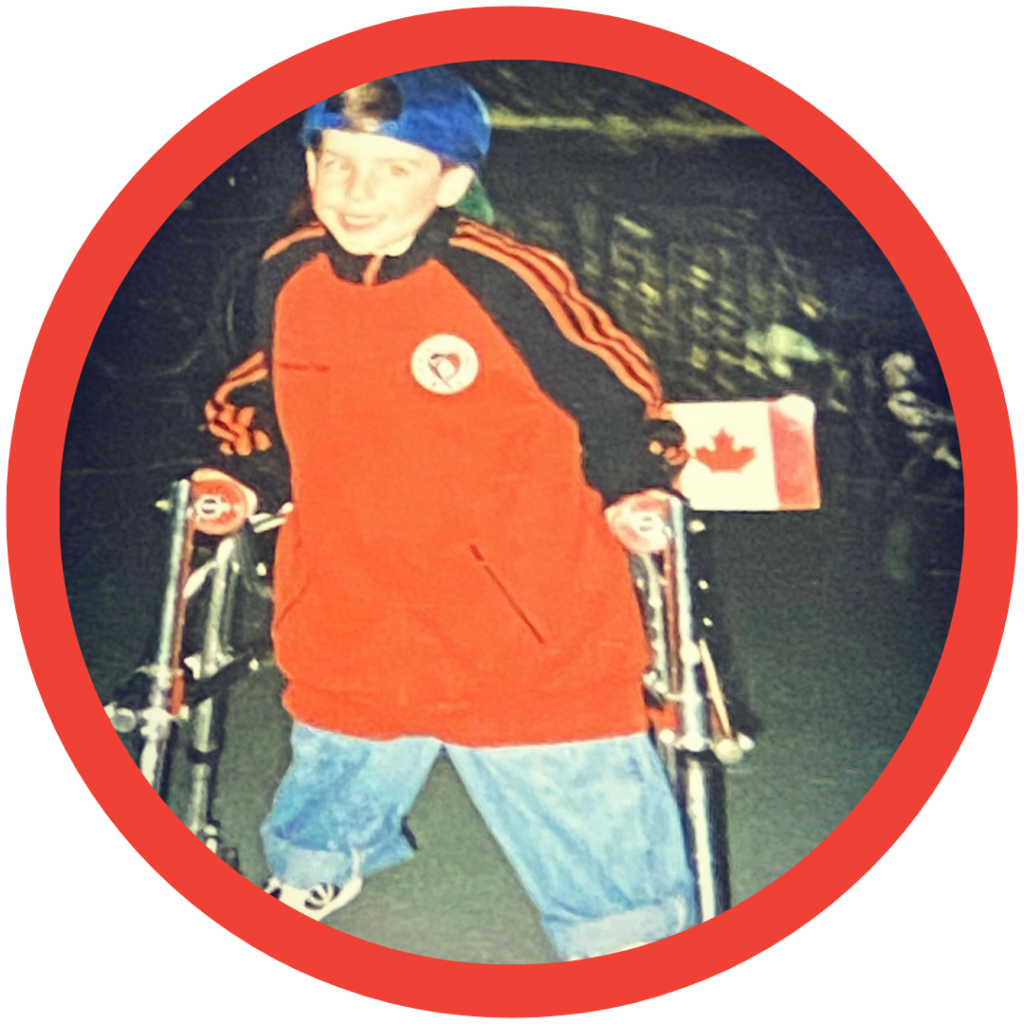
World Cerebral Palsy Day, which occurs annually on October 6, reminds us that this disorder impacts over 17 million people. Many people wear green to celebrate World Cerebral Palsy (CP) Day.

There are more than 17 million people in the world living with CP and it is one of the most common physical disabilities affecting the most vulnerable among us — children.  At Grandview Kids, clinicians in developmental paediatrics, occupational, physio, recreation and speech-language therapies support children living with CP and work with their families.

“Alex is a CP level 4/5 warrior. Alex is unlike any other kid I know. It does not matter what adversities he faces in life he is ALWAYS happy, ready to face each day, never complains and is always so positive. He is our happiness prescription, one look at him and you are smiling too! Alex uses a range of equipment to help him through his day to the best of his ability. Some of these include a power wheelchair, AFO’s, nighttime leg braces, bath seat, walker, stander, lift system, communication device, adapted bike and adapted toboggan for winter fun. This equipment allows him to be as mobile as possible, fit in with his peers and give him the best outcome possible.” – Stacey P.

“Hello! My name is Brad. Today is World Cerebral Palsy Day. As someone who lives with CP, I choose to embrace this day rather than dwell on it. No doubt, having CP has been a tough journey, but I think it has made me an unstoppable force. Through countless hours of therapy and hard work aided by Grandview Kids staff, I have defied the odds and proven every person who doubted me wrong! I am also fortunate to call myself a Grandview employee for the past five years. I love that I’m able to give back to the organization that has given me so much. I get to help others with CP, and varying disabilities realize there is a light at the end of the tunnel and be proud of every victory, big or small because living with Cerebral Palsy does not define you as a person. The possibilities and potential in life are endless if you believe!” – Brad S.

  • ⟨
  • Page 1
  • Interim pages omitted …
  • Page 5
  • Page 6
  • Page 7
  • Page 8
  • Page 9
  • Interim pages omitted …
  • Page 51
  • ⟩

Primary Sidebar

Child Stories

LnRiLWZpZWxke21hcmdpbi1ib3R0b206MC43NmVtfS50Yi1maWVsZC0tbGVmdHt0ZXh0LWFsaWduOmxlZnR9LnRiLWZpZWxkLS1jZW50ZXJ7dGV4dC1hbGlnbjpjZW50ZXJ9LnRiLWZpZWxkLS1yaWdodHt0ZXh0LWFsaWduOnJpZ2h0fS50Yi1maWVsZF9fc2t5cGVfcHJldmlld3twYWRkaW5nOjEwcHggMjBweDtib3JkZXItcmFkaXVzOjNweDtjb2xvcjojZmZmO2JhY2tncm91bmQ6IzAwYWZlZTtkaXNwbGF5OmlubGluZS1ibG9ja311bC5nbGlkZV9fc2xpZGVze21hcmdpbjowfQ==
LnRiLWhlYWRpbmcuaGFzLWJhY2tncm91bmR7cGFkZGluZzowfQ==
ICAudGItaW1hZ2V7cG9zaXRpb246cmVsYXRpdmU7dHJhbnNpdGlvbjp0cmFuc2Zvcm0gMC4yNXMgZWFzZX0ud3AtYmxvY2staW1hZ2UgLnRiLWltYWdlLmFsaWduY2VudGVye21hcmdpbi1sZWZ0OmF1dG87bWFyZ2luLXJpZ2h0OmF1dG99LnRiLWltYWdlIGltZ3ttYXgtd2lkdGg6MTAwJTtoZWlnaHQ6YXV0bzt3aWR0aDphdXRvO3RyYW5zaXRpb246dHJhbnNmb3JtIDAuMjVzIGVhc2V9LnRiLWltYWdlIC50Yi1pbWFnZS1jYXB0aW9uLWZpdC10by1pbWFnZXtkaXNwbGF5OnRhYmxlfS50Yi1pbWFnZSAudGItaW1hZ2UtY2FwdGlvbi1maXQtdG8taW1hZ2UgLnRiLWltYWdlLWNhcHRpb257ZGlzcGxheTp0YWJsZS1jYXB0aW9uO2NhcHRpb24tc2lkZTpib3R0b219IC53cC1ibG9jay1pbWFnZS50Yi1pbWFnZVtkYXRhLXRvb2xzZXQtYmxvY2tzLWltYWdlPSJhMWJlMmUyODAwMWFkMGRlMjBhM2RlZWVlYmE5MDJhMSJdIHsgbWF4LXdpZHRoOiAxMDAlOyB9IEBtZWRpYSBvbmx5IHNjcmVlbiBhbmQgKG1heC13aWR0aDogNzgxcHgpIHsgICAudGItaW1hZ2V7cG9zaXRpb246cmVsYXRpdmU7dHJhbnNpdGlvbjp0cmFuc2Zvcm0gMC4yNXMgZWFzZX0ud3AtYmxvY2staW1hZ2UgLnRiLWltYWdlLmFsaWduY2VudGVye21hcmdpbi1sZWZ0OmF1dG87bWFyZ2luLXJpZ2h0OmF1dG99LnRiLWltYWdlIGltZ3ttYXgtd2lkdGg6MTAwJTtoZWlnaHQ6YXV0bzt3aWR0aDphdXRvO3RyYW5zaXRpb246dHJhbnNmb3JtIDAuMjVzIGVhc2V9LnRiLWltYWdlIC50Yi1pbWFnZS1jYXB0aW9uLWZpdC10by1pbWFnZXtkaXNwbGF5OnRhYmxlfS50Yi1pbWFnZSAudGItaW1hZ2UtY2FwdGlvbi1maXQtdG8taW1hZ2UgLnRiLWltYWdlLWNhcHRpb257ZGlzcGxheTp0YWJsZS1jYXB0aW9uO2NhcHRpb24tc2lkZTpib3R0b219IH0gQG1lZGlhIG9ubHkgc2NyZWVuIGFuZCAobWF4LXdpZHRoOiA1OTlweCkgeyAgIC50Yi1pbWFnZXtwb3NpdGlvbjpyZWxhdGl2ZTt0cmFuc2l0aW9uOnRyYW5zZm9ybSAwLjI1cyBlYXNlfS53cC1ibG9jay1pbWFnZSAudGItaW1hZ2UuYWxpZ25jZW50ZXJ7bWFyZ2luLWxlZnQ6YXV0bzttYXJnaW4tcmlnaHQ6YXV0b30udGItaW1hZ2UgaW1ne21heC13aWR0aDoxMDAlO2hlaWdodDphdXRvO3dpZHRoOmF1dG87dHJhbnNpdGlvbjp0cmFuc2Zvcm0gMC4yNXMgZWFzZX0udGItaW1hZ2UgLnRiLWltYWdlLWNhcHRpb24tZml0LXRvLWltYWdle2Rpc3BsYXk6dGFibGV9LnRiLWltYWdlIC50Yi1pbWFnZS1jYXB0aW9uLWZpdC10by1pbWFnZSAudGItaW1hZ2UtY2FwdGlvbntkaXNwbGF5OnRhYmxlLWNhcHRpb247Y2FwdGlvbi1zaWRlOmJvdHRvbX0gfSA=

Celebrating Cerebral Palsy Awareness Month!

During the month of March, we celebrate National Cerebral Palsy Awareness Month to recognize and support the many individuals who live with Cerebral Palsy (CP). CP is a permanent physical...

Latest Updates

  • International Pride Day Resources June 26, 2026
  • Herman Kassinger Foundation Establishes $100,000 Endowment Fund at Grandview Kids  June 15, 2026
  • June: Dates of Significance June 1, 2026
  • Becoming her own advocate: Zoey’s story May 29, 2026
  • The life that never was: grieving the fatherhood I thought I’d have May 29, 2026

You Have Questions

We’d like to help you find the answers…

Contact Us Today

© Grandview Kids Built by PeaceWorks

  • About Us
  • Contact Us
  • Privacy
Accessibility Adjustments

Powered by OneTap

How long do you want to hide the toolbar?
Hide Toolbar Duration
Select your accessibility profile
Vision Impaired Mode
Enhances website's visuals
Seizure Safe Profile
Clear flashes & reduces color
ADHD Friendly Mode
Focused browsing, distraction-free
Blindness Mode
Reduces distractions, improves focus
Epilepsy Safe Mode
Dims colors and stops blinking
Content Modules
Font Size

Default

Line Height

Default

Color Modules
Orientation Modules