• Skip to primary navigation
  • Skip to main content
  • Skip to primary sidebar
Grandview Kids Logo

Grandview Kids

Every Child And Youth Living Life At Their Full Potential

  • About Us
    • Vision, Mission and Values
    • The New Grandview Kids
      • Operational Readiness
      • Visiting Grandview Kids’ Ajax Headquarters
    • Our History
    • Leadership
    • Board of Directors and Committees
    • Annual Report
    • Strategic Plan
    • Policies
  • Calendar
  • Annual Report
  • Contact
    • Contactez – nous
    • Ajax – Headquarters
    • Bowmanville Health Centre
    • Grandview School
    • Oshawa – Dwyer
    • Port Perry
    • Whitby – Abilities Centre
  • Careers
  • Register
  • Donate
  • Instagram
  • LinkedIn
  • Facebook
  • Services and Programs
    • Audiology
    • Autism Program
      • Autism Spectrum Disorder (ASD) Diagnostic Hub
      • Caregiver-Mediated Early Years Programs
      • OAP Core Clinical Services
      • Entry to School Program
      • Foundational Family Services
    • Blind-Low Vision Program
    • Extensive Needs Service
    • Family Engagement Program
      • Adolescent Transition Program
      • Family Leader Program
        • Family Advisory Council
        • Paid Advocates
        • Youth Advisory Council
    • Infant Hearing Program
    • Medical Services
      • Autism Spectrum Disorder (ASD) Diagnostic Hub
      • Complex Care Program
      • Grandview Anesthesia Procedure (GAP) Clinic
      • Hypertonia Clinic
      • Nutrition Services
      • Orthopaedic Clinic
    • Occupational Therapy
    • Physiotherapy
    • Preschool Outreach Program
    • School Programs & Resources
      • Resources for Educators
      • School-Based Rehabilitation
    • Service Navigation
      • SmartStart Hub: Parents
      • SmartStart Hub: Partners
    • Social Work
    • Speech-Language Pathology
      • Augmentative and Alternative Communication
    • Therapeutic Recreation
  • Purchased Services
    • Inclusive Recreation
    • Beyond the Walls
    • OAP Core Clinical Services
      • Behaviour Services
  • Research
    • Get involved in research
    • IDEA Study
      • Building knowledge and understanding of the intersection of race and disability in accessing pediatric rehabilitation services.
    • Joint Research Ethics Board
    • Research Associate: Dr. Fiona Moola
    • Research Associate: Dr. Meghann Lloyd
  • Resources
    • Ability Acceptance Program
    • Arriving at Grandview Kids
    • Community Supports & Resources
    • Family Support Fund
    • Free to Read Program
    • Frequently Asked Questions
    • Gather by Grandview Kids
    • News and Updates
    • Privacy
    • Resources for Parents and Caregivers
    • Visiting Grandview Kids
  • Support Us
    • Ways to support
    • Host a fundraiser
    • Participate in an event
      • Golf Fore Grandview Kids
      • Sponsor the Drum
      • Dream Big, Dream Brighter Awards Gala
    • Leave a legacy
      • Gifts of securities
      • Gifts of bequests
      • Gifts of life insurance
    • Your impact
    • Building a Legacy: Honouring Jerry Coughlan
  • I Want To…
    • Connect with Grandview Kids
    • Donate
    • Refer a child or youth
    • Register via My Community Hub
    • Schedule an Appointment
    • Volunteer at Grandview Kids
    • Work at Grandview Kids
  • Grandview School
    • About Our Program
    • About Our Board
    • Grandview School Social Story
    • Plans and Reports
    • Resources for Families
    • Resources for Schools – Switch It Up!
    • Careers and Volunteering
    • Contact Grandview School
  • Search

Posted May 29, 2026

The life that never was: grieving the fatherhood I thought I’d have

Stories

Raising a child with autism and learning to let go of the life I imagined 

Written by Grandview Kids parent, Paul Sahota

There’s something I’ve been thinking about a lot lately, even if I didn’t quite have the words for it. 

I’m part of a private Facebook group for dads who are raising autistic children. A few weeks ago, another father shared something that hit me right smack in the gut. He wrote: “Does anyone else feel like they’re grieving a child that’s still alive?” 

This is something I’ve felt countless times, but I never had the words for it. I never thought to describe it as grief, but that’s exactly what it feels like. 
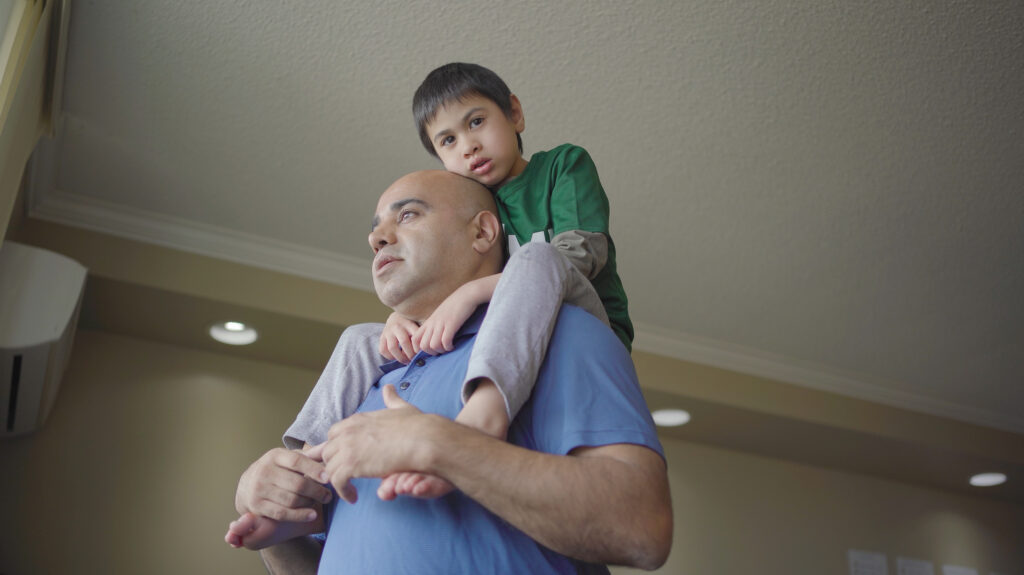
The life I thought we’d have 

Before my son was born, there was so much excitement about this new chapter in my life. This is something my wife and I had wanted for so long. There was anticipation for everything that was coming, all the milestones like walking and talking. You see those moments everywhere, and you can’t wait to experience them for yourself. 

I remember daydreaming about what fatherhood would be like. 

I remember thinking about playing sports with my son, going to the local park and kicking a soccer ball around on freshly cut grass in the summer, or going to Canadian Tire to buy him his first baseball glove and finding one that would fit his hand. Then, going to the back of my condo or the front lawn of my parents’ home, and playing catch with a green tennis ball to start building his hand-eye coordination. 

I remember daydreaming about teaching my son dance moves and us choreographing a routine to show off at family functions like weddings or anywhere there was a dance floor. 

I remember thinking about having father-son days where we would go see a movie, go out for a bite to eat and then come home to hear my son tell my wife all about the fun we had. 

I remember thinking about going out to restaurants for family dinners and having my parents join us from time to time. I imagined the end of the meal, wrestling with my dad over who would pay the bill. 

I remember thinking about larger family dinners, with my siblings, my niece and nephew and my grandmother. Having all of us together and seeing different generations of our family sitting around the same table. 

I remember driving past the park in my neighbourhood and seeing all the kids out there playing sports, and doing the math in my head to figure out when my son would join them. I remember thinking I would enroll my son in the soccer program once he turned three and sit on the sidelines, watching him while socializing with the other parents. 

When reality set in 

The magical day finally arrives, and your child is born. All those things you dreamt about and anticipated suddenly feel so much more real. 

But as time goes on, your child starts to miss different developmental milestones. You begin to feel that something isn’t quite right. After going through multiple appointments with different doctors, you eventually receive the official diagnosis of autism. 

After being emotionally winded and trying to process everything, you start to realize that many of the things you once imagined are not going to happen, or at the very least, they are not going to happen on the same timeline as other children. 

That’s when the reality of the situation truly sets in. All those happy dreams I once held onto begin to hit me differently. What once brought me excitement now becomes a painful reminder of the life I don’t have, the life that was taken away from me. 
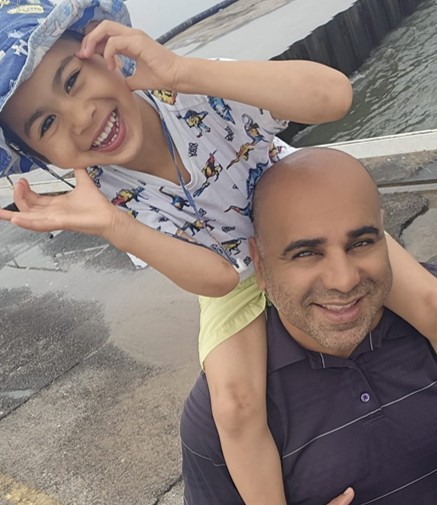
What our life looks like now 

Instead of going to the local park and kicking a soccer ball around, I focused on helping him master basic motor skills. Going up and down steps, holding his legs and guiding them so he knew which foot to put forward. 

Instead of going to Canadian Tire to buy him his first baseball glove, I was buying padding to put on the corners of our walls because he struggled with balance and kept hurting himself every day moving through our home. 

Instead of playing catch with a tennis ball to build his hand-eye coordination, we played catch with a balloon, because that’s all he could handle for a long time. 

We tried taking him to restaurants. We also tried taking him to an autism-friendly event at the cinema. Both were incredibly high stress, and we weren’t able to manage his behaviour in those settings, so we decided to stop trying for the time being. 

Family dinners look different now. We go to my parents’ home, and my wife and I take shifts. She feeds him first while I eat quickly, then I take him away from the table so she can have her meal. Most of the time, we’re not even able to sit and eat together with the rest of the family. 

There are times when I come across pictures of my siblings and my family sitting down for dinner at a restaurant together, and I stay quiet and keep my emotions hidden, knowing we can’t be part of those moments because it would be too stressful. 

Instead of enrolling him in a typical soccer program and sitting on the sidelines with other parents, I enroll him in an all-abilities program where I need to be with him one-on-one. Often, he doesn’t participate with the other kids, and we end up doing our own thing off to the side. 

Learning to grieve what never was 

I’ve come to realize that holding on to those dreams doesn’t serve me as a father or my family. What I need to do is grieve the life that never was. The experiences we cannot have. The family life that I once envisioned. I need to grieve for my son, for myself as a father, and for my family as a whole. 

But just like any kind of grief, it’s not something you process once and move on from. It shows up again and again. There are moments that trigger memories of things that never actually happened, but that I once imagined so clearly. I can’t allow myself to dwell on those moments, but I also can’t ignore them. I need to find a way to grieve them, so I can come back and be present for what I actually have. 

Because even though this life is very different and filled with constant challenges, there is still so much beauty in it. There is still so much joy that my son brings into our lives. And in many ways, this journey has changed me in ways I never expected. I’m more compassionate. I’m more patient and understanding. I’m more loving. I’ve learned to appreciate the small things in life and the small wins. Because with autism, those small wins often mean everything. 
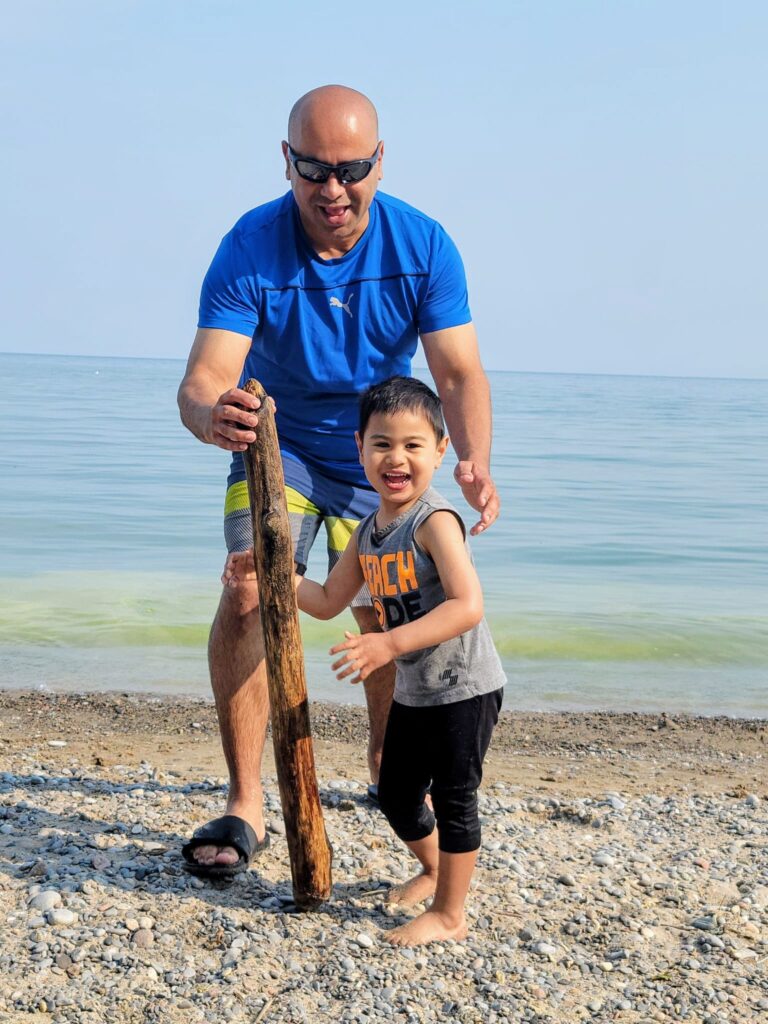
Letting go and moving forward 

Even now, those moments still come up. They don’t just disappear. Just like any kind of loss, they show up when you least expect them. 

When they do, I try to treat them the same way I approach meditation. When my mind starts to wander, I have to catch those thoughts, acknowledge them and release them from my mind. If I don’t, the grief can take over, and I’m no longer present for my son or my family in the way they need me to be. And when that happens, it can pull me into a downward spiral of negative thoughts, and ultimately into habits and coping mechanisms that don’t serve me or my health. 

But when I am able to catch those moments and release them, it allows me to stay resilient. It allows me to bounce back and stand firmly in the present moment. It allows me to show up as the father my son needs right now. 

The truth is, those thoughts will probably never fully go away. Just like grieving the loss of a loved one, it may become less intense over time, but it doesn’t disappear. And maybe that’s because grief is a reflection of love. You only feel it because you care so deeply. 

What I try to remind myself of is how far my son has come. Despite all the obstacles and challenges in his way, he continues to grow. I need to appreciate him for where he is now and what it’s taken to get here. 

At the same time, I have to continue grieving the life that never was, while also allowing myself to envision a new life that is possible with him. It may be different than what I imagined, but it can still be a life filled with beauty, meaning and excitement. 

And maybe that’s the work now. Not holding onto the old vision but allowing myself to carve out a new one. 
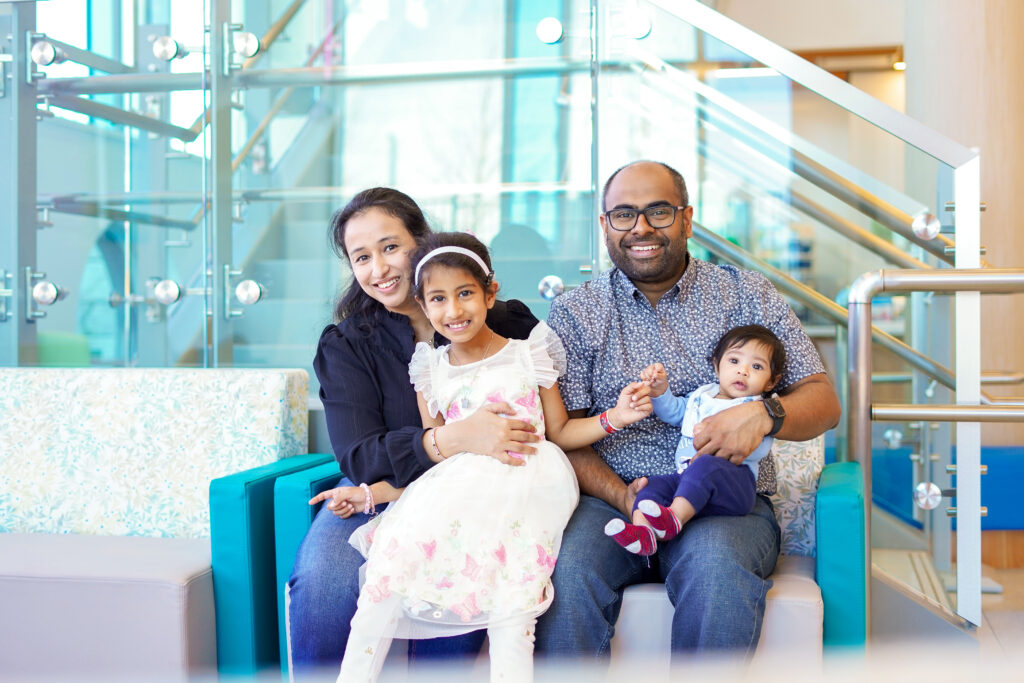
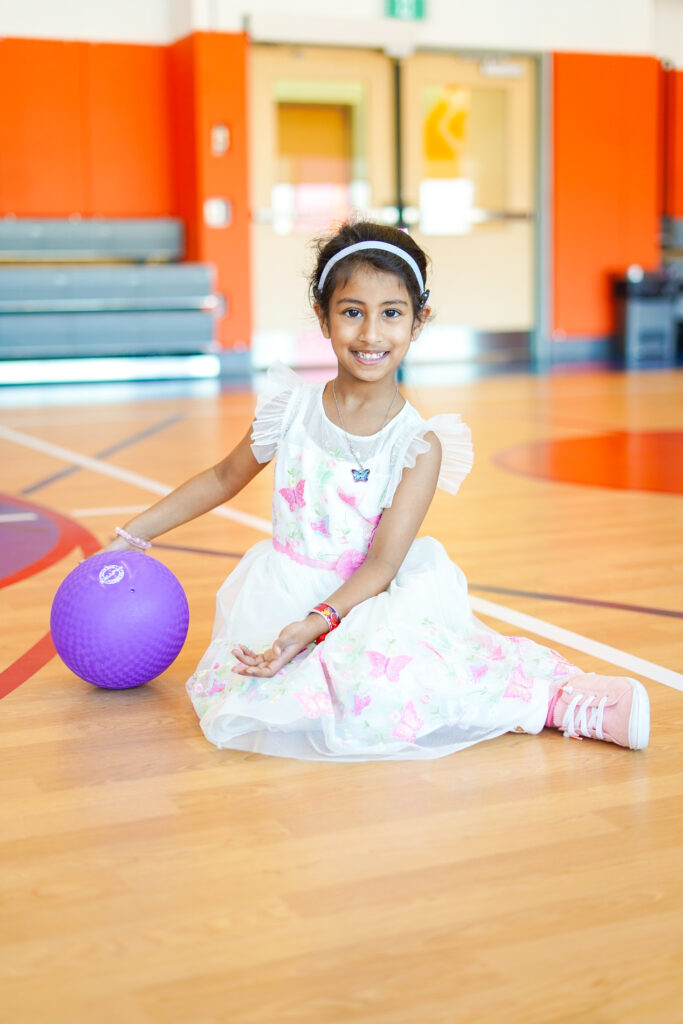
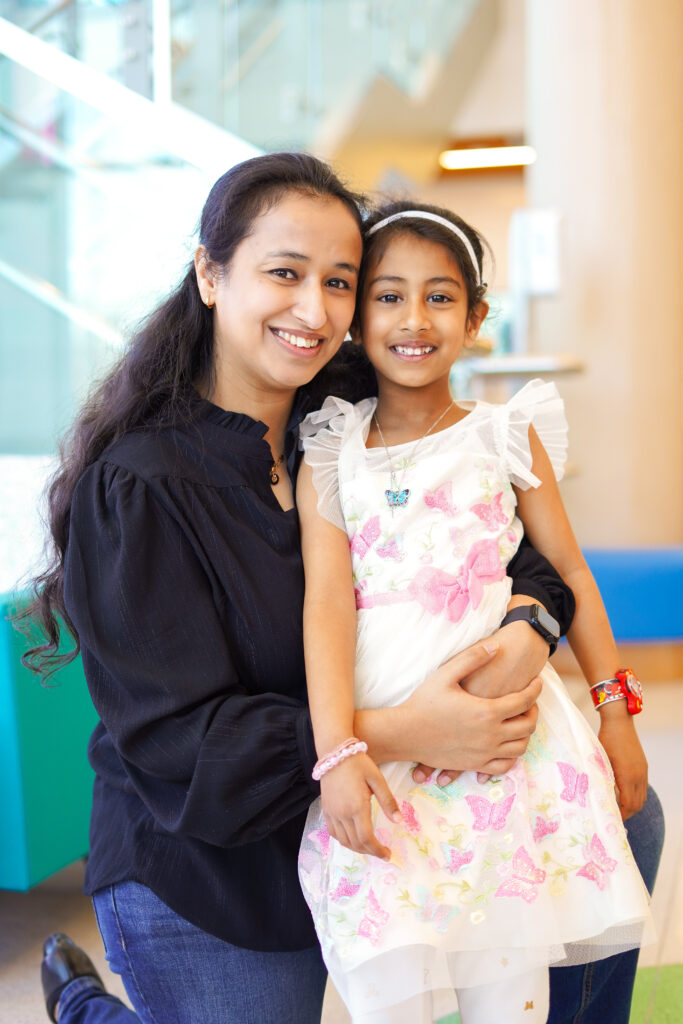
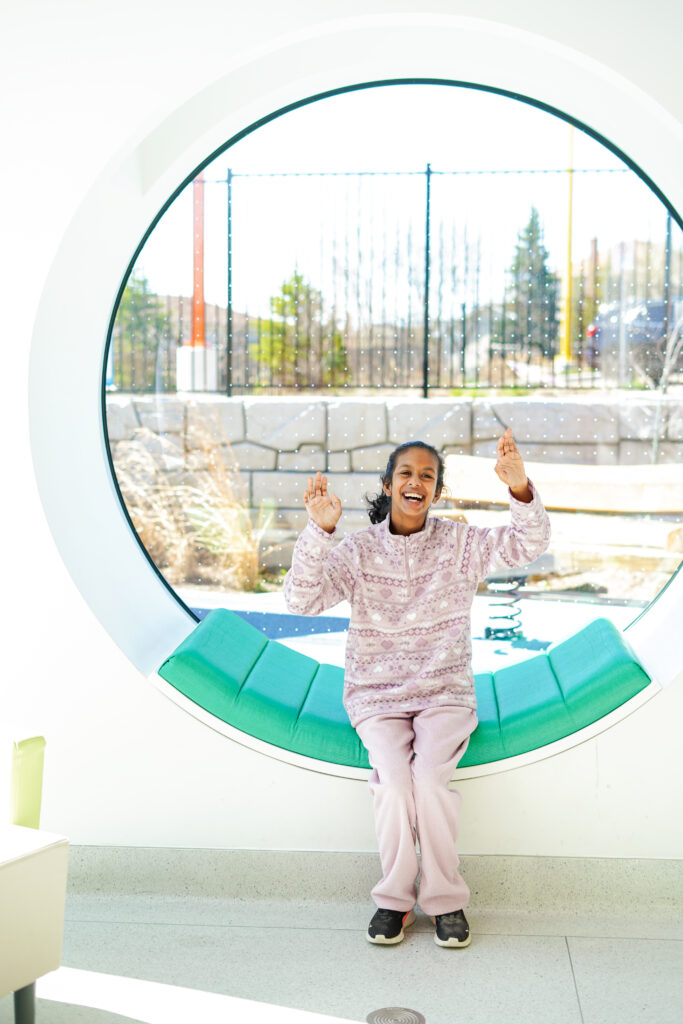
At five years old, Ahaana’s deep joy and desire for connection are easily observed by everyone around her. Her playful but intelligent conversation demonstrates how she is goofy, creative, endlessly curious, witty and has deep empathy for others. She lives with her parents, Ankit and Mansi, and her one-month-old baby brother Agastya. 

Ahaana is surrounded by love that stretches across generations and cultures, enjoying visits from her grandparents on weekends or when her family travels to India regularly to stay connected to their roots. Ahaana loves science experiments with her dad, Ankit, and crafts and reading with her mom, Mansi. Social by nature, Ahaana is often the first to help a new child at school, guiding classmates through routines, holding hands to provide comfort and even helping them put on their winter attire. A natural leader with a strong sense of responsibility, she is learning multiple languages, including Hindi and French. She has a love for music, dance and creativity that continues to grow. 

Ahaana’s drive and ability to explore her world were once only a dream to her parents. Born during the COVID-19 pandemic, she entered a world already filled with much anxiety. Shortly after birth, Ahaana failed her newborn hearing screening in both ears. Like many families, Ankit and Mansi were initially reassured that this was common and often temporary. However, follow-up tests through Grandview Kids’ Infant Hearing Program and Audiology service told a different story. After three screenings and a detailed audiology assessment, Ahaana was diagnosed with bilateral profound sensorineural hearing loss. This meant she could not hear sounds at all in either ear, and traditional hearing aids would not help. 

With no family history of hearing loss, the diagnosis was shocking. Due to COVID restrictions, only one parent could attend appointments, making the experience even more isolating. At home, Ankit and Mansi found themselves testing sounds–calling her name, dropping toys, turning on music–hoping for any reaction. Slowly, it became clear that Ahaana was not responding to sound, though her other senses were heightened. She relied on physical closeness, movement and touch to feel safe and connected. 

Like many parents, Ankit and Mansi moved through denial, grief, fear and overwhelming uncertainty. But once the diagnosis was fully understood, they reached a turning point: acceptance. With that acceptance came the determination to learn everything they could and to make the most informed, loving decision possible for their daughter. 

Ahaana’s care journey became a shared decision-making process, guided by specialists at The Hospital for Sick Children (SickKids), Grandview Kids and cochlear implant support organizations. The family learned about cochlear implants, how they bypass underdeveloped parts of the ear and use electrical signals to stimulate the auditory nerve, allowing the brain to learn sound over time. Speech therapy, they learned, would be just as critical as the technology itself. 

They researched extensively, attended virtual meetings and connected with other families, including a cochlear implant community advocate who lived nearby and shared her own lived experience of parenting a child with cochlear implants. Seeing older children with cochlear implants thrive gave them hope. While the risks of surgery were frightening, the compassion and expertise of the medical team, especially their surgeon, Dr. Papsin, at SickKids, helped ground them. Rather than focusing on unanswered questions like “why,” the team encouraged them to focus on what came next: recovery, growth and possibility. Their SickKids Audiologist, Dr. Laurie, was a source of constant support since Ahaana was two months old. She took the time to listen, answer their queries and assist the family in overcoming the learning curve of cochlear implant use. 

Throughout this time, Grandview Kids played a pivotal role. Before surgery, Ahaana received audiology support, early speech-language pathology (SLP) and guidance from educators specializing in deaf and hard-of-hearing children. Even while knowing hearing aids would not restore Ahaana’s perception of sound, they were used to help her and her parents become familiar with the devices and routines. More importantly, Grandview Kids supported the family emotionally, acknowledging the grief, helping them prepare for surgery and reminding them they were not alone. Ahaana’s Speech-Language Pathologist, Alishia C., exemplified Grandview Kids’ values of belonging, excellence and connection through her kind, caring and family-centred service. Alishia helped Mansi and Ankit discover their own potential, amplifying their voice and value as partners in care, and celebrated successes together along the way.  

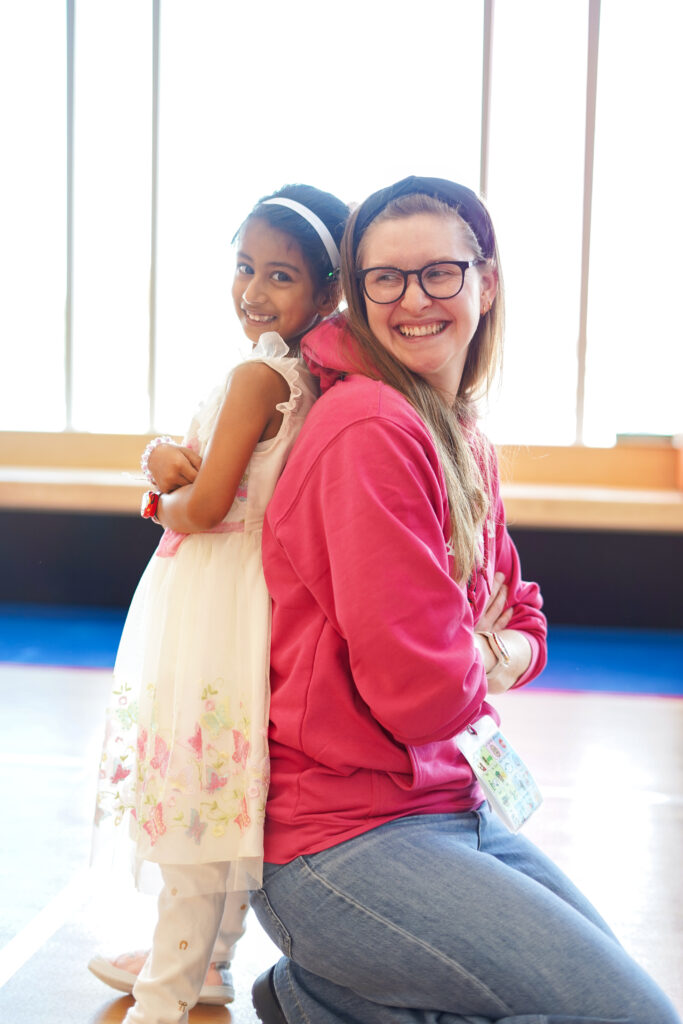
Ahaana and her
Speech-Language Pathologist, Alishia C.

In October 2021, Ahaana underwent a six-hour bilateral cochlear implant surgery. It was an emotional day for her parents, but the surgery was successful. Recovery was swift, and by the time she arrived home, Ahaana was already playing on her playmat, resilient and determined. One month later, on November 8, 2021, a day before her first birthday, her implants were activated. Six months after activation, the results were extraordinary. With consistent speech therapy, family dedication and ongoing support, Ahaana’s speech developed rapidly, soon on par with her hearing peers. She hums, sings and listens to music every night before bed, and she is preparing to learn piano! Her cochlear implants, lovingly called her “magic ears,” have become a celebrated part of who she is.

Grandview Kids continued to walk alongside the family before, during and long after surgery. Through audiology check-ins, SLP and the Infant and Child Hearing Program, Ahaana’s parents gained confidence in their approach and reassurance that they were doing the right things. However, it was the Family Engagement Program, specifically their Caregiver Café, a monthly networking and respite event for Grandview Kids parents and caregivers, that truly transformed their journey. Through connection with other families, Ankit and Mansi found a powerful sense of belonging. Hearing others’ stories helped them heal, dream again and even find the courage to grow their family. They realized the power of community, not just for support, but for the discovery of their own strength and potential as advocates. 

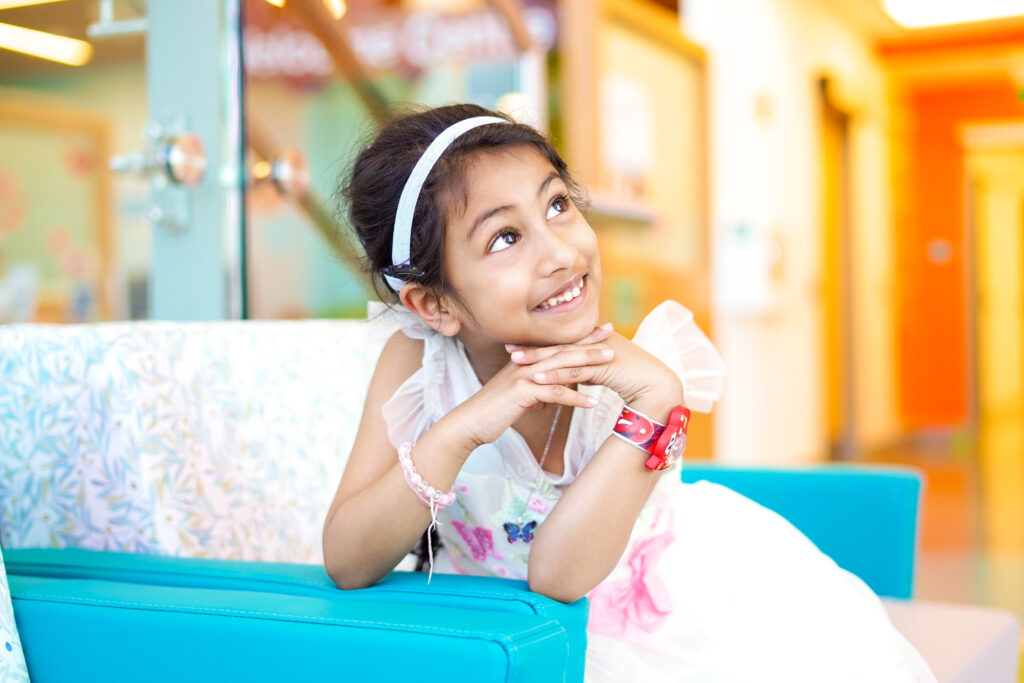
Today, Ahaana’s family celebrates not only how far she has come, but the community that helped make it possible. They now volunteer, share their story openly and connect with families just beginning similar journeys. They are raising awareness, offering hope and reminding parents to give themselves grace. They are teaching Ahaana that her differences are her special powers, to find beauty in them by making her headbands colourful and pretty and to learn to advocate for her needs

As Grandview Kids prepares to celebrate the 30th annual Golf Fore Grandview Kids Charity Golf Classic, families like Norah’s help share why this community comes together year after year, and why continued support is more important now than ever. The story of Norah and her parents, Zaina and Mike, reflects both the challenges families face and the profound impact of donor generosity. 

Norah is five years old and the centre of a close-knit circle of care that includes her parents and grandparents. Norah is described by her family as independent, fiery and “a ball of sunshine,” bringing light into every room she enters. She is always on the move, thriving in spaces where she can climb, explore and play freely. Whether she is at the trampoline park, swimming in the pool or playing with her dolls at home, Norah embraces the world with enthusiasm. A deeply affectionate child, Norah loves cuddling with her mom and seeks comfort from trusted adults as she explores new environments, textures and experiences.  

Norah’s developmental journey began early. At 15 months old, her family noticed delays during a routine paediatric check-up, prompting a referral to Grandview Kids. Soon after her referral, she began receiving speech-language pathology (SLP) and Applied Behaviour Analysis (ABA) services. At two years and one day old, Norah was officially diagnosed with autism spectrum disorder (ASD). Zaina and Mike remember the diagnosis as both overwhelming and clarifying. They had seen signs, including limited verbal communication, reduced eye contact and a tendency to focus on details rather than typical play, though hearing it confirmed was still emotional. At the same time, it marked a turning point: a pathway to the support Norah needed and deserved. 

Grandview Kids became an essential partner in Norah’s journey, not only for her but for her entire family. Through SLP and ABA services, Norah began building communication and learning skills that continue to evolve to this day. Equally important was the support her parents received through social work. Jennifer L., a dedicated social worker at Grandview Kids, helped Zaina and Mike gain the tools to process their emotions, navigate resources and shift their perspective during difficult moments. Through therapeutic approaches such as Acceptance and Commitment Therapy (ACT), they learned to focus on what matters most, even on overwhelming days. 

Grandview Kids, in partnership with Lake Ridge Community Support Services, Resources for Exceptional Children and Youth – Durham Region and The Regional Municipality of Durham, offers a crucial Entry to School (ETS) program as part of the Ontario Autism Program (OAP), Early Years Pathway. Before ETS, Norah attended a traditional daycare without specialized support, often spending much of her time on her own. Through ETS, she began learning routines, building attention skills and following directions. This created a foundation that changed how she engaged with the world around her. 

Today, Norah is a student at Grandview School, where her parents say she is not only supported but truly understood. In a setting where every staff member understands the needs of students like Norah, she is learning to thrive in group environments while continuing to build independence. From opening her lunch and managing her belongings to putting on her shoes and recognizing her name, these everyday “inchstones” are celebrated as meaningful achievements.  

Norah also uses an augmentative and alternative communication (AAC) device, and her care team works closely with her family to ensure consistency between home and school. This collaborative approach brings therapists, educators and parents together, demonstrating the level of care that donor support helps make possible. 

Grandview Kids has created a community for Norah’s family. Through the Family Engagement Program’s offerings, such as park playdates, caregiver cafes and inclusive family events, they have connected with others who “get” their lived experience. This deep connection helps replace feelings of isolation with those of belonging. “It’s easy to isolate yourself and think you’re the only one going through these things,” Zaina admits. “Obviously that’s not the case, but you won’t know until you connect with others.” 

Zaina and Mike find purpose in giving back to their community. The two participate in Grandview Kids’ Ambassador Program and Family Advisory Council (FAC) and Grandview School’s school council. Their contributions to these vital groups enable them to support and uplift other families while saying “thank you” to Grandview Kids. This sense of community changed everything, giving Norah’s family hope, confidence and the reassurance that they are not alone. It also shows them what is possible when the right supports are in place. 

These transformative services do not happen without the generosity of donors. Every therapy session, classroom support and family connection are made possible by a community that chooses to give. For families like Norah’s, that support lifts an incredible weight. It can provide access to services they might not otherwise afford, reduce stress and create opportunities that shape a child or youth’s future. Donor support changes lives and how families see their future. It gives children like Norah the chance to build skills, confidence and independence in ways that once felt uncertain. 

Norah’s journey is just one story, but it represents so many others. This year’s 30th annual Golf Fore Grandview Kids is an opportunity to continue and expand this impact. Every donation plays a critical role in ensuring that more children, youth and families can access the care and community they need, when they need it. Your support powers potential. 

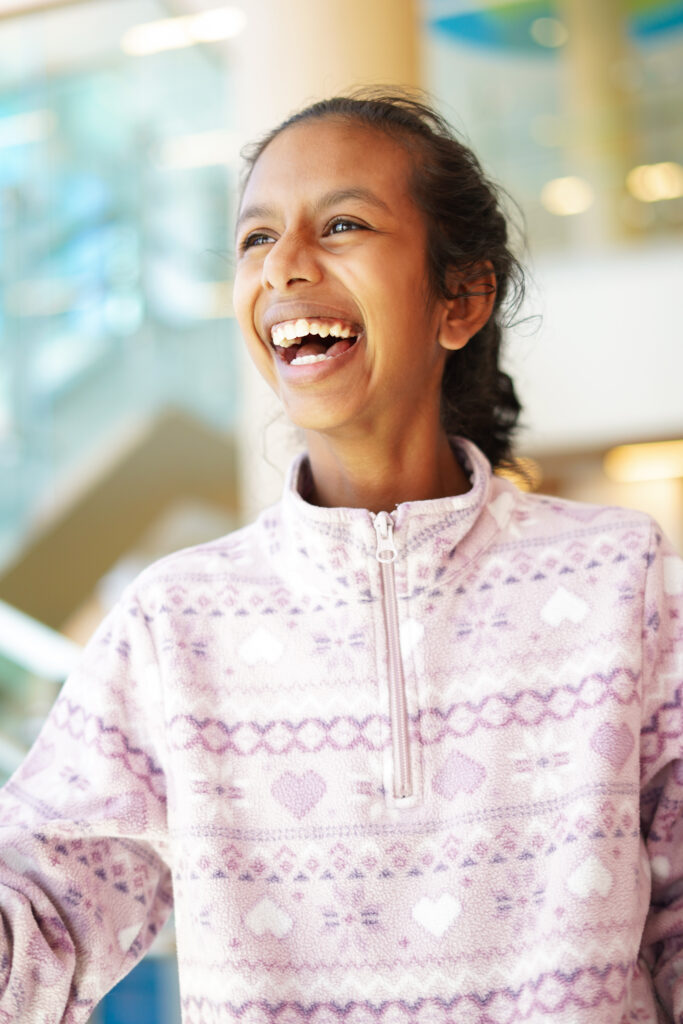
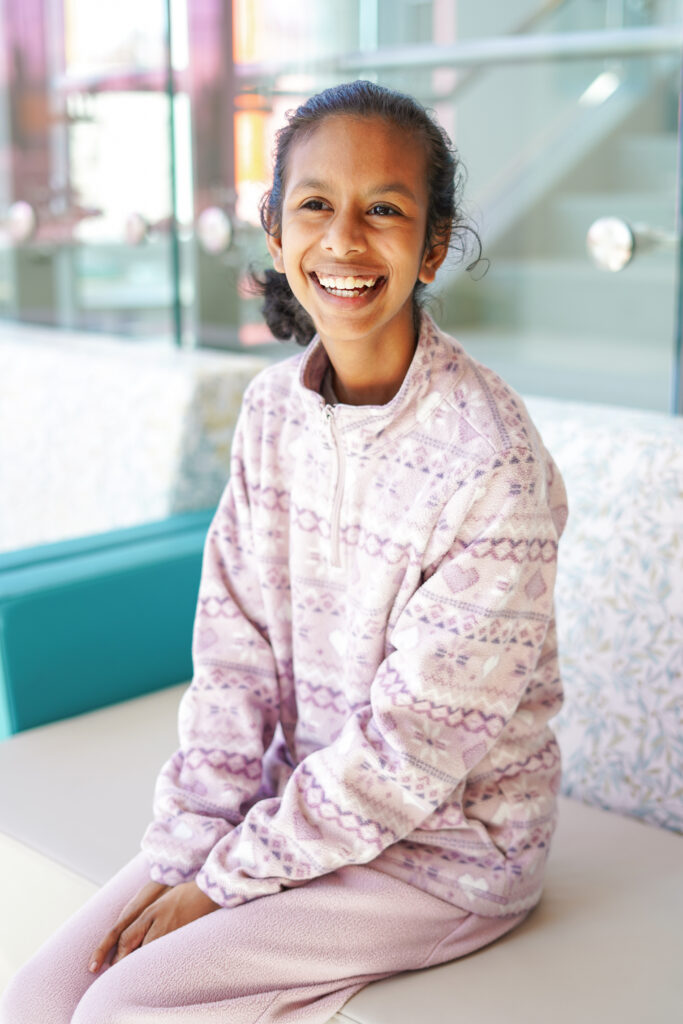
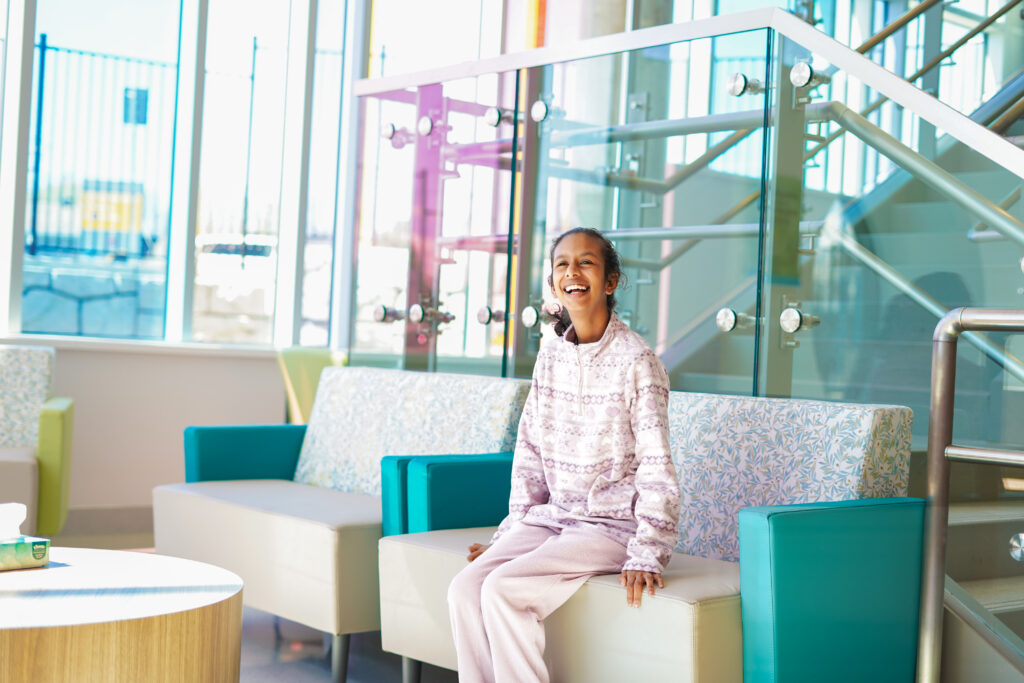
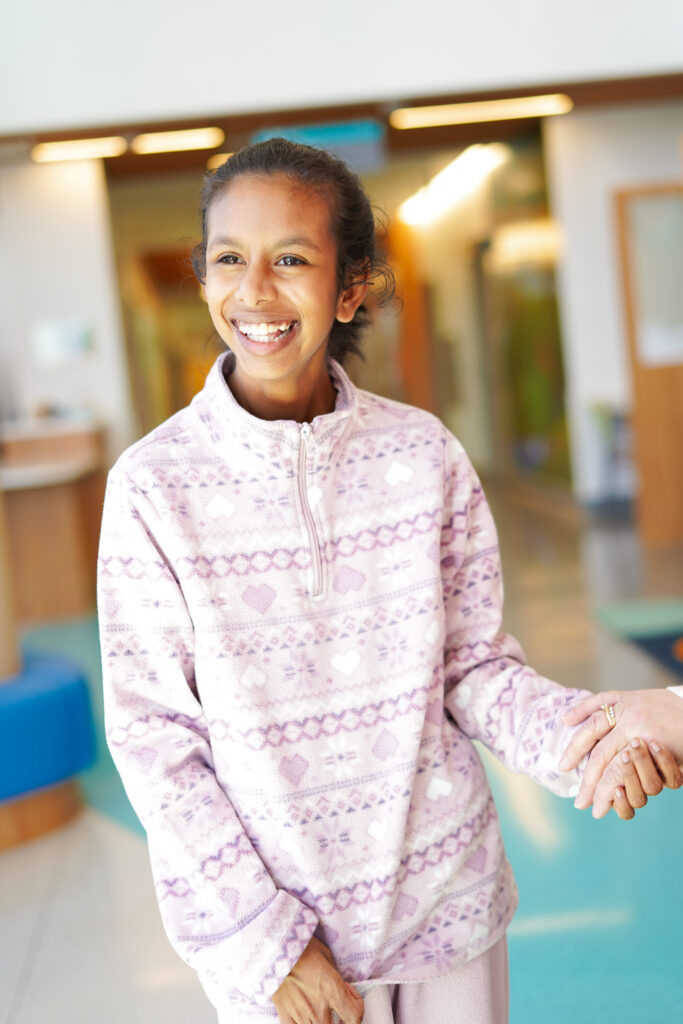
When 15-year-old S walks into a room, she radiates light. People naturally gravitate towards her. They are drawn to her social, expressive energy. She loves music, singing, dancing and thrives on connection. She is happiest when she feels included and known. She always strives to bring her family together, whether through bowling nights, shared meals, playing Wii or watching movies. She really enjoys singing with her dad.  

S has a sharp memory and sings in multiple languages (at least nine), including English, Spanish, Urdu, Arabic, Swahili and Afrikaans and has memorized the lyrics to hundreds, if not thousands, of songs across multiple genres. She values routine and predictability and can be unsettled by loud, unpredictable noises or sudden changes, but within her comfort zone, she flourishes. 

As a newborn, S was under birth weight and later diagnosed at The Hospital for Sick Children (SickKids) with failure to thrive during infancy. She struggled with feeding, sleep and growth. She suffered from extreme colic, uncontrollable crying and sensory processing. S’s mother, Sharon, consulted with a paediatric nutritionist to help improve her symptoms and was then referred to a naturopathic doctor when things did not improve.   Through a food sensitivities test, it was discovered that she had a leaky gut and had developed severe sensitivities to certain foods, despite being on a gluten and dairy-free diet. 

In 2012, at just two years old, S was referred to Grandview Kids by her family doctor as she was failing to meet her developmental milestones. Upon assessment, a medical team was established, which included a developmental paediatrician, speech-language pathologist (SLP), occupational therapist (OT) and physiotherapist (PT). Little did she know that this was the beginning of her lifelong journey at Grandview Kids.  

Initially diagnosed with global developmental delay, S was referred to Lakeridge Health for genetic testing to determine the underlying cause. S was diagnosed with Williams Syndrome (WS), a rare genetic condition affecting approximately 1 in 10,000 people. Caused by a random partial deletion on chromosome 7, which includes the elastin gene, the marker gene for a WS diagnosis.  

Those with WS are characterized by similar facial characteristics and an array of medical problems, including cardiovascular disease, gastrointestinal (GI) issues, developmental delays and learning challenges, which S also experiences. Despite these health challenges, they are also known for their friendly, highly empathic qualities, which are part of S’s charming personality. In particular, she has speech and language challenges, decreased cognitive and physical abilities, and sensitivities to loud, unpredictable sounds such as thunderstorms, fire alarms, dogs barking and people laughing or coughing. Her heart is regularly screened by a pediatric cardiologist due to early detection of a heart murmur. Those with WS are prone to cardiovascular narrowing of the arteries and heart attacks.   

The diagnosis brought mixed emotions of fear, relief and disbelief all at once. Her parents suspected something was not right, especially as the youngest child of three, but did not yet have the language or roadmap to understand what lay ahead. Sharon was plagued by guilt, thinking it was something she had done. Learning that this random deletion in their daughter’s chromosomes occurred at the time of conception and not by anything they did before or during pregnancy was the first step in a long journey ahead. 

What made it harder was the condition’s rarity. It is difficult for people with WS to access dedicated resources, support for treatment, continuity of care or find medical professionals with experience in WS. While in the U.S., those with WS have access to established clinics and conferences, Sharon and her family often felt like they were navigating uncharted territory at home. Still, even in those early days, one thing was clear: S loved music. A simple music box could calm her, distract her enough to eat and bring her joy. Music became a bridge, a way she could connect with the world.  

Over the years, S’s Grandview Kids services also expanded to therapeutic recreation, audiology, social work, the orthopaedic clinic, optometry and, most recently, the Adolescent Transition Program. From 2014-2016, Sharon attended monthly Parent Support Group meetings on Saturdays to connect with other families facing similar challenges of raising a child with disabilities.  

For Sharon, Grandview Kids quickly became more than a therapy centre. “Grandview Kids became our home away from home,” said Sharon. “It’s the one place where I never had to explain my child or justify her needs. I could just let my guard down and be a mom.”  

In other community spaces, Sharon often felt pressured to explain, justify or defend her child’s needs. At Grandview Kids, that pressure disappeared. Parents sat together in waiting rooms without labels or explanations, just shared understanding. No one asked why a child behaved a certain way, and no one judged, so guards came down. 

Once S aged out of the Grandview Kids services and entered the school system, she continued to receive school-based rehabilitation services (SBRS).  Sharon shares that over the years she has learned to be S’s voice, advocating for her, especially during COVID-19 lockdowns, when she assumed the unofficial title of “educational assistant.” As a social butterfly, she found that those years of isolation and social distancing had a profound effect on her personality, and returning to the physical classroom was a slow adjustment.  

Since then, S has learned to find her own voice with Grandview Kids by her side and with mom as her lead example. She is thriving in new ways, enjoying high school and has grown tremendously since overcoming early communication barriers. With advocacy support from her parents and speech therapist, her teachers learned how to better understand and support her. She is now in a practical learning program (PLP) classroom and beginning to develop self-advocacy skills. While transitions can still be hard and loud environments overwhelming, she is confident in who she is and that confidence has been nurtured by her community. 

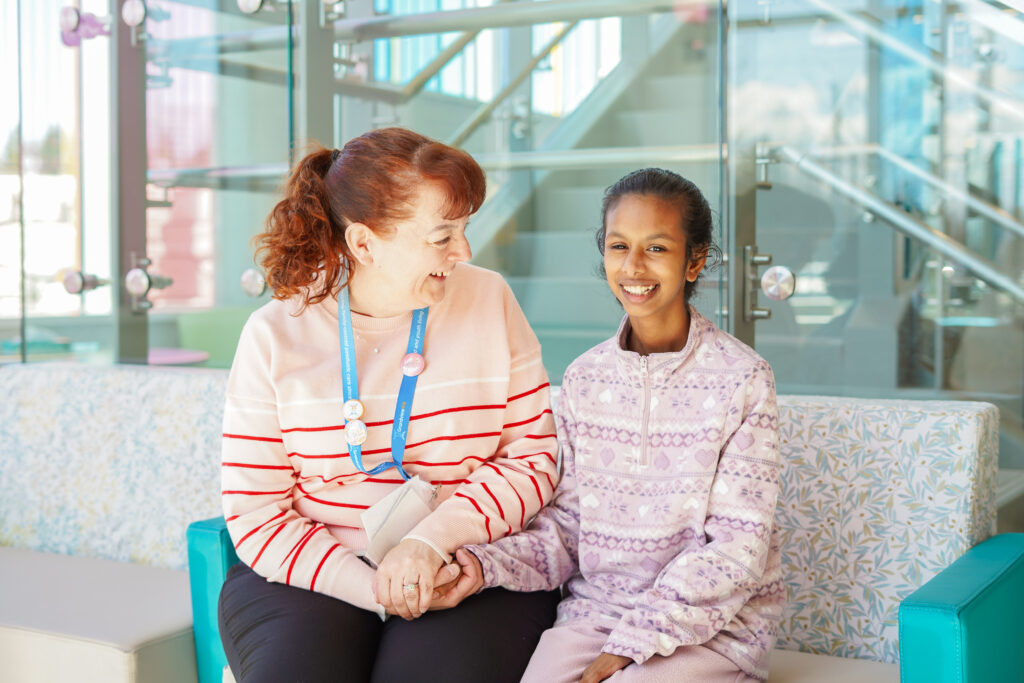
Equally important are caregiver supports through the Family Engagement (FE) Program’s weekly park playdates, parent and youth social nights, monthly coffee chats, summer days at the Barrett Centre rural farm and outings to the pumpkin patch. These moments allow families to build confidence, clarity and connection. One of the most meaningful parts of S’s journey has been the Adolescent Transition Program (ATP), where she met Peer Navigator April W., who has become like extended family. 

“April has a big heart and specialized training and combines that with her lived experience to help support other families navigate their journey,” Sharon notes. 

ATP was co-designed by parent and youth advocates and various members of Team Grandview. ATP puts the family voice at the centre of program development. The program is supported by a grant from TD Bank and pioneered by FE Program Manager, Andrea B. She brings both the parent/caregiver and peer lived experience to provide support and resources to families when clients transition from paediatric to adult care. Sharon also attended ATP workshops that share vital information on funding, guardianship and post-secondary education.  

Since being part of ATP, when S hears “Grandview,” she thinks of the amazing friendships she has fostered and the fun dance parties that she gets to attend. The enthusiasm is spilling into other areas of her life, including therapy and school. Sharon sees the excitement in S’s eyes and the joy bubbles and overflows.  

To Grandview Kids families who feel hesitant or unsure about making connections with others, Sharon offers simple advice, 

“If you’re hesitant, just come. You don’t know what you’re missing. You’ll learn, you’ll connect and you’ll realize you’re not alone.”  

Living with a child with physical, communication or developmental needs comes with uncertainty, but it also comes with extraordinary joy, resilience and connection. S reminds everyone she meets that difference is not something to fix, but something to understand, support and celebrate. At Grandview Kids, S receives services, but she’s also dancing, connecting and shining exactly as she should. 

Siblings by Siblings Program

National Siblings Day is celebrated each year on April 10. To honour this, we are proud to feature Grandview Kids’ “Siblings by Siblings” program!

Siblings by Siblings is a peer-led support program created specifically for siblings of children with disabilities or medical complexities. The program provides a safe, welcoming space where siblings can connect with others who understand their lived experiences. Through interactive discussions, games and creative activities, participants build friendships, strengthen coping strategies and recognize one another for their unique roles within their families.

Where did the idea for the program come from?

Siblings often carry a complex mix of emotions, such as pride, protectiveness, responsibility, frustration and love. While they play an important role within their families, they may not always have a dedicated space to process their own experiences. Siblings by Siblings was developed to ensure siblings of Grandview Kids clients feel seen, heard and valued as individuals. The program emphasizes building resilience, confidence and peer connection.

What happens in the Siblings by Siblings program?

The Siblings by Siblings Team, which includes Peer Navigators Ella, Fizza, and Isabella, hosts evening events throughout the year at our Ajax headquarters, The Jerry Coughlan Building. At each event, the team organizes a variety of activities, which have included thoughtful discussions on burnout, decorating cupcakes (for themselves and their siblings), self-care trivia, card games and creating self-care booklets and loot bags.

The program is open to siblings ages 10 to 18 and is positively impacting those who participate. When asked about their favourite Siblings by Siblings activities, participants shared, “My favourite activity is playing with my peers and connecting with them,” and “Making cupcakes — it was so much fun and calming. I just had fun!” When asked about the most inclusive activities, attendees noted, “Talking about my experiences with my siblings,” and “Playing Uno — I felt so included.”

The responses from Siblings by Siblings participants reflect the importance of peer connection, shared storytelling and meaningful yet fun engagement.

Attendance and growth

The promotion of the program’s launch reached 2,809 views (as of August 15, 2025). This attention demonstrated the strong community interest in sibling-focused programming. Since the pilot event, we have seen consistent growth, with attendance ranging from 8 to 16 siblings per session. Notably, 8 participants have been recurring attendees since the very first pilot event, highlighting sustained engagement and the value siblings are finding in the program.

Siblings by Siblings continues to grow as a meaningful and anticipated offering within Family Engagement programming. National Siblings Day provides a wonderful opportunity to celebrate siblings and spotlight the importance of investing in spaces designed for them and by them.

Testimonials

“My name is Aaleyah, and I’m in Grade 8. Being part of the Siblings by Siblings program at Grandview Kids has meant a lot to me. Having a sibling with a disability can feel overwhelming because there are a lot of extra responsibilities and moments when things are harder or different from other families. I adapted to how my brother made my life different, and sometimes that was kind of hard for me. Being part of this program helped me realize I’m not alone, and I’ve learned to be more patient, understanding, and proud of my brother and everything he accomplishes.

My favourite part of the Siblings by Siblings program is that it’s run by people with siblings with a disability, just like me, so they actually understand and relate to what it’s like. It makes it easier to open up because they’ve had similar experiences. I also love the events where we can connect, share stories, and just have fun together. This program has given me a safe space to talk about my feelings without judgment, and I would definitely recommend it to other kids who have a sibling at Grandview Kids because it helps you feel heard, supported, and understood.”

– Aaleyah, Grandview Kids sibling

“I really liked going to the Siblings by Siblings group. At first, I wasn’t sure what to expect, but it ended up being really fun and comfortable. It was nice meeting other kids who understand what it’s like, and it made me feel less alone.

I liked that we could talk about our feelings without it being awkward or forced. Everyone was really easy to talk to, and the environment was calm and relaxed. It actually helped me open up more than I thought I would. Overall, I had a really good experience, and I’m glad I went. I’d definitely recommend it to other siblings.”

– Kaleb Fancy, Grandview Kids sibling

“I had a really good time at the Siblings by Siblings group. It was lots of fun, and I liked being there with other kids. My favourite part was the snacks and drawing. It was really relaxing and easy to just hang out and enjoy. I can’t wait for the next one!”

– Kareem Fancy, Grandview Kids sibling

To register for an upcoming “Siblings by Siblings” event, follow Grandview Kids on Instagram and Facebook or speak to a member of the Family Engagement Team!

This week marks Neurodiversity Celebration Week. To celebrate, we share an interview between Katy and Samantha. Katy is a parent of and a big advocate for Grandview kid Jake. Samantha is an Occupational Therapist at Grandview Kids. The three have spent the past year learning together with Jake in the Entry to School program.

Their conversation focuses on Jake’s sensory needs and preferences. These factors play a big role in Jake’s everyday life. Katy shares what helps Jake feel calm, regulated and ready to engage with the world. Samantha offers a clinical perspective on why these sensory supports matter. This conversation is a reminder that neurodivergent brains aren’t something to “fix.” In fact, they are something to understand, celebrate and support on a deeper level.

An interview between Samantha and Katy

Sam: Katy and I wanted to discuss something that plays a huge role in a neurodivergent person’s wellbeing: sensory needs and preferences. Understanding sensory needs isn’t about “fixing” a child. Rather, it’s about supporting how their brain works so they can engage, play, learn and connect comfortably. Every person’s brain processes the world through the senses: touch, sound, movement, taste, sight, smell, and even internal senses like body awareness, feelings and balance.

Neurodivergent people often process these sensations differently, which can lead to strong likes, dislikes and unique ways of interacting with their environment. This past year, I worked with Katy and her son Jake in the Entry to School program. Through the program, Katy and I worked with his childcare and school educators to support his sensory and regulatory needs.  Katy, can you please describe some of Jake’s sensory interests and what these mean to him?

Katy: One of the biggest things that helps Jake regulate his body and feel calm is water.

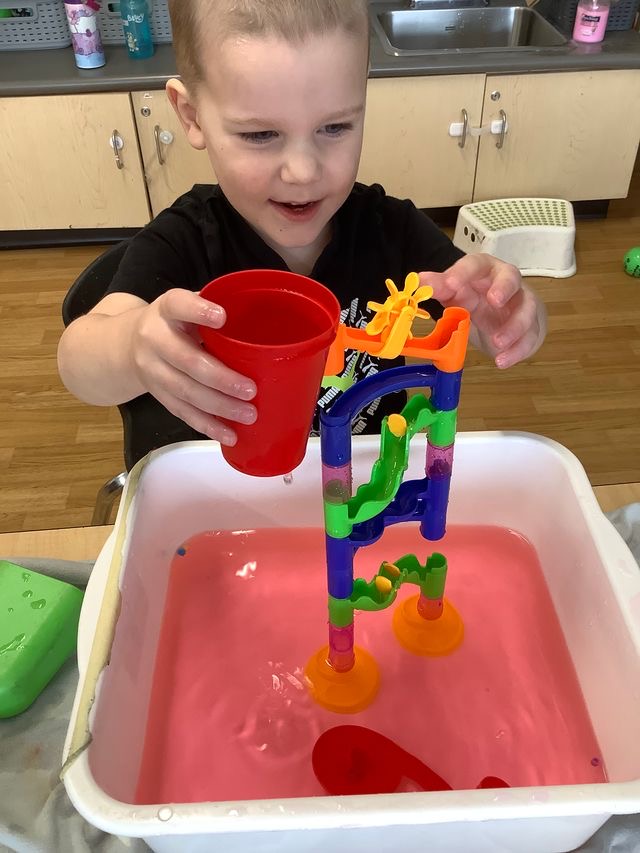
Water has always been something Jake is drawn to. The movement, the sound and the feeling of it seem to help his nervous system settle. When he’s feeling overwhelmed or dysregulated, water activities can help him refocus and feel more comfortable in his body.

At school, his team has been wonderful in supporting his sensory needs. They provide him with water-based fidget toys and often allow him time to play in the sink. Recently, they introduced something new that Jake absolutely loves—a continuous water tornado. Watching the water spin in a constant swirling motion is incredibly calming for him. It gives him something predictable and soothing to focus on. It helps regulate his body when he needs a moment to reset.

Jake also benefits from movement throughout his day. In the classroom, he has a rocking chair at his desk, which lets him gently rock while he works. This kind of movement helps him stay regulated and focused. He is also given opportunities to take breaks from the classroom for movement activities when his body needs it. These breaks help him release energy and return to learning feeling calmer and more ready.

“Supports like these might seem small, but for Jake, they make a big difference. They help him regulate his body, feel safe in his environment and participate more fully in his school day.” – Katy, Grandview Kids mom

Sam: Having many sensory interests and stimming (the repetition of a wide range of actions, often done rhythmically) are important regulation tools for neurodivergent people. They give us clues about what their body may need to help them grow and learn. I’ve noticed that when Jake’s interests and sensory needs are supported at school, he is better able to participate and looks more comfortable. What does this look like at home for your family?

Katy: At home, we try to create an environment that supports Jake’s sensory needs in ways that feel natural and accessible to him. Movement is a big part of how Jake regulates his body, so we make sure there are lots of opportunities for physical activity throughout the day.

Jake loves to move. He enjoys biking and rollerblading. We even have a swing inside the house that he can use whenever his body needs that calming, rhythmic motion. Outdoor play is also very important to him, so we make sure he has access to the outdoors whenever possible. Fresh air and space to move help him reset and feel his best.

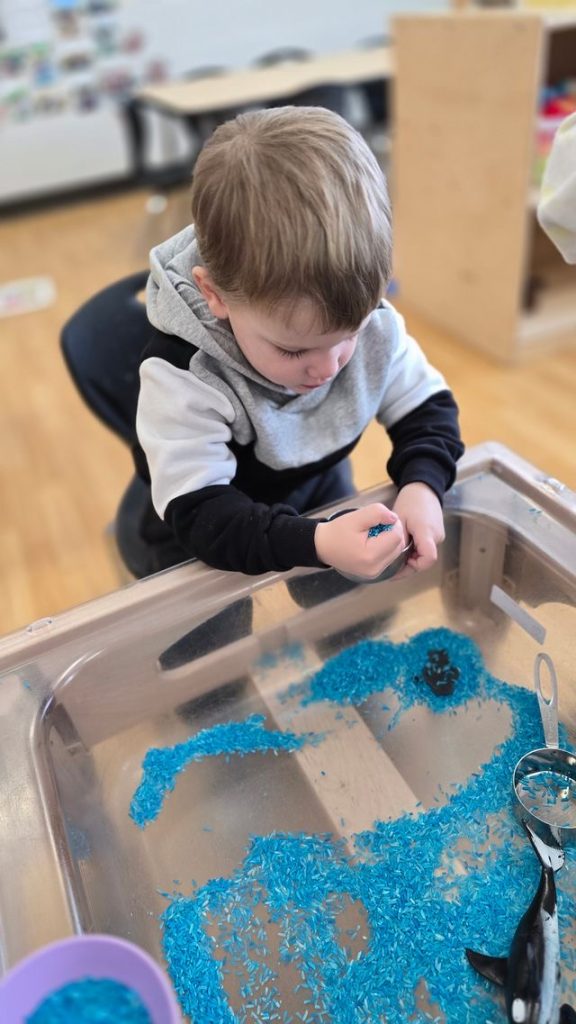
We also keep a variety of sensory toys available for Jake. Some of his favourites include water fidget toys, kinetic sand, marble runs and fine motor toys he can manipulate with his hands. These activities give him opportunities to explore different textures and movements that help regulate his sensory system.

Jake also loves music and movement. Our home often has music playing, and it’s something he naturally responds to. Music gives him another way to move his body, express himself and regulate his energy.

Transitions can sometimes be challenging for Jake, so we’ve learned that preparation makes a big difference. When we’re getting ready for school or heading somewhere, I try to give him as much information as possible about what to expect. At school, he uses visuals to help with transitions, but at home, I usually support him by talking things through and explaining plans in detail.

I’ll often give him countdowns when it’s time to finish a preferred activity, so he knows a transition is coming. I also use simple language like “first this, then this” to help him understand what will happen next. Giving Jake time and information to process changes helps make transitions smoother and helps him feel more comfortable.

“Every small support helps Jake navigate his day with more confidence and ease. By creating a home environment that meets his sensory needs, we’re helping him feel safe, regulated and ready to take on the world in his own way.” – Katy, Grandview Kids mom

Sam: What else have you learned from Jake about sensory interests and needs that you think is important for others to know?

Katy: One of the biggest things we’ve learned on this journey is that sensory needs aren’t “extra” or something to fix. Jake’s sensory needs are simply part of who he is and how he experiences the world. When we support those needs instead of trying to stop them, we see Jake thrive. The movement, the water play, the music, the breaks — these are all tools that help him regulate his body and feel comfortable in his environment. To other parents walking a similar path, trust your child to share what helps them feel calm and safe. What may look small or unusual to others can make a huge difference for our kids. When we listen, adapt and meet them where they are, we give them the space to be their best selves. 

  • ⟨
  • Page 1
  • Page 2
  • Page 3
  • Page 4
  • Interim pages omitted …
  • Page 17
  • ⟩

Primary Sidebar

Child Stories

ICAudGItaW1hZ2V7cG9zaXRpb246cmVsYXRpdmU7dHJhbnNpdGlvbjp0cmFuc2Zvcm0gMC4yNXMgZWFzZX0ud3AtYmxvY2staW1hZ2UgLnRiLWltYWdlLmFsaWduY2VudGVye21hcmdpbi1sZWZ0OmF1dG87bWFyZ2luLXJpZ2h0OmF1dG99LnRiLWltYWdlIGltZ3ttYXgtd2lkdGg6MTAwJTtoZWlnaHQ6YXV0bzt3aWR0aDphdXRvO3RyYW5zaXRpb246dHJhbnNmb3JtIDAuMjVzIGVhc2V9LnRiLWltYWdlIC50Yi1pbWFnZS1jYXB0aW9uLWZpdC10by1pbWFnZXtkaXNwbGF5OnRhYmxlfS50Yi1pbWFnZSAudGItaW1hZ2UtY2FwdGlvbi1maXQtdG8taW1hZ2UgLnRiLWltYWdlLWNhcHRpb257ZGlzcGxheTp0YWJsZS1jYXB0aW9uO2NhcHRpb24tc2lkZTpib3R0b219IC53cC1ibG9jay1pbWFnZS50Yi1pbWFnZVtkYXRhLXRvb2xzZXQtYmxvY2tzLWltYWdlPSJhMWJlMmUyODAwMWFkMGRlMjBhM2RlZWVlYmE5MDJhMSJdIHsgbWF4LXdpZHRoOiAxMDAlOyB9IEBtZWRpYSBvbmx5IHNjcmVlbiBhbmQgKG1heC13aWR0aDogNzgxcHgpIHsgICAudGItaW1hZ2V7cG9zaXRpb246cmVsYXRpdmU7dHJhbnNpdGlvbjp0cmFuc2Zvcm0gMC4yNXMgZWFzZX0ud3AtYmxvY2staW1hZ2UgLnRiLWltYWdlLmFsaWduY2VudGVye21hcmdpbi1sZWZ0OmF1dG87bWFyZ2luLXJpZ2h0OmF1dG99LnRiLWltYWdlIGltZ3ttYXgtd2lkdGg6MTAwJTtoZWlnaHQ6YXV0bzt3aWR0aDphdXRvO3RyYW5zaXRpb246dHJhbnNmb3JtIDAuMjVzIGVhc2V9LnRiLWltYWdlIC50Yi1pbWFnZS1jYXB0aW9uLWZpdC10by1pbWFnZXtkaXNwbGF5OnRhYmxlfS50Yi1pbWFnZSAudGItaW1hZ2UtY2FwdGlvbi1maXQtdG8taW1hZ2UgLnRiLWltYWdlLWNhcHRpb257ZGlzcGxheTp0YWJsZS1jYXB0aW9uO2NhcHRpb24tc2lkZTpib3R0b219IH0gQG1lZGlhIG9ubHkgc2NyZWVuIGFuZCAobWF4LXdpZHRoOiA1OTlweCkgeyAgIC50Yi1pbWFnZXtwb3NpdGlvbjpyZWxhdGl2ZTt0cmFuc2l0aW9uOnRyYW5zZm9ybSAwLjI1cyBlYXNlfS53cC1ibG9jay1pbWFnZSAudGItaW1hZ2UuYWxpZ25jZW50ZXJ7bWFyZ2luLWxlZnQ6YXV0bzttYXJnaW4tcmlnaHQ6YXV0b30udGItaW1hZ2UgaW1ne21heC13aWR0aDoxMDAlO2hlaWdodDphdXRvO3dpZHRoOmF1dG87dHJhbnNpdGlvbjp0cmFuc2Zvcm0gMC4yNXMgZWFzZX0udGItaW1hZ2UgLnRiLWltYWdlLWNhcHRpb24tZml0LXRvLWltYWdle2Rpc3BsYXk6dGFibGV9LnRiLWltYWdlIC50Yi1pbWFnZS1jYXB0aW9uLWZpdC10by1pbWFnZSAudGItaW1hZ2UtY2FwdGlvbntkaXNwbGF5OnRhYmxlLWNhcHRpb247Y2FwdGlvbi1zaWRlOmJvdHRvbX0gfSA=
LnRiLWhlYWRpbmcuaGFzLWJhY2tncm91bmR7cGFkZGluZzowfQ==
LnRiLWZpZWxke21hcmdpbi1ib3R0b206MC43NmVtfS50Yi1maWVsZC0tbGVmdHt0ZXh0LWFsaWduOmxlZnR9LnRiLWZpZWxkLS1jZW50ZXJ7dGV4dC1hbGlnbjpjZW50ZXJ9LnRiLWZpZWxkLS1yaWdodHt0ZXh0LWFsaWduOnJpZ2h0fS50Yi1maWVsZF9fc2t5cGVfcHJldmlld3twYWRkaW5nOjEwcHggMjBweDtib3JkZXItcmFkaXVzOjNweDtjb2xvcjojZmZmO2JhY2tncm91bmQ6IzAwYWZlZTtkaXNwbGF5OmlubGluZS1ibG9ja311bC5nbGlkZV9fc2xpZGVze21hcmdpbjowfQ==

Chiari Malformation Awareness Month

Austin’s Story Chiari Malformation is a congenital defect in the lower back of the head where the brain and spinal cord connect. The brain tissue extends into the spinal canal,...

Latest Updates

  • October 2026: Dates of Significance September 30, 2026
  • “I am Clara”  September 30, 2026
  • Mitchell’s journey with Hydrocephalus September 30, 2026
  • Celebrating World Cerebral Palsy Day 2026 September 29, 2026
  • Building belonging through family leadership August 31, 2026

You Have Questions

We’d like to help you find the answers…

Contact Us Today

© Grandview Kids Built by PeaceWorks

  • About Us
  • Contact Us
  • Privacy
Accessibility Adjustments

Powered by OneTap

How long do you want to hide the toolbar?
Hide Toolbar Duration
Select your accessibility profile
Vision Impaired Mode
Enhances website's visuals
Seizure Safe Profile
Clear flashes & reduces color
ADHD Friendly Mode
Focused browsing, distraction-free
Blindness Mode
Reduces distractions, improves focus
Epilepsy Safe Mode
Dims colors and stops blinking
Content Modules
Font Size

Default

Line Height

Default

Color Modules
Orientation Modules