• Skip to primary navigation
  • Skip to main content
  • Skip to primary sidebar
Grandview Kids Logo

Grandview Kids

Every Child And Youth Living Life At Their Full Potential

  • About Us
    • Vision, Mission and Values
    • The New Grandview Kids
      • Operational Readiness
      • Visiting Grandview Kids’ Ajax Headquarters
    • Our History
    • Leadership
    • Board of Directors and Committees
    • Annual Report
    • Strategic Plan
    • Policies
  • Calendar
  • Annual Report
  • Contact
    • Contactez – nous
    • Ajax – Headquarters
    • Bowmanville Health Centre
    • Grandview School
    • Oshawa – Dwyer
    • Port Perry
    • Whitby – Abilities Centre
  • Careers
  • Register
  • Donate
  • Instagram
  • LinkedIn
  • Facebook
  • Services and Programs
    • Audiology
    • Autism Program
      • Autism Spectrum Disorder (ASD) Diagnostic Hub
      • Caregiver-Mediated Early Years Programs
      • OAP Core Clinical Services
      • Entry to School Program
      • Foundational Family Services
    • Blind-Low Vision Program
    • Extensive Needs Service
    • Family Engagement Program
      • Adolescent Transition Program
      • Family Leader Program
        • Ambassador Program
        • Family Advisory Council
        • Paid Advocates
        • Youth Advisory Council
    • Infant Hearing Program
    • Medical Services
      • Autism Spectrum Disorder (ASD) Diagnostic Hub
      • Complex Care Program
      • Grandview Anesthesia Procedure (GAP) Clinic
      • Hypertonia Clinic
      • Nutrition Services
      • Orthopaedic Clinic
    • Occupational Therapy
    • Physiotherapy
    • Preschool Outreach Program
    • School Programs & Resources
      • Resources for Educators
      • School-Based Rehabilitation
    • Service Navigation
      • SmartStart Hub: Parents
      • SmartStart Hub: Partners
    • Social Work
    • Speech-Language Pathology
      • Augmentative and Alternative Communication
    • Therapeutic Recreation
  • Purchased Services
    • Inclusive Recreation
    • Beyond the Walls
    • OAP Core Clinical Services
      • Behaviour Services
  • Research
    • Get involved in research
    • IDEA Study
      • Building knowledge and understanding of the intersection of race and disability in accessing pediatric rehabilitation services.
    • Joint Research Ethics Board
    • Research Associate: Dr. Fiona Moola
    • Research Associate: Dr. Meghann Lloyd
  • Resources
    • Ability Acceptance Program
    • Arriving at Grandview Kids
    • Community Supports & Resources
    • Family Support Fund
    • Free to Read Program
    • Frequently Asked Questions
    • Gather by Grandview Kids
    • News and Updates
    • Privacy
    • Resources for Parents and Caregivers
    • Visiting Grandview Kids
  • Support Us
    • Ways to support
    • Case for Support
    • Host a fundraiser
    • Participate in an event
      • Golf Fore Grandview Kids
      • Sponsor the Drum
    • Leave a legacy
      • Gifts of securities
      • Gifts of bequests
      • Gifts of life insurance
    • Your impact
    • Building a Legacy: Honouring Jerry Coughlan
  • I Want To…
    • Connect with Grandview Kids
    • Donate
    • Refer a child or youth
    • Register via My Community Hub
    • Schedule an Appointment
    • Volunteer at Grandview Kids
    • Work at Grandview Kids
  • Grandview School
    • About Our Program
    • About Our Board
    • Grandview School Social Story
    • Plans and Reports
    • Resources for Families
    • Resources for Schools – Switch It Up!
    • Careers and Volunteering
    • Contact Grandview School
  • Search

Posted March 27, 2026

Understanding Autism through Jack’s eyes

Speech-Language Pathology

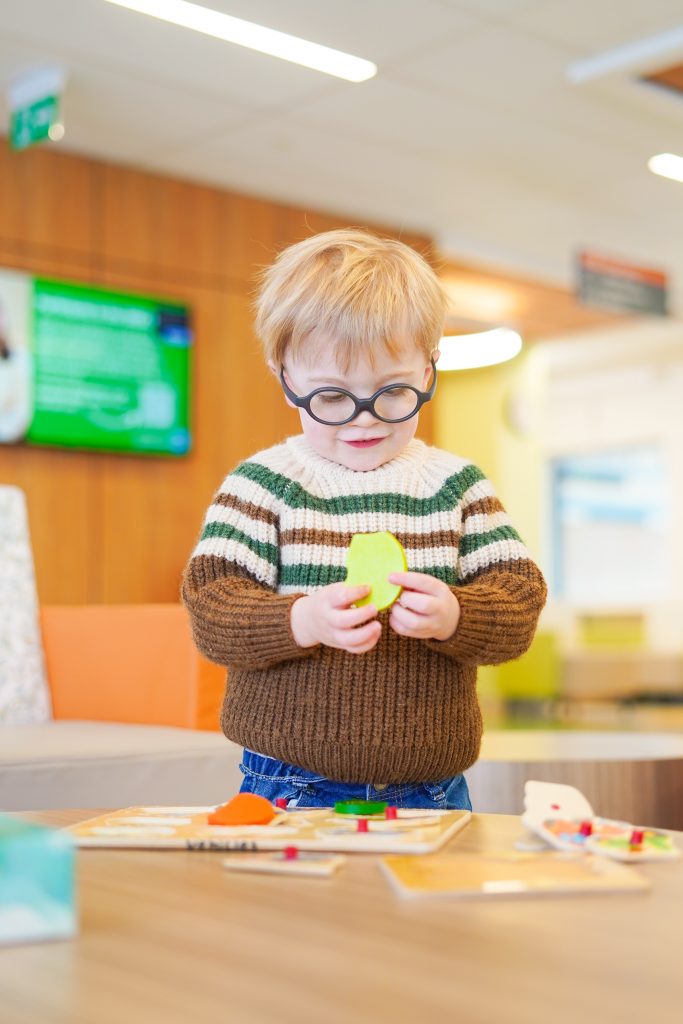
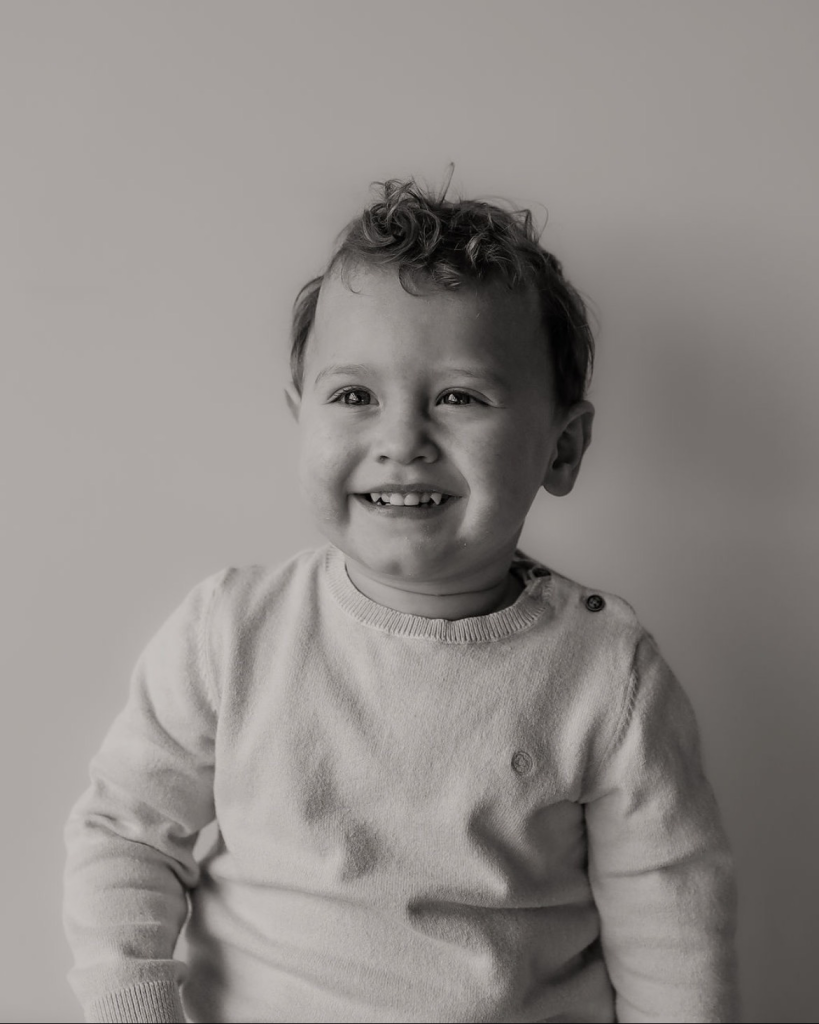
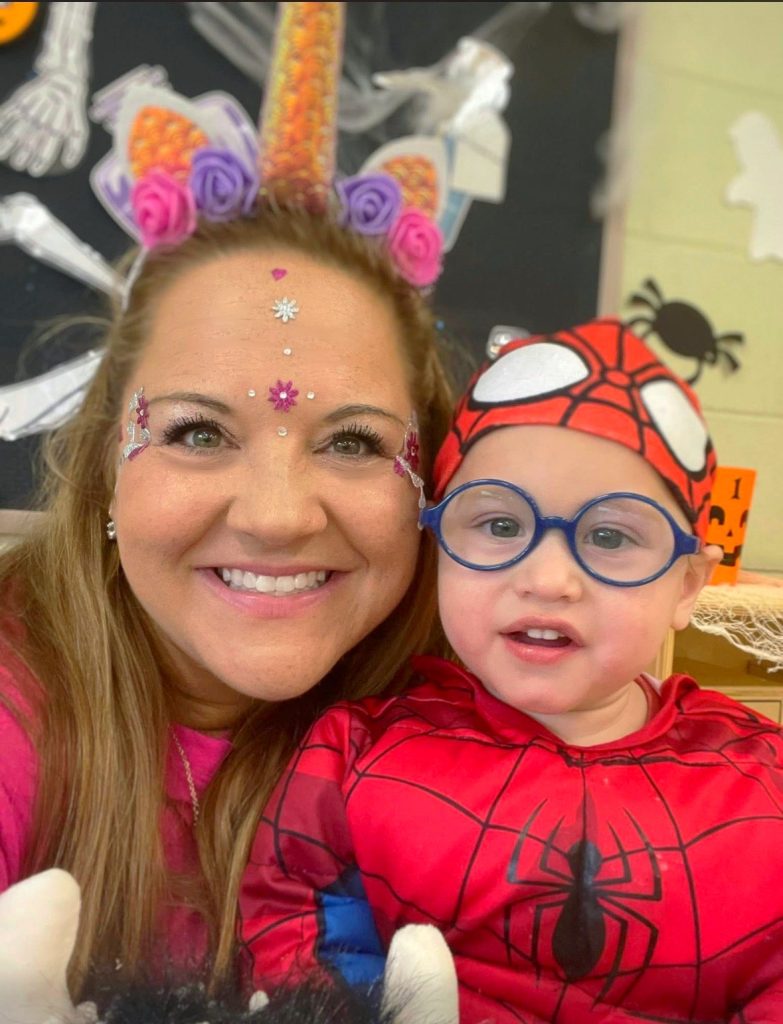
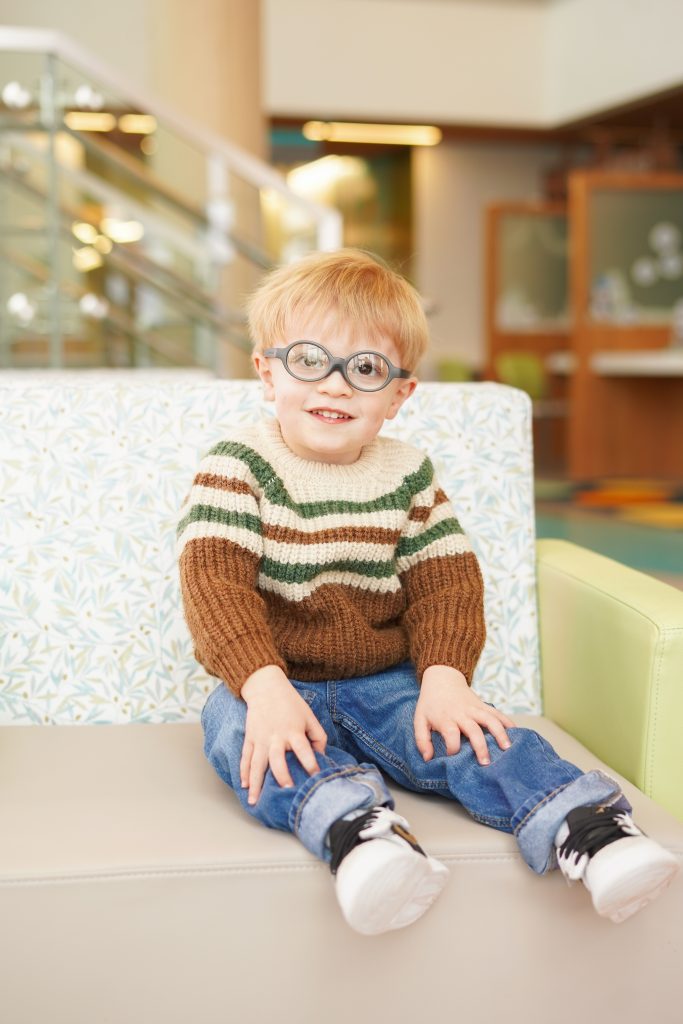
Jack is three years old and always on the move. He always chooses to run instead of walk and breaks out into dance whenever he hears music playing. Monster trucks and cars are his greatest passions because of their spinning wheels, and Halloween is his favourite time of year. He loves sports, particularly football, and his greatest joys are playing catch with his dad and bouncing endlessly at a trampoline park. Jack is silly, affectionate and determined to connect with the people he loves, even when communication is hard. 

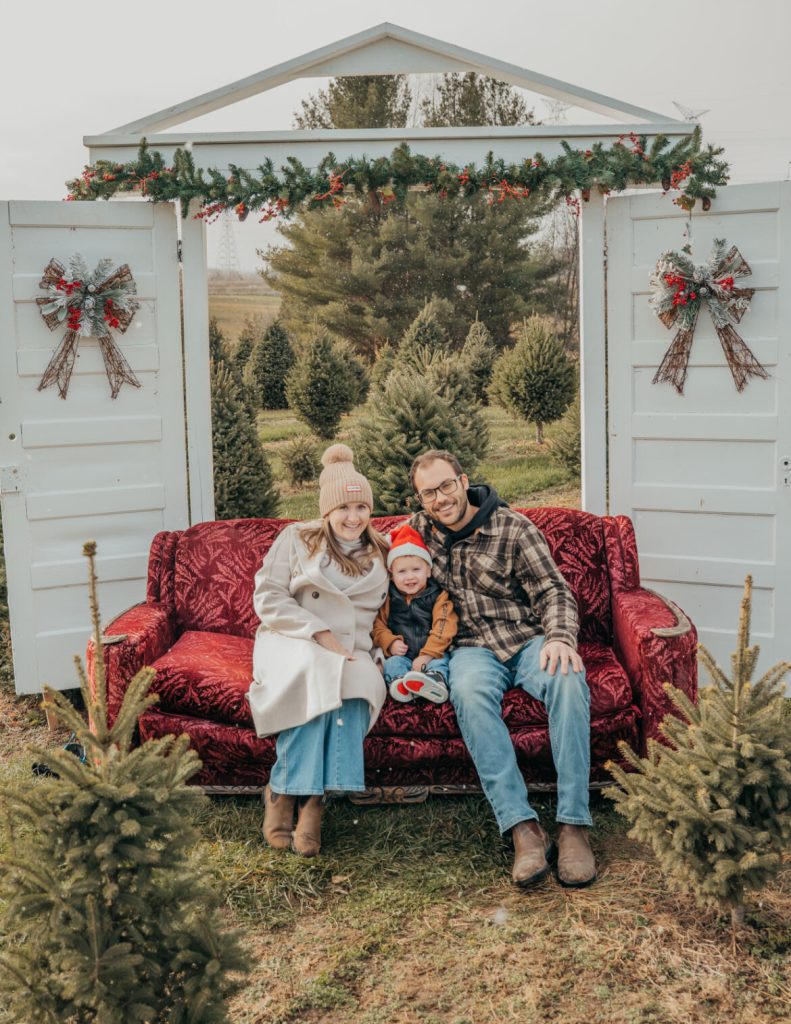
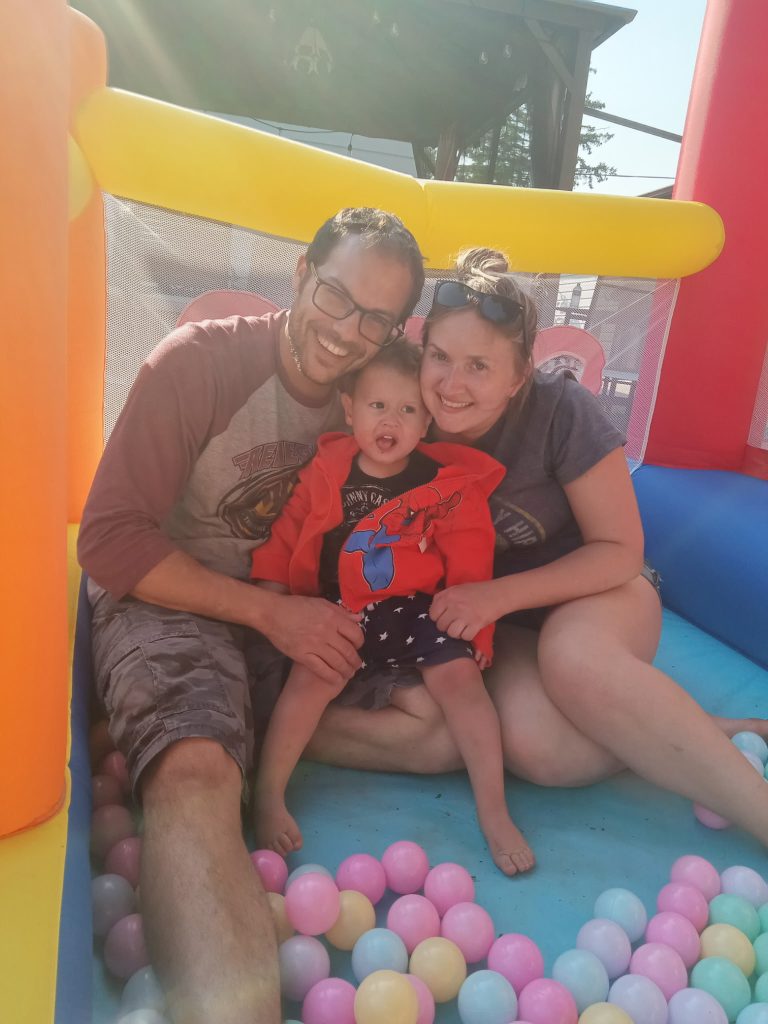
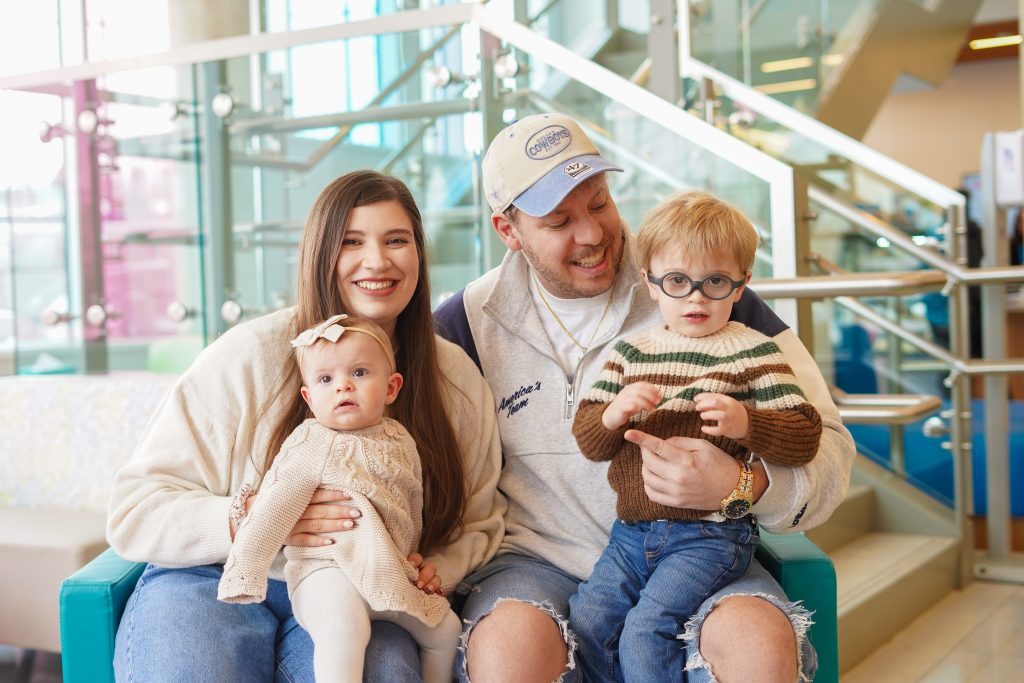
Jack lives with his mom, Jess, his dad, Jake, and his six-month-old baby sister, Ava. As a family, they value time together the most. They play sports in the yard, go on long walks when the weather is nice, ride bikes and find simple joy in being together. Although life with Jack is active, loud and full of laughter, it also requires resilience, patience and advocacy. 
Jack’s journey began when he was born one month premature and needed to be resuscitated at birth because he wasn’t breathing. He spent his first week in the hospital’s Neonatal Intensive Care Unit (NICU), requiring the use of continuous positive airway pressure (CPAP) due to breathing difficulties caused by fluid in his lungs. After being discharged, Jack was readmitted to hospital for jaundice and difficulty in gaining weight. Breathing issues continued throughout his first year, along with feeding challenges that made eating exhausting and stressful. Frequent medical appointments, a tongue-tie release and ongoing private speech therapy became part of his early routine. 

Despite these challenges, Jack was otherwise a healthy baby. At one year old, developmental concerns became more apparent. He wasn’t crawling, his speech was significantly delayed and he was behind on several developmental milestones. Jess, a social worker and psychotherapist, trusted her instincts that something deeper was going on, but advocating for her own child proved harder than expected. Two paediatricians dismissed concerns about autism spectrum disorder (ASD), suggesting Jack would catch up in time. 

Jess and Jake persisted. They knew their child, and they knew his needs were not being fully recognized. Their persistence paid off when Jack was finally referred to a developmental paediatrician at Grandview Kids. In August 2025, Jack received his ASD diagnosis with communication delays and language impairment. For his parents, the diagnosis was not devastating but, instead, validating. Suddenly, Jack’s experiences, behaviours and challenges made sense and the focus shifted from questioning to supporting. 

Before his diagnosis, communication was one of Jack’s biggest barriers. He wanted to be understood but struggled to express himself clearly. When his parents could not figure out what he needed, frustration would build quickly, sometimes leading to throwing objects, intense emotional reactions and meltdowns. These moments signalled a child who was overwhelmed and unable to communicate. 

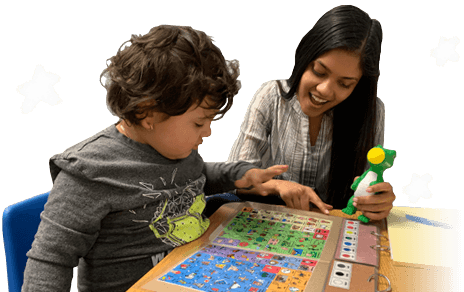
Through care at Grandview Kids, Jack’s world began to open. Visual supports were introduced throughout the home, including picture boards for food, toys and familiar people, choice boards to help make decisions and visual schedules that guided Jack’s understanding of what was happening next.

These tools made Jack less anxious, improved his transitions between activities and gave him a sense of control over his day. Speech-language pathology sessions focused on his motor speech planning challenges, while a referral to Holland Bloorview was made to explore an augmentative and alternative communication (AAC) device, giving Jack another powerful way to express himself.

Jack also began receiving occupational therapy (OT) and physiotherapy (PT) at Grandview Kids. OT became essential in supporting Jack’s sensory needs. Jack has a lot of energy and finds it hard to slow his body down, especially at night. Bedtime routines can last hours as his nervous system struggles to settle. Sensory sensitivities also impact his eating, making him selective with food textures. OT strategies, including heavy work and deep pressure, have helped Jack regulate his body and emotions, making daily life more manageable for the whole family. PT supported Jack’s physical development, building confidence with balance, stairs and jumping. These skills now allow him to fully enjoy sports and active play. Each small gain felt like a big victory. 

More than the therapies themselves, what made the greatest difference to Jess and Jake was feeling seen. The clinicians at Grandview Kids listened, believed the family and validated Jess’ intuition. For the first time, the family felt reassured that they were not alone and that Jack’s future could be full of possibilities. 

Today, Jack continues to grow and thrive in his own unique way. He still loves monster trucks, dances without hesitation and continues to bring joy wherever he goes. He experiences challenges but does so with great resilience.  

Jack’s story is a reminder that early support matters, parental instincts deserve to be trusted and that acceptance begins with understanding. Jack is not defined by his diagnosis. He is defined by his joy, his determination and the community of people who see him for exactly who he is and celebrate him just as he is. 
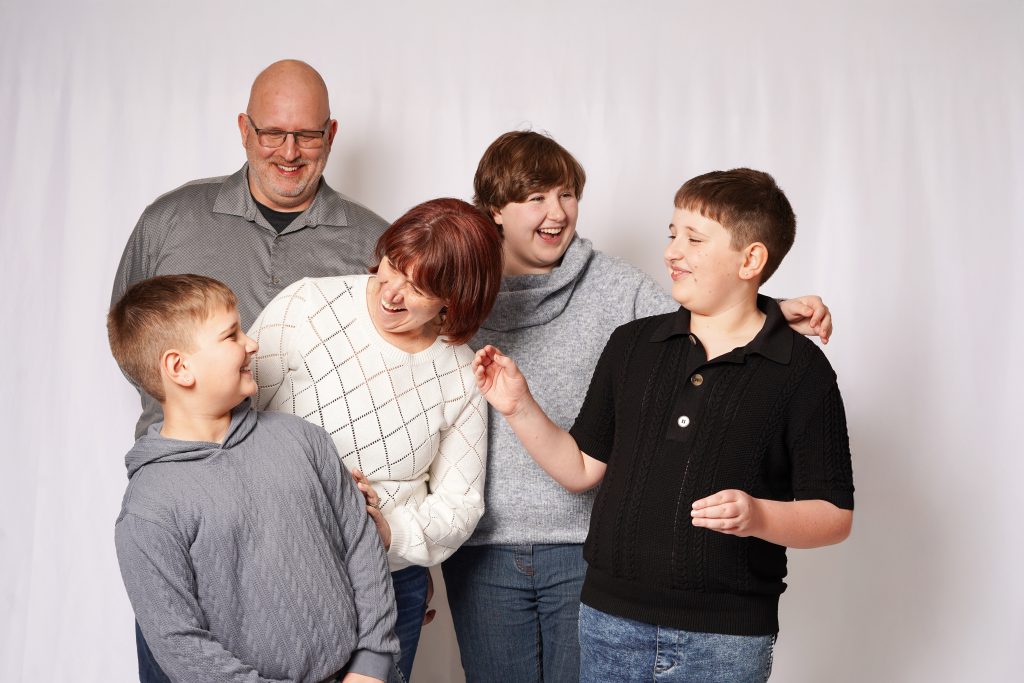
Celebrating Autism Awareness and Acceptance Month!

Autism does not look the same for everyone, even within the same family. For Brett and Celine, raising three children on the autism spectrum meant learning to celebrate differences, advocate fiercely and find strength in community. Along the way, their family discovered the life-changing support of Grandview Kids, a place that helped their children grow, communicate and belong. 

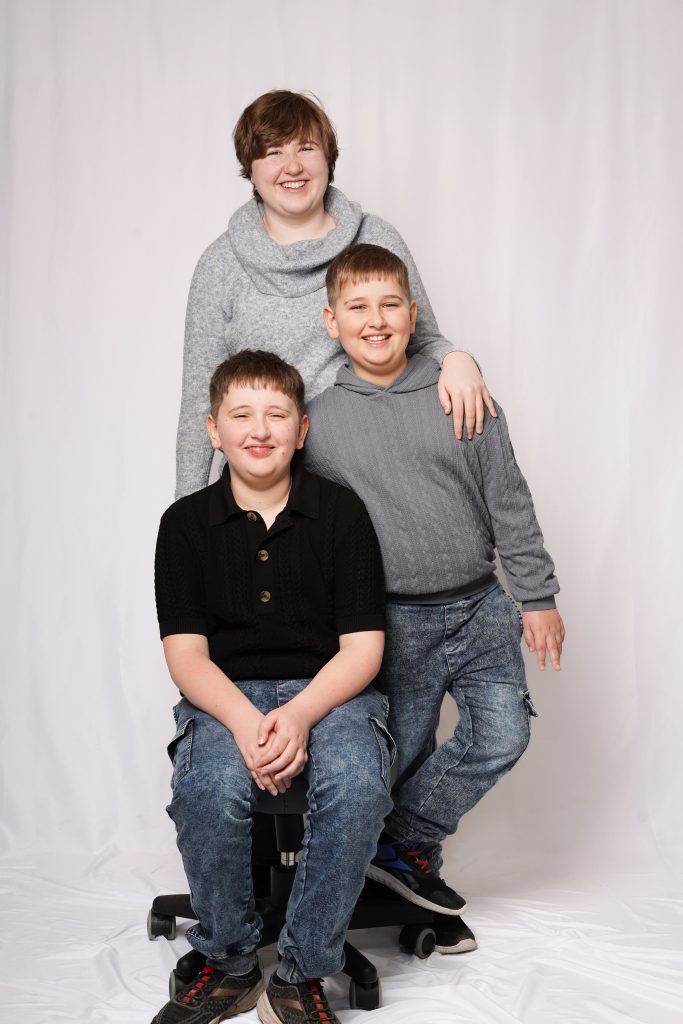
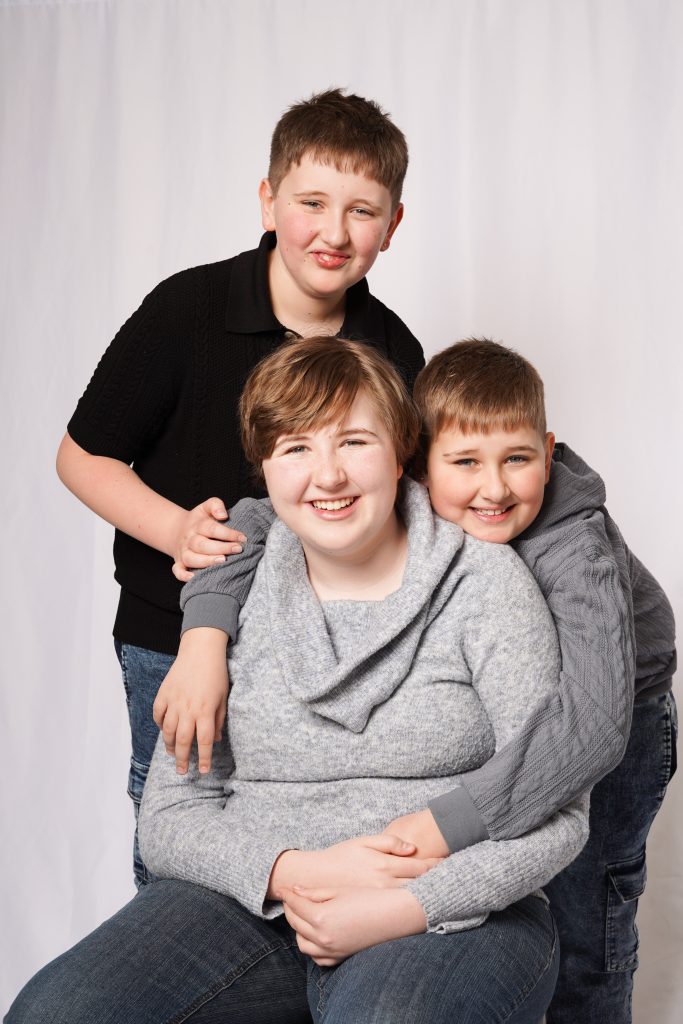
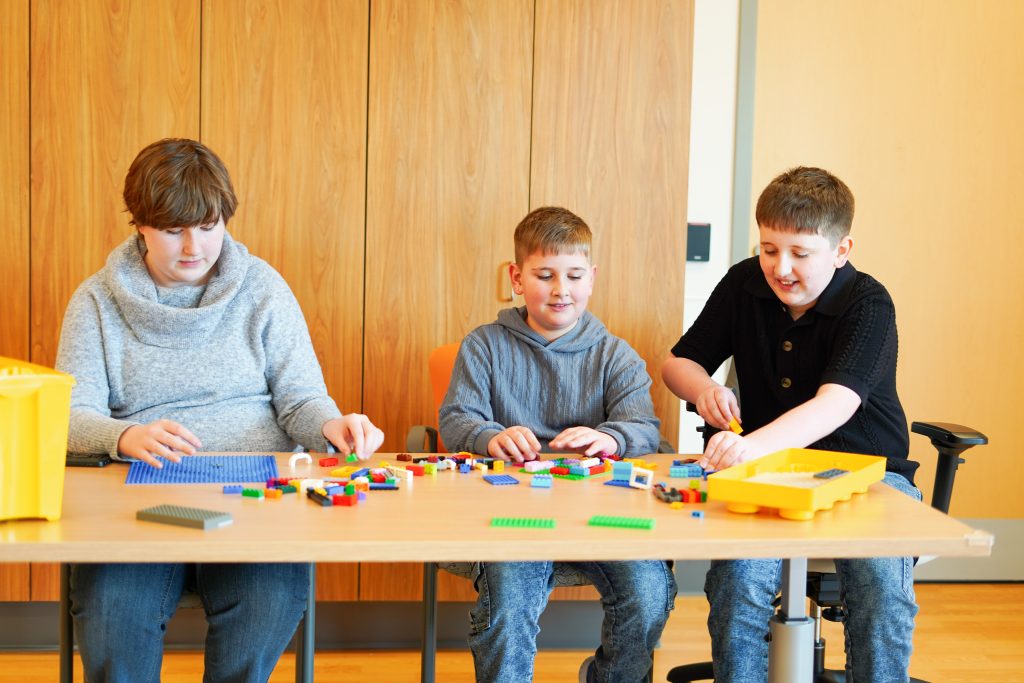
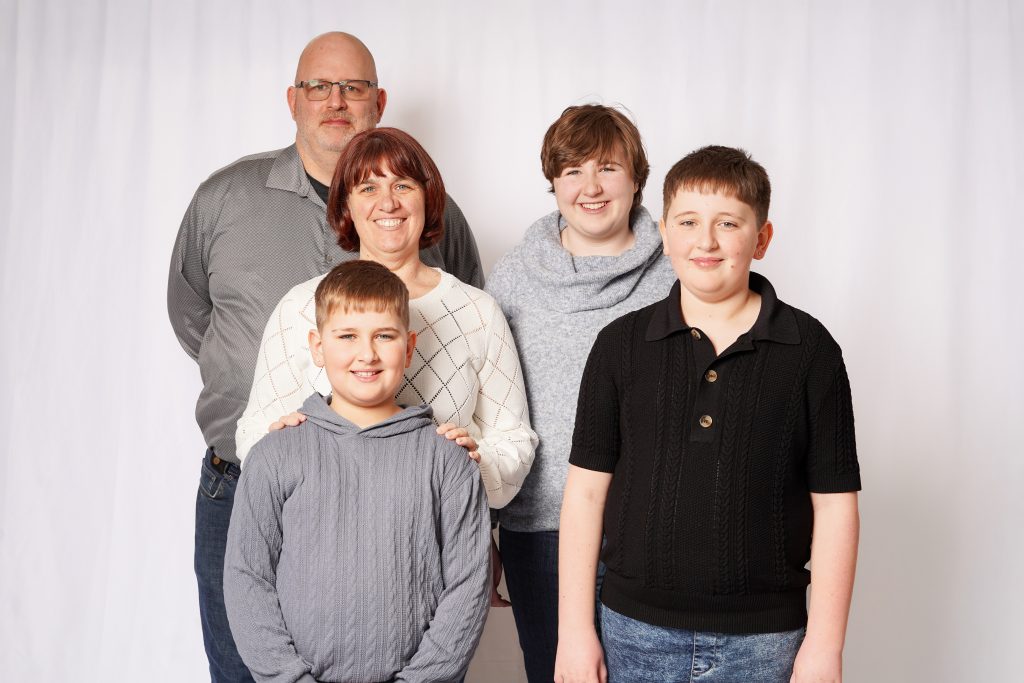
Married for nearly 17 years, Brett and Celine are raising their three children, Elle (14), Liam (12) and Connor (9) in a home filled with music and creativity. Their family time often includes walks near the lake, playing board games or curling up on the couch with popcorn for movie nights. Like any siblings, they disagree on things, but they are usually quickly replaced with laughter. Each child brings something special to the family dynamic.  

Elle is the family’s tech expert. She creates funny reels, edits photos and captures family memories. She is a huge fan of the “Percy Jackson & the Olympians” series and even took part in a play inspired by it last summer in Ajax. For Elle, storytelling, whether through books, theatre or technology, is a way to express herself and connect with others. Liam, the middle child, is known for his humour. He proudly embraces the role of the family’s “dad joke” master. He will happily approach strangers to share a silly joke and watch their reaction. Beneath the jokes is a deeply kind and affectionate boy who loves cuddling babies and playing with younger kids. Connor, the youngest, has an uncanny ability to read a room. An empath by nature, he is quick to recognize others’ feelings. His humour is a little more complex, goofy and clever all at once. 

Behind these everyday moments is a strong network of support that has shaped their journey. One of the earliest and most influential members of that support system was private speech-language pathologist Debbie, who has worked with Liam since he was two years old. Alongside professionals at Grandview Kids, including speech-language pathologist Melany, Debbie helped the boys develop the communication skills that have opened their world. “They literally brought voice to our lives,” Celine says.  

Through speech therapy, the family learned how to support their sons’ communication, engage in and connect in meaningful ways and build relationships through play and interaction. Their infant and child development worker, Karla, also played an instrumental role in helping Celine and Brett navigate services and funding programs they did not know existed, making additional therapies possible. 

The family’s journey with Grandview Kids began when Liam was just eight weeks old. After spending several weeks in the hospital as a newborn due to illness, he was referred to the Grandview Kids’ previous torticollis clinic to address the involuntary contraction of his neck muscles. At the time, Celine admits she did not even know what Grandview Kids was. By six months old, Liam was not babbling or rolling over, so their paediatrician recommended accessing speech therapy at Grandview Kids. When Liam was eight months old, Brett and Celine attended their first parent workshop called “More Than Words.” Since then, the Centre has become a constant presence in their lives. 

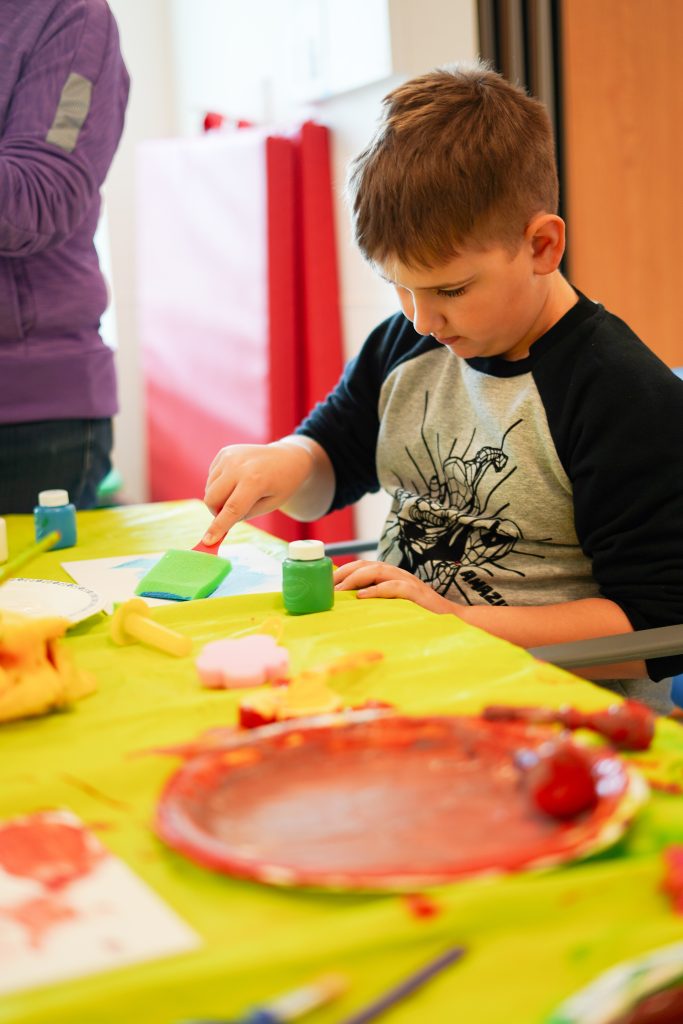
Liam, 12

At two years old, Liam was diagnosed with expressive language disorder by their Grandview Kids developmental paediatirican, Dr. Siapno. While the diagnosis was hard to hear, Celine still felt there might be something more going on. She noticed subtle differences, like limited eye contact, little interest in cuddling and a strong preference for doing things independently. At 34 months, after reassessment, Liam received an official autism spectrum disorder (ASD) diagnosis. Although the process had been emotionally exhausting, the diagnosis ultimately brought relief. “It meant someone finally saw him,” Celine says. “And we finally knew how to help him.” 

Connor’s journey unfolded more quickly. Having already walked a similar path with Liam, Celine and Brett recognized familiar developmental patterns early on, limited babbling, slower motor milestones and reduced eye contact. At just 22 months old, Connor was also diagnosed with ASD. This time, the experience felt different. “I already knew,” Celine explains. “I could see he was just like his big brother. And I knew we would be okay.” 

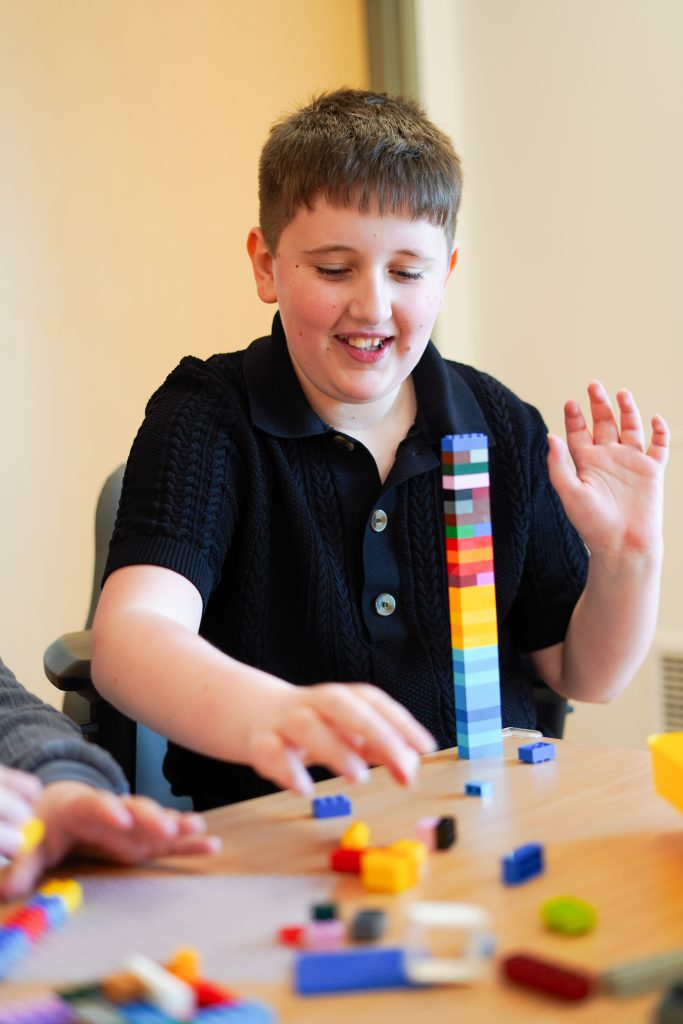
Connor, 9

Elle’s path looked very different from her brothers’, who were both nonverbal and using augmentative and alternative communication (AAC) devices in their early years. Elle, on the other hand, spoke early and often. Autism was never initially considered since her parents thought speech was the biggest indicator of ASD. As she got older, bullying at school began to take a toll, and professionals initially wondered if she might have generalized anxiety. During an appointment for Connor, Dr. Siapno asked Celine about the rest of the family. As she spoke about Elle, Celine became emotional, prompting an assessment. At eight years old, Elle was also diagnosed with ASD. For Elle, the moment was unexpectedly meaningful. “She told the doctor she finally felt like she was part of the family,” Celine recalls. “She said she ‘finally belonged.’” 

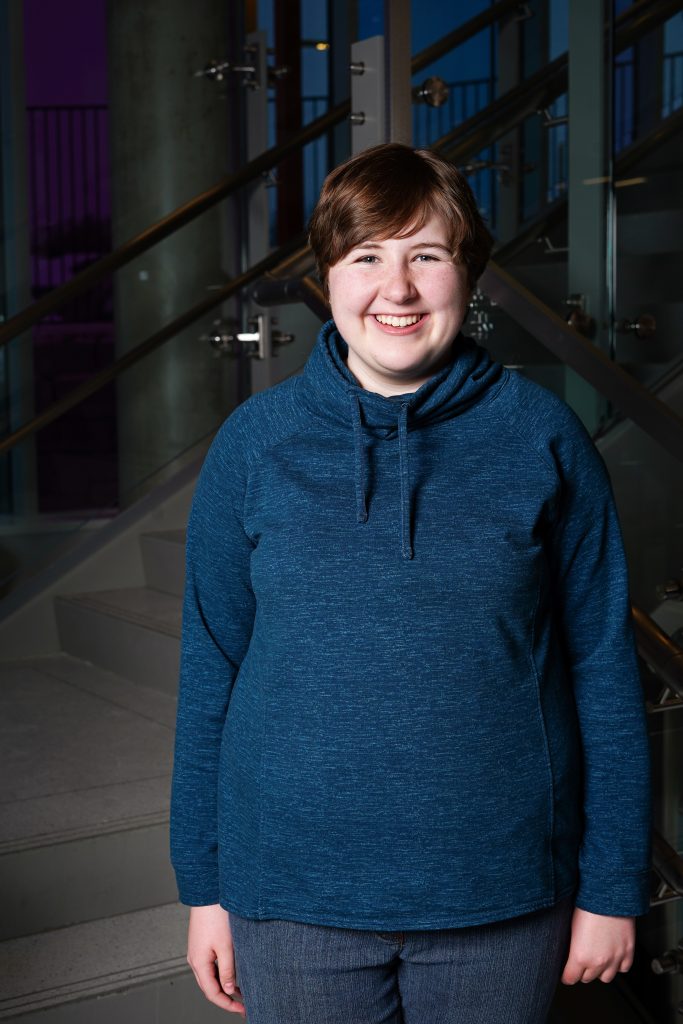
Elle, 14

Over the years, the family has accessed many programs and services through Grandview Kids, including audiology, speech-language pathology, occupational therapy, physiotherapy, therapeutic recreation, social work, summer camp and education at Grandview School. For Celine, the most powerful part of Grandview Kids has been the sense of community, one fostered strongly through the Family Engagement Program. 

Before the COVID-19 pandemic, she remembers sitting in the waiting room in the old Grandview Kids Ajax location while children played together. Even kids who could not speak were laughing and connecting. Parents exchanged quiet looks of understanding, sometimes even silent “thank-yous.”  

“It was the one place we didn’t have to explain anything,”

she remembers fondly. Special events like pyjama parties, holiday celebrations and community programs have created lasting memories. These moments ensured the children could see others like them and feel included. Connor even met his best friend at Grandview School. 

Today, the impact of those supports is evident. Celine often wonders whether the boys would be as verbal as they are today without the early speech therapy they received. Connor also gained a major milestone through therapeutic recreation, learning how to ride a bike. This skill gave him newfound independence. “These are everyday things people take for granted,” Celine says. “But for us, they were huge.” Elle has also found her voice as a leader. She participates in the Youth Advisory Council (YAC) at Grandview Kids and hopes to one day create a subcommittee to help other youth share ideas and advocate for change. At school, she is already helping educate peers about disabilities and accessibility. 

Still, the journey is not without challenges. Social misunderstandings can make school difficult at times. This is especially true for Elle, who loves sharing information and speaking passionately on topics she cares about. Her direct communication style has sometimes been misinterpreted, leading to bullying in the past. She has become skilled at masking, hiding her autistic traits to “fit in” socially. “It’s exhausting,” Celine says. “And she shouldn’t have to do that forever.” Connor continues to experience anxiety at school, while Liam sometimes faces misunderstandings when people assume his autism only matters on certain days. 

Like many parents of neurodivergent children, Celine often thinks about the future, wondering what adulthood will look like and hoping her children will find meaningful work, independence and communities that embrace them for who they are. At the same time, she reminds herself that progress does not always follow a typical timeline. “People just need to take a breath,” she says. “Life is life. People are people.” She also hopes others will reconsider common expectations, like the emphasis on eye contact. “For our family, eye contact was never important,” she explains. “You can still connect with someone without looking directly into their eyes.” 

Instead, Celine believes society should focus more on acceptance and patience, recognizing that everyone grows and learns at their own pace. “There is so much emphasis on the ‘cannot,’ but we need to celebrate the ‘cans’ instead.” For parents on a similar journey, her message is simple: trust yourself and find your community. “You know your child better than anyone. Keep asking questions until someone listens.” And when the road feels overwhelming, remember that you don’t have to walk it alone. Sometimes, the right community can make all the difference, and for Brett, Celine, Elle, Liam and Connor, that community has been Grandview Kids.  

On a gloomy winter morning in Winnipeg, with clouds hanging low and snow clinging stubbornly to the ground, Vince and Michelle brought their two-and-a-half-month-old daughter, Ayla, to The Children’s Hospital of Winnipeg emergency department. They arrived at 9 a.m., but by the time they returned home at 4 p.m., their lives had changed forever. 

Michelle observed that Ayla was having unusual, repetitive body movements. At first, Michelle wondered if these clustered small spasms were simply the newborn startle reflex. Days later, Vince noticed the same movements, and together they searched online looking for answers. They immediately found articles on and videos of infantile spasms that looked exactly like what they were seeing. Over the next few days, they took videos of Ayla’s twitching, which were sporadic and unpredictable. Trusting their instincts and with evidence in hand, they went straight to the hospital. Within the hour, a paediatric neurologist saw the videos and observed Ayla’s spasms in real time. Testing began immediately, infantile spasms were strongly suspected and treatment began that same week. 

Ayla’s epilepsy journey has been anything but straightforward. Over time, she was diagnosed with drug-resistant epilepsy, requiring multiple medication trials. Today, she takes three medications and additional supplements to help manage both large seizures and smaller spasms, which is a delicate balance achieved only through persistence, advocacy and constant reassessment. As Ayla grew, further diagnoses followed, including global developmental delay and cortical visual impairment. Developmentally, she remains at an early infancy level. She does not sit independently, crawl or stand, and feeding requires full support. Despite consistent therapy, her brain struggles to retain what her body practices – a reality many families living with neurological conditions know all too well. 

At the time of Ayla’s diagnosis, her parents were just beginning to find their footing as new parents. Vince, a meticulous planner, signed them up to take every baby class available. They were attending webinars and in-person classes every other weekend. The pregnancy had been normal with no indication that medical challenges lay ahead. They learned that no amount of preparation can ready you for life’s curveballs. Learning how to administer seizure medication to a tiny infant, often by syringe, while navigating sleep deprivation, fear and uncertainty was overwhelming. Emotionally, it marked the beginning of life as “medical parents,” a role they never anticipated.  

Michelle carried a heavy sense of guilt, questioning whether she could have done something differently during pregnancy or delivery, an inevitable but impossible question to answer. Over time, they learned that two things can be true at once: deep gratitude for their daughter, Ayla, and grief for the motherhood and parenthood they once imagined. Both feelings are valid, but sitting with the latter for too long would dim the former.  

After more than a year of treatment and therapy in Winnipeg, Ayla’s medical team felt they had exhausted all local options. Conversations turned to advanced epilepsy care, including possible surgical interventions and the need for broader, specialized supports. With encouragement from family and a strong partnership with their Winnipeg-based care team, the decision was made to pursue care in Ontario. Leaving behind a settled life with established careers, family and home was not easy, but advocating for Ayla meant doing what was best for her future. Ontario offered expanded epilepsy expertise, specialized paediatric care and access to a wider network of supports. Thankfully, Vince’s parents had relocated to Ajax, Ontario, 15 years ago, and welcomed their family and 16-year-old dog, Mikka, into their home during this transitional period in the summer of 2025. 

One sunny day, while driving in Ajax, Ayla’s mom noticed a large, colourful building and asked herself, “What is that place?” That building was Grandview Kids. She searched the internet, and after learning more, told Vince, “Ayla needs to be here.” The family self-referred, and soon after, Ayla qualified to begin receiving services. 

From the moment they walked through the doors, they felt welcomed. The inclusive environment, the warmth of the space and the family-centred approach made an immediate impression. For a family new to Ontario and still feeling like “new parents,” Grandview Kids offered something deeply meaningful: a sense of belonging. 

Today, Ayla is 2 years old and receives physiotherapy, occupational therapy and speech-language pathology services, along with feeding clinic support at Grandview Kids. As they wait for a developmental paediatrician and equipment funding, they are assured by therapists that they are on the right track. Each appointment feels like a step forward, not just in care, but in confidence. Just as importantly, the family is beginning to connect with other Grandview Kids families who truly understand the realities of epilepsy and complex medical needs. 

When Michelle thinks about Ayla’s future, she feels a mix of emotions, like hope, fear, excitement and uncertainty. Will Ayla walk? What will school look like? How independent will she be? As she reflects, one thought stands out. “When you’re a parent, you prepare your child to not need you someday, but you’re never prepared for the possibility that they might need you for the rest of their life.” And yet, there is hope. Seizures are better managed, supports are in place and Ayla is surrounded by a team and a community that sees her potential. 

During National Epilepsy Awareness Month, Ayla’s family wants other parents and caregivers to know that they need to trust their instincts, ask questions, follow up and push for answers and supports, even in the face of pushback or doubt. You are your child’s strongest advocate.  

They also encourage families to meet their child where they are at. Inchstones and milestones look different for every child, especially for those with physical, communication and developmental needs. “If you find yourself comparing your journey to others, always remember to find the glimmers among what can feel like so many triggers.” Epilepsy is not a straight path, as treatment takes time and decisions are complex.  

With the right supports, compassionate care and a community like Grandview Kids, families do not have to walk this journey alone.  

Celebrating National Epilepsy Awareness Month and National Cerebral Palsy (CP) Awareness Month

12-year-old Lorenzo is warm, welcoming and engaging in his own way. Though he is nonverbal, he communicates clearly. He shows interest through his eyes and energy and demonstrates displeasure by pushing an object away or disengaging. He is an extremely happy preteen who still loves to cuddle when he is in the mood and not in pain. Lorenzo lives with his mom, Melecia, and his grandmother, who recently began helping with his care. As a family, they treasure simple moments such as car rides, trips to the mall, watching movies and spending time outdoors. Lorenzo also loves cartoons, for their bright colours and fast movement and riding his adaptive tricycle when the weather allows. 

At two months old, Melecia noticed Lorenzo lying in his bassinet, staring steadily at one side. “It didn’t look right,” Melecia recalls, “So I told our family doctor about it. He said to bring Lorenzo to the emergency department if it recurred, which I did.”  That moment marked the beginning of a long and unpredictable medical journey. Lorenzo was experiencing difficult-to-control seizures and although medications were introduced, they did not bring meaningful improvement.  

Monitoring, testing and sleepless nights turned the hospital into a second home. At The Hospital for Sick Children (SickKids), doctors conducted extensive investigations, including genetic testing. They identified a rare mutation in the KCTN1 gene, a mutation that occurs at conception. Lorenzo was first diagnosed with infantile spasms and later with malignant migrating focal seizures in infancy, a severe and rare form of epilepsy. 

For Melecia, the diagnosis felt surreal. During her pregnancy, she did all that she could to stay healthy, and Lorenzo was born full-term. There was a sense of disbelief; surely something could “fix” this. Melecia learned that epilepsy, especially rare genetic epilepsy, rarely follows a straight line. Brain surgery was not an option because seizure activity affected both sides of Lorenzo’s brain. Instead, doctors focused on medication to calm the electrical misfiring. He tried countless treatments, but eventually, he required a complex combination of medications, including pharmaceutical-grade CBD oil and a strict ketogenic diet. 

The ketogenic diet demanded exact precision, with every ingredient weighed and every ounce mattered. Melecia followed instructions meticulously, determined to do her part while doctors did theirs. The diet reduced seizure activity for a time, but it also took a toll. Long-term restrictions led to fragile bones from calcium deficiency, leading to the difficult decision to pause the diet and slowly rely on a concoction of medications. Like much of Lorenzo’s care, treatment required constant re-balancing. Now entering adolescence, Lorenzo’s seizures are changing again. Hormonal shifts have increased their frequency, and they look different than before. They are not back-to-back emergencies, but they remain unpredictable. 

The impact of uncontrolled seizures in infancy was profound. During critical stages of brain development, repeated seizure activity altered Lorenzo’s developmental path. He was later diagnosed with Level 5 cerebral palsy, cortical visual impairment (CVI) and global developmental delay. Caring for Lorenzo demands constant vigilance as he requires assistance with all daily activities, managed solely by Melecia. Nights can be sleepless as Lorenzo sleeps beside her to monitor if no nurse is available. Every seizure is tracked, and medication is carefully timed. Feeding adds a further layer of complexity as Lorenzo uses both oral feeds and a gastrotomy tube (G-tube). Lorenzo also uses many devices and equipment, including ankle-foot orthoses (AFOs), a manual wheelchair, a stander, a walker and, at one time, a lift. 

Melecia attests that she was thankful she did not have to do it alone, especially in their early, confusing days. SickKids connected the family with Grandview Kids, opening the door to vital services such as occupational therapy, physiotherapy and speech-language pathology. Lorenzo is part of the Durham Region Complex Care Program, delivered in partnership between SickKids, Grandview Kids, Lakeridge Health and Ontario Health at Home, Central East. Having appointments organized locally has eased much of the logistical burden and ensures continuity of care with each team member informed at every point of Lorenzo’s journey. 

Melecia notes that being able to receive social work services through Grandview Kids has been especially meaningful. “Sometimes just having someone to talk to and being connected with other Grandview Kids parents (with their consent) has been a gamechanger.” Being connected to other Grandview Kids families has provided insight, encouragement and community. “At one point, I was a bus driver and was assigned a route with a Grandview child on the bus. It felt so rewarding knowing that I was taking care of a Grandview friend’s child and confidently caring for them as they were my own.” Through Lorenzo, Melecia learned the need for reciprocity in community, knowing when to give and take assistance. 

Still, the weight of caregiving remains heavy, especially when your child is completely dependent due to seizures and profound physical limitations. “You know you’re doing enough, but it’s still never enough,” Melecia reflects. There is always more to research, monitor and manage. Early on in their journey, she made a conscious decision not to lose herself. Shortly after Lorenzo’s diagnosis, she returned to weight training and cardio. What began as physical conditioning became something deeper. “I have to be strong for my son,” she says. “I want him to know that he’ll never outgrow my lap.” As Lorenzo grows, lifting and transferring him safely requires strength. To her surprise, building physical strength also strengthened her mentally. The gym became her outlet, the place where she processed both good and bad news. “I run for me,” she explains, “so that whenever something happens, I know how to handle it.” 

Lorenzo’s life is complex, shaped by seizures and significant physical disability. Yet it is also filled with joy through bright cartoons, busy public spaces, fresh air and family connection. As a medical parent, self-care became essential to Melecia, not optional. She encourages other parents to invest in themselves now, building resilience for the years ahead. Physical and mental strength, she believes, create the foundation needed to weather uncertainty.  

She lives by this belief: people may give up on you, but you dare not give up on yourself.  

Celebrating National Epilepsy Awareness Month and National Cerebral Palsy (CP) Awareness Month

Before Jaxon was ever held in their arms, Julie and Mike had already learned how fragile hope could be. After four pregnancy losses, Jaxon was born, followed by another miscarriage and the loss of a younger brother, Jameson. Jameson was born stillborn shortly after the halfway mark of pregnancy, but he will always be spoken of, remembered and included as part of their family. Jaxon proudly took on the title of “big brother” when their youngest family member, Eric, arrived. The road to building their family was marked by grief, but also by a deep sense of reverence and gratitude for the children they get to hold daily, kids who arrived through immense love and loss. 

Julie’s pregnancy with Jaxon was healthy and normal, despite his traumatic and chaotic birth in September 2019. Jaxon became stuck in the birth canal, leading to an emergency C-section. He was not breathing and needed to be resuscitated, followed by eight days in the hospital’s neonatal intensive care unit (NICU). They were sent home, relieved but unaware of the journey awaiting them. 

At four and a half months old, Julie noticed something that did not sit right. Jaxon was not using his right hand and babies were not supposed to show a clear preference that early. His paediatrician agreed it was odd and sent a referral for an MRI at The Hospital for Sick Children (SickKids). A week later, Jaxon began having strange body movements, his eye contact changed and he became constantly irritable and inconsolable. Julie still found herself questioning everything, wondering if she was failing as a mother. When Jaxon’s head drops began, they knew that something else was going on and a quick search on the Internet led them to “infantile spasms.” She read the phrase “catastrophic neurological emergency,” which is a condition that can cause permanent brain damage or death if not treated immediately. 

Julie and Mike rushed Jaxon to SickKids, but as nothing happened in the emergency department, they were sent home. Once home, Jaxon’s head drops progressed significantly, going from a few episodes to hundreds within hours. Julie was able to record videos of these episodes, and they were back at SickKids. The videos and real-time episodes witnessed by SickKids staff were enough to take them seriously, but because electroencephalograms (EEGs) were not done at night, they were again sent home. Terrified and watching Jaxon, Julie dared not sleep, afraid that if she did, her worst fears would come true. The next day, an emergency EEG confirmed infantile spasms, and treatment began immediately with aggressive doses of two oral medications. Administering the awful-tasting medication every half hour to their young baby was very difficult to give and watch, but there was no choice as seizure control was everything. 

Within a week, Jaxon had received three diagnoses: infantile spasms, epilepsy and cerebral palsy. An MRI confirmed a massive stroke on the left side of his brain, likely experienced during birth. Julie remembers the flood of guilt and grief as she replayed her pregnancy, wondering what she did wrong, wondering if she caused this. Although she acknowledges that these thoughts are baseless and untrue, they still visit her, even now. Jaxon spent months hospitalized at SickKids, and Julie was often alone because COVID-19 policies allowed only one parent per visit. The emotional, financial and physical costs added up quickly. Eventually, Jaxon achieved some seizure stability, and they allowed themselves to breathe for awhile. 

During a follow-up appointment, brain surgery, specifically, a hemispherectomy was mentioned, almost casually. They had stability, and thought, surely this was not for them. The doctors explained the risk of Jaxon’s epilepsy. The damage was isolated to the left hemisphere so surgery could protect the rest of his brain should the seizures return and eliminate the risk of spreading to the right side of his brain, threatening even more of his development. The surgery would disconnect both sides of Jaxon’s brain and remove two-thirds of the damaged left hemisphere.  

“It felt barbaric. Terrifying. Impossible,” recounts Julie. At just 18 months old, Julie and Mike made one of the hardest decisions imaginable. Epilepsy had already shown them how much it could steal so they chose the path that gave Jaxon the best chance at quality of life. 

The surgery was a success but Jaxon unfortunately developed hydrocephalus, a condition where cerebrospinal fluid (CSF) pools in the brain’s ventricles, leading to increase pressure in the skull. He underwent five shunt revisions and contracted meningitis. He had two rehabilitation stays at Holland Bloorview Kids Rehabilitation Hospital, holding onto the hope that with the right supports and therapies in place, Jaxon could live a full, meaningful life. 

Today, Jaxon is six years old. He is nonverbal, autistic and lives with epilepsy and right-sided spastic hemiplegia cerebral palsy. He uses an ankle-foot orthotic (AFO) on his right leg, a supramalleolar orthotic (SMO) on his left and a wheelchair for long distances and when he’s tired. His motivation to do things for himself, in his own way and time, has always been the driving force behind his progress. That determination carried him through years of therapy, using a walker, stander, and eventually, walking independently on this third birthday. 

Jaxon’s family moved to Durham Region in 2023 to a home that they could modify for Jaxon’s long-term needs, a decision driven by advocacy to do everything possible to stack the odds in Jaxon’s favour. Jaxon’s care was transferred to Grandview Kids, where he receives physiotherapy, occupational therapy, speech-language pathology and therapeutic recreation. Therapy is not always easy, especially for a child who communicates differently, but progress happens because of the amazing therapists willing to meet him where he is. 

Grandview Kids physiotherapist, Winnie W., stands out. Julie describes her as phenomenal, deeply intuitive and genuinely impactful because of her approach. Winnie played a key role in helping Jaxon make immense progress and access an adaptive bike for school and home use, giving him freedom of movement even in the winter months. Therapeutic Recreation groups gave Jaxon the opportunity to experience joy in social settings, which is often a struggle. In these groups, he is welcomed, accommodated and happy. 

“When I first started working with Jaxon, he would be very upset when encouraged to try the physical activities. One day, we had a breakthrough with a piggy bank toy that made fake sneezing noises.  He started laughing so hard whenever the pig sneezed.  And from then on, he became an eager participant in every Physiotherapy session. There were no more tears, and he became more familiar with the routines of the session. Watching him improve in his physical skills and participation in sessions over the 2 years, it is rewarding to know the impact that has been made on his life.” – Winnie W., Grandview Kids Physiotherapist

Being nonverbal, Julie’s experience is that people underestimate Jaxon’s cognitive skills and understanding. Grandview Kids was instrumental in securing Jaxon a high-tech Augmentative and Alternative Communication (AAC) device. Julie had advocated alone for years, and through Grandview Kids’ referral, within a year Jaxon had a device that changed everything. Now, he can order his own meals at restaurants. He can show people what he knows and he is seen for who he truly is – a smart, capable, tech-loving kid who learns quickly, writes his name, uses his device for spelling tests and makes his own breakfast in the morning. 

Grandview Kids has been a cornerstone of Jaxon’s growth. Julie says one of the most powerful things Grandview Kids has given their family is community. Family Engagement events like “Accessible Trick-or-Treating” at the Kids Safety Village of Durham Region remind them they are not alone. They are surrounded by families who understand, instinctively help when a child bolts toward a parking lot, help Jaxon up when he trips and look out for each other without explanation. “It’s a community no one asks to be part of, but you’re still grateful it exists.” 

The daily reality of having a child with complex medical needs means Julie and Mike are hypervigilant, looking for signs of seizures or shunt malfunction. Jaxon cannot always tell them when something feels off so they make the best decisions they can, carrying heavy rocks they never chose to pick up. This included the tough decision for Julie to step back in her career as a child and youth worker and Mike to become the sole provider, working hard to not only provide the basic necessities of life but to ensure Jaxon could attend inclusive camp and pay for the yearly release of his communication device. They also learned to lean on their support system of advocates, including Jaxon’s respite worker, Olivia, who has become daughter-figure to them since Jaxon was one year old.  

Yet Jaxon’s joy makes it worthwhile. He is affectionate, gentle and endlessly loving. His belly laugh is infectious, and his silliness brings smiles to everyone around. Julie says she would not change him for anything. She would change the suffering, fear, diagnoses, but never Jaxon himself. 

Sharing Jaxon’s story has become part of their advocacy. Through a small TikTok platform, Julie has connected with hundreds of medical families. Some have recognized signs in their own children because of Jaxon’s videos and sought diagnoses sooner. “You don’t know what exists until it’s in front of you,” she says. 

For Epilepsy and Cerebral Palsy Awareness Month, Julie hopes people understand that resilience does not mean being strong all the time. It means showing up anyway and making impossible decisions with love. It means re-choosing community, advocacy and hope. Their story, layered with loss, fear, advocacy and fierce love, is not a predictable path but is all woven together by the steady belief that Jaxon deserves every possible chance to live a full, meaningful life. 

Jack is a bright, determined three-and-a-half-year-old whose smile and spirit often arrive before his words do. To those who know him, Jack is a fighter, a leader and a little light guiding everyone around him forward, one hard-earned step at a time. His parents, Olivia and Matt, and loving grandmothers, Julie and Michelle, work hard together to raise Jack, but truly believe that he is the one teaching them to grow in unimaginable ways.

At seven months old, Jack suffered damage after a viral illness (COVID-19), causing him to lose his ability to sit, army crawl, roll and grasp objects, essentially leaving him in paralysis for several months before he miraculously recovered. His muscle tone was affected, and his body seemed to shut down in ways no one could explain. For months, Jack and his family cycled through neurology, genetics and paediatric teams at The Hospital for Sick Children (SickKids) and Holland Bloorview Rehabilitation Centre, searching for answers. Without a diagnosis, his parents did what they could to support his gross motor skill development through physiotherapy, occupational therapy and constant advocacy, all the while grappling with the fear of not knowing what Jack truly needed.  

Just as Jack began home daycare when Olivia returned to work, his care provider noticed concerning symptoms. Jack began shaking and growing increasingly lethargic. What followed was lifesaving. Jack fainted at daycare and was rushed to the hospital. That moment led to the discovery that Jack had initially suffered a metabolic stroke and now had suffered a second. 

At 23 months old, after immense advocacy and support from his medical team at SickKids and Health Canada, Jack was diagnosed with Pyruvate Dehydrogenase Complex Deficiency (PDCD), a rare metabolic condition that prevents the body from properly converting carbohydrates or sugar into energy. The condition is so rare that most children, particularly boys, do not survive infancy. By the time of his diagnosis, Jack was severely hypotonic and required a ventilator and a gastrostomy tube (G-tube). His brain and organs were not receiving the energy they needed to properly function. The diagnosis was both devastating and relieving, terrifying in its implications, but lifesaving in its timing. 

Treatment began immediately. Jack was placed on a strict ketogenic diet, carefully measured down to every gram of fat, protein and carbohydrate. He takes over 20 supplements daily, including thiamine, and undergoes regular monitoring to ensure his body remains in balance. It’s a complex and demanding routine, but it gave Jack a chance. It did make it difficult to find a new daycare provider that was comfortable with Jack’s medical needs, interviewing about 12 different providers. This stress was alleviated when they met Angela, who reassured them of her involvement and care, treating Jack as one of her own and becoming part of their family.  

Jack and his daycare provider, Angela

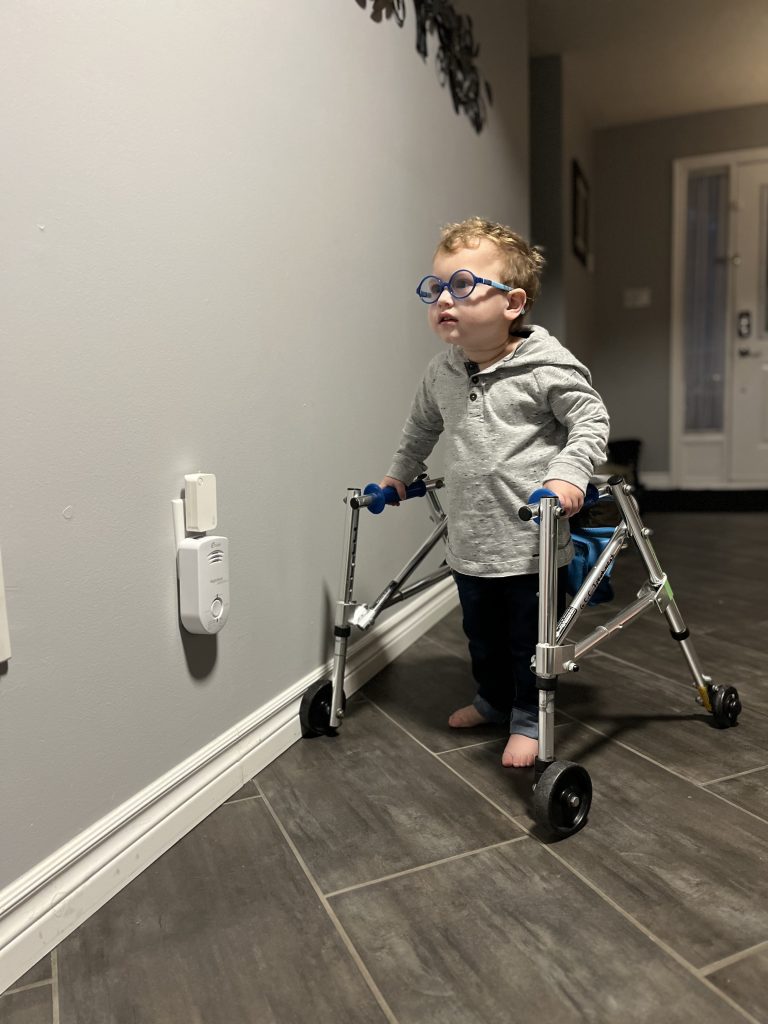
Today, after a year on the ketogenic diet, Jack is walking with a walker, communicating and engaging with the world in his own determined way. His fine motor skills are strong, his personality shines, and although every movement requires immense effort, Jack shows up ready to try.  

Throughout his recovery, Grandview Kids has been a cornerstone of support for Jack and his family.  

Referred through SickKids after his initial metabolic stroke, Jack began receiving physiotherapy, occupational therapy and speech-language pathology services at Grandview Kids, even before his diagnosis. His therapists stood beside the family at their lowest points, helping Jack relearn how to sit, crawl, stand, walk and communicate. 

“Grandview Kids was there before we had answers. They saw us at our worst, and they helped carry us through.” – Olivia, Jack’s mom 

Jack’s therapists also guided the family through equipment needs like standers and orthotics, supported transitions with daycare and connected them to vital resources when the path forward felt impossible to navigate. More than providers, they became trusted partners, a second family walking alongside them. 

Life with a rare disease means living without certainty. Jack’s future remains unknown, but his family takes it one day at a time. They advocate fiercely, lean on their village, including grandparents, medical teams, daycare providers and Grandview Kids, but ultimately follow Jack’s lead. 

“Jack has changed all of our lives for the better,” Olivia says. “He’s teaching us patience, compassion and strength. He works ten times harder than anyone else just to take a single step. And he keeps going.” 

  • ⟨
  • Page 1
  • Page 2
  • Page 3
  • Page 4
  • Page 5
  • ⟩

Primary Sidebar

Child Stories

Danielle’s story: Autism Acceptance Day – April 2

When all three of my children were diagnosed with Autism Spectrum Disorder, it changed my life in a way I did not expect. My older two children hit every milestone...

Latest Updates

  • Teaching Through Daily Chores: Laundry November 10, 2026
  • November: Dates of Significance October 30, 2026
  • Farheen’s Legacy: A Mother’s journey through grief  October 30, 2026
  • Violet’s voice is valuable! October 30, 2026
  • Grandview Kids receives 11 MarCom Awards October 27, 2026

You Have Questions

We’d like to help you find the answers…

Contact Us Today

© Grandview Kids Built by PeaceWorks

  • About Us
  • Contact Us
  • Privacy
Accessibility Adjustments

Powered by OneTap

How long do you want to hide the toolbar?
Hide Toolbar Duration
Select your accessibility profile
Vision Impaired Mode
Enhances website's visuals
Seizure Safe Profile
Clear flashes & reduces color
ADHD Friendly Mode
Focused browsing, distraction-free
Blindness Mode
Reduces distractions, improves focus
Epilepsy Safe Mode
Dims colors and stops blinking
Content Modules
Font Size

Default

Line Height

Default

Color Modules
Orientation Modules