• Skip to primary navigation
  • Skip to main content
  • Skip to primary sidebar
Grandview Kids Logo

Grandview Kids

Every Child And Youth Living Life At Their Full Potential

  • About Us
    • Vision, Mission and Values
    • The New Grandview Kids
      • Operational Readiness
      • Visiting Grandview Kids’ Ajax Headquarters
    • Our History
    • Leadership
    • Board of Directors and Committees
      • Join our Board of Directors and Committees
    • Annual Report
    • Strategic Plan
    • Policies
  • Calendar
  • Annual Report
    • Strategic Direction 1: Deliver meaningful, efficient client and caregiver outcomes and experiences
    • Strategic Direction 2: Foster a thriving, connected Team Grandview
    • Strategic Direction 3: Collaborate with partners to maximize impact, focusing on Durham Region
    • The New Grandview Kids – The Jerry Coughlan Building
    • 2024-25 Financial Statement
    • Grandview Kids Foundation update
    • Grandview School update
  • Contact
    • Contactez – nous
    • Ajax – Headquarters
    • Bowmanville Health Centre
    • Grandview School
    • Oshawa – Dwyer
    • Port Perry
    • Whitby – Abilities Centre
  • Careers
  • Register
  • Donate
  • Instagram
  • LinkedIn
  • Facebook
  • Services and Programs
    • Audiology
    • Autism Program
      • Autism Spectrum Disorder (ASD) Diagnostic Hub
      • Caregiver-Mediated Early Years Programs
      • OAP Core Clinical Services
      • Entry to School Program
      • Foundational Family Services
    • Blind-Low Vision Program
    • Extensive Needs Service
    • Family Engagement Program
      • Adolescent Transition Program
      • Family Leader Program
        • Family Advisory Council
        • Youth Advisory Council
    • Infant Hearing Program
    • Medical Services
      • Autism Spectrum Disorder (ASD) Diagnostic Hub
      • Complex Care Program
      • Grandview Anesthesia Procedure (GAP) Clinic
      • Hypertonia Clinic
      • Nutrition Services
      • Orthopaedic Clinic
    • Occupational Therapy
    • Physiotherapy
    • Preschool Outreach Program
    • School Programs & Resources
      • Resources for Educators
      • School-Based Rehabilitation
    • Service Navigation
      • SmartStart Hub: Parents
      • SmartStart Hub: Partners
    • Social Work
    • Speech-Language Pathology
      • Augmentative and Alternative Communication
    • Therapeutic Recreation
  • Purchased Services
    • Beyond the Walls
    • Summer Camp 2026
    • OAP Core Clinical Services
      • Behaviour Services
  • Research
    • Get involved in research
    • IDEA Study
      • Building knowledge and understanding of the intersection of race and disability in accessing pediatric rehabilitation services.
    • Research Associate: Dr. Fiona Moola
    • Research Associate: Dr. Meghann Lloyd
  • Resources
    • Ability Acceptance Program
    • Arriving at Grandview Kids
    • Community Supports & Resources
    • Family Support Fund
    • Free to Read Program
    • Frequently Asked Questions
    • Gather by Grandview Kids
    • News and Updates
    • Privacy
    • Resources for Parents and Caregivers
    • Visiting Grandview Kids
  • Support Us
    • 50/50 Lottery
    • Ways to support
    • Host a fundraiser
    • Participate in an event
      • Golf Fore Grandview Kids
      • Sponsor the Drum
      • Dream Big, Dream Brighter Awards Gala
    • Leave a legacy
      • Gifts of securities
      • Gifts of bequests
      • Gifts of life insurance
    • Your impact
    • Building a Legacy: Honouring Jerry Coughlan
  • I Want To…
    • Connect with Grandview Kids
    • Donate
    • Refer a child or youth
    • Register via My Community Hub
    • Schedule an Appointment
    • Volunteer at Grandview Kids
    • Work at Grandview Kids
  • Grandview School
    • About Our Program
    • About Our Board
    • Grandview School Social Story
    • Plans and Reports
    • Resources for Families
    • Resources for Schools – Switch It Up!
    • Careers and Volunteering
    • Contact Grandview School
  • Search

Posted August 28, 2025

“A Scratch Felt Like a Fracture” – International Pain Awareness Month

Awareness Days

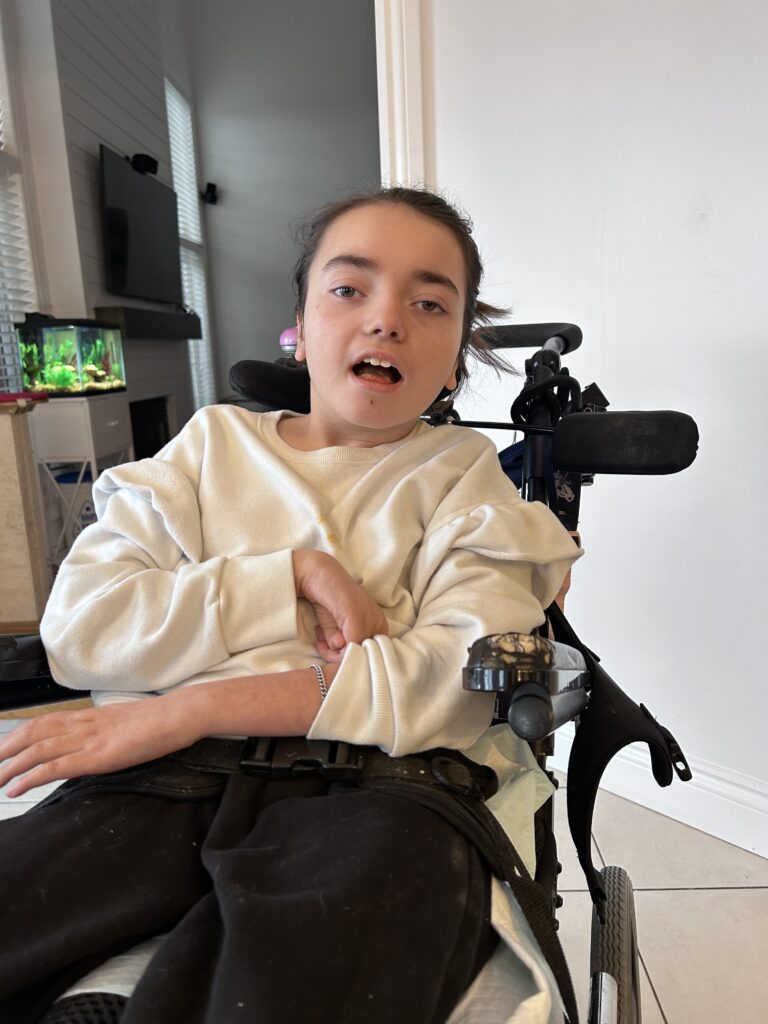
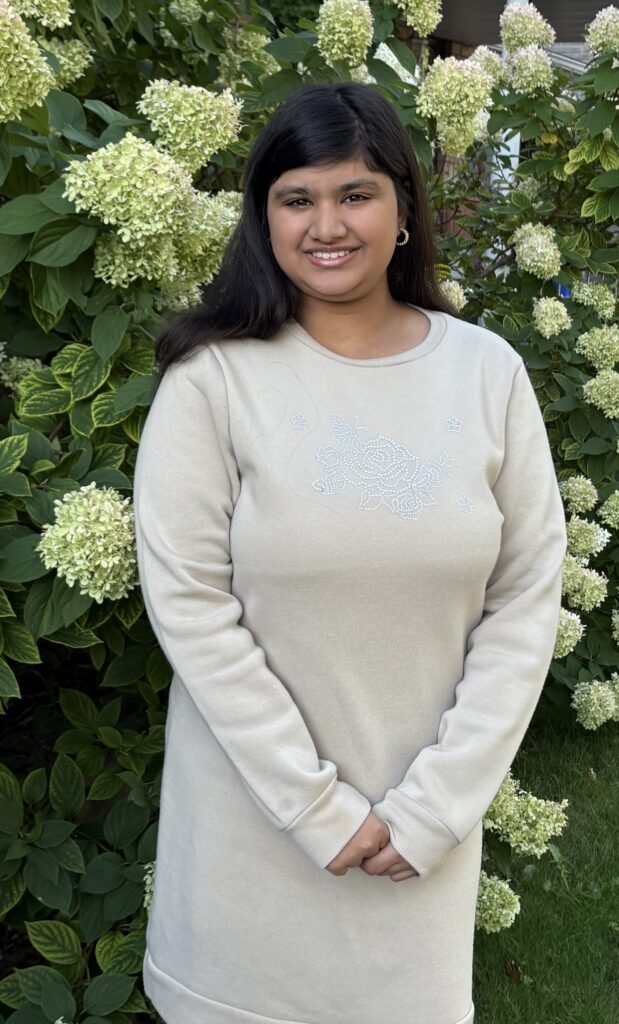
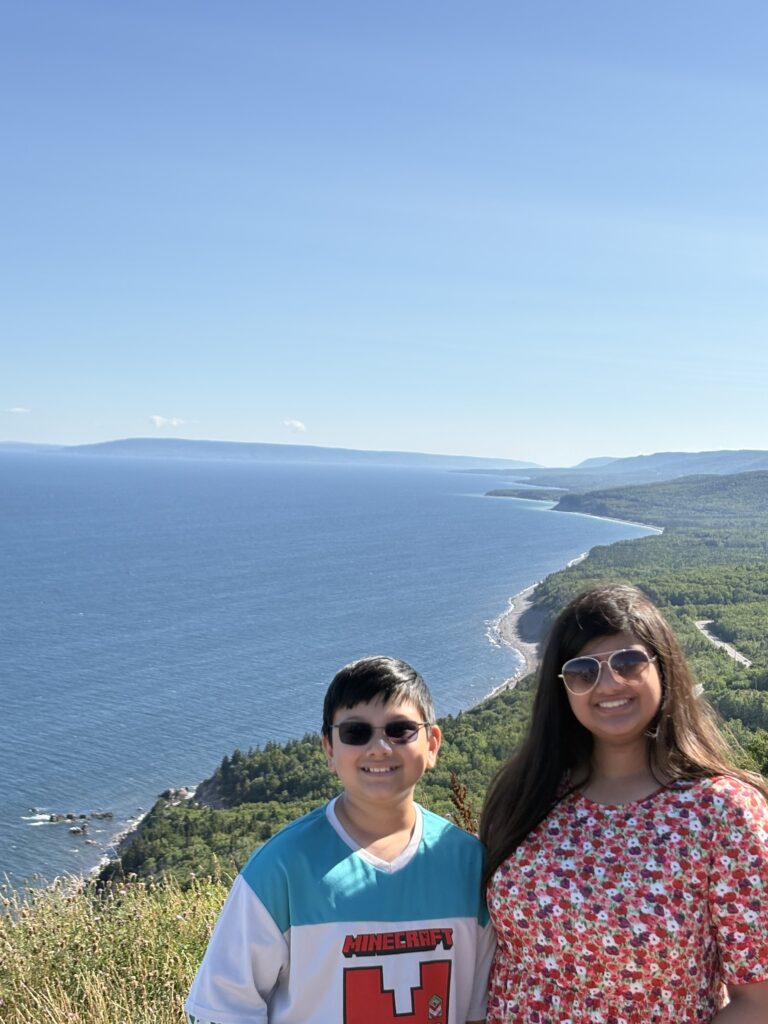
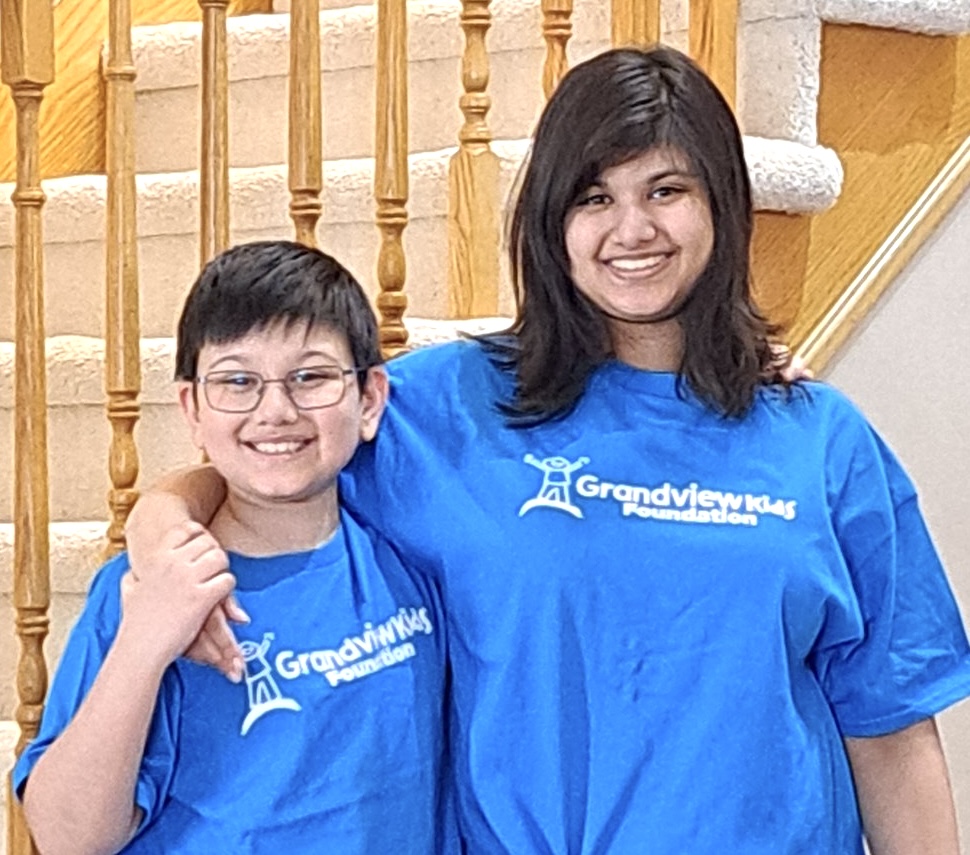
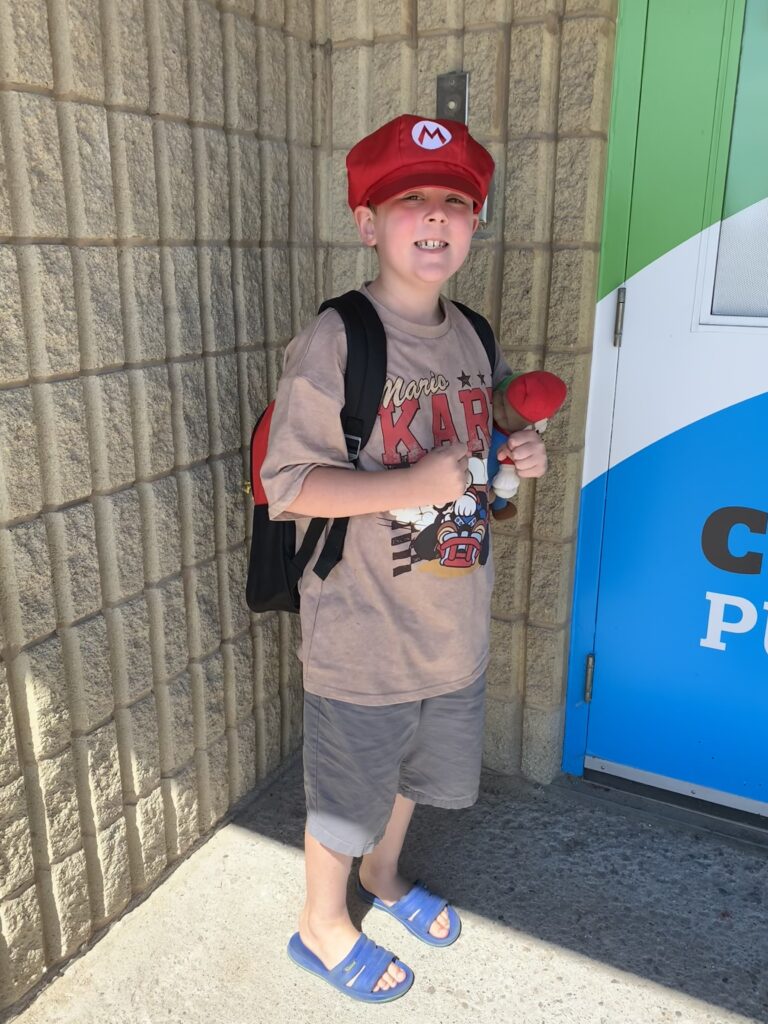
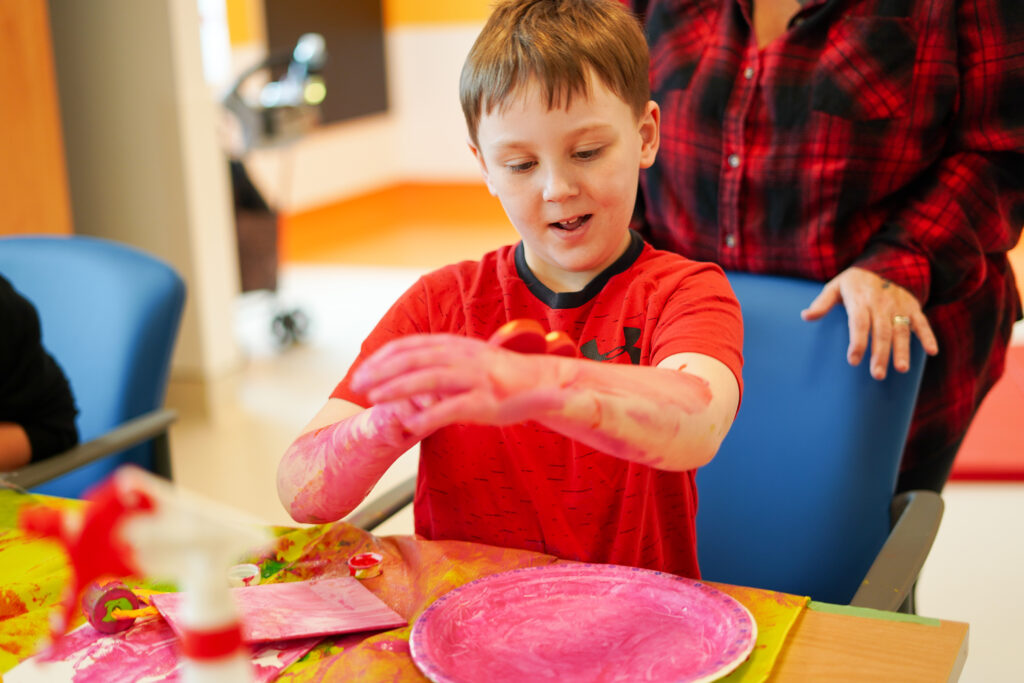
9-year-old Suraj wakes up and quietly listens to his body. Some days, his legs and arms feel strong. Other days, they don’t move at all. To the outside world, it might seem confusing. He looks fine, but inside, Suraj’s brain is playing tricks on him. These tricks began after the sudden loss of his maternal grandmother, a very important person in his life and an emotional anchor. His brain reacted to the traumatic stress by signalling it to shut down, telling him that the emotional and mental pain also meant physical pain. 

What followed were years of uncertainty. At just five years old, Suraj experienced his first episode of paralysis. He woke up to find his limbs lifeless, unable to walk or raise a finger. Doctors initially believed that he was experiencing a stroke, but after rushing to multiple hospitals and specialists, he was eventually diagnosed with Somatization, a complex condition where emotional pain and anxiety take a physical form. His brain, overwhelmed by trauma and fear, began sending false danger signals to his body. 

For two years, Suraj lived in a wheelchair on and off. The paralysis came and went, sometimes for minutes, sometimes for days. He missed out on school, time with friends and the little moments in between that most kids take for granted. At times, he reverted to “baby talk,” overwhelmed by the stress in his body and mind. The pain signals are loud and scary. A small scratch on his arm would feel like a fracture. Writing a page in school could lead to severe tingling, heaviness and shoulder pain. His body would enter “shutdown mode” as if it were protecting him from a world that felt unsafe. 

There were no easy answers. Suraj did not fit neatly into any box. Not quite physical pain, but not quite mental either. Too young for some programs and too complex for others. His family often felt lost while navigating a fragmented healthcare system, chasing therapies and asking questions like “Where do we go? Who understands this?” 

With the help of SickKids’ Somatization Program, psychiatrists and his team at Grandview Kids, consisting of an occupational and physiotherapist, Suraj has begun using small but powerful tools. Breathing exercises help calm his brain, gentle sports strengthen his muscles and distraction techniques interrupt his paralysis before it fully sets in. Every step forward was a triumph for his body and spirit.  

Now back in school after four years of virtual learning, Suraj still faces daily pain and fatigue. He makes it a point to stay active to keep his muscles working by playing sports like basketball, soccer, swimming, fencing and skateboarding. He’s still on a journey, but he’s also learning how to catch the warning signs and how to talk back to his brain’s false alarms and move through fear and anxiety with courage. Somatization may not be visible. The pain might not show on a scan, but Suraj is proof that invisible pain is as real as inner strength. 

For International Pain Awareness Month, Suraj’s journey reminds us of the importance of compassion, awareness and belief. Children and youth who experience pain like his often have it go unnoticed because their pain doesn’t follow the usual expectations. However, with the proper support, understanding of others and a willingness to think outside the box, healing can happen for the body, heart and mind. 

International Assistance Dog Week, observed from August 3 to 9, recognizes the dedication of assistance dogs and their trainers, and the critical role these animals play in helping individuals lead more independent lives. While dogs have offered comfort and support to people for centuries, including to wounded soldiers as early as the 1700s, the first formal training of guide dogs for people with vision loss began in California in 1942. Today, assistance dogs are trained to support a wide range of needs, including mobility challenges, autism, hearing impairments, epilepsy, attention-deficit/hyperactivity disorder (ADHD) and anxiety.

What is an Assistance Dog?

An assistance dog or service dog refers to specially trained canines, such as guide dogs and hearing dogs, of any breed that support people with disabilities. Their tasks may include alerting their handler to take medication, providing physical support to those with mobility challenges or performing household duties such as opening cupboards and turning on lights. These dogs may be matched with an individual or work within facilities that support people with special needs.

A therapy dog or emotional support animal, however, is not considered a legally protected assistance dog. While they offer comfort by their presence, they do not perform the specific tasks required under The Accessibility for Ontarians with Disabilities Act and the Ontario Service Dogs Act.

Grandview Kids Archivist and Ability Acceptance presenter Mitchell Daniels, along with Grandview Kids graduate and volunteer Amanda P., recently shared their experiences of living with assistance dogs and the impact these animals have on their daily lives.

Mitchell’s service dog, Sasha, supports him in his work at Grandview Kids and during his Ability Acceptance presentations. As an autism service dog, Sasha provides Mitchell with reliable companionship and practical support. Together, they educate others about the role of service animals and promote understanding of how to appropriately interact with them through their presentations.

Mitchell and Sasha

“Sasha helps with my self-esteem, confidence and my anxiety.” – Mitchell Daniels, Grandview Kids Archivist and Ability Acceptance Presenter

Amanda has had Charlie since he was eight weeks old. He began his service dog training at 18 months and completed it two years later. Charlie has now been by Amanda’s side for the past eight years. When he’s not working, Charlie enjoys going on adventures, including hiking, swimming, paddleboarding and camping  and especially loves rolling in the grass after it rains.

Amanda and Charlie

“Charlie has improved my life so much. He makes me feel so happy and has given me a lot of independence. Charlie provides me the ability to go out and do things independently. He has been there for me when I try new things, like rugby. He has even helped me make the friends I have today. Charlie helps calm me down when I am stressed and lays beside me or on my legs. He helps me when my body hurts and is unable to pick up items from the ground” – Amanda P., Grandview Kids Graduate and Volunteer

In July and August, we acknowledge Canada Day, Guru Purnima, Obon Festival, Civic Holiday, Krishna Janmashtami, Paryushana and Ganesh Chaturthi. Read more about each holiday/celebration below, written by members of our Inclusivity, Diversity, Equity and Accessibility (IDEA) Committee.

Canada Day: July 1

Canada Day, celebrated on July 1, marks the anniversary of Confederation in 1867, when Canada became a self-governing Dominion within the British Empire. Canada Day is an opportunity to reflect on what it means to live in this country, while also acknowledging the complex and painful history that has shaped it. As we celebrate the values and freedoms many enjoy, it is equally important to recognize the experiences and contributions of First Nations, Inuit and Métis Peoples. The legacy of residential schools and colonial policies continues to impact Indigenous communities across Canada.

This Canada Day, we are reminded of the importance of listening, learning and committing to reconciliation, so we can move forward in building respectful and meaningful relationships with Indigenous Peoples.

Guru Purnima: July 10

Guru Purnima is a sacred festival that honours and expresses gratitude to our gurus, including teachers, mentors and spiritual guides, who illuminate our lives with knowledge, wisdom and direction. Observed on the full moon day (Purnima) in the Hindu month of Ashadha (June to July), the day holds deep spiritual and cultural significance in Hinduism, Buddhism and Jainism.

The word guru means “dispeller of darkness.” This day offers a chance to reflect on the invaluable role of those who guide us, both personally and professionally.

Let us take a moment to express gratitude to those who have shaped our journey, whether it is a parent, teacher, elder, coach, colleague or spiritual guide.

Obon Festival: July 13 to 15

The Obon festival, also known as Bon, is an annual Japanese tradition that honours and remembers deceased ancestors. It is believed that during Obon, the spirits of ancestors return to visit their living relatives. Families mark the occasion by hanging paper lanterns (chochin) to guide the spirits, performing traditional Obon dances (bon odori), and gathering for family reunions. Many also visit ancestral graves and make food offerings at home altars and temples as a sign of respect and remembrance.

Civic Holiday: August 4

The Civic Holiday is observed on the first Monday of August and serves as a public holiday in several provinces and territories across Canada. While it is not a federally mandated statutory holiday, it provides a welcome day off for many Canadians. The holiday’s name and significance vary by region, reflecting each municipality’s authority to designate its own observance.

Known collectively as the “Civic Holiday” because cities and towns determine how to mark the occasion, it is recognized under various names nationwide. For example, it is called Regatta Day in St. John’s, Newfoundland and Labrador; Terry Fox Day in Manitoba; Saskatchewan Day in Saskatchewan; and British Columbia Day in B.C. In Nova Scotia and Prince Edward Island, it is known as Natal Day.

Other regional names include Simcoe Day in Toronto, Colonel By Day in Ottawa, New Brunswick Day in New Brunswick, Heritage Day in Alberta, Joseph Brant Day in Burlington, Ontario, and Benjamin Vaughan Day in the City of Vaughan, Ontario.

Despite its many names, the Civic Holiday is an opportunity for communities to celebrate local history, culture and contributions, and to take a well-earned mid-summer break.

Krishna Janmashtami: August 16

Krishna Janmashtami is a joyful Hindu festival that celebrates the birth of Lord Krishna, the eighth avatar of Vishnu, revered for his wisdom, compassion and playful spirit. Observed on the eighth day (Ashtami) of the waning moon in the month of Bhadrapada — typically in August or early September — the festival holds deep spiritual and cultural significance.

Lord Krishna’s teachings in the Bhagavad Gita continue to inspire millions, emphasizing duty, devotion and the triumph of good over evil. Traditions include fasting, prayer, midnight celebrations and bhajans, or devotional songs. In many places, the festival also features Dahi Handi, a ritual that involves breaking a pot of curd hung high above the ground. Krishna Janmashtami is often celebrated in community, bringing together family, friends and neighbours in shared joy and devotion.

Paryushana: August 21 to 28

Paryushan Parva is a sacred Jain festival dedicated to introspection, non-violence, truth and forgiveness. Observed over eight to ten days depending on the Jain sect — eight days for Śvētāmbara and ten for Digambara — it is a period of spiritual focus, self-discipline and seeking forgiveness from all living beings.

During Paryushan, followers engage in fasting or observe restricted diets, attend prayer sessions and spiritual lectures and take time for scriptural recitation and inner reflection. The festival emphasizes purification of the soul through self-awareness and non-violence.

The final day is marked by the tradition of Micchami Dukkadam, in which individuals ask forgiveness from others with the message: “If I have caused you any harm knowingly or unknowingly, in thought, word or deed, I seek your forgiveness.”

This message of universal compassion and humility lies at the heart of Jain philosophy, offering a powerful reminder to live with empathy, restraint and a commitment to peace.

Ganesh Chaturthi: August 26

Ganesh Chaturthi is the celebration of the birth of Lord Ganesh, one of Hinduism’s most sacred deities. Lord Ganesh represents intelligence, listening, prosperity and wisdom. He is known for his powerful presence, removing obstacles and the protection of homes.

During Ganesh Chaturthi, Hindus create and install clay idols of the deity (recognizable for having an elephant head), in private homes and public places.

Communal feasts, music, dance and prayer are part of the festivities during the celebration. It is customary during worship for Hindus to offer sweets thought to be favourites of Lord Ganesh such as modak and ladoo. Wishing all Hindu Canadians and Friends a Happy Ganesh Chaturthi! Together, let us celebrate the intelligence, listening, prosperity and wisdom we bring to each other.

National Sister Day, celebrated on the first Sunday in August, honours the unique and lasting bond between sisters. This special relationship is filled with moments that bring laughter, occasional disagreement and unwavering support.

At Grandview Kids, we recognize the important role siblings play and the meaningful impact they have on the lives of our clients. In recognition of National Sisters Day, sisters of clients shared their experiences of being siblings to Grandview clients.

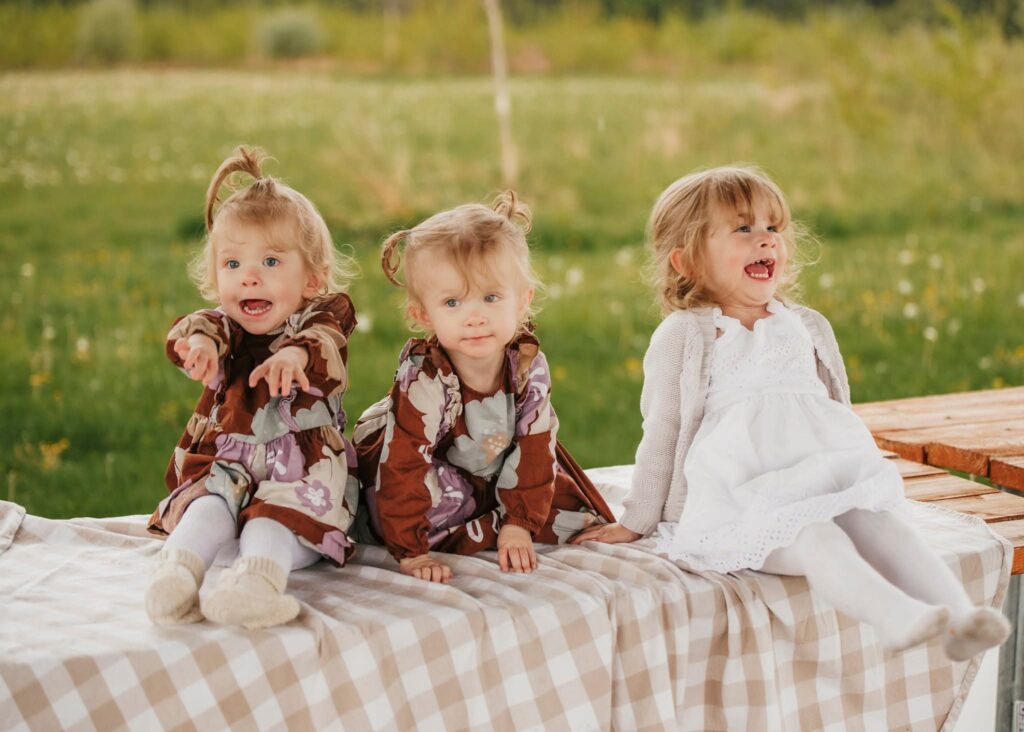
The Wiley Sisters: Anna, Ella and Reggie

“My name is Anna Wiley. I’m a Grandview Kids graduate, and I have two younger sisters, Reggie and Ella. Ella is the middle child, and Reggie is the youngest. They are the coolest sisters I could ask for. 

The best thing about having sisters is how supportive they are. They always give their all to what the other cares about, and they take time to show they care. My sisters are so kind and loving, and they are always ready to help. That is what inspires me.” 


“Hi, my name is Ella Wiley! I have two sisters, an older sister named Anna and a younger sister named Reggie. My oldest sister, Anna, received speech therapy at Grandview Kids, and I’m also a proud Grandview graduate, as I received physiotherapy and occupational therapy when I was younger. 

The best thing about having a sister is always having a built-in best friend. Whether I’m happy or sad, they’re always people I can rely on. They mean the world to me, and life wouldn’t be the same without them. There’s never a dull moment and I wouldn’t have it any other way. 

One thing I’ve learned by being a sister to a Grandview Kids client is how important it is to show up for each other with love, patience and understanding. It’s made me a better sister and person. Being part of the Grandview community, both as a sibling and a former client has shown me that there’s a place for everyone. This is my normal, and it’s perfect just the way it is.” 

“My name is Reggie Wiley. I have two sisters, and their names are Ella and Anna. The best thing about having sisters is how easy it is to understand, relate to and connect with them. I’ve learned that even with a disability, you can still achieve success in anything you put your mind to.” 

Zoey and Zayla

“My name is Zoey Stevens, and I have one sister. The best thing about having a sister is having a built-in lifelong friendship and always having support. One thing that I have learned while being a sister of a Grandview Kids client is how important it is to be patient and understanding with someone with special needs.”

Cianna and Kiara

“Hi, my name is Cianna and I have one sister named Kiara. She is eight years old, and being her big sister is one of the greatest joys of my life. Kiara is funny, creative and full of love. The best thing about having a sister is always having someone by your side to make memories with, whether we’re playing, laughing or just spending time together. We have a very special bond, and I love how we can sometimes understand each other without even needing words. 

Being a big sister to Kiara, who is a Grandview Kids client, has taught me so much about love, patience and seeing the world through a more caring lens. I’ve learned that progress comes in all shapes and sizes, and that every small step deserves to be celebrated. 

Kiara has shown me how to slow down and appreciate the little things — like her smile when she’s proud of herself, or the way she lights up when we do something fun together. One of the most important things I’ve learned from being her sister is how to be an advocate, not just for her, but for others too. 

I’ve become more understanding of how different people communicate and learn, and I’ve realized how important it is to make sure everyone feels included and heard. Kiara has made me more patient, more kind and definitely more courageous. Watching her face challenges with strength and joy has inspired me in ways I can’t even explain. I’m so lucky to have her as my sister, and I’m proud of her every single day. “

Megan and Lauren

“My name is Megan, and I have one sister named Lauren. The best thing about having a sister is that she gets me! Lauren always knows how to make me laugh and brighten up my day, even though we still argue over her stealing all my chocolate. She has taught me patience and shown me how important it is to live life to the fullest. Lauren has faced more than her fair share of challenges throughout the last 17 years, but she is still the happiest kid I know, and I’d be lost without her!” 

Grandview Kids Ambassador Program 

Grandview Kids is privileged to boast a wide network of clients and their families (known as “Ambassadors”) who participate in our Ambassador Program each year to tell their stories and support Grandview Kids in media opportunities, fundraising initiatives and at events.

Are you a sibling of a Grandview Kids client? We want to give you the opportunity to share your Grandview journey as a sibling with those in the community. Contact our Ambassador Advisor, Abby Valenciano, at Abby.Valenciano@grandviewkids.ca.

July 24 is International Self-Care Day, a day to highlight the importance of self-care in supporting overall health and well-being. Self-care helps restore energy, sharpen focus and foster a positive mindset by ensuring our basic needs are met. It does not need to be elaborate or costly, but it should be meaningful and tailored to each individual. Self-care looks different for everyone. Whether it’s taking time to rest, recharge or indulge, prioritizing your own well-being can help you show up as the best version of yourself.

While self-care looks different for everyone, fresh ideas can help inspire new ways to recharge and care for ourselves. Members of Team Grandview’s Family Engagement and Social Work teams shared some of their favourite self-care tips below!

Step outside for fresh air

Open a window, sit on your porch or go for a short walk. Even a few minutes of fresh air can provide mental clarity, ease stress and help you reset.

Schedule “me time”

Make time for things that bring you joy, even if it’s a solo grocery run, a cozy face mask, your favourite TV show or movie, a manicure or a quiet cup of coffee. Even simple rituals matter.

Move your body

Exercise can take many forms! Whether it’s lifting weights, going for a walk, playing tennis, pickleball or even a game of pick-up dodgeball with colleagues. Regular movement boosts your mood, supports heart health and improves energy levels.

Read a book or magazine!

Reading offers a break from daily stress. Whether it’s fiction, memoir or poetry, immersing yourself in a good book can be restorative.

Sit in nature

Find a peaceful moment outdoors, whether you’re at the lake, a local park or watching the sunset from your window. Nature has a calming effect that helps you pause and reflect.

Connect with others who “get it”

Joining a peer support group, especially one connected to your lived experience can offer encouragement, practical advice and emotional strength. You are not alone. There’s comfort in spending time with those who understand your challenges. Whether you’re sending memes back and forth or sharing a latte in person, those small connections count.

Explore creativity

Don’t wait for “someday.” Try a new hobby like painting, crochet, macramé or cooking a recipe from another culture. Creative outlets can re-energize and inspire.

Journal your thoughts

Writing can be a powerful tool for processing emotions and celebrating growth. Start small, or dive deep into telling your story, your lived experience matters.

Surround yourself with people who lift you up

Supportive friends and loved ones offer comfort, laughter and the kind of company that recharges your spirit, even if it’s just through a meme exchange or quick chat.

Snuggle with a furry friend

Pets offer comfort and help ground us in the moment. Time spent with animals can be a calming and joyful part of your routine.

Practice mindful breathing

Breathing exercises like box breathing or TIPP (temperature, intense exercise, paired muscle relaxation and paced breathing) can reduce anxiety and bring focus.

Spend quality time with loved ones

Time with family and friends can be an important form of self-care. It helps us feel safe, supported and connected.

Explore new places

Visiting vintage markets, museums, historical sites or even nearby towns can refresh your perspective and spark joy.

Try gardening

Spending time in the garden, even just playing in the dirt can be meditative. It’s a great way to unwind and reconnect with nature.

In July and August, we acknowledge Cleft and Craniofacial Awareness Month, International Non-Binary People’s Day, Fragile X Awareness Day, National Disability Independence Day, Spinal Muscular Atrophy Awareness Month, MedicAlert Awareness Month, National Sister Day, National Day of Friendship, International Assistance Dog Week, International Youth Day, World Humanitarian Day, and International Overdose Awareness Day.

Below, read more about each date of significance, written by members of our Inclusivity, Diversity, Equity and Accessibility (IDEA) Committee.

July Awareness Days

Cleft and Craniofacial Awareness Month

July is National Cleft and Craniofacial Awareness and Prevention Month, dedicated to raising awareness about cleft and craniofacial conditions, promoting early diagnosis and treatment, and supporting individuals and families affected by these conditions.

Craniofacial conditions involve abnormalities of the bones, muscles or soft tissues of the head and face. These may include:

  • Cleft lip – occurs when the tissue of the upper lip does not fully join during early development
  • Cleft palate – occurs when the roof of the mouth does not fully close
  • Craniosynostosis – a condition in which the bones of a baby’s skull fuse too early, sometimes causing facial asymmetry

These conditions can appear on their own or in combination, often affecting a child’s ability to eat, speak and breathe properly. Awareness is essential to ensure that families have timely access to the medical care, resources and support they need. With early intervention and specialized treatment, children with craniofacial conditions can lead healthy and fulfilling lives.

Causes and risk factors may include:

  • Genetics – hereditary conditions passed through family history
  • Environmental factors – including exposure to tobacco, alcohol or lack of folic acid during pregnancy
  • Maternal health – such as diabetes or the use of certain medications during pregnancy

Preventive care includes:

  • Routine prenatal checkups
  • Avoiding smoking, alcohol and certain medications during pregnancy
  • Ensuring adequate folic acid intake before and during pregnancy

Comprehensive care for craniofacial conditions often involves a team of specialists. Orthodontists, speech-language pathologists, otolaryngologists (ENTs) and surgeons may provide:

  • Hearing support – children with cleft palate may be more prone to ear infections or hearing loss
  • Speech and feeding care – to address swallowing challenges and promote language development
  • Surgical intervention – to support facial reconstruction and improve function

Raising awareness can help reduce stigma, support prevention efforts and ensure that every child has access to the care they deserve.

International Non-Binary People’s Day: July 14

Non-binary is an umbrella term used to describe individuals who do not identify strictly as male or female, but instead see themselves outside or between the traditional gender binary. Some non-binary people may also identify as transgender, though not all do.

Society often reinforces rigid gender expectations that can erase or invalidate the lived experiences of non-binary individuals. These norms tend to reduce people to their assigned sex at birth and overlook the diversity of gender identities that exist. The effects of colonization have further suppressed the recognition and presence of non-binary people, despite the fact that many cultures have long recognized more than two genders. For instance, some Indigenous communities honour Two-Spirit people, who embody both masculine and feminine spirits and are not bound by Western definitions of gender.

Non-Binary People’s Day is an opportunity to acknowledge the existence, identity and contributions of non-binary individuals. It celebrates the diversity of the community and affirms the right of all people to live as their authentic selves.

Non-Binary Flag

Fragile X Awareness Day: July 22

Fragile X Day is an opportunity to raise awareness about Fragile X syndrome and celebrate the strengths of those living with the condition. It is one of the most commonly inherited causes of autism and intellectual disability. An estimated 136,000 people in Canada are living with Fragile X syndrome. Around the world, buildings and landmarks are often illuminated in teal to show support.

Fragile X–associated conditions are a group of disorders caused by an expansion of the FMR1 gene on the X chromosome. This gene expansion can result in behavioural, cognitive, physical and medical challenges. Many individuals with Fragile X syndrome demonstrate strong social skills, creativity and an ability to think in unique and innovative ways.

Learn more about Grandview Kid, Ayush, who was born with Fragile X syndrome >

National Disability Independence Day: July 26

National Disability Independence Day is observed each year on July 26. The day commemorates the signing of the Americans with Disabilities Act in 1990. This landmark civil rights law prohibits discrimination against people with disabilities and guarantees their full participation in the community, independent living and economic self-sufficiency.

The act covers areas such as public accommodation, employment, transportation and state and local government services. It has been life-changing for many, with one in four Americans with disabilities now better able to access and participate in workplaces and communities.

In the Canadian Charter of Rights and Freedoms, section 15 prohibits discrimination based on disability, helping to ensure that people of all abilities are supported in living to their fullest potential.

National Disability Independence Day is a reminder of the progress made toward equality and inclusion, and the work still needed to ensure all people with disabilities can live with dignity, independence and equal opportunity.


August Awareness Days

Spinal Muscular Atrophy Awareness Month

August is Spinal Muscular Atrophy (SMA) Awareness Month, a time to raise awareness about a rare genetic neuromuscular disorder that affects voluntary muscle movement. SMA is a motor neuron disease, meaning it impairs the nerve cells that control muscles used for crawling, walking, swallowing and head control.

While SMA impacts muscles throughout the body, it most severely affects the proximal muscles closest to the trunk, including the shoulders, hips and back. Leg weakness is often more pronounced than weakness in the arms. The condition may also affect respiratory and feeding muscles, increasing the risk of complications such as pneumonia.

Despite these physical challenges, individuals with SMA retain full intellectual abilities and are often noted for their brightness and sociability. Sensory function is not affected. SMA occurs in approximately one in 6,000 births, and about one in 40 people are carriers of the gene. The disorder is inherited in an autosomal recessive pattern, meaning both parents must carry the gene mutation. Each child then has a 25 per cent chance of being affected, a 50 per cent chance of being a carrier and a 25 per cent chance of not inheriting the gene at all.

There are four primary types of SMA, ranging from severe to mild, classified by the age at which symptoms appear and the motor milestones reached. Although there is currently no cure, recent advancements in genetic testing, early diagnosis and emerging treatments have greatly improved quality of life and long-term outcomes.

MedicAlert Awareness Month

August is MedicAlert Awareness Month. MedicAlert® identification bracelets or tags alert emergency personnel to a member’s primary health conditions, medications, allergies or implanted medical devices and notify them of specific advance directions. At Grandview Kids, we may see children or youth wearing a bracelet or necklace that includes their name, medical condition and the contact information of a caregiver. The intent is for the bracelet/necklace to speak on one’s behalf and share critical information that may be able to save one’s life.

The MedicAlert Foundation was founded by the father of 14-year-old Linda Collins of Turlock, California, in 1953 after she cut her finger badly and had to go to the hospital. During standard procedures, Linda went into anaphylactic shock and nearly died. Linda and her father, a doctor, sent the design to a jeweller in San Francisco who designed the first MedicAlert bracelet.

To learn more about a MedicAlert bracelet and the services provided by the MedicAlert Foundation of Canada, visit https://www.medicalert.ca/about-us.

National Sister Day: August 3

National Sister Day, observed on the first Sunday in August, recognizes the unique and enduring bond shared between sisters. Whether connected by birth or chosen later in life, sisters often become our closest confidantes and strongest supporters.

Though disagreements may arise, they are outweighed by shared laughter, memories and moments of understanding. Sisters often know us better than anyone else, even during times when we are still discovering ourselves. From childhood squabbles to adult admiration, the connection evolves but remains constant.

Even those without biological sisters can experience the strength of sisterhood through friendships, in-laws or chosen family who stand by them through life’s challenges and celebrations. National Sisters Day is a time to reconnect, reflect and appreciate these meaningful relationships.

“A sister is like yourself in a different movie, a movie that stars you in a different life.” — Deborah Tannen

At Grandview Kids, we recognize the important role siblings play and the meaningful impact they have on the lives of our clients. In recognition of National Sisters Day, sisters of clients shared their experiences of being siblings to Grandview clients.

National Day of Friendship: August 3

The National Day of Friendship is a reminder of the importance of human connection and the role friendships play in building inclusive and compassionate communities. While the date varies across countries, the message remains the same: friendship bridges divides and brings people together.

The concept of a friendship day dates back to the early 20th century and was popularized by greeting card companies in the 1930s. Since then, it has grown into a widely recognized occasion. In 2011, the United Nations declared July 30 as International Day of Friendship, though in Canada and the United States it is often observed on the first Sunday of August.

The day extends beyond personal relationships, encouraging peace, intercultural understanding and global solidarity. Celebrations range from school and community events to simple acts of kindness among friends. As we mark this occasion, it is a chance to reflect on the people who support and uplift us. Small acts of friendship can help create a more caring and connected world.

International Assistance Dog Week: August 3 to 9

International Assistance Dog Week was established to celebrate the dedication of assistance dogs and their trainers, acknowledging the vital role these animals play in helping individuals live more independent lives. It highlights the extensive training these dogs undergo to become skilled and reliable helpers.

The week also promotes support for programs that train and provide assistance dogs, ensuring that more people can benefit from their life-changing services.

Goals of International Assistance Dog Week include:

  • honour and recognize assistance dogs
  • raise awareness about the roles and work of assistance dogs
  • celebrate the trainers and puppy raisers behind them
  • recognise individual assistance dogs for their heroic efforts

An assistance dog refers to specially trained canines—such as guide dogs and hearing dogs—of any breed that support people with disabilities. Their tasks may include alerting their handler to take medication, providing physical support to those with mobility challenges or performing household duties such as opening cupboards and turning on lights. These dogs may be matched with an individual or work within facilities that support people with special needs.

A therapy dog or emotional support animal, however, is not considered a legally protected assistance dog. While they offer comfort by their presence, they do not perform the specific tasks required under disability law.

International Youth Day: August 12

International Youth Day, observed annually on August 12, is a United Nations‑designated global awareness day that recognizes the vital contributions of young people and raises awareness of the challenges they face worldwide. First marked on August 12, 2000, the day serves as a platform to shine a spotlight on cultural and legal issues affecting youth, including education employment civic engagement and mental health.

The 25th anniversary of International Youth Day in 2025 carries the theme “Youth Empowerment for a Sustainable Future.” This year’s theme underscores the critical role young people play in creating long‑term solutions for global challenges such as climate change economic inequality and social justice. It urges governments organisations and communities to invest in youth‑led initiatives provide equitable access to opportunities and ensure young voices are meaningfully included in decision‑making processes.

World Humanitarian Day: August 19

World Humanitarian Day is observed on August 19 to honour aid workers who risk their lives in crisis zones and to remember the 22 United Nations (UN) staff, including Sérgio Vieira de Mello, killed in the 2003 bombing of the UN headquarters in Baghdad. Established by the UN in 2008, the day serves as a global call to action for compassion, protection and solidarity.

The 2025 theme, “Strengthening Global Solidarity and Empowering Local Communities,” emphasises the importance of working with affected populations and acknowledges that the most effective humanitarian responses are led locally.

This year’s observance comes amid tragic loss. Since October 2023 more than 430 humanitarian workers — including doctors, medics, aid convoy drivers and over 300 UN staff — have been killed in Gaza while delivering aid and protecting civilians. These attacks and the growing obstruction or politicisation of humanitarian access have drawn global condemnation and raised urgent concerns about violations of international law.

World Humanitarian Day reminds us that humanitarian work is about more than delivering food, water or shelter. It is about upholding human dignity in the most difficult circumstances. Whether through local volunteering, global advocacy or simply speaking up each of us has a role to play in defending humanity. Let us honour the courage and sacrifice of aid workers everywhere and renew our shared commitment to a world founded on empathy, justice and care for all.

International Overdose Awareness Day: August 31

Overdose continues to shatter families and communities across Canada. The 2025 theme for Overdose Awareness Day focuses on imagining a new kind of family, one rooted in hope, love and collective action. It recognizes that while we may share the pain of loss, we also share the power to change what happens next.

The belief at the heart of this movement is clear: overdose can and must be prevented. Proven prevention strategies already exist, and it is time to implement them more broadly. Criminalizing drug use has not worked. Compassionate, evidence-based alternatives must be pursued.

Policy and legislation should be designed to protect individuals and communities, while ensuring basic human rights and essential health and social supports are upheld. Everyone deserves access to respectful, comprehensive health care.

Ultimately, ending overdose requires a community-wide effort grounded in care, connection and the courage to reimagine what is possible.

To learn more about International Overdose Awareness Day, visit Campaign resources – International Overdose Awareness Day

  • ⟨
  • Page 1
  • Interim pages omitted …
  • Page 5
  • Page 6
  • Page 7
  • Page 8
  • Page 9
  • Interim pages omitted …
  • Page 25
  • ⟩

Primary Sidebar

Child Stories

LnRiLWZpZWxke21hcmdpbi1ib3R0b206MC43NmVtfS50Yi1maWVsZC0tbGVmdHt0ZXh0LWFsaWduOmxlZnR9LnRiLWZpZWxkLS1jZW50ZXJ7dGV4dC1hbGlnbjpjZW50ZXJ9LnRiLWZpZWxkLS1yaWdodHt0ZXh0LWFsaWduOnJpZ2h0fS50Yi1maWVsZF9fc2t5cGVfcHJldmlld3twYWRkaW5nOjEwcHggMjBweDtib3JkZXItcmFkaXVzOjNweDtjb2xvcjojZmZmO2JhY2tncm91bmQ6IzAwYWZlZTtkaXNwbGF5OmlubGluZS1ibG9ja311bC5nbGlkZV9fc2xpZGVze21hcmdpbjowfQ==
LnRiLWhlYWRpbmcuaGFzLWJhY2tncm91bmR7cGFkZGluZzowfQ==
ICAudGItaW1hZ2V7cG9zaXRpb246cmVsYXRpdmU7dHJhbnNpdGlvbjp0cmFuc2Zvcm0gMC4yNXMgZWFzZX0ud3AtYmxvY2staW1hZ2UgLnRiLWltYWdlLmFsaWduY2VudGVye21hcmdpbi1sZWZ0OmF1dG87bWFyZ2luLXJpZ2h0OmF1dG99LnRiLWltYWdlIGltZ3ttYXgtd2lkdGg6MTAwJTtoZWlnaHQ6YXV0bzt3aWR0aDphdXRvO3RyYW5zaXRpb246dHJhbnNmb3JtIDAuMjVzIGVhc2V9LnRiLWltYWdlIC50Yi1pbWFnZS1jYXB0aW9uLWZpdC10by1pbWFnZXtkaXNwbGF5OnRhYmxlfS50Yi1pbWFnZSAudGItaW1hZ2UtY2FwdGlvbi1maXQtdG8taW1hZ2UgLnRiLWltYWdlLWNhcHRpb257ZGlzcGxheTp0YWJsZS1jYXB0aW9uO2NhcHRpb24tc2lkZTpib3R0b219IC53cC1ibG9jay1pbWFnZS50Yi1pbWFnZVtkYXRhLXRvb2xzZXQtYmxvY2tzLWltYWdlPSJhMWJlMmUyODAwMWFkMGRlMjBhM2RlZWVlYmE5MDJhMSJdIHsgbWF4LXdpZHRoOiAxMDAlOyB9IEBtZWRpYSBvbmx5IHNjcmVlbiBhbmQgKG1heC13aWR0aDogNzgxcHgpIHsgICAudGItaW1hZ2V7cG9zaXRpb246cmVsYXRpdmU7dHJhbnNpdGlvbjp0cmFuc2Zvcm0gMC4yNXMgZWFzZX0ud3AtYmxvY2staW1hZ2UgLnRiLWltYWdlLmFsaWduY2VudGVye21hcmdpbi1sZWZ0OmF1dG87bWFyZ2luLXJpZ2h0OmF1dG99LnRiLWltYWdlIGltZ3ttYXgtd2lkdGg6MTAwJTtoZWlnaHQ6YXV0bzt3aWR0aDphdXRvO3RyYW5zaXRpb246dHJhbnNmb3JtIDAuMjVzIGVhc2V9LnRiLWltYWdlIC50Yi1pbWFnZS1jYXB0aW9uLWZpdC10by1pbWFnZXtkaXNwbGF5OnRhYmxlfS50Yi1pbWFnZSAudGItaW1hZ2UtY2FwdGlvbi1maXQtdG8taW1hZ2UgLnRiLWltYWdlLWNhcHRpb257ZGlzcGxheTp0YWJsZS1jYXB0aW9uO2NhcHRpb24tc2lkZTpib3R0b219IH0gQG1lZGlhIG9ubHkgc2NyZWVuIGFuZCAobWF4LXdpZHRoOiA1OTlweCkgeyAgIC50Yi1pbWFnZXtwb3NpdGlvbjpyZWxhdGl2ZTt0cmFuc2l0aW9uOnRyYW5zZm9ybSAwLjI1cyBlYXNlfS53cC1ibG9jay1pbWFnZSAudGItaW1hZ2UuYWxpZ25jZW50ZXJ7bWFyZ2luLWxlZnQ6YXV0bzttYXJnaW4tcmlnaHQ6YXV0b30udGItaW1hZ2UgaW1ne21heC13aWR0aDoxMDAlO2hlaWdodDphdXRvO3dpZHRoOmF1dG87dHJhbnNpdGlvbjp0cmFuc2Zvcm0gMC4yNXMgZWFzZX0udGItaW1hZ2UgLnRiLWltYWdlLWNhcHRpb24tZml0LXRvLWltYWdle2Rpc3BsYXk6dGFibGV9LnRiLWltYWdlIC50Yi1pbWFnZS1jYXB0aW9uLWZpdC10by1pbWFnZSAudGItaW1hZ2UtY2FwdGlvbntkaXNwbGF5OnRhYmxlLWNhcHRpb247Y2FwdGlvbi1zaWRlOmJvdHRvbX0gfSA=

“That’s what freedom looks like for a child” – National Child Day 2025

Beth and Andrew’s parenting journey is marked by love, learning and advocacy. Married for 26 years, they are the proud parents of three children, Aaron (12), Arielle (9) and Alayna...

Latest Updates

  • Grandview Kids and Lakeridge Health open Canada’s first anesthesia procedure clinic in a Children’s Treatment Centre May 6, 2026
  • Ahaana’s magic ears: Speech and Hearing Month May 5, 2026
  • May: Dates of Significance April 30, 2026
  • Building confidence through the power of giving: Norah’s story April 30, 2026
  • A Place Where S Shines: Williams Syndrome Awareness Month April 29, 2026

You Have Questions

We’d like to help you find the answers…

Contact Us Today

© Grandview Kids Built by PeaceWorks

  • About Us
  • Contact Us
  • Privacy
Accessibility Adjustments

Powered by OneTap

How long do you want to hide the toolbar?
Hide Toolbar Duration
Select your accessibility profile
Vision Impaired Mode
Enhances website's visuals
Seizure Safe Profile
Clear flashes & reduces color
ADHD Friendly Mode
Focused browsing, distraction-free
Blindness Mode
Reduces distractions, improves focus
Epilepsy Safe Mode
Dims colors and stops blinking
Content Modules
Font Size

Default

Line Height

Default

Color Modules
Orientation Modules