• Skip to primary navigation
  • Skip to main content
  • Skip to primary sidebar
Grandview Kids Logo

Grandview Kids

Every Child And Youth Living Life At Their Full Potential

  • About Us
    • Vision, Mission and Values
    • The New Grandview Kids
      • Operational Readiness
      • Visiting Grandview Kids’ Ajax Headquarters
    • Our History
    • Leadership
    • Board of Directors and Committees
      • Join our Board of Directors and Committees
    • Annual Report
    • Strategic Plan
    • Policies
  • Calendar
  • Annual Report
    • Strategic Direction 1: Deliver meaningful, efficient client and caregiver outcomes and experiences
    • Strategic Direction 2: Foster a thriving, connected Team Grandview
    • Strategic Direction 3: Collaborate with partners to maximize impact, focusing on Durham Region
    • The New Grandview Kids – The Jerry Coughlan Building
    • 2024-25 Financial Statement
    • Grandview Kids Foundation update
    • Grandview School update
  • Contact
    • Contactez – nous
    • Ajax – Headquarters
    • Bowmanville Health Centre
    • Grandview School
    • Oshawa – Dwyer
    • Port Perry
    • Whitby – Abilities Centre
  • Careers
  • Register
  • Donate
  • Instagram
  • LinkedIn
  • Facebook
  • Services and Programs
    • Audiology
    • Autism Program
      • Autism Spectrum Disorder (ASD) Diagnostic Hub
      • Caregiver-Mediated Early Years Programs
      • OAP Core Clinical Services
      • Entry to School Program
      • Foundational Family Services
    • Blind-Low Vision Program
    • Extensive Needs Service
    • Family Engagement Program
      • Adolescent Transition Program
      • Family Leader Program
        • Family Advisory Council
        • Youth Advisory Council
    • Infant Hearing Program
    • Medical Services
      • Autism Spectrum Disorder (ASD) Diagnostic Hub
      • Complex Care Program
      • Grandview Anesthesia Procedure (GAP) Clinic
      • Hypertonia Clinic
      • Nutrition Services
      • Orthopaedic Clinic
    • Occupational Therapy
    • Physiotherapy
    • Preschool Outreach Program
    • School Programs & Resources
      • Resources for Educators
      • School-Based Rehabilitation
    • Service Navigation
      • SmartStart Hub: Parents
      • SmartStart Hub: Partners
    • Social Work
    • Speech-Language Pathology
      • Augmentative and Alternative Communication
    • Therapeutic Recreation
  • Purchased Services
    • Beyond the Walls
    • Summer Camp 2026
    • OAP Core Clinical Services
      • Behaviour Services
  • Research
    • Get involved in research
    • IDEA Study
      • Building knowledge and understanding of the intersection of race and disability in accessing pediatric rehabilitation services.
    • Research Associate: Dr. Fiona Moola
    • Research Associate: Dr. Meghann Lloyd
  • Resources
    • Ability Acceptance Program
    • Arriving at Grandview Kids
    • Community Supports & Resources
    • Family Support Fund
    • Free to Read Program
    • Frequently Asked Questions
    • Gather by Grandview Kids
    • News and Updates
    • Privacy
    • Resources for Parents and Caregivers
    • Visiting Grandview Kids
  • Support Us
    • 50/50 Lottery
    • Ways to support
    • Host a fundraiser
    • Participate in an event
      • Golf Fore Grandview Kids
      • Sponsor the Drum
      • Dream Big, Dream Brighter Awards Gala
    • Leave a legacy
      • Gifts of securities
      • Gifts of bequests
      • Gifts of life insurance
    • Your impact
    • Building a Legacy: Honouring Jerry Coughlan
  • I Want To…
    • Connect with Grandview Kids
    • Donate
    • Refer a child or youth
    • Register via My Community Hub
    • Schedule an Appointment
    • Volunteer at Grandview Kids
    • Work at Grandview Kids
  • Grandview School
    • About Our Program
    • About Our Board
    • Grandview School Social Story
    • Plans and Reports
    • Resources for Families
    • Resources for Schools – Switch It Up!
    • Careers and Volunteering
    • Contact Grandview School
  • Search

Posted April 29, 2024

International Day of Families – May 15

Adrian Polidano

For over a decade, the Family Engagement Team has supported families to be an active part of their child’s therapy and support team. Our lived experience has shown us that our knowledge of our own child is a powerful tool when combined with the professional knowledge of various early childhood development experts.

Research supports our hypothesis that engaged caregivers as active team members in their loved one’s healthcare leads to many positive outcomes (https://www.cfhi-fcass.ca/docs/default-source/itr/tools-and-resources/essential-together/evidence-brief-en.pdf ) including but not limited to:  

Enhanced Patient and Family Experience:  

  • Caregivers/families know their child’s medical history best. They know how their child’s journey, carry lists of medical professionals and binders of information on procedures, diagnoses, hospital visits and discharges, etc. They are well-connected and versed in their child’s medical journey. 
  • Caregivers know the details of what is typical and atypical when it comes to reactions to medications, appointment/hospital triggers/stressors, and surgery recoveries. They understand the inner workings of their child’s mind, mood, and communication, whether verbal or non-verbal. Understanding when a child has reached their limits also avoids overstimulation and overwhelm. 
  • Therapy appointments are opportunities for caregivers to learn vital tools from the therapist. This promotes the transferability of skills and techniques to be worked on by the caregivers outside of therapy sessions, providing the opportunity to do therapy with their child when they are ready. 
  • Caregivers can best determine if their child is unable to participate in therapy at any given point. As therapy time is precious, knowing when to move allows caregivers to recover the session by informing the therapist of the appropriate time to move to a mediated model, in which parents can participate in the session to continue it later at home. 
  • Encouraging caregivers to provide session modification suggestions to fit their child’s interests or abilities acknowledges caregivers as the experts of their child. They can feel confident in knowing that their thoughts are valued and that they are capable of practicing the tools they are taught in therapy sessions at home. 
  • Caregivers are given a voice to express their child’s and their own needs/concerns and goals. When acknowledged as an integral part of their child’s care, caregivers and therapists’ relationships improve through greater transparency, respect, integrity, honesty, and openness, leading to better patient care and support. 

Better Health Outcomes: 

  • Healthcare quality is increased through a professional and candour flow of communication with the child development experts and their caregivers. Working as a team maximizes time and effort. It brings comfort, order and routine to a child seeing a continuation of care from therapy sessions to home, and home to therapy sessions. 
  • Caregivers are with their child for many waking hours. This allows time to really practice the techniques learned in therapy and supports the generalization of skills. However, funding, insurance, and time in therapy can only go so far. Caregivers can take therapy much further if they integrate parts of it into their daily lives. 
  • Caregivers feel empowered, understood, and supported. Caregiver burnout and isolation may be minimized or prevented, promoting better health outcomes for children and caregivers. 

Continuity of Care:  

  • Quality of care over time can be achieved through goal setting and planning for your child’s future. It reduces fragmentation of care to improve your child’s safety and abilities. Caregivers take an active role through goal setting, giving them the ability to make goals that are meaningful to their family. This can be done by incorporating tasks, skill-building and goals that fit into the child’s everyday activities. By sharing with your clinician your child’s likes and dislikes and/or schedules and routines you have at home, opportune times to practice a particular skill keep it relevant for the child. 
  • The number of therapy sessions allotted often remains insufficient due to availability, resources, funding, and/or insurance coverage. Make the most of it. Caregivers will still be there after sessions, groups, and therapy end. Actively engaged caregivers can extend and build on the skills learned in the Centre. 

“My best advice is… you must put in the work. For every one day at Grandview Kids, you are going to have 6 days, 13 days at home where everything really happens. Grandview Kids’ is going to give you the tools to get that work in.”

– Grandview Kids Caregiver

Moyamoya disease is a rare blood vessel disorder in which certain arteries in the brain become blocked or narrows. This can cause a brain bleed or stroke, and the damaging effects of strokes can include seizures, paralysis and vision problems. Moyamoya may occur at any age but most commonly affects children.

Grandview Kids Client Story:

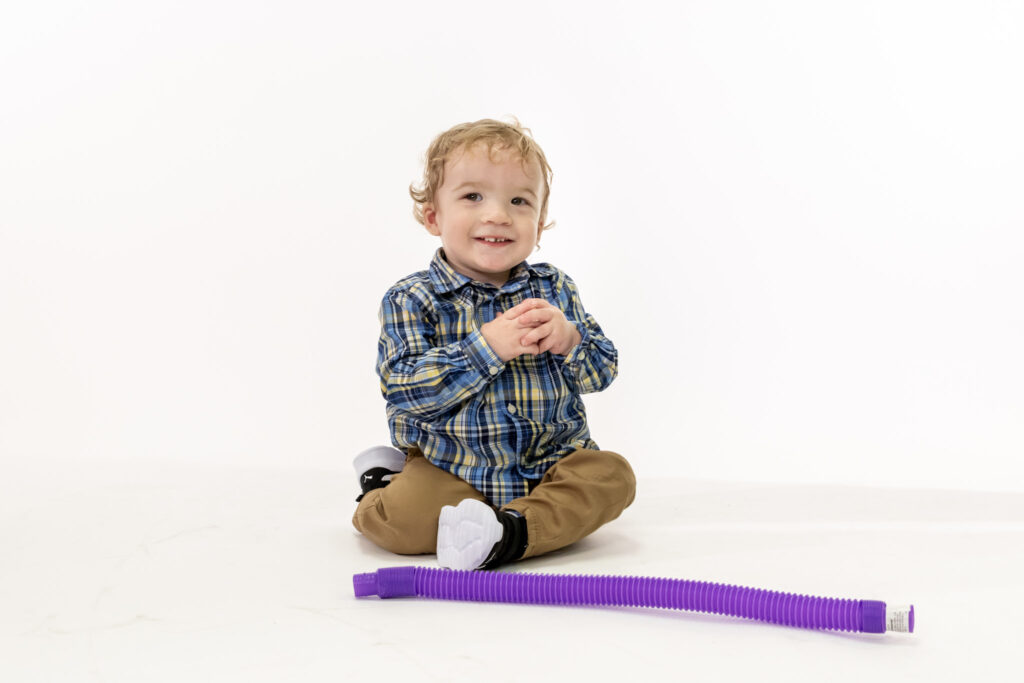
Three-year-old Xander was only 10 months old when he had a seizure, which turned out to be a stroke. While having an MRI done in-hospital, they discovered a blood clot and a stroke actively occurring. His MRI findings showed that his vessels had “disappeared,” and he was diagnosed with Moyamoya, which in Japanese means a “puff of smoke.” Xander underwent bilateral brain surgery to help with blood flow and better the success of stroke prevention. Unfortunately, soon after the surgery, he ended up having another stroke requiring time spent at Holland Bloorview Kids Rehabilitation Hospital to help regain his left-side strength.

The strokes that Xander suffered from affect his daily living as they have caused severe and long-lasting damage to his motor control. His left-hand does not function properly, so he struggles to carry things and almost forgets the left hand exists. He had a brace for his left hand as well as a brace for his leg which had also been weakened by the strokes. Xander has chromosomal abnormalities and an autism spectrum diagnosis and faces Ear, Nose and Throat (ENT) and digestive challenges. Xander is part of Grandview Kids’ Complex Care Clinic, a multi-partnered program that brings local complex care planning to deliver continuity of care coordination to children with complex medical needs. Through Grandview Kids, he also receives physiotherapy, speech-language pathology occupational and recreational therapy.

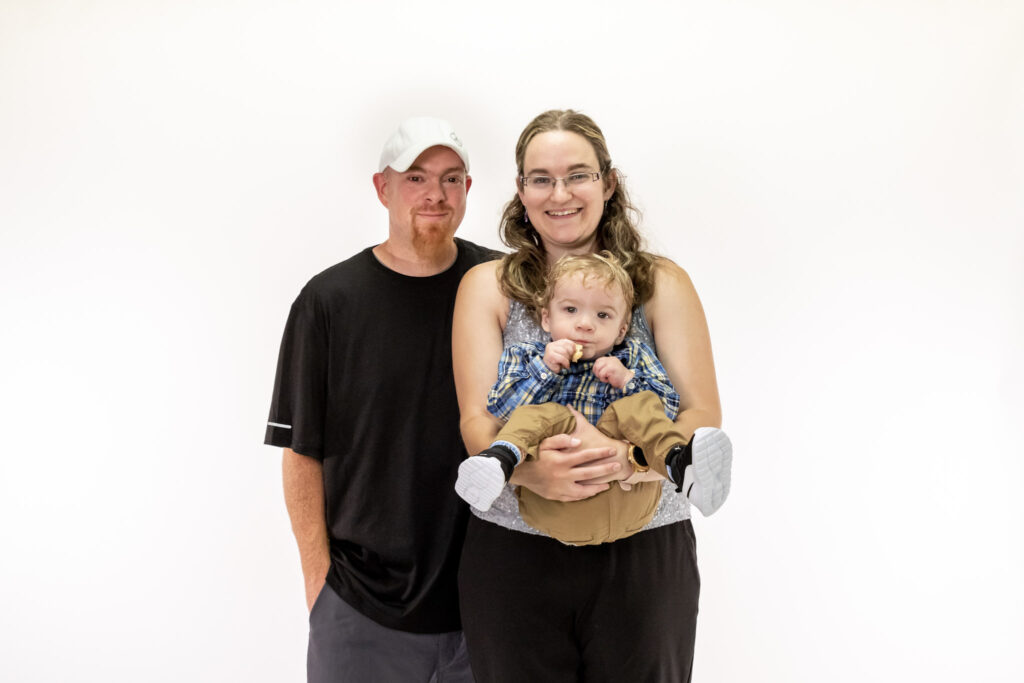
As a child with complex medical needs due to a rare disease, his parents find themselves on a difficult and foreign path. There remains a lack of information on Moyamoya disease so Xander’s parents are provided with limited insight as to what his future may look like. Being able to manage work, safe childcare, personal relationships, and numerous weekly appointments is challenging. His parents’ biggest hardship currently is being able to find someone to watch Xander who is comfortable in supporting him with all his complex medical needs. Though he continues to improve, and his speech is returning, his parents face the unpredictability of this progressive disease. It can be exhausting having to deal with strangers who are ignorant and treat him differently or professionals who question parental intuition, but Xander’s mom, Laura, will continue to fight for her child. “You know your child the best, so if you think something is wrong, keep advocating for them.”

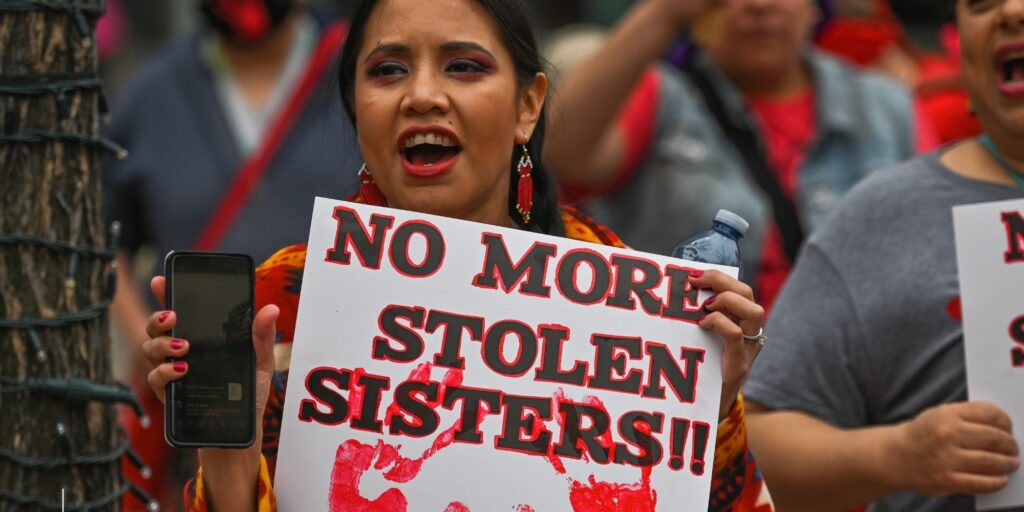
Red Dress Day, the National Day of Awareness for Missing and Murdered Indigenous Women and Girls and Two-Spirit People (MMIWG2S), is observed annually on May 5. People mark the day by hanging red dresses from trees, windows, fences, and balconies. The dresses are visual reminders of the thousands of missing Indigenous people in Canada.

Through our shared values of belonging, excellence, connection, discovery and celebration, Grandview Kids commits to seeking truth and upholding reconciliation. That is why we acknowledge and seek to spread awareness about the importance of Red Dress Day for clients, caregivers, staff, partners and the community.

Why this matters

In its 2019 report, the National Inquiry into Missing and Murdered Indigenous Women and Girls said the crisis constitutes a genocide of Indigenous people, citing, “Indigenous women are 12 times more likely to be murdered or go missing than other women in Canada, and 16 times more likely to be killed or disappear than white women. The report also cited research from Statistics Canada showing Indigenous women and girls accounted for almost a quarter of female homicide victims between 2001 and 2015,” though they represent only 5 percent of women in Canada.

Amnesty International notes that, currently, Indigenous women make up 16 percent of all femicide victims and 11 percent of all missing women. Indigenous women, girls and 2SLGBTQQIA+ peoples are also six times more likely to be murdered than their non-Indigenous counterparts. These high rates of violence have drawn widespread expressions of concern from national and international human rights authorities, which have repeatedly called for Canada to address the problem.

How the movement began

The roots of Red Dress Day can be traced back to the powerful art project of Canadian Métis artist Jaime Black. In 2010, Black initiated the “REDress Project” as a visual reminder of the staggering number of missing and murdered Indigenous women across Canada. Black-hung red dresses in public spaces, from trees to lamp posts, create a stark contrast against the landscape, evoking both sorrow and resilience.

What started as an art installation soon morphed into a movement.

Indigenous Peoples, allies and advocates across Canada and beyond embraced the symbolic red dress as a rallying cry for awareness and action. Red Dress Day emerged as an annual event, bringing people together to honour the lives lost and demand justice for the victims and their families.

Get involved

People are encouraged to wear a red dress, display red dresses in public spaces, or put a red light outside their doors. Gatherings such as ceremonies, marches, vigils and events are planned across the country. The events serve as places for people to come together and share their sorrow, anger, grief and hope for a better future.

  • Educate yourself by reading the National Inquiry into Missing and Murdered Indigenous Women and Girls.
  • Read Tiny House Warrior Kanahus Manuel’s powerful interview with Gender Rights Campaigner Elishma Noel Khokhar to learn more about the threats faced by Indigenous women and gender-diverse people on the frontlines of land and water defence.

The lands, waters, nature and sky that Grandview Kids is privileged to exist within have long been home to the Michi Saagiig Anishinaabeg. We acknowledge the lands of the traditional and treaty territories covered under the Williams Treaties, including the Mississaugas of Scugog Island First Nation, Alderville First Nation, Hiawatha First Nation, Curve Lake First Nation and the Chippewa Nation of Georgina Island, Beausoleil and Rama. We are responsible for building stronger relationships with clients, caregivers, partners and colleagues from First Nations, Métis and Inuit communities.

Paediatric Stroke Awareness Month is observed annually in May to bring awareness to the national crisis of paediatric strokes, a seemingly rare yet critical issue that often flies under the radar for millions of people. The month, since its creation in 2002, sheds light on the strokes and heart attacks occurring in children.

Grandview Kids Client Story:

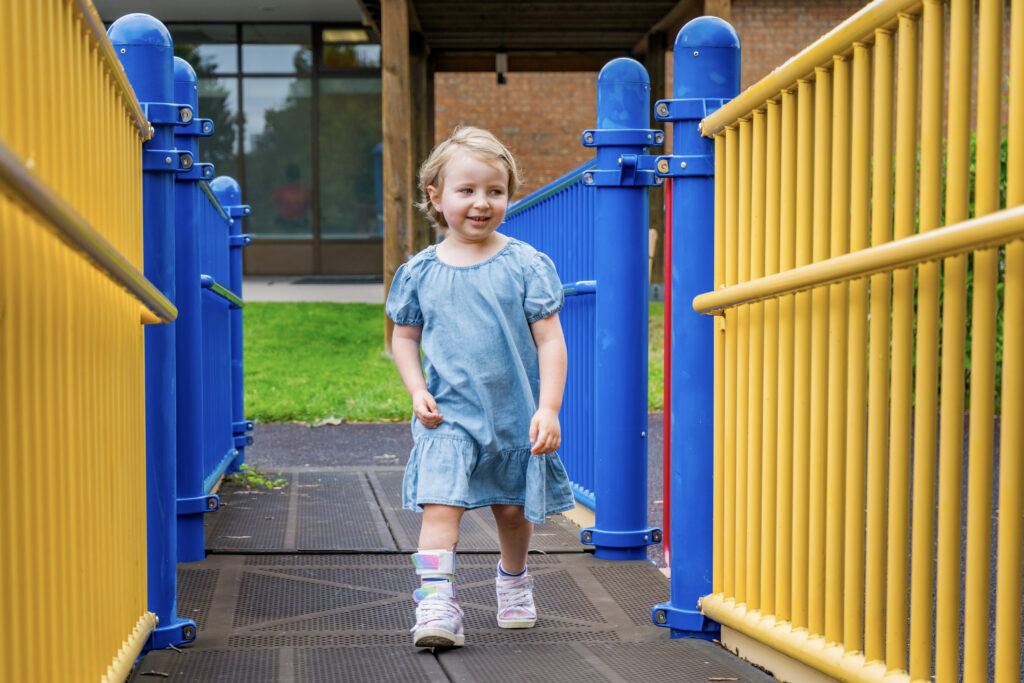
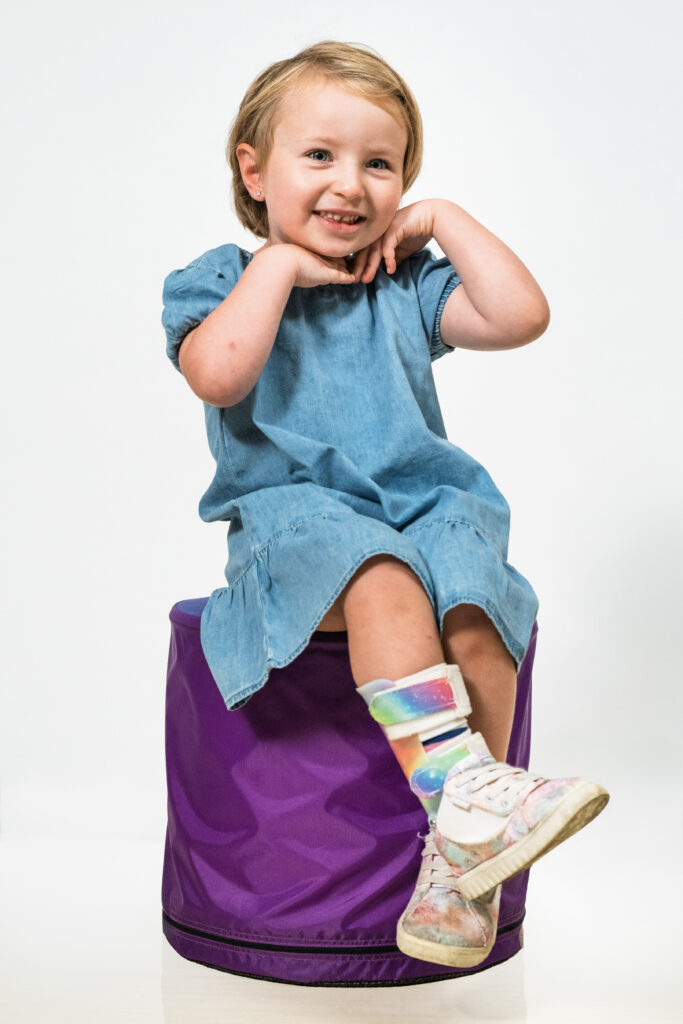
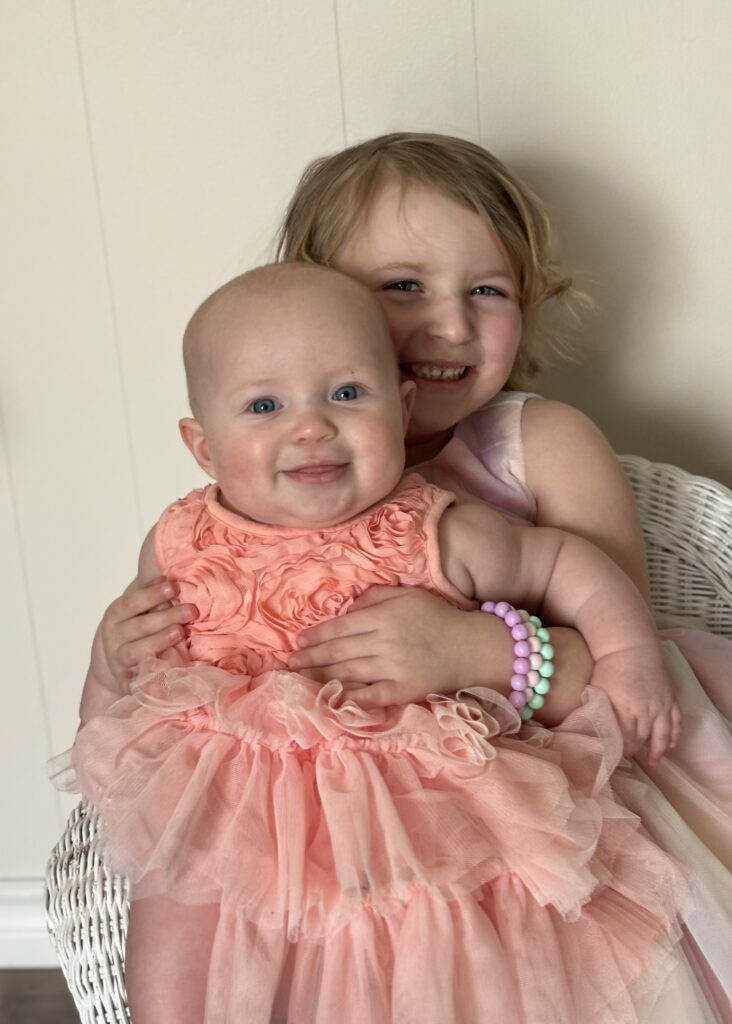
Clarissa is four years old and lives with her parents, Megan and Zach, and her baby sister, Senna. She loves to watch movies, some of her favourites being Beauty and the Beast, The Little Mermaid, and Sing 1 and 2. She also enjoys playing princess, being at the playground, and dancing and singing along to music.

At three months of age, a Sick Kids Hospital visit was prompted by continuous eye-rolling. At Sick Kids Hospital, her parents were told that Clarissa had suffered a stroke around the time of birth that caused the development of a fluid-filled cavity, called a cyst, in her frontal left lobe. She was diagnosed with a rare disorder called Porencephaly and secondary diagnoses of Hydrocephalus, Epilepsy, and Right-Sided Hemiplegia Cerebral Palsy. Megan and Zach began to wonder what Clarissa’s quality of life and future would now look like. As first-time parents, their expectations were suddenly and drastically altered as her diagnosis affected her daily living. She would now need a team of medical experts, seizure medication, and therapy to learn to walk and use the right side of her body.

A referral to Grandview Kids for community support was made, and it has since made a world of difference in Clarissa’s life. The milestones naturally met by most children did not come easy, but Clarissa persevered in reaching her milestones as her parents were taught tools to support her success. Her Developmental Paediatrician offered medical care and resources for support. speech-language pathology helped her ability to communicate. Physiotherapy and occupational therapy directed them with equipment, stretches and exercises needed to overcome gross motor and fine motor skill delays.

With the countless appointments Clarissa has, having specialized services close to home is vital to managing their time efficiently, home life and Clarissa’s medical care. Through Grandview Kids’ early intervention, Megan and Zach were given the necessary tools that led to Clarissa’s successes. They still need to put in hard work, but they know that Grandview Kids will be with them every step of the way. They know that there is a community of parents who understand, caring staff and generous volunteers working together to change the lives of children and their families.

Megan and Zach share Clarissa’s story to help other parents on the same journey. It begins with a scary diagnosis that flips their world upside down. Schedules are suddenly full of medical and therapy appointments, and difficult decisions on childcare and work must be made. However, there are mountaintop moments that make it worth it.

Recently, “Clarissa auditioned for Toronto Kids Fashion Week and was selected to participate. She practiced for weeks, and when it was her moment, she put on a brave face and was all smiles! We were beyond proud to see her so confident and happy!” exclaims Megan. Grandview Kids continues to root for families like Clarissa’s as they strive for a better tomorrow of advocacy, awareness and inclusion.

How long have you been volunteering at Grandview Kids? 

I did my Grade 11 co-op with Grandview School, where I was introduced to Grandview Kids. I started volunteering at Grandview Kids in September 2023. 

What would you say to someone who was thinking about volunteering at Grandview Kids?

I would tell someone who was considering volunteering at Grandview Kids that it is one of the most rewarding volunteer experiences. I love working with the Team Grandview staff and have gained so much valuable experience. 

Has anything interesting happened to you while you were volunteering at Grandview Kids?

When interacting with the kids before their appointments you always get a few laughs and some interesting stories. 

What is the best part of volunteering at Grandview Kids for you?

The best part about volunteering at Grandview Kids is working in a team that truly appreciates your time and supports you to gain experience. I have had the opportunity to volunteer with numeous different specialists and groups. These experiences are invaluable when considering a career in speech and audiology. Additionally, the clients never fail to put a smile on my face. 

Who inspires you to volunteer or give back?

Seeing how happy the kids are to be there and the enthusiasm of the team is what inspires me to give back.

Many of us fondly remember riding a bicycle as a child. If you’ve kept up with it over the years, then you know all the positive aspects it brings to your life—a chance to get outside and explore nature, your neighbourhood, and your freedom! Bike riding has led me to meet new friends, motivated me to explore new places within my own neighbourhood, and provided my family with many shared outdoor adventures.

As a physiotherapist at Grandview Kids, I am focused on helping kids to be the best version of themselves, and I hope that as they gain new gross motor skills, they build confidence and develop healthy habits that will last them a lifetime. Biking is one of my favourite ways to help kids get moving, increase strength, and build independence. While I see bike riding as a therapy tool to help motor skill development, challenge motor planning, improve range of motion, and challenge cardiovascular endurance, kids see it as play.  They love to ring the bell, show their bike off to their friends, and race a peer. Through the use of adaptive bikes, kids of all abilities are able to experience the joy that comes with riding alongside family and friends while becoming stronger and working towards their physiotherapy goals.

Grandview Kids Recreation Therapists agree with me that bike riding has many benefits. They provide Grandview Kids with a variety of opportunities to explore their bike skills. They currently have a fun-filled day organized on Saturday, May 4, where they will be offering support and information on bike safety, bike sizing and features, bike adaptations, and adaptive bikes.

Blog post was written by Allison H., a Grandview Kids Physiotherapist.

  • ⟨
  • Page 1
  • Interim pages omitted …
  • Page 10
  • Page 11
  • Page 12
  • Page 13
  • Page 14
  • Interim pages omitted …
  • Page 51
  • ⟩

Primary Sidebar

Child Stories

LnRiLWZpZWxke21hcmdpbi1ib3R0b206MC43NmVtfS50Yi1maWVsZC0tbGVmdHt0ZXh0LWFsaWduOmxlZnR9LnRiLWZpZWxkLS1jZW50ZXJ7dGV4dC1hbGlnbjpjZW50ZXJ9LnRiLWZpZWxkLS1yaWdodHt0ZXh0LWFsaWduOnJpZ2h0fS50Yi1maWVsZF9fc2t5cGVfcHJldmlld3twYWRkaW5nOjEwcHggMjBweDtib3JkZXItcmFkaXVzOjNweDtjb2xvcjojZmZmO2JhY2tncm91bmQ6IzAwYWZlZTtkaXNwbGF5OmlubGluZS1ibG9ja311bC5nbGlkZV9fc2xpZGVze21hcmdpbjowfQ==
LnRiLWhlYWRpbmcuaGFzLWJhY2tncm91bmR7cGFkZGluZzowfQ==
ICBAbWVkaWEgb25seSBzY3JlZW4gYW5kIChtYXgtd2lkdGg6IDc4MXB4KSB7ICAgIH0gQG1lZGlhIG9ubHkgc2NyZWVuIGFuZCAobWF4LXdpZHRoOiA1OTlweCkgeyAgICB9IA==

National Siblings Day – April 10

Siblings by Siblings Program National Siblings Day is celebrated each year on April 10. To honour this, we are proud to feature Grandview Kids’ “Siblings by Siblings” program! Siblings by...

Latest Updates

  • Grandview Kids and Lakeridge Health open Canada’s first anesthesia procedure clinic in a Children’s Treatment Centre May 6, 2026
  • Ahaana’s magic ears: Speech and Hearing Month May 5, 2026
  • May: Dates of Significance April 30, 2026
  • Building confidence through the power of giving: Norah’s story April 30, 2026
  • A Place Where S Shines: Williams Syndrome Awareness Month April 29, 2026

You Have Questions

We’d like to help you find the answers…

Contact Us Today

© Grandview Kids Built by PeaceWorks

  • About Us
  • Contact Us
  • Privacy
Accessibility Adjustments

Powered by OneTap

How long do you want to hide the toolbar?
Hide Toolbar Duration
Select your accessibility profile
Vision Impaired Mode
Enhances website's visuals
Seizure Safe Profile
Clear flashes & reduces color
ADHD Friendly Mode
Focused browsing, distraction-free
Blindness Mode
Reduces distractions, improves focus
Epilepsy Safe Mode
Dims colors and stops blinking
Content Modules
Font Size

Default

Line Height

Default

Color Modules
Orientation Modules