This September, we acknowledge Craniofacial Acceptance Month, Childhood Cancer Awareness Month, World Duchenne Day, World Suicide Prevention Day, Ganesh Chaturthi, Yom Kippur, International Day of Sign Language, National Day for Truth and Reconciliation and more.
Below, read more about each date of significance, written by members of our Inclusivity, Diversity, Equity and Accessibility (IDEA) Committee.
Craniofacial Acceptance Month
Craniofacial Acceptance Month is observed in September to support individuals with facial differences. It aims to stop bullying, increase inclusion and show that everyone has a unique story beyond their appearance.
A person with a facial difference refers to anyone whose appearance, from the neck up, has been affected by a congenital (from birth), acquired (after birth) or episodic (comes and goes) condition or syndrome. Some of the most common are cleft lip and palate, when there is a split or opening in the lip or roof of the mouth; hemifacial microsomia, when one side of the face does not grow the same as the other; and different genetic syndromes that change facial features, such as widely spaced eyes, small or missing ears, or a small mouth and jaw. It may also include changes in skin colour, such as missing pigment or a purple-red or bright red mark.
During September, monuments across the country will be lit in red, yellow and blue to bring attention to the need for awareness and acceptance of facial differences.
Childhood Cancer Awareness Month
September is a time to raise awareness of childhood cancer and recognize the progress made, while highlighting the work still needed to support children, youth, survivors and their families.
Childhood cancer is different from adult cancer, with unique diagnoses, treatments and long-term impacts on growing and developing bodies. Each year, nearly 500 children in Ontario are diagnosed with cancer, and two in three survivors face an increased risk of long-term effects.
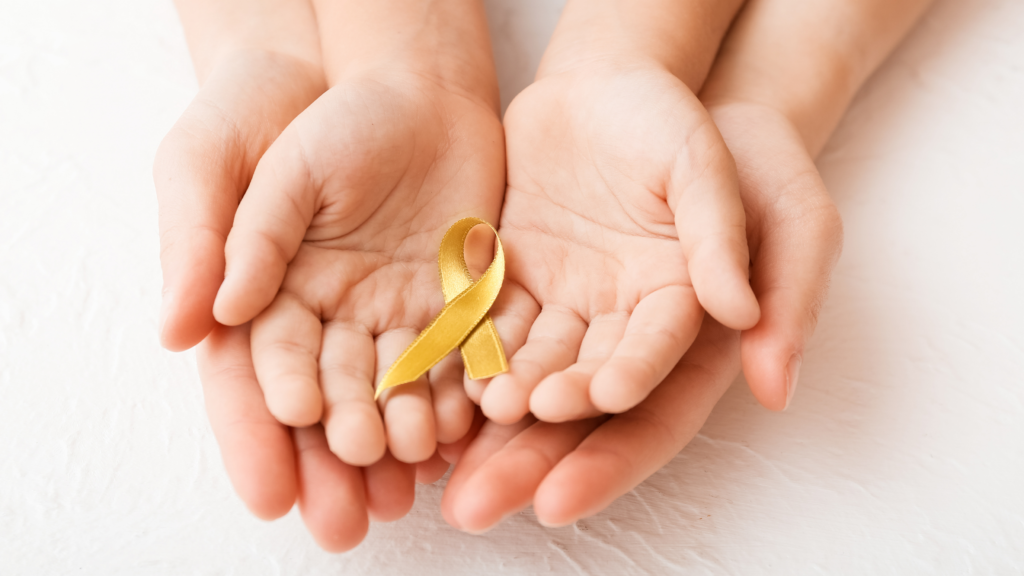
Research is essential to improving treatments and outcomes, yet only about 4 per cent of cancer research funding goes toward childhood cancer. This funding gap highlights the urgent need for greater investment in pediatric cancer research to advance treatments and improve outcomes for children and young people.
Awareness, advocacy, research and access to specialized care are essential, not just in September, but throughout every stage of the childhood cancer journey.
World Duchenne Day: September 7
September 7 marks World Duchenne Awareness Day, an opportunity to raise awareness of Duchenne muscular dystrophy (DMD), a rare and progressive genetic disorder that primarily affects boys and causes severe muscle degeneration over time. This year’s theme, “Access changes lives,” highlights the importance of equitable access to accurate information, early diagnosis, specialized care, clinical trials and innovative treatments.
Symptoms of DMD often appear between the ages of 2 and 5 and may include frequent falls, difficulty running or climbing stairs, and enlarged calf muscles. Greater awareness, early diagnosis and ongoing research can help improve quality of life and outcomes for those affected.
World Suicide Prevention Day: September 10
World Suicide Prevention Day (WSPD) is observed globally on Sept. 10. Established in 2003 by the International Association for Suicide Prevention (IASP) in collaboration with the World Health Organization (WHO), this day serves as a reminder that suicide is preventable with help and support. We all have a role to play in supporting mental health and well-being.
The current theme of this initiative is “Changing the Narrative on Suicide.” This theme encourages society to reduce stigma, challenge myths about mental health and replace misunderstanding with support, empathy and hope. Millions of people are affected worldwide by suicide every year, directly and indirectly. Families, friends, co-workers and communities experience ongoing impacts.
World Suicide Prevention Day has distinct objectives focused on awareness, support and early intervention. Stigma around mental health is a common barrier for individuals seeking professional support. Encouraging open discussion and acceptance can help remove this barrier for those who are struggling.
Recognizing the early signs is critical to early intervention and connecting people with resources before they reach a crisis. This day emphasizes the importance of accessible mental health services, counselling and the support needed to change and save lives.
Signs of a mental health crisis may include withdrawing from others, friends, family or usual activities; mood shifts; persistent sadness; hopelessness; an inability to perform daily functions; increased use of drugs or alcohol; high-risk behaviours; giving away possessions; or talking about suicide.
If someone you know is experiencing these or other concerning symptoms, do not hesitate to share your concerns with family, your employer or a recognized community agency.
Supports in the Durham Region:
- 9-8-8 Suicide Crisis Helpline: Call or text 9-8-8 for free, bilingual, 24/7 suicide prevention support.
- Durham Mental Health Services Crisis Line: 1-800-742-1890 or 905-666-0483.
- Distress Centre Durham: 905-430-2522 or 1-800-452-0688 for 24/7 emotional support, crisis intervention and referrals.
- 310-COPE (Children & Youth): 1-855-310-COPE for 24/7 crisis support for children, youth and families.
- Kids Help Phone: 1-800-668-6868 for 24/7 support for children and youth.
- 211 Central: Dial 2-1-1 to connect with local services in more than 150 languages.
Ganesh Chaturthi: September 13
Ganesh Chaturthi is the celebration of the birth of Lord Ganesh, one of Hinduism’s most sacred deities. Lord Ganesh represents intelligence, listening, prosperity and wisdom. He is known for his powerful presence, removing obstacles and protecting homes.
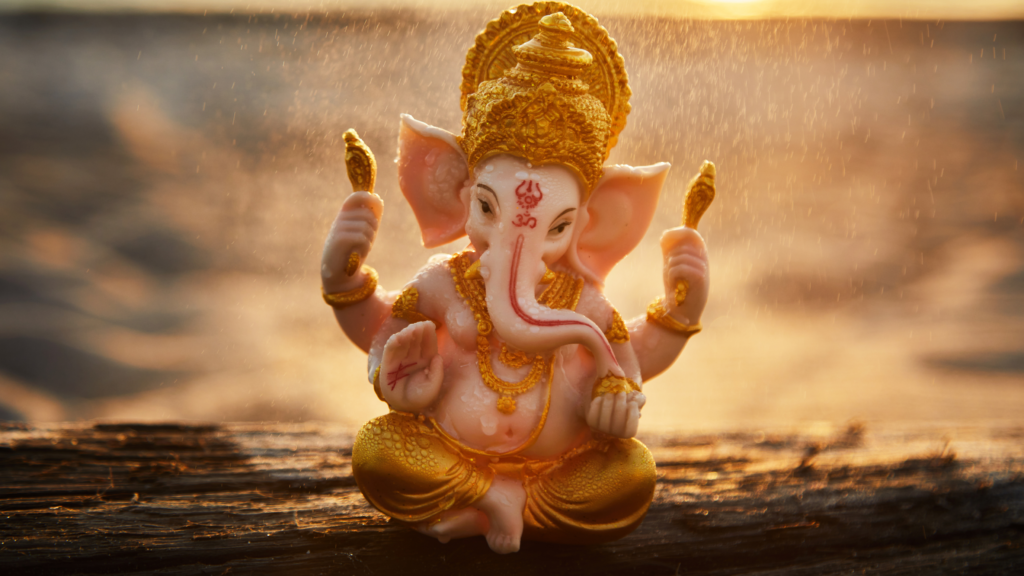
During Ganesh Chaturthi, Hindus create and install clay idols of the deity (recognizable for having an elephant head), in private homes and public places.
Communal feasts, music, dance and prayer are part of the festivities during the celebration. It is customary during worship for Hindus to offer sweets thought to be favourites of Lord Ganesh such as modak and ladoo. Wishing all Hindu Canadians and Friends a Happy Ganesh Chaturthi! Together, let us celebrate the intelligence, listening, prosperity and wisdom we bring to each other.
Yom Kippur: September 20
Yom Kippur is known as the holiest day in the Jewish calendar. Known as the Day of Atonement, it is observed through prayer, fasting and reflection on repentance and reconciliation. It marks the final day of the Ten Days of Awe, which begins with Rosh Hashanah, and is a time to repent before the Book of Life is closed and sealed for another year.
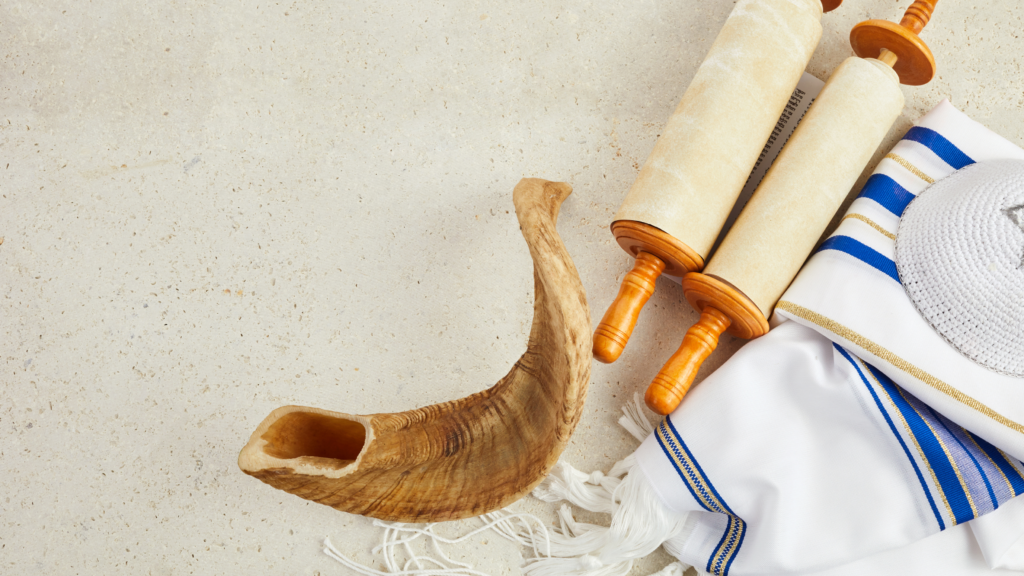
Yom Kippur falls on the 10th day of the month of Tishrei in the Hebrew calendar, placing it in September or October of the Gregorian calendar.
International Day of Sign Languages: September 23
September 23 marks the International Day of Sign Languages, a United Nations-recognized occasion that highlights the importance of sign languages in upholding the human rights of Deaf individuals and sign language users around the world. The day aims to raise awareness of the unique experiences and challenges faced by the Deaf community while celebrating the cultural and linguistic richness of sign languages. Sign language is more than a means of communication. It fosters inclusion, connection and full participation in society. It is also a gateway to a vibrant cultural identity that deserves recognition and respect. By promoting and embracing sign languages, we help build a more inclusive, accessible and equitable world where everyone has the opportunity to be heard and understood.

National Day for Truth and Reconciliation: September 30
September 30 marks the National Day for Truth and Reconciliation, also known as Orange Shirt Day. This day honours the children who never returned home and the Survivors of residential schools, along with their families and communities. It is a time to reflect on the tragic and painful history of the residential school system and the lasting impacts it continues to have across generations. Public commemoration is a vital part of the reconciliation process, reminding all Canadians of the need to learn, listen and act.
The discovery of unmarked graves and the stories of Survivors have led to growing calls for accountability and systemic change. In 2013, the not-for-profit Orange Shirt Society first honoured this day, inspired by the story of Phyllis Webstad, whose orange shirt was taken from her on her first day at residential school. The orange shirt has since become a symbol of the stripping away of culture, freedom and self-esteem experienced by Indigenous children.
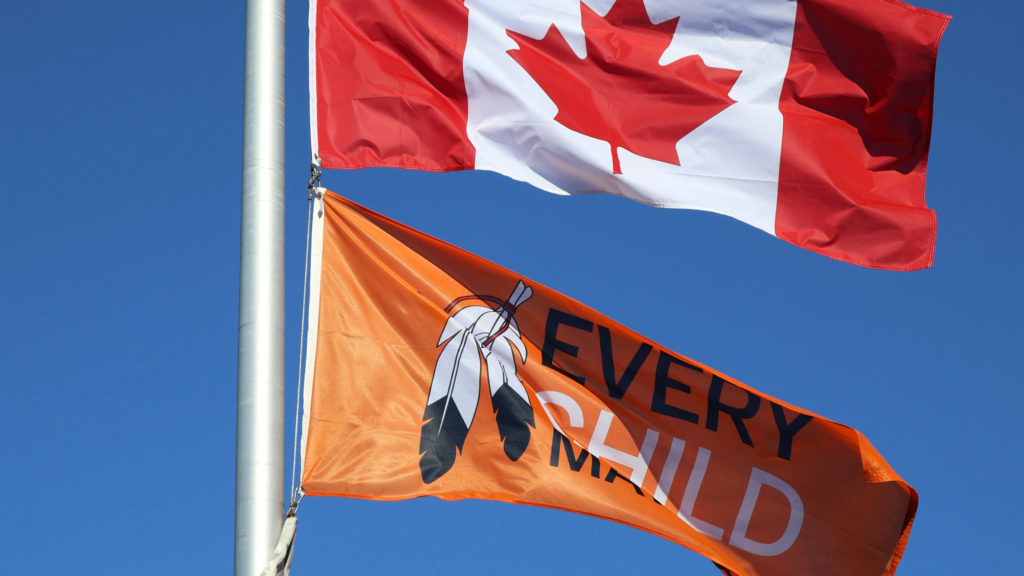
September is the time of year when children were taken from their homes to attend residential schools. This date of significance offers all Canadians an opportunity to engage in meaningful reflection and commit to anti-racism and reconciliation in their schools, workplaces and communities.
At Grandview Kids, truth and reconciliation are honoured monthly. Each all-staff meeting begins with a “Reconcili-Action Moment,” where a member of the Inclusion Diversity Equity and Accessibility (IDEA) Committee shares a story or reflection to celebrate the contributions of Indigenous Peoples and inspire continued learning and action.
Let this day serve as a reminder that reconciliation is not a one-day event but an ongoing journey we all must take together.
Check out more Grandview Kids articles
- September 2026: Dates of Significance
- Celebrating Camp at Grandview Kids
- Celebrating International Youth Day!
- Living beyond expectations: Haylee’s journey with SMA Type 1
- Summer 2026: Dates of Significance