• Skip to primary navigation
  • Skip to main content
  • Skip to primary sidebar
Grandview Kids Logo

Grandview Kids

Every Child And Youth Living Life At Their Full Potential

  • About Us
    • Vision, Mission and Values
    • The New Grandview Kids
      • Operational Readiness
      • Visiting Grandview Kids’ Ajax Headquarters
    • Our History
    • Leadership
    • Board of Directors and Committees
      • Join our Board of Directors and Committees
    • Annual Report
    • Strategic Plan
    • Policies
  • Calendar
  • Annual Report
    • Strategic Direction 1: Deliver meaningful, efficient client and caregiver outcomes and experiences
    • Strategic Direction 2: Foster a thriving, connected Team Grandview
    • Strategic Direction 3: Collaborate with partners to maximize impact, focusing on Durham Region
    • The New Grandview Kids – The Jerry Coughlan Building
    • 2024-25 Financial Statement
    • Grandview Kids Foundation update
    • Grandview School update
  • Contact
    • Contactez – nous
    • Ajax – Headquarters
    • Bowmanville Health Centre
    • Grandview School
    • Oshawa – Dwyer
    • Port Perry
    • Whitby – Abilities Centre
  • Careers
  • Register
  • Donate
  • Instagram
  • LinkedIn
  • Facebook
  • Services and Programs
    • Audiology
    • Autism Program
      • Autism Spectrum Disorder (ASD) Diagnostic Hub
      • Caregiver-Mediated Early Years Programs
      • OAP Core Clinical Services
      • Entry to School Program
      • Foundational Family Services
    • Blind-Low Vision Program
    • Extensive Needs Service
    • Family Engagement Program
      • Adolescent Transition Program
      • Family Leader Program
        • Family Advisory Council
        • Youth Advisory Council
    • Infant Hearing Program
    • Medical Services
      • Autism Spectrum Disorder (ASD) Diagnostic Hub
      • Complex Care Program
      • Grandview Anesthesia Procedure (GAP) Clinic
      • Hypertonia Clinic
      • Nutrition Services
      • Orthopaedic Clinic
    • Occupational Therapy
    • Physiotherapy
    • Preschool Outreach Program
    • School Programs & Resources
      • Resources for Educators
      • School-Based Rehabilitation
    • Service Navigation
      • SmartStart Hub: Parents
      • SmartStart Hub: Partners
    • Social Work
    • Speech-Language Pathology
      • Augmentative and Alternative Communication
    • Therapeutic Recreation
  • Purchased Services
    • Beyond the Walls
    • Summer Camp 2026
    • OAP Core Clinical Services
      • Behaviour Services
  • Research
    • Get involved in research
    • IDEA Study
      • Building knowledge and understanding of the intersection of race and disability in accessing pediatric rehabilitation services.
    • Research Associate: Dr. Fiona Moola
    • Research Associate: Dr. Meghann Lloyd
  • Resources
    • Ability Acceptance Program
    • Arriving at Grandview Kids
    • Community Supports & Resources
    • Family Support Fund
    • Free to Read Program
    • Frequently Asked Questions
    • Gather by Grandview Kids
    • News and Updates
    • Privacy
    • Resources for Parents and Caregivers
    • Visiting Grandview Kids
  • Support Us
    • 50/50 Lottery
    • Ways to support
    • Host a fundraiser
    • Participate in an event
      • Golf Fore Grandview Kids
      • Sponsor the Drum
      • Dream Big, Dream Brighter Awards Gala
    • Leave a legacy
      • Gifts of securities
      • Gifts of bequests
      • Gifts of life insurance
    • Your impact
    • Building a Legacy: Honouring Jerry Coughlan
  • I Want To…
    • Connect with Grandview Kids
    • Donate
    • Refer a child or youth
    • Register via My Community Hub
    • Schedule an Appointment
    • Volunteer at Grandview Kids
    • Work at Grandview Kids
  • Grandview School
    • About Our Program
    • About Our Board
    • Grandview School Social Story
    • Plans and Reports
    • Resources for Families
    • Resources for Schools – Switch It Up!
    • Careers and Volunteering
    • Contact Grandview School
  • Search

Posted July 18, 2025

Ayush’s Story: Fragile X Awareness Day

Awareness Days

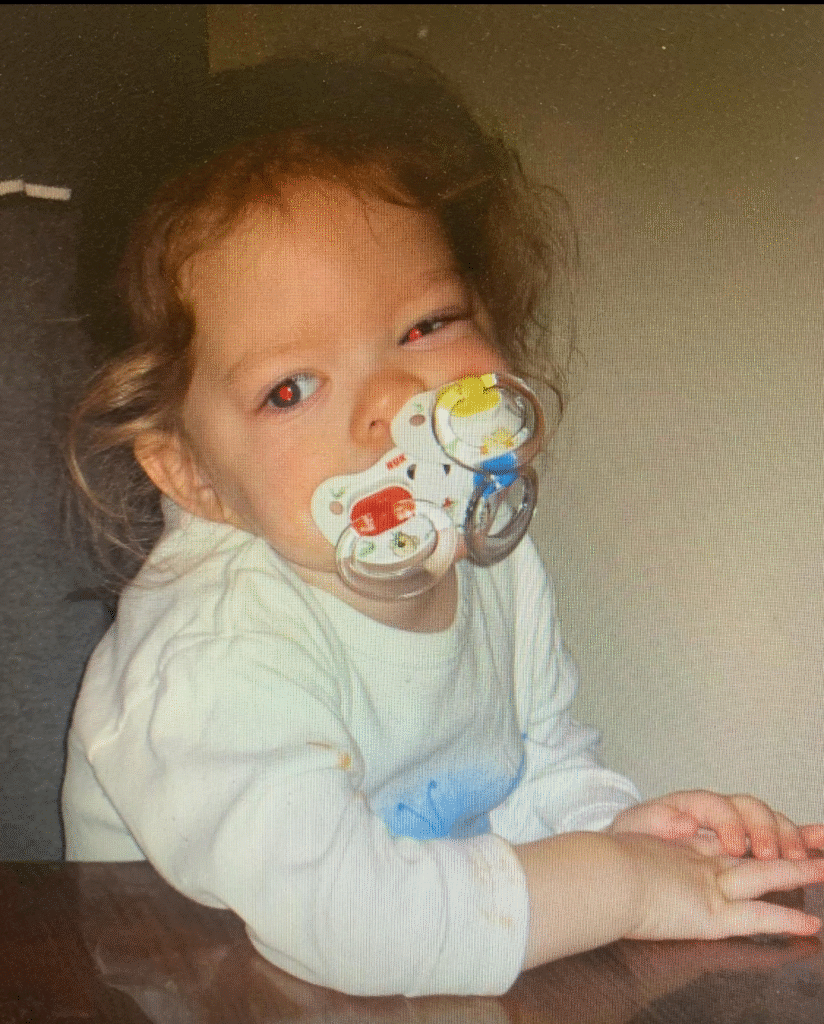
Ayush is a bright, loving and funny 11-year-old boy with a big heart, a sharp eye for detail and a flair for both pretend and real cooking. Whether he’s stirring pasta on the stove or “running” his own kitchen with his favourite YouTube chefs, Ayush brings joy and imagination into everything he does. He is a kind helper who eagerly joins in on chores like laundry, dishes and watering the plants. He loves to spend time with his family, parents Samir and Anagha, older sister, Isha and their Labrador Retriever, Max. Together, they enjoy watching movies, going for walks and hikes, riding elevators and eating ice cream. Ayush’s story, like many of the families supported by Grandview Kids, began with challenges most parents or caregivers could never anticipate. 


Ayush was born with Full Mutation Fragile X Syndrome (FMFXS), or simply put, Fragile X Syndrome, which is a rare genetic condition that affects development in many ways. As an infant, Ayush struggled with muscle tone, coordination, sensory sensitivity and early communication. He was delayed in meeting many age-appropriate developmental milestones, such as rolling over, babbling, sitting up, standing, walking and toileting. He exhibited low muscle tone, low immunity and high sensitivity to touch, loud sounds and crowds. Even as a baby, his mom Anagha sensed something wasn’t quite right. “A mother’s intuition is powerful,” she says. “Even without a diagnosis, I just knew my child needed more support.” 

At the age of three, after moving from India to Canada in search of better opportunities for Ayush, he was officially diagnosed with Fragile X Syndrome. Over time, he was also diagnosed with autism spectrum disorder (ASD), attention deficit hyperactivity disorder (ADHD), Intellectual Disability, obsessive-compulsive disorder (OCD)-type Anxiety and sleep apnea. Each label brought a mix of emotions, but mostly clarity and direction as they now knew what Ayush’s needs were.  

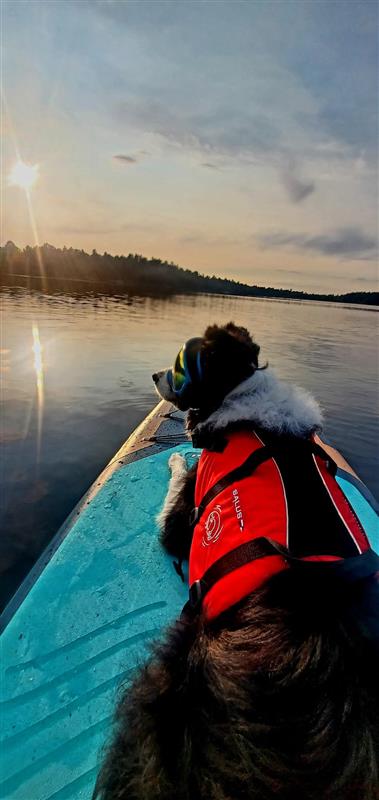
Ayush spending time with his dog

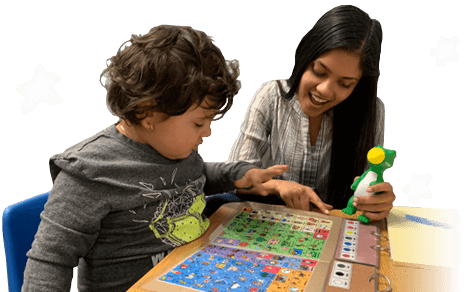
Grandview Kids stepped in as the first agency to work alongside Ayush’s family upon their arrival to Canada. Services from speech-language pathology (SLP) to physiotherapy (PT), occupational therapy (OT) to social work, Grandview quickly became more than a service provider; it became a second home. “Ayush was lucky to have the same therapists from the start to the end of his therapy blocks,” his mom reflects. “That consistency helped him thrive.” He began SLP with fewer than 50 words in his vocabulary. With ongoing support, he has grown to use over 500 words. He showed tremendous and outstanding improvement in his fine motor skills, self-regulation, expressive and receptive speech and language skills. Ayush overcame his fear of water through Grandview Kids’ adapted swim programs, developed friendships at respite camps and took part in therapeutic recreation (TR) groups that nurtured his social and emotional growth. Each milestone was hard-earned and celebrated with his tight-knit family by his side. 

Ayush and his dad, Samir

Families of children with physical, communication and developmental needs understand the complex world of navigating services, resources, programs and available funding. Grandview Kids recognizes this challenge and aims to ease the burden of blindly searching for such supports, as they help families like Ayush’s fill out vital applications for Disability Tax Credit (DTC), Access2Card and Ontario Autism Program (OAP). They remain actively engaged through Family Engagement workshops and events, Facebook information groups (e.g., Online Parent Support, Transition Adolescent Parent Support and Grandview OAP) and Anagha contributes as a Family Advisory Council (FAC) member. 
Ayush is now thriving in his Practical Learning Program (PLP) Junior special education classroom at school. He participates in school activities, enjoys back-and-forth conversations and continues to build independence through daily routines. His love for structure, humour and helping others are now seen as his superpowers–traits that shape not only how he experiences the world, but how he impacts it. 

Still, like many families with children who have complex needs, the road ahead comes with uncertainty. As Ayush grows older, funding for therapies will decrease once he turns 18, threatening access to the very supports that helped shape his development. For Anagha, the deepest fear is the one many parents of children and youth with disabilities quietly carry: What happens when I’m not here? This lingering question drives Anagha’s planning and learning in the direction that will help Ayush be independent or need less support in the future. Even in the face of this worry, there is incredible strength. “Ayush is my biggest teacher – he is my strength,” Anagha says. “He teaches me patience, resilience and joy in the smallest things. I don’t try to change him. I change myself to support him better.” 

In June, we acknowledge Pride Month, Brain Injury Awareness Month, Stroke Awareness Month, Scoliosis Awareness Month, National Indigenous History Month, National Cancer Survivors Day, World Brain Tumour Day, World Blood Donor Day, CDKL5 Awareness Day, Autistic Pride Day, World Refugee Day, National Indigenous Peoples Day, Dravet Syndrome Awareness Day, National Post-Traumatic Stress Disorder Awareness Day, Canadian Multiculturalism Day and International Pride Day. Read more about each date of significance below, written by members of Grandview Kids’ Inclusivity, Diversity, Equity and Accessibility (IDEA) Committee.

Pride Month

Although June is Pride Month in the United States, in Canada it marks the first month of Pride Season, a term that refers to the wide range of Pride events that take place over the summer (June to September). It’s the season when 2SLGBTQI+ communities and allies come together to spotlight the resilience, celebrate the talent and recognize the contributions of 2SLGBTQI+ communities.

Many Pride events in Canada occur in Pride Month (June) to honour the Stonewall riots in the United States. Toronto’s Pride weekend in June is now among the largest Pride events in North America. Several major cities in Atlantic Canada hold their Pride celebrations in July, and others hold their events in August to honour the “We Demand Rally,” the first large-scale gay rights demonstration in Canada in 1971.

Although special attention is placed on Pride events during the summer months, they happen throughout the year in many communities.

Click here to learn more about upcoming Pride events for youth in the Durham Region!

Brain Injury Awareness Month

Brain Injury Awareness Month, observed every June in Canada, aims to increase understanding of the effects of acquired brain injuries and reduce the stigma often associated with them. Each year, advocacy groups, survivors and health-care professionals come together to share stories, promote prevention strategies and highlight the need for accessible support services. Raising awareness helps ensure those living with brain injuries receive the recognition, resources and rehabilitation they need to lead meaningful lives.

Stroke Awareness Month

In Canada, Stroke Awareness Month is observed in June to highlight the importance of stroke prevention, early recognition and fast response. Stroke is a leading cause of death and disability in the country, affecting more than 62,000 Canadians each year. The campaign, led by organizations like the Heart and Stroke Foundation of Canada, aims to educate the public about risk factors, warning signs and the critical need for immediate medical help.

A central message is the use of the acronym FAST — face drooping, arms weakness, speech difficulty and time to call 9-1-1. Prompt action can save lives and significantly reduce long-term effects.

Throughout the month, educational events, webinars and social media campaigns help raise awareness. For example, a national webinar on vascular cognitive impairment is scheduled for June 17, 2025, offering insights into evidence-based stroke care. Canadians are encouraged to learn the signs of stroke, make healthy lifestyle changes and share this life-saving knowledge with others.

Stroke Awareness Month is not only a time to promote prevention but also an opportunity to support those recovering from stroke and recognize the ongoing efforts of health-care providers in improving stroke outcomes nationwide.

Scoliosis Awareness Month

Scoliosis Awareness Month, recognized each June, focuses on educating the public about the signs, symptoms and treatment options for scoliosis, a condition characterized by an abnormal curvature of the spine. Early detection, especially in children and adolescents, is critical to managing the condition effectively. Through community events, social media campaigns and support networks, the month empowers individuals affected by scoliosis and encourages ongoing research and advocacy.

National Indigenous History Month

June is National Indigenous History Month, when all Canadians — Indigenous, non-Indigenous and newcomers — celebrate the distinct cultures and contributions of First Nations, Inuit and Métis peoples to the fabric of Canada. Celebrating helps preserve the rich cultures, traditions, languages and spirituality of Indigenous peoples, along with their resilience in the face of historical injustices.

It is also a time for non-Indigenous Canadians to reflect on the historical and ongoing impacts of the residential school system, which began in the late 1800s and lasted until 1997, when the last residential school closed. An estimated 150,000 Indigenous children were taken from their families, forced to abandon their identities and taught that they were inferior to European culture.

Historical segregation and assimilation policies, such as the Indian Act, removed Indigenous peoples from their lands, forced them onto reserves or settlements and outlawed distinct cultural practices, including languages and spirituality.

During National Indigenous History Month, all Canadians are encouraged to learn, reflect and celebrate the unique cultures of Indigenous peoples.

Opportunities to celebrate Indigenous people and culture:

  • The Summer Solstice Indigenous Festival June 1 to 21 (live streaming)
  • Attend a PowWow celebration where Indigenous people lift their spirits after winter through cultural expressions such as drums and dancing
  • Watch one of the numerous films or documentaries available online
  • Listen to a Podcast such as This Land or Native Currents
  • Make and post a personal pledge of Reconciliation

National Cancer Survivors Day: June 1

National Cancer Survivors Day, observed on June 1, is a meaningful occasion that celebrates those who have triumphed over cancer, honouring their strength and resilience. It offers inspiration to those recently diagnosed by sharing the stories and presence of survivors. The day also provides important support for families, caregivers and loved ones, recognising their vital role in the cancer journey and helping them connect with others who understand. Beyond the personal, it serves as outreach to the broader community by raising awareness about the challenges of survivorship and highlighting the need for continued research, compassion and care.

World Brain Tumour Day: June 8

World Brain Tumour Day is observed each year on June 8 to raise awareness and educate the public about brain tumours, their causes, symptoms and the importance of early detection. The observance was first established in 2000 by the German Brain Tumour Association, a non-profit group based in Leipzig. A brain tumour develops when cells in the brain grow uncontrollably, forming a mass of abnormal tissue. Because the skull is a confined space, these abnormal cells can increase pressure within the brain, leading to symptoms as the tumour interferes with normal brain function.

World Blood Donor Day: June 14

World Blood Donor Day is observed each year on June 14 to thank celebrate blood donors and raise awareness about the importance of safe blood and blood products. The day highlights the critical role blood donors play in saving lives and improving health around the world. It also encourages more people to donate regularly, helping to ensure a reliable and sufficient blood supply for hospitals and patients in need. Events and campaigns held globally promote donor recruitment and retention, while recognising the generosity and commitment of those who give blood.

CDKL5 Awareness Day: June 17

CDKL5 Awareness Day is observed each year on June 17 to raise awareness about CDKL5 deficiency disorder, a genetic condition that affects brain development and function. June is also recognized as CDKL5 Awareness Month.

CDKL5 deficiency disorder is a rare X-linked genetic condition that typically appears in the first few weeks or months of life through early-onset seizures. CDKL5 stands for cyclin-dependent kinase-like 5. The CDKL5 gene is located on the short arm of the X chromosome (Xp22.13) and is responsible for producing the CDKL5 protein, which is essential for normal brain development and function.

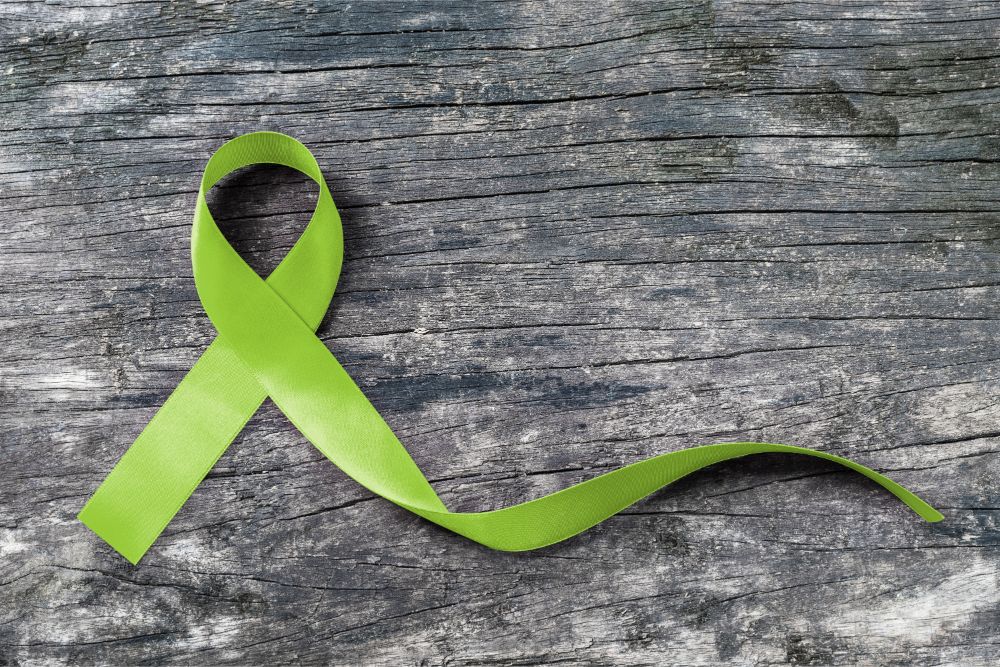
The day honours Glyn Boltwood, whose life and legacy contributed to the discovery of CDKL5 deficiency disorder in 2004. Lime green is the official ribbon colour for CDKL5 awareness.

Autistic Pride Day: June 18

Autistic Pride Day is celebrated each year on June 18. It is an opportunity for autistic people to focus on their unique experiences as neurodivergent individuals. The day began in the early 2000s and has grown every year. Its goal is to promote acceptance and understanding of the autistic experience, emphasizing that autism is not an illness that needs to be cured.

Coming together as a community and sharing experiences through art, workshops, marches and common interests is important for any group. The infinity rainbow is a symbol often used by the autistic community to express a shift away from focusing on deficits and challenges toward a more positive understanding of acceptance and inclusion.

The story of the symbol includes several key elements. Its symmetry is a reimagining of the infinity sign, representing the infinite potential of people on the autism spectrum. The symmetrical lines reflect the harmony and balance that concrete thinkers often find easier to interpret. The colours are inspired by the 2SLGBTQIA+ flag. The red gradient protests the use of blue by Autism Speaks in their puzzle piece logo, while the gold references ‘Au’ (gold) on the periodic table, a symbol often used in the autism community to reflect the worth and value of autistic people. The symbol serves as a beacon of hope against stigma and harm while representing the pride and strength of the community.

World Refugee Day: June 20

World Refugee Day is observed each year on June 20 to honour the strength and courage of refugees around the world. The day raises awareness about the challenges faced by millions forced to flee their homes due to conflict, persecution and violence. It also recognises the contributions refugees make to their new communities and encourages support for their protection and resettlement. Events and campaigns held globally promote solidarity and call for solutions that uphold the rights and dignity of refugees everywhere.

National Indigenous Peoples Day: June 21

National Indigenous Peoples Day is June 21 and coincides with the summer solstice and the beginning of a season of berry picking, fishing, powwows and gatherings for the diverse Indigenous peoples of Canada.

National Aboriginal Day, now National Indigenous Peoples Day, was announced in 1996 by then Governor General Roméo LeBlanc. The day was created following consultations and support from various Indigenous groups. On June 21, 2017, the prime minister issued a statement announcing the intention to rename the day National Indigenous Peoples Day.

The day recognizes and celebrates the history, heritage, resilience and diversity of First Nations, Inuit and Métis across Canada.

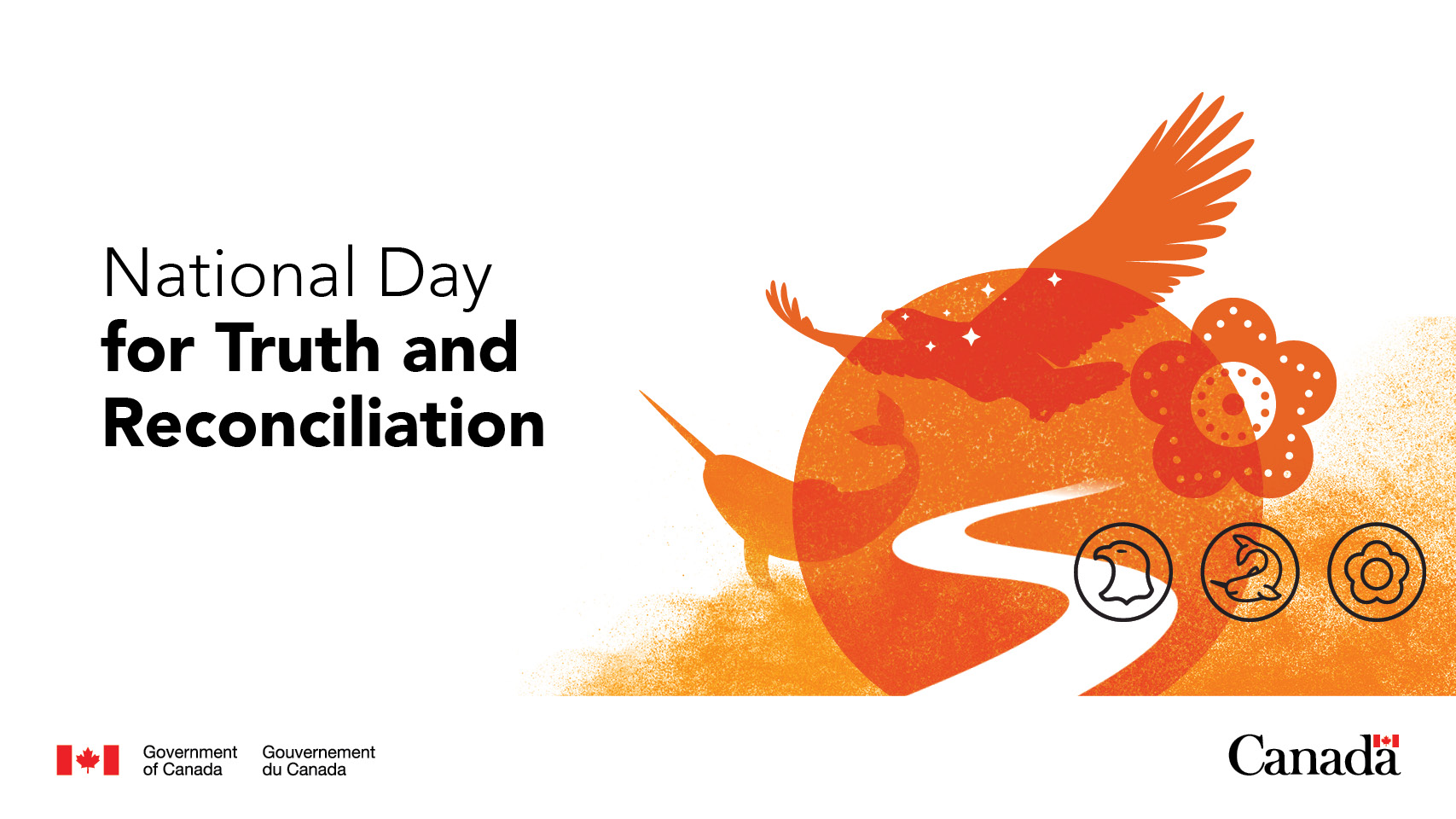
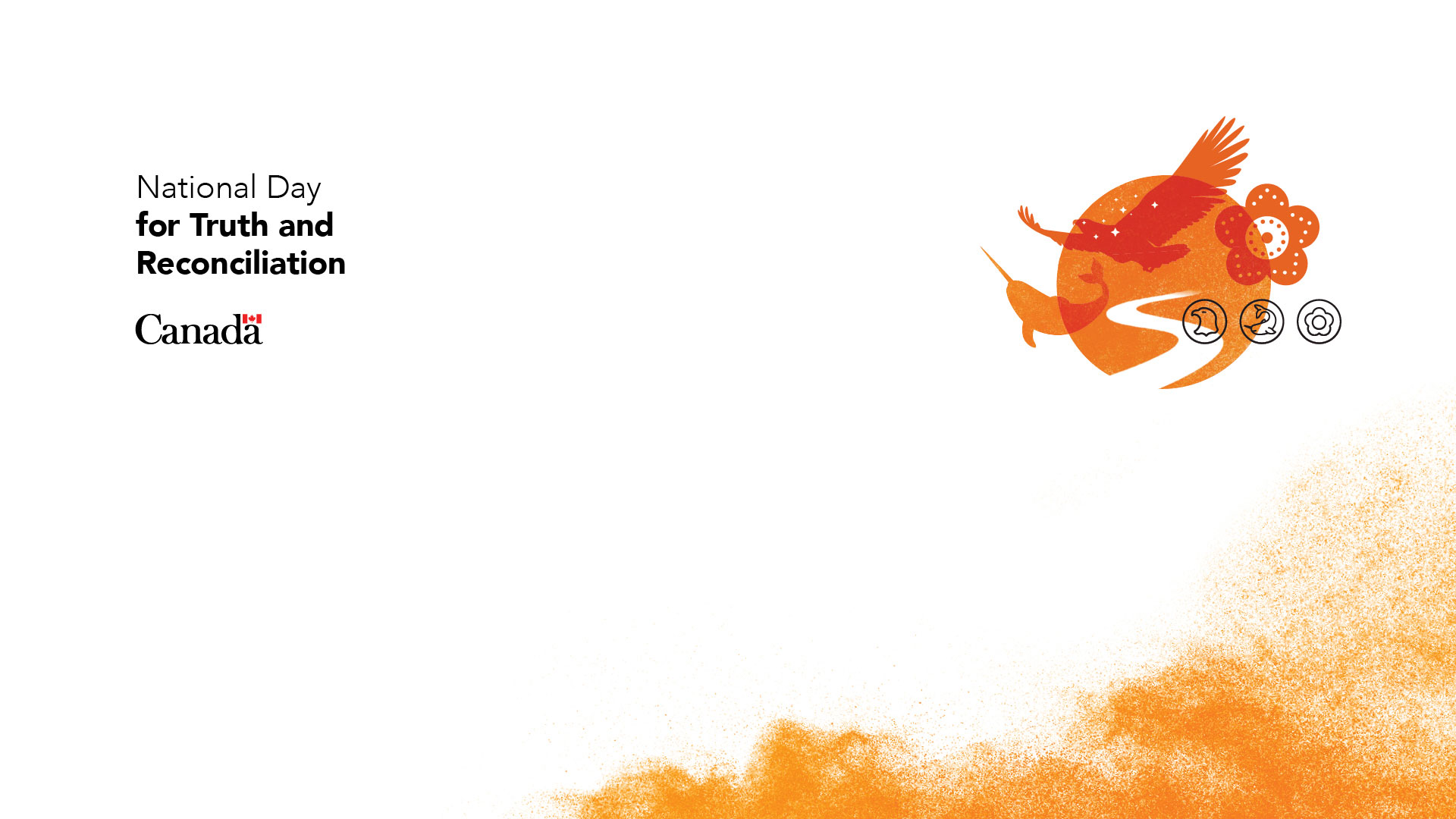
The visual for National Indigenous Peoples Day includes many elements. The sun, represented by the date “June 21,” remains at the centre to show its importance in the festivities. First Nations, Inuit and Métis, as well as the four elements of nature — earth, water, fire and air — are represented by different symbols and colours. The visual is supported by multicoloured smoke, which reminds us of Indigenous spirituality as well as the colours of the rainbow, a symbol of inclusion and diversity among all First Nations, Inuit and Métis communities and their members.

Smoke is used in different ways by all three Indigenous groups in Canada. Whether it is to smoke fish and meat, to burn sage and tobacco, or in sacred ceremonies and celebrations, it is a significant symbol in Indigenous culture.

The three icons in the visual represent:

  • The eagle, symbolizing First Nations
  • The narwhal, symbolizing Inuit
  • The violin, symbolizing Métis

Dravet Syndrome Awareness Day: June 23

Dravet syndrome is a rare genetic disorder of chromosome 2 (SCN1A) that causes epilepsy, neurological conditions and behaviour disorders. It was first identified by Dr. Charlotte Dravet in 1978. One in 30,000 people of all races, nationalities and ethnicities are born with Dravet syndrome. Only five per cent of cases are genetically inherited, while 95 per cent occur randomly.

Seizures begin during infancy and patients experience multiple seizure types, developmental delays in early childhood and motor and behaviour disorders that often worsen with age. Other health issues include autonomic dysfunction, autistic traits, attention deficit and hyperactivity, ataxia or unsteadiness, orthopedic conditions and sleep disturbances.

Patients require constant care, which can affect both their quality of life and that of their caregivers. Treatment options are limited and include anti-epilepsy medications, special diets and interventions such as speech and occupational therapy. Early diagnosis and research into disease-modifying treatments offer hope to patients and their families.

National Post-Traumatic Stress Disorder Awareness Day: June 27

June 27 marks National Post-Traumatic Stress Disorder (PTSD) awareness day. The day is intended to recognize the impact of PTSD, promote understanding of its meaning and symptoms, and help break down the stigma that often prevents people from seeking help.

Post-traumatic stress disorder (PTSD) , is a mental health condition triggered by exposure to a traumatic event such as a natural disaster, accident, war, or sexual or physical assault. Common symptoms include unwanted thoughts or dreams of the trauma, physical reactions such as difficulty breathing, strong negative emotions like fear, anger, guilt or shame, and loss of interest in activities once enjoyed. These symptoms can affect a person’s well-being and quality of life and may create a need for mental health support.

Traumatic events leading to PTSD can vary from person to person, as can the development and manifestation of the condition. Symptoms can appear immediately after the event or may develop weeks, months or even years later. This means the full extent of PTSD related to the pandemic may not yet be known.

Living with PTSD can be frightening for those affected and their loved ones. Getting professional support can help. If you or someone you care about is experiencing PTSD, know that help is available and many people have successfully managed and coped with this condition.

If you are in immediate danger or need urgent medical support, call 9-1-1.

If you or someone you know is thinking about suicide, call or text 9-8-8. Support is available 24 hours a day, seven days a week.

If you’re experiencing family or gender-based violence, you can access a crisis line.

Other Available Supports and Resources:

  • How to Get Mental Health Help l CMHA National
  • The Centre for Addiction and Mental Health | CAMH
  • MyGrief – online resources for dealing with the loss of someone important to you
  • Kids Grief – talking with kids and teens about serious illness, dying and death
  • Home – Hope for Wellness Helpline – First Nations, Inuit, and Métis Peoples seeking emotional support, crisis intervention, or referrals to community-based services.

Canadian Multiculturalism Day: June 27

Canadian Multiculturalism Day, celebrated on June 27, honours the rich cultural diversity that shapes Canada’s identity. It recognizes the contributions of people from all backgrounds to the country’s social, economic and political life while promoting inclusion, respect and understanding among cultures.

Canada became the first country to adopt a multiculturalism policy in 1971, later reinforced by the Canadian Multiculturalism Act in 1988. This legislation affirms the right of all citizens to preserve their cultural heritage and enjoy equal opportunities regardless of background.

On this day, communities across Canada host events that showcase diverse music, food, art and traditions. These celebrations provide opportunities to learn about and appreciate the many cultures that enrich Canadian society.

Canadian Multiculturalism Day is more than a celebration. It is a reminder of the importance of embracing diversity and challenging discrimination. It encourages Canadians to reflect on shared values of equity, inclusion and mutual respect.

By participating in this day, individuals help foster a more inclusive and united Canada where all cultures are valued and everyone has a place. It is a time to celebrate not only our differences but also the strength that comes from diversity.

International Pride Day: June 28

The 2SLGBTQIA+ community celebrates International Pride Day on June 28 in remembrance of the riots at the Stonewall Inn, a New York gay bar. On this day in 1969, police raided the Stonewall Inn to arrest patrons partly for their homosexuality and partly for dressing in ways deemed nonconforming to their gender. The patrons of the bar were tired of feeling unsafe, discriminated against and harassed by police, so they decided to take a stand.

The riots took place outside the Inn over six days as police made arrests, with hundreds of gay, lesbian, transgender and gender nonconforming people protesting. The riots became a galvanizing force that led to the start of the modern gay liberation movement, which evolved into movements supporting other people marginalized by their gender or sexual orientation.

On the first anniversary of the riots, June 28, 1970, thousands of activists and protesters marched in the first pride march in New York and other U.S. cities to remember the Stonewall riots and fight for equal rights. Every year, International Pride Day is marked with pride parades and other events to celebrate the 2SLGBTQIA+ community and remember those who came before us. It also reminds us how far we have come and how equal rights are worth fighting for.

In June, we acknowledge Filipino Heritage Month, Portuguese Heritage Month, Shavuot, Eid-ul-Adha, Father’s Day and the Nativity of St. John the Baptist. Read more about each holiday/celebration below, written by members of our Inclusivity, Diversity, Equity and Accessibility (IDEA) Committee.

Filipino Heritage Month

Filipino Heritage Month, celebrated each June in Canada, honours the history, culture, achievements and contributions of the Filipino community. It is one of the largest and fastest-growing immigrant groups in the country. Officially recognized by the Canadian Parliament in 2018, the month promotes multiculturalism, inclusivity and understanding across the country.

As of the 2021 Census, more than 900,000 people of Filipino descent live in Canada. Filipino Canadians play a vital role in key sectors such as health care, construction, engineering, hospitality and public service. The month acknowledges their economic, social and cultural contributions in fields including education, business and the arts.

Filipino Heritage Month encourages pride in cultural traditions, languages and values. It empowers the community by providing a platform for Filipino voices and talents while promoting intercultural understanding and appreciation within broader Canadian society.

Celebrations take place throughout June and include cultural festivals featuring traditional food, music and dance as well as community gatherings, parades and art exhibits. Educational events, forums on Filipino history and immigration and recognition ceremonies honouring Filipino Canadian leaders and pioneers are also held across the country.

Portuguese Heritage Month

Portuguese Heritage Month, celebrated every June in Canada, honours the rich history, culture and contributions of Portuguese Canadians. Recognized nationally since 2010, the month highlights the important role Portuguese immigrants and their descendants have played in building Canadian communities and shaping the country’s multicultural identity. Through cultural festivals, educational events and community gatherings, Portuguese Heritage Month promotes awareness and appreciation of Portuguese traditions, language and achievements across Canada.

Shavuot: June 1

Shavuot, a two-day holiday celebrated from sunset on June 1 until nightfall on June 3, coincides with the date the Torah was given to the Jewish people at Mount Sinai more than 3,000 years ago. Preceded by 49 days of eager counting, Shavuot is celebrated through refraining from work, candle-lit dinners, staying up all night to study Torah, listening to the reading of the Ten Commandments in synagogue and enjoying dairy foods and other festivities.

The word Shavuot, or Shavuos, means weeks. It celebrates the completion of the seven-week Omer counting period between Passover and Shavuot.

Eid-ul-Adha: June 6

Eid-ul-Adha, also known as the Festival of Sacrifice, is an important Islamic holiday celebrated by Muslims around the world. It commemorates the willingness of the prophet Ibrahim to sacrifice his son as an act of obedience to God. The holiday is marked by prayers, charitable giving and the ritual sacrifice of an animal, with the meat shared among family, friends and those in need. In Canada, Eid-ul-Adha is a time for communities to come together in celebration, reflection and generosity.

Father’s Day: June 15

Father’s Day is believed to have been first celebrated in Canada around 1908 but was not officially recognized until the 1950s. In the early 1920s, a woman named Sonora Smart Dodd from Spokane, Washington, wanted to create a day to honour her father, William Jackson Smart, a single parent who raised her and her siblings. The idea spread to other countries and by the 1920s Father’s Day had become a popular celebration in North America.

In 1977 Father’s Day was made an official holiday in Canada. Although it is not a statutory holiday, it remains an important occasion for Canadians to celebrate their fathers or the men in their lives who have held the status of a father, a role model who guides and protects or a special person who deserves to be recognized with love, gratitude and appreciation.

Some great ways to celebrate Father’s Day:

Family gatherings

Perhaps a backyard barbecue, a picnic or a favourite restaurant may be a great way to celebrate. Some fathers may enjoy outdoor activities like a family baseball game, golf or even pickleball. A walk in nature, fishing or camping could be a great way to spend time together. As long as it is with the family, it can be a wonderful day creating memories.

Thoughtful gifts

Gifts don’t need to be expensive or flashy. Some of the most wonderful gifts a father could receive are those from the heart:

  • Handmade treasures such as cards, pictures or artwork, a hand-painted mug
  • A framed photo of family, his kids, grandkids or the whole family
  • If he is a sports fan, a baseball glove, golf balls or a badminton set
  • A book, movie or magazine
  • Prepare his favourite homemade meal
  • A handwritten letter is always a nice gift for someone special

Father’s Day is a celebration of the bond between fathers and their children, one that lasts a lifetime. It highlights the importance of strong families in Canadian society. By celebrating fathers and fatherhood, the holiday reinforces the idea that families are built on mutual respect, love and support.

The Nativity of St. John the Baptist: June 24

The Nativity of St. John the Baptist is celebrated each year on June 24. It marks the birth of John the Baptist, a key figure in Christianity who is known for baptizing Jesus and preparing the way for his ministry. The feast day is observed by many Christian communities around the world with special church services, prayers and sometimes processions. It is one of the few saints’ birthdays celebrated in the Christian calendar and holds significant religious importance as a time to reflect on John’s role as a prophet and his message of repentance.

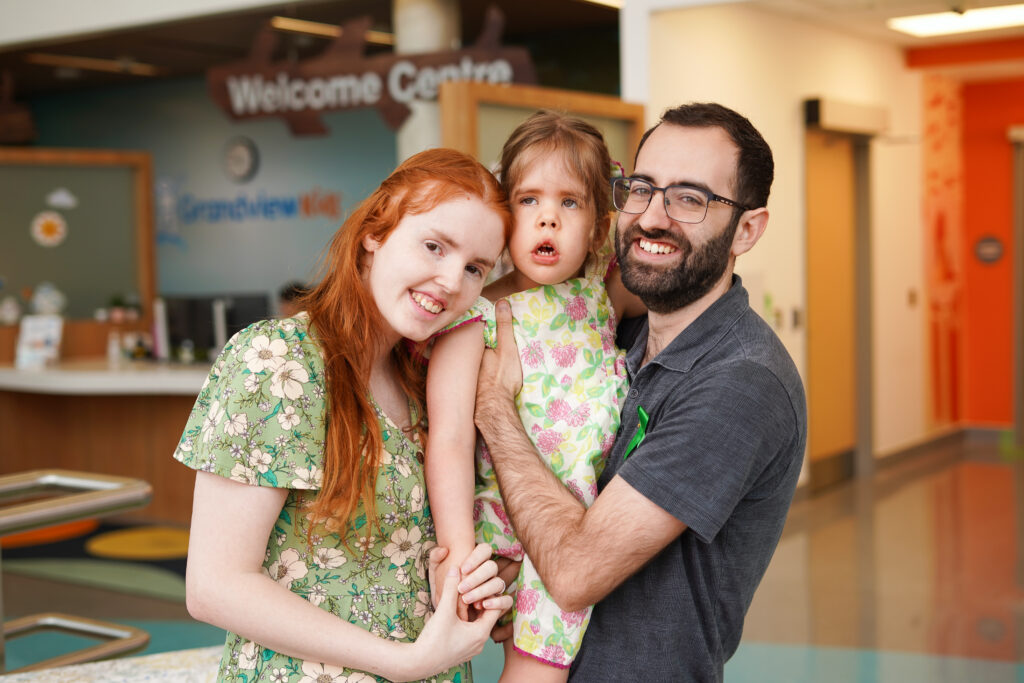
June 23 is International Dravet Syndrome Awareness Day. This day gives families affected by Dravet Syndrome a chance to share stories, build support and increase public knowledge about this rare form of childhood epilepsy. This syndrome is associated with a genetic mutation, primarily in the SCN1A gene, a sodium channel receptor. Dravet Syndrome is a spectrum, affecting individuals with different outcomes depending on gene mutation. Classic signs and symptoms include children presenting with the onset of seizures before their first birthday, with long-lasting initial seizures, often triggered by illness. Individuals with Dravet Syndrome are diagnosed through genetic testing that observes sodium channel levels. Grandview Kids’ Peer Navigator, Jacki N., shares her family’s journey as they navigate life with Dravet Syndrome. 

13-year-old Colton lives with his parents, Jacki and Chris, older brother Treston and younger siblings Jaxon and Adelaide. They enjoy travelling, watching and playing sports and birdwatching, which gives them a purpose to go on many family walks and hikes. Colton loves all sports, particularly watching hockey, baseball and soccer, the latter of which he plays. He is also fond of playing video games with his brothers, is fascinated with bubbles, loves watching Toopy and Binoo and is always ready for an adventure. Although Colton has a sweet and easy-going personality, he is also quite persistent, preferring to stick to his known routines and schedules, even after rough days or nights of experiencing multiple seizures. 

Colton was diagnosed with Dravet Syndrome in April 2013, a year after his first seizure. As expected with Dravet Syndrome, he was later given a formal diagnosis of global developmental delay. Receiving the Dravet Syndrome diagnosis was an unexpected and initial shock to his parents. Later that evening, Jacki vividly recalls giving Colton a bath and looking at him, thinking “[the diagnosis] doesn’t change him; this is who Colton is,” immediately transitioning to acceptance, which they recognize can be a challenging step for parents and caregivers. Within a few weeks, Jacki began to realize the importance of receiving a formal diagnosis as it opened doors to education, treatment and connection with other families to help understand the nuances of Dravet Syndrome. “Receiving a diagnosis was more helpful than not receiving one,” as she was able to focus her research on sodium channel levels for controlling and stopping seizures. 

Seizure treatment and management for those living with Dravet Syndrome typically include a ketogenic diet, cannabidiol (CBD), which is used to significantly decrease seizure activity, pharmaceutical medications and, often, as a last resort, vagus nerve stimulation (VNS). VNS is an implanted device that sends mild electrical pulses through the vagus nerve to the brain to alter nerve activity and stop seizures. Jacki’s family quickly learned about Colton’s heat trigger, a commonality among those with Dravet Syndrome, prompting them to order a cooling vest. They also initially received pushback from their medical team on a treatment plan. However, the diagnosis gave them clearance to put Colton on a ketogenic diet, which has been highly effective for his seizure management. Making necessary adjustments to his diet, such as removing fruits at dinner to increase Ketone levels or taking supplements, has proven that even minor but tailored changes are helpful.  

Accessing medications currently being researched is a vital intervention for chronic illnesses like Dravet Syndrome, but they are not without risks. Colton was on a 5-year-long trial medication that required the consumption of 14 pills daily. Unfortunately, the trial medication was not approved, and he required weaning from this essential medication. This lengthy process of medication weaning over six months proved to be a challenge, especially when weaning off the last two pills, prompting approximately ten seizures a night. Although he is not back to baseline, the slow weaning process and dietary changes helped decrease the seizures to only one 30-second seizure a night. 

Losing seizure control and having to administer rescue medication is frightening. “We can’t give him rescue medication every night, or else we should be in the hospital,” Jacki says. If Colton has a bad night, he must likely recover at home the next day by sitting and resting. When deciding to participate in a research trial, you must be prepared to lose control over anything related to the medication. “We cannot tweak doses and are at the mercy of those running the trial and the supplier. We depend on funding and adequate results.” Jacki also shares that Canada is behind Europe and the U.S. in trials, research and development, so even if the medication works and is approved, there may be insufficient healthcare coverage for the costs after trial completion.  

Although most treatments aim to reduce the frequency of seizures, they do not address other effects of the disease and seizure control remains a challenge for the majority of those with Dravet Syndrome. Colton can walk short distances in the home and community but uses a paediatric stroller for longer distances. He can also communicate his needs and wants with few words and his body language, but the effects of his seizures are significant and long-lasting. 

Grandview Kids has been part of Colton’s journey since the beginning. His family are active members of the Grandview Kids community, being members of the Family Advisory Council (FAC), Youth Advisory Council (YAC) and Family Engagement Team (FET) over the years. Colton has received necessary support through Grandview Kids’ medical, therapy and social work services. “Of all the support I received, Grandview Kids was the most impactful,” Jacki shares. “We would always go to different events since seeing other families like mine, although experiencing different problems, because it made me feel like I wasn’t alone.” Through these connections, resources and information were freely shared, introducing Colton to Challenger Baseball, inclusive programming and soccer. Jacki appreciates how Colton and her other kids would see familiar faces, feel welcomed and be exposed to children with all types of skills and abilities. She emphasizes the importance of getting involved in attending Grandview Kids events, especially those hosted by the FET. “I didn’t always want to attend, but I would always leave better,” challenging other parents and caregivers to make the time to foster community, connection and belonging. 

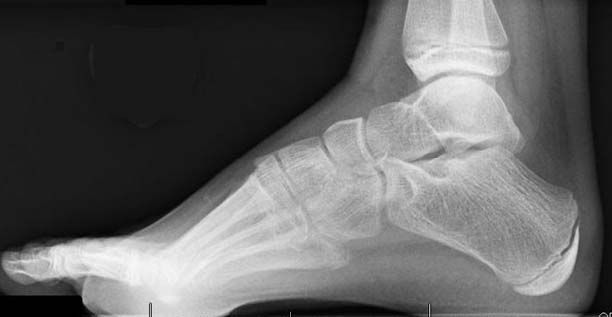
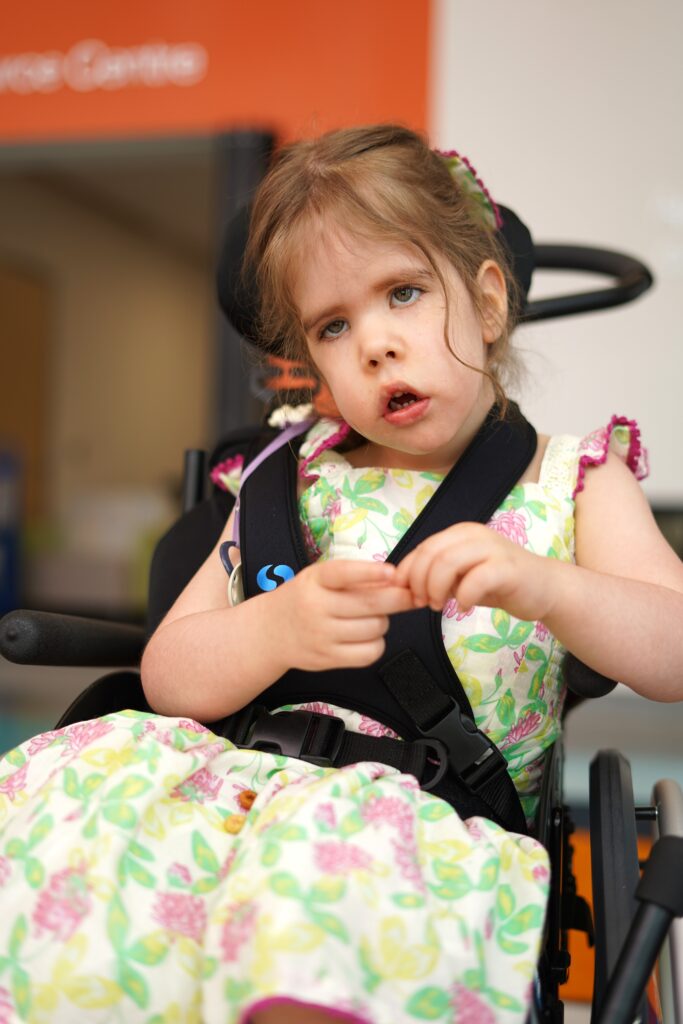
Arthrogryposis is a lifelong condition characterized by joint contractures, most commonly affecting the arms and legs. It is often marked by stiffness and a limited range of motion. While the exact cause remains unknown, the condition is typically diagnosed in utero or at birth. 

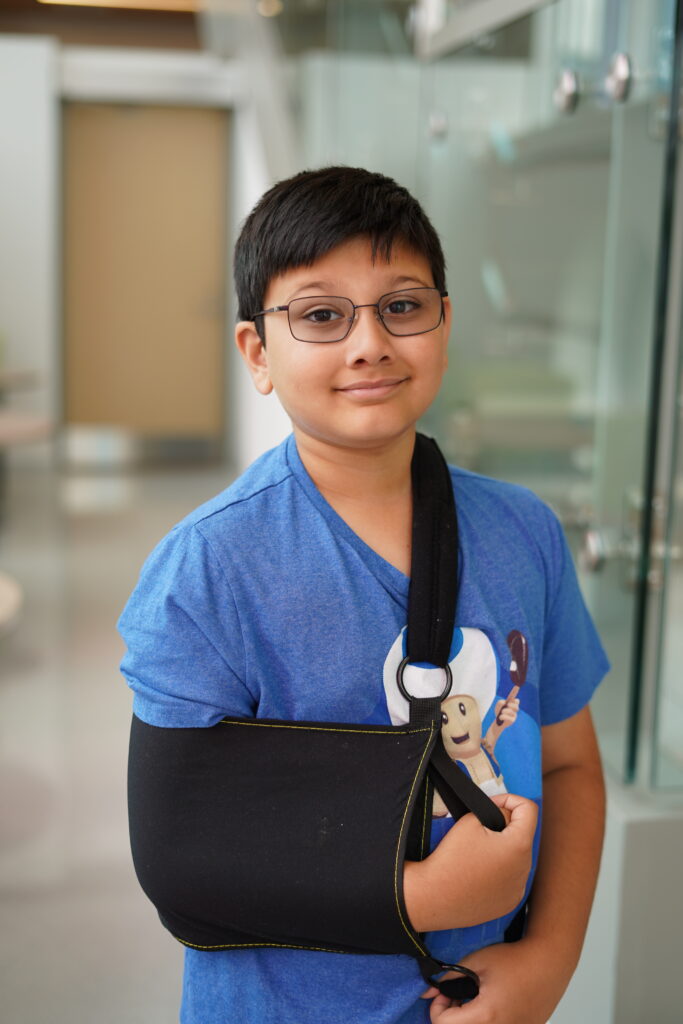
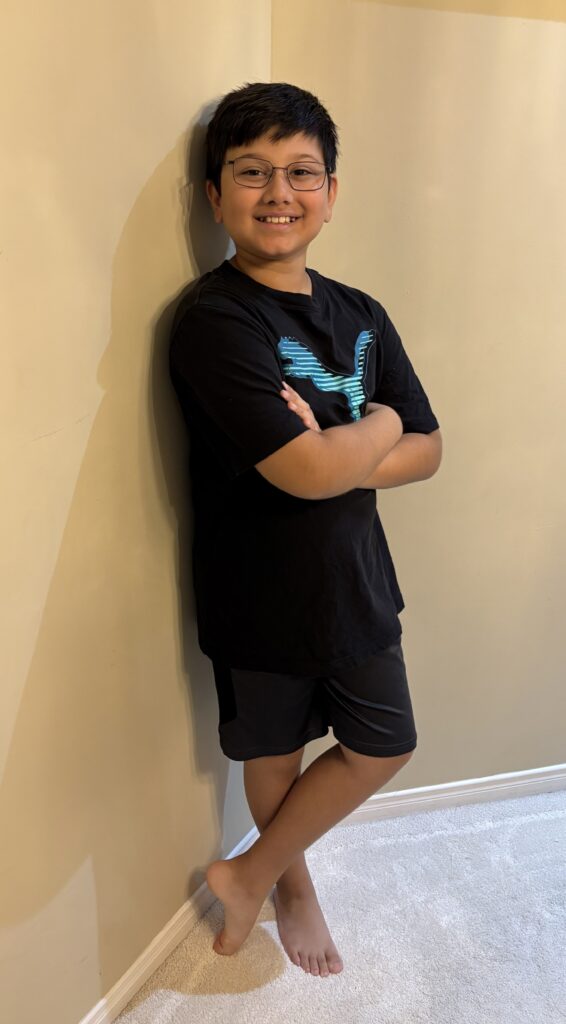
For Monjuri and her 11-year-old son Rudra, arthrogryposis is more than a diagnosis – it’s a journey of resilience, advocacy and hope. Their story is one of transformation, powered by determination and the unwavering support of Grandview Kids. 

“When my son Rudra was born, his hands were on his ears, his knees were on his chest, and his foot was folded over his belly button. He looked like a flower that forgot to bloom.” – Monjuri, 2018 

At her 20-week prenatal scan, Monjuri learned that Rudra had club feet. At birth, they discovered he also had contractures in his knees and elbows. What began as a moment of fear quickly turned into fierce maternal protectiveness. “There’s nothing wrong with him. This is who he is,” Monjuri recalls. She remembers thinking Rudra’s habit of sticking out his tongue was just another endearing trait, not yet knowing it was due to low muscle tone. When medical professionals told Monjuri that Rudra might never sit, crawl or walk, she refused to accept those limitations. Alongside her two daughters, she got down on the floor with Rudra, demonstrating how to crawl and cheering him on every step of the way. 

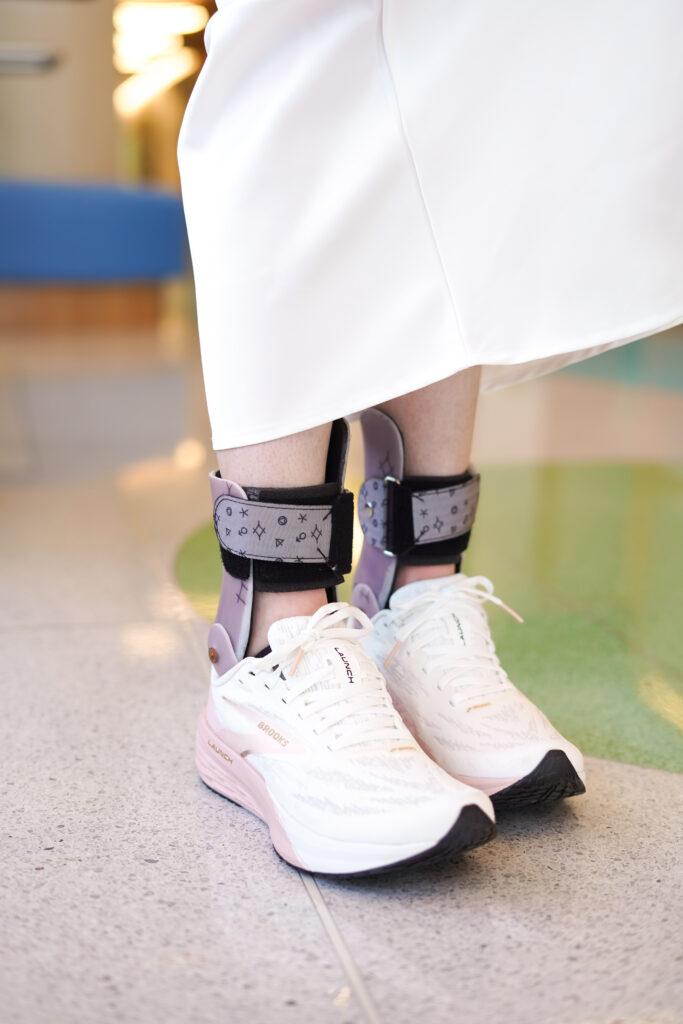
Their turning point came when Rudra was referred to Grandview Kids. For the first time, Monjuri felt heard, not just told what her son could not do, but asked what he could achieve. The focus shifted from limitations to possibilities, and that shift made all the difference. At Grandview Kids, Monjuri learned how to advocate for her son. When a hospital doctor dismissed her request for knee ankle foot orthotises (KAFOs), insisting Rudra wouldn’t walk, Grandview Kids’ physiotherapy team encouraged her to fight for him. With the support of casting and KAFOs, Rudra began walking short distances without the need for mobility aids. 

Rudra has since benefitted from a wide range of services at Grandview Kids, including Physiotherapy, Occupational Therapy, Recreational Therapy, Speech-Language Pathology and has attended Grandview School. Monjuri fondly remembers how Andrea B., Grandview Kids’ Family Engagement Program Manager, helped her create an “All About Me” book. The book played a vital role in helping Rudra transition to his home school by educating teachers and classmates about his condition and the accommodations he needs. 

Arthrogryposis continues to affect Rudra’s daily life. In his early years, he developed painful skin sores and underwent casting to gradually straighten his limbs – a terrifying process for both mother and son. Their Grandview Kids physiotherapist provided helpful information about Shriners Hospital in Montreal, where they self-referred, and Rudra has since undergone five major surgeries. One procedure involved inserting rings into the bones of his legs, requiring bi-monthly visits for five months to realign them. Complications during his July 2024 surgery allowed surgeons to place growth plates in only one leg. In January 2025, Rudra finally received growth plates for his right ankle, where fused kneecaps had previously prevented the procedure. Each time, Grandview Kids has been there, offering essential post-operative physiotherapy to help Rudra regain strength and mobility in a safe, supportive environment. 

Now in his preteen years, Rudra is learning the power of self-advocacy. At school, he knows when to ask for help. Through Recreational Therapy at Grandview Kids, Rudra is reminded that he’s not alone. He finds comfort in knowing there are other kids navigating similar experiences and uses his story to educate and inspire his peers. “Sometimes I can’t reach things that are up on shelves or my KAFOs are locked, and I need to wait for an [Educational Assistant] to help,” he shares. His openness fosters understanding, compassion and lasting friendships. “His exceptionalities don’t stop his friends from loving him any less,” Monjuri says proudly. 

Though the constant need for advocacy can be overwhelming, both Monjuri and Rudra find strength in knowing they’re not alone. Grandview Kids continues to provide the resources, therapy and even school support needed to keep them moving forward. “Even when I feel advocacy burnout,” Monjuri admits, “I can’t compromise—because I know other kids may need this help too.” 

Raising a child with exceptionalities is undeniably challenging, but for Monjuri, it has been a gift. 

“I feel blessed to have gone through this journey with Rudra. He is so amazing, and I wouldn’t have known this part of life and the world without him. He is my strength and my courage. When I’m tired and want to give up, I think—if Rudra can do it, I can do it twice over.” 

Fifteen-year-old Nick lives with his parents, Kyle and Amanda, and his older sister, Katheryn. A quiet young man with a sharp mind and a big heart, Nick has a deep passion for wrestling. Whether it’s WWE, AEW or wrestling video games, he is a walking encyclopedia of knowledge, lighting up when sharing his insights with others. Nick also loves spending time with the family’s two dogs: a Leonberger and a Bernese Mountain Dog. But Nick’s journey has been uniquely shaped by his diagnosis of Spina Bifida, a congenital condition where the spine and spinal cord do not develop properly during pregnancy. 

Amanda was 22 weeks into her pregnancy when an intensive ultrasound revealed that Nick had Spina Bifida. When asked to explain the condition, Amanda describes it simply: “The baby’s spine is like a zipper, but one tooth/chain is missing. Because of that, part of the spinal cord develops outside the body and becomes damaged.” 

Their diagnosis journey, Amanda says, was like many families’ in the Spina Bifida community–one that included an offer to terminate the pregnancy. Rather than make a rushed decision, Nick’s family turned to online support groups to better understand what life with Spina Bifida could look like. While initial medical projections were grim, hearing the lived experiences of other families gave them hope. “On paper, almost every checkbox for Spina Bifida complications was there. But what no doctor can tell you is who your child is and their personality,” Amanda reflects. 

Nick was born at Mt. Sinai Hospital and was immediately transferred to SickKids Hospital for surgery to close the opening in his spine, a procedure known as Myelomeningocele Repair. After two weeks of inpatient recovery, Nick was sent home, but within just two days, he developed Hydrocephalus, a common complication in which cerebrospinal fluid builds up in the brain. He returned to SickKids to receive a shunt, which helps drain the excess fluid and relieve pressure. 

Spina Bifida affects each individual differently, depending on which nerves were damaged. For Nick, it primarily impacts his lower body, leading to challenges in gross motor development and bladder and bowel function. Delays in hitting developmental milestones were also due in part to trunk weakness following his back surgery. From an early age, Nick began physiotherapy at Holland Bloorview Kids Rehabilitation Hospital and was later referred to Grandview Kids, a turning point in his family’s journey. 

Amanda remembers how much easier life became once Grandview Kids came into the picture. “Having all his therapies in one place, locally, was such a relief,” she says. At Grandview Kids, Nick accessed essential services like physiotherapy, occupational therapy, speech-language pathology and even attended Grandview School. He also participated in bike clinics, swimming lessons and many Family Engagement-led events. “It’s been easy to reach out whenever we’ve had concerns,” Amanda shares. “The physiotherapists gave us practical advice, and the occupational therapists even helped make our home more accessible for Nick.” 

Raising a child with physical, communicative or developmental needs often demands parents to grow in ways they never imagined. Amanda, once a self-described timid person, has become a confident and outspoken advocate for the Spina Bifida community. She was a founding member and Director of Medical Education of Spina Bifida Families of Canada and created a national Facebook group to help other families feel supported and connected. “This journey has shown me how strong we really are,” she says. 

Amanda is now focused on empowering Nick to find his own voice. She beams with pride as she talks about his growing independence and how he’s learning to express his needs, preferences and goals, which include driving, living independently and pursuing a meaningful career. “He’s more than a diagnosis,” she affirms. “It’s a joy to watch him develop into his own person.” 

Spina Bifida changed their lives, but not in the way they were first led to believe. “It was scary at first,” Amanda admits. “But it’s been absolutely worth it.” 

  • ⟨
  • Page 1
  • Interim pages omitted …
  • Page 6
  • Page 7
  • Page 8
  • Page 9
  • Page 10
  • Interim pages omitted …
  • Page 25
  • ⟩

Primary Sidebar

Child Stories

LnRiLWZpZWxke21hcmdpbi1ib3R0b206MC43NmVtfS50Yi1maWVsZC0tbGVmdHt0ZXh0LWFsaWduOmxlZnR9LnRiLWZpZWxkLS1jZW50ZXJ7dGV4dC1hbGlnbjpjZW50ZXJ9LnRiLWZpZWxkLS1yaWdodHt0ZXh0LWFsaWduOnJpZ2h0fS50Yi1maWVsZF9fc2t5cGVfcHJldmlld3twYWRkaW5nOjEwcHggMjBweDtib3JkZXItcmFkaXVzOjNweDtjb2xvcjojZmZmO2JhY2tncm91bmQ6IzAwYWZlZTtkaXNwbGF5OmlubGluZS1ibG9ja311bC5nbGlkZV9fc2xpZGVze21hcmdpbjowfQ==
LnRiLWhlYWRpbmcuaGFzLWJhY2tncm91bmR7cGFkZGluZzowfQ==
ICAudGItaW1hZ2V7cG9zaXRpb246cmVsYXRpdmU7dHJhbnNpdGlvbjp0cmFuc2Zvcm0gMC4yNXMgZWFzZX0ud3AtYmxvY2staW1hZ2UgLnRiLWltYWdlLmFsaWduY2VudGVye21hcmdpbi1sZWZ0OmF1dG87bWFyZ2luLXJpZ2h0OmF1dG99LnRiLWltYWdlIGltZ3ttYXgtd2lkdGg6MTAwJTtoZWlnaHQ6YXV0bzt3aWR0aDphdXRvO3RyYW5zaXRpb246dHJhbnNmb3JtIDAuMjVzIGVhc2V9LnRiLWltYWdlIC50Yi1pbWFnZS1jYXB0aW9uLWZpdC10by1pbWFnZXtkaXNwbGF5OnRhYmxlfS50Yi1pbWFnZSAudGItaW1hZ2UtY2FwdGlvbi1maXQtdG8taW1hZ2UgLnRiLWltYWdlLWNhcHRpb257ZGlzcGxheTp0YWJsZS1jYXB0aW9uO2NhcHRpb24tc2lkZTpib3R0b219IC53cC1ibG9jay1pbWFnZS50Yi1pbWFnZVtkYXRhLXRvb2xzZXQtYmxvY2tzLWltYWdlPSJhMWJlMmUyODAwMWFkMGRlMjBhM2RlZWVlYmE5MDJhMSJdIHsgbWF4LXdpZHRoOiAxMDAlOyB9IEBtZWRpYSBvbmx5IHNjcmVlbiBhbmQgKG1heC13aWR0aDogNzgxcHgpIHsgICAudGItaW1hZ2V7cG9zaXRpb246cmVsYXRpdmU7dHJhbnNpdGlvbjp0cmFuc2Zvcm0gMC4yNXMgZWFzZX0ud3AtYmxvY2staW1hZ2UgLnRiLWltYWdlLmFsaWduY2VudGVye21hcmdpbi1sZWZ0OmF1dG87bWFyZ2luLXJpZ2h0OmF1dG99LnRiLWltYWdlIGltZ3ttYXgtd2lkdGg6MTAwJTtoZWlnaHQ6YXV0bzt3aWR0aDphdXRvO3RyYW5zaXRpb246dHJhbnNmb3JtIDAuMjVzIGVhc2V9LnRiLWltYWdlIC50Yi1pbWFnZS1jYXB0aW9uLWZpdC10by1pbWFnZXtkaXNwbGF5OnRhYmxlfS50Yi1pbWFnZSAudGItaW1hZ2UtY2FwdGlvbi1maXQtdG8taW1hZ2UgLnRiLWltYWdlLWNhcHRpb257ZGlzcGxheTp0YWJsZS1jYXB0aW9uO2NhcHRpb24tc2lkZTpib3R0b219IH0gQG1lZGlhIG9ubHkgc2NyZWVuIGFuZCAobWF4LXdpZHRoOiA1OTlweCkgeyAgIC50Yi1pbWFnZXtwb3NpdGlvbjpyZWxhdGl2ZTt0cmFuc2l0aW9uOnRyYW5zZm9ybSAwLjI1cyBlYXNlfS53cC1ibG9jay1pbWFnZSAudGItaW1hZ2UuYWxpZ25jZW50ZXJ7bWFyZ2luLWxlZnQ6YXV0bzttYXJnaW4tcmlnaHQ6YXV0b30udGItaW1hZ2UgaW1ne21heC13aWR0aDoxMDAlO2hlaWdodDphdXRvO3dpZHRoOmF1dG87dHJhbnNpdGlvbjp0cmFuc2Zvcm0gMC4yNXMgZWFzZX0udGItaW1hZ2UgLnRiLWltYWdlLWNhcHRpb24tZml0LXRvLWltYWdle2Rpc3BsYXk6dGFibGV9LnRiLWltYWdlIC50Yi1pbWFnZS1jYXB0aW9uLWZpdC10by1pbWFnZSAudGItaW1hZ2UtY2FwdGlvbntkaXNwbGF5OnRhYmxlLWNhcHRpb247Y2FwdGlvbi1zaWRlOmJvdHRvbX0gfSA=

Henley’s Story: Feeding Tube Awareness Week- February 2-8

Feeding Tube Awareness Week, observed from February 2 to 8 this year, aims to increase the understanding of feeding tubes and their critical role in supporting the health and well-being...

Latest Updates

  • Grandview Kids and Lakeridge Health open Canada’s first anesthesia procedure clinic in a Children’s Treatment Centre May 6, 2026
  • Ahaana’s magic ears: Speech and Hearing Month May 5, 2026
  • May: Dates of Significance April 30, 2026
  • Building confidence through the power of giving: Norah’s story April 30, 2026
  • A Place Where S Shines: Williams Syndrome Awareness Month April 29, 2026

You Have Questions

We’d like to help you find the answers…

Contact Us Today

© Grandview Kids Built by PeaceWorks

  • About Us
  • Contact Us
  • Privacy
Accessibility Adjustments

Powered by OneTap

How long do you want to hide the toolbar?
Hide Toolbar Duration
Select your accessibility profile
Vision Impaired Mode
Enhances website's visuals
Seizure Safe Profile
Clear flashes & reduces color
ADHD Friendly Mode
Focused browsing, distraction-free
Blindness Mode
Reduces distractions, improves focus
Epilepsy Safe Mode
Dims colors and stops blinking
Content Modules
Font Size

Default

Line Height

Default

Color Modules
Orientation Modules