This summer, we acknowledge Canada Day, Fragile X Awareness Day, National Disability Independence Day, MedicAlert Awareness Month, Emancipation Day Canada, International Day of the World’s Indigenous Peoples, and Obon Festival and more.
Below, read more about each date of significance, written by members of our Inclusivity, Diversity, Equity and Accessibility (IDEA) Committee.
Canada Day: July 1
Originally known as Dominion Day, Canada Day is a statutory holiday celebrated across Canada each year on July 1. The day marks the anniversary of Confederation in 1867, when the British North America Act united the colonies of the Province of Canada (now Ontario and Quebec), New Brunswick and Nova Scotia into the Dominion of Canada. It should be noted, however, that Confederation was the result of a series of conferences held in British North America and England beginning in 1864, where colonial leaders discussed the possibility of uniting the colonies to create a stronger and more effective system of government.
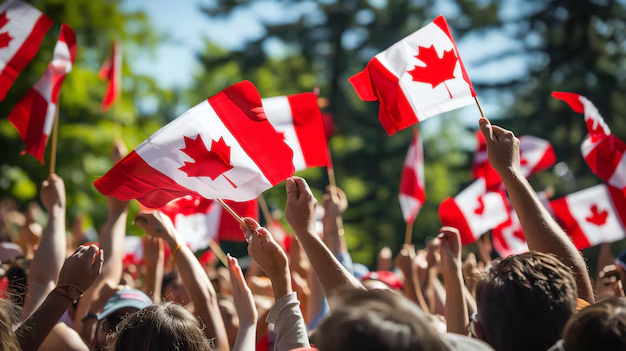
In 1868, Governor General Charles Stanley Monck issued a proclamation calling for a celebration to mark the first anniversary of Confederation. This led to the observance of Dominion Day, which remained the holiday’s official name until it was renamed Canada Day in 1982.
Today, Canada Day is often celebrated with community events, concerts, parades and fireworks. At the same time, it is important to recognize the more difficult parts of Confederation’s history. Indigenous Peoples were not represented at the conferences that led to Confederation, and many policies adopted by later governments had profound and lasting impacts on First Nations, Inuit and Métis communities. These included the expansion of the residential and day school systems, the creation of reserves, and the negotiation and implementation of treaties that often did not reflect the understandings or interests of Indigenous Peoples.
Canada Day offers an opportunity to celebrate our country’s history and accomplishments while also reflecting on the many stories that have shaped our nation. By recognizing both the achievements and challenges of our shared past, we honour those who came before us and gain a deeper understanding of the Canada we continue to build together. Through learning, reflection and respect, history becomes more than a record of the past; it becomes a guide for the future.
Fragile X Awareness Day: July 22
Fragile X Awareness Day is observed annually on July 22. This day is intended to raise awareness, educate the public and raise funds for research to find a cure. Fragile X syndrome (FXS) is a genetic disorder caused by a malfunction of a gene on the X chromosome that inhibits the production of a protein required for normal brain development.
Although both males and females can inherit this disorder, it is more prevalent in males. FXS is the most common inherited cause of both autism and intellectual disabilities in the world.
Diagnosed individuals experience a wide range of symptoms, from mild to severe, including intellectual disabilities, attention deficit hyperactivity disorder, anxiety, unstable mood, autistic behaviours, speech challenges and seizures (25%).
Symptoms of FXS can be treated with various medications and therapy interventions, including occupational therapy, speech therapy and physical therapy.
Presently, there is no cure, but there is hope. The FRAXA Research Foundation is working to find treatments and a cure.
National Disability Independence Day: July 26
In 1990, the Americans with Disabilities Act (ADA) was signed into law. To commemorate this historic event, July 26 is recognized as National Disability Independence Day. The ADA protects people with disabilities from discrimination under the law.
In Canada, Section 15 of the Canadian Charter of Rights and Freedoms protects people with disabilities from discrimination. Like the ADA, the Charter provides legal protections against discrimination. Canada is working toward becoming a barrier-free society by January 1, 2040, as outlined in the Accessible Canada Act.
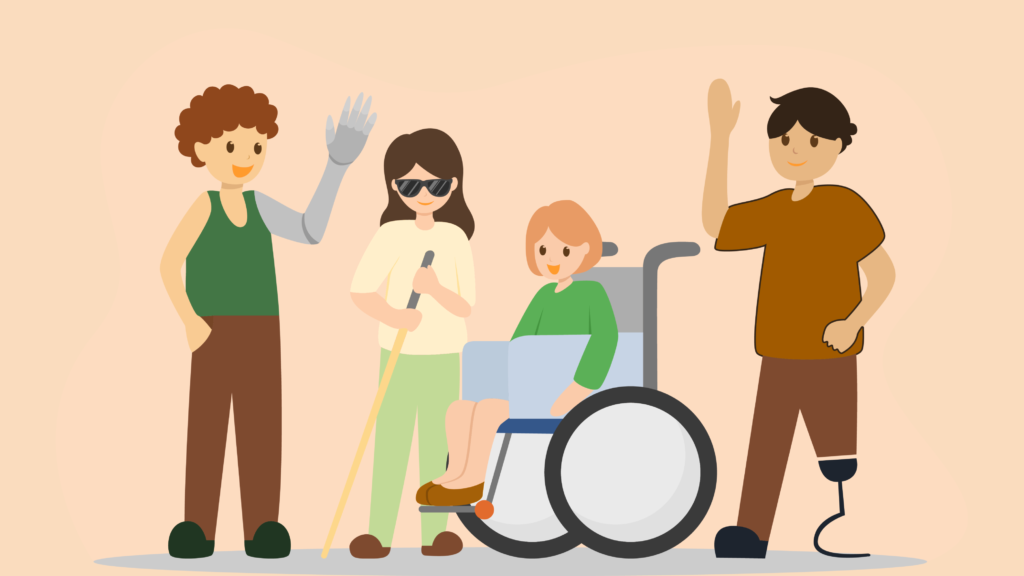
Here are some things to consider when showing allyship to people with disabilities.
Use person-first language: Instead of describing a person by their disability, use language that emphasizes the person first. For example, “Amir uses a wheelchair to help him during the summer, when the heat makes it more challenging for him to walk long distances.”
Listen to people with disabilities when asking how you can help: People’s experiences with disabilities are unique, and we cannot assume when or how they need help. Let the person tell you how you can help. For example, instead of assuming someone with a limb difference needs you to pick up their grocery bag, offer assistance if they need it or wait for them to ask for help.
If you hear or see ableism, say something: Ableism is the belief that people without disabilities are superior to people with disabilities. Old myths and misconceptions can continue if no one speaks up. If you hear a friend, family member or colleague make a comment that perpetuates an ableist stereotype, speak up and use respectful, inclusive language.
MedicAlert Awareness Month: August
August is international MedicAlert Awareness Month, a time to recognize the importance of medical identification for people living with chronic health conditions, severe allergies or memory-related illnesses.
MedicAlert devices, such as bracelets and necklaces, display important medical information that can help first responders provide the right care when someone is unable to share their information. The MedicAlert Foundation maintains a secure digital medical profile that can be accessed by emergency responders when needed.
MedicAlert offers different membership options, including financial support through its IDEA Program for those who may need assistance with costs. This month is an opportunity to learn more about how medical identification can support safety, independence and peace of mind.
Click here to learn more about MedicAlert Awareness Month!
Emancipation Day: August 1
August 1 marks Emancipation Day in Canada, recognizing the abolition of slavery across the British Empire through the Slavery Abolition Act, which came into effect on August 1, 1834. Officially recognized by the Government of Canada in 2021, the day honours the resilience, achievements and contributions of Black communities while acknowledging the lasting impacts of slavery and anti-Black racism.
Emancipation Day provides an opportunity to reflect on Canada’s history and recognize the experiences of enslaved people, as well as the ongoing work to advance equity, inclusion and justice. It also celebrates the many contributions Black Canadians have made, and continue to make, to the country’s social, cultural, economic and political life.
At Grandview Kids, we are committed to fostering a culture where diversity, equity, inclusion and belonging are reflected in the care we provide and the workplace we create. Emancipation Day is an opportunity to learn from the past, celebrate the contributions of Black communities and continue building an environment where every child, youth, family and team member feels valued, respected and included.
International Day of the World’s Indigenous Peoples: August 9
August 9 marks the International Day of the World’s Indigenous Peoples, a day established by the United Nations in 1994 to recognize the histories, cultures and contributions of Indigenous Peoples around the world.
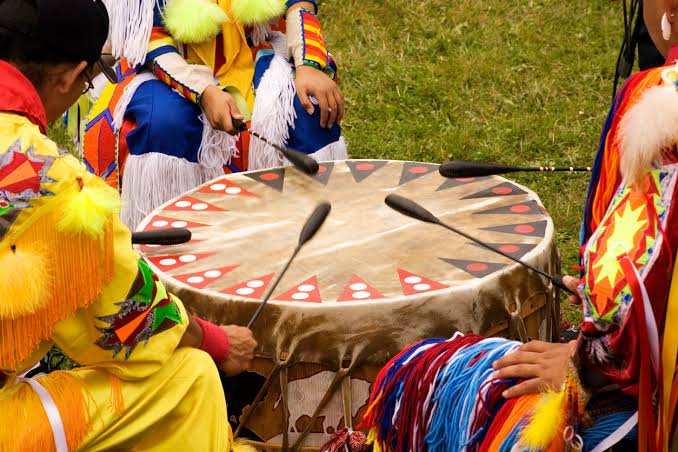
The day provides an opportunity to celebrate the resilience, knowledge and achievements of First Nations, Inuit and Métis Peoples while recognizing the challenges and injustices Indigenous communities have experienced, including the impacts of colonization, residential schools and ongoing barriers to equity and inclusion.
The International Day of the World’s Indigenous Peoples encourages learning, reflection and action. It is a time to honour Indigenous voices, traditions and ways of knowing while recognizing the important role Indigenous Peoples continue to play in shaping communities, protecting the environment and strengthening relationships across Canada.
Obon Festival: August 13 to 16
Obon (お盆), also known simply as Bon (盆), is a traditional Japanese festival that combines ancient beliefs about ancestral spirits with Buddhist customs that honour ancestors. Over the centuries, it has evolved into a time for family reunions, when people return to their hometowns to visit and clean the graves of their ancestors. It is believed that during Obon, the spirits of ancestors return to their family homes, where they are welcomed through household altars and memorial rituals. The festival has been celebrated in Japan for more than 500 years and is well known for its traditional Bon Odori dances.

Obon is celebrated over three days, although the dates vary by region. Originally observed on the 15th day of the seventh month of the lunar calendar, the festival shifted to different dates across Japan after the adoption of the Gregorian calendar during the Meiji era.
One of the most common observances is Shichigatsu Bon (“Bon in July”), held on July 15 according to the Gregorian calendar. This schedule is followed in Tokyo and some urban areas of the Tōhoku and Hokuriku regions, where it avoids conflicts with the agricultural busy season.
Check out more Grandview Kids articles
- Building belonging through family leadership
- September 2026: Dates of Significance
- Celebrating Camp at Grandview Kids
- Celebrating International Youth Day!
- Living beyond expectations: Haylee’s journey with SMA Type 1