• Skip to primary navigation
  • Skip to main content
  • Skip to primary sidebar
Grandview Kids Logo

Grandview Kids

Every Child And Youth Living Life At Their Full Potential

  • About Us
    • Vision, Mission and Values
    • The New Grandview Kids
      • Operational Readiness
      • Visiting Grandview Kids’ Ajax Headquarters
    • Our History
    • Leadership
    • Board of Directors and Committees
    • Annual Report
    • Strategic Plan
    • Policies
  • Calendar
  • Annual Report
  • Contact
    • Contactez – nous
    • Ajax – Headquarters
    • Bowmanville Health Centre
    • Grandview School
    • Oshawa – Dwyer
    • Port Perry
    • Whitby – Abilities Centre
  • Careers
  • Register
  • Donate
  • Instagram
  • LinkedIn
  • Facebook
  • Services and Programs
    • Audiology
    • Autism Program
      • Autism Spectrum Disorder (ASD) Diagnostic Hub
      • Caregiver-Mediated Early Years Programs
      • OAP Core Clinical Services
      • Entry to School Program
      • Foundational Family Services
    • Blind-Low Vision Program
    • Extensive Needs Service
    • Family Engagement Program
      • Adolescent Transition Program
      • Family Leader Program
        • Family Advisory Council
        • Paid Advocates
        • Youth Advisory Council
    • Infant Hearing Program
    • Medical Services
      • Autism Spectrum Disorder (ASD) Diagnostic Hub
      • Complex Care Program
      • Grandview Anesthesia Procedure (GAP) Clinic
      • Hypertonia Clinic
      • Nutrition Services
      • Orthopaedic Clinic
    • Occupational Therapy
    • Physiotherapy
    • Preschool Outreach Program
    • School Programs & Resources
      • Resources for Educators
      • School-Based Rehabilitation
    • Service Navigation
      • SmartStart Hub: Parents
      • SmartStart Hub: Partners
    • Social Work
    • Speech-Language Pathology
      • Augmentative and Alternative Communication
    • Therapeutic Recreation
  • Purchased Services
    • Inclusive Recreation
    • OAP Core Clinical Services
      • Behaviour Services
  • Research
    • Get involved in research
    • IDEA Study
      • Building knowledge and understanding of the intersection of race and disability in accessing pediatric rehabilitation services.
    • Research Associate: Dr. Fiona Moola
    • Research Associate: Dr. Meghann Lloyd
  • Resources
    • Ability Acceptance Program
    • Arriving at Grandview Kids
    • Community Supports & Resources
    • Family Support Fund
    • Free to Read Program
    • Frequently Asked Questions
    • Gather by Grandview Kids
    • News and Updates
    • Privacy
    • Resources for Parents and Caregivers
    • Visiting Grandview Kids
  • Support Us
    • Ways to support
    • Host a fundraiser
    • Participate in an event
      • Golf Fore Grandview Kids
      • Sponsor the Drum
      • Dream Big, Dream Brighter Awards Gala
    • Leave a legacy
      • Gifts of securities
      • Gifts of bequests
      • Gifts of life insurance
    • Your impact
    • Building a Legacy: Honouring Jerry Coughlan
  • I Want To…
    • Connect with Grandview Kids
    • Donate
    • Refer a child or youth
    • Register via My Community Hub
    • Schedule an Appointment
    • Volunteer at Grandview Kids
    • Work at Grandview Kids
  • Grandview School
    • About Our Program
    • About Our Board
    • Grandview School Social Story
    • Plans and Reports
    • Resources for Families
    • Resources for Schools – Switch It Up!
    • Careers and Volunteering
    • Contact Grandview School
  • Search

Posted July 31, 2026

Living beyond expectations: Haylee’s journey with SMA Type 1 

Social Work

As Spinal Muscular Atrophy (SMA) Awareness Month shines a light on the realities of living with SMA, Haylee’s story stands as a powerful reminder of what love, advocacy and community support can achieve. 

This October, Haylee will celebrate her 18th birthday. She is the longest-living child with SMA Type 1 in Ontario and tied as the second longest-living in Canada. Her family lovingly refers to her as an “elder” within the SMA Type 1 community, a distinction few children with her diagnosis have historically reached. 

SMA is a rare genetic condition that affects the nerves that control muscle movement. In simple terms, the body cannot produce enough of a protein that motor neurons need to survive, causing muscles to become progressively weaker. SMA Type 1 is the most severe form, typically appearing in infancy. Children with Type 1 often struggle to sit independently, hold up their heads, swallow and breathe. 

Haylee’s symptoms began when she was just a baby. Amanda noticed her daughter seemed weaker than her three older siblings, had difficulty holding her head up, sweated excessively and breathed heavily. At six months old, after several frightening medical emergencies, including a cardiac arrest that required resuscitation, Haylee was diagnosed with SMA Type 1. At the time, the outlook presented to families was bleak and the standard approach for many children with SMA Type 1 was very different from today’s care options. 

Amanda refused to accept that her daughter’s life should be measured by limitations. “I wanted to give Haylee the dignity to live and make her as comfortable and happy as she can be,” she shares. She researched relentlessly, connected virtually with SMA families around the world and advocated fiercely for care that would allow Haylee to live, not simply survive.  

A turning point came through the support of Dr. Forte at The Hospital for Sick Children (SickKids). While tracheostomies for children with SMA Type 1 were highly controversial at the time, Dr. Forte listened to Amanda’s goals that were achievable with a tracheotomy. Her goals were simple: she wanted a way to feed her daughter, help her breathe, andbring her home. He supported Haylee’s tracheostomy, enabling her to receive a feeding tube and eventually leave the hospital. Amanda credits his willingness to trust parents and think differently as life-changing. Dr. Forte continued to follow Haylee’s journey long after her surgery and remained a cherished part of her story until his passing in 2024.

Haylee has been living at home surrounded by the people who love her most since infancy. Her days are supported by a ventilator, tracheostomy, feeding tube, wheelchair, cough-assist machine, oxygen, nebulizer, specialized bed and a dedicated team of nurses. Despite her physical limitations, Haylee is bright, opinionated and joyful. She loves the colours pink, purple and yellow. She enjoys Dora, plays video games using customized switches and effectively communicates her desire to be included in decisions about her care. 

Haylee’s success at home has helped transform care for families worldwide. At just five years old, she became part of an international initiative demonstrating that children with SMA Type 1 could safely thrive at home rather than remain in intensive care units. Families and healthcare teams from around the globe visited virtually and in person to learn from Haylee’s home-care model, helping pave the way for many children to return home to their families. 

Throughout this journey, Grandview Kids has been a constant source of support. From occupational therapy and customized equipment to opportunities for social connection, Grandview Kids helped Haylee participate more fully in life. Amanda is especially grateful for social worker Stephanie S., whose willingness to listen, share resources and value the family’s expertise made a lasting difference. 

Amanda’s advice to parents and caregivers of children with SMA

  • Reach out to your community and connect with SMA support groups. 
  • Learn the standards of care and be proactive. 
  • Ask questions and advocate for your child. 
  • Trust your instincts and trust your child. 
  • Remember that your child knows their own body and care needs. 
  • Don’t be afraid to use available resources and supports. 
  • Make cough-assist therapy a priority. 
  • Find balance between modern medicine and everyday wellness. 
  • Most importantly: “You’re going to be okay. It’s going to be okay.” 
Written by Grandview Kids Social Worker, Mandy

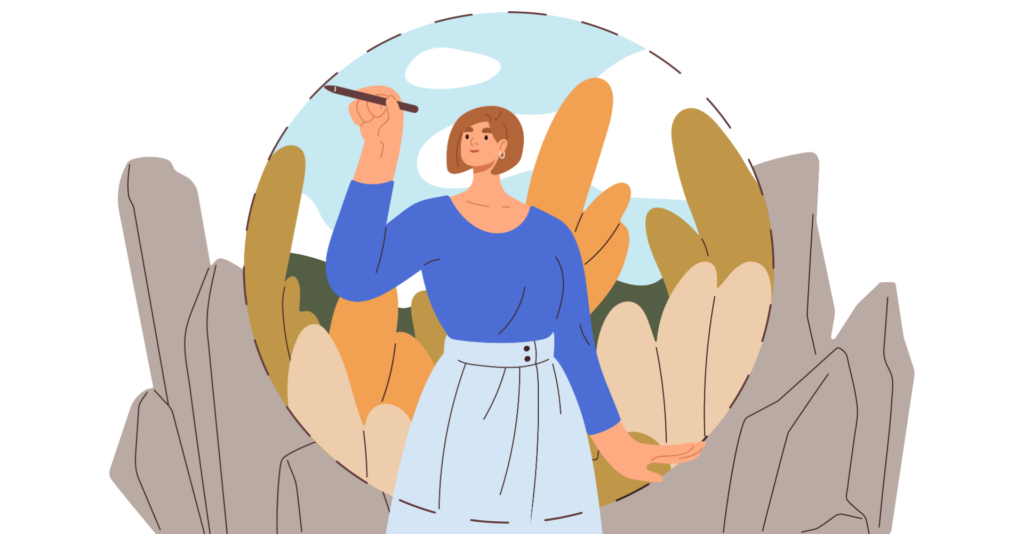
Healthy boundaries are evident when people feel comfortable and safe. Boundaries are an important part of any relationship, personal or professional, for individuals to feel respected and to be respectful to others. They recognize that interactions include emotional, physical, use of time, intellectual, material (i.e., loaning money), relationship, professional and digital or online.

A graphic depicting a cartoon woman drawing a circular boundary around her in a lush landscape.

Healthy boundaries are:

  • A safeguard to overextending yourself
  • A self-care practice
  • A way of defining roles in a relationship
  • Strategies to communicate acceptable and unacceptable behaviours
  • Perimeters for knowing what to expect in relationships
  • How we can express our own needs

Boundaries are based on values and are individual to each of us. What is comfortable for one may not be for another. As important as it is to set your own boundaries, it is just as important to recognize and respect the boundaries of others.

However, this is sometimes a difficult feat. If this is a challenge for you, know that you are not alone. Our life experiences define our boundaries, and others can influence us until we identify the need to define them ourselves.

Consider a time that you felt uncomfortable or unsafe with someone. For example, you feel that you cannot express your own opinion in a family discussion for fear of being ridiculed. That is usually indicative of a pattern in the family dynamics. Replay that same scenario in your head, but imagine you are using confident body language and assertive communication.

  • “I can see where you are coming from. However, my experience with this is…”

If the person you are interacting with becomes disrespectful towards you, you can say “no.” Everyone always has the right to say no, whether it’s a friend asking for favours or someone threatening your personal safety.

  • “I’m not comfortable with this…”
  • “Please don’t do that…”
  • “I’ve decided not to…”

An explanation isn’t required, but use ‘I’ statements if you want to.

  • “I feel that you are taking advantage of me when you ask me to…”
  • “I feel disrespected when you speak to me like that…”

On the flip side is respecting the boundaries of others. Remember that these are all individual. You may be someone who likes to hug but physical touch could be triggering for some people.

  • “Is it ok if I give you a hug?”
  • “I would prefer if you didn’t.”
  • “Ok, I’ll remember that from now on.”

Hot topics, such as politics and religion, can be uncomfortable conversations for some. You can start a respectful conversation by explaining your own boundaries.

  • “I am very thoughtful about the election. Can we discuss that?”
  • “I am also very thoughtful about it but am uncomfortable discussing politics.”
  • “That’s understandable. What would you like to talk about?”

A healthy interaction is a give-and-take activity. If you start to feel unheard, disrespected or uncomfortable, that means that you are giving too much of yourself in that scenario, and it’s a good time to bring out your boundaries. If you notice someone you are speaking with seems uncomfortable or angry, consider that you might be taking too much in that conversation and need to respect other’s boundaries.

Remember that your self-care is top priority!

March 3 to 9 is Social Work Week in Ontario, and across Canada, March is National Social Work Month. This March, we invite you to how social workers are meeting Ontarians where they are, when it matters most. The 2025 theme, Wherever you are, #SoAreWe, speaks to the availability and versatility of the social work profession, highlighting its critical role in addressing a growing and universal problem – access to care.

What is a Social Worker? 

Social Work is a profession aimed at helping individuals, families and communities to build capacity and promote wellbeing. They can help to identify sources of stress or problems, strengthen coping skills and find effective solutions. Social workers are unique among helping professionals because they look at people’s problems within the context of their families, workplace and communities and consider the connection between personal problems and larger social issues (Ontario Association of Social Workers, 2025).  

Receiving and navigating through a disability diagnosis for your child is complicated and confusing and often evokes many difficult emotions, thoughts, and worries about the future. Parents and caregivers are often left to search for support in a convoluted system with little direction while caring for their child and/or family and managing their own well-being. This is an overwhelming time in a family’s life, and Social Workers at Grandview Kids play a unique role in the care team.

Social Workers can help your family understand your child’s diagnosis, assist in developing coping strategies and connect your family with programs or services in the community. Social Workers aim to include and promote the best interests of the entire family that may be impacted by a disability.  

Social Workers assist families in processing their emotions and thoughts and navigating the next steps regarding a child’s disability. Social Work Services at Grandview Kids can include individual, family or group counselling for caregivers/parents, clients and siblings and are provided by Registered Social Workers and Family Support Assistants. These services can also assist with resource coordination, transition support, and funding assistance to clients and their families.  

How to access Social Work at Grandview Kids and beyond:

Any child who is receiving Speech Therapy, Occupational Therapy, or Physiotherapy may be eligible for Social Work Services at Grandview Kids. Ask your clinician about Social Work Services, and they can complete a referral to our team.  

When you meet with a Social Worker, they will complete an intake assessment to better understand your current goals and support needs. From that point, you will work with your Social Worker towards those goals. Your Social Worker will be a supportive member of your child’s team that works collaboratively with your family, their Grandview Team, and other community members that may be supporting your child or family. 

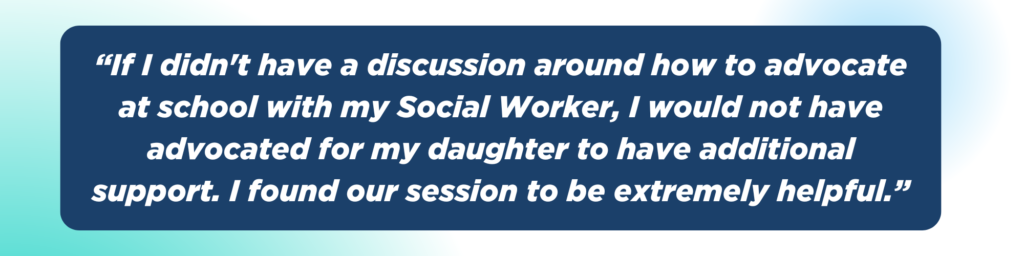
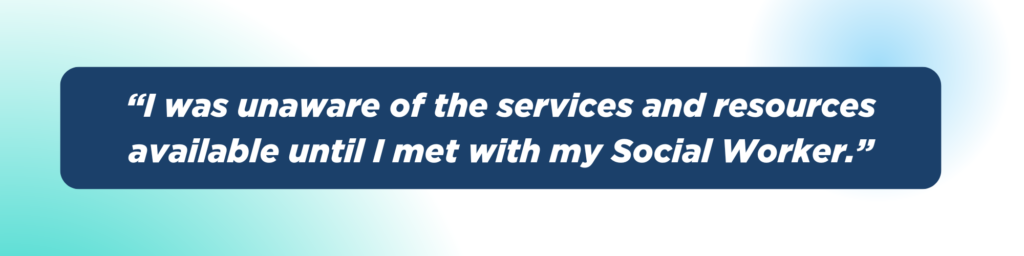
Feedback from Grandview Kids families about Social Work: 


Myths About Social Workers  

Source: Ontario Association of Social Workers 

Myth: For psychotherapy or mental health services, you need to see a psychologist or psychiatrist. 

FACT: Social Workers are the largest group of practitioners providing psychotherapy and other mental health services in the province. In fact, Social Workers are often the only mental health care providers in many rural and remote communities.  

Myth: Anyone who has a kind heart can do what a Social Worker does. 

FACT: Social Workers are highly skilled professionals who have a university degree in Social Work at the bachelor’s, master’s, or doctoral level. 

Myth: Social Workers are bleeding hearts. 

FACT: Social workers believe that many factors affect the health and well-being of individuals and communities. In fact, a growing body of research supports the conclusion that the roots of health and well-being can be found in such factors as access to early childhood education and care, education and literacy, employment and working conditions, income and distribution, housing, social inclusion, etc.  

Thank you to our amazing Social Work team for making a difference to clients and families. Join us in celebrating them this #SocialWorkMonth.

Grandview Kids joins a community in mourning following the loss of Draven Graham.

Draven Graham was a young boy with Autism who tragically passed away early this week in Lindsay, Ontario. Grandview Kids extends our deepest condolences to Draven’s family and friends during this difficult time. Many of us within the Durham, Lindsay and Autism communities remain shaken by this tragedy.

Traumatic events can impact those directly or indirectly involved. It is natural to experience all kinds of emotions, from shock or sadness to anger or fearfulness. You may also experience physical or behavioural responses such as changes to your sleep or eating patterns, forgetfulness, increased vigilance, withdrawal or irritability. These reactions are all part of the grief experienced when we suffer a loss.

Here are some things to consider:

  • Reach out to friends and family. Let them know what would be helpful during this difficult time.
  • Be kind to yourself and be aware of your feelings. Try not to judge and be patient. Time will often ease the intensity of your reactions.
  • Reduce other stressors when possible and try to engage in a relaxing activity, like a hobby, exercise or leisure activity.
  • Look after your physical health. Maintain good sleep, eating and exercise habits.
  • Focus on what you can control in your life and engage in routine activities.  
  • Express your feelings tangibly or creatively by writing in a journal, doing an art activity, or volunteering for a cause.
  • If your reactions are intense and enduring, talk to your doctor or connect with a mental health professional.

There are many professional services that you and your family can access:

  • Distress Centre Durham: 905-430-2522
  • Durham Mental Health Services Crisis Response: 905-666-0483
  • Bereaved Families of Ontario Durham Region: 1-800-387-4870
  • Durham Counselling Walk-in Clinic (ages three to 19 years): 289-509-0603 extension 3203
  • Kids Help Phone (ages five to 20 years): 1-800-668-6868

Grandview parents and caregivers can lean on each other by accessing the Online Parent Support page through Facebook. Families currently accessing Grandview Kids Social Work services can reach out to their clinician for advice and insight.

Tragedies such as this bring our community closer together. Connect with one another and know there are many professionals and peers ready to support you.


Promotional banner for the #MoreThanEver Ontario Social Work week campaign.

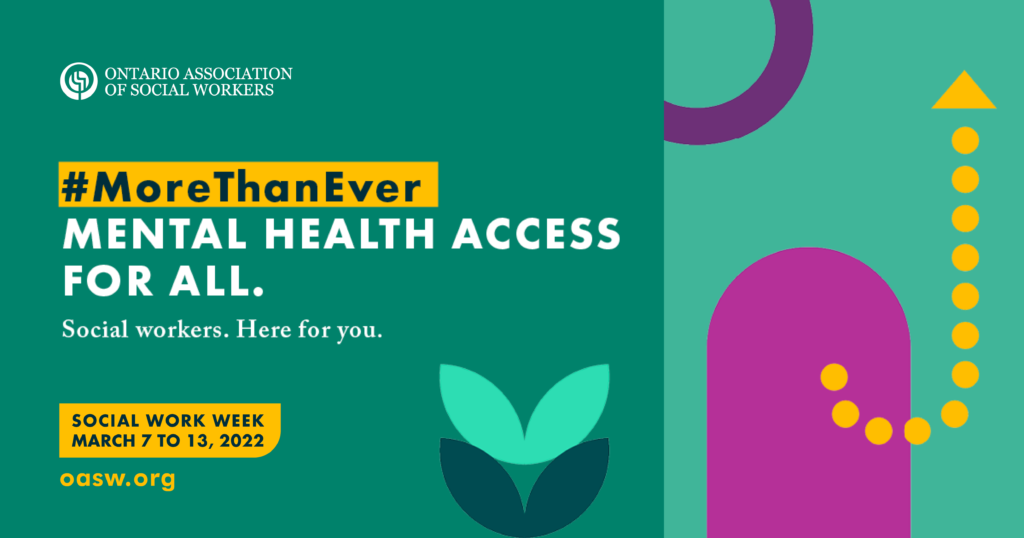
March 7-13 is Social Work week in Ontario, allowing a chance to pause and celebrate Social Workers’ contributions towards supporting mental health. The theme of #MoreThanEver speaks to ensuring timely access to high-quality mental health services. Social Workers have been at the frontline throughout the pandemic and are focused on the path towards recovery.

Social Work is a profession aimed at helping individuals, families and communities to build capacity and promote wellbeing. Social Workers at Grandview Kids hold a Masters of Social Work degree and are registered with their College. They offer counselling, resource coordination, transition support and funding assistance. Grandview Kids Social Workers support children, youth and families to cope with the impact of disability and complex health needs.

Promotional graphic for the #MoreThanEver Ontario Social Work week campaign.

What Grandview clients and families say about their Social Workers

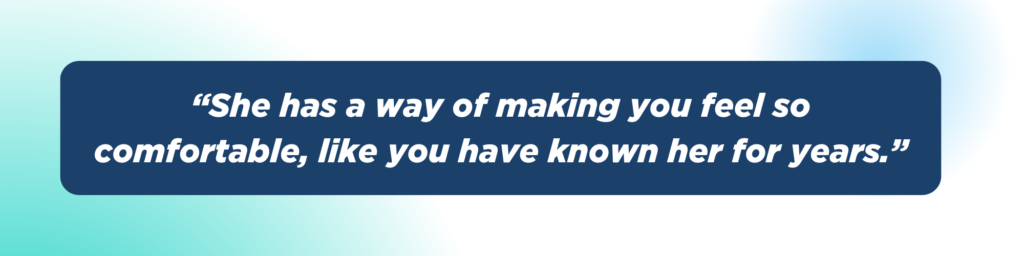
“She has a way of making you feel so comfortable like you have known her for years.”


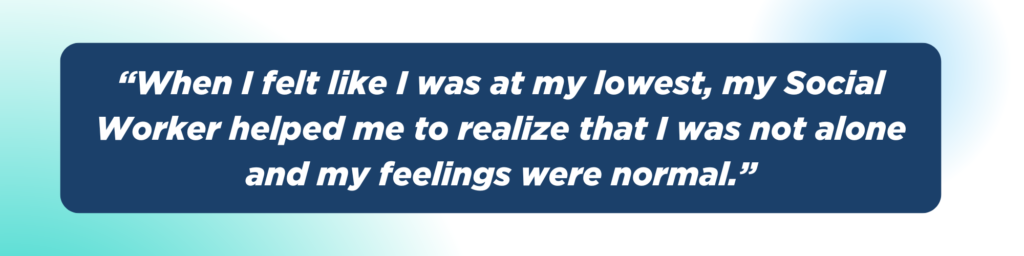
“When I felt like I was at my lowest, my Social Worker helped me to realize that I was not alone and my feelings were normal.”


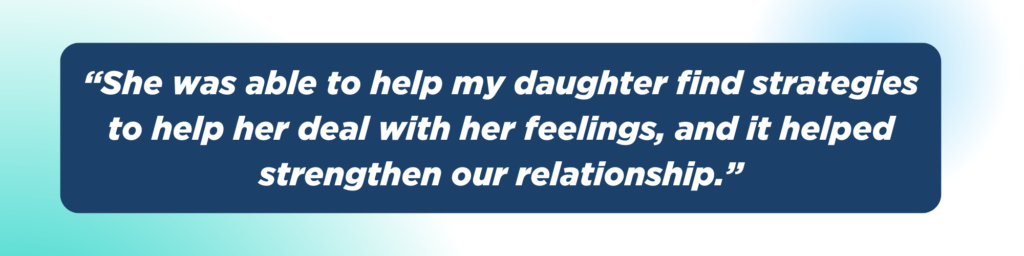
“She was able to help my daughter find strategies to help her deal with her feelings and it helped strengthen our relationship”.

Thank you to our incredible team of Social Workers at Grandview Kids for the fantastic and vital work that you do every day!

Primary Sidebar

Child Stories

ICAudGItaW1hZ2V7cG9zaXRpb246cmVsYXRpdmU7dHJhbnNpdGlvbjp0cmFuc2Zvcm0gMC4yNXMgZWFzZX0ud3AtYmxvY2staW1hZ2UgLnRiLWltYWdlLmFsaWduY2VudGVye21hcmdpbi1sZWZ0OmF1dG87bWFyZ2luLXJpZ2h0OmF1dG99LnRiLWltYWdlIGltZ3ttYXgtd2lkdGg6MTAwJTtoZWlnaHQ6YXV0bzt3aWR0aDphdXRvO3RyYW5zaXRpb246dHJhbnNmb3JtIDAuMjVzIGVhc2V9LnRiLWltYWdlIC50Yi1pbWFnZS1jYXB0aW9uLWZpdC10by1pbWFnZXtkaXNwbGF5OnRhYmxlfS50Yi1pbWFnZSAudGItaW1hZ2UtY2FwdGlvbi1maXQtdG8taW1hZ2UgLnRiLWltYWdlLWNhcHRpb257ZGlzcGxheTp0YWJsZS1jYXB0aW9uO2NhcHRpb24tc2lkZTpib3R0b219IC53cC1ibG9jay1pbWFnZS50Yi1pbWFnZVtkYXRhLXRvb2xzZXQtYmxvY2tzLWltYWdlPSJhMWJlMmUyODAwMWFkMGRlMjBhM2RlZWVlYmE5MDJhMSJdIHsgbWF4LXdpZHRoOiAxMDAlOyB9IEBtZWRpYSBvbmx5IHNjcmVlbiBhbmQgKG1heC13aWR0aDogNzgxcHgpIHsgICAudGItaW1hZ2V7cG9zaXRpb246cmVsYXRpdmU7dHJhbnNpdGlvbjp0cmFuc2Zvcm0gMC4yNXMgZWFzZX0ud3AtYmxvY2staW1hZ2UgLnRiLWltYWdlLmFsaWduY2VudGVye21hcmdpbi1sZWZ0OmF1dG87bWFyZ2luLXJpZ2h0OmF1dG99LnRiLWltYWdlIGltZ3ttYXgtd2lkdGg6MTAwJTtoZWlnaHQ6YXV0bzt3aWR0aDphdXRvO3RyYW5zaXRpb246dHJhbnNmb3JtIDAuMjVzIGVhc2V9LnRiLWltYWdlIC50Yi1pbWFnZS1jYXB0aW9uLWZpdC10by1pbWFnZXtkaXNwbGF5OnRhYmxlfS50Yi1pbWFnZSAudGItaW1hZ2UtY2FwdGlvbi1maXQtdG8taW1hZ2UgLnRiLWltYWdlLWNhcHRpb257ZGlzcGxheTp0YWJsZS1jYXB0aW9uO2NhcHRpb24tc2lkZTpib3R0b219IH0gQG1lZGlhIG9ubHkgc2NyZWVuIGFuZCAobWF4LXdpZHRoOiA1OTlweCkgeyAgIC50Yi1pbWFnZXtwb3NpdGlvbjpyZWxhdGl2ZTt0cmFuc2l0aW9uOnRyYW5zZm9ybSAwLjI1cyBlYXNlfS53cC1ibG9jay1pbWFnZSAudGItaW1hZ2UuYWxpZ25jZW50ZXJ7bWFyZ2luLWxlZnQ6YXV0bzttYXJnaW4tcmlnaHQ6YXV0b30udGItaW1hZ2UgaW1ne21heC13aWR0aDoxMDAlO2hlaWdodDphdXRvO3dpZHRoOmF1dG87dHJhbnNpdGlvbjp0cmFuc2Zvcm0gMC4yNXMgZWFzZX0udGItaW1hZ2UgLnRiLWltYWdlLWNhcHRpb24tZml0LXRvLWltYWdle2Rpc3BsYXk6dGFibGV9LnRiLWltYWdlIC50Yi1pbWFnZS1jYXB0aW9uLWZpdC10by1pbWFnZSAudGItaW1hZ2UtY2FwdGlvbntkaXNwbGF5OnRhYmxlLWNhcHRpb247Y2FwdGlvbi1zaWRlOmJvdHRvbX0gfSA=
LnRiLWhlYWRpbmcuaGFzLWJhY2tncm91bmR7cGFkZGluZzowfQ==
LnRiLWZpZWxke21hcmdpbi1ib3R0b206MC43NmVtfS50Yi1maWVsZC0tbGVmdHt0ZXh0LWFsaWduOmxlZnR9LnRiLWZpZWxkLS1jZW50ZXJ7dGV4dC1hbGlnbjpjZW50ZXJ9LnRiLWZpZWxkLS1yaWdodHt0ZXh0LWFsaWduOnJpZ2h0fS50Yi1maWVsZF9fc2t5cGVfcHJldmlld3twYWRkaW5nOjEwcHggMjBweDtib3JkZXItcmFkaXVzOjNweDtjb2xvcjojZmZmO2JhY2tncm91bmQ6IzAwYWZlZTtkaXNwbGF5OmlubGluZS1ibG9ja311bC5nbGlkZV9fc2xpZGVze21hcmdpbjowfQ==

Ryan’s ARFID Story – Eating Disorder Awareness Week

Ryan’s ARFID Story  Written by IDEA committee member and Grandview Kids parent, Abby V. Eating Disorder Awareness Week (EDAW) occurs from February 1 to 7 annually across Canada. This week...

Latest Updates

  • Building belonging through family leadership August 31, 2026
  • September 2026: Dates of Significance August 31, 2026
  • Celebrating Camp at Grandview Kids August 31, 2026
  • Celebrating International Youth Day! July 31, 2026
  • Living beyond expectations: Haylee’s journey with SMA Type 1  July 31, 2026

You Have Questions

We’d like to help you find the answers…

Contact Us Today

© Grandview Kids Built by PeaceWorks

  • About Us
  • Contact Us
  • Privacy
Accessibility Adjustments

Powered by OneTap

How long do you want to hide the toolbar?
Hide Toolbar Duration
Select your accessibility profile
Vision Impaired Mode
Enhances website's visuals
Seizure Safe Profile
Clear flashes & reduces color
ADHD Friendly Mode
Focused browsing, distraction-free
Blindness Mode
Reduces distractions, improves focus
Epilepsy Safe Mode
Dims colors and stops blinking
Content Modules
Font Size

Default

Line Height

Default

Color Modules
Orientation Modules