• Skip to primary navigation
  • Skip to main content
  • Skip to primary sidebar
Grandview Kids Logo

Grandview Kids

Every Child And Youth Living Life At Their Full Potential

  • About Us
    • Vision, Mission and Values
    • The New Grandview Kids
      • Operational Readiness
      • Visiting Grandview Kids’ Ajax Headquarters
    • Our History
    • Leadership
    • Board of Directors and Committees
      • Join our Board of Directors and Committees
    • Annual Report
    • Strategic Plan
    • Policies
  • Calendar
  • Annual Report
    • Strategic Direction 1: Deliver meaningful, efficient client and caregiver outcomes and experiences
    • Strategic Direction 2: Foster a thriving, connected Team Grandview
    • Strategic Direction 3: Collaborate with partners to maximize impact, focusing on Durham Region
    • The New Grandview Kids – The Jerry Coughlan Building
    • 2024-25 Financial Statement
    • Grandview Kids Foundation update
    • Grandview School update
  • Contact
    • Contactez – nous
    • Ajax – Headquarters
    • Bowmanville Health Centre
    • Grandview School
    • Oshawa – Dwyer
    • Port Perry
    • Whitby – Abilities Centre
  • Careers
  • Register
  • Donate
  • Instagram
  • LinkedIn
  • Facebook
  • Services and Programs
    • Audiology
    • Autism Program
      • Autism Spectrum Disorder (ASD) Diagnostic Hub
      • Caregiver-Mediated Early Years Programs
      • OAP Core Clinical Services
      • Entry to School Program
      • Foundational Family Services
    • Blind-Low Vision Program
    • Extensive Needs Service
    • Family Engagement Program
      • Adolescent Transition Program
      • Family Leader Program
        • Family Advisory Council
        • Youth Advisory Council
    • Infant Hearing Program
    • Medical Services
      • Autism Spectrum Disorder (ASD) Diagnostic Hub
      • Complex Care Program
      • Grandview Anesthesia Procedure (GAP) Clinic
      • Hypertonia Clinic
      • Nutrition Services
      • Orthopaedic Clinic
    • Occupational Therapy
    • Physiotherapy
    • Preschool Outreach Program
    • School Programs & Resources
      • Resources for Educators
      • School-Based Rehabilitation
    • Service Navigation
      • SmartStart Hub: Parents
      • SmartStart Hub: Partners
    • Social Work
    • Speech-Language Pathology
      • Augmentative and Alternative Communication
    • Therapeutic Recreation
  • Purchased Services
    • Beyond the Walls
    • Summer Camp 2026
    • OAP Core Clinical Services
      • Behaviour Services
  • Research
    • Get involved in research
    • IDEA Study
      • Building knowledge and understanding of the intersection of race and disability in accessing pediatric rehabilitation services.
    • Research Associate: Dr. Fiona Moola
    • Research Associate: Dr. Meghann Lloyd
  • Resources
    • Ability Acceptance Program
    • Arriving at Grandview Kids
    • Community Supports & Resources
    • Family Support Fund
    • Free to Read Program
    • Frequently Asked Questions
    • Gather by Grandview Kids
    • News and Updates
    • Privacy
    • Resources for Parents and Caregivers
    • Visiting Grandview Kids
  • Support Us
    • 50/50 Lottery
    • Ways to support
    • Host a fundraiser
    • Participate in an event
      • Golf Fore Grandview Kids
      • Sponsor the Drum
      • Dream Big, Dream Brighter Awards Gala
    • Leave a legacy
      • Gifts of securities
      • Gifts of bequests
      • Gifts of life insurance
    • Your impact
    • Building a Legacy: Honouring Jerry Coughlan
  • I Want To…
    • Connect with Grandview Kids
    • Donate
    • Refer a child or youth
    • Register via My Community Hub
    • Schedule an Appointment
    • Volunteer at Grandview Kids
    • Work at Grandview Kids
  • Grandview School
    • About Our Program
    • About Our Board
    • Grandview School Social Story
    • Plans and Reports
    • Resources for Families
    • Resources for Schools – Switch It Up!
    • Careers and Volunteering
    • Contact Grandview School
  • Search

Posted June 21, 2021

Behavioural Skills Training (BST)

Autism Program

The Ultimate Training Technique!

Written by Grandview Kids Autism Therapy Assistant Samantha


Do you ever wonder what the process is on how we train staff and parents in Applied Behaviour Analysis (ABA)? Well, the most likely answer is by using a technique called Behavioural Skills Training or BST.

Behavioural Skills Training is broken down into four parts: instruction, modelling, practice/rehearsal and feedback.

Instruction

Instruction refers to telling the parent or trainee what to do and explaining why we do it. Too often, people stop at this step or do not explain the why behind our actions. Adequate training involves more than just the explanation! Parents and trainees need to understand the reasoning behind why we do certain things instead of just telling them, “you need to do it this way.”

Modelling

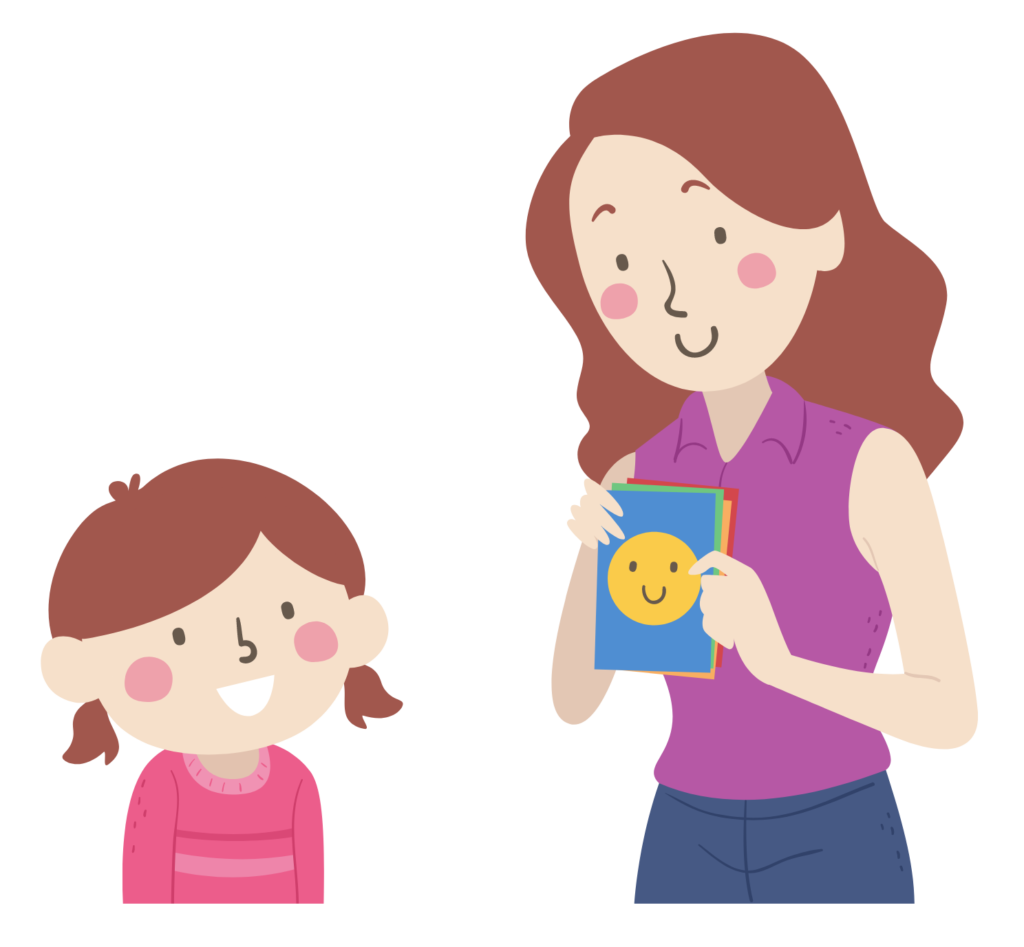
Modelling refers to the clinician modelling or showing the parent/trainee what to do. This step should be completed in the natural environment with the client or your child when possible. For example, if a clinician is training you on effectively transitioning your child into the school, the clinician would model the skill during a regular transition. This allows you to see the skill in action! However, if modelling in the natural environment is not possible, you can perform role-play scenarios!

Practice/Rehearsal

Practice makes perfect! This is the most important step, as this is where the trainee or parent gets to practice the skill they just learned. Similar to the modelling step, this step should also be completed in the natural environment when possible. It allows trainees to experience it like they would in a real situation.

Feedback

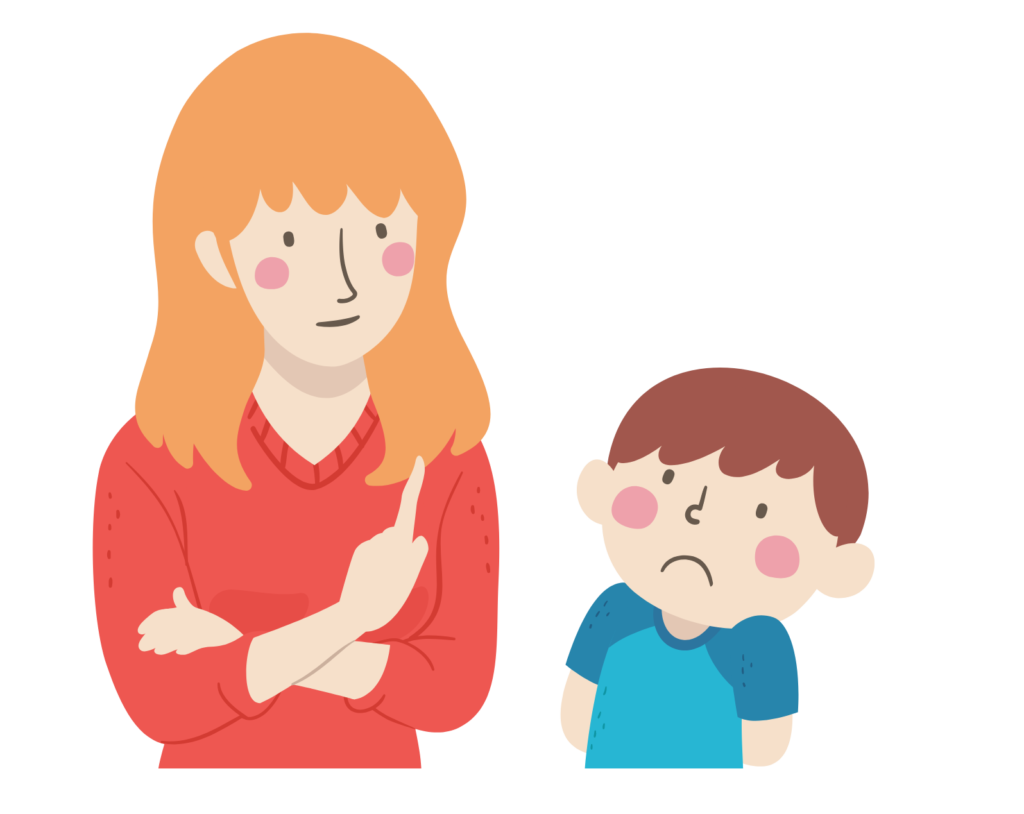
Feedback is when the clinician gives the trainee or parent some immediate feedback on what they did correctly and what they need to improve. Feedback should be immediate, so the trainee can fix it right away and keep practicing! This also allows the parent or trainee to ask questions if they need clarifications.

Other Uses of BST:

Behavioural Skills Training can also be effective for teaching skills to children! Some examples of skills that can be taught using BST are:

  • Accepting outcomes of games (winning/losing appropriately)
  • How to interrupt a conversation
  • Safety skills (e.g., what to do if you are lost)

Understanding your child’s behaviour

Written by Grandview Kids Autism Therapy Assistants Dana and Yogeetha


Parents and caregivers are encouraged to seek the support of a professional trained in Applied Behaviour Analysis (ABA) if their child is engaging in challenging behaviour that is causing harm to themselves or others and/or maybe impacting their ability to access various environments experiences.

Behaviour is anything a living thing does… eating…. breathing…. walking…. reading…. crying… these are all human behaviours. Unfortunately, many parents struggle to manage challenging behaviour with their child (example: kicking, hitting, yelling). As a parent, you may be thinking, should I ignore the behaviour and hope it stops? Should I use time-outs? Why isn’t my discipline working?

Here are some tips to guide and assist with better understanding your child’s challenging behaviour. 

The ABC’s of Behaviour

All behaviours have a function or reason for occurring. Collecting ABC data and reviewing the findings will help modify our approach to change the behaviour.

Scenario: Billy is at the grocery store with his parents. He asks for a candy bar. His parents say “no” as he will be having dinner soon. Billy throws a tantrum by crying and flopping on the floor.  To stop the tantrum, the parents give him a candy bar.

A is the antecedent. This refers to what happens BEFORE the behaviour occurs.

Example: Billy asks for candy bar.

B is the behaviour. This refers to any action that can be SEEN or HEARD following the antecedent. What is the child doing?

Example: Billy throws a tantrum by crying and flopping to the floor.

C is the consequence. This refers to what happens AFTER the behaviour occurs. 

Example: Billy is given the candy bar. Billy stops crying.

Remember all behaviours have a function! What is maintaining the behaviour or keeping it going? In order to answer this question, we will look at the 4 functions of behaviour: 

1. Access to tangibles

Wanting to gain access to a specific item or activity. 

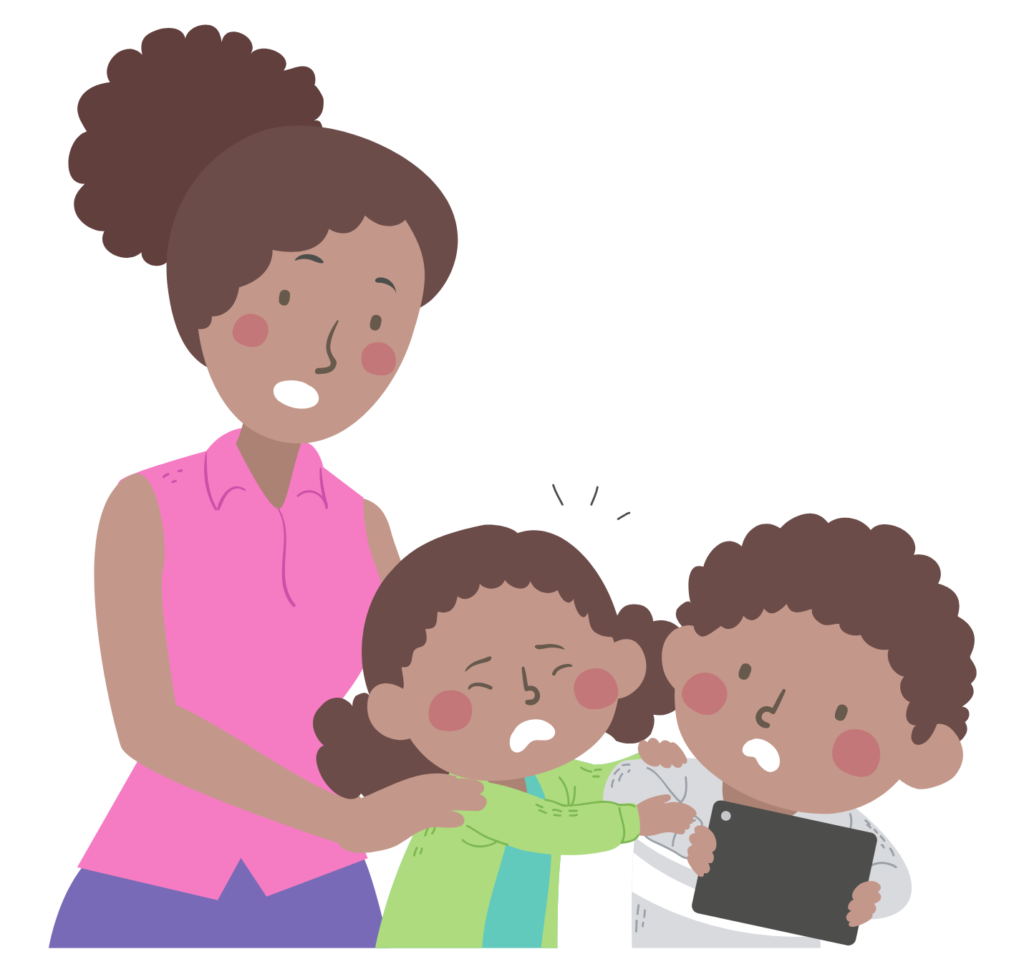
Example: Child may cry and scream as a way of requesting or wanting access to the iPad. If crying/screaming allows the child to access the iPad, this behaviour may continue to occur.  

Tips:
  • Teach an appropriate way to request by labelling or pointing to the item
  • Model appropriate requesting

2. Attention

Wanting to gain someone’s attention or seeking social interaction.  

Example: Child may cry whenever the parent is on the phone. If the parent stops and attends to the child after exhibiting this crying behaviour, then crying may continue to occur in the future.

Tips:
  • Teach a more appropriate way to gain attention by tapping on one’s shoulder or saying one’s name
  • Provide positive attention throughout the day

3. Escape/Avoidance

Wanting to escape/avoid an undesirable task or demand. 

Example: The child may run away or avoid doing homework by putting their head down on the table. If the task is removed after the child engages in these behaviours, these behaviours may continue to occur when the demand is placed.

Tips:
  • A child may be trying to escape/avoid a certain task because it may be too difficult. Providing easier tasks can help mitigate escape/avoidance behaviours.
  • A child may also lack motivation for completing a certain task, so finding ways to make it fun and exciting can be helpful.
  • Always follow through with demands!

4. Sensory/ Self-stimulatory behaviours

Performing actions and behaviours that feel good to oneself which does not have any motivating external factors.

Example: Child rocking back and forth, engaging in hand flapping, hitting one’s head.

Tips:
  • Replace inappropriate behaviour with appropriate/functional behaviour. Ex. Reinforcing clapping hands vs. hand flapping.
  • Reinforce absence of behaviour or when the child engages in a behaviour that is incompatible with the problem behaviour (behaviours that can’t occur simultaneously). Ex. Reinforcing hands on lap vs. hand flapping.

Identifying the ABC’s of behaviour and the four functions of behaviour can provide us with a better understanding and insight into why a child behaves the way they do. This can also allow us to prevent future occurrences of problematic behaviours and increase socially appropriate behaviours.

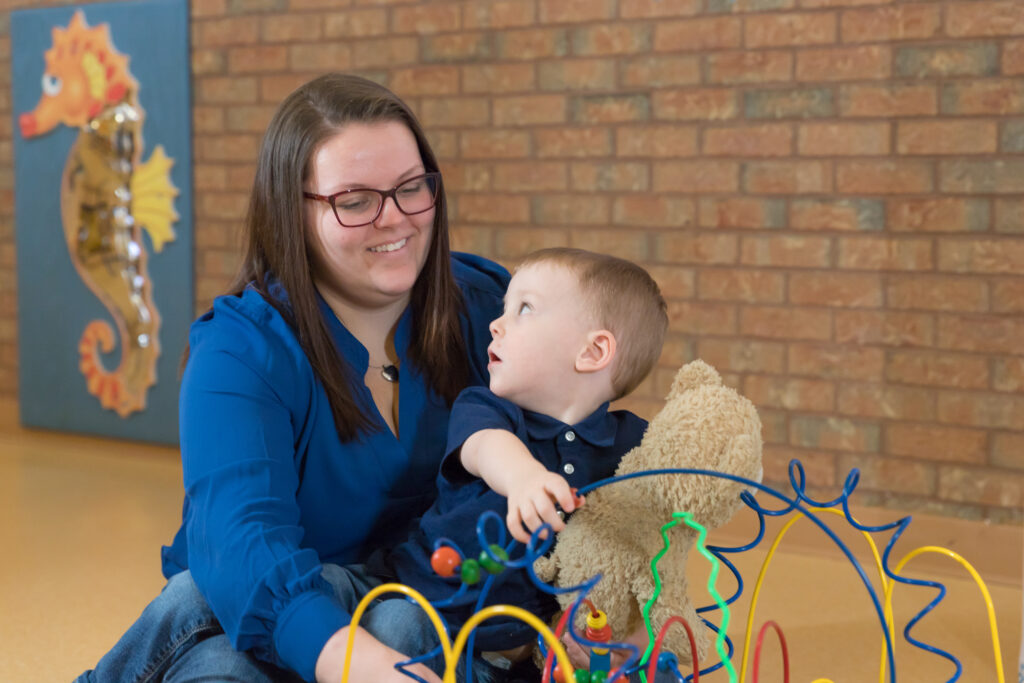
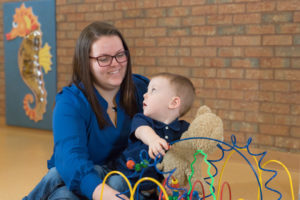
Mother holding her son while he plays with various toys.

When talking to your kids about COVID-19, it’s okay not to know where to start or be worried about saying the wrong thing. It’s very possible they may have heard about it at this point, and their amazing imaginations may have started to fill in gaps which might be making the information scarier for them. By opening up the conversation however you can, it will help them better understand what’s happening and why. Do your best to describe things in a child friendly and honest way.

Take some time each day to have 1:1 communication with your child. We know that “special time” conversations with your kids are helpful when we: follow their lead, speak at their level face-to-face, use language that is appropriate for their understanding, and provide full attention with our “listening ears” on. Using conversation is an excellent way to be able to connect to our children’s thoughts and feelings, as well as to express our own.

You will want to find a setting and time that is optimal for both of you. Remove any distractions (e.g., background noise, television, toys) and set up the environment so that you can both have undivided attention. It may be easier to have a conversation during a walk, bath time, or snack/meal time. If you have more than one child, you might consider having the conversations 1:1 to check in on each child.

Children constantly see and hear new things in their environment. The “adult” conversations we are having and “news” may not be appropriate for young children. Pay attention to what your children are exposed to and how it affects them.

Some things you may want to talk about:

  • Ask them what they know or have heard about COVID-19, this can help better understand what they know and clarify any incorrect assumptions or conclusions they have made
  • Be honest about how you are feeling and describe what those feelings mean
  • Use words they will understand (e.g. “virus” versus “sick”).
  • Use a calm and reassuring voice
  • Talk about their questions and answer honestly if you don’t know the answer, reassuring them that you will let them know when you hear or find the answer
  • Involve them in any planning (e.g. “Let’s think of what we will make for lunch”, “What movie should we watch together?”). For younger children, it may be easier to give them a choice of two options than an open-ended question.
  • Validate their feelings and discuss that it’s okay to have fears.
  • Reassure them of what they can do to take control of themselves and how to reduce the spread of germs
  • Read the Grandview Kids Social Story about COVID-19 together

You may find your child doesn’t want to talk in depth about COVID-19 or after their questions have been answered they say, “okay” and go back to playing. This is a normal response and how children regulate their emotions. What you have done is now created a safe space for them to come back and talk more if they need to.

Further Reading:

Centre for Disease Control Recommendations

A Kids Book About COVID-19

Being Safe and Staying In
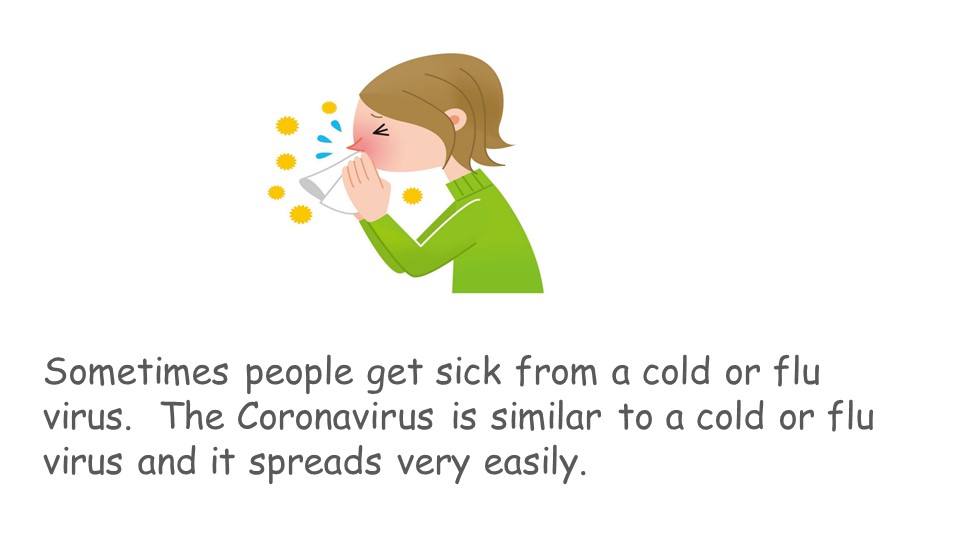
Sometimes people get sick from a cold or flu virus. The Coronavirus is similar to a cold of flu virus and it spreads very easily.
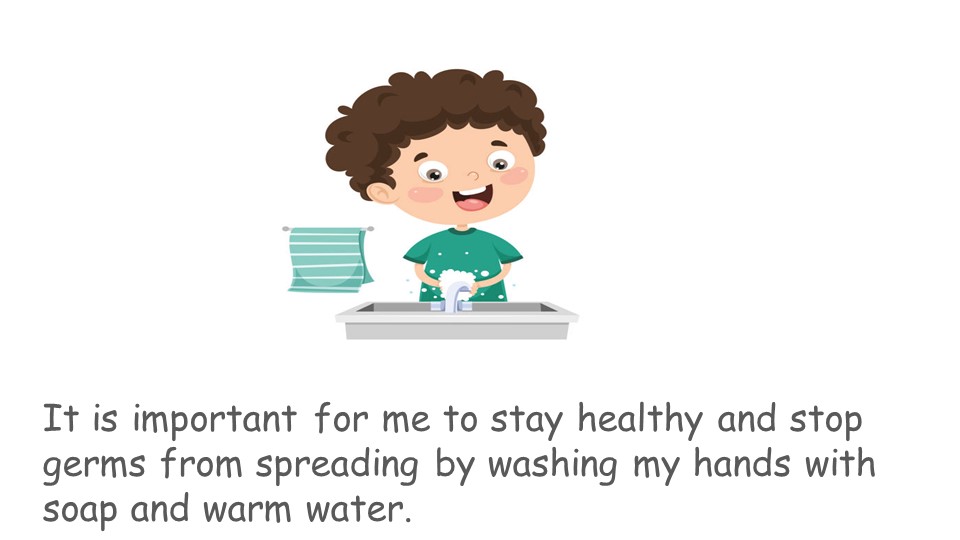
It is important for me to stay healthy and stop germs from spreading by washing my hands with soap and warm water
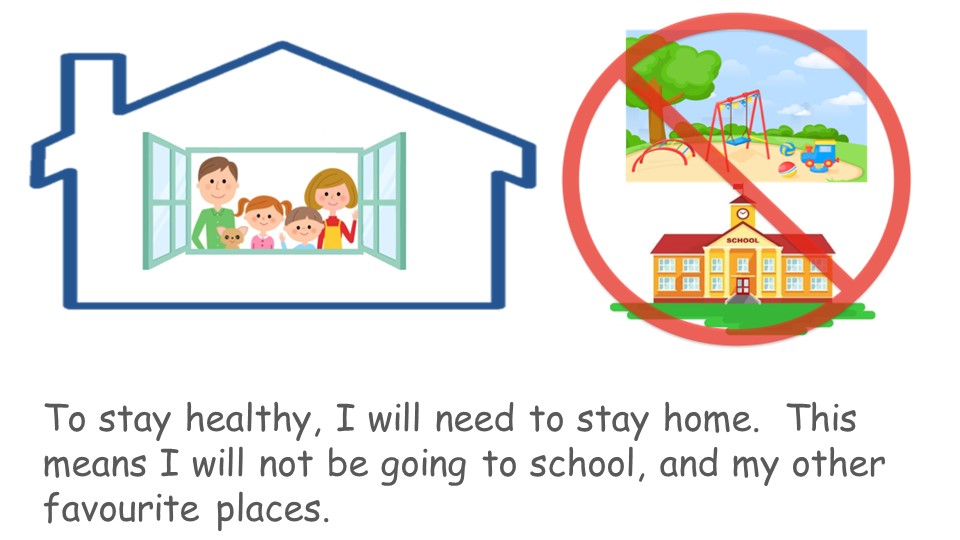
To stay healthy, I will need to stay home. This means I will not be going to school, and my other favourite places.
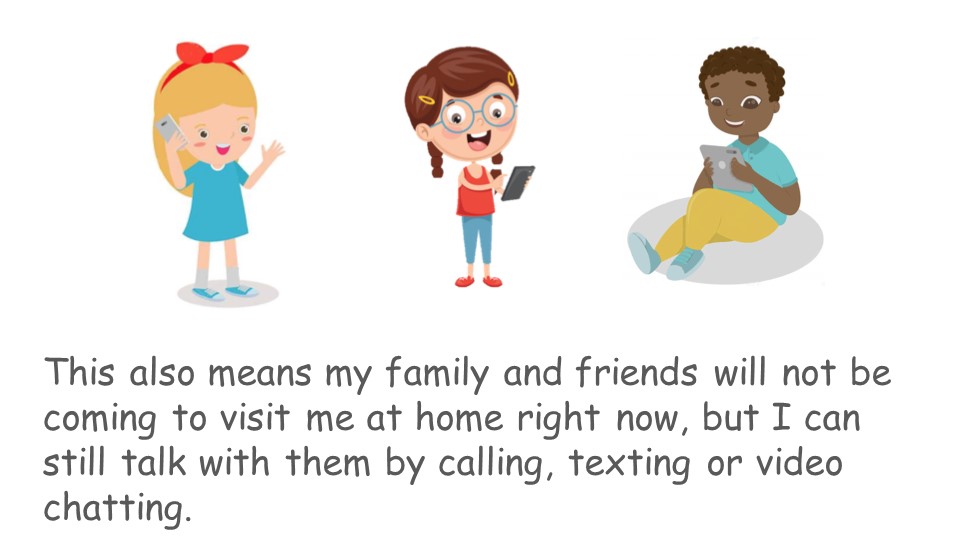
This also means my family and friends will not be coming to visit me at home right now, but I can still talk with them by calling, texting, or video chatting.
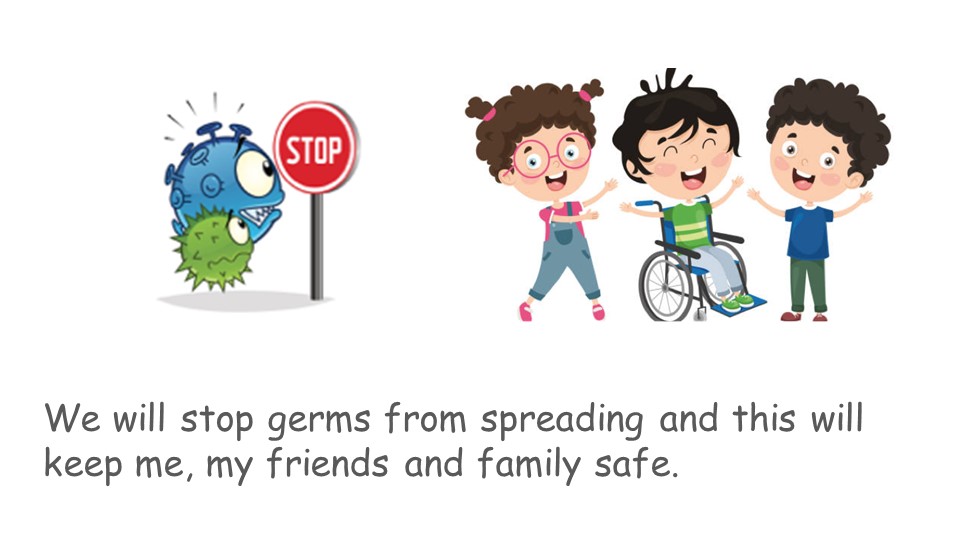
We will stop germs from spreading and this will keep me, my friends and family safe.
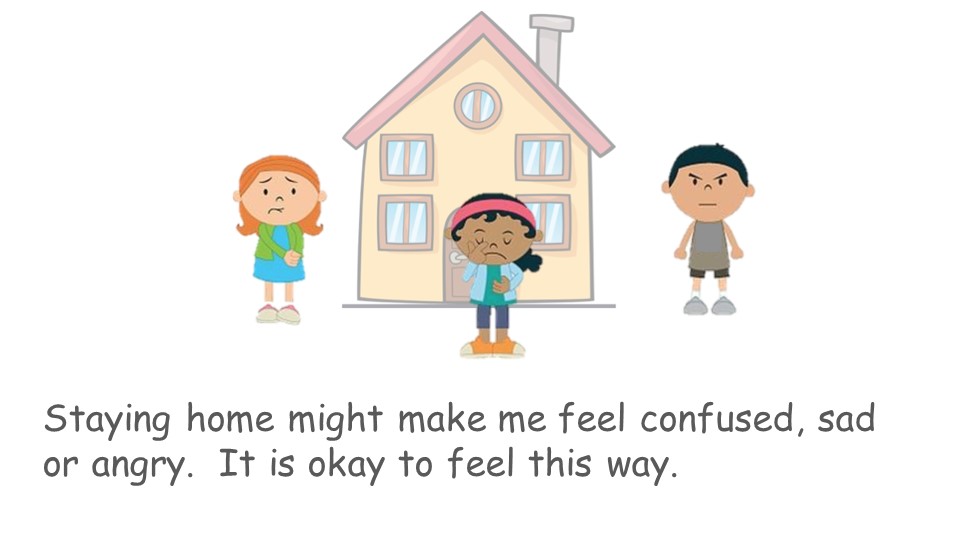
Staying home might make me feel confused, sad or angry. It is okay to feel this way.
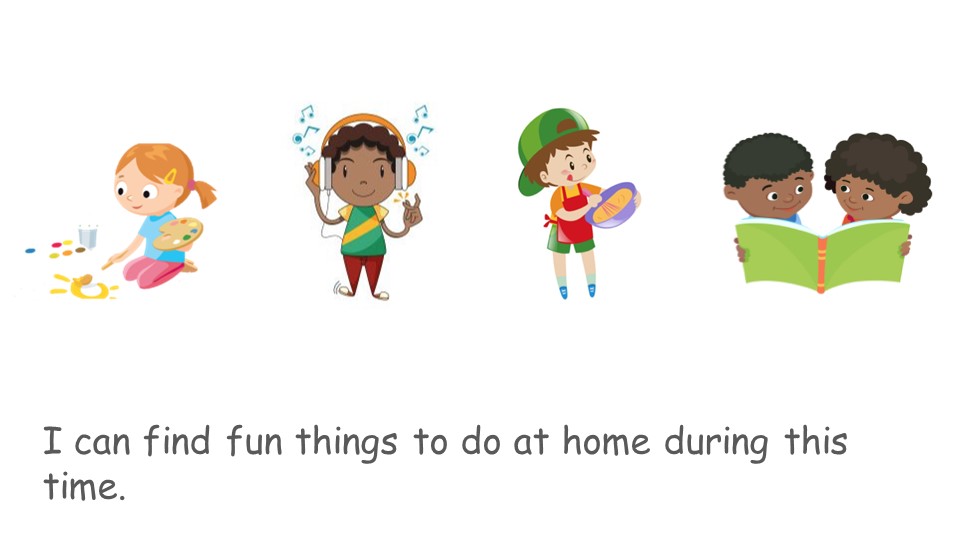
I can find fun things to do at home during this time.
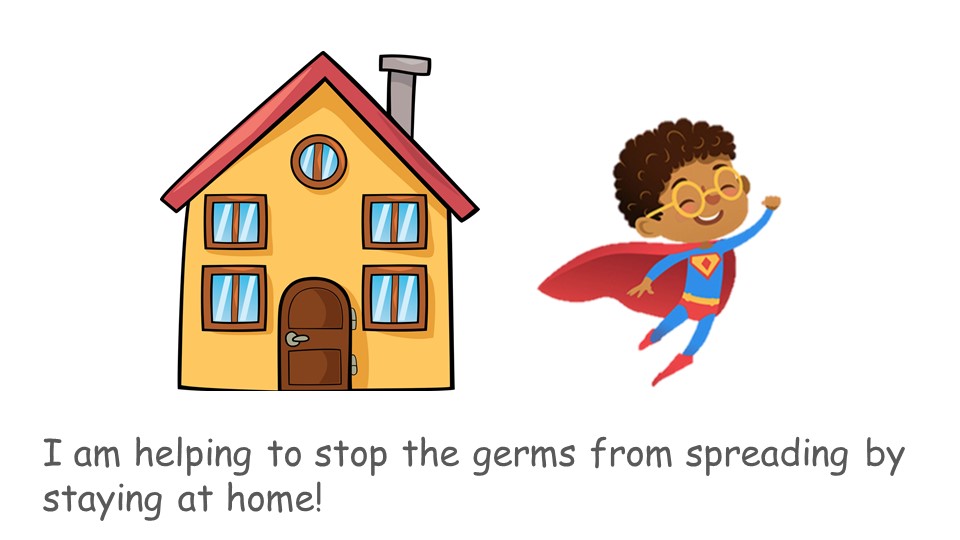
I am helping to stop the germs from spreading by staying at home!
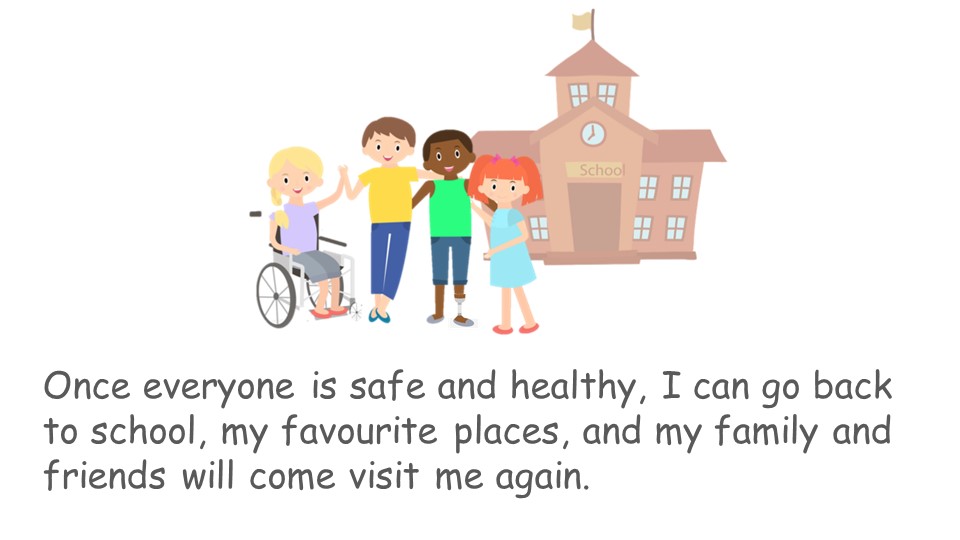
Once everyone is safe and healthy, I can go back to school, my favourite places, and my family and friends will come visit me again.
  • ⟨
  • Page 1
  • Page 2
  • Page 3

Primary Sidebar

Child Stories

LnRiLWZpZWxke21hcmdpbi1ib3R0b206MC43NmVtfS50Yi1maWVsZC0tbGVmdHt0ZXh0LWFsaWduOmxlZnR9LnRiLWZpZWxkLS1jZW50ZXJ7dGV4dC1hbGlnbjpjZW50ZXJ9LnRiLWZpZWxkLS1yaWdodHt0ZXh0LWFsaWduOnJpZ2h0fS50Yi1maWVsZF9fc2t5cGVfcHJldmlld3twYWRkaW5nOjEwcHggMjBweDtib3JkZXItcmFkaXVzOjNweDtjb2xvcjojZmZmO2JhY2tncm91bmQ6IzAwYWZlZTtkaXNwbGF5OmlubGluZS1ibG9ja311bC5nbGlkZV9fc2xpZGVze21hcmdpbjowfQ==
LnRiLWhlYWRpbmcuaGFzLWJhY2tncm91bmR7cGFkZGluZzowfQ==
ICAudGItaW1hZ2V7cG9zaXRpb246cmVsYXRpdmU7dHJhbnNpdGlvbjp0cmFuc2Zvcm0gMC4yNXMgZWFzZX0ud3AtYmxvY2staW1hZ2UgLnRiLWltYWdlLmFsaWduY2VudGVye21hcmdpbi1sZWZ0OmF1dG87bWFyZ2luLXJpZ2h0OmF1dG99LnRiLWltYWdlIGltZ3ttYXgtd2lkdGg6MTAwJTtoZWlnaHQ6YXV0bzt3aWR0aDphdXRvO3RyYW5zaXRpb246dHJhbnNmb3JtIDAuMjVzIGVhc2V9LnRiLWltYWdlIC50Yi1pbWFnZS1jYXB0aW9uLWZpdC10by1pbWFnZXtkaXNwbGF5OnRhYmxlfS50Yi1pbWFnZSAudGItaW1hZ2UtY2FwdGlvbi1maXQtdG8taW1hZ2UgLnRiLWltYWdlLWNhcHRpb257ZGlzcGxheTp0YWJsZS1jYXB0aW9uO2NhcHRpb24tc2lkZTpib3R0b219IC53cC1ibG9jay1pbWFnZS50Yi1pbWFnZVtkYXRhLXRvb2xzZXQtYmxvY2tzLWltYWdlPSJhMWJlMmUyODAwMWFkMGRlMjBhM2RlZWVlYmE5MDJhMSJdIHsgbWF4LXdpZHRoOiAxMDAlOyB9IEBtZWRpYSBvbmx5IHNjcmVlbiBhbmQgKG1heC13aWR0aDogNzgxcHgpIHsgICAudGItaW1hZ2V7cG9zaXRpb246cmVsYXRpdmU7dHJhbnNpdGlvbjp0cmFuc2Zvcm0gMC4yNXMgZWFzZX0ud3AtYmxvY2staW1hZ2UgLnRiLWltYWdlLmFsaWduY2VudGVye21hcmdpbi1sZWZ0OmF1dG87bWFyZ2luLXJpZ2h0OmF1dG99LnRiLWltYWdlIGltZ3ttYXgtd2lkdGg6MTAwJTtoZWlnaHQ6YXV0bzt3aWR0aDphdXRvO3RyYW5zaXRpb246dHJhbnNmb3JtIDAuMjVzIGVhc2V9LnRiLWltYWdlIC50Yi1pbWFnZS1jYXB0aW9uLWZpdC10by1pbWFnZXtkaXNwbGF5OnRhYmxlfS50Yi1pbWFnZSAudGItaW1hZ2UtY2FwdGlvbi1maXQtdG8taW1hZ2UgLnRiLWltYWdlLWNhcHRpb257ZGlzcGxheTp0YWJsZS1jYXB0aW9uO2NhcHRpb24tc2lkZTpib3R0b219IH0gQG1lZGlhIG9ubHkgc2NyZWVuIGFuZCAobWF4LXdpZHRoOiA1OTlweCkgeyAgIC50Yi1pbWFnZXtwb3NpdGlvbjpyZWxhdGl2ZTt0cmFuc2l0aW9uOnRyYW5zZm9ybSAwLjI1cyBlYXNlfS53cC1ibG9jay1pbWFnZSAudGItaW1hZ2UuYWxpZ25jZW50ZXJ7bWFyZ2luLWxlZnQ6YXV0bzttYXJnaW4tcmlnaHQ6YXV0b30udGItaW1hZ2UgaW1ne21heC13aWR0aDoxMDAlO2hlaWdodDphdXRvO3dpZHRoOmF1dG87dHJhbnNpdGlvbjp0cmFuc2Zvcm0gMC4yNXMgZWFzZX0udGItaW1hZ2UgLnRiLWltYWdlLWNhcHRpb24tZml0LXRvLWltYWdle2Rpc3BsYXk6dGFibGV9LnRiLWltYWdlIC50Yi1pbWFnZS1jYXB0aW9uLWZpdC10by1pbWFnZSAudGItaW1hZ2UtY2FwdGlvbntkaXNwbGF5OnRhYmxlLWNhcHRpb247Y2FwdGlvbi1zaWRlOmJvdHRvbX0gfSA=

Interview with Scott Bremner

We recently had an interview with Scott Bremner, the author of Durability: Braving the non-disabled world. Read what he had to say about his writing process, his inspirations, and about...

Latest Updates

  • Grandview Kids and Lakeridge Health open Canada’s first anesthesia procedure clinic in a Children’s Treatment Centre May 6, 2026
  • Ahaana’s magic ears: Speech and Hearing Month May 5, 2026
  • May: Dates of Significance April 30, 2026
  • Building confidence through the power of giving: Norah’s story April 30, 2026
  • A Place Where S Shines: Williams Syndrome Awareness Month April 29, 2026

You Have Questions

We’d like to help you find the answers…

Contact Us Today

© Grandview Kids Built by PeaceWorks

  • About Us
  • Contact Us
  • Privacy
Accessibility Adjustments

Powered by OneTap

How long do you want to hide the toolbar?
Hide Toolbar Duration
Select your accessibility profile
Vision Impaired Mode
Enhances website's visuals
Seizure Safe Profile
Clear flashes & reduces color
ADHD Friendly Mode
Focused browsing, distraction-free
Blindness Mode
Reduces distractions, improves focus
Epilepsy Safe Mode
Dims colors and stops blinking
Content Modules
Font Size

Default

Line Height

Default

Color Modules
Orientation Modules