
• Skip to primary navigation
  • Skip to main content
  • Skip to primary sidebar
Grandview Kids Logo

Grandview Kids

Every Child And Youth Living Life At Their Full Potential

  • About Us
    • Vision, Mission and Values
    • The New Grandview Kids
      • Operational Readiness
      • Visiting Grandview Kids’ Ajax Headquarters
    • Our History
    • Leadership
    • Board of Directors and Committees
      • Join our Board of Directors and Committees
    • Annual Report
    • Strategic Plan
    • Policies
  • Calendar
  • Annual Report
    • Strategic Direction 1: Deliver meaningful, efficient client and caregiver outcomes and experiences
    • Strategic Direction 2: Foster a thriving, connected Team Grandview
    • Strategic Direction 3: Collaborate with partners to maximize impact, focusing on Durham Region
    • The New Grandview Kids – The Jerry Coughlan Building
    • 2024-25 Financial Statement
    • Grandview Kids Foundation update
    • Grandview School update
  • Contact
    • Contactez – nous
    • Ajax – Headquarters
    • Bowmanville Health Centre
    • Grandview School
    • Oshawa – Dwyer
    • Port Perry
    • Whitby – Abilities Centre
  • Careers
  • Register
  • Donate
  • Instagram
  • LinkedIn
  • Facebook
  • Services and Programs
    • Audiology
    • Autism Program
      • Autism Spectrum Disorder (ASD) Diagnostic Hub
      • Caregiver-Mediated Early Years Programs
      • OAP Core Clinical Services
      • Entry to School Program
      • Foundational Family Services
    • Blind-Low Vision Program
    • Extensive Needs Service
    • Family Engagement Program
      • Adolescent Transition Program
      • Family Leader Program
        • Family Advisory Council
        • Youth Advisory Council
    • Infant Hearing Program
    • Medical Services
      • Autism Spectrum Disorder (ASD) Diagnostic Hub
      • Complex Care Program
      • Grandview Anesthesia Procedure (GAP) Clinic
      • Hypertonia Clinic
      • Nutrition Services
      • Orthopaedic Clinic
    • Occupational Therapy
    • Physiotherapy
    • Preschool Outreach Program
    • School Programs & Resources
      • Resources for Educators
      • School-Based Rehabilitation
    • Service Navigation
      • SmartStart Hub: Parents
      • SmartStart Hub: Partners
    • Social Work
    • Speech-Language Pathology
      • Augmentative and Alternative Communication
    • Therapeutic Recreation
  • Purchased Services
    • Beyond the Walls
    • Summer Camp 2026
    • OAP Core Clinical Services
      • Behaviour Services
  • Research
    • Get involved in research
    • IDEA Study
      • Building knowledge and understanding of the intersection of race and disability in accessing pediatric rehabilitation services.
    • Research Associate: Dr. Fiona Moola
    • Research Associate: Dr. Meghann Lloyd
  • Resources
    • Ability Acceptance Program
    • Arriving at Grandview Kids
    • Community Supports & Resources
    • Family Support Fund
    • Free to Read Program
    • Frequently Asked Questions
    • Gather by Grandview Kids
    • News and Updates
    • Privacy
    • Resources for Parents and Caregivers
    • Visiting Grandview Kids
  • Support Us
    • 50/50 Lottery
    • Ways to support
    • Host a fundraiser
    • Participate in an event
      • Golf Fore Grandview Kids
      • Sponsor the Drum
      • Dream Big, Dream Brighter Awards Gala
    • Leave a legacy
      • Gifts of securities
      • Gifts of bequests
      • Gifts of life insurance
    • Your impact
    • Building a Legacy: Honouring Jerry Coughlan
  • I Want To…
    • Connect with Grandview Kids
    • Donate
    • Refer a child or youth
    • Register via My Community Hub
    • Schedule an Appointment
    • Volunteer at Grandview Kids
    • Work at Grandview Kids
  • Grandview School
    • About Our Program
    • About Our Board
    • Grandview School Social Story
    • Plans and Reports
    • Resources for Families
    • Resources for Schools – Switch It Up!
    • Careers and Volunteering
    • Contact Grandview School
  • Search

Posted July 10, 2020

Tips for Managing Public Encounters

Adrian Polidano

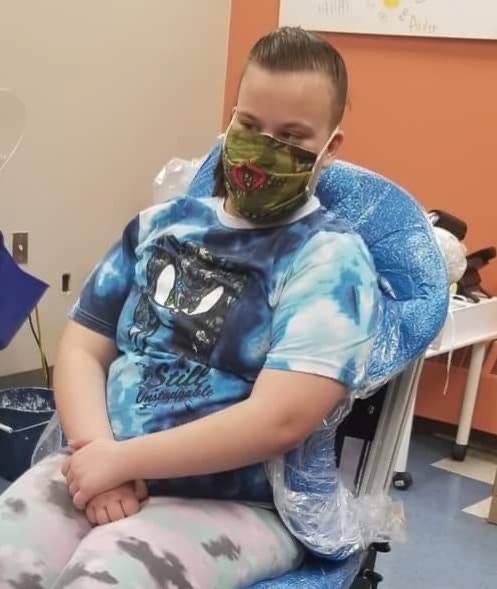
Managing public encounters for parents/caregivers with children with disabilities is even more challenging during COVID where increased restrictions in public settings such as physical distancing and wearing a mask are now a reality. Whether it is a well-meaning question, stares, or ignorant comments, carers are faced with navigating sometimes uncomfortable social exchanges. This can make leaving the house difficult, contributing to feelings of isolation. Feelings of anger, guilt, embarrassment, sadness, and anxiety are common for parents/caregivers as they experience the effects of ableism, discrimination, and prejudices. Learning to successfully navigate these encounters will not only make life easier but will model self-advocacy for your child, helping them develop this critical skill.

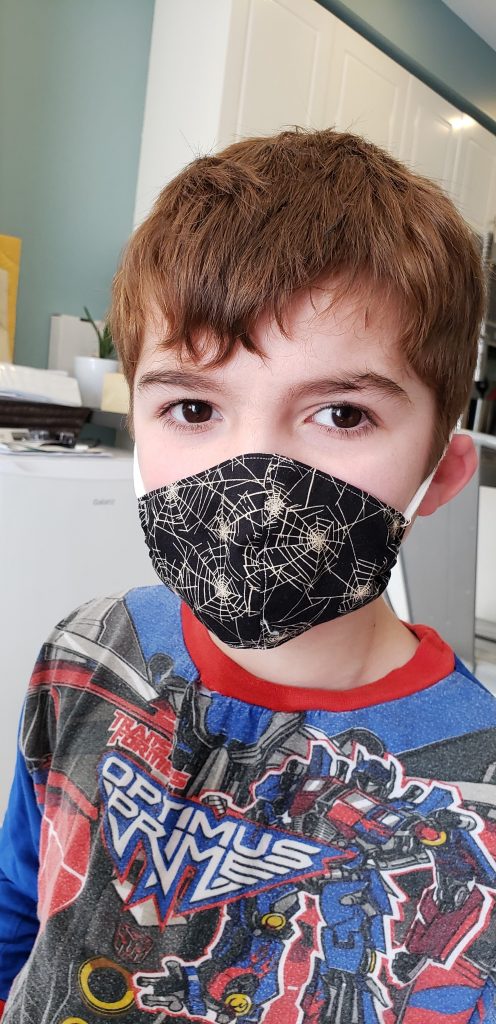
A child wearing a face mask.

Here are some tips for managing public encounters:

–        Prepare a simple, short script so you are not caught off guard in public.

–        You do not need to be the spokesperson for a particular diagnosis.

–        It is up to you how much information you provide and with whom you share it.

–        It’s okay to not get it right- you are human.

–        Talk with other parents who “get it”, they will have good advice.

–        With time and practice, it will get easier to navigate these situations.

–        You will develop a keen sense of when to speak up and when to step back. Remember you are the expert on your child and your child is not defined by their diagnosis.

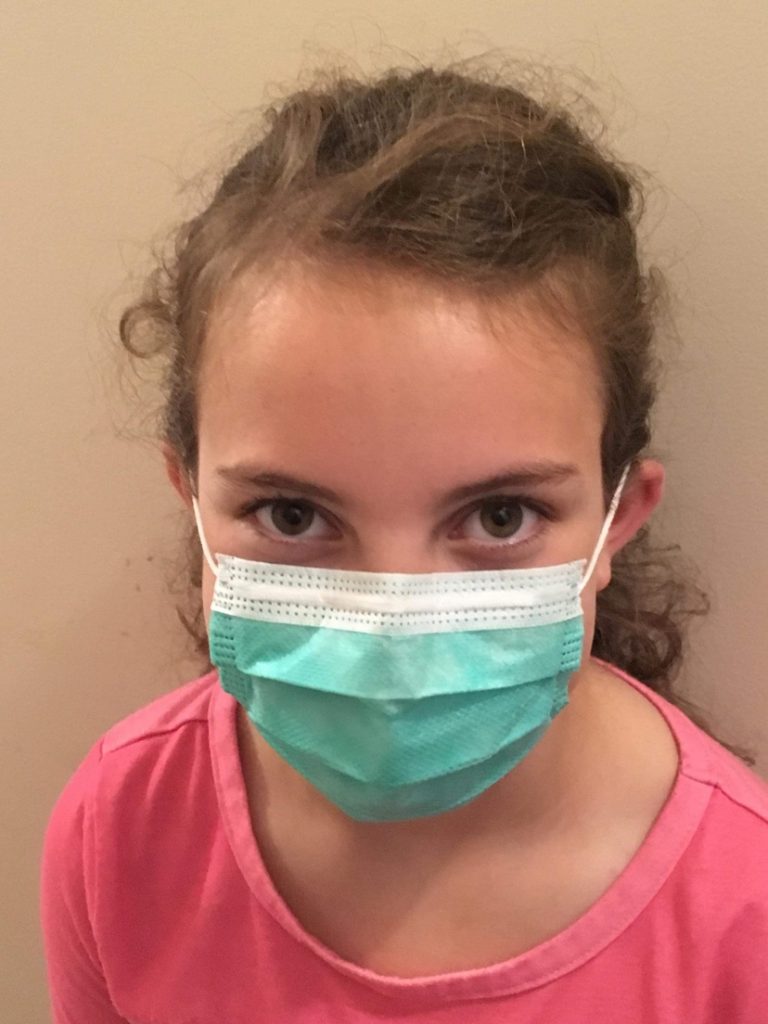
A child wearing a face mask

“When they go low, we go high” – Michelle Obama

–– Grandview’s Social Work Services

Link to Article on Durham Region’s Website: “Non-medical masks and face coverings mandatory while in indoor places accessible to the public”

Written by Grandview Kids Behaviour Analyst Alicia and Autism Therapy Assistants Maritza and Brittany


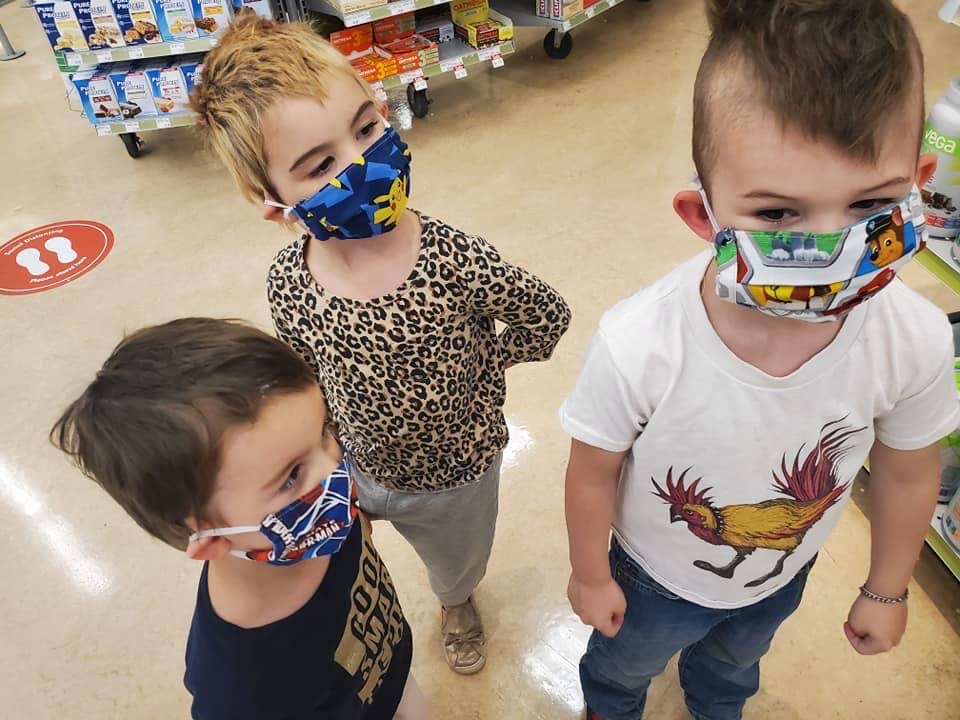
A group of children wearing face masks.

It was recently announced that as of July 10th, facemasks/face coverings will be mandatory for Durham Region residents in public indoor settings which can include: enclosed commercial spaces and public buildings (e.g., libraries, community centres). Many families with members who have ASD and sensory sensitivities are left wondering how they are going to support their loved one while implementing this rule.

Individuals with ASD have been managing A LOT of change over the last few months!

·       Daily routines have been turned upside down

·       Family, friends and support workers have been less available

·       Individuals may be dealing with new or increased anxiety

·       And so much more…!

As a parent or caregiver you may be worried that because your child is unable to tolerate a mask, they may be further restricted in the places they can go and the activities they can engage in.

Exemptions are available when necessary, but you might still be hoping that your child will one day learn to tolerate wearing a mask.

It seems that individuals with sensory challenges and other varying disabilities will be exempt from wearing a mask as well as people who are unable to remove the mask without help. This may bring some relief as we begin to prepare our children for the “new normal”; however, without knowing how COVID-19 management will continue to unfold, tolerating a face covering is now added to the list of skills that children of all abilities should begin to learn about when possible. Like any skill, it may take some children longer to learn it, so it is important to be patient and remain vigilant with our teaching strategies.

You may be asking yourself, “How will I go about doing this?” or maybe you are thinking “My child will NEVER be able to do that!”.

The 2 most important things we learned as behaviour analysts:

  1. NEVER say NEVER
  2. Start small and work up slowly  

Now let’s discuss some strategies to use when teaching your child a new skill in your home:

Use clear and simple language

Although understanding may vary across individuals with ASD, some children may benefit from discussions around why wearing a face covering is important.

·       Have the discussion more than once!

·       Repeat. Repeat! Repeat! (did we mention repeat?)

·       Use a social story or script (you can find one online or create your own!)

o   Here is an example from The Boggs Center and Children’s Specialized Hospital: https://rwjms.rutgers.edu/boggscenter/Links/documents/ICanStayHealthybyWearingaFaceMask-F.PDF

Use Visuals

Visuals can be very helpful for individuals with ASD and other disabilities by helping them understand, prepare, and visualize something that is new and unknown.

·       Show pictures of people your child may recognize wearing a mask and having fun!

·       Show pictures of your child wearing a mask (this could be used as a cue to let them know when wearing a mask is required)

·       Use a visual timer to show how long the mask is required (reminding your child it won’t be forever!)

Use “First and Then” Language and Visuals

‘First and Then’ language and visuals allow your child to know (and see when using visuals), what activity they are completing currently and what activity will occur next. Using ‘First and Then’ may help an individual transition to a location or activity that is not preferred if he/she is able to see that a preferred activity is coming next.

·       For example: ‘first’ wear a mask and ‘then’ play with cars

·       Example of preferred activities: bubbles, access to favourite toys, screen time, books

“But how do I get my child to wear a mask, or even look at a mask??”

This would not be a blog post by behaviour analysts if we didn’t stress the importance of reinforcement. Reinforcement is what increases the likelihood of a behaviour happening again in the future. In this case, the behaviour is interacting with and EVENTUALLY wearing the mask. As we probably know from experience, wearing a mask is not inherently motivating. For children, this is a classic case of, “what’s in it for me?” It is up to us as the parents and caregivers to find a way to reward wearing a mask to make it “worth it” for the child.

Reinforcing your way to “mask-wearing”

Start small! Provide immediate reinforcement after the desired behaviour.

·       Begin by having the mask near your family member during enjoyable activities. Reinforce them for allowing it to be close to them!

·       Example reinforcers are: tickles, high fives, praise, time with electronics, M&Ms

·       You can also build reinforcement into mask-wearing by finding a mask with a favorite character or item. Have your child look at themselves in the mirror so they can see the cool designs.

Increase expectations slowly…

Be realistic about your expectations, but as your child begins to tolerate masks, increase the requirements over time.

·       After your child has learned to tolerate being near a mask, start rewarding your child for holding the mask, and touching the mask to their face (begin without the expectation of having to wear the mask)

·       When your child is ready to start practicing wearing the mask, begin with a short amount of time and slowly increase (e.g., 1 second, 5 seconds, 10 seconds).  Remember using a visual timer may be helpful!

·       Remember: no matter how small successes may seem, continue to offer reinforcement that is highly preferred by your child

When teaching your child a new skill, practice makes perfect is hard work, and it is okay if you need some support!

Individuals with ASD can have narrowed interests or focuses. This is important to consider when teaching a new skill like wearing a facemask. Include a variety of masks for them to try so you have options if one isn’t available or comfortable. Practice the skill at different times of day, in different places, and with different people.

The last few months have brought about a lot of change and it looks like change will continue to occur. Supporting individuals with ASD can be difficult and these are just a few tips to help you continue the journey of keeping your child with ASD safe and included during these changing times. Change can impact children and families with ASD in many ways. Reach out to professionals for direct assistance in teaching your child to tolerate and wear a mask, but NEVER say NEVER. With some support, you might be surprised by what your family member will be able to manage.

It may become a little tricky when trying to explain to your child how their visit at Grandview may look a little different.

To make this process simple for all, we have provided a very simple booklet (below) showcasing the steps you and your child will take when coming in for your appointment at Grandview (complete with pictures)!

Click here to view the booklet.

Below are links to videos on our YouTube Channel showcasing what an appointment will look like and how to navigate the changes at Grandview Children’s Centre:

Watch as Grandview Kids Physiotherapist Corrie shows you how your child’s therapist may look when you meet for an in-person therapy appointment.

Watch as Grandview kid Faith and her mom Amanda demonstrate how to navigate the changes at Grandview Children’s Centre.

Written by Grandview Kids Recreation Therapist, Maddy


The warmer weather is finally here! Maddy has created some activity suggestions that you can do outside as a family. These activities will provide an opportunity for your family to get out and enjoy the warm weather while being active, creative, and, most importantly, having FUN together!

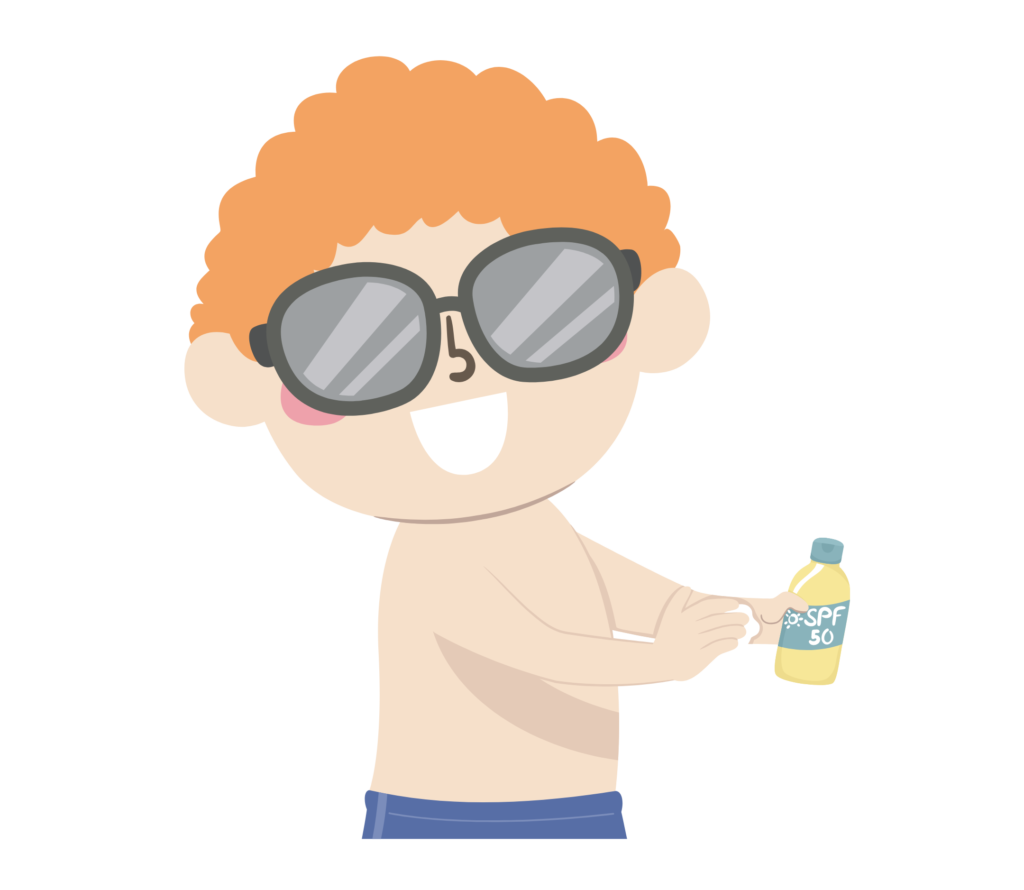
A cartoon image of a child applying sunblock.

Activity List

Outdoor Movie Theatre/Drive-In

Instead of staying inside to watch a movie – design your own outdoor movie theatre! You will need a place to sit, pillows and blankets to keep comfortable, an extension cord, and a T.V. or laptop. If you have a projector and a white sheet you could make a big movie screen.
To make this event more exciting – decorate seats/chairs as cars using cardboard and craft supplies. You can make your very own drive-in movie theatre in your backyard. Pick a Disney movie or a family favourite to watch with popcorn, chips, and candy snacks.

Backyard Water Park

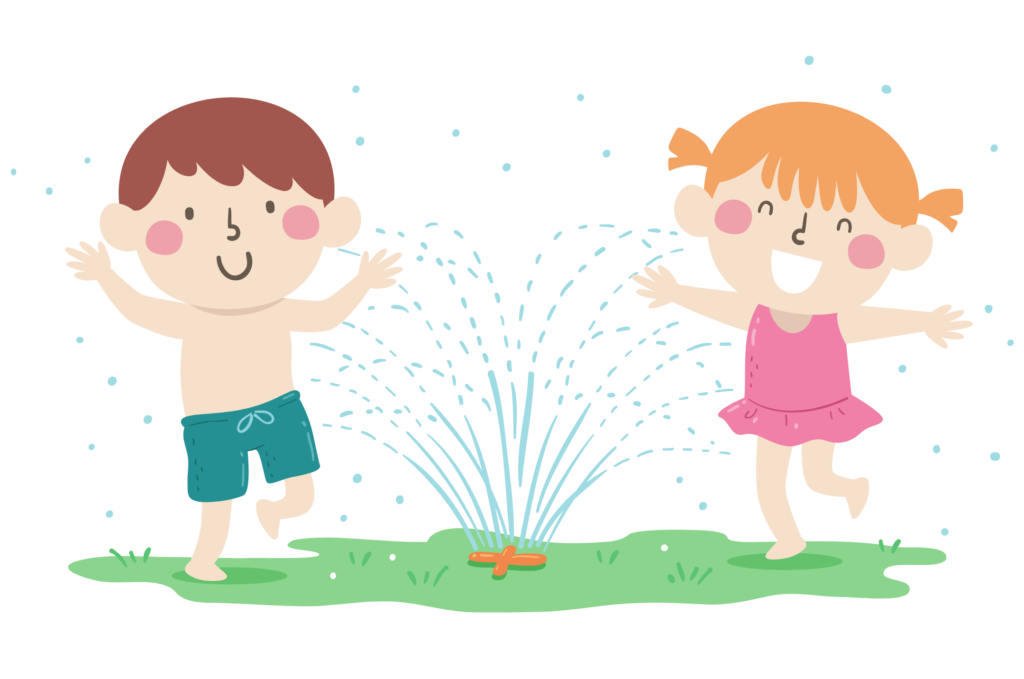
With pools and water parks unavailable – try turning your backyard into a splash park! Some items to add could be a hose, sprinklers, small blow-up pools, buckets of water, water balloons, and sponges. Have the kids jump through the sprinkler, play duck-duck-goose with wet sponges, or dip their toes in the pool. Use slip and slides and water toys if you have those to add some extra fun!

A cartoon image of children playing with a sprinkler.
Backyard or Neighbourhood Picnic

To make lunchtime more exciting – take it outside! You will need a basket/cooler to hold food/drinks, plates/utensils/napkins, a garbage bag, and your choice of lunch and snacks. Simple lunch foods and snacks to take outside for your picnic include sandwiches, water bottles/juice boxes, cut-up fruits and vegetables, and chips. Get creative and try different foods while going on your backyard picnic!

Backyard Fort

A fun activity that can be played indoors or outdoors is building forts! Use items that can be found around the house/backyard such as chairs, blankets, pillows, cushions, tables and other items to make your fort. Add fairy lights to make your fort even more magical!

Treasure Hunt

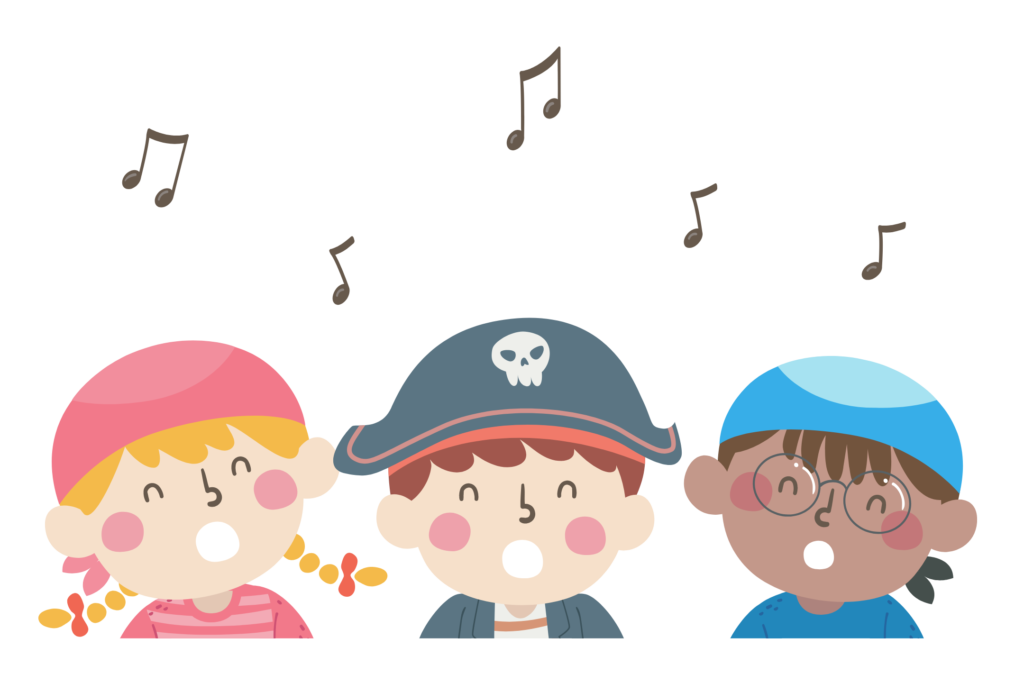
Ahoy Mateys! Pretend you are pirates on the hunt for treasure! Before starting, set up clues ahead of time that lead you to the ‘treasure’. To start, give your children a clue that will lead them to the next clue. For example, “Go to the place that keeps your food cold”. The children will then go to the fridge/freezer to find the next clue and so on. The last clue will then lead them to their treasure (toy, snack, fun prize, etc.). You can do this inside of your home or outside. For extra fun have your children dress up as pirates/explorers and make the treasure hunts themed!

A cartoon image of singing children in pirate costumes.
Neighbourhood Zoologist

Want to make walks or hikes more engaging for your children? Have them take a notebook and pencil to write down every animal you see in your neighbourhood. Your children can be zoologists and see how many animals they can find. Look for dogs, birds, squirrels, bunnies, etc. To add extra fun – bring binoculars, crayons to draw the animals, magnifying glasses, etc.

Outdoor Animal Yoga

Pretend you are your favourite animals while doing some exercises and stretches outside! This is a great activity for all ages as you can modify the difficulty of the yoga poses based on ability. Some yoga poses to try can be dog, cat, butterfly, flamingo, snake, frog, etc. Get creative and have your children choose what animals to do!

Summer Sports

There are a lot of fun outdoor sports and activities to play while enjoying the summer sun! Games such as Bocce Ball, Frisbee, Corn Hole, Horse Shoes and Ladder Ball are great family games to play outside. Some other activities that can be done outside are obstacle courses, chalk, bike rides, soccer, volleyball, basketball, baseball, road hockey, and many other sports! Work on increasing your skills while getting some exercise outdoors!

Use caution while outside. Wear hats, sunglasses, and sunscreen while staying hydrated!

Children love to learn and say big words like dinosaur, helicopter and Mandalorian! Sometimes it’s hard for them to wrap their mouths around the sounds and syllables in these new and motivating words.

Try breaking these big words into smaller pieces or syllables. You can talk in slow motion to mark each syllable in the word (e.g. di-no-sour). Think of each syllable as a beat. Clapping out the beats with your hands or drumming the beats on the table are natural ways to emphasize the segments.

Try these playful ideas:

· Lego bricks can be visual props that demonstrate how a big word can be broken into smaller pieces. Each block represents a syllable. As you slowly say a syllable, pull a brick out of the bucket. Snap the bricks together to make a word, then break it apart again.

· Make playdoh snakes and use a plastic knife to cut apart a long word into smaller chunks. For example, a word like ‘helicopter’ would make 4 little playdoh chunks.

· Many fruits (e.g. watermelon, banana) and vegetables (cucumber) have 2 or more syllables. Cut out pictures from grocery store flyers. Then snip the picture into the same number of syllable pieces like a little puzzle. For example, a picture of a cucumber would be cut into 3 puzzle pieces because it has 3 syllables.

· From a bowl of fish crackers, remove one fish for every syllable you say. How many fish did you get?

· Play a guessing game by having your child guess the big word that you are saying in slow motion e.g. Can you guess this big word, all-i-ga-tor?.

· Books are a great place to highlight BIG words. Check out Never Ever Shout in a Zoo by Karma Wilson.

Written by Kelly

Speech-Language Therapy Assistant

While the doors of Grandview Children’s Centre were closed in mid-March due to the COVID-19 pandemic, the work to support and care for Grandview kids and their families did not stop.

#TeamGrandview has worked tirelessly, around the clock to retool their practices and therapies to ensure children and youth were able to receive the care they needed and continue working on the goals they are working hard to achieve, albeit in a completely different and new way.

Prior to COVID-19, the heart of Grandview Kids could often be seen and heard in the halls of the Centre; with smiles and laughter booming from wall-to-wall. Over the last 12 weeks, that heart kept beating; as close to 200 clinicians were set up at home with the technology required to deliver services virtually.

Grandview’s team of Physicians even reconfigured their usual methods to partner with the Vanderbilt Institute out of Tennessee, U.S.A. to receive training on how to virtually diagnose Autism Spectrum Disorder, making Grandview Children’s Centre one of the leaders in Ontario, along with Holland Bloorview Children’s Hospital to be using this intervention.

“It has been well-received by families who’ve been waiting long periods of time to get a diagnosis for their children,” explained Grandview Kids CEO, Lorraine Sunstrum-Mann.

“We are ramping up each week. Families are getting more comfortable, clinicians are getting more comfortable and so we are seeing these virtual telepractice activities increase.”

Grandview Kids CEO, Lorraine Sunstrum-Mann

In addition, Grandview has also provided critical in-person appointments at its main Oshawa headquarters. The team developed a prioritised ranking to determine which children would come into the centre to receive therapy in-person. Up until this time it has been only a very select group of children who predominantly have had an increase or an exacerbation of pain or loss of function. These children and youth have been coming in for an intervention at the Botox clinic.

“Staff used recommended PPE and took all the necessary precautions to be able to support those kids,” said Sunstrum-Mann.

As the Province reopens in phases, so too is Grandview. Beginning Monday, June 8 the number of in-person appointments will grow.

Schedulers are reaching out to families with children and youth with urgent needs to book therapy appointments at Grandview’s main headquarters.

The increase in in-person therapy has caused Grandview to have to retool the organisation once again, reconsidering almost every aspect of how the team delivers services.

“Working with children and the work we do is very high contact,” explained Sunstrum-Mann. “We have to think from a health and safety lens first and foremost so we have redesigned almost every process at Grandview.”

What to expect at appointment in Centre:

  • Appointments will be scheduled with a COVID-19 health screen for both the client and caregiver.
  • Main waiting room eliminated.
  • Only one parent/caregiver allowed to accompany child to appointment.
  • Screener/greeter will meet families upon arrival to their appointment and another COVID-19 health screen will occur.
  • Families will be asked to wait in their vehicles (if that is a possibility) until their clinician is ready and then they’ll be escorted directly to a treatment room.
  • If arriving by transit or by walking, families will be health screened and greeted then asked to wait in a private, designated waiting space until their appointment time when they’ll be escorted directly to the treatment room.
  • Staff and families will don the appropriate PPE based on Public Health Ontario’s recommendations.

Children under 2 years old, people with breathing difficulties and those unable to remove a face mask on their own are not recommended to wear a mask or face covering.

“This can be tricky. Many kids at Grandview might struggle to wear a mask because of sensory challenges or other concerns and so our staff in that case would not require the child to mask but staff themselves would increase their level of PPE so in addition to a mask they would don a face shield for example.”

Grandview has a priority ranking for clients to return to the Centre.

“Just like we’ve been seeing a very select children in-person all during COVID, the ranking will increase the number of kids based on urgent requirement to come in and see a therapist.”

This new priority ranking system is part of Phase 1 of Grandview’s reopening. This is expected to continue over the summer, gradually increasing to more groups of children as required based on their need and Grandview’s ability to maintain safety.

“There won’t be hundreds of kids next week but we plan to start gradually increasing the number of appointments over the month of June and then into the summer,” said Sunstrum-Mann. “This means for some families they’ll continue with virtual services until September and for other families, depending on the need of the child and the kind of intervention required, that they will be given an option of returning to the Centre for that in-person care.”

Sunstrum-Mann acknowledges for some families neither of those options will work and so a break in therapy may be what’s best, with plans to resume in September or whenever is best for the family.

Fast Facts:

  • Grandview has conducted close to 13,000 appointments during the time period of COVID, which includes telephone calls, virtual sessions and a small number of in-person interventions.
  • Grandview has 7 locations but will begin the reopening stage at the main Oshawa headquarters only.
  • In Centre staff to work limited 4-5 hour shifts, alternating schedules due to elimination of staff lunch room and areas where people could congregate.
  • Maintenance team has undergone extensive training to prepare for heightened cleaning.
  • ⟨
  • Page 1
  • Interim pages omitted …
  • Page 33
  • Page 34
  • Page 35
  • Page 36
  • Page 37
  • Interim pages omitted …
  • Page 51
  • ⟩

Primary Sidebar

Child Stories

LnRiLWZpZWxke21hcmdpbi1ib3R0b206MC43NmVtfS50Yi1maWVsZC0tbGVmdHt0ZXh0LWFsaWduOmxlZnR9LnRiLWZpZWxkLS1jZW50ZXJ7dGV4dC1hbGlnbjpjZW50ZXJ9LnRiLWZpZWxkLS1yaWdodHt0ZXh0LWFsaWduOnJpZ2h0fS50Yi1maWVsZF9fc2t5cGVfcHJldmlld3twYWRkaW5nOjEwcHggMjBweDtib3JkZXItcmFkaXVzOjNweDtjb2xvcjojZmZmO2JhY2tncm91bmQ6IzAwYWZlZTtkaXNwbGF5OmlubGluZS1ibG9ja311bC5nbGlkZV9fc2xpZGVze21hcmdpbjowfQ==
LnRiLWhlYWRpbmcuaGFzLWJhY2tncm91bmR7cGFkZGluZzowfQ==
ICAudGItaW1hZ2V7cG9zaXRpb246cmVsYXRpdmU7dHJhbnNpdGlvbjp0cmFuc2Zvcm0gMC4yNXMgZWFzZX0ud3AtYmxvY2staW1hZ2UgLnRiLWltYWdlLmFsaWduY2VudGVye21hcmdpbi1sZWZ0OmF1dG87bWFyZ2luLXJpZ2h0OmF1dG99LnRiLWltYWdlIGltZ3ttYXgtd2lkdGg6MTAwJTtoZWlnaHQ6YXV0bzt3aWR0aDphdXRvO3RyYW5zaXRpb246dHJhbnNmb3JtIDAuMjVzIGVhc2V9LnRiLWltYWdlIC50Yi1pbWFnZS1jYXB0aW9uLWZpdC10by1pbWFnZXtkaXNwbGF5OnRhYmxlfS50Yi1pbWFnZSAudGItaW1hZ2UtY2FwdGlvbi1maXQtdG8taW1hZ2UgLnRiLWltYWdlLWNhcHRpb257ZGlzcGxheTp0YWJsZS1jYXB0aW9uO2NhcHRpb24tc2lkZTpib3R0b219IC53cC1ibG9jay1pbWFnZS50Yi1pbWFnZVtkYXRhLXRvb2xzZXQtYmxvY2tzLWltYWdlPSJhMWJlMmUyODAwMWFkMGRlMjBhM2RlZWVlYmE5MDJhMSJdIHsgbWF4LXdpZHRoOiAxMDAlOyB9IEBtZWRpYSBvbmx5IHNjcmVlbiBhbmQgKG1heC13aWR0aDogNzgxcHgpIHsgICAudGItaW1hZ2V7cG9zaXRpb246cmVsYXRpdmU7dHJhbnNpdGlvbjp0cmFuc2Zvcm0gMC4yNXMgZWFzZX0ud3AtYmxvY2staW1hZ2UgLnRiLWltYWdlLmFsaWduY2VudGVye21hcmdpbi1sZWZ0OmF1dG87bWFyZ2luLXJpZ2h0OmF1dG99LnRiLWltYWdlIGltZ3ttYXgtd2lkdGg6MTAwJTtoZWlnaHQ6YXV0bzt3aWR0aDphdXRvO3RyYW5zaXRpb246dHJhbnNmb3JtIDAuMjVzIGVhc2V9LnRiLWltYWdlIC50Yi1pbWFnZS1jYXB0aW9uLWZpdC10by1pbWFnZXtkaXNwbGF5OnRhYmxlfS50Yi1pbWFnZSAudGItaW1hZ2UtY2FwdGlvbi1maXQtdG8taW1hZ2UgLnRiLWltYWdlLWNhcHRpb257ZGlzcGxheTp0YWJsZS1jYXB0aW9uO2NhcHRpb24tc2lkZTpib3R0b219IH0gQG1lZGlhIG9ubHkgc2NyZWVuIGFuZCAobWF4LXdpZHRoOiA1OTlweCkgeyAgIC50Yi1pbWFnZXtwb3NpdGlvbjpyZWxhdGl2ZTt0cmFuc2l0aW9uOnRyYW5zZm9ybSAwLjI1cyBlYXNlfS53cC1ibG9jay1pbWFnZSAudGItaW1hZ2UuYWxpZ25jZW50ZXJ7bWFyZ2luLWxlZnQ6YXV0bzttYXJnaW4tcmlnaHQ6YXV0b30udGItaW1hZ2UgaW1ne21heC13aWR0aDoxMDAlO2hlaWdodDphdXRvO3dpZHRoOmF1dG87dHJhbnNpdGlvbjp0cmFuc2Zvcm0gMC4yNXMgZWFzZX0udGItaW1hZ2UgLnRiLWltYWdlLWNhcHRpb24tZml0LXRvLWltYWdle2Rpc3BsYXk6dGFibGV9LnRiLWltYWdlIC50Yi1pbWFnZS1jYXB0aW9uLWZpdC10by1pbWFnZSAudGItaW1hZ2UtY2FwdGlvbntkaXNwbGF5OnRhYmxlLWNhcHRpb247Y2FwdGlvbi1zaWRlOmJvdHRvbX0gfSA=

Chiari Malformation Awareness Month

Austin’s Story Chiari Malformation is a congenital defect in the lower back of the head where the brain and spinal cord connect. The brain tissue extends into the spinal canal,...

Latest Updates

  • Grandview Kids and Lakeridge Health open Canada’s first anesthesia procedure clinic in a Children’s Treatment Centre May 6, 2026
  • Ahaana’s magic ears: Speech and Hearing Month May 5, 2026
  • May: Dates of Significance April 30, 2026
  • Building confidence through the power of giving: Norah’s story April 30, 2026
  • A Place Where S Shines: Williams Syndrome Awareness Month April 29, 2026

You Have Questions

We’d like to help you find the answers…

Contact Us Today

© Grandview Kids Built by PeaceWorks

  • About Us
  • Contact Us
  • Privacy
Accessibility Adjustments

Powered by OneTap

How long do you want to hide the toolbar?
Hide Toolbar Duration
Select your accessibility profile
Vision Impaired Mode
Enhances website's visuals
Seizure Safe Profile
Clear flashes & reduces color
ADHD Friendly Mode
Focused browsing, distraction-free
Blindness Mode
Reduces distractions, improves focus
Epilepsy Safe Mode
Dims colors and stops blinking
Content Modules
Font Size

Default

Line Height

Default

Color Modules
Orientation Modules