• Skip to primary navigation
  • Skip to main content
  • Skip to primary sidebar
Grandview Kids Logo

Grandview Kids

Every Child And Youth Living Life At Their Full Potential

  • About Us
    • Vision, Mission and Values
    • The New Grandview Kids
      • Operational Readiness
      • Visiting Grandview Kids’ Ajax Headquarters
    • Our History
    • Leadership
    • Board of Directors and Committees
      • Join our Board of Directors and Committees
    • Annual Report
    • Strategic Plan
    • Policies
  • Calendar
  • Annual Report
    • Strategic Direction 1: Deliver meaningful, efficient client and caregiver outcomes and experiences
    • Strategic Direction 2: Foster a thriving, connected Team Grandview
    • Strategic Direction 3: Collaborate with partners to maximize impact, focusing on Durham Region
    • The New Grandview Kids – The Jerry Coughlan Building
    • 2024-25 Financial Statement
    • Grandview Kids Foundation update
    • Grandview School update
  • Contact
    • Contactez – nous
    • Ajax – Headquarters
    • Bowmanville Health Centre
    • Grandview School
    • Oshawa – Dwyer
    • Port Perry
    • Whitby – Abilities Centre
  • Careers
  • Register
  • Donate
  • Instagram
  • LinkedIn
  • Facebook
  • Services and Programs
    • Audiology
    • Autism Program
      • Autism Spectrum Disorder (ASD) Diagnostic Hub
      • Caregiver-Mediated Early Years Programs
      • OAP Core Clinical Services
      • Entry to School Program
      • Foundational Family Services
    • Blind-Low Vision Program
    • Extensive Needs Service
    • Family Engagement Program
      • Adolescent Transition Program
      • Family Leader Program
        • Family Advisory Council
        • Youth Advisory Council
    • Infant Hearing Program
    • Medical Services
      • Autism Spectrum Disorder (ASD) Diagnostic Hub
      • Complex Care Program
      • Grandview Anesthesia Procedure (GAP) Clinic
      • Hypertonia Clinic
      • Nutrition Services
      • Orthopaedic Clinic
    • Occupational Therapy
    • Physiotherapy
    • Preschool Outreach Program
    • School Programs & Resources
      • Resources for Educators
      • School-Based Rehabilitation
    • Service Navigation
      • SmartStart Hub: Parents
      • SmartStart Hub: Partners
    • Social Work
    • Speech-Language Pathology
      • Augmentative and Alternative Communication
    • Therapeutic Recreation
  • Purchased Services
    • Beyond the Walls
    • Summer Camp 2026
    • OAP Core Clinical Services
      • Behaviour Services
  • Research
    • Get involved in research
    • IDEA Study
      • Building knowledge and understanding of the intersection of race and disability in accessing pediatric rehabilitation services.
    • Research Associate: Dr. Fiona Moola
    • Research Associate: Dr. Meghann Lloyd
  • Resources
    • Ability Acceptance Program
    • Arriving at Grandview Kids
    • Community Supports & Resources
    • Family Support Fund
    • Free to Read Program
    • Frequently Asked Questions
    • Gather by Grandview Kids
    • News and Updates
    • Privacy
    • Resources for Parents and Caregivers
    • Visiting Grandview Kids
  • Support Us
    • 50/50 Lottery
    • Ways to support
    • Host a fundraiser
    • Participate in an event
      • Golf Fore Grandview Kids
      • Sponsor the Drum
      • Dream Big, Dream Brighter Awards Gala
    • Leave a legacy
      • Gifts of securities
      • Gifts of bequests
      • Gifts of life insurance
    • Your impact
    • Building a Legacy: Honouring Jerry Coughlan
  • I Want To…
    • Connect with Grandview Kids
    • Donate
    • Refer a child or youth
    • Register via My Community Hub
    • Schedule an Appointment
    • Volunteer at Grandview Kids
    • Work at Grandview Kids
  • Grandview School
    • About Our Program
    • About Our Board
    • Grandview School Social Story
    • Plans and Reports
    • Resources for Families
    • Resources for Schools – Switch It Up!
    • Careers and Volunteering
    • Contact Grandview School
  • Search

Posted January 30, 2024

Congenital Heart Defect Awareness Week – February 7 to 14 

Adrian Polidano

Congenital Heart Defect (CHD) Awareness Week is held every year from February 7 to 14. According to the Centre for Disease Control and Prevention, CHDs are the leading birth defects that cause death in infants and adults. Approximately 1% of births per year are affected by CHDs, which exist from birth and often affect the structure and shape of a baby’s heart. Since the condition is so prominent and is a leading cause of death in children, it is very important to make medical professionals, researchers, families, and the general public more aware of the condition.

Matthew Has Heart

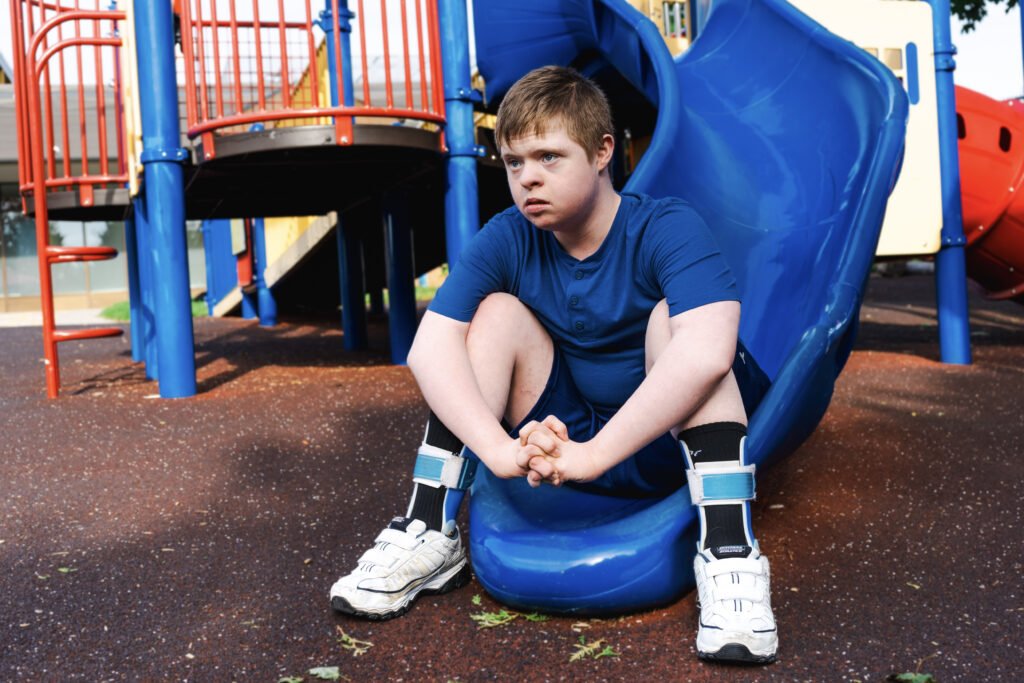
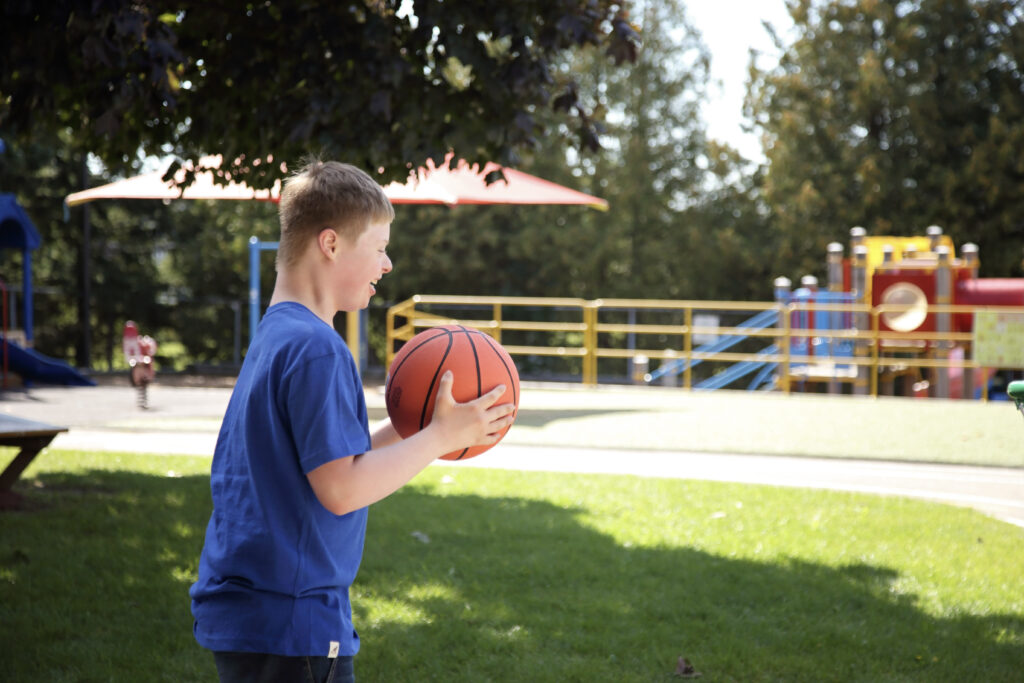
Matthew is a social 15-year-old teenager who likes to observe the world around him and to watch and play basketball. When his mom, Melodie, was only 17 weeks pregnant, she received the news that Matthew would be born with Down Syndrome. A few weeks later, a specialized ultrasound also confirmed a CHD called Atrioventricular Septal Defect (AVSD). This meant he had a large hole in the centre of his heart, and the valves meant to control the blood flow between the heart chambers might not be formed correctly. This early diagnosis gave his family the opportunity to educate themselves and meet with many specialized doctors before being thrown into the situation.

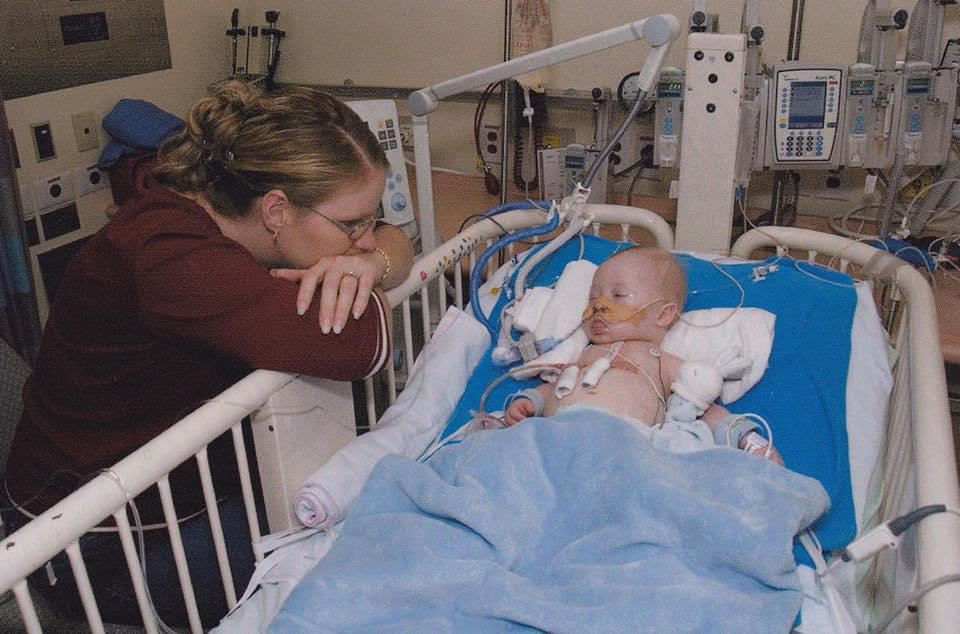
Baby Matthew in the NICU with his mom, Melodie, watching over him.

Matthew was born two weeks earlier than expected, thwarting medical plans, but was fortunate enough not to need immediate surgery. He spent a few weeks in the NICU and, at fix months of age, had his open-heart surgery. “That day was one of the hardest days of my life,” recalls Melodie. “I handed over my five-month-old baby boy to a nurse at Sick Kids Hospital, not knowing if I would get to see his beautiful little face again! Five and a half hours later, we received the news that the surgery was a success! The eight days that followed had some terrifying moments, but in the end, we brought home a healthy baby boy that is now 15-years-old and the centre of our universe!”

15-year-old Matthew sitting on a slide.

When asked what advice Melodie would give to families with a new diagnosis, she said, “Make sure to ask questions and don’t be afraid to tell their doctors if you aren’t clear on what they are saying. Our cardiologist drew us pictures, and I remember we took those photos and had dinner with family afterwards at a restaurant, where we used those photos to explain it to the grandparents. We made sure to educate ourselves as much as we could. We reached out to other families who had been where we were, and it helped so much. Just knowing you aren’t alone means so much. This is where Grandview Kids excels, and although we weren’t a part of Grandview Kids at this exact time, it paved the way for us to be so greatly involved with Grandview Kids as we knew the importance of helping other families just as we were helped.”

15-year-old Matthew holding a basketball.

Melodie and her family continue to be strong advocates for Matthew. They are helping others walk the same journey through family engagement and the power of storytelling. “Matthew has one of the biggest hearts I know,” says Melodie. “It may not be a perfect heart, but it’s a strong and loving heart. He is sweet, caring and sensitive. He loves people, and people love him. They see his perseverance, his courage, and his strength.  We have Grandview Kids to thank for helping us tell our story many times and inspiring people.”

Written by our Registered Dietitian, Heather-Ann B.

Feeding Tube Awareness Week is observed worldwide during the first week in February and takes place this year from February 5 to 9. The feeding tube, a masterful invention of modern science, has saved millions of lives and increased the chances of infant survival at a tremendous rate.

In 2011, the Feeding Tube Awareness Foundation designated a week to raise awareness about the importance of tubes in the lives of people. Each February, families of patients and survivors come together to share the positive impact of feeding tubes in their lives and challenge the stigma around the same.

What is a feeding tube?

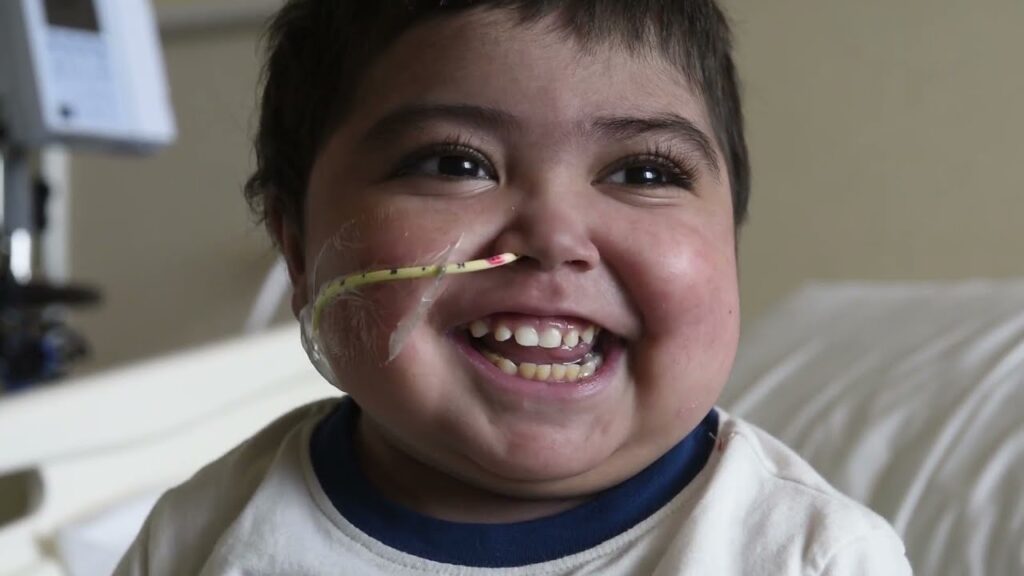
Feeding tubes are another way that children and youth can receive nutrition, water and medications by mouth. These tubes provide a route to the stomach and/or small intestine when a child or youth cannot eat or drink enough to support their nutrition needs or if they cannot eat or drink safely by mouth. The length of time a child or youth has a feeding tube can vary, as some may require short-term assistance with feeding, or others may depend on the tube for many years or for life.

There are different types of feeding tubes that may deliver nutrition to different places in the body.  Feeding tubes can send nutrition to the stomach or into the jejunum (small intestine) and may either enter through the nostril (NG-tube) or directly through a surgical opening in the abdomen (G/GJ-tube). 

Baby with a nostril (NG Tube).

Children and youth may either receive all or some of their nutrition by feeding tube depending on how much they can eat or drink by mouth. Some may only use the tube for hydration or medications. With support from their healthcare team, families can work towards finding the right route for feeding, the type and amount of formula or food to put through the tube, and the feeding schedule that works best for the client and family.

Feeding tube support at Grandview Kids

Grandview Kids offers multiple services that can support tube feeding management. A variety of clinicians may work together to help families with their tube-feeding needs.

Nutrition Clinic: The Registered Dietitians at Grandview Kids’ Nutrition Clinic work with families to ensure nutrition needs for growth and development are being met through tube feeding. Dietitians can also support problem-solving when difficulties with tolerance to tube feeding occur, such as vomiting or constipation.

Feeding Services: Children and youth with feeding tubes who are also working on oral feeding skills or safety may receive services from the joint OT/SLP feeding teams or receive feeding counselling from their core OT/SLP team members.

Complex Feeding and Nutrition Clinic: As of December 2023, the Complex Feeding and Nutrition Clinic started at Grandview Kids to provide additional support for children and youth requiring medical and dietetic support for their complex oral and/or tube feeding needs. In this clinic, Dr. Julie Johnstone and Heather-Ann B., RD, work closely with their OT and SLP colleagues for a multidisciplinary approach to feeding.

Brock’s journey with his G-tube

Written by Grandview parent and mom, Cassandra R.

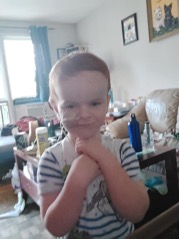
Brock’s journey began at age six when an unfortunate tumble down the stairs resulted in multiple brain bleeds, complicating his ability to eat and drink. During his hospitalization, Brock began to lose weight, prompting the medical team to insert an NG-tube to ensure he received the essential nutrients a young boy needs.

Despite our hopes, Brock’s eating difficulties persisted even after we left the hospital and completed rehabilitation. Concerned for his well-being, I became his advocate, pushing for the installation of a G-tube to manage his nutrition and safeguard his health.

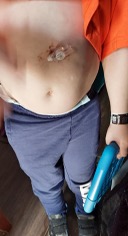
Brock with his G-tube
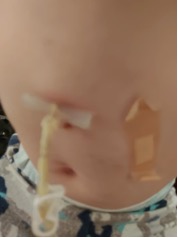
Close up photo of the G-tube.

The waiting list for a G-tube was lengthy, but patience bore fruit. Brock was eventually equipped with a T-tube connection, marking the start of a new chapter. Although most patients return home the day after the procedure, Brock stayed a bit longer for monitoring due to a minor concern during surgery. Fortunately, everything turned out fine, and we were soon back home.

Our journey didn’t end there. Brock was placed on another waiting list, this time for an upgraded G-tube, the Mic-Key. After six months of anticipation, we received the call that it was Brock’s turn. The surgery went well, and after a few days in the hospital, ensuring he was stable, we returned home.

At the time of discharge, Brock weighed a mere 30 kilograms—a figure that concerned us all. But with time, love, and the right nutritional support, he began to gain weight. At his latest check-up, the scales told a story of success; Brock had gained weight and was thriving.

Looking back, the wait and the worry now seem like small hurdles in a much larger success story. As he approaches his 11th birthday, Brock is a picture of health, a testament to the life-sustaining power of medical intervention. The G-tube was more than a medical device; it was a lifeline. Without it, Brock’s story could have been very different, as he was at significant risk of choking.

In February, we acknowledge Black History Month, World Hijab Day, Eating Disorders Awareness Week, Missing Women’s Memorial March, and International Childhood Cancer Day. Read more about each date of significance below, written by members of our Inclusivity, Diversity, Equity and Accessibility (IDEA) Committee.

Black History Month

February is dedicated to observing Black history and celebrating the achievements of Black communities and individuals. This month, people across Canada participate in events and festivities that honour the legacy of Black people in Canada and their communities. The theme for Black History Month 2024 is Black Excellence: A Heritage to Celebrate; a Future to Build.

Did you know? Hallie Quinn Brown, born in 1850, was an elocutionist and is considered by many to be the first Black Speech-Language Pathologist in America. Hallie utilized her skills in linguistics to improve the early literacy and language of Black children living on plantations and taught thousands of Black adults the power of using spoken language to enact change for social justice.

Learn more about Black History Month here!

World Hijab Day: February 1

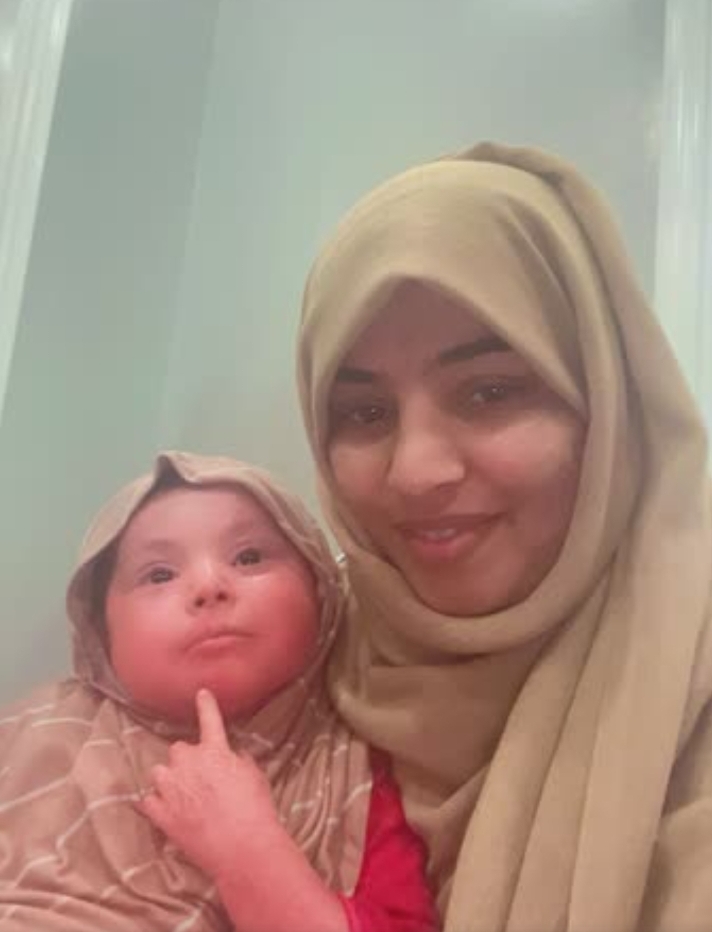
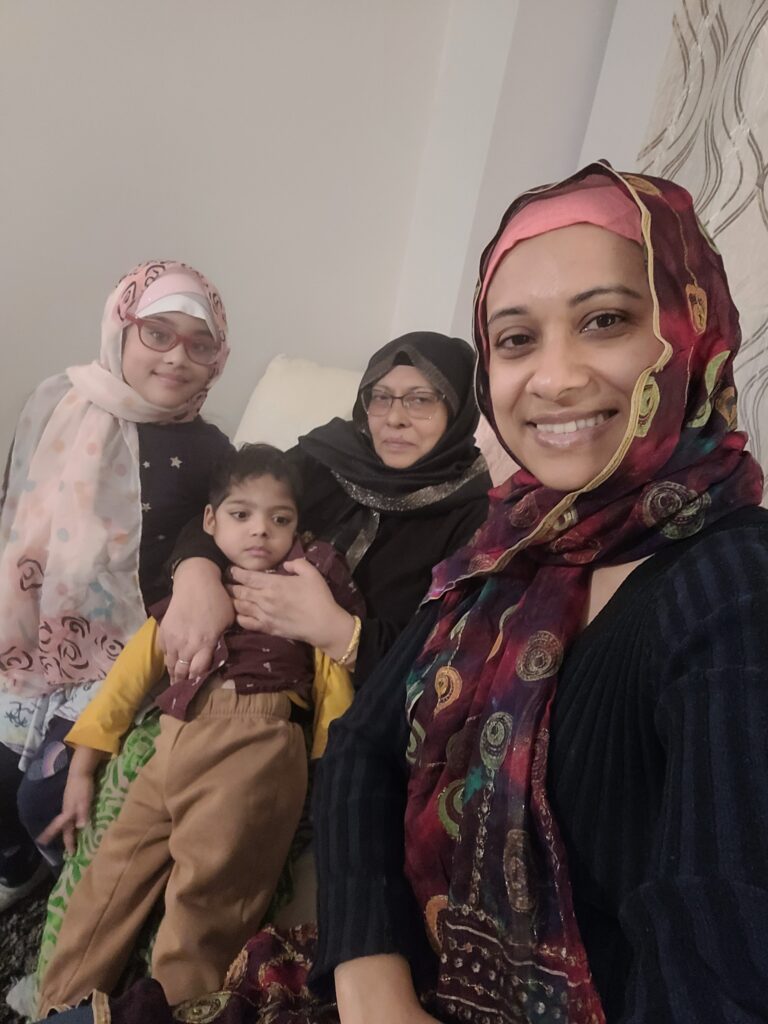
As we approach World Hijab Day on February 1, it presents a meaningful opportunity for us at Grandview Kids to enhance our understanding and appreciation of the cultural and religious practices of our Muslim colleagues, clients and their families.

Initiated by Nazma Khan in 2013, World Hijab Day is dedicated to raising awareness and fostering understanding about the hijab, which is a head covering worn by many Muslim women as part of Islamic modesty. This practice often includes wearing loosely fitted clothing to avoid attracting attention from non-mahram (men whom they can marry). At Grandview Kids, recognizing the significance of the hijab is crucial in ensuring our Muslim clients, caregivers and staff feel safe, respected and free from fear.

This image has an empty alt attribute; its file name is Screenshot_20240125-232907_Brave.jpg
Client and caregiver wearing the Hijab.
Staff member, Fadia, wearing the Hijab at Grandview Kids.
Client and their family.

We encourage open and respectful dialogues about the cultural and religious importance of the hijab, and we invite our staff to engage in this cultural experience. If any staff member is interested in wearing the hijab for a period of time as a gesture of solidarity or understanding, we warmly encourage them to reach out to their Muslim colleagues. Our Muslim staff members would be delighted to share their experiences and even bring a hijab for those interested to try out. This gesture can be a powerful way to connect, understand and show support.

Eating Disorders Awareness Week: February 1 to 7

Since 2020, Eating Disorders Awareness Week has provided an opportunity to raise awareness about various types of eating disorders which can affect individuals of all demographics. Though Eating Disorders Awareness Week has only been officially recognized since 2020, it has existed since 1986.

It’s interesting to note that eating disorders can be caused both by medical conditions and socioeconomic conditions. According to Statistics Canada, in 2022, 6.9 million Canadians experienced food insecurity, 1.6 million of whom were children. This food insecurity can often lead to the development of eating disorders as well.

There are several types of eating disorders, though one of the most common is anorexia or anorexia nervosa, which is a psychiatric condition in which a patient restricts how much food they eat based on their energy needs. These individuals tend to eat less and exercise more, resulting in these individuals becoming extremely underweight, which can lead to several additional medical complications. This is just one example, though there are many others.

If you or someone you know is struggling with any type of eating disorder, or if you are interested in learning more about learning disorders, please see our additional resources below, or please reach out to your healthcare provider.

  1. https://nied.ca/the-history-of-eating-disorders-awareness-week-edaw/
  2. https://kidshealth.org/en/teens/eat-disorder.html
  3. https://nedic.ca/eating-disorders-treatment/

Missing Women’s Memorial March: February 14

The Missing Women’s Memorial March occurs on February 14 to honour the lives of missing and murdered Indigenous women and girls across Canada and the USA. The event originated in downtown Vancouver’s eastside following the murder of a local Indigenous woman in 1992. Since then, it has grown to become an annual march to recognize all missing indigenous women and girls around the globe.

Participants in the Women’s March believe that it stands for survival and resilience and symbolizes the reclamation of dignity that has been denied to many women in Canada who identify as part of a marginalized group. Although originating in Vancouver, provinces all over Canada now hold annual marches to honour and bring visibility to these missing women and girls. To find out more information on marches for 2024, be sure to research marches in your community.

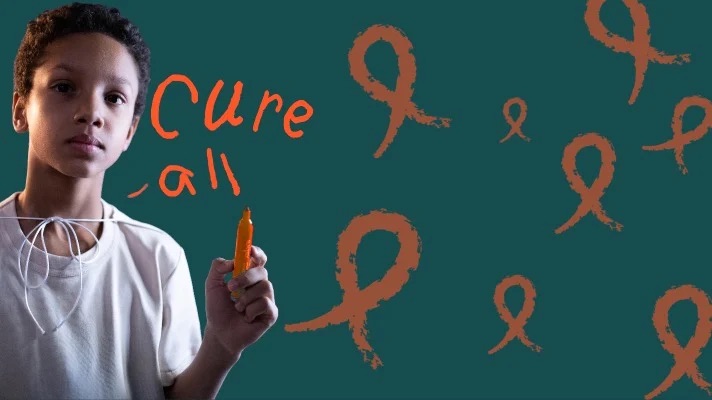
International Childhood Cancer Day: February 15

International Childhood Cancer Day is a global collaborative campaign to raise awareness about childhood cancer, and to express support for children and adolescents with cancer, the survivors and their families.

The day promotes increased appreciation and deeper understanding of issues and challenges relevant to childhood cancer and impacting on children/adolescents with cancer, the survivors, their families and society as a whole. It also spotlights the need for more equitable and better access to treatment and care for all children with cancer everywhere. As a community that supports children and youth, we stand with the World Health Organization Initiative for Childhood Cancer – striving for 60% survival globally by 2030.

In February, we acknowledge Setsubun, Isra’a and Miraj, Lunar New Year, Vasant Panchami, Nirvana Day and Shab-e Barat. Read more about each holiday/celebration below, written by members of our Inclusivity, Diversity, Equity and Accessibility (IDEA) Committee.

Setsubun: February 3

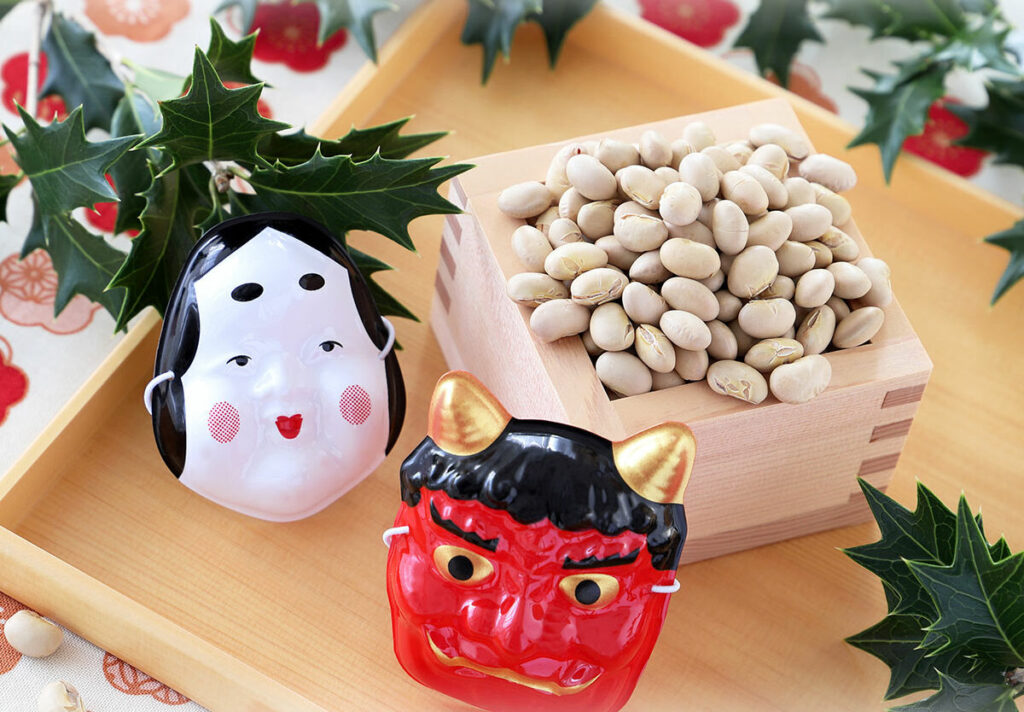
Setsubun (節分), meaning “seasonal division,” is a traditional Japanese festival celebrated on February 3, 2024, to welcome the arrival of spring according to the Japanese lunar calendar. The festival includes the ritual of Mamemaki, a tradition of throwing roasted soybeans to drive away evil spirits and invite good fortune. While throwing the soybeans, individuals shout, “Oni wa soto! Fuku wa uchi!” (“Devils out, happiness in”) as a means of purifying your space and minds. Although some customs are no longer popular during Setsubun, few people continue to traditionally ornament their homes with fish heads and holy tree leaves at their entrances to deter evil spirits from entering. This ritual symbolizes purification and is a lively family activity that emphasizes unity and tradition. Setsubun holds cultural and spiritual significance, marking the seasonal transition and creating a sense of harmony with nature.

Isra’a and Miraj: February 8 (depends on moon sighting)

Isra’a and Miraj commemorate the miraculous night journey and ascension of Prophet Muhammad. He travelled from Makkah’s Masjid Al-Haram to Jerusalem’s Masjid Al-Aqsa, then ascended to the heavens. The journey had two phases – terrestrial and celestial. Prophet Muhammad travelled on the Buraq to Jerusalem, a celestial steed that symbolizes the extraordinary nature of the Prophet’s journey. During this ascent, he met various prophets, including Abraham, Moses, and Jesus, and was shown the signs of God. It is said that during this part of the journey, the five daily Islamic prayers were ordained, marking a fundamental practice in Islam.

While he did not see Allah (God in Arabic), the Prophet’s proximity during this journey was unparalleled. The Prophet received the last verses of Surah Al-Baqarah and a promise of forgiveness for his Ummah, barring those associating partners with Allah. The journey included views of Paradise (Jannah) and Hell (Jahannum), revealing the rewards and punishments awaiting in the afterlife. After returning to Mecca, the Prophet’s detailed description of Masjid Al-Aqsa amazed the disbelievers, yet they remained skeptical. This night represents a pivotal moment in Islamic history, embodying deep spiritual significance and lessons in faith, resilience, and devotion.

Lunar New Year: February 10

Lunar New Year, known as the Spring Festival or Chinese New Year, is a significant celebration in China and among Chinese communities globally, spanning a two-week period. Rooted in a tradition over 3,000 years old, it marks the lunisolar calendar’s commencement with family reunions, feasting and symbolic rituals like cleansing homes to remove lingering bad luck. The celebration includes unique customs such as exchanging red envelopes filled with money, particularly for unmarried adults and children. Specific days hold special significance, such as honouring ancestors and acknowledging the creation of human beings. The festivities culminate with the Lantern Festival, a vibrant spectacle featuring paper lanterns, lion dances and parades, symbolizing cultural heritage and expressing hopes for prosperity and happiness in the new year.

Did you know that 2024 is the Year of the Dragon? Every Lunar New Year corresponds with a creature from the Chinese zodiac, which consists of a dozen creatures based on a 12-year cycle. Lunar New Year 2024 is the Year of the Dragon (or Wood Dragon), the fifth sign in the Chinese zodiac calendar. Dragon people are said to be confident, independent, charismatic, ambitious, adventurous and fearless.

Vasant Panchami: February 14

Vasant Panchami is a famous festival that marks the end of the winter season and ushers in the springtime. Sarasvati is the Hindu goddess of the Vasant Panchami festival. Sarasvati is the goddess of wisdom. She embodies the different facets of learning, such as the sciences, arts, crafts and skills. She is often pictured seated on a lotus or a peacock, wearing a white dress. Many honour the Goddess Saraswati by waking up early and dressing in yellow (believed to be her favourite colour), eating and sharing yellow sweets and snacks, and performing rituals (puja) to her deity.

Nirvana Day: February 15

Nirvana Day celebrated annually on February 15, holds significant importance in the Buddhist tradition as it commemorates the death of Buddha and his attainment of Nirvana. Buddhists believe in rebirth, meaning that all people are born again and again. During the Buddha’s life, he became enlightened, which means he understood the true nature of everything. So, when he died, he achieved complete Nirvana, which means he was free from ever being reborn again.

On Nirvana Day, Buddhists go to a temple or monastery and reflect deeply on the teachings of Buddha. People may engage in meditation sessions, participate in rituals, and engage in acts of charity and kindness to honour the Buddha’s teachings and legacy. It is also a time to think about impermanence, which means that we remember that people and things are precious, but they do not last forever, so we should enjoy them while we can. 

Shab-e Barat: February 25 (depends on moon sighting)

Celebrated on the 15th of Shaban, Shab-e Barat, or the Night of Forgiveness, is a significant Islamic festival. On this night, Muslims worldwide ask forgiveness for their sins from the all-merciful Allah (God in Arabic). Additionally, the night can be used to seek mercy for the deceased and ill family members. It is believed that Allah decides the fortune and the future of every creature of the earth on this night. Muslims across the world celebrate the night differently depending on cultural diversity and local traditions.

Guest blog written by Keith Couperthwaite (a Youth Advisory Council member)

World Braille Day, celebrated since 2019, is observed to raise awareness of the importance of Braille as a means of communication in the full realization of the human rights of blind and partially sighted people.

My brother, Malcolm, was born with Septo Optic Dysplasia, which affects the nerve connecting his eye to his brain. He is legally blind, and we are not quite sure how much he can actually see.

Keith holding new-born Malcolm.
Keith sitting beside Malcolm.

When I think about my brother being blind, sometimes it makes me sad. I wish he were able to experience the world in the same way I can. Sometimes I worry about how the world will accept him with his disability. Will he get bullied in school? Will he miss out on certain things? Will he have a hard time getting a job? 

Being blind has heightened his other senses incredibly, especially touch. He loves touching soft blankets, my dad’s beard and our dog, Zoey. Malcolm really benefits from having sensory toys that can help him get a better understanding of the world. 

He is still too young to understand braille; however, my parents have a few braille books. He loves feeling the textures in his books as we read along – he is making a connection. My family and I get happy when we see things being adapted with braille (i.e. business cards, playgrounds, signs, etc.). I think it’s important that everyone has the opportunity to access the world.

Even though he is blind, he is one of the happiest little kids I know. He is learning to adapt to the challenges that he has faced, and it’s not stopping him from enjoying life. His life is just unique, and that’s okay.

In December and January, we acknowledge Hanukkah, Christmas, Kwanzaa and Orthodox Christmas. Read more about each holiday below, written by members of our Inclusivity, Diversity, Equity and Accessibility (IDEA) Committee.

Hanukkah: December 7 to 15, 2023

Hanukkah, the Festival of Lights, originates from a historical conflict in 175 B.C., when King Antiochus prohibited Judaism in Judea, resulting in the destruction of the Temple of Jerusalem. The subsequent rebellion, led by Judah the Maccabee, culminated in victory around 164 B.C. The unique aspect of Hanukkah lies in the miraculous event involving a single jar of oil found upon the Maccabees’ return to the Temple. Initially sufficient for one day, this oil inexplicably burned for eight days, providing ample time for the victorious Maccabees to secure additional sacred oil. This extraordinary occurrence is commemorated through Hanukkah’s eight nights of celebration. Today, the festival’s commencement varies in the Gregorian calendar, with the 2023 celebration spanning from December 7 to December 15. Traditional practices include lighting a menorah, adding one candle each night, reciting blessings and exchanging gifts. The festival also features festive foods like sufganiyot and latkes, symbolizing the enduring lamp oil. Families partake in spinning a dreidel for chocolate gelt, adding to the rich traditions of Hanukkah.

Christmas: December 25, 2023

Christmas Day is celebrated globally to commemorate the birth of Jesus Christ. It is observed by both Christians and non-Christians as a religious and cultural holiday. Though the exact date of Jesus’s birth is not recorded in the Bible, December 25 corresponds with the traditional date of the winter solstice on the Roman calendar.

As recounted in the Bible’s New Testament, the Christmas narrative aligns with messianic prophecies told in the Old Testament. It was said that Jesus’s mother, Mary, would conceive through immaculate conception and that He would be born in a manager in Bethlehem. Mary and her husband Joseph, though originally from the town of Nazareth in Galilee, were on a journey to Bethlehem to fulfill census requirements decreed by Caesar Augustus. Once in Bethlehem, there was no room for them at the inn, only finding respite in a stable where Jesus would be born. The angels proclaimed the good news of the promised Saviour’s birth to lowly shepherds who then spread the word.

For many people, Christmas is not celebrated as a religious holiday but rather as a cultural holiday full of traditional celebrations with friends and family.

Many traditions accompany the Christmas holiday, such as giving presents, frequently associated with a figure named Santa Claus. Other traditions include the sending of cards to family and friends, parties with good food and drink, and the singing of carols and other songs.

On behalf of the IDEA Committee, Merry Christmas to all celebrating! “Glory to God in the highest, and on earth peace among those whom He is pleased!” (Luke 2:14 ESV). 

Kwanzaa: December 26 to January 1, 2023

Kwanzaa is an African American cultural holiday that is embraced in Canada and across the globe. The holiday is dedicated to celebrating African family, community and culture. Dr. Maulana Karenga, the founder of Kwanzaa and a member of the organization Us, established the holiday in 1966–67 as a response to race riots in Los Angeles, aiming to affirm African American culture and foster unity.  

Celebrated from December 26 to January 1, Kwanzaa derives its name from Swahili, meaning “first fruits,” and is characterized by a seven-day observance aligning with the seven principles of Nguzo Saba: umoja (unity), kujichagulia (self-determination), ujima (collective work and responsibility), ujamaa (co-operative economics), nia (purpose), kuumba (creativity), and imani (faith). Symbolism during Kwanzaa includes seven community values represented by symbols such as a straw mat, fruits, vegetables, corn, a cup, a kinara with seven candles and homemade gifts. Kwanzaa, spanning seven days, culminates in a vibrant December 31 celebration marked by gatherings in colorful African attire, a festive feast called karamu, and lively music, dance and singing, while the final day, January 1, is quieter and allows reflection on personal goals and aspirations for the upcoming year.

Orthodox Christmas: January 7, 2024

Orthodox Christmas is observed on January 7 by Eastern Orthodox Christians, marking the birth of Jesus Christ. It’s observed as per the Julian calendar, not the Gregorian calendar. This holiday is considered one of the most important in the Orthodox Christian calendar, marked by sacred rites, holy liturgies, and family gatherings. The tradition of observing Orthodox Christmas was carried over to Canada by immigrants from Eastern European countries such as Russia, Ukraine, Serbia, and Greece, amongst others. It continues to thrive in diverse, multicultural Canadian society today.

  • ⟨
  • Page 1
  • Interim pages omitted …
  • Page 14
  • Page 15
  • Page 16
  • Page 17
  • Page 18
  • Interim pages omitted …
  • Page 51
  • ⟩

Primary Sidebar

Child Stories

LnRiLWZpZWxke21hcmdpbi1ib3R0b206MC43NmVtfS50Yi1maWVsZC0tbGVmdHt0ZXh0LWFsaWduOmxlZnR9LnRiLWZpZWxkLS1jZW50ZXJ7dGV4dC1hbGlnbjpjZW50ZXJ9LnRiLWZpZWxkLS1yaWdodHt0ZXh0LWFsaWduOnJpZ2h0fS50Yi1maWVsZF9fc2t5cGVfcHJldmlld3twYWRkaW5nOjEwcHggMjBweDtib3JkZXItcmFkaXVzOjNweDtjb2xvcjojZmZmO2JhY2tncm91bmQ6IzAwYWZlZTtkaXNwbGF5OmlubGluZS1ibG9ja311bC5nbGlkZV9fc2xpZGVze21hcmdpbjowfQ==
LnRiLWhlYWRpbmcuaGFzLWJhY2tncm91bmR7cGFkZGluZzowfQ==
ICAudGItaW1hZ2V7cG9zaXRpb246cmVsYXRpdmU7dHJhbnNpdGlvbjp0cmFuc2Zvcm0gMC4yNXMgZWFzZX0ud3AtYmxvY2staW1hZ2UgLnRiLWltYWdlLmFsaWduY2VudGVye21hcmdpbi1sZWZ0OmF1dG87bWFyZ2luLXJpZ2h0OmF1dG99LnRiLWltYWdlIGltZ3ttYXgtd2lkdGg6MTAwJTtoZWlnaHQ6YXV0bzt3aWR0aDphdXRvO3RyYW5zaXRpb246dHJhbnNmb3JtIDAuMjVzIGVhc2V9LnRiLWltYWdlIC50Yi1pbWFnZS1jYXB0aW9uLWZpdC10by1pbWFnZXtkaXNwbGF5OnRhYmxlfS50Yi1pbWFnZSAudGItaW1hZ2UtY2FwdGlvbi1maXQtdG8taW1hZ2UgLnRiLWltYWdlLWNhcHRpb257ZGlzcGxheTp0YWJsZS1jYXB0aW9uO2NhcHRpb24tc2lkZTpib3R0b219IC53cC1ibG9jay1pbWFnZS50Yi1pbWFnZVtkYXRhLXRvb2xzZXQtYmxvY2tzLWltYWdlPSJhMWJlMmUyODAwMWFkMGRlMjBhM2RlZWVlYmE5MDJhMSJdIHsgbWF4LXdpZHRoOiAxMDAlOyB9IEBtZWRpYSBvbmx5IHNjcmVlbiBhbmQgKG1heC13aWR0aDogNzgxcHgpIHsgICAudGItaW1hZ2V7cG9zaXRpb246cmVsYXRpdmU7dHJhbnNpdGlvbjp0cmFuc2Zvcm0gMC4yNXMgZWFzZX0ud3AtYmxvY2staW1hZ2UgLnRiLWltYWdlLmFsaWduY2VudGVye21hcmdpbi1sZWZ0OmF1dG87bWFyZ2luLXJpZ2h0OmF1dG99LnRiLWltYWdlIGltZ3ttYXgtd2lkdGg6MTAwJTtoZWlnaHQ6YXV0bzt3aWR0aDphdXRvO3RyYW5zaXRpb246dHJhbnNmb3JtIDAuMjVzIGVhc2V9LnRiLWltYWdlIC50Yi1pbWFnZS1jYXB0aW9uLWZpdC10by1pbWFnZXtkaXNwbGF5OnRhYmxlfS50Yi1pbWFnZSAudGItaW1hZ2UtY2FwdGlvbi1maXQtdG8taW1hZ2UgLnRiLWltYWdlLWNhcHRpb257ZGlzcGxheTp0YWJsZS1jYXB0aW9uO2NhcHRpb24tc2lkZTpib3R0b219IH0gQG1lZGlhIG9ubHkgc2NyZWVuIGFuZCAobWF4LXdpZHRoOiA1OTlweCkgeyAgIC50Yi1pbWFnZXtwb3NpdGlvbjpyZWxhdGl2ZTt0cmFuc2l0aW9uOnRyYW5zZm9ybSAwLjI1cyBlYXNlfS53cC1ibG9jay1pbWFnZSAudGItaW1hZ2UuYWxpZ25jZW50ZXJ7bWFyZ2luLWxlZnQ6YXV0bzttYXJnaW4tcmlnaHQ6YXV0b30udGItaW1hZ2UgaW1ne21heC13aWR0aDoxMDAlO2hlaWdodDphdXRvO3dpZHRoOmF1dG87dHJhbnNpdGlvbjp0cmFuc2Zvcm0gMC4yNXMgZWFzZX0udGItaW1hZ2UgLnRiLWltYWdlLWNhcHRpb24tZml0LXRvLWltYWdle2Rpc3BsYXk6dGFibGV9LnRiLWltYWdlIC50Yi1pbWFnZS1jYXB0aW9uLWZpdC10by1pbWFnZSAudGItaW1hZ2UtY2FwdGlvbntkaXNwbGF5OnRhYmxlLWNhcHRpb247Y2FwdGlvbi1zaWRlOmJvdHRvbX0gfSA=

“Every milestone was met with cheers from ‘Team Delilah'” – Myotonic Dystrophy Day 2025

Before Delilah was born, her mom, Mallory, knew something wasn’t quite right about herself, but she could not explain it. There were subtle signs beginning in her teenage years that...

Latest Updates

  • Grandview Kids and Lakeridge Health open Canada’s first anesthesia procedure clinic in a Children’s Treatment Centre May 6, 2026
  • Ahaana’s magic ears: Speech and Hearing Month May 5, 2026
  • May: Dates of Significance April 30, 2026
  • Building confidence through the power of giving: Norah’s story April 30, 2026
  • A Place Where S Shines: Williams Syndrome Awareness Month April 29, 2026

You Have Questions

We’d like to help you find the answers…

Contact Us Today

© Grandview Kids Built by PeaceWorks

  • About Us
  • Contact Us
  • Privacy
Accessibility Adjustments

Powered by OneTap

How long do you want to hide the toolbar?
Hide Toolbar Duration
Select your accessibility profile
Vision Impaired Mode
Enhances website's visuals
Seizure Safe Profile
Clear flashes & reduces color
ADHD Friendly Mode
Focused browsing, distraction-free
Blindness Mode
Reduces distractions, improves focus
Epilepsy Safe Mode
Dims colors and stops blinking
Content Modules
Font Size

Default

Line Height

Default

Color Modules
Orientation Modules