Each month, the Inclusivity, Diversity, Equity and Accessibility (IDEA) Committee highlights dates of significance. These may include religious observances, clinical and medical awareness dates, important events or other significant moments within the community. See below for a broader list of additional dates of significance.
In March, we acknowledge Holi, Neurodiversity Celebration Week, Eid Al-Fitr, Earth Hour, Transgender Day of Visibility and National Indigenous Languages Day. Below, read more about each date of significance, written by members of our IDEA Committee.
Holi: March 4

Holi is a joyful celebration of colour observed by Hindus around the world. The festival heralds the end of winter and marks the beginning of spring. It is celebrated on the last full moon in the lunar month of Phalguna, which usually occurs in March. The time not only symbolizes a new season but also represents new beginnings for Hindus. It is often a time to end conflicts and let go of emotional baggage. The celebration also honours the triumph of good over evil.
Holi is normally a two-day celebration. The day before is known as “Jalane wali Holi” or “Holika dahan,” the day Holika burned. People celebrate by having their own bonfires in the neighbourhood. The morning after is called “Rangwali Holi,” the day of colour. That is the main day of the festival. Families and neighbours get together on the streets, throw powdered colour and liquid dye at each other, sing and enjoy. These coloured powders have special meaning: red dye symbolizes love, blue represents the Hindu god Krishna, and green stands for new beginnings.
The food is also fun and colourful. Finger foods are most popular since they can be eaten even with colour-smeared hands and face. The most popular sweet is Gujiya, a fried and sweetened empanada-like pastry stuffed with dried fruits and nuts.
Neurodiversity Celebration Week: March 16 to 20

March 16 to 20 is Neurodivergent Celebration Week! This week is a time to challenge the stereotypes and misconceptions that are often associated with being neurodivergent. It is also a time for people to celebrate the beauty of different ways of thinking and experiencing the world.
Neurodivergence, or neurodiversity, refers to the neurological differences that can be found in some people’s brains. Some examples of neurodiversity are dyspraxia, autism, ADHD, and dyscalculia. With different brains and ways of thinking come unique strengths and challenges. Often, environments and systems are not set up for neurodivergent people in ways that support their ways of learning and processing.
Neurodiversity might be a term that has come up more recently, but it is not a trend. Increasing understanding of how people’s brains work and what different people need allows more people to be successful in their lives. Neurodiversity is not something that is outgrown or “cured.” However, the support and coping skills that are needed may vary over a person’s life span.
Neurodivergence is often diagnosed in children. However, for many reasons, a diagnosis might not happen until adulthood. Some people are never officially diagnosed. Stigma, access to assessments, cultural understanding of differences, and financial challenges contribute to someone not being diagnosed.
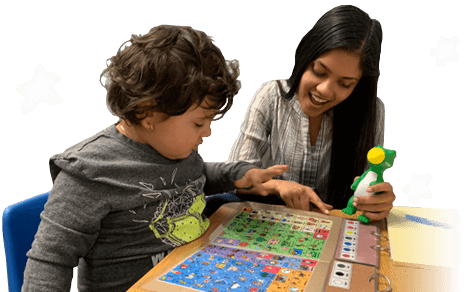
At Grandview Kids, we strive to provide neuro-affirming services to both clients and their families by learning from the individuals that we work with and approaching treatment and interactions as opportunities to learn together. Happy Neurodiversity Celebration Week!
Eid Al-Fitr: March 19 or 20 (based on the moon)

Eid Al‑Fitr, often shortened to Eid, is a joyful celebration observed by Muslims around the world to mark the end of Ramadan, a month devoted to fasting, reflection, prayer and community. The celebration begins with the sighting of the new moon, so its date can vary by region. Many families start the day with a special morning prayer, then visit loved ones, share meals and sweets, exchange gifts and greet one another with “Eid Mubarak,” meaning “Blessed Eid.” Many families take the day off work or postpone appointments when possible so they can enjoy the celebrations.
A core value of Eid Al‑Fitr is generosity. Zakat al‑Fitr is given by Muslims, a charitable contribution meant to ensure everyone can take part in the festivities, including those facing financial hardship. Eid is also a time to strengthen relationships, heal misunderstandings, reaffirm moral values and extend kindness throughout the community.
At Grandview Kids, recognizing awareness moments like Eid reflects a commitment to inclusion, dignity and family‑centred care. The children and families we support come from diverse cultural, linguistic and faith backgrounds—identities that often influence how families build community, cope with stress and find joy during challenging seasons of care. Small gestures, such as asking families whether cultural or faith considerations may help us support them better, contribute to an environment where everyone feels respected and understood.
Awareness isn’t about everyone celebrating the holiday; it’s about making space for one another. Eid Mubarak to all Grandview Kids families, staff and community members who are celebrating.
Earth Hour: March 28

March 28 marks Earth Hour, a time when millions of people across Canada and around the world turn off their lights for one hour to show their commitment to protecting the planet. What began in 2007 as a symbolic event in Sydney, Australia, has grown into a global movement, engaging communities, businesses and individuals in over 190 countries. Earth Hour is more than just an hour without electricity; it is a call to action, raising awareness about climate change, energy use and the urgent need for sustainable practices.
The significance of Earth Hour lies in its ability to bring people together for a common cause. When households, landmarks and businesses switch off their lights, it sends a visible message of solidarity, showing that collective action can make a difference. Beyond the symbolic act, Earth Hour encourages Canadians to reflect on how daily choices affect the environment and to adopt long-term sustainable habits.
Earth Hour is also a chance to reconnect with nature, whether by spending time outdoors, appreciating the night sky or reducing energy use. It reminds us that every action matters and that Canadians can contribute to a healthier, more sustainable future for generations to come.
Transgender Day of Visibility: March 31

March 31 marks Transgender Day of Visibility, a day to celebrate transgender, non-binary and gender-diverse people across Canada and around the world. The day was founded in 2009 by transgender activist Rachel Crandall to recognize the achievements, contributions and resilience of trans communities while raising awareness of the challenges they face. Unlike Transgender Day of Remembrance, which honours lives lost to violence, this day focuses on visibility, empowerment and recognition. It is a chance to affirm trans identities, challenge stigma and promote understanding in families, schools and communities.
Visibility is important because transgender and non-binary people often experience discrimination, exclusion and misunderstanding. Acknowledging their presence and contributions is a step toward creating safer, more inclusive spaces where all children, youth and families can feel seen and respected. At Grandview Kids, we are committed to being allies by listening to our clients, using affirming language and celebrating diversity in gender identity.
By fostering inclusion, raising awareness and modelling respect, we can help create a community where every child has the opportunity to thrive and be proud of who they are. Visibility matters, and allyship makes it stronger.
National Indigenous Languages Day: March 31

On March 31, we celebrate the 33rd National Indigenous Languages Day, created by the Assembly of First Nations in 1989 and first observed in 1993. The goal of this day is to raise awareness of and build support for the preservation of Indigenous languages across Canada.
There are 64 Indigenous languages spoken across the country, some of which are at risk of extinction. Dedicated advocates have long fought and continue to fight to preserve and revitalize these valuable languages. Below, join us in celebrating their efforts as we recognize and reflect on what the residential school system and colonization threatened to erase: the diverse and beautiful languages that form the founding fabric of our nation.
- Sol Mamakwa: Sol Mamakwa, NDP Member of Provincial Parliament (MPP) and the only First Nations legislator in the province addressed Queen’s Park in Anishinaabemowin in May 2024, making history. It was the first time an Indigenous language, or any language other than English or French, had been used by officials in the legislature. Sol emphasized that protecting Indigenous languages is central to identity and being a person.
- Dr. Ronald Ignace: Dr. Ronald Ignace has been a driving force in the revitalization and protection of Indigenous languages and was the first appointed Commissioner of Indigenous Languages for Canada. His dedication, expertise, academic background in anthropology and sociology, and lived experience earned him the 2019 Governor General’s Innovation Award and the 2024 Inspire Language Award.
- Gord Downie: Gord’s advocacy to improve the lives of Indigenous Canadians was inspired by the story of Chanie Wenjack, who died in 1966 trying to return home from a residential school. His call to build a better Canada led to the creation of the Gord Downie & Chanie Wenjack Fund, aimed at fostering cultural understanding and promoting reconciliation between Indigenous and non-Indigenous peoples. In June 2017, he was appointed to the Order of Canada for his work in Indigenous rights advocacy.
- Robert-Falcon Ouellette: Robert-Falcon Ouellette twice made history, achieving milestones in Indigenous languages advocacy. As a Cree member of Parliament, he helped establish standing orders allowing Indigenous languages to be fully translated in the House of Commons and delivered a speech in Cree on January 28, 2019. He was also the first Indigenous knowledge keeper in the Canadian Armed Forces, where he served 29 years, and became the first Indigenous chaplain in 2025. Today, Ouellette continues his advocacy as an associate professor at the University of Ottawa in Indigenous education and serves as director of the French teacher education programs.
Other dates of significance in March:
- Irish Heritage Month
- National Epilepsy Awareness Month
- National Cerebral Palsy Awareness Month
- Juvenile Arthritis Awareness Month
- International Wheelchair Day: March 1
- World Teen Mental Wellness Day: March 2
- World Hearing Day: March 3
- World Birth Defects Day: March 3
- International Women’s Day: March 8
- International Day to Combat Islamophobia: March 16
- Laylat al Qadr: March 16
- St. Patrick’s Day: March 17
- National Trisomy 18 Awareness Day: March 18
- Lent: March 18 to April 2
- St. Joseph’s Day: March 19
- Nowruz: March 20
- International Day for the Elimination of Racial Discrimination: March 21
- World Down Syndrome Day: March 21
- National Cerebral Palsy Awareness Day: March 25
Check out more Grandview Kids articles
- October 2026: Dates of Significance
- “I am Clara”
- Mitchell’s journey with Hydrocephalus
- Celebrating World Cerebral Palsy Day 2026
- Building belonging through family leadership