Each month, the Inclusivity, Diversity, Equity and Accessibility (IDEA) Committee highlights dates of significance. These may include religious observances, clinical and medical awareness dates, important events or other significant moments within the community. See below for a broader list of additional dates of significance.
In April, we acknowledge Passover, International Children’s Book Day, Easter Sunday, Vaisakhi, Wolf Hirschhorn Syndrome Awareness Day and Ridvan. Below, read more about each date of significance, written by members of our IDEA Committee.
Passover: April 2 to 9
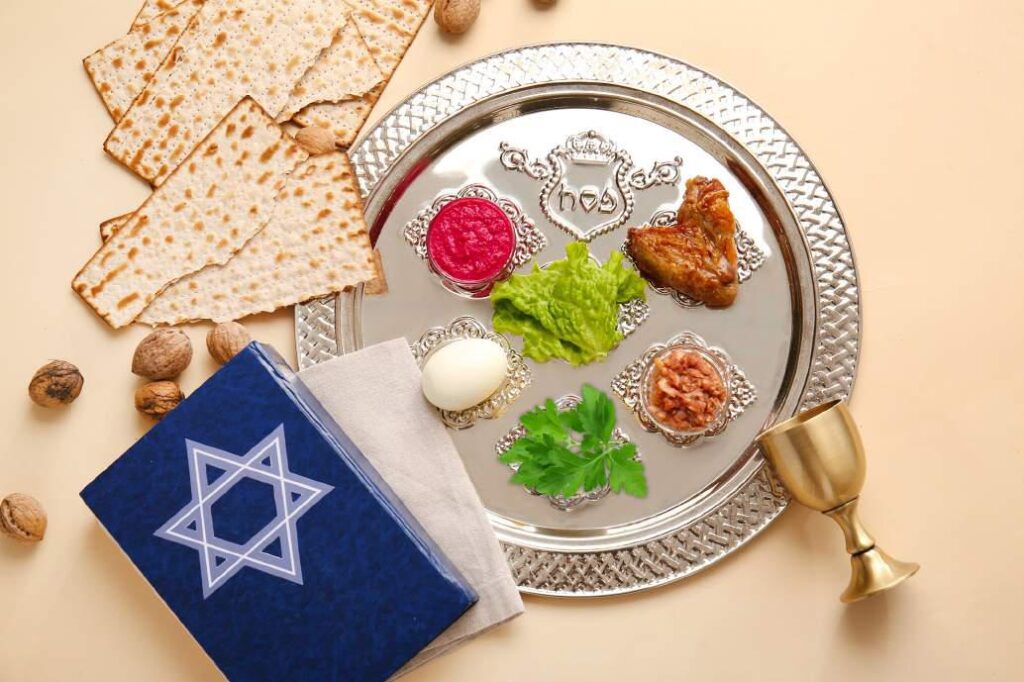
Passover is one of the most widely celebrated Jewish holidays. It is rich with history, symbolism and tradition. It is typically observed with a ritual meal on the evening before Passover begins, known as a seder, accompanied by traditional foods including matzah, beitzah and chazeret, along with kosher wine, and the retelling of the story of Exodus.
During Passover, many people avoid eating chametz, or leavened grain, including foods made with wheat, barley, rye and oats. This means avoiding bread, cake, cereal, pasta and most alcoholic beverages. This practice reflects the Israelites’ departure from Egypt, when they left so quickly they did not have time to bake their bread. Instead, the dough baked in the heat of the sun as they travelled, forming a flat, cracker-like food.
When greeting those who celebrate Passover, it is appropriate to say “Happy Passover” or “Chag Sameach,” a Hebrew phrase meaning “happy holiday.”
International Children’s Book Day: April 2

International Children’s Book Day is celebrated on April 2, Hans Christian Andersen’s birthday. Andersen wrote many classic fairy tales, including The Little Mermaid, The Princess and the Pea and The Ugly Duckling. His contributions to literature have inspired generations of children to read and imagine new worlds.
This day focuses on inspiring a love of reading in children and draws attention to the importance of children’s literature. According to the Government of Canada, reading to children and exposure to books can contribute to higher self-esteem and increased use of imagination, as well as support children’s developing language and social-emotional skills.
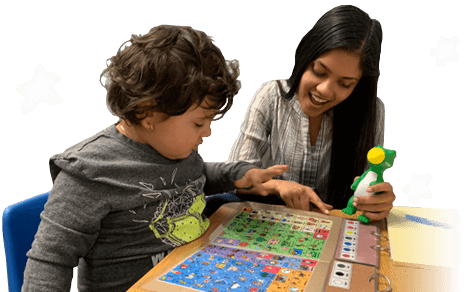
Libraries are key to helping children access books. Durham Region has libraries in many municipalities where you can find new books, enjoy a cozy space to read or borrow books to read at home. Beyond physical access, it is important that materials are accessible for all abilities. For example, the Ajax Library offers audiobooks, large-print books, C-Pens, multilingual books and DAISY readers. These support engagement with literature for people who are blind or have low vision, are dyslexic or speak different languages. Connect with your local library to learn more about the accessible options available.
Here are some ways you can celebrate at home with your family!
- Visit your local library and borrow a book
- Read your favourite book again
- Act out a story with funny voices
- Listen to an audiobook while you drive
- Write your own story and draw pictures to go with it
Easter Sunday: April 5
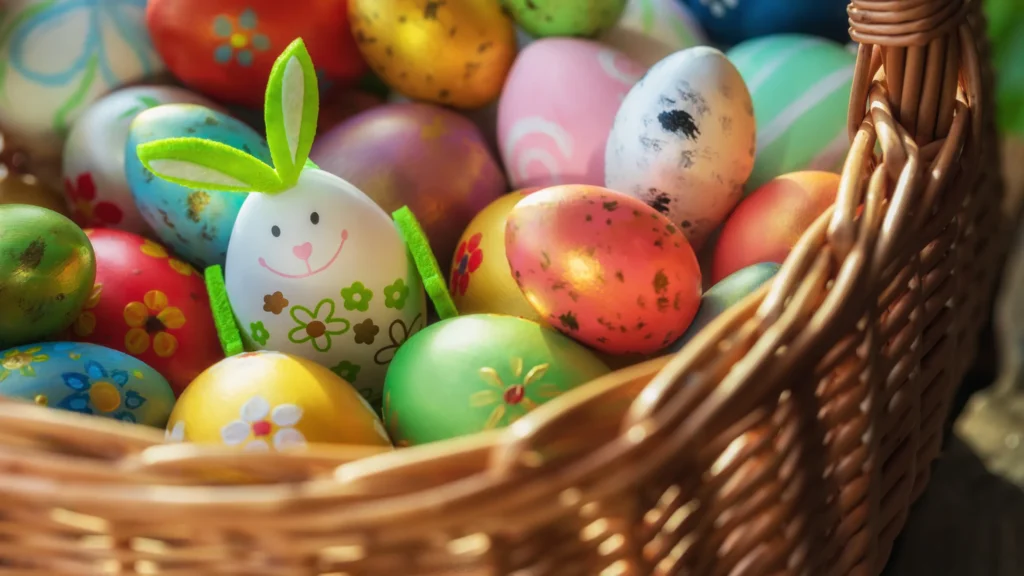
Easter, also known as Pasch or Pascha, is a Christian holiday and cultural celebration observed on Easter Sunday that commemorates the resurrection of Jesus Christ from the dead. According to the New Testament of the Bible, this event occurred on the third day after his crucifixion by the Romans at Calvary, around 30 AD.
Easter Sunday marks the culmination of the Passion of Jesus, a series of events that includes his suffering, crucifixion and resurrection. It is preceded by Lent, a 40-day period devoted to fasting, prayer and penance, during which many Christians reflect, give to others and prepare spiritually for Easter.
Easter is also associated with a range of cultural traditions and gatherings, including special church services, festive meals and community celebrations. For many, it is a time of renewal, hope and coming together with family and loved ones.
Vaisakhi: April 14

March 14 marks Vaisakhi, a festival celebrated by Sikhs worldwide that commemorates the birth of the Khalsa in 1699. This day holds deep religious significance, marking Guru Gobind Singh’s creation of the Khalsa, a collective body of initiated Sikhs committed to equality, service and faith. Vaisakhi also coincides with the start of the harvest season in Punjab, India, and is celebrated with great enthusiasm across the region.
On Vaisakhi, Sikhs gather for prayers, processions and community events at gurdwaras. Celebrations often include the singing of hymns, readings from the Guru Granth Sahib and the sharing of langar, a free community meal open to all. Nagar kirtan processions, featuring music and displays of martial arts, are also an important part of the day in many communities.
Vaisakhi is a time for the renewal of faith, reflection and celebration. It highlights the values of unity, generosity and service, while honouring the rich cultural and spiritual traditions of the Sikh community.
Wolf-Hirschhorn Syndrome Awareness Day: April 16

Wolf-Hirschhorn Syndrome Awareness Day, also known as 4p- Awareness Day, takes place each year on April 16 to advocate for those affected by this rare and complex genetic disorder.
Wolf-Hirschhorn syndrome affects an estimated one in 50,000 births. Individuals who are affected have a deletion on chromosome 4, resulting in a variety of symptoms, including slow growth, developmental delays, cardiac issues, distinct facial features, cleft lip or palate, a small head (microcephaly), seizures and more. Each individual’s symptoms can vary depending on the location and size of the missing chromosome.
April 16 aims to raise awareness and support, emphasize the need for early intervention and advocate for increased medical supports. You can show your support for Wolf-Hirschhorn Syndrome Awareness Day by wearing jeans. Some supporters may wear jeans with holes to represent the missing chromosome. For more information, visit the 4p-Support Group (North America).
Ridvan: April 21 to May 2

Ridvan is one of the most important celebrations in the Bahá’í Faith. It commemorates the twelve-day period in 1863 when Bahá’u’lláh declared his mission as the messenger of God while in Baghdad. Observed each year from April 21 to May 2, Ridvan is often called the “Most Great Festival” in the Bahá’í calendar.
The first, ninth and twelfth days of Ridvan are considered especially holy and are observed with prayer, reflection and suspension of work for adherents. The festival symbolizes spiritual renewal, the public declaration of faith and the joy of unity within the Bahá’í community. Across the world, Bahá’ís come together during Ridvan for gatherings at local centres, where they share prayers, readings from sacred texts and community celebrations. It is a time to strengthen bonds, reflect on core teachings and celebrate the principles of equality, peace and service that underpin the Bahá’í Faith.
Other dates of significance in April:
- Autism Awareness & Acceptance Month
- Limb Loss Awareness Month
- Deaf History Month
- Sikh Heritage Month
- World Autism Day: April 2
- Hanuman Jayanti: April 2
- Good Friday: April 3
- Easter Monday: April 6
- International Asexuality Day: April 6
- World Health Day: April 7
- National Caregiver Day: April 7
- National Siblings Day: April 10
- International Day of Pink: April 12
- Tamil New Year: April 14
- National Volunteer Week: April 19 to 25
- Earth Day: April 22
- World Day for Safety and Health at Work: April 28
Check out more Grandview Kids articles
- October 2026: Dates of Significance
- “I am Clara”
- Mitchell’s journey with Hydrocephalus
- Celebrating World Cerebral Palsy Day 2026
- Building belonging through family leadership