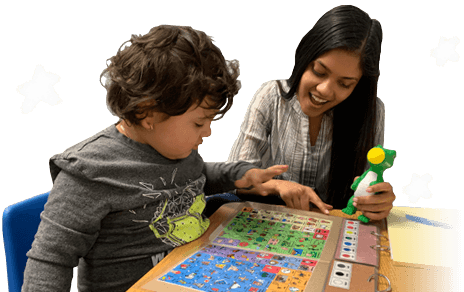
In December, we acknowledge the International Day of Persons with Disabilities, Hanukkah, Christmas, Kwanzaa and more.
Below, read more about each date of significance, written by members of our Inclusivity, Diversity, Equity and Accessibility (IDEA) Committee.
International Day of Persons with Disabilities: December 3
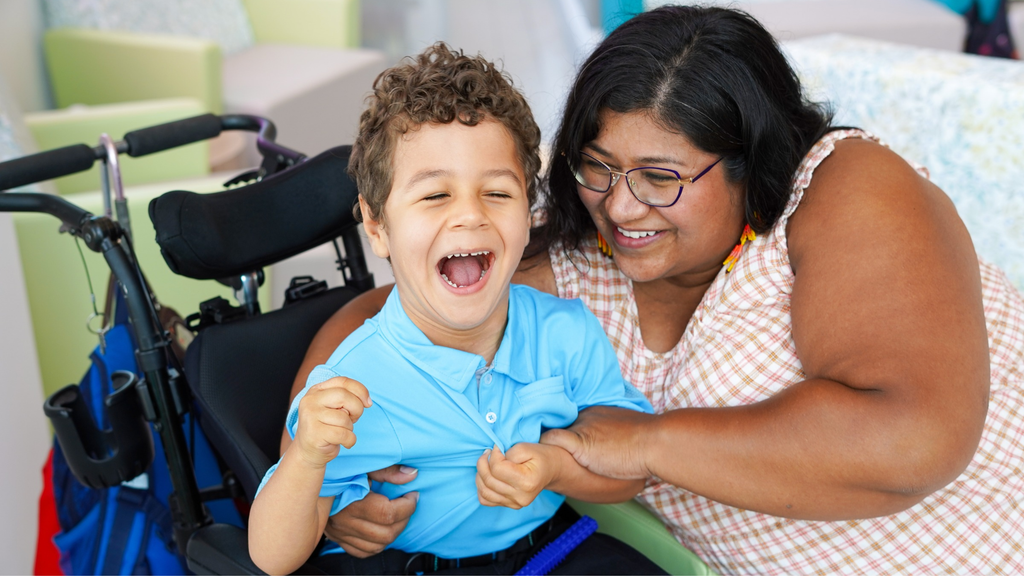
December 3 marks the International Day of Persons with Disabilities, as proclaimed by the United Nations General Assembly in 1992. This annual observance promotes understanding of disability issues, raises awareness of barriers to inclusion and supports the dignity, rights and well-being of people with disabilities. It also highlights the importance of accessibility, equity and creating inclusive communities where everyone can participate and thrive.
The 2026 theme, “The CRPD at 20: Building on Progress, Advancing the Future,” marks the 20th anniversary of the adoption of the Convention on the Rights of Persons with Disabilities. This year’s observance is an opportunity to recognize progress made over the past two decades and renew efforts to advance the rights, accessibility and full participation of people with disabilities around the world.
Learn more about the 2026 theme here!
Hanukkah: December 4 to 12
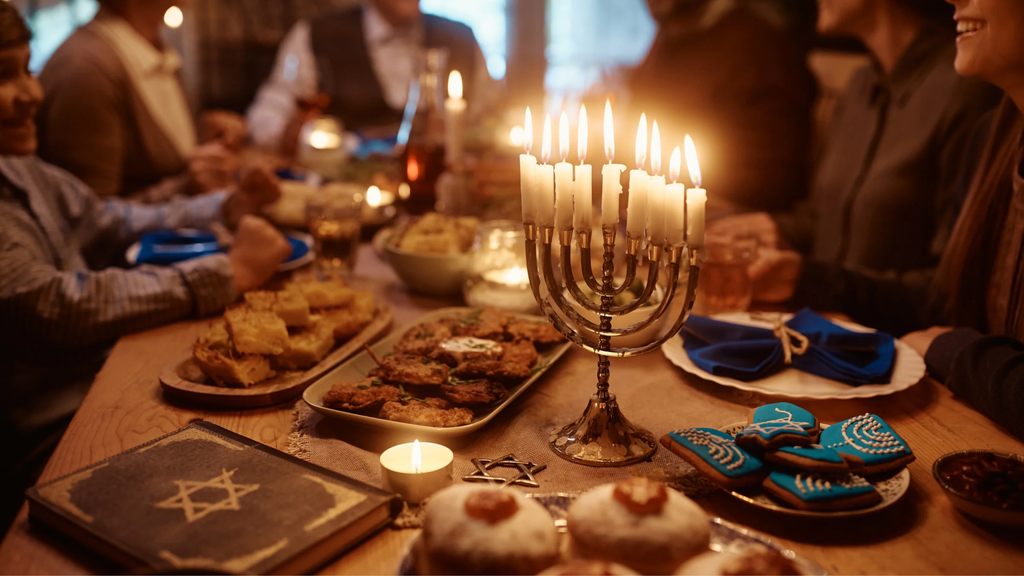
Hanukkah commemorates events from the second century B.C. when King Antiochus banned Judaism in Judea, leading to the destruction of the Temple of Jerusalem. A rebellion led by Judah the Maccabee restored Jewish worship, and a single jar of oil found in the Temple miraculously lasted eight days, inspiring the festival’s eight-night celebration. The holiday is a reminder of perseverance, faith and the importance of cultural and religious identity.
In 2026, Hanukkah begins on the evening of December 4 and continues for eight nights, ending on December 12. Families and communities come together to light the menorah, adding a candle each night while reciting blessings and prayers. Traditional foods like latkes and sufganiyot are enjoyed, symbolizing the oil that lasted in the Temple, and children often play with dreidels for chocolate gelt. Beyond the rituals and celebrations, Hanukkah is a time for reflection, gratitude and passing traditions to the next generation, strengthening the bonds of family and community while honouring centuries of history.
Christmas: December 25

December 25 marks Christmas Day, a global celebration of the birth of Jesus Christ observed by both Christians and non-Christians as a religious and cultural holiday. While the Bible does not record the exact date of Jesus’s birth, the date aligns with the traditional winter solstice on the Roman calendar. According to the New Testament, Mary, pregnant through immaculate conception, and her husband Joseph travelled from Nazareth to Bethlehem for a census, finding no room at the inn and welcoming Jesus in a stable. Angels proclaimed His birth to shepherds who then spread the news of the promised Saviour.
Beyond its religious significance, Christmas is widely celebrated as a cultural holiday with many traditions. People exchange gifts, send cards, attend parties, sing carols and enjoy meals with family and friends. A figure known as Santa Claus is closely associated with gift-giving while the holiday overall is a time for reflection, generosity and togetherness across communities around the world.
Kwanzaa: December 26 to January 1
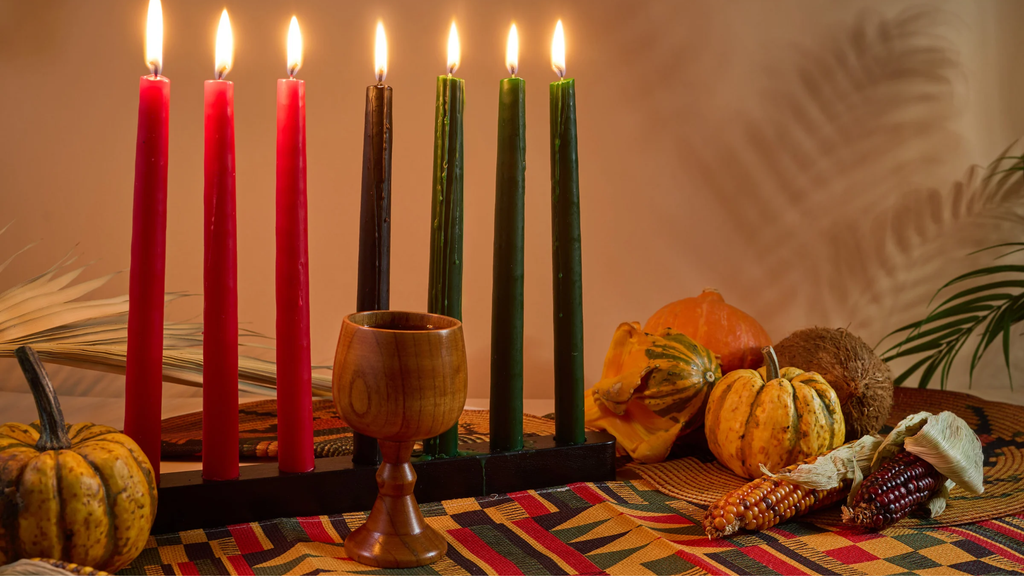
Kwanzaa is a yearly holiday celebrated from December 26 through January 1 to honour African heritage and culture. Each of the seven days focuses on one of the Nguzo Saba, the Seven Principles, including Unity, Self-Determination, Collective Work and Responsibility, Cooperative Economics, Purpose, Creativity and Faith. Families and communities celebrate with music, storytelling, drumming, dance and traditional foods while symbolic items such as the kinara candleholder, the mkeka mat and the mishumaa saba seven candles are displayed to represent the principles and cultural heritage. The holiday culminates with a communal feast known as Karamu, a time for sharing food, reflection and coming together in celebration of community, family and cultural pride.
Other dates of significance in December:
- International Day for the Abolition of Slavery: December 2
- International Volunteer Day: December 5
- National Day of Remembrance and Action on Violence Against Women: December 6
- Bodhi Day: December 8
- Human Rights Day: December 10
- Las Posadas: December 16 to 24
- Shab-e-Yalda: December 21 to 22
- New Year’s Eve: December 31
Check out more Grandview Kids articles
- December: Dates of Significance
- Henley’s journey: Grandview Kids 2026 Holiday Campaign
- Navigating caregiver burnout during the holidays
- Teaching Through Daily Chores: Laundry
- November: Dates of Significance