• Skip to primary navigation
  • Skip to main content
  • Skip to primary sidebar
Grandview Kids Logo

Grandview Kids

Every Child And Youth Living Life At Their Full Potential

  • About Us
    • Vision, Mission and Values
    • The New Grandview Kids
      • Operational Readiness
      • Visiting Grandview Kids’ Ajax Headquarters
    • Our History
    • Leadership
    • Board of Directors and Committees
      • Join our Board of Directors and Committees
    • Annual Report
    • Strategic Plan
    • Policies
  • Calendar
  • Annual Report
    • Strategic Direction 1: Deliver meaningful, efficient client and caregiver outcomes and experiences
    • Strategic Direction 2: Foster a thriving, connected Team Grandview
    • Strategic Direction 3: Collaborate with partners to maximize impact, focusing on Durham Region
    • The New Grandview Kids – The Jerry Coughlan Building
    • 2024-25 Financial Statement
    • Grandview Kids Foundation update
    • Grandview School update
  • Contact
    • Contactez – nous
    • Ajax – Headquarters
    • Bowmanville Health Centre
    • Grandview School
    • Oshawa – Dwyer
    • Port Perry
    • Whitby – Abilities Centre
  • Careers
  • Register
  • Donate
  • Instagram
  • LinkedIn
  • Facebook
  • Services and Programs
    • Audiology
    • Autism Program
      • Autism Spectrum Disorder (ASD) Diagnostic Hub
      • Caregiver-Mediated Early Years Programs
      • OAP Core Clinical Services
      • Entry to School Program
      • Foundational Family Services
    • Blind-Low Vision Program
    • Extensive Needs Service
    • Family Engagement Program
      • Adolescent Transition Program
      • Family Leader Program
        • Family Advisory Council
        • Youth Advisory Council
    • Infant Hearing Program
    • Medical Services
      • Autism Spectrum Disorder (ASD) Diagnostic Hub
      • Complex Care Program
      • Grandview Anesthesia Procedure (GAP) Clinic
      • Hypertonia Clinic
      • Nutrition Services
      • Orthopaedic Clinic
    • Occupational Therapy
    • Physiotherapy
    • Preschool Outreach Program
    • School Programs & Resources
      • Resources for Educators
      • School-Based Rehabilitation
    • Service Navigation
      • SmartStart Hub: Parents
      • SmartStart Hub: Partners
    • Social Work
    • Speech-Language Pathology
      • Augmentative and Alternative Communication
    • Therapeutic Recreation
  • Purchased Services
    • Beyond the Walls
    • Summer Camp 2026
    • OAP Core Clinical Services
      • Behaviour Services
  • Research
    • Get involved in research
    • IDEA Study
      • Building knowledge and understanding of the intersection of race and disability in accessing pediatric rehabilitation services.
    • Research Associate: Dr. Fiona Moola
    • Research Associate: Dr. Meghann Lloyd
  • Resources
    • Ability Acceptance Program
    • Arriving at Grandview Kids
    • Community Supports & Resources
    • Family Support Fund
    • Free to Read Program
    • Frequently Asked Questions
    • Gather by Grandview Kids
    • News and Updates
    • Privacy
    • Resources for Parents and Caregivers
    • Visiting Grandview Kids
  • Support Us
    • 50/50 Lottery
    • Ways to support
    • Host a fundraiser
    • Participate in an event
      • Golf Fore Grandview Kids
      • Sponsor the Drum
      • Dream Big, Dream Brighter Awards Gala
    • Leave a legacy
      • Gifts of securities
      • Gifts of bequests
      • Gifts of life insurance
    • Your impact
    • Building a Legacy: Honouring Jerry Coughlan
  • I Want To…
    • Connect with Grandview Kids
    • Donate
    • Refer a child or youth
    • Register via My Community Hub
    • Schedule an Appointment
    • Volunteer at Grandview Kids
    • Work at Grandview Kids
  • Grandview School
    • About Our Program
    • About Our Board
    • Grandview School Social Story
    • Plans and Reports
    • Resources for Families
    • Resources for Schools – Switch It Up!
    • Careers and Volunteering
    • Contact Grandview School
  • Search

Posted May 29, 2026

Becoming her own advocate: Zoey’s story

Occupational Therapy

Celebrating Stroke Awareness Month!

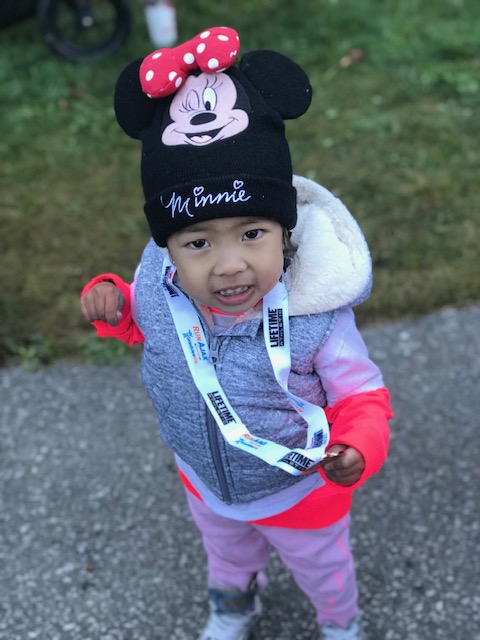
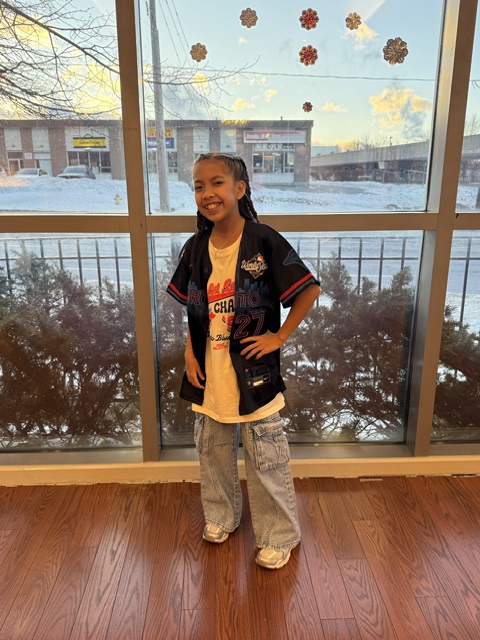
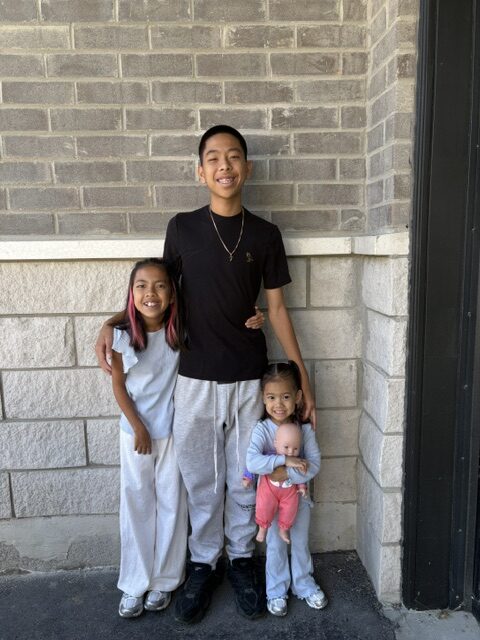
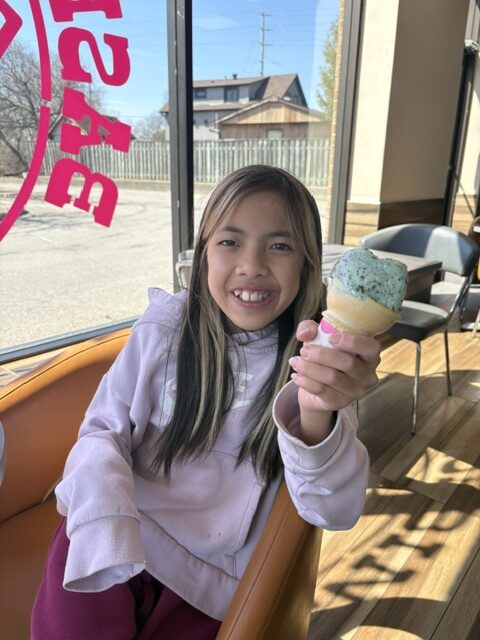
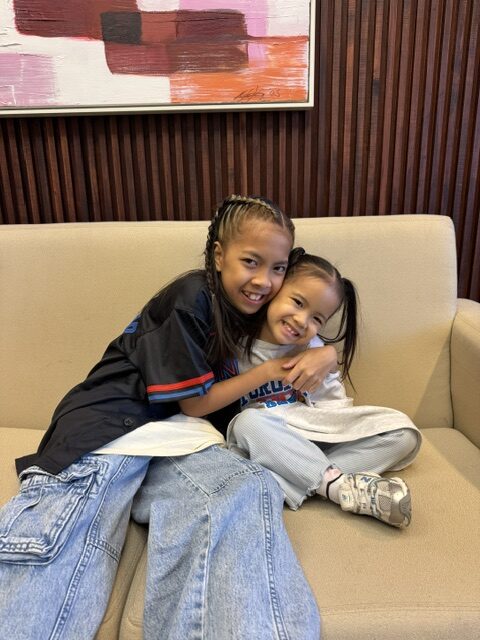
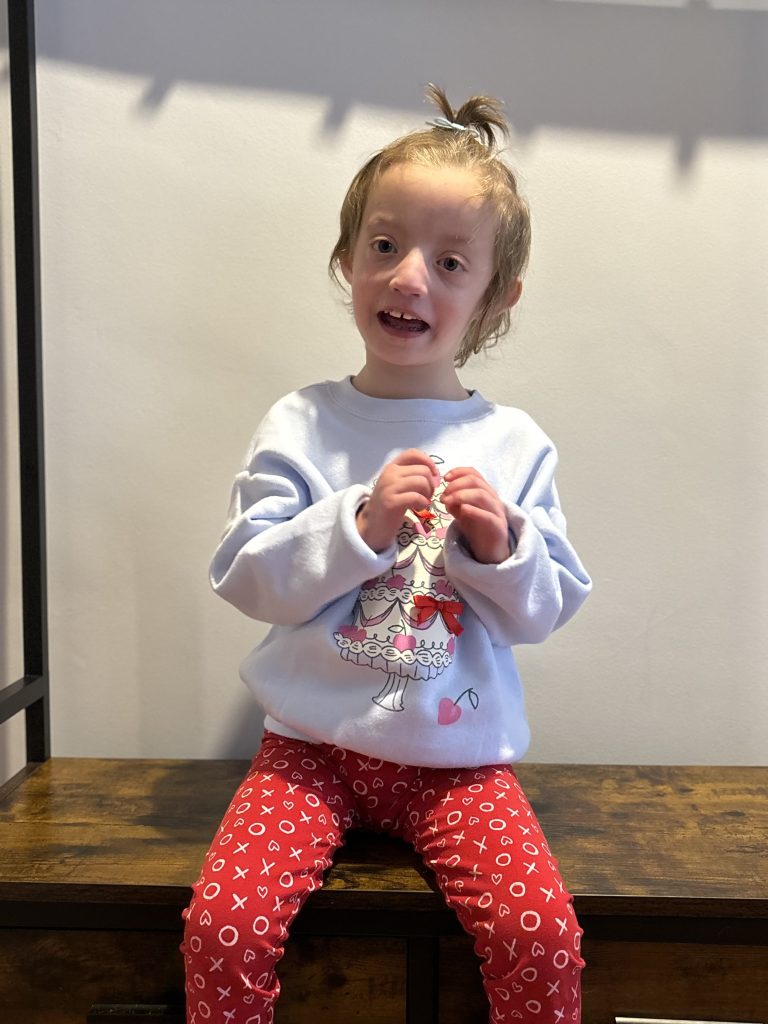
Zoey’s story began with two silent strokes before she was even born. These strokes in utero would lead to a diagnosis of right-sided hemiplegia cerebral palsy at 18-months-old. While cerebral palsy is part of her life, it does not limit 11-year-old Zoey. Today, she plays pickleball and basketball without hesitation, fills sketchbooks with art, bakes in the kitchen and laughs with her siblings, Miles and Quinn. Zoey’s parents, Jessica and AJ, prioritize family time, whether that means a visit to the zoo, watching cooking shows, playing UNO or Snakes and Ladders, or simply sitting together in the living room for movie nights. Their dog, Oreo, is never far behind and extended relatives, including great-grandparents, are part of her strong circle of support. Zoey’s journey is not defined by what happened to her, but by everything she has done since. 

As a toddler, Zoey’s parents noticed that she was not hitting age-appropriate milestones and seemed to favour only the left side of her body. Her right hand often stayed in a fist, her toes curled under and she did not seem aware of her right side. “It was like she didn’t realize she had a right hand at the time,” they shared with their paediatrician while raising their concerns. That led them to testing at SickKids Hospital, where an MRI revealed that Zoey had experienced two strokes before birth. Like many parents receiving a new diagnosis, Jessica and AJ were left wondering what this would mean for Zoey’s future, independence and everyday life. 

The diagnosis brought both uncertainty and the supports they needed. A referral was made to Grandview Kids, a place that would become much more than a therapy provider for Zoey’s family.  

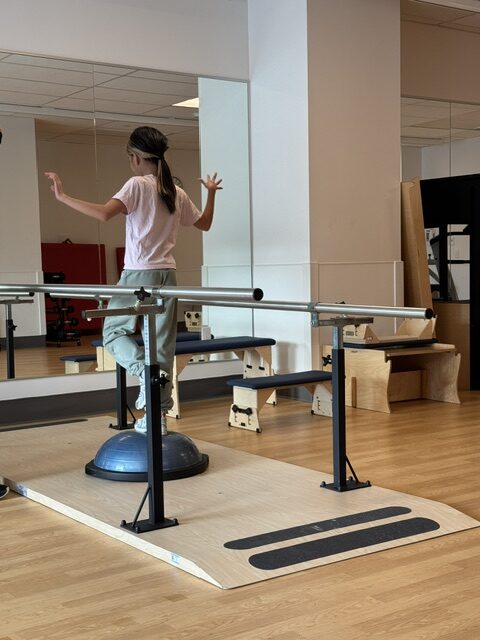
Zoey began physiotherapy, occupational therapy and participated in social work groups at Grandview Kids. Beyond the excellent clinical care, the welcoming, warm and “full of life” environment at Grandview Kids stood out immediately. Kids were not being called in for “appointments,” rather they were being invited to play. Therapies were play-based with goals set around what Zoey enjoyed, and because of this, Zoey thrived. 

With the support of her care team, she worked on strengthening her right side. She wore an ankle-foot orthotic (AFO) on her right leg and used arm splints to encourage both hands to work together. “Grandview helped me use my right hand a lot,” Zoey says. “And they helped me learn how to walk up the stairs.” As a toddler, she relied on the use of a walker but with determination, grit and encouragement, she progressed. Today, she runs onto a soccer field without supports.  

To Jessica and AJ’s surprise, the impact went far beyond physical development. Grandview Kids helped build Zoey’s confidence, resilience and her sense of belonging. Being surrounded by other children with similar experiences showed her that being “different” was something to understand and embrace. Grandview Kids also became a guide for her parents through the unknown, finding direction and reassurance in moments that once felt overwhelming. They learned how to advocate for Zoey, navigate difficult conversations and ensure she felt safe and supported in every environment. The ripple effect extended to Zoey’s older brother, Miles, now 14. Having attended many of her sessions, he absorbed the compassion modeled by Grandview Kids staff. At home, Miles became one of Zoey’s biggest supporters, encouraging and nurturing her in a protective way that shaped their bond. 

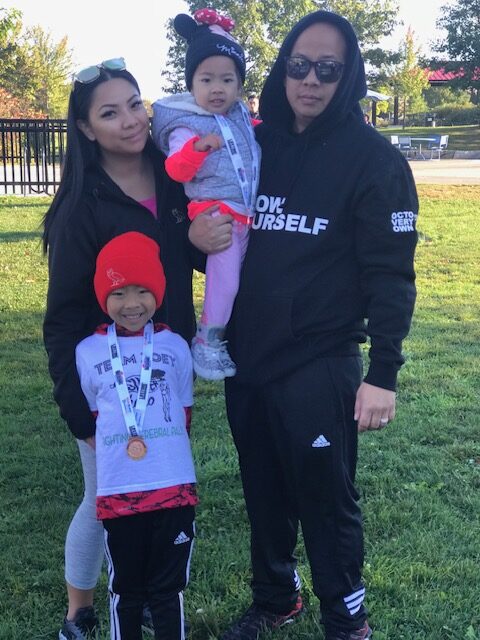
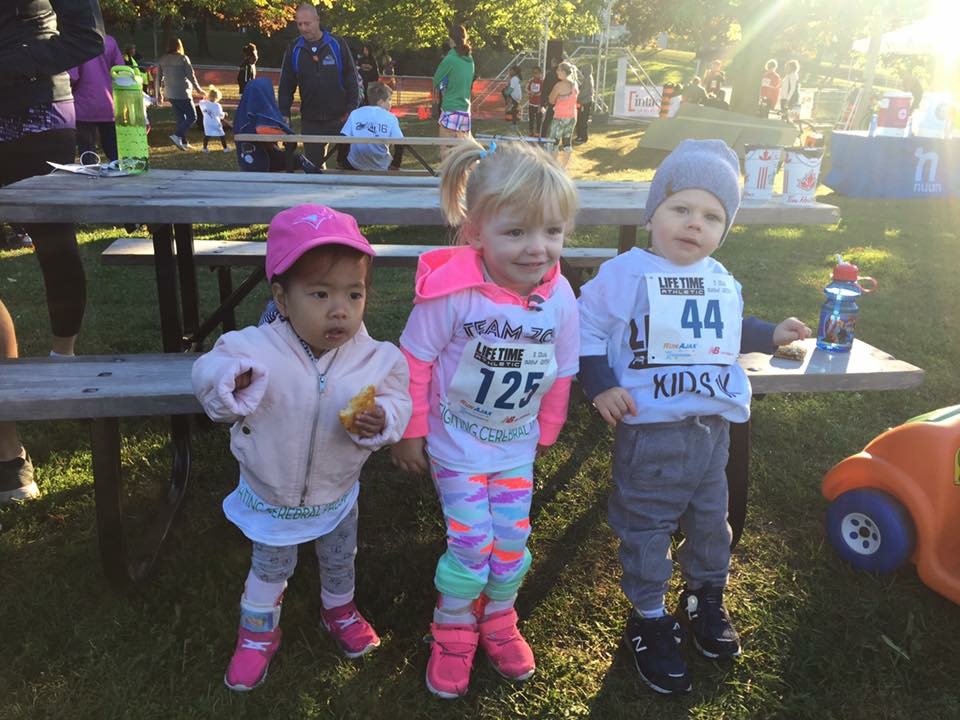
Grateful for the support they received, Zoey’s family felt a strong desire to give back in any capacity they could. In 2016 and 2017, they became Run Ajax Ambassadors for Grandview Kids. Agreeing to be part of the Ambassador Program turned into a full community effort with a team of about 30 friends and extended family, including cousins and grandparents, rallying together. They fundraised, sold custom t-shirts, raised awareness and demonstrated the power of gratitude and community. Together, they raised thousands of dollars to support the very programs that helped Zoey grow. 

Jessica and AJ are proud to share that Zoey is no longer just the child they once advocated for as she is becoming her own advocate. For a long time, talking about her diagnosis was not easy for her. Explaining what a stroke is or how cerebral palsy affects her felt intimidating. Over time, with reassurance from her family and the confidence she built through her experiences, Zoey found her voice. Now, when classmates or friends ask questions, she answers them in her own way and on her own terms. “My friend asked me a question about his mom, who also has cerebral palsy. He wanted to know how he could help her,” Zoey shares excitedly, recounting a recent opportunity for leadership and connection. Her parents remind her often that there is no right or wrong way to tell her story. “You know your body best. And when you’re ready, your voice can help others learn,” they encourage. 

The journey has not been easy; Zoey has worked hard to lead a vibrant and full childhood. Her family has faced moments of misunderstanding, stares from strangers and uncomfortable questions like, “what’s wrong with her?” Through the guidance from Grandview Kids, they have learned how to manage expectations, respond and perhaps most importantly, how to educate and advocate – not just for Zoey – but for every child and youth to help build a more inclusive world.  

Jessica and AJ encourage other parents to be their child’s voice until they find their own. “Every child deserves to be heard and respected. These conversations should start early, in classrooms and communities,” until they have trickled into the heart of every home.  

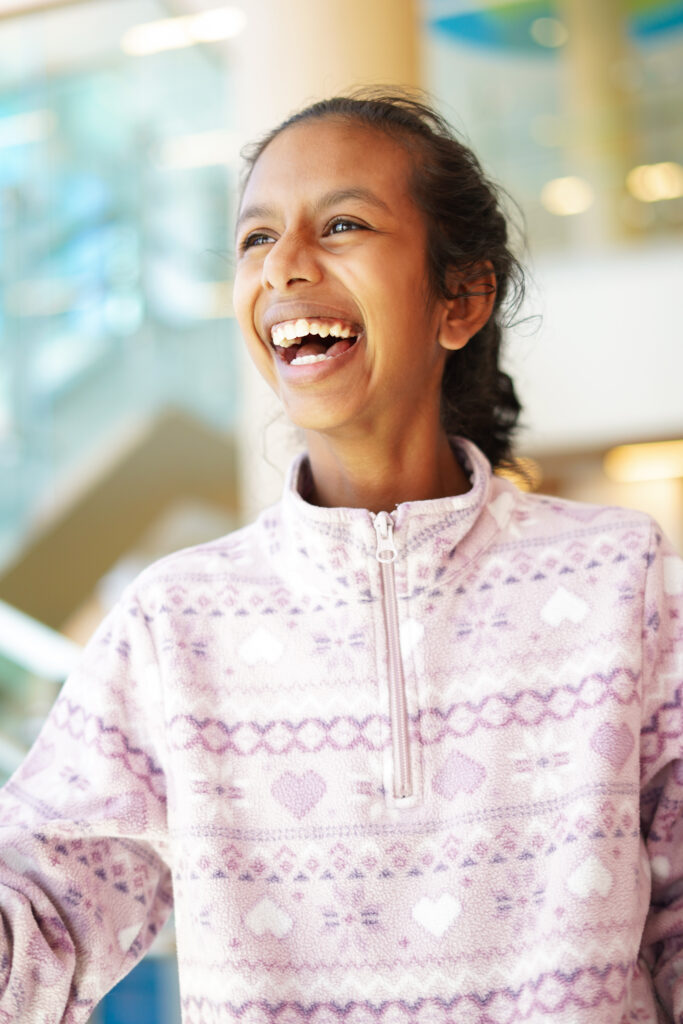
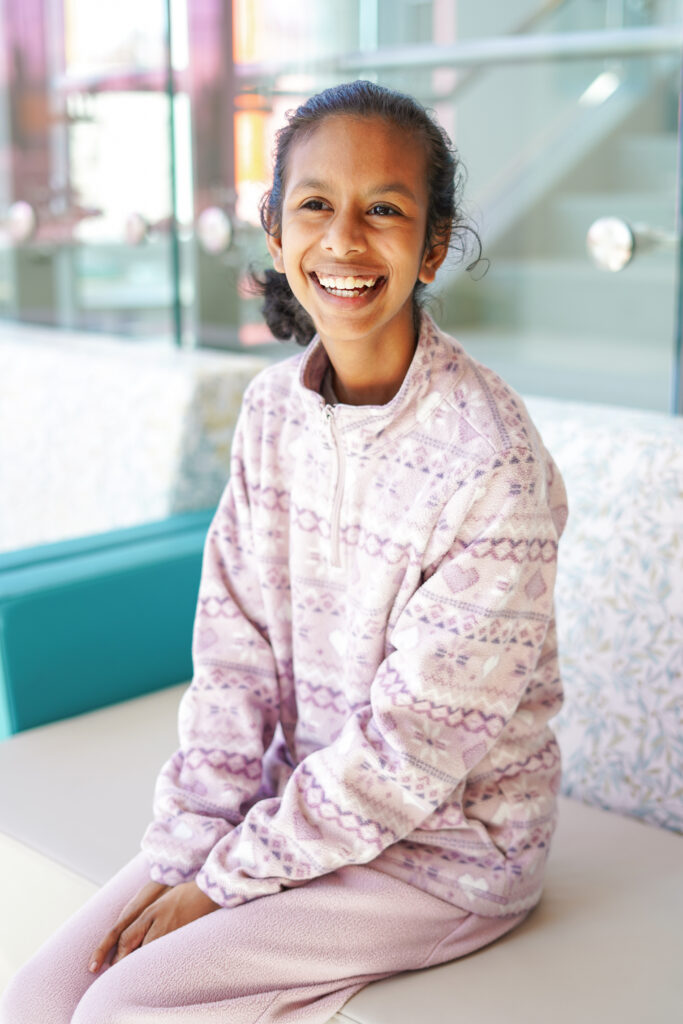
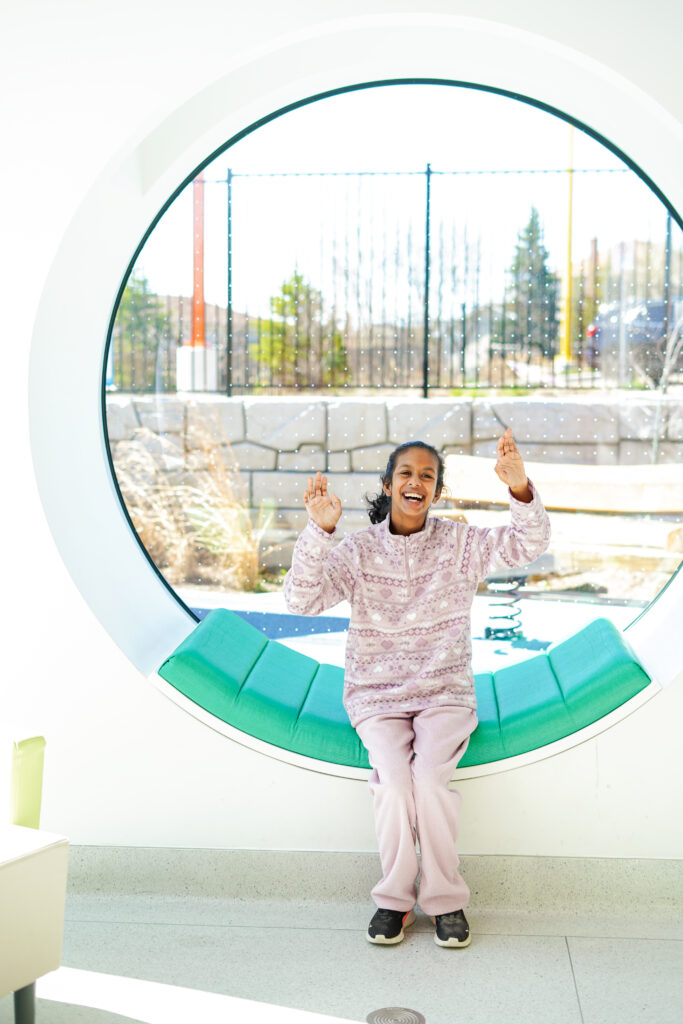
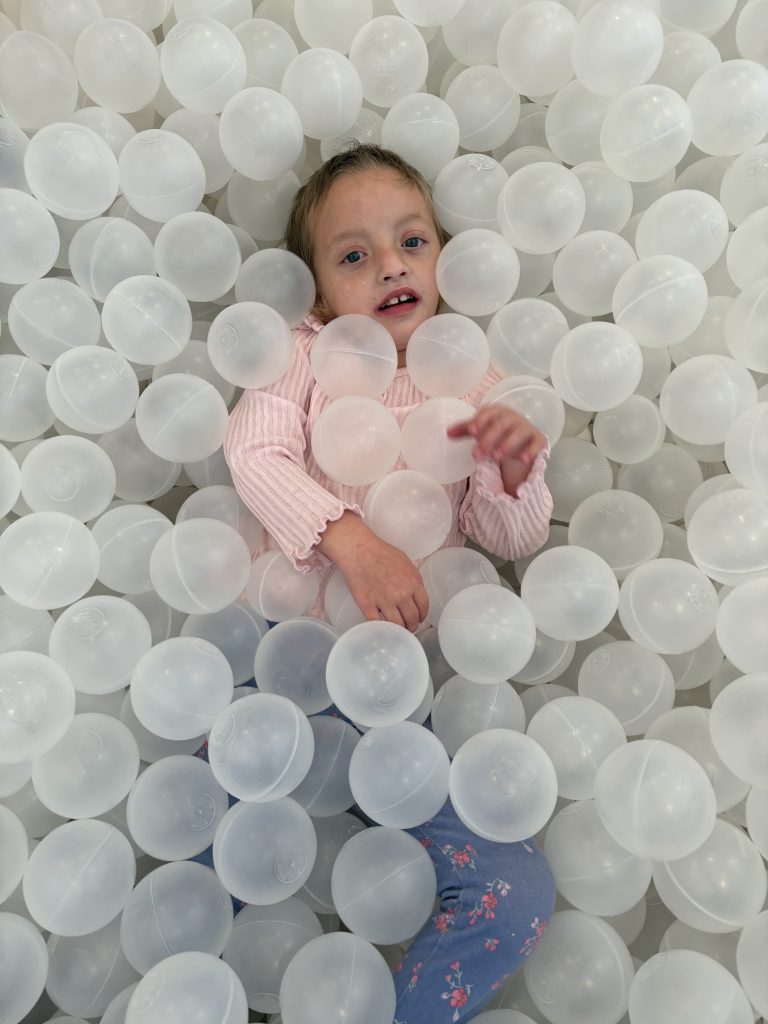
When 15-year-old S walks into a room, she radiates light. People naturally gravitate towards her. They are drawn to her social, expressive energy. She loves music, singing, dancing and thrives on connection. She is happiest when she feels included and known. She always strives to bring her family together, whether through bowling nights, shared meals, playing Wii or watching movies. She really enjoys singing with her dad.  

S has a sharp memory and sings in multiple languages (at least nine), including English, Spanish, Urdu, Arabic, Swahili and Afrikaans and has memorized the lyrics to hundreds, if not thousands, of songs across multiple genres. She values routine and predictability and can be unsettled by loud, unpredictable noises or sudden changes, but within her comfort zone, she flourishes. 

As a newborn, S was under birth weight and later diagnosed at The Hospital for Sick Children (SickKids) with failure to thrive during infancy. She struggled with feeding, sleep and growth. She suffered from extreme colic, uncontrollable crying and sensory processing. S’s mother, Sharon, consulted with a paediatric nutritionist to help improve her symptoms and was then referred to a naturopathic doctor when things did not improve.   Through a food sensitivities test, it was discovered that she had a leaky gut and had developed severe sensitivities to certain foods, despite being on a gluten and dairy-free diet. 

In 2012, at just two years old, S was referred to Grandview Kids by her family doctor as she was failing to meet her developmental milestones. Upon assessment, a medical team was established, which included a developmental paediatrician, speech-language pathologist (SLP), occupational therapist (OT) and physiotherapist (PT). Little did she know that this was the beginning of her lifelong journey at Grandview Kids.  

Initially diagnosed with global developmental delay, S was referred to Lakeridge Health for genetic testing to determine the underlying cause. S was diagnosed with Williams Syndrome (WS), a rare genetic condition affecting approximately 1 in 10,000 people. Caused by a random partial deletion on chromosome 7, which includes the elastin gene, the marker gene for a WS diagnosis.  

Those with WS are characterized by similar facial characteristics and an array of medical problems, including cardiovascular disease, gastrointestinal (GI) issues, developmental delays and learning challenges, which S also experiences. Despite these health challenges, they are also known for their friendly, highly empathic qualities, which are part of S’s charming personality. In particular, she has speech and language challenges, decreased cognitive and physical abilities, and sensitivities to loud, unpredictable sounds such as thunderstorms, fire alarms, dogs barking and people laughing or coughing. Her heart is regularly screened by a pediatric cardiologist due to early detection of a heart murmur. Those with WS are prone to cardiovascular narrowing of the arteries and heart attacks.   

The diagnosis brought mixed emotions of fear, relief and disbelief all at once. Her parents suspected something was not right, especially as the youngest child of three, but did not yet have the language or roadmap to understand what lay ahead. Sharon was plagued by guilt, thinking it was something she had done. Learning that this random deletion in their daughter’s chromosomes occurred at the time of conception and not by anything they did before or during pregnancy was the first step in a long journey ahead. 

What made it harder was the condition’s rarity. It is difficult for people with WS to access dedicated resources, support for treatment, continuity of care or find medical professionals with experience in WS. While in the U.S., those with WS have access to established clinics and conferences, Sharon and her family often felt like they were navigating uncharted territory at home. Still, even in those early days, one thing was clear: S loved music. A simple music box could calm her, distract her enough to eat and bring her joy. Music became a bridge, a way she could connect with the world.  

Over the years, S’s Grandview Kids services also expanded to therapeutic recreation, audiology, social work, the orthopaedic clinic, optometry and, most recently, the Adolescent Transition Program. From 2014-2016, Sharon attended monthly Parent Support Group meetings on Saturdays to connect with other families facing similar challenges of raising a child with disabilities.  

For Sharon, Grandview Kids quickly became more than a therapy centre. “Grandview Kids became our home away from home,” said Sharon. “It’s the one place where I never had to explain my child or justify her needs. I could just let my guard down and be a mom.”  

In other community spaces, Sharon often felt pressured to explain, justify or defend her child’s needs. At Grandview Kids, that pressure disappeared. Parents sat together in waiting rooms without labels or explanations, just shared understanding. No one asked why a child behaved a certain way, and no one judged, so guards came down. 

Once S aged out of the Grandview Kids services and entered the school system, she continued to receive school-based rehabilitation services (SBRS).  Sharon shares that over the years she has learned to be S’s voice, advocating for her, especially during COVID-19 lockdowns, when she assumed the unofficial title of “educational assistant.” As a social butterfly, she found that those years of isolation and social distancing had a profound effect on her personality, and returning to the physical classroom was a slow adjustment.  

Since then, S has learned to find her own voice with Grandview Kids by her side and with mom as her lead example. She is thriving in new ways, enjoying high school and has grown tremendously since overcoming early communication barriers. With advocacy support from her parents and speech therapist, her teachers learned how to better understand and support her. She is now in a practical learning program (PLP) classroom and beginning to develop self-advocacy skills. While transitions can still be hard and loud environments overwhelming, she is confident in who she is and that confidence has been nurtured by her community. 

Equally important are caregiver supports through the Family Engagement (FE) Program’s weekly park playdates, parent and youth social nights, monthly coffee chats, summer days at the Barrett Centre rural farm and outings to the pumpkin patch. These moments allow families to build confidence, clarity and connection. One of the most meaningful parts of S’s journey has been the Adolescent Transition Program (ATP), where she met Peer Navigator April W., who has become like extended family. 

“April has a big heart and specialized training and combines that with her lived experience to help support other families navigate their journey,” Sharon notes. 

ATP was co-designed by parent and youth advocates and various members of Team Grandview. ATP puts the family voice at the centre of program development. The program is supported by a grant from TD Bank and pioneered by FE Program Manager, Andrea B. She brings both the parent/caregiver and peer lived experience to provide support and resources to families when clients transition from paediatric to adult care. Sharon also attended ATP workshops that share vital information on funding, guardianship and post-secondary education.  

Since being part of ATP, when S hears “Grandview,” she thinks of the amazing friendships she has fostered and the fun dance parties that she gets to attend. The enthusiasm is spilling into other areas of her life, including therapy and school. Sharon sees the excitement in S’s eyes and the joy bubbles and overflows.  

To Grandview Kids families who feel hesitant or unsure about making connections with others, Sharon offers simple advice, 

“If you’re hesitant, just come. You don’t know what you’re missing. You’ll learn, you’ll connect and you’ll realize you’re not alone.”  

Living with a child with physical, communication or developmental needs comes with uncertainty, but it also comes with extraordinary joy, resilience and connection. S reminds everyone she meets that difference is not something to fix, but something to understand, support and celebrate. At Grandview Kids, S receives services, but she’s also dancing, connecting and shining exactly as she should. 

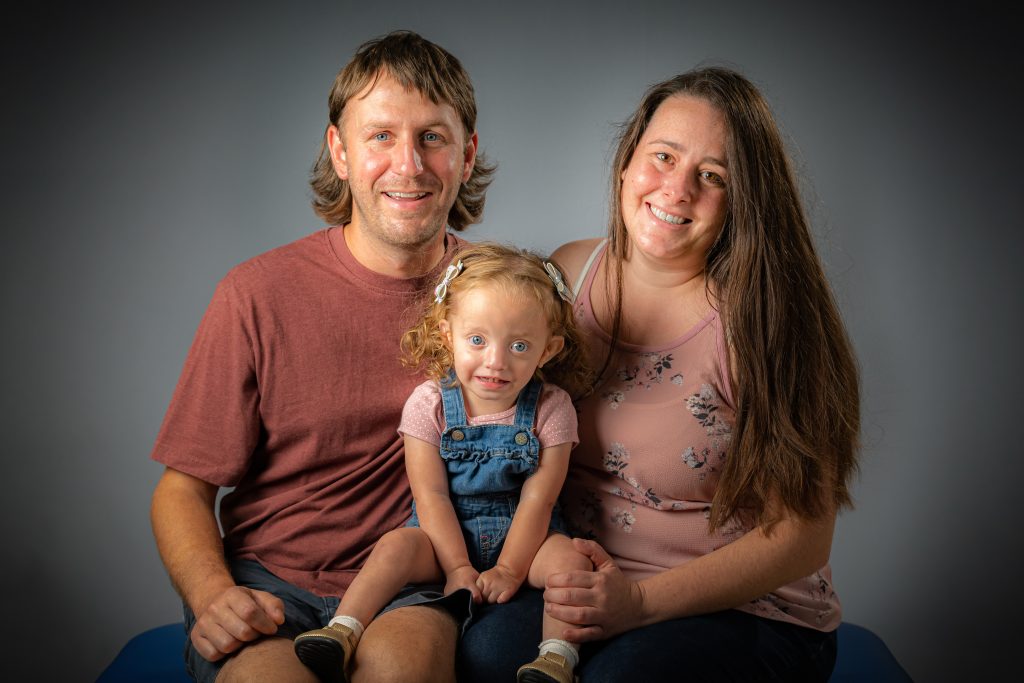
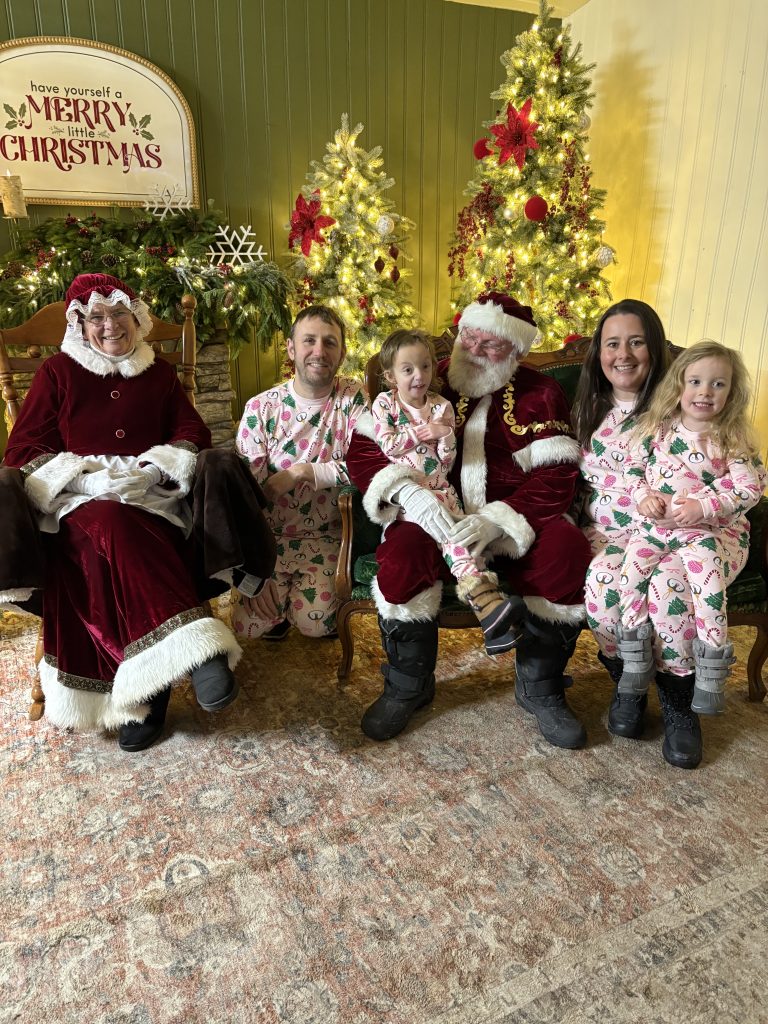
Elysha, a teacher, and Tyrone, an electrician, are the parents of Adaline (7) and her younger sister, MaKinleigh (3). They built a life that is busy, loud and full of movement, just the way their daughter Adaline likes it. Between outdoor adventures, time at the park, weekends at their cottage and their new trailer, the family is always on the go. Adaline thrives in that energy, seeking out stimulation and excitement, sometimes in ways that keep her parents on their toes!  

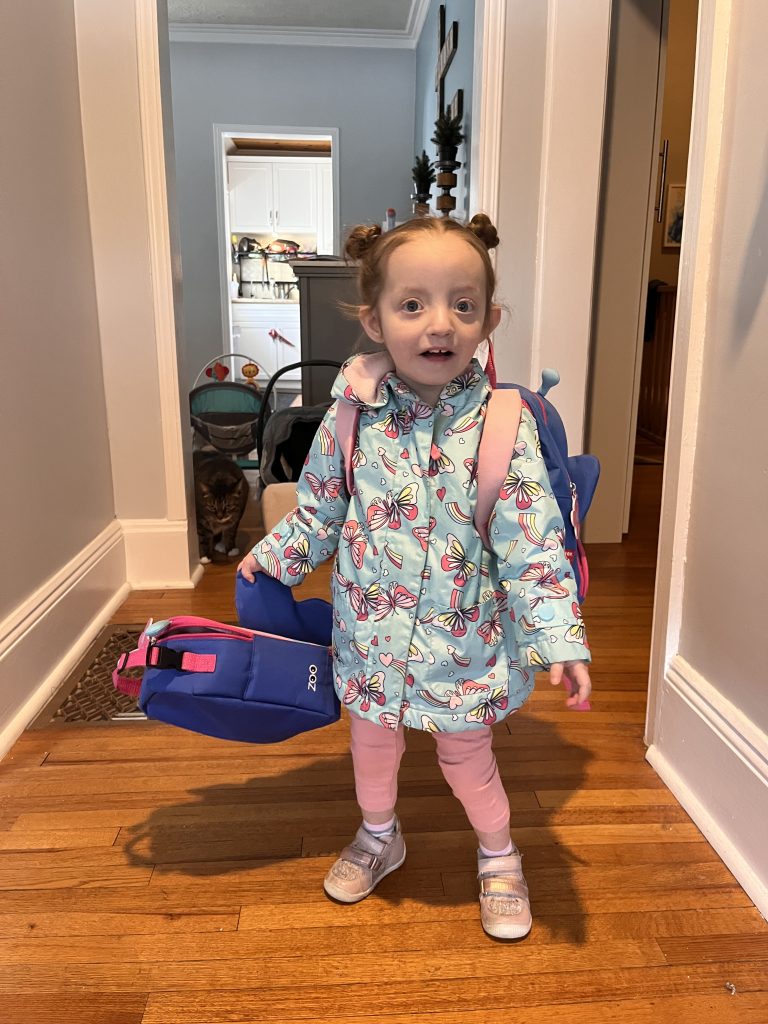
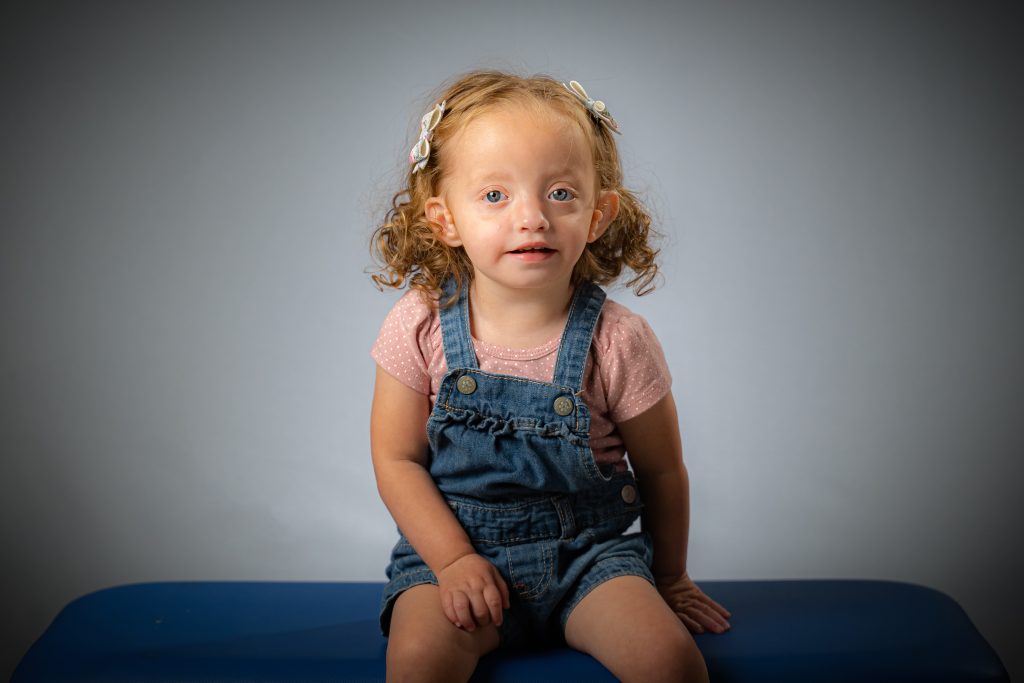
Adaline is a thrill-seeker with no fear. She loves swimming, spinning chairs, loud noises and anything fast, especially Sea-Doos, snowmobiles and even the lawn tractor. Her personality is unmistakably spicy, determined and full of joy. Adaline communicates in her own ways through her expressive eyes, cheeky smile and a signature eyebrow raise that signals either excitement or a bit of mischief. She is clever and bright, and above all, incredibly tenacious. She continues to push past the expectations set for her. 

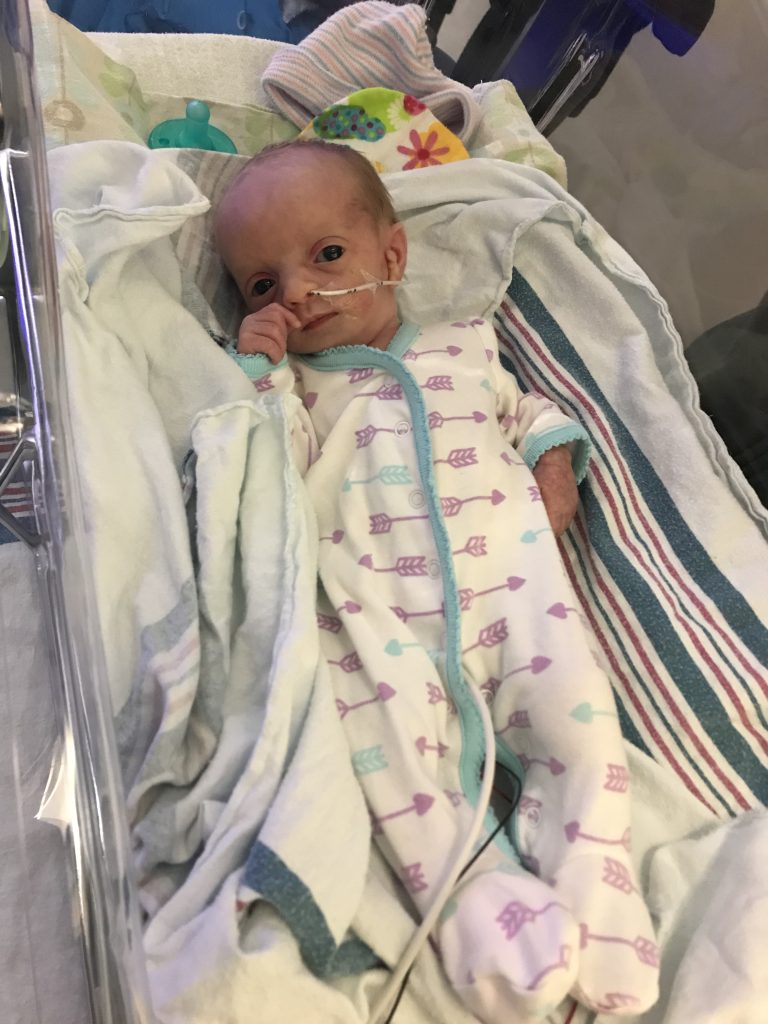
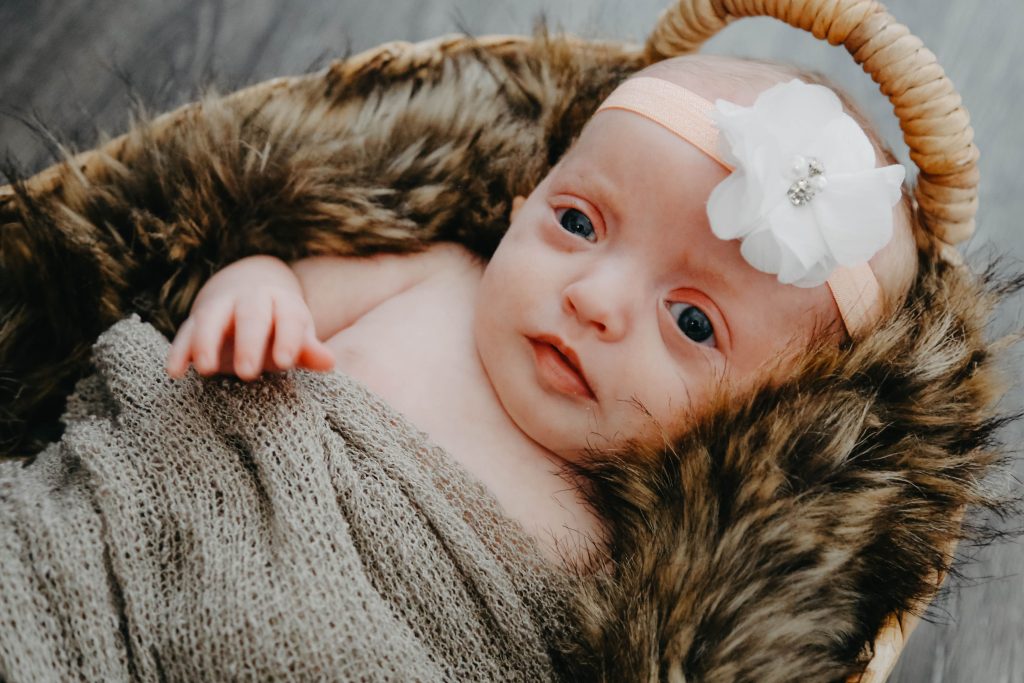
Adaline was one month old when she was diagnosed with Wolf-Hirschhorn Syndrome (WHS), a rare genetic disorder caused by a deletion on chromosome 4. Even within her first week of life, doctors had their suspicions as she was born very small. She was only 3 pounds 13 ounces at nearly 37 weeks gestation, and had difficulty feeding. Subtle physical indicators, including slightly wider-set eyes, small skin growths near her ears and indentations around her shoulders and face, raised concern. She also experienced brain bleeds, adding to the complexity of her early medical picture. Elysha and Tyrone agreed to genetic testing and were told to expect a diagnosis with much milder effects, but when the results arrived, they felt blindsided. 

Adaline’s WHS diagnosis came on the very day they were preparing to leave the hospital’s neonatal intensive care unit (NICU), completely changing their path forward. They grieved the life they had imagined, feeling fear and deep uncertainty about the future. For many children with WHS, challenges can include developmental delays, feeding difficulties, seizures, heart defects and hearing, vision, immune and muscle tone differences. Each child’s experience with WHS is unique. 

Adaline’s early years were medically intense. She spent 28 days in the NICU and had repeated hospitalizations. For the first year and a half, the hospital became a second home. Feeding was one of the biggest struggles as she required a nasogastric (NG) tube and vomited frequently due to a submucosal cleft palate. Shortly after Adaline came home from the NICU, Tyrone and Elysha were set to be married in May of 2019. At the time she was combo feeding with bottles and through the NG tube. “We really wanted to see Adaline’s beautiful face without the NG tube in our wedding photos as the tape from her NG covered half of her face. Her paediatrician said we could remove it for a few days and put it back in after the wedding.” Adaline had done well without the tubes and continued to maintain her weight that a few days after their wedding, their paediatrician approved the complete removal of the NG tube. She was monitored across multiple specialties, including cardiology, immunology, ear, nose, and throat (ENT) and ophthalmology. Her immune system was fragile, requiring the family to live in a small, protective bubble. The risk of seizures loomed constantly. It was not a question of if she would begin having them, but when. At 15 months old, that fear became reality. 

Adaline’s seizures were severe and often triggered by illness or low oxygen levels, caused by choking and aspirating. Most episodes required hospitalization and emergency interventions, like intubation. These moments were terrifying and, at times, traumatic. Over time, Elysha and Tyrone learned not only how to respond but also how to guide medical professionals unfamiliar with Adaline’s rare condition. Since WHS presents differently in every child, they became her experts, voice and advocates. 

Today, Adaline’s seizures are better controlled with the help of seizure medication and parental vigilance. Her last major one was in February 2025, and for the first time, it did not require a hospital stay. It was a milestone that reflected years of persistence, learning and advocacy. 

Despite everything, Adaline continues to defy expectations. Skills that specialists once thought unlikely, she has achieved through sheer determination. From the very beginning, Grandview Kids became a cornerstone of support for Adaline and her family. Referred shortly after leaving the hospital, she began services at three months old.  

At Grandview Kids, the family accessed coordinated care including developmental paediatrics, physiotherapy, occupational therapy, speech-language pathology, therapeutic recreation, nutrition and social work services. Blocks of therapy taught Elysha and Tyrone essential early intervention strategies to guide Adaline’s progress and even led her to independent walking, something that was once considered impossible.  

During her most fragile years, Adaline’s family was part of Grandview Kids’ Complex Care Program. This coordinated care team of Adaline’s specialists from Grandview Kids, The Hospital for Sick Children (SickKids), Lakeridge Health and the Ontario Health at Home, Central East, was impactful. This team understood Adaline as a whole child. When her seizures were severe, the team helped fast-track interventions and ensured seamless communication between specialists. They became a central hub for her care. 

The community they experienced at Grandview Kids was also profound. At Grandview Kids, Elysha and Tyrone connected with many other families, forming strong friendships and a shared understanding. Grandview Kids Summer Camp and Family Engagement Program events gave Adaline space to discover and belong. Adaline was also fortunate to attend Grandview School to prepare the family for her transition to the mainstream school system. The gratitude Elysha and Tyrone have for the Grandview Kids community they formed is immeasurable.  

Today, Adaline’s biggest challenge is communication. She is considered pre-verbal, with a handful of spoken words and some gestures. While her receptive language is strong, understanding much of what is said to her, expressing herself can be frustrating. This gap often shows up in her behaviour. Without a reliable way to communicate her needs, emotions can escalate quickly. Her family continues to explore tools like augmentative and alternative communication (AAC) devices, though attention, vision and motor challenges add complexity.  

Transitions, like starting mainstream school this year, have also been difficult. Everyday activities, like eating, still require patience and creativity. Through it all, Adaline continues to grow on her own timeline. Elysha and Tyrone’s journey has taught them lessons they now share openly with other families. 

Elysha and Tyrone’s lessons: 

Don’t compare. 
Comparison is the thief of joy. Every child, diagnosis or not, has their own path. Adaline’s journey cannot be measured against anyone else’s, not even her sister’s. 

Be patient and take it day by day. 
At first, thinking too far ahead felt impossible. Focusing on the present day-to-day steps, made it manageable. 

Celebrate the “inchstones.” 
Every victory matters. What may seem minor to others can be monumental for your child. 

Advocate fiercely. 
You will become the expert on your child. Ask questions, speak up and challenge kindly when needed. Doctors do not have all the answers, especially with rare conditions. They are also learning with and from you. 

Find your community. 
Whether it is through support groups, organizations like Grandview Kids or other families with different diagnoses but shared lived experiences, connection matters. You are not alone. 

Don’t lose sight of joy. 
Life may look different. It may involve more planning, equipment and confusion, but it can still be full of fun, laughter and meaningful moments. 

Though the future remains uncertain, what has changed is how Elysha and Tyrone face that uncertainty. They now have resilience, community and shared understanding that Adaline will continue to surprise them. If there is one thing Adaline has shown from the start, it is that she is writing her own story. 

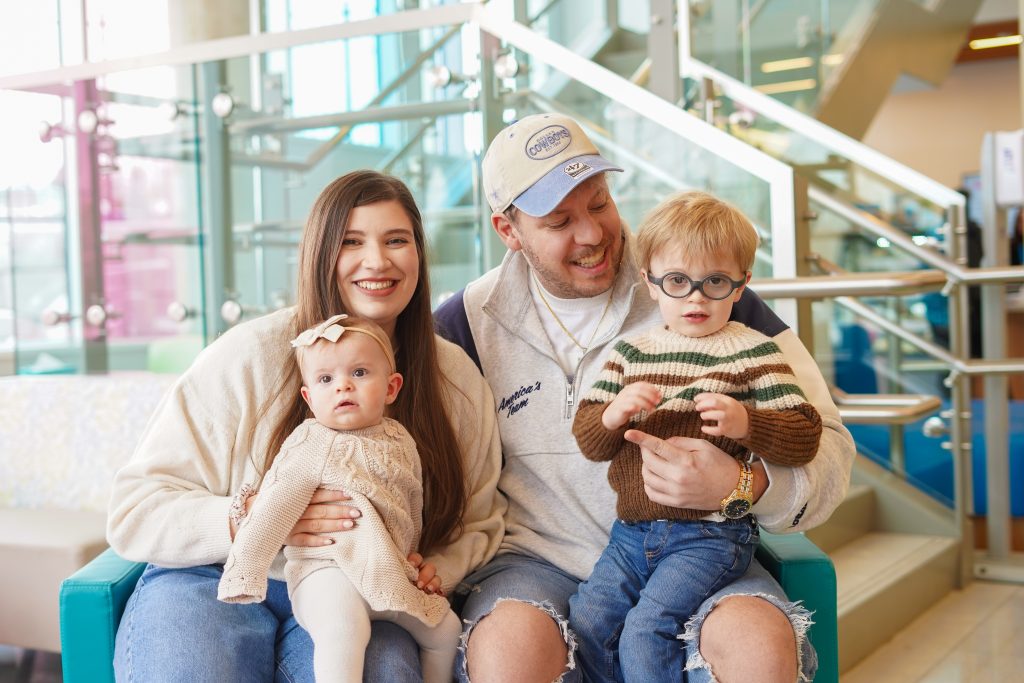
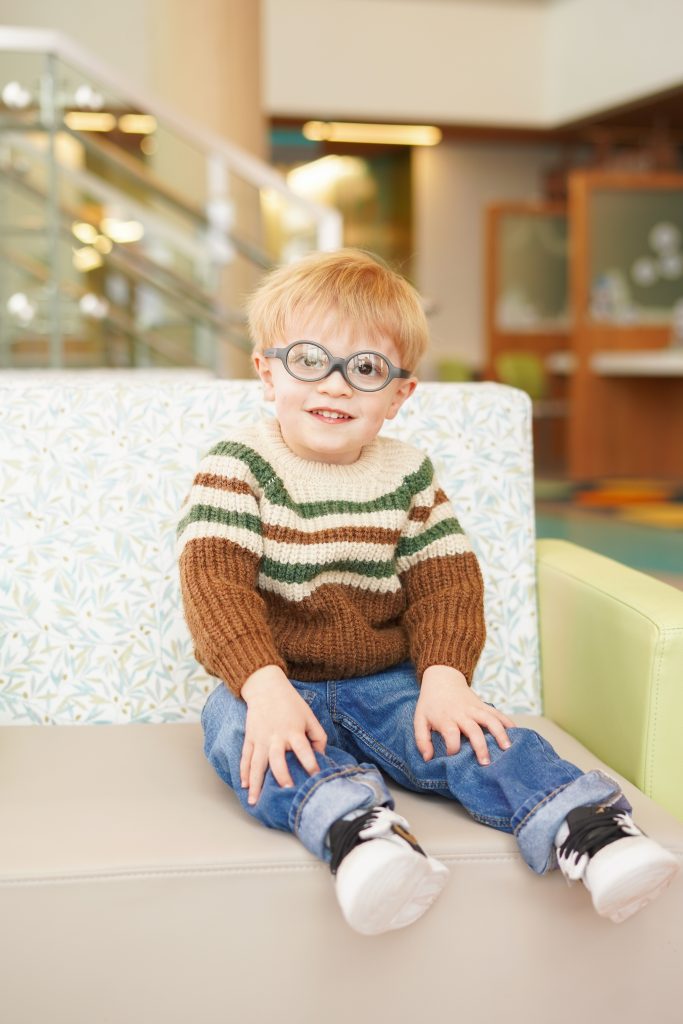
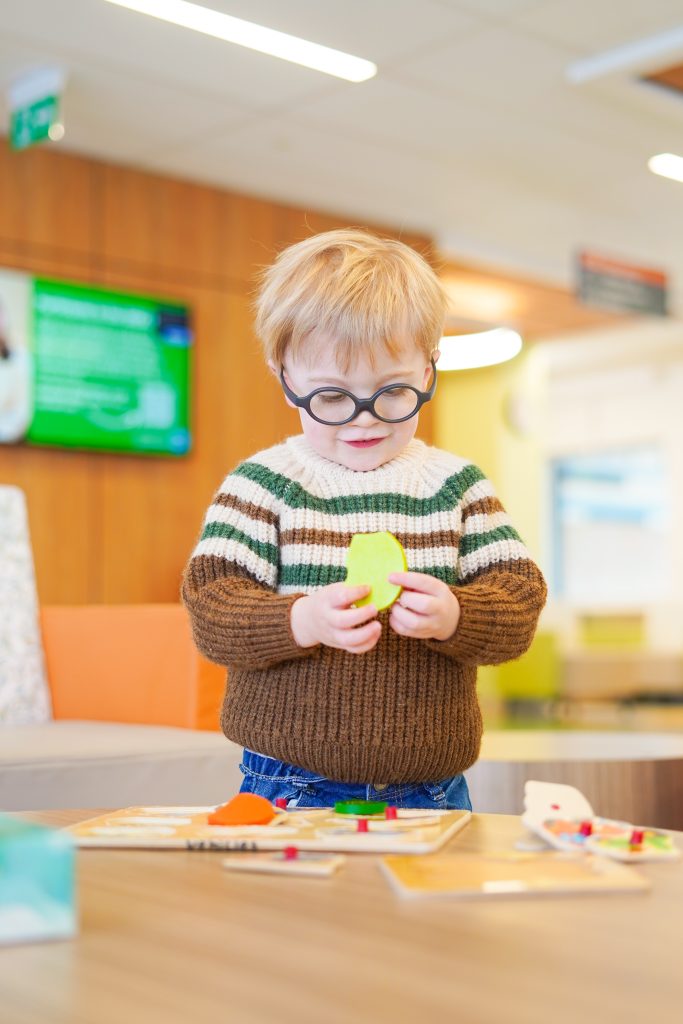
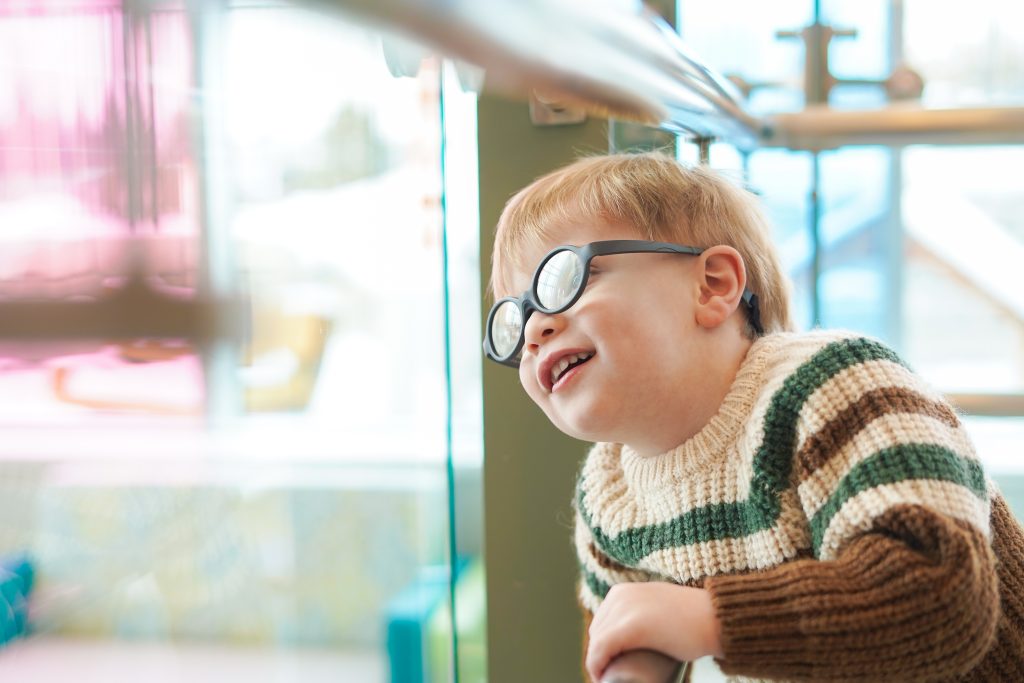
Jack is three years old and always on the move. He always chooses to run instead of walk and breaks out into dance whenever he hears music playing. Monster trucks and cars are his greatest passions because of their spinning wheels, and Halloween is his favourite time of year. He loves sports, particularly football, and his greatest joys are playing catch with his dad and bouncing endlessly at a trampoline park. Jack is silly, affectionate and determined to connect with the people he loves, even when communication is hard. 

Jack lives with his mom, Jess, his dad, Jake, and his six-month-old baby sister, Ava. As a family, they value time together the most. They play sports in the yard, go on long walks when the weather is nice, ride bikes and find simple joy in being together. Although life with Jack is active, loud and full of laughter, it also requires resilience, patience and advocacy. 

Jack’s journey began when he was born one month premature and needed to be resuscitated at birth because he wasn’t breathing. He spent his first week in the hospital’s Neonatal Intensive Care Unit (NICU), requiring the use of continuous positive airway pressure (CPAP) due to breathing difficulties caused by fluid in his lungs. After being discharged, Jack was readmitted to hospital for jaundice and difficulty in gaining weight. Breathing issues continued throughout his first year, along with feeding challenges that made eating exhausting and stressful. Frequent medical appointments, a tongue-tie release and ongoing private speech therapy became part of his early routine. 

Despite these challenges, Jack was otherwise a healthy baby. At one year old, developmental concerns became more apparent. He wasn’t crawling, his speech was significantly delayed and he was behind on several developmental milestones. Jess, a social worker and psychotherapist, trusted her instincts that something deeper was going on, but advocating for her own child proved harder than expected. Two paediatricians dismissed concerns about autism spectrum disorder (ASD), suggesting Jack would catch up in time. 

Jess and Jake persisted. They knew their child, and they knew his needs were not being fully recognized. Their persistence paid off when Jack was finally referred to a developmental paediatrician at Grandview Kids. In August 2025, Jack received his ASD diagnosis with communication delays and language impairment. For his parents, the diagnosis was not devastating but, instead, validating. Suddenly, Jack’s experiences, behaviours and challenges made sense and the focus shifted from questioning to supporting. 

Before his diagnosis, communication was one of Jack’s biggest barriers. He wanted to be understood but struggled to express himself clearly. When his parents could not figure out what he needed, frustration would build quickly, sometimes leading to throwing objects, intense emotional reactions and meltdowns. These moments signalled a child who was overwhelmed and unable to communicate. 

Through care at Grandview Kids, Jack’s world began to open. Visual supports were introduced throughout the home, including picture boards for food, toys and familiar people, choice boards to help make decisions and visual schedules that guided Jack’s understanding of what was happening next. These tools made Jack less anxious, improved his transitions between activities and gave him a sense of control over his day. Speech-language pathology sessions focused on his motor speech planning challenges, while a referral to Holland Bloorview was made to explore an augmentative and alternative communication (AAC) device, giving Jack another powerful way to express himself. 

Jack also began receiving occupational therapy (OT) and physiotherapy (PT) at Grandview Kids. OT became essential in supporting Jack’s sensory needs. Jack has a lot of energy and finds it hard to slow his body down, especially at night. Bedtime routines can last hours as his nervous system struggles to settle. Sensory sensitivities also impact his eating, making him selective with food textures. OT strategies, including heavy work and deep pressure, have helped Jack regulate his body and emotions, making daily life more manageable for the whole family. PT supported Jack’s physical development, building confidence with balance, stairs and jumping. These skills now allow him to fully enjoy sports and active play. Each small gain felt like a big victory. 

More than the therapies themselves, what made the greatest difference to Jess and Jake was feeling seen. The clinicians at Grandview Kids listened, believed the family and validated Jess’ intuition. For the first time, the family felt reassured that they were not alone and that Jack’s future could be full of possibilities. 

Today, Jack continues to grow and thrive in his own unique way. He still loves monster trucks, dances without hesitation and continues to bring joy wherever he goes. He experiences challenges but does so with great resilience.  

Jack’s story is a reminder that early support matters, parental instincts deserve to be trusted and that acceptance begins with understanding. Jack is not defined by his diagnosis. He is defined by his joy, his determination and the community of people who see him for exactly who he is and celebrate him just as he is. 

Celebrating Autism Awareness and Acceptance Month!

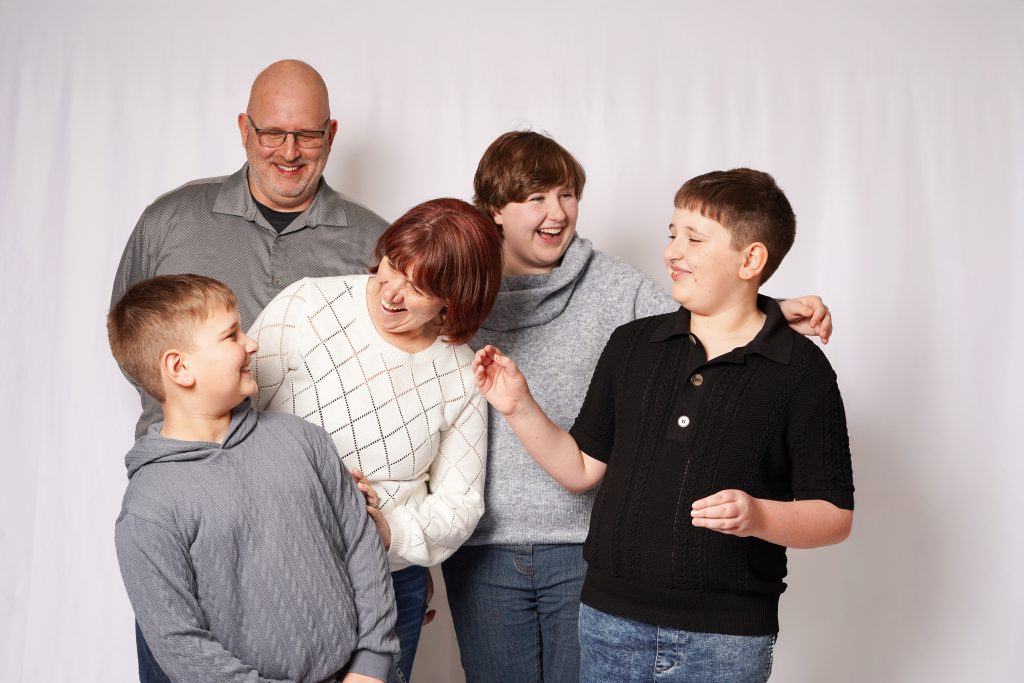
Autism does not look the same for everyone, even within the same family. For Brett and Celine, raising three children on the autism spectrum meant learning to celebrate differences, advocate fiercely and find strength in community. Along the way, their family discovered the life-changing support of Grandview Kids, a place that helped their children grow, communicate and belong. 

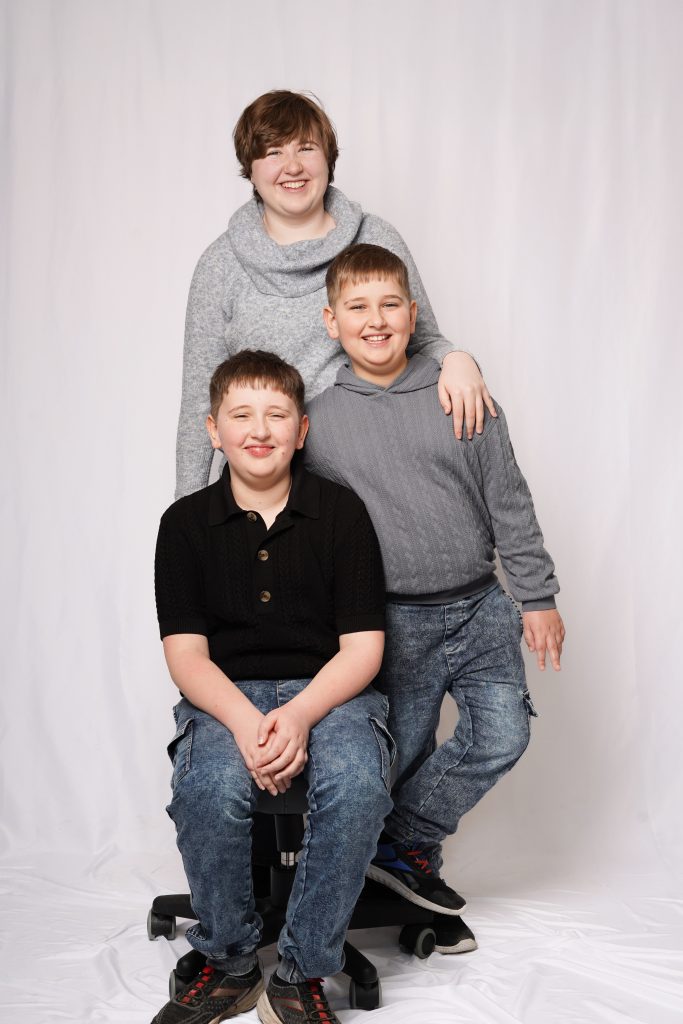
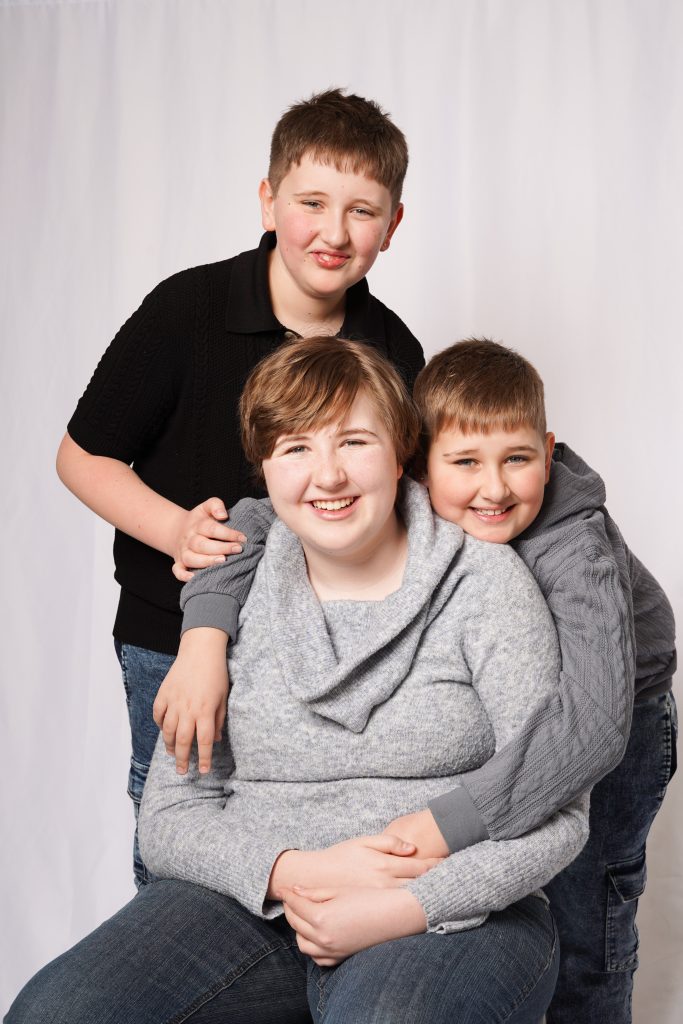
Married for nearly 17 years, Brett and Celine are raising their three children, Elle (14), Liam (12) and Connor (9) in a home filled with music and creativity. Their family time often includes walks near the lake, playing board games or curling up on the couch with popcorn for movie nights. Like any siblings, they disagree on things, but they are usually quickly replaced with laughter. Each child brings something special to the family dynamic.  

Elle is the family’s tech expert. She creates funny reels, edits photos and captures family memories. She is a huge fan of the “Percy Jackson & the Olympians” series and even took part in a play inspired by it last summer in Ajax. For Elle, storytelling, whether through books, theatre or technology, is a way to express herself and connect with others. Liam, the middle child, is known for his humour. He proudly embraces the role of the family’s “dad joke” master. He will happily approach strangers to share a silly joke and watch their reaction. Beneath the jokes is a deeply kind and affectionate boy who loves cuddling babies and playing with younger kids. Connor, the youngest, has an uncanny ability to read a room. An empath by nature, he is quick to recognize others’ feelings. His humour is a little more complex, goofy and clever all at once. 

Behind these everyday moments is a strong network of support that has shaped their journey. One of the earliest and most influential members of that support system was private speech-language pathologist Debbie, who has worked with Liam since he was two years old. Alongside professionals at Grandview Kids, including speech-language pathologist Melany, Debbie helped the boys develop the communication skills that have opened their world. “They literally brought voice to our lives,” Celine says.  

Through speech therapy, the family learned how to support their sons’ communication, engage in and connect in meaningful ways and build relationships through play and interaction. Their infant and child development worker, Karla, also played an instrumental role in helping Celine and Brett navigate services and funding programs they did not know existed, making additional therapies possible. 

The family’s journey with Grandview Kids began when Liam was just eight weeks old. After spending several weeks in the hospital as a newborn due to illness, he was referred to the Grandview Kids’ previous torticollis clinic to address the involuntary contraction of his neck muscles. At the time, Celine admits she did not even know what Grandview Kids was. By six months old, Liam was not babbling or rolling over, so their paediatrician recommended accessing speech therapy at Grandview Kids. When Liam was eight months old, Brett and Celine attended their first parent workshop called “More Than Words.” Since then, the Centre has become a constant presence in their lives. 

Liam, 12

At two years old, Liam was diagnosed with expressive language disorder by their Grandview Kids developmental paediatirican, Dr. Siapno. While the diagnosis was hard to hear, Celine still felt there might be something more going on. She noticed subtle differences, like limited eye contact, little interest in cuddling and a strong preference for doing things independently. At 34 months, after reassessment, Liam received an official autism spectrum disorder (ASD) diagnosis. Although the process had been emotionally exhausting, the diagnosis ultimately brought relief. “It meant someone finally saw him,” Celine says. “And we finally knew how to help him.” 

Connor’s journey unfolded more quickly. Having already walked a similar path with Liam, Celine and Brett recognized familiar developmental patterns early on, limited babbling, slower motor milestones and reduced eye contact. At just 22 months old, Connor was also diagnosed with ASD. This time, the experience felt different. “I already knew,” Celine explains. “I could see he was just like his big brother. And I knew we would be okay.” 

Connor, 9

Elle’s path looked very different from her brothers’, who were both nonverbal and using augmentative and alternative communication (AAC) devices in their early years. Elle, on the other hand, spoke early and often. Autism was never initially considered since her parents thought speech was the biggest indicator of ASD. As she got older, bullying at school began to take a toll, and professionals initially wondered if she might have generalized anxiety. During an appointment for Connor, Dr. Siapno asked Celine about the rest of the family. As she spoke about Elle, Celine became emotional, prompting an assessment. At eight years old, Elle was also diagnosed with ASD. For Elle, the moment was unexpectedly meaningful. “She told the doctor she finally felt like she was part of the family,” Celine recalls. “She said she ‘finally belonged.’” 

Elle, 14

Over the years, the family has accessed many programs and services through Grandview Kids, including audiology, speech-language pathology, occupational therapy, physiotherapy, therapeutic recreation, social work, summer camp and education at Grandview School. For Celine, the most powerful part of Grandview Kids has been the sense of community, one fostered strongly through the Family Engagement Program. 

Before the COVID-19 pandemic, she remembers sitting in the waiting room in the old Grandview Kids Ajax location while children played together. Even kids who could not speak were laughing and connecting. Parents exchanged quiet looks of understanding, sometimes even silent “thank-yous.”  

“It was the one place we didn’t have to explain anything,”

she remembers fondly. Special events like pyjama parties, holiday celebrations and community programs have created lasting memories. These moments ensured the children could see others like them and feel included. Connor even met his best friend at Grandview School. 

Today, the impact of those supports is evident. Celine often wonders whether the boys would be as verbal as they are today without the early speech therapy they received. Connor also gained a major milestone through therapeutic recreation, learning how to ride a bike. This skill gave him newfound independence. “These are everyday things people take for granted,” Celine says. “But for us, they were huge.” Elle has also found her voice as a leader. She participates in the Youth Advisory Council (YAC) at Grandview Kids and hopes to one day create a subcommittee to help other youth share ideas and advocate for change. At school, she is already helping educate peers about disabilities and accessibility. 

Still, the journey is not without challenges. Social misunderstandings can make school difficult at times. This is especially true for Elle, who loves sharing information and speaking passionately on topics she cares about. Her direct communication style has sometimes been misinterpreted, leading to bullying in the past. She has become skilled at masking, hiding her autistic traits to “fit in” socially. “It’s exhausting,” Celine says. “And she shouldn’t have to do that forever.” Connor continues to experience anxiety at school, while Liam sometimes faces misunderstandings when people assume his autism only matters on certain days. 

Like many parents of neurodivergent children, Celine often thinks about the future, wondering what adulthood will look like and hoping her children will find meaningful work, independence and communities that embrace them for who they are. At the same time, she reminds herself that progress does not always follow a typical timeline. “People just need to take a breath,” she says. “Life is life. People are people.” She also hopes others will reconsider common expectations, like the emphasis on eye contact. “For our family, eye contact was never important,” she explains. “You can still connect with someone without looking directly into their eyes.” 

Instead, Celine believes society should focus more on acceptance and patience, recognizing that everyone grows and learns at their own pace. “There is so much emphasis on the ‘cannot,’ but we need to celebrate the ‘cans’ instead.” For parents on a similar journey, her message is simple: trust yourself and find your community. “You know your child better than anyone. Keep asking questions until someone listens.” And when the road feels overwhelming, remember that you don’t have to walk it alone. Sometimes, the right community can make all the difference, and for Brett, Celine, Elle, Liam and Connor, that community has been Grandview Kids.  

Julie Beazley is a Digital Publisher, Graphic and Web Designer based in Oshawa, Ontario. She creates and shares resources through her small business, including resources, advocacy tools, printables and heartfelt reflections from life with her son, Liam. Julie channels her professional expertise into empowering other families walking similar paths. 

13-year-old Liam lives with his mom, Julie, his stepfather, Brent, their dog, Fox, and a couple of parrot fish. He loves music, dancing, using the bucket swing at parks and cracking up at funny movies. Liam thrives on experiences like bowling, theme park rides, ziplining, canoeing, hovercraft adventures and ATV rides through muddy forest trails. He has been on the ice with the Toronto Maple Leafs, navigated through jungle and mangroves by boat and embraced life with a boldness many only dream of. In Julie’s words, Liam is “extremely mischievous,” full of laughter and loves engaging with his family and friends. Together they have built a life that is equal parts organized, adventurous and beautifully unpredictable. 

Liam entered the world at 34 weeks gestation in Costa Rica, weighing just 5.5 pounds. Doctors immediately noted facial features consistent with Trisomy 21 (Down Syndrome), along with jaundice and a concerning cardiac murmur. Julie flew back with Liam to Toronto, where she is from, and he was transferred to The Hospital for Sick Children (SickKids) as an infant and underwent open-heart surgery at just seven weeks old to repair a congenital heart defect (Tetralogy of Fallot with aortic stenosis and AVSD). Down Syndrome is a genetic condition caused by an extra copy of chromosome 21, resulting in 47 chromosomes instead of the typical 46. It causes mild to moderate cognitive delays, distinct physical features and potential health issues like heart defects. It is not caused by anything parents do and occurs by chance.  

Liam has what Julie calls a “trifecta” of diagnoses: Down Syndrome, cerebral palsy and autism spectrum disorder. The combination results in low muscle tone working against spasticity, sensory challenges and global developmental delays. He is non-verbal, though deeply communicative through sounds, gestures and expression. Liam’s receptive understanding far exceeds his ability to express his needs. Gross and fine motor skills are limited, and he requires one-to-one support in all areas of daily living. Though predominantly a wheelchair user, he walks with support in a walker and rides an adaptive bike at school. 

Feeding was one of the earliest and most exhausting battles as Julie navigated Liam’s severe milk protein allergy, which led to Liam receiving a temporary nasogastric tube (NG Tube). She was told repeatedly that Liam was “failure to thrive” and urged to place a gastrostomy tube (G Tube), but Julie made the decision to persevere. After creative problem-solving (including feeding him from a salad dressing bottle) and relentless advocacy, Liam now enjoys orally eating French fries, pasta, vegetables and soft rotisserie chicken in addition to homemade purees. Food, once a battlefield, is now a celebration when they eat at restaurants or pull into a Wendy’s drive-thru. 

After relocating from the Sarnia area to Oshawa, Liam’s care transitioned to Grandview Kids. Through Grandview Kids, Liam receives services for occupational therapy, physiotherapy (including equipment support and ankle-foot orthoses fittings), therapeutic recreation, developmental paediatric monitoring and Botox injections for spasticity through the Hypertonia Clinic. Alongside medical services, Liam and Julie have accessed social work (funding and school IEP assistance), the Extensive Needs Service for behavioural support and introduction to fun activities and events through the Family Engagement Program, emphasizing the importance of connection. Julie met other parents who understood the sleepless nights, the behaviour challenges and the medical overwhelm. This encouraged her to discover other community groups that further expanded that circle of support, turning isolation into global sisterhood. 

Julie received Liam’s Down Syndrome diagnosis shortly after birth but did not have time to fully process it. “I was so in love with my baby and terrified of the immediate open-heart surgery and its implications that the diagnosis took a back seat.” She describes the diagnosis as “unexpected, scary and overwhelming, given the life I had envisioned for my child while I was pregnant. The relief I felt following his heart repair diminished any of the circumstances impending from having Down Syndrome. And it never took away from the love I felt for my son.” 

If Julie could talk to herself on diagnosis day, she would encourage her to not listen to other people’s perceptions of Liam’s abilities and worth. “Simply love your child and believe in him. He will prove every single limitation placed on him to be inaccurate, and along the way, champion so many hearts.” Julie’s feelings about Liam’s future are mixed. She worries about supports when she is no longer here but she is also excited because she knows her son. “He is the epitome of unconditional love,” she says. “If everyone was like him, the world would be such a better place.”

Misconceptions about Down Syndrome that Julie wants to challenge 

  • People with Down Syndrome are not “always happy.” They experience the full range of emotions. 
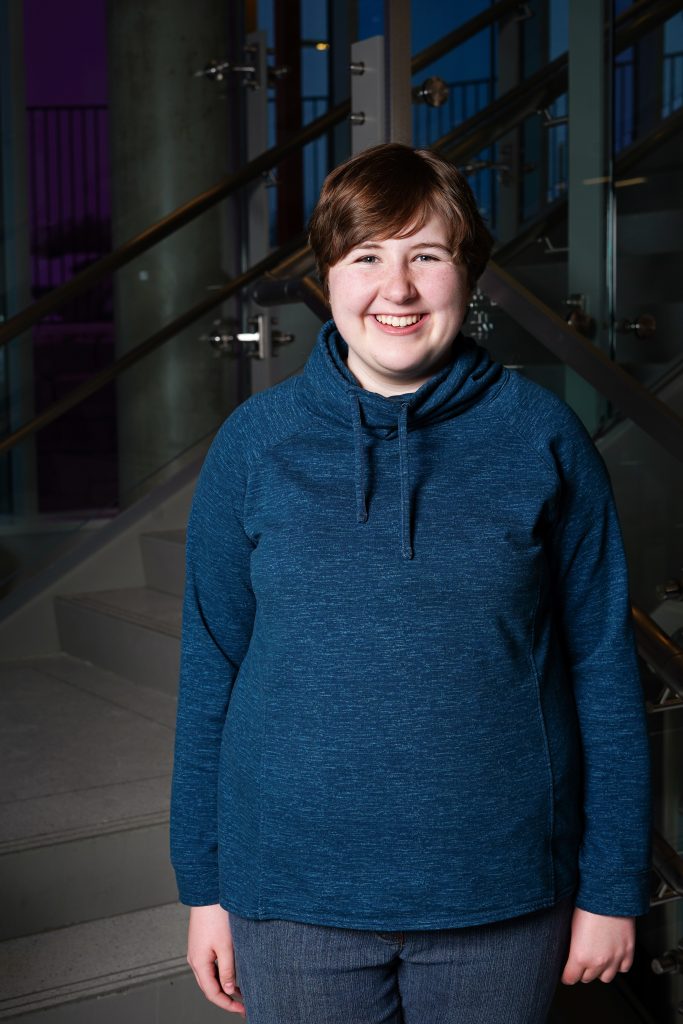
  • It is not a disease and cannot be “cured.” 
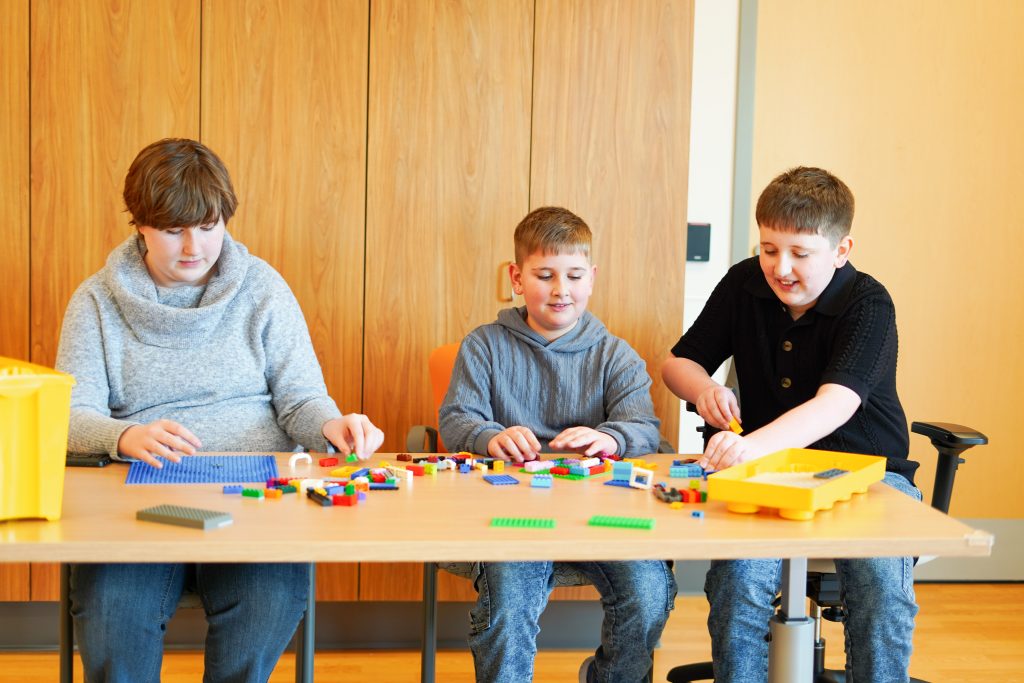
  • Life expectancy has more than doubled (now 60+ years). 
  • Individuals with Down Syndrome often resemble their families more than each other. 
  • Many can live independently and drive with support. 
  • Many attend mainstream schools. 
  • Women with Down Syndrome can have children. 
  • They are more alike than different, defined by personality and passions and not diagnosis. 
  • Individuals with Down Syndrome succeed in elite arenas: 
    • Monika Myers, Toronto-based professional international runway model 
    • Madison Tevlin, Canadian actress and broadcaster 
    • Kyle Land, Canadian competitive bodybuilder and certified personal trainer 
    • Ana Victoria Espino de Santiago from Mexico is a lawyer advocating for disability rights  

  • Page 1
  • Page 2
  • Page 3
  • Interim pages omitted …
  • Page 5
  • ⟩

Primary Sidebar

Child Stories

LnRiLWZpZWxke21hcmdpbi1ib3R0b206MC43NmVtfS50Yi1maWVsZC0tbGVmdHt0ZXh0LWFsaWduOmxlZnR9LnRiLWZpZWxkLS1jZW50ZXJ7dGV4dC1hbGlnbjpjZW50ZXJ9LnRiLWZpZWxkLS1yaWdodHt0ZXh0LWFsaWduOnJpZ2h0fS50Yi1maWVsZF9fc2t5cGVfcHJldmlld3twYWRkaW5nOjEwcHggMjBweDtib3JkZXItcmFkaXVzOjNweDtjb2xvcjojZmZmO2JhY2tncm91bmQ6IzAwYWZlZTtkaXNwbGF5OmlubGluZS1ibG9ja311bC5nbGlkZV9fc2xpZGVze21hcmdpbjowfQ==
LnRiLWhlYWRpbmcuaGFzLWJhY2tncm91bmR7cGFkZGluZzowfQ==
ICAudGItaW1hZ2V7cG9zaXRpb246cmVsYXRpdmU7dHJhbnNpdGlvbjp0cmFuc2Zvcm0gMC4yNXMgZWFzZX0ud3AtYmxvY2staW1hZ2UgLnRiLWltYWdlLmFsaWduY2VudGVye21hcmdpbi1sZWZ0OmF1dG87bWFyZ2luLXJpZ2h0OmF1dG99LnRiLWltYWdlIGltZ3ttYXgtd2lkdGg6MTAwJTtoZWlnaHQ6YXV0bzt3aWR0aDphdXRvO3RyYW5zaXRpb246dHJhbnNmb3JtIDAuMjVzIGVhc2V9LnRiLWltYWdlIC50Yi1pbWFnZS1jYXB0aW9uLWZpdC10by1pbWFnZXtkaXNwbGF5OnRhYmxlfS50Yi1pbWFnZSAudGItaW1hZ2UtY2FwdGlvbi1maXQtdG8taW1hZ2UgLnRiLWltYWdlLWNhcHRpb257ZGlzcGxheTp0YWJsZS1jYXB0aW9uO2NhcHRpb24tc2lkZTpib3R0b219IC53cC1ibG9jay1pbWFnZS50Yi1pbWFnZVtkYXRhLXRvb2xzZXQtYmxvY2tzLWltYWdlPSJhMWJlMmUyODAwMWFkMGRlMjBhM2RlZWVlYmE5MDJhMSJdIHsgbWF4LXdpZHRoOiAxMDAlOyB9IEBtZWRpYSBvbmx5IHNjcmVlbiBhbmQgKG1heC13aWR0aDogNzgxcHgpIHsgICAudGItaW1hZ2V7cG9zaXRpb246cmVsYXRpdmU7dHJhbnNpdGlvbjp0cmFuc2Zvcm0gMC4yNXMgZWFzZX0ud3AtYmxvY2staW1hZ2UgLnRiLWltYWdlLmFsaWduY2VudGVye21hcmdpbi1sZWZ0OmF1dG87bWFyZ2luLXJpZ2h0OmF1dG99LnRiLWltYWdlIGltZ3ttYXgtd2lkdGg6MTAwJTtoZWlnaHQ6YXV0bzt3aWR0aDphdXRvO3RyYW5zaXRpb246dHJhbnNmb3JtIDAuMjVzIGVhc2V9LnRiLWltYWdlIC50Yi1pbWFnZS1jYXB0aW9uLWZpdC10by1pbWFnZXtkaXNwbGF5OnRhYmxlfS50Yi1pbWFnZSAudGItaW1hZ2UtY2FwdGlvbi1maXQtdG8taW1hZ2UgLnRiLWltYWdlLWNhcHRpb257ZGlzcGxheTp0YWJsZS1jYXB0aW9uO2NhcHRpb24tc2lkZTpib3R0b219IH0gQG1lZGlhIG9ubHkgc2NyZWVuIGFuZCAobWF4LXdpZHRoOiA1OTlweCkgeyAgIC50Yi1pbWFnZXtwb3NpdGlvbjpyZWxhdGl2ZTt0cmFuc2l0aW9uOnRyYW5zZm9ybSAwLjI1cyBlYXNlfS53cC1ibG9jay1pbWFnZSAudGItaW1hZ2UuYWxpZ25jZW50ZXJ7bWFyZ2luLWxlZnQ6YXV0bzttYXJnaW4tcmlnaHQ6YXV0b30udGItaW1hZ2UgaW1ne21heC13aWR0aDoxMDAlO2hlaWdodDphdXRvO3dpZHRoOmF1dG87dHJhbnNpdGlvbjp0cmFuc2Zvcm0gMC4yNXMgZWFzZX0udGItaW1hZ2UgLnRiLWltYWdlLWNhcHRpb24tZml0LXRvLWltYWdle2Rpc3BsYXk6dGFibGV9LnRiLWltYWdlIC50Yi1pbWFnZS1jYXB0aW9uLWZpdC10by1pbWFnZSAudGItaW1hZ2UtY2FwdGlvbntkaXNwbGF5OnRhYmxlLWNhcHRpb247Y2FwdGlvbi1zaWRlOmJvdHRvbX0gfSA=

Chiari Malformation Awareness Month

Austin’s Story Chiari Malformation is a congenital defect in the lower back of the head where the brain and spinal cord connect. The brain tissue extends into the spinal canal,...

Latest Updates

  • June: Dates of Significance June 1, 2026
  • Becoming her own advocate: Zoey’s story May 29, 2026
  • The life that never was: grieving the fatherhood I thought I’d have May 29, 2026
  • Grandview Kids and Lakeridge Health open Canada’s first anesthesia procedure clinic in a Children’s Treatment Centre May 6, 2026
  • Ahaana’s magic ears: Speech and Hearing Month May 5, 2026

You Have Questions

We’d like to help you find the answers…

Contact Us Today

© Grandview Kids Built by PeaceWorks

  • About Us
  • Contact Us
  • Privacy
Accessibility Adjustments

Powered by OneTap

How long do you want to hide the toolbar?
Hide Toolbar Duration
Select your accessibility profile
Vision Impaired Mode
Enhances website's visuals
Seizure Safe Profile
Clear flashes & reduces color
ADHD Friendly Mode
Focused browsing, distraction-free
Blindness Mode
Reduces distractions, improves focus
Epilepsy Safe Mode
Dims colors and stops blinking
Content Modules
Font Size

Default

Line Height

Default

Color Modules
Orientation Modules