• Skip to primary navigation
  • Skip to main content
  • Skip to primary sidebar
Grandview Kids Logo

Grandview Kids

Every Child And Youth Living Life At Their Full Potential

  • About Us
    • Vision, Mission and Values
    • The New Grandview Kids
      • Operational Readiness
      • Visiting Grandview Kids’ Ajax Headquarters
    • Our History
    • Leadership
    • Board of Directors and Committees
      • Join our Board of Directors and Committees
    • Annual Report
    • Strategic Plan
    • Policies
  • Calendar
  • Annual Report
    • Strategic Direction 1: Deliver meaningful, efficient client and caregiver outcomes and experiences
    • Strategic Direction 2: Foster a thriving, connected Team Grandview
    • Strategic Direction 3: Collaborate with partners to maximize impact, focusing on Durham Region
    • The New Grandview Kids – The Jerry Coughlan Building
    • 2024-25 Financial Statement
    • Grandview Kids Foundation update
    • Grandview School update
  • Contact
    • Contactez – nous
    • Ajax – Headquarters
    • Bowmanville Health Centre
    • Grandview School
    • Oshawa – Dwyer
    • Port Perry
    • Whitby – Abilities Centre
  • Careers
  • Register
  • Donate
  • Instagram
  • LinkedIn
  • Facebook
  • Services and Programs
    • Audiology
    • Autism Program
      • Caregiver-Mediated Early Years Programs
      • OAP Core Clinical Services
      • Entry to School Program
      • Foundational Family Services
    • Blind-Low Vision Program
    • Extensive Needs Service
    • Family Engagement Program
      • Adolescent Transition Program
      • Family Leader Program
        • Family Advisory Council
        • Youth Advisory Council
    • Infant Hearing Program
    • Medical Services
      • Hypertonia Clinic
      • Complex Care Program
      • Nutrition Services
      • Orthopaedic Clinic
    • Occupational Therapy
    • Physiotherapy
    • Preschool Outreach Program
    • School Programs & Resources
      • Resources for Educators
      • School-Based Rehabilitation
    • Service Navigation
      • SmartStart Hub: Parents
      • SmartStart Hub: Partners
    • Social Work
    • Speech-Language Pathology
      • Augmentative and Alternative Communication
    • Therapeutic Recreation
  • Purchased Services
    • Beyond the Walls
    • Summer Camp 2026
    • OAP Core Clinical Services
      • Behaviour Services
  • Research
    • Get involved in research
    • IDEA Study
      • Building knowledge and understanding of the intersection of race and disability in accessing pediatric rehabilitation services.
    • Research Associate: Dr. Fiona Moola
    • Research Associate: Dr. Meghann Lloyd
  • Resources
    • Ability Acceptance Program
    • Arriving at Grandview Kids
    • Community Supports & Resources
    • Family Support Fund
    • Free to Read Program
    • Frequently Asked Questions
    • Gather by Grandview Kids
    • News and Updates
    • Privacy
    • Resources for Parents and Caregivers
    • Visiting Grandview Kids
  • Support Us
    • 50/50 Lottery
    • Ways to support
    • Host a fundraiser
    • Participate in an event
      • Golf Fore Grandview Kids
      • Sponsor the Drum
      • Dream Big, Dream Brighter Awards Gala
    • Leave a legacy
      • Gifts of securities
      • Gifts of bequests
      • Gifts of life insurance
    • Your impact
    • Building a Legacy: Honouring Jerry Coughlan
  • I Want To…
    • Connect with Grandview Kids
    • Donate
    • Refer a child or youth
    • Register via My Community Hub
    • Schedule an Appointment
    • Volunteer at Grandview Kids
    • Work at Grandview Kids
  • Grandview School
    • About Our Program
    • About Our Board
    • Grandview School Social Story
    • Plans and Reports
    • Resources for Families
    • Resources for Schools – Switch It Up!
    • Careers and Volunteering
    • Contact Grandview School
  • Search

Posted January 23, 2026

“Roaring as one:” How a friendship between a Grandview Kids graduate and the York University Lions Women’s Hockey team demonstrates ability acceptance in practice 

Family Engagement

Written by Grandview Kids Peer Navigator, Sam K. and Ability Acceptance Presenter and Archivist, Mitchell D.

About the Ability Acceptance Program at Grandview Kids 

If you have been following Grandview Kids’ Gather newsletter and social media, you may have heard of our Ability Acceptance Program, led by our Ability Acceptance Presenter and Archivist, Mitchell Daniels. Through our Ability Acceptance Program, we deliver presentations to schools, community organizations and local businesses to improve accessibility and acceptance for people of all abilities. As part of the Ability Acceptance Program, we often collaborate with other Team Grandview members to share their lived experiences, as some of our staff are former clients or family members of former clients. 

Acceptance is something everyone deserves 

Unfortunately, some may not feel accepted in their communities, or fear they will not be.  

For anyone, this can be difficult, and for those with a disability, their diagnosis can become a focus in social settings. This can lead to fears of not being accepted. These experiences are often unseen. It can take a harsh, often silent toll on a person’s self-esteem and may lead them to feel “invisible.” It could progress into painful internal questions, including “Is it my fault?” or “Why won’t anyone accept me?”

Over time, toxic self-inquiries like these can manifest into a deeper, silent suffering, which can lead to someone feeling trapped in their own mind. They may start overanalyzing what they perceive as “wrong” because they may be searching for a possible cause of why they have not found the social connection they long for.

When parents or caregivers witness this invisible, silent pain experienced by their youth or child, it can lead them to feel heartbroken and helpless. It might feel like there is no easy remedy. However, even the smallest acts of kindness and acceptance can be catalysts for hope and change.

That is the heart of Ability Acceptance: seeing and valuing people for who they are, not for their diagnosis—visible or invisible. 

So, what happens when an individual or a group of people reaches out and ignites a light in another person’s story that once seemed dark, with a fear of a lack of acceptance?

Sam’s personal experience in finding a strong bond 

Sam is a former Grandview Kids client who is now a Peer Navigator in the Adolescent Transition Program. He is a college graduate and has a diagnosis of Cerebral Palsy. From an early age, Sam knew that life would not be easy; many challenges came, and others were always on the way. Even while overcoming the physical, mental and emotional trauma that is faced by those with a diagnosis, he greatly feared social ostracization by his peers before attending college. It happened, leaving him feeling unwanted and craving acceptance.

Thankfully, a door can open, and for Sam, one literally did. When they do, the trauma can vanish, and unbreakable friendships and bonds can often bloom. 

For Sam, these powerful bonds were formed with the Women’s Hockey Team at York University during the 2023/24 season when Sam was at a game at York’s home rink, and two of the players happened to hold a door for him in the lobby of the arena. A brief conversation between them ended with Sam saying a simple yet unknowingly powerful “thank you.” Following this, Sam reached out to the team’s official Instagram account to share what had happened, express his gratitude for the kindness and let the coaching staff know they had incredible players who represented the team so well.

Little did Sam know that the staff managing this account would later read his message to the players before their next game. His simple note of appreciation would leave a lasting mark on the Lions’ locker room.  

In response to this message, the team’s Captain at the time reached out to him personally to thank him for his kind words. Several months later, after Sam’s final regular-season game at York that year, he had a brief conversation with the captain and her sister to express his gratitude for their kindness as they held the door. Sam had no idea that this interaction would not be the last time he would speak to or see them or the team.  

York would later make the play-offs that season for a first-round series against the Nipissing University Lakers, and Sam ended up watching the Lions sweep the series! 

Following the two games played at York, Sam would meet many more players, which marked the start of a new and powerful bond he did not see coming. Though the two players have since graduated from the team, they remain close friends with Sam and talk as often as their busy schedules allow. The impact of the initial friendship and the ones developed since, including those currently on the team, are among Sam’s strongest.

He remains close with the team, becoming their biggest fan and even earning the moniker of “superfan,” which Sam wears on his sleeve proudly. Sam always shows up for his friends and cheers for them louder than anyone attending the games. Alongside these bonds, Sam and the team have had many meaningful, transformational conversations about what it means to be “inclusion allies.” 

For Sam, in-person ones take place at the rinks before and after their games, and online, he texts every player individually a variation of “good luck” on the morning of every game day, without fail. They will often talk about their lives when chatting.

These interactions can carry a lot of power. Some on the outside may view them as “just a conversation” or “just words on a smartphone.” However, to Sam and those like him, such honest efforts mean a world to them. They read as “We see, hear and accept you. We are your friends.”

Parents and caregivers of children and youth with disabilities can find peace in these experiences, too. These bonds and friendships have a lasting impact. They can also deepen their existing understanding and perspectives while continuing to accept others. Sam notes that this is vividly felt across York University’s Women’s Hockey.

Sam poses with some of his friends on the team

Thoughts from Sam’s friends on how their friendships and bonds with him impacted them and their concepts of ability acceptance

When asked about Sam’s impact on her personally, York University Women’s Hockey forward Lola M. shares, “Sam has taught me about positivity and perseverance. He has also shown me that disability is a spectrum and looks different for everyone… Treating those with different abilities as people first is critical. Understanding how those with disabilities may have a different way of moving through the world is important to push back against institutions and preconceived notions that further disadvantage those with disabilities.”

Forward, Trynity T., echoes the positive influence through her friendship with Sam, stating, “Sam has been a great influence on my understanding and awareness of ability acceptance. I understand that people with disabilities, visible or not, are just as human as the rest of the population and deserve the same treatment. Disabilities do not define who a person is; they’re just a part of them. This will help me to be more understanding of how individuals with disabilities think and feel and allow me to do my best to include everyone and see who people truly are, despite these disabilities.”

Further advocating the impact, defender Abby H. weighs in, “My relationship with Sam has been nothing short of amazing. While Sam is a person with a disability, he is so much more than that. He is a caring and amazing person and friend; his disability has not limited our interactions or relationship at or away from the rink. He has influenced my awareness of ability acceptance by enlightening me that there is so much more to him than his disability, and his personality shows that at the rink every day. This experience can positively impact future interactions with individuals with visible and invisible disabilities by encouraging myself and others to acknowledge their disability, but look further into who they are as a person.”

Conveying the lasting impact that her friendship with Sam has had on her, forward Abbey M., offers her thoughts, “Being friends with Sam has reaffirmed my beliefs that those with visible/invisible disabilities are not defined by their disabilities. I can positively impact my relationship with future individuals with disabilities by taking the time to get to know them on a personal level and create true and meaningful connections.” Part of acceptance is being an inclusive ally; several of Sam’s friends expressed what that means to them.

Goaltender Emma W. says, “Being an ‘Inclusion Ally’ to me is more than just supporting inclusion; it frames around the way you act, speak, and listen. I think it comes down to creating spaces where EVERYONE feels welcomed through traits like respect, empathy, and kindness, allowing individuals to know they can be their true selves and feel valued without facing judgment.”

Forward Emise G. adds her thoughts, “[An inclusion ally is] someone who makes people feel welcomed and accepted when first meeting them. Also, someone who actively supports and advocates for people in marginalized communities.”

It is also vital to recognize that there is much more to someone than their diagnosis, and that must always be understood. When speaking to it, defender Nicole Y. said, “A person’s worth isn’t defined by their disability, visible or not. True acceptance means treating everyone with the same respect and openness, without pity or assumptions. We’d create a more welcoming world by listening, learning, and seeing people for who they are, not just their challenges.”

When asked how someone without a diagnosis may interact socially with someone who does, more of Sam’s friends offer their advice. Former defender and Captain Ava R. advises, “Show love and kindness as you would with anyone and do not focus on the disability because they are not the disability, focus on the wonderful person they are and treat them as the wonderful person they are.”

Former defender and Alternate Captain, Ilena R. recommends, “Be kind, make eye contact and have a conversation! Smile!!! It can start a friendship that will change your life!” Forward Courtenay B. adds, “My advice is to not make any assumptions about what someone can or can’t do and approach all interactions with the same respect and openness that you would show anyone else. Treating people as PEOPLE first; not defining or labelling them with a condition, making eye contact, and asking questions about their interests is how we make people feel included and respected.”

Sam receiving a surprise visit from his friends and former captains, Ava R. and Ilena R. following the team’s game at Toronto Metropolitan University on October 24, 2025

Captain and defender Sara M. says, “Be patient and treat them with respect that you would with anyone else.”

Thoughts from the team’s Head Coach on how Acceptance is interwoven into the team’s culture

The power behind inclusive bonds is felt not only by the players but also by those who witness it, leaving a lasting impression.

For the team: Head Coach Dan C. He shares, “One of the pillars of the Women’s Hockey Program at York University is the concept of ‘Whanau.’ Whanau is a Maori word which means ‘family.’ However, the beauty of the word is that it also encompasses immediate family, extended family, community, and ancestry. It truly is a beautiful word. We work hard for our daily environment to be a ‘family.’ We honour the players who wore the jersey before us and laid the foundation for the program to be where it is today. We value the sisterhood created by our current players on and off the ice. We appreciate the support from our family at every game. Finally, we reflect the values of our extended family and the community that surrounds us. I think to us, being ‘inclusion allies’ means respecting the diverse backgrounds of our whanau. We all come from different and diverse backgrounds, but all of our whanau is important to us. It makes us stronger. As the saying on our dressing room wall says, ‘For the strength of the Pride is the Lion, and the strength of the Lion is the PRIDE.’ An inclusive environment and culture make us a stronger team.”

Sometimes the door that is held open for you reveals a world where you can roar the loudest and proudest.

Sam and the 2025/26 York Lions Women’s Hockey Team together after a big game

Every year, Giving Tuesday reminds us of the power of community when individuals rally together to change lives through compassion and generosity. For families like Amber’s, whose journey with her son Kaysan began with uncertainty and evolved into one of hope and empowerment, Giving Tuesday is more than a date on the calendar. It is a celebration of the life-changing work done by organizations like Grandview Kids and a reminder of why giving truly makes an impact. 

Amber and her husband, Zain, are parents to three teenage boys, two of whom have autism spectrum disorder (ASD) and one with attention deficit hyperactivity disorder (ADHD). Their home is filled with boisterous laughter, high energy and a shared love for Toronto sports teams. Every day is a new comedic adventure, making the little moments memorable and enjoyable. Their eldest son, Kaysan, especially loves food adventures, trampoline parks and family pancake mornings. When Kaysan was diagnosed with ASD shortly after his second birthday, life took a turn that Amber describes as both challenging and transformative. 

Kaysan’s early signs and symptoms included speech delay, limited eye contact, not playing or interacting with other kids, toe walking and not always responding to his name. What were the classic early signs of autism were the first signs that made Amber and Zain realize something may be different and that he would need extra support.  

“In the early years, instead of experiencing the joy and ease of parenthood, it often felt like we were living under a cloud of constant anxiety and pressure,” Amber recalls. “We were always searching for the right supports, planning everything far in advance, and preparing an exit. Strategies for even the simplest outings in case a meltdown happened. Going to birthday parties or family gatherings wasn’t carefree, I often had to take the kids on my own when my husband was working, I couldn’t even enjoy being there. My attention was always split between managing their needs and trying to hold myself together.” 

For a time, their family’s world felt isolating. Friends and extended family did not always understand what daily life with an ASD diagnosis was like. While others seemed to move through parenthood with ease, they were just trying to make it through the day without falling apart. 

The turning point came when their paediatrician connected them with Grandview Kids, a place that would become a cornerstone in their family’s journey. Through Grandview Kids, Kaysan began receiving speech therapy, occupational therapy and Applied Behaviour Analysis (ABA) services. Amber and Zain were able to attend a past program called “More Than Words,” which taught them how to build stronger, more meaningful communication with Kaysan. “That course was an incredible experience,” Amber shares. “It truly helped us understand how to better connect and communicate with Kaysan.” 

At Grandview Kids, Kaysan found a safe space where he could be himself, free from judgment, surrounded by therapists and staff who saw his potential. His speech improved, his confidence grew and his family began to feel that elusive sense of belonging they had been missing. Amber shares how they also attended every community event for families with children with ASD and other diagnoses they could, finding comfort and belonging among families who understood their journey. 

Since first connecting with Grandview Kids in 2012, Amber’s family has become a powerful force for advocacy and support. Amber joined the Family Advisory Council (FAC) in 2017, helping ensure that the voices of families were heard in every decision made at Grandview Kids. She spearheaded multiple Run Ajax teams that raised thousands of dollars for Grandview Kids. Within the community, she also helped organize toy drives through the Muslim Moms of Durham.  

One of Amber’s proudest achievements was serving alongside the Family Engagement Committee in 2014 as a founding member of the Parent Task Force, contributing to the successful advocacy for funding Grandview Kids’ new Ajax-based headquarters, The Jerry Coughlan Building. This 10-year-long project came to completion in November 2024 when the doors at Grandview Kids – The Jerry Coughlan Building opened, offering opportunities for service expansion to thousands of children and youth in Durham Region. 

“This experience highlighted the power of community-driven efforts, reinforced the importance of amplifying the voices of families navigating similar challenges and strengthened my belief in what families can achieve when we come together,” Amber optimistically shares. 

Giving Tuesday is more than a fundraising event; it is an opportunity to invest in the potential of children and youth like Kaysan. Every donation to Grandview Kids supports critical therapies, accessible programs and family resources that make a real difference in the lives of children and youth with physical, communication and developmental needs. 

“Grandview has been our village,” Amber reflects. “And there are so many families still waiting for that same support. Giving to Grandview means giving hope—to kids who deserve the chance to reach their full potential, and to parents who need to know they’re not alone.” 

At just 21 years old, Ella Wiley is already making a profound impact on the world around her. A fourth-year pre-med student at York University, majoring in Health Studies with a minor in Life Sciences in Society, Ella is determined to become a paediatric neurologist. This dream is shaped not only by her academic passions but also by her lived experience with a rare condition called Charcot-Marie-Tooth Disease (CMT). 

Ella’s journey began at the age of 3, when a preschool teacher noticed she was struggling with mobility, particularly how she would carefully walk down the stairs with both feet on each step. That observation led to a referral to Grandview Kids, where Ella’s sister, Anna, was already receiving speech and occupational therapies. Though Ella started with physiotherapy and occupational therapy at Grandview Kids, it would be more than a decade before she received a diagnosis. 


“I wasn’t officially diagnosed with CMT until I was 17,” Ella explains. “We were at Markham Stouffville Hospital and the paediatric doctor noticed something unusual. She told me she’d only read about CMT during her residency, but she’d never actually seen a case before.” 

CMT is a rare neurological disorder that affects the peripheral nerves, which control the muscles. Ella explains that CMT affects the nerves, leading to muscle weakness, balance issues and changes in the feet and hands. It’s not life-threatening, but it influences mobility and physical endurance. For Ella, that meant ongoing mobility challenges and unexplained pain. “Growing up, everyone just thought this was the way I was. Whenever we were on long walks or vacations, my muscles and bones would shift, my feet would swell and I’d be in pain. We just planned around it,” she says. 

With no cure for CMT, Ella learned to manage her symptoms. She does daily strengthening exercises using resistance bands, especially for her ankles and finds working out regularly helps maintain muscle tone. Orthotics and ankle-foot orthoses (AFOs) have also made a huge difference. “I can walk longer distances without pain now,” Ella beams. “There are different types of CMT, and I have one of the milder versions. I’ve met people who can’t walk at all and need surgeries to rotate their feet. It really puts things in perspective.”  

Ella’s AFOs

Ella credits Grandview Kids not just for giving her the physical tools to improve her mobility, but for providing a community that understood her. “It wasn’t just about therapy – it was about feeling supported,” she says. “They taught me how to walk up and down the stairs properly and gave me more control over how I move. But the biggest impact was the environment. Grandview Kids was always welcoming, uplifting and filled with people who just ‘get it.’” 

Her experience at Grandview Kids extended beyond accessing services. She returned as a sibling and former client, participating in Family Engagement Team activities and events that helped her learn to advocate for herself and others. “When you’re around people who truly understand what you’re going through, even without saying it, it gives you the strength you didn’t know you needed,” Ella shares. 

Over the years, Ella has faced many physical challenges but receiving a diagnosis brought clarity and empowerment. “It gave me an actual reason for the struggles I’d faced,” she says. “Now I’m more motivated to speak up and advocate for what I need.” She also acknowledges her family’s unwavering support, especially her sister Reggie, who instinctively offers her arm when walking downhill so she can steady herself. 

Anna, Ella and Reggie

Outside her studies, Ella finds joy in reading, singing and playing the piano and harp. She, Reggie and Anna share a love of K-pop and attending concerts. The Wiley sisters support each other through music, laughter and life’s hills, both literal and figurative. Ella allows herself to find beauty and meaning in the things she enjoys. Reading has become an opportunity to not just immerse herself in a good plot but also discover characters that resonate and give her a strong sense of belonging. Ella illustrates that finding these characters “make me feel like I matter, that I’m worthy – and that representation truly matters.” 

Now serving as a Grandview Kids Ambassador, Ella wants to be a representative for other children and youth. She offers powerful advice to other young people navigating disability and uncertainty: 

“To anyone who’s living with a disability and unsure about what’s ahead: Please know that you are not alone, and your path—while it may look different—is still full of possibilities. You are capable, worthy, and deserving of joy and success.

Start by learning to advocate for yourself—what your needs are, what helps you thrive, and who your support people are. Build a community that uplifts you. Physically, do what you can to care for your body in a way that feels right for you. Mentally and emotionally, give yourself grace. It’s okay to have hard days.” 
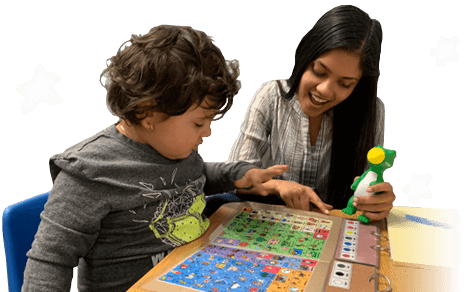
National Sister Day, celebrated on the first Sunday in August, honours the unique and lasting bond between sisters. This special relationship is filled with moments that bring laughter, occasional disagreement and unwavering support.

At Grandview Kids, we recognize the important role siblings play and the meaningful impact they have on the lives of our clients. In recognition of National Sisters Day, sisters of clients shared their experiences of being siblings to Grandview clients.

The Wiley Sisters: Anna, Ella and Reggie

“My name is Anna Wiley. I’m a Grandview Kids graduate, and I have two younger sisters, Reggie and Ella. Ella is the middle child, and Reggie is the youngest. They are the coolest sisters I could ask for. 

The best thing about having sisters is how supportive they are. They always give their all to what the other cares about, and they take time to show they care. My sisters are so kind and loving, and they are always ready to help. That is what inspires me.” 


“Hi, my name is Ella Wiley! I have two sisters, an older sister named Anna and a younger sister named Reggie. My oldest sister, Anna, received speech therapy at Grandview Kids, and I’m also a proud Grandview graduate, as I received physiotherapy and occupational therapy when I was younger. 

The best thing about having a sister is always having a built-in best friend. Whether I’m happy or sad, they’re always people I can rely on. They mean the world to me, and life wouldn’t be the same without them. There’s never a dull moment and I wouldn’t have it any other way. 

One thing I’ve learned by being a sister to a Grandview Kids client is how important it is to show up for each other with love, patience and understanding. It’s made me a better sister and person. Being part of the Grandview community, both as a sibling and a former client has shown me that there’s a place for everyone. This is my normal, and it’s perfect just the way it is.” 

“My name is Reggie Wiley. I have two sisters, and their names are Ella and Anna. The best thing about having sisters is how easy it is to understand, relate to and connect with them. I’ve learned that even with a disability, you can still achieve success in anything you put your mind to.” 

Zoey and Zayla

“My name is Zoey Stevens, and I have one sister. The best thing about having a sister is having a built-in lifelong friendship and always having support. One thing that I have learned while being a sister of a Grandview Kids client is how important it is to be patient and understanding with someone with special needs.”

Cianna and Kiara

“Hi, my name is Cianna and I have one sister named Kiara. She is eight years old, and being her big sister is one of the greatest joys of my life. Kiara is funny, creative and full of love. The best thing about having a sister is always having someone by your side to make memories with, whether we’re playing, laughing or just spending time together. We have a very special bond, and I love how we can sometimes understand each other without even needing words. 

Being a big sister to Kiara, who is a Grandview Kids client, has taught me so much about love, patience and seeing the world through a more caring lens. I’ve learned that progress comes in all shapes and sizes, and that every small step deserves to be celebrated. 

Kiara has shown me how to slow down and appreciate the little things — like her smile when she’s proud of herself, or the way she lights up when we do something fun together. One of the most important things I’ve learned from being her sister is how to be an advocate, not just for her, but for others too. 

I’ve become more understanding of how different people communicate and learn, and I’ve realized how important it is to make sure everyone feels included and heard. Kiara has made me more patient, more kind and definitely more courageous. Watching her face challenges with strength and joy has inspired me in ways I can’t even explain. I’m so lucky to have her as my sister, and I’m proud of her every single day. “

Megan and Lauren

“My name is Megan, and I have one sister named Lauren. The best thing about having a sister is that she gets me! Lauren always knows how to make me laugh and brighten up my day, even though we still argue over her stealing all my chocolate. She has taught me patience and shown me how important it is to live life to the fullest. Lauren has faced more than her fair share of challenges throughout the last 17 years, but she is still the happiest kid I know, and I’d be lost without her!” 

Grandview Kids Ambassador Program 

Grandview Kids is privileged to boast a wide network of clients and their families (known as “Ambassadors”) who participate in our Ambassador Program each year to tell their stories and support Grandview Kids in media opportunities, fundraising initiatives and at events.

Are you a sibling of a Grandview Kids client? We want to give you the opportunity to share your Grandview journey as a sibling with those in the community. Contact our Ambassador Advisor, Abby Valenciano, at Abby.Valenciano@grandviewkids.ca.

July 24 is International Self-Care Day, a day to highlight the importance of self-care in supporting overall health and well-being. Self-care helps restore energy, sharpen focus and foster a positive mindset by ensuring our basic needs are met. It does not need to be elaborate or costly, but it should be meaningful and tailored to each individual. Self-care looks different for everyone. Whether it’s taking time to rest, recharge or indulge, prioritizing your own well-being can help you show up as the best version of yourself.

While self-care looks different for everyone, fresh ideas can help inspire new ways to recharge and care for ourselves. Members of Team Grandview’s Family Engagement and Social Work teams shared some of their favourite self-care tips below!

Step outside for fresh air

Open a window, sit on your porch or go for a short walk. Even a few minutes of fresh air can provide mental clarity, ease stress and help you reset.

Schedule “me time”

Make time for things that bring you joy, even if it’s a solo grocery run, a cozy face mask, your favourite TV show or movie, a manicure or a quiet cup of coffee. Even simple rituals matter.

Move your body

Exercise can take many forms! Whether it’s lifting weights, going for a walk, playing tennis, pickleball or even a game of pick-up dodgeball with colleagues. Regular movement boosts your mood, supports heart health and improves energy levels.

Read a book or magazine!

Reading offers a break from daily stress. Whether it’s fiction, memoir or poetry, immersing yourself in a good book can be restorative.

Sit in nature

Find a peaceful moment outdoors, whether you’re at the lake, a local park or watching the sunset from your window. Nature has a calming effect that helps you pause and reflect.

Connect with others who “get it”

Joining a peer support group, especially one connected to your lived experience can offer encouragement, practical advice and emotional strength. You are not alone. There’s comfort in spending time with those who understand your challenges. Whether you’re sending memes back and forth or sharing a latte in person, those small connections count.

Explore creativity

Don’t wait for “someday.” Try a new hobby like painting, crochet, macramé or cooking a recipe from another culture. Creative outlets can re-energize and inspire.

Journal your thoughts

Writing can be a powerful tool for processing emotions and celebrating growth. Start small, or dive deep into telling your story, your lived experience matters.

Surround yourself with people who lift you up

Supportive friends and loved ones offer comfort, laughter and the kind of company that recharges your spirit, even if it’s just through a meme exchange or quick chat.

Snuggle with a furry friend

Pets offer comfort and help ground us in the moment. Time spent with animals can be a calming and joyful part of your routine.

Practice mindful breathing

Breathing exercises like box breathing or TIPP (temperature, intense exercise, paired muscle relaxation and paced breathing) can reduce anxiety and bring focus.

Spend quality time with loved ones

Time with family and friends can be an important form of self-care. It helps us feel safe, supported and connected.

Explore new places

Visiting vintage markets, museums, historical sites or even nearby towns can refresh your perspective and spark joy.

Try gardening

Spending time in the garden, even just playing in the dirt can be meditative. It’s a great way to unwind and reconnect with nature.

June 23 is International Dravet Syndrome Awareness Day. This day gives families affected by Dravet Syndrome a chance to share stories, build support and increase public knowledge about this rare form of childhood epilepsy. This syndrome is associated with a genetic mutation, primarily in the SCN1A gene, a sodium channel receptor. Dravet Syndrome is a spectrum, affecting individuals with different outcomes depending on gene mutation. Classic signs and symptoms include children presenting with the onset of seizures before their first birthday, with long-lasting initial seizures, often triggered by illness. Individuals with Dravet Syndrome are diagnosed through genetic testing that observes sodium channel levels. Grandview Kids’ Peer Navigator, Jacki N., shares her family’s journey as they navigate life with Dravet Syndrome. 

13-year-old Colton lives with his parents, Jacki and Chris, older brother Treston and younger siblings Jaxon and Adelaide. They enjoy travelling, watching and playing sports and birdwatching, which gives them a purpose to go on many family walks and hikes. Colton loves all sports, particularly watching hockey, baseball and soccer, the latter of which he plays. He is also fond of playing video games with his brothers, is fascinated with bubbles, loves watching Toopy and Binoo and is always ready for an adventure. Although Colton has a sweet and easy-going personality, he is also quite persistent, preferring to stick to his known routines and schedules, even after rough days or nights of experiencing multiple seizures. 

Colton was diagnosed with Dravet Syndrome in April 2013, a year after his first seizure. As expected with Dravet Syndrome, he was later given a formal diagnosis of global developmental delay. Receiving the Dravet Syndrome diagnosis was an unexpected and initial shock to his parents. Later that evening, Jacki vividly recalls giving Colton a bath and looking at him, thinking “[the diagnosis] doesn’t change him; this is who Colton is,” immediately transitioning to acceptance, which they recognize can be a challenging step for parents and caregivers. Within a few weeks, Jacki began to realize the importance of receiving a formal diagnosis as it opened doors to education, treatment and connection with other families to help understand the nuances of Dravet Syndrome. “Receiving a diagnosis was more helpful than not receiving one,” as she was able to focus her research on sodium channel levels for controlling and stopping seizures. 

Seizure treatment and management for those living with Dravet Syndrome typically include a ketogenic diet, cannabidiol (CBD), which is used to significantly decrease seizure activity, pharmaceutical medications and, often, as a last resort, vagus nerve stimulation (VNS). VNS is an implanted device that sends mild electrical pulses through the vagus nerve to the brain to alter nerve activity and stop seizures. Jacki’s family quickly learned about Colton’s heat trigger, a commonality among those with Dravet Syndrome, prompting them to order a cooling vest. They also initially received pushback from their medical team on a treatment plan. However, the diagnosis gave them clearance to put Colton on a ketogenic diet, which has been highly effective for his seizure management. Making necessary adjustments to his diet, such as removing fruits at dinner to increase Ketone levels or taking supplements, has proven that even minor but tailored changes are helpful.  

Accessing medications currently being researched is a vital intervention for chronic illnesses like Dravet Syndrome, but they are not without risks. Colton was on a 5-year-long trial medication that required the consumption of 14 pills daily. Unfortunately, the trial medication was not approved, and he required weaning from this essential medication. This lengthy process of medication weaning over six months proved to be a challenge, especially when weaning off the last two pills, prompting approximately ten seizures a night. Although he is not back to baseline, the slow weaning process and dietary changes helped decrease the seizures to only one 30-second seizure a night. 

Losing seizure control and having to administer rescue medication is frightening. “We can’t give him rescue medication every night, or else we should be in the hospital,” Jacki says. If Colton has a bad night, he must likely recover at home the next day by sitting and resting. When deciding to participate in a research trial, you must be prepared to lose control over anything related to the medication. “We cannot tweak doses and are at the mercy of those running the trial and the supplier. We depend on funding and adequate results.” Jacki also shares that Canada is behind Europe and the U.S. in trials, research and development, so even if the medication works and is approved, there may be insufficient healthcare coverage for the costs after trial completion.  

Although most treatments aim to reduce the frequency of seizures, they do not address other effects of the disease and seizure control remains a challenge for the majority of those with Dravet Syndrome. Colton can walk short distances in the home and community but uses a paediatric stroller for longer distances. He can also communicate his needs and wants with few words and his body language, but the effects of his seizures are significant and long-lasting. 

Grandview Kids has been part of Colton’s journey since the beginning. His family are active members of the Grandview Kids community, being members of the Family Advisory Council (FAC), Youth Advisory Council (YAC) and Family Engagement Team (FET) over the years. Colton has received necessary support through Grandview Kids’ medical, therapy and social work services. “Of all the support I received, Grandview Kids was the most impactful,” Jacki shares. “We would always go to different events since seeing other families like mine, although experiencing different problems, because it made me feel like I wasn’t alone.” Through these connections, resources and information were freely shared, introducing Colton to Challenger Baseball, inclusive programming and soccer. Jacki appreciates how Colton and her other kids would see familiar faces, feel welcomed and be exposed to children with all types of skills and abilities. She emphasizes the importance of getting involved in attending Grandview Kids events, especially those hosted by the FET. “I didn’t always want to attend, but I would always leave better,” challenging other parents and caregivers to make the time to foster community, connection and belonging. 

  • ⟨
  • Page 1
  • Page 2
  • Page 3
  • Page 4
  • Page 5
  • ⟩

Primary Sidebar

Child Stories

LnRiLWZpZWxke21hcmdpbi1ib3R0b206MC43NmVtfS50Yi1maWVsZC0tbGVmdHt0ZXh0LWFsaWduOmxlZnR9LnRiLWZpZWxkLS1jZW50ZXJ7dGV4dC1hbGlnbjpjZW50ZXJ9LnRiLWZpZWxkLS1yaWdodHt0ZXh0LWFsaWduOnJpZ2h0fS50Yi1maWVsZF9fc2t5cGVfcHJldmlld3twYWRkaW5nOjEwcHggMjBweDtib3JkZXItcmFkaXVzOjNweDtjb2xvcjojZmZmO2JhY2tncm91bmQ6IzAwYWZlZTtkaXNwbGF5OmlubGluZS1ibG9ja311bC5nbGlkZV9fc2xpZGVze21hcmdpbjowfQ==
LnRiLWhlYWRpbmcuaGFzLWJhY2tncm91bmR7cGFkZGluZzowfQ==
ICAudGItaW1hZ2V7cG9zaXRpb246cmVsYXRpdmU7dHJhbnNpdGlvbjp0cmFuc2Zvcm0gMC4yNXMgZWFzZX0ud3AtYmxvY2staW1hZ2UgLnRiLWltYWdlLmFsaWduY2VudGVye21hcmdpbi1sZWZ0OmF1dG87bWFyZ2luLXJpZ2h0OmF1dG99LnRiLWltYWdlIGltZ3ttYXgtd2lkdGg6MTAwJTtoZWlnaHQ6YXV0bzt3aWR0aDphdXRvO3RyYW5zaXRpb246dHJhbnNmb3JtIDAuMjVzIGVhc2V9LnRiLWltYWdlIC50Yi1pbWFnZS1jYXB0aW9uLWZpdC10by1pbWFnZXtkaXNwbGF5OnRhYmxlfS50Yi1pbWFnZSAudGItaW1hZ2UtY2FwdGlvbi1maXQtdG8taW1hZ2UgLnRiLWltYWdlLWNhcHRpb257ZGlzcGxheTp0YWJsZS1jYXB0aW9uO2NhcHRpb24tc2lkZTpib3R0b219IC53cC1ibG9jay1pbWFnZS50Yi1pbWFnZVtkYXRhLXRvb2xzZXQtYmxvY2tzLWltYWdlPSJhMWJlMmUyODAwMWFkMGRlMjBhM2RlZWVlYmE5MDJhMSJdIHsgbWF4LXdpZHRoOiAxMDAlOyB9IEBtZWRpYSBvbmx5IHNjcmVlbiBhbmQgKG1heC13aWR0aDogNzgxcHgpIHsgICAudGItaW1hZ2V7cG9zaXRpb246cmVsYXRpdmU7dHJhbnNpdGlvbjp0cmFuc2Zvcm0gMC4yNXMgZWFzZX0ud3AtYmxvY2staW1hZ2UgLnRiLWltYWdlLmFsaWduY2VudGVye21hcmdpbi1sZWZ0OmF1dG87bWFyZ2luLXJpZ2h0OmF1dG99LnRiLWltYWdlIGltZ3ttYXgtd2lkdGg6MTAwJTtoZWlnaHQ6YXV0bzt3aWR0aDphdXRvO3RyYW5zaXRpb246dHJhbnNmb3JtIDAuMjVzIGVhc2V9LnRiLWltYWdlIC50Yi1pbWFnZS1jYXB0aW9uLWZpdC10by1pbWFnZXtkaXNwbGF5OnRhYmxlfS50Yi1pbWFnZSAudGItaW1hZ2UtY2FwdGlvbi1maXQtdG8taW1hZ2UgLnRiLWltYWdlLWNhcHRpb257ZGlzcGxheTp0YWJsZS1jYXB0aW9uO2NhcHRpb24tc2lkZTpib3R0b219IH0gQG1lZGlhIG9ubHkgc2NyZWVuIGFuZCAobWF4LXdpZHRoOiA1OTlweCkgeyAgIC50Yi1pbWFnZXtwb3NpdGlvbjpyZWxhdGl2ZTt0cmFuc2l0aW9uOnRyYW5zZm9ybSAwLjI1cyBlYXNlfS53cC1ibG9jay1pbWFnZSAudGItaW1hZ2UuYWxpZ25jZW50ZXJ7bWFyZ2luLWxlZnQ6YXV0bzttYXJnaW4tcmlnaHQ6YXV0b30udGItaW1hZ2UgaW1ne21heC13aWR0aDoxMDAlO2hlaWdodDphdXRvO3dpZHRoOmF1dG87dHJhbnNpdGlvbjp0cmFuc2Zvcm0gMC4yNXMgZWFzZX0udGItaW1hZ2UgLnRiLWltYWdlLWNhcHRpb24tZml0LXRvLWltYWdle2Rpc3BsYXk6dGFibGV9LnRiLWltYWdlIC50Yi1pbWFnZS1jYXB0aW9uLWZpdC10by1pbWFnZSAudGItaW1hZ2UtY2FwdGlvbntkaXNwbGF5OnRhYmxlLWNhcHRpb247Y2FwdGlvbi1zaWRlOmJvdHRvbX0gfSA=

Owen DiManno: EKO Scholarship winner on his first year at College

In March, at the top of 2021, soon-to-be college student Owen DiManno was awarded an Empowered Kids Ontario (EKO) Scholarship, a prestigious award only presented to a select few inspiring...

Latest Updates

  • April: Dates of Significance March 30, 2026
  • Defying expectations: Adaline’s journey with Wolf-Hirschhorn Syndrome March 27, 2026
  • Understanding Autism through Jack’s eyes March 27, 2026
  • A family’s journey of growth, advocacy and belonging March 27, 2026
  • National Siblings Day – April 10 March 27, 2026

You Have Questions

We’d like to help you find the answers…

Contact Us Today

© Grandview Kids Built by PeaceWorks

  • About Us
  • Contact Us
  • Privacy
Accessibility Adjustments

Powered by OneTap

How long do you want to hide the toolbar?
Hide Toolbar Duration
Select your accessibility profile
Vision Impaired Mode
Enhances website's visuals
Seizure Safe Profile
Clear flashes & reduces color
ADHD Friendly Mode
Focused browsing, distraction-free
Blindness Mode
Reduces distractions, improves focus
Epilepsy Safe Mode
Dims colors and stops blinking
Content Modules
Font Size

Default

Line Height

Default

Color Modules
Orientation Modules