• Skip to primary navigation
  • Skip to main content
  • Skip to primary sidebar
Grandview Kids Logo

Grandview Kids

Every Child And Youth Living Life At Their Full Potential

  • About Us
    • Vision, Mission and Values
    • The New Grandview Kids
      • Operational Readiness
      • Visiting Grandview Kids’ Ajax Headquarters
    • Our History
    • Leadership
    • Board of Directors and Committees
      • Join our Board of Directors and Committees
    • Annual Report
    • Strategic Plan
    • Policies
  • Calendar
  • Annual Report
    • Strategic Direction 1: Deliver meaningful, efficient client and caregiver outcomes and experiences
    • Strategic Direction 2: Foster a thriving, connected Team Grandview
    • Strategic Direction 3: Collaborate with partners to maximize impact, focusing on Durham Region
    • The New Grandview Kids – The Jerry Coughlan Building
    • 2024-25 Financial Statement
    • Grandview Kids Foundation update
    • Grandview School update
  • Contact
    • Contactez – nous
    • Ajax – Headquarters
    • Bowmanville Health Centre
    • Grandview School
    • Oshawa – Dwyer
    • Port Perry
    • Whitby – Abilities Centre
  • Careers
  • Register
  • Donate
  • Instagram
  • LinkedIn
  • Facebook
  • Services and Programs
    • Audiology
    • Autism Program
      • Autism Spectrum Disorder (ASD) Diagnostic Hub
      • Caregiver-Mediated Early Years Programs
      • OAP Core Clinical Services
      • Entry to School Program
      • Foundational Family Services
    • Blind-Low Vision Program
    • Extensive Needs Service
    • Family Engagement Program
      • Adolescent Transition Program
      • Family Leader Program
        • Family Advisory Council
        • Youth Advisory Council
    • Infant Hearing Program
    • Medical Services
      • Autism Spectrum Disorder (ASD) Diagnostic Hub
      • Complex Care Program
      • Grandview Anesthesia Procedure (GAP) Clinic
      • Hypertonia Clinic
      • Nutrition Services
      • Orthopaedic Clinic
    • Occupational Therapy
    • Physiotherapy
    • Preschool Outreach Program
    • School Programs & Resources
      • Resources for Educators
      • School-Based Rehabilitation
    • Service Navigation
      • SmartStart Hub: Parents
      • SmartStart Hub: Partners
    • Social Work
    • Speech-Language Pathology
      • Augmentative and Alternative Communication
    • Therapeutic Recreation
  • Purchased Services
    • Beyond the Walls
    • Summer Camp 2026
    • OAP Core Clinical Services
      • Behaviour Services
  • Research
    • Get involved in research
    • IDEA Study
      • Building knowledge and understanding of the intersection of race and disability in accessing pediatric rehabilitation services.
    • Research Associate: Dr. Fiona Moola
    • Research Associate: Dr. Meghann Lloyd
  • Resources
    • Ability Acceptance Program
    • Arriving at Grandview Kids
    • Community Supports & Resources
    • Family Support Fund
    • Free to Read Program
    • Frequently Asked Questions
    • Gather by Grandview Kids
    • News and Updates
    • Privacy
    • Resources for Parents and Caregivers
    • Visiting Grandview Kids
  • Support Us
    • 50/50 Lottery
    • Ways to support
    • Host a fundraiser
    • Participate in an event
      • Golf Fore Grandview Kids
      • Sponsor the Drum
      • Dream Big, Dream Brighter Awards Gala
    • Leave a legacy
      • Gifts of securities
      • Gifts of bequests
      • Gifts of life insurance
    • Your impact
    • Building a Legacy: Honouring Jerry Coughlan
  • I Want To…
    • Connect with Grandview Kids
    • Donate
    • Refer a child or youth
    • Register via My Community Hub
    • Schedule an Appointment
    • Volunteer at Grandview Kids
    • Work at Grandview Kids
  • Grandview School
    • About Our Program
    • About Our Board
    • Grandview School Social Story
    • Plans and Reports
    • Resources for Families
    • Resources for Schools – Switch It Up!
    • Careers and Volunteering
    • Contact Grandview School
  • Search

Posted March 27, 2026

National Siblings Day – April 10

Family Engagement

Siblings by Siblings Program

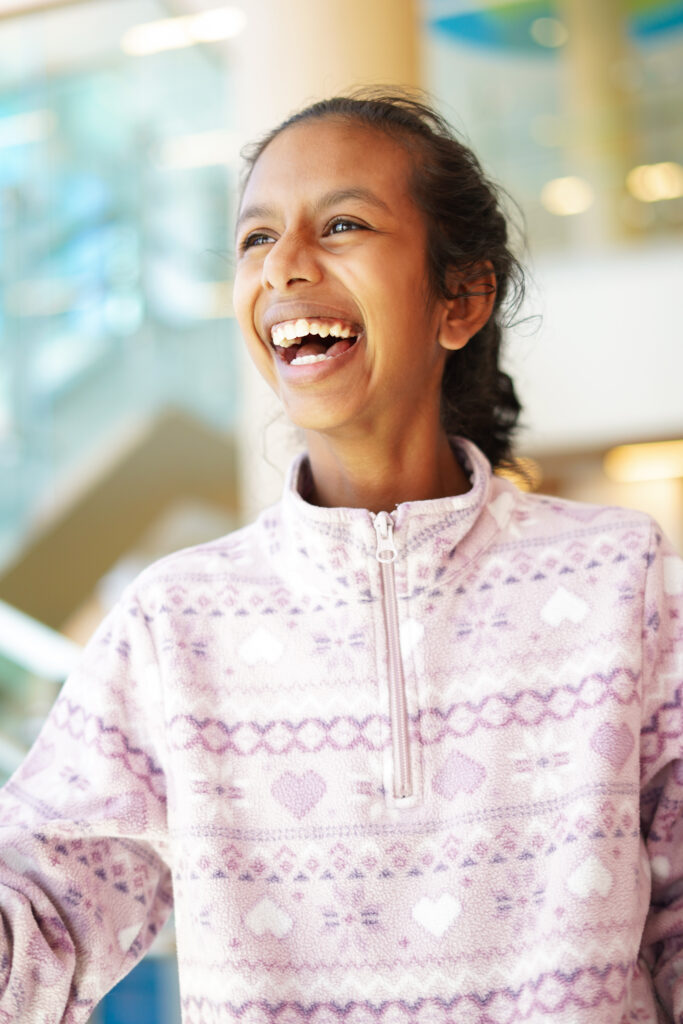
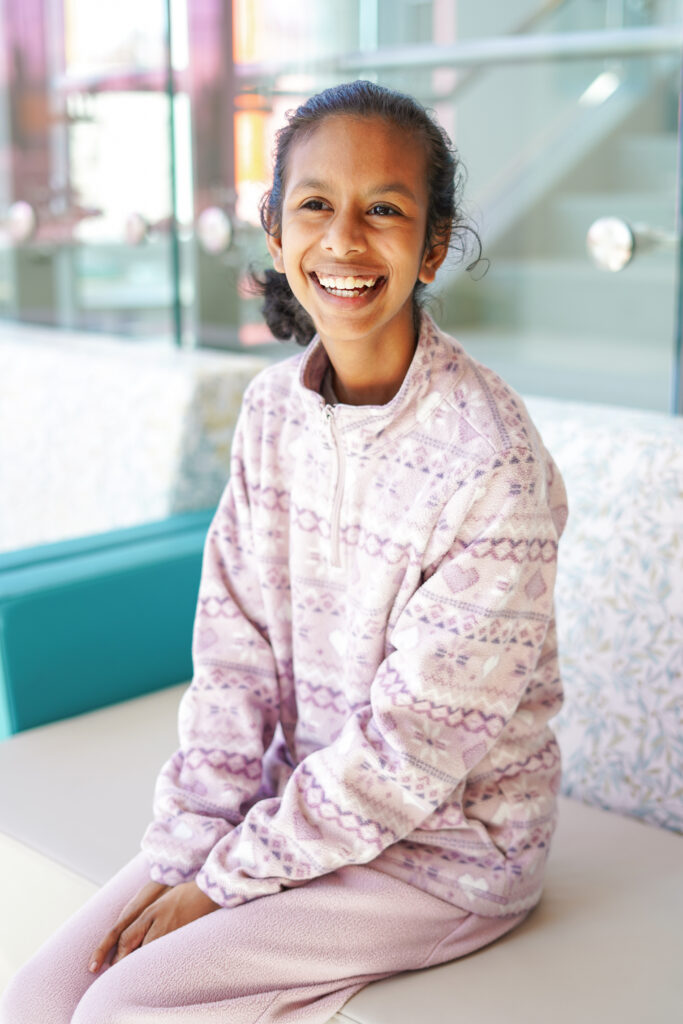
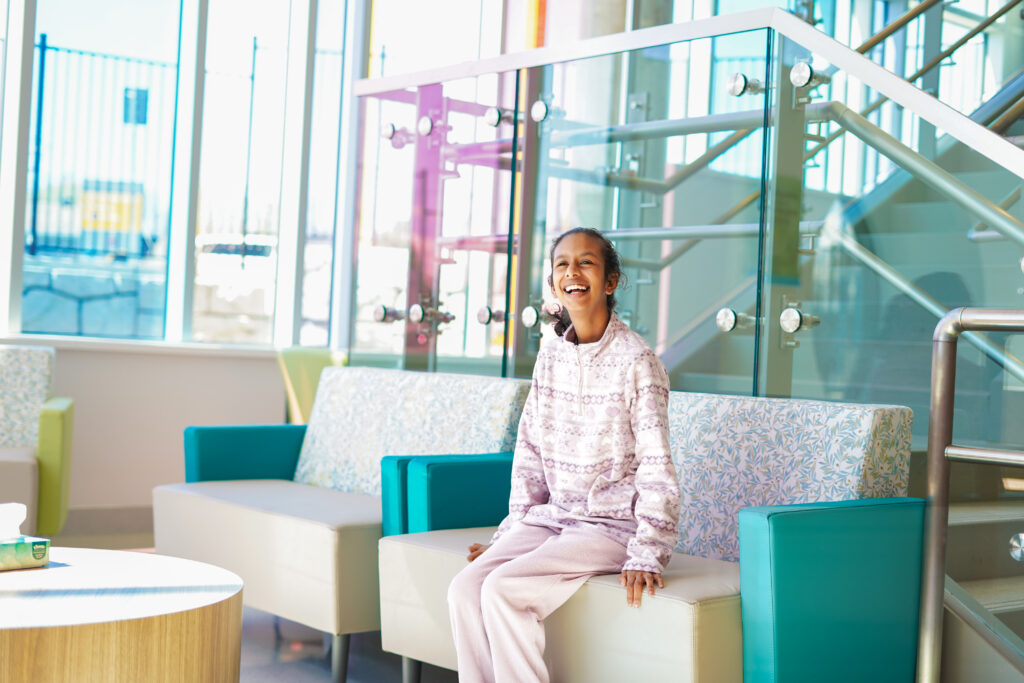
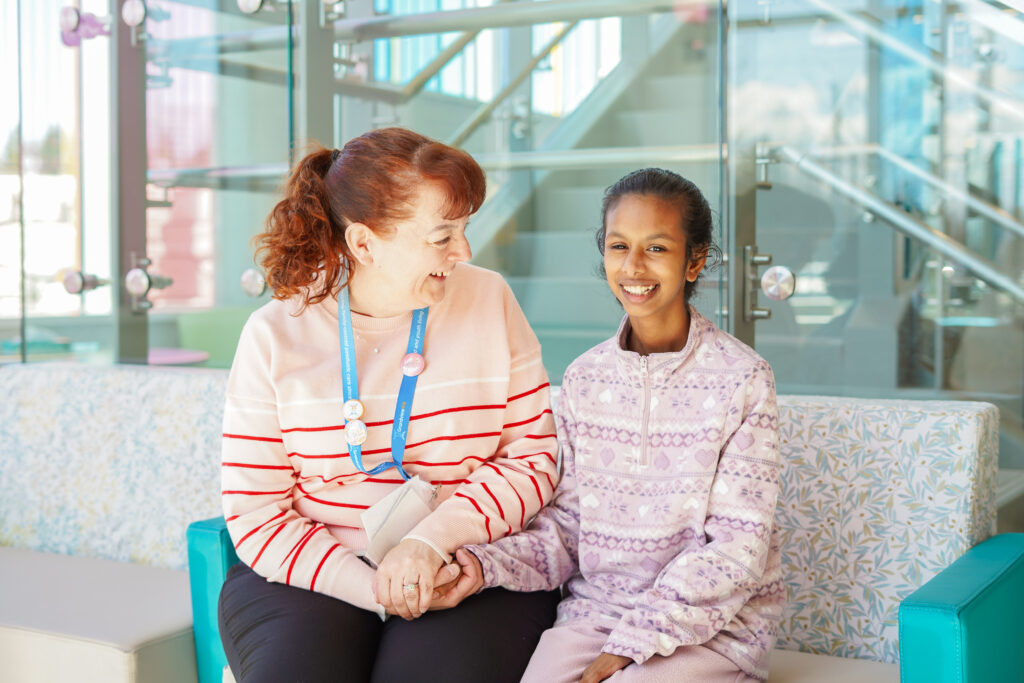
National Siblings Day is celebrated each year on April 10. To honour this, we are proud to feature Grandview Kids’ “Siblings by Siblings” program!

Siblings by Siblings is a peer-led support program created specifically for siblings of children with disabilities or medical complexities. The program provides a safe, welcoming space where siblings can connect with others who understand their lived experiences. Through interactive discussions, games and creative activities, participants build friendships, strengthen coping strategies and recognize one another for their unique roles within their families.

Where did the idea for the program come from?

Siblings often carry a complex mix of emotions, such as pride, protectiveness, responsibility, frustration and love. While they play an important role within their families, they may not always have a dedicated space to process their own experiences. Siblings by Siblings was developed to ensure siblings of Grandview Kids clients feel seen, heard and valued as individuals. The program emphasizes building resilience, confidence and peer connection.

What happens in the Siblings by Siblings program?

The Siblings by Siblings Team, which includes Peer Navigators Ella, Fizza, and Isabella, hosts evening events throughout the year at our Ajax headquarters, The Jerry Coughlan Building. At each event, the team organizes a variety of activities, which have included thoughtful discussions on burnout, decorating cupcakes (for themselves and their siblings), self-care trivia, card games and creating self-care booklets and loot bags.

The program is open to siblings ages 10 to 18 and is positively impacting those who participate. When asked about their favourite Siblings by Siblings activities, participants shared, “My favourite activity is playing with my peers and connecting with them,” and “Making cupcakes — it was so much fun and calming. I just had fun!” When asked about the most inclusive activities, attendees noted, “Talking about my experiences with my siblings,” and “Playing Uno — I felt so included.”

The responses from Siblings by Siblings participants reflect the importance of peer connection, shared storytelling and meaningful yet fun engagement.

Attendance and growth

The promotion of the program’s launch reached 2,809 views (as of August 15, 2025). This attention demonstrated the strong community interest in sibling-focused programming. Since the pilot event, we have seen consistent growth, with attendance ranging from 8 to 16 siblings per session. Notably, 8 participants have been recurring attendees since the very first pilot event, highlighting sustained engagement and the value siblings are finding in the program.

Siblings by Siblings continues to grow as a meaningful and anticipated offering within Family Engagement programming. National Siblings Day provides a wonderful opportunity to celebrate siblings and spotlight the importance of investing in spaces designed for them and by them.

Testimonials

“My name is Aaleyah, and I’m in Grade 8. Being part of the Siblings by Siblings program at Grandview Kids has meant a lot to me. Having a sibling with a disability can feel overwhelming because there are a lot of extra responsibilities and moments when things are harder or different from other families. I adapted to how my brother made my life different, and sometimes that was kind of hard for me. Being part of this program helped me realize I’m not alone, and I’ve learned to be more patient, understanding, and proud of my brother and everything he accomplishes.

My favourite part of the Siblings by Siblings program is that it’s run by people with siblings with a disability, just like me, so they actually understand and relate to what it’s like. It makes it easier to open up because they’ve had similar experiences. I also love the events where we can connect, share stories, and just have fun together. This program has given me a safe space to talk about my feelings without judgment, and I would definitely recommend it to other kids who have a sibling at Grandview Kids because it helps you feel heard, supported, and understood.”

– Aaleyah, Grandview Kids sibling

“I really liked going to the Siblings by Siblings group. At first, I wasn’t sure what to expect, but it ended up being really fun and comfortable. It was nice meeting other kids who understand what it’s like, and it made me feel less alone.

I liked that we could talk about our feelings without it being awkward or forced. Everyone was really easy to talk to, and the environment was calm and relaxed. It actually helped me open up more than I thought I would. Overall, I had a really good experience, and I’m glad I went. I’d definitely recommend it to other siblings.”

– Kaleb Fancy, Grandview Kids sibling

“I had a really good time at the Siblings by Siblings group. It was lots of fun, and I liked being there with other kids. My favourite part was the snacks and drawing. It was really relaxing and easy to just hang out and enjoy. I can’t wait for the next one!”

– Kareem Fancy, Grandview Kids sibling

To register for an upcoming “Siblings by Siblings” event, follow Grandview Kids on Instagram and Facebook or speak to a member of the Family Engagement Team!

Julie Beazley is a Digital Publisher, Graphic and Web Designer based in Oshawa, Ontario. She creates and shares resources through her small business, including resources, advocacy tools, printables and heartfelt reflections from life with her son, Liam. Julie channels her professional expertise into empowering other families walking similar paths. 

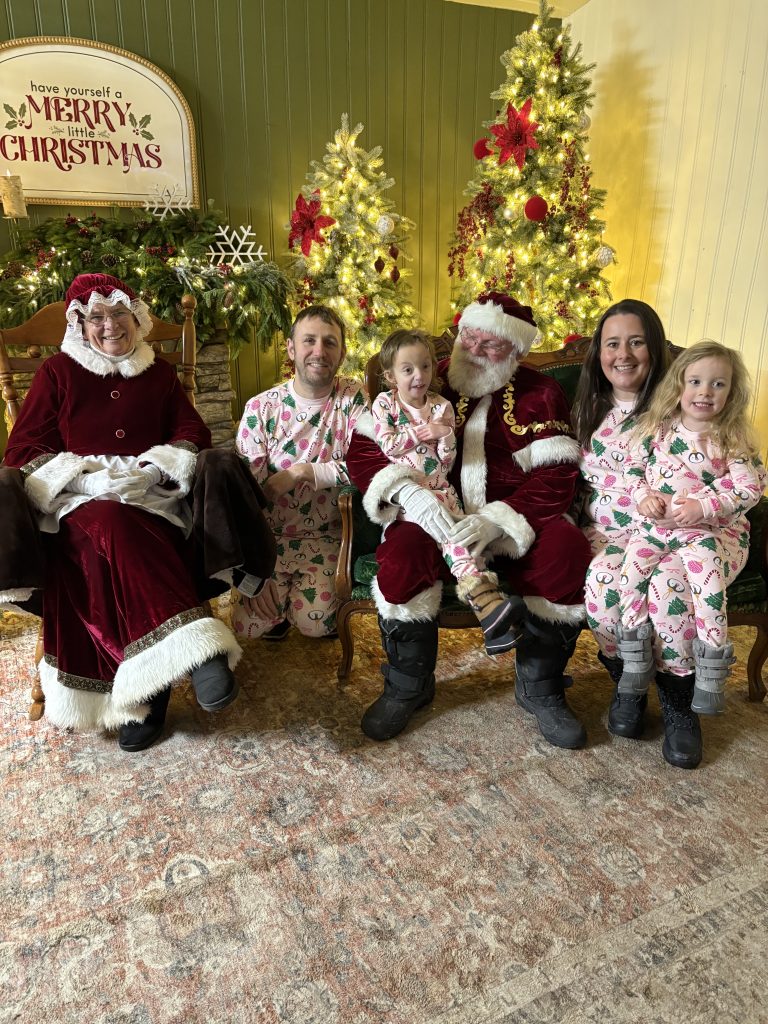
13-year-old Liam lives with his mom, Julie, his stepfather, Brent, their dog, Fox, and a couple of parrot fish. He loves music, dancing, using the bucket swing at parks and cracking up at funny movies. Liam thrives on experiences like bowling, theme park rides, ziplining, canoeing, hovercraft adventures and ATV rides through muddy forest trails. He has been on the ice with the Toronto Maple Leafs, navigated through jungle and mangroves by boat and embraced life with a boldness many only dream of. In Julie’s words, Liam is “extremely mischievous,” full of laughter and loves engaging with his family and friends. Together they have built a life that is equal parts organized, adventurous and beautifully unpredictable. 

Liam entered the world at 34 weeks gestation in Costa Rica, weighing just 5.5 pounds. Doctors immediately noted facial features consistent with Trisomy 21 (Down Syndrome), along with jaundice and a concerning cardiac murmur. Julie flew back with Liam to Toronto, where she is from, and he was transferred to The Hospital for Sick Children (SickKids) as an infant and underwent open-heart surgery at just seven weeks old to repair a congenital heart defect (Tetralogy of Fallot with aortic stenosis and AVSD). Down Syndrome is a genetic condition caused by an extra copy of chromosome 21, resulting in 47 chromosomes instead of the typical 46. It causes mild to moderate cognitive delays, distinct physical features and potential health issues like heart defects. It is not caused by anything parents do and occurs by chance.  

Liam has what Julie calls a “trifecta” of diagnoses: Down Syndrome, cerebral palsy and autism spectrum disorder. The combination results in low muscle tone working against spasticity, sensory challenges and global developmental delays. He is non-verbal, though deeply communicative through sounds, gestures and expression. Liam’s receptive understanding far exceeds his ability to express his needs. Gross and fine motor skills are limited, and he requires one-to-one support in all areas of daily living. Though predominantly a wheelchair user, he walks with support in a walker and rides an adaptive bike at school. 

Feeding was one of the earliest and most exhausting battles as Julie navigated Liam’s severe milk protein allergy, which led to Liam receiving a temporary nasogastric tube (NG Tube). She was told repeatedly that Liam was “failure to thrive” and urged to place a gastrostomy tube (G Tube), but Julie made the decision to persevere. After creative problem-solving (including feeding him from a salad dressing bottle) and relentless advocacy, Liam now enjoys orally eating French fries, pasta, vegetables and soft rotisserie chicken in addition to homemade purees. Food, once a battlefield, is now a celebration when they eat at restaurants or pull into a Wendy’s drive-thru. 

After relocating from the Sarnia area to Oshawa, Liam’s care transitioned to Grandview Kids. Through Grandview Kids, Liam receives services for occupational therapy, physiotherapy (including equipment support and ankle-foot orthoses fittings), therapeutic recreation, developmental paediatric monitoring and Botox injections for spasticity through the Hypertonia Clinic. Alongside medical services, Liam and Julie have accessed social work (funding and school IEP assistance), the Extensive Needs Service for behavioural support and introduction to fun activities and events through the Family Engagement Program, emphasizing the importance of connection. Julie met other parents who understood the sleepless nights, the behaviour challenges and the medical overwhelm. This encouraged her to discover other community groups that further expanded that circle of support, turning isolation into global sisterhood. 

Julie received Liam’s Down Syndrome diagnosis shortly after birth but did not have time to fully process it. “I was so in love with my baby and terrified of the immediate open-heart surgery and its implications that the diagnosis took a back seat.” She describes the diagnosis as “unexpected, scary and overwhelming, given the life I had envisioned for my child while I was pregnant. The relief I felt following his heart repair diminished any of the circumstances impending from having Down Syndrome. And it never took away from the love I felt for my son.” 

If Julie could talk to herself on diagnosis day, she would encourage her to not listen to other people’s perceptions of Liam’s abilities and worth. “Simply love your child and believe in him. He will prove every single limitation placed on him to be inaccurate, and along the way, champion so many hearts.” Julie’s feelings about Liam’s future are mixed. She worries about supports when she is no longer here but she is also excited because she knows her son. “He is the epitome of unconditional love,” she says. “If everyone was like him, the world would be such a better place.”

Misconceptions about Down Syndrome that Julie wants to challenge 

  • People with Down Syndrome are not “always happy.” They experience the full range of emotions. 
  • It is not a disease and cannot be “cured.” 
  • Life expectancy has more than doubled (now 60+ years). 
  • Individuals with Down Syndrome often resemble their families more than each other. 
  • Many can live independently and drive with support. 
  • Many attend mainstream schools. 
  • Women with Down Syndrome can have children. 
  • They are more alike than different, defined by personality and passions and not diagnosis. 
  • Individuals with Down Syndrome succeed in elite arenas: 
    • Monika Myers, Toronto-based professional international runway model 
    • Madison Tevlin, Canadian actress and broadcaster 
    • Kyle Land, Canadian competitive bodybuilder and certified personal trainer 
    • Ana Victoria Espino de Santiago from Mexico is a lawyer advocating for disability rights  

Celebrating National Epilepsy Awareness Month and National Cerebral Palsy (CP) Awareness Month

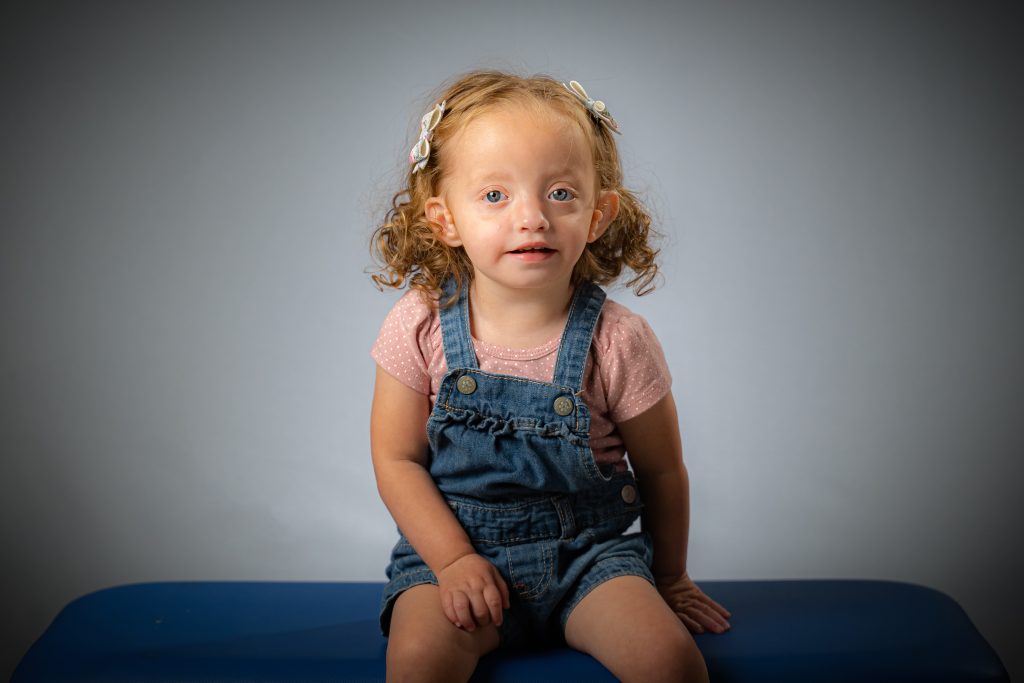
Before Jaxon was ever held in their arms, Julie and Mike had already learned how fragile hope could be. After four pregnancy losses, Jaxon was born, followed by another miscarriage and the loss of a younger brother, Jameson. Jameson was born stillborn shortly after the halfway mark of pregnancy, but he will always be spoken of, remembered and included as part of their family. Jaxon proudly took on the title of “big brother” when their youngest family member, Eric, arrived. The road to building their family was marked by grief, but also by a deep sense of reverence and gratitude for the children they get to hold daily, kids who arrived through immense love and loss. 

Julie’s pregnancy with Jaxon was healthy and normal, despite his traumatic and chaotic birth in September 2019. Jaxon became stuck in the birth canal, leading to an emergency C-section. He was not breathing and needed to be resuscitated, followed by eight days in the hospital’s neonatal intensive care unit (NICU). They were sent home, relieved but unaware of the journey awaiting them. 

At four and a half months old, Julie noticed something that did not sit right. Jaxon was not using his right hand and babies were not supposed to show a clear preference that early. His paediatrician agreed it was odd and sent a referral for an MRI at The Hospital for Sick Children (SickKids). A week later, Jaxon began having strange body movements, his eye contact changed and he became constantly irritable and inconsolable. Julie still found herself questioning everything, wondering if she was failing as a mother. When Jaxon’s head drops began, they knew that something else was going on and a quick search on the Internet led them to “infantile spasms.” She read the phrase “catastrophic neurological emergency,” which is a condition that can cause permanent brain damage or death if not treated immediately. 

Julie and Mike rushed Jaxon to SickKids, but as nothing happened in the emergency department, they were sent home. Once home, Jaxon’s head drops progressed significantly, going from a few episodes to hundreds within hours. Julie was able to record videos of these episodes, and they were back at SickKids. The videos and real-time episodes witnessed by SickKids staff were enough to take them seriously, but because electroencephalograms (EEGs) were not done at night, they were again sent home. Terrified and watching Jaxon, Julie dared not sleep, afraid that if she did, her worst fears would come true. The next day, an emergency EEG confirmed infantile spasms, and treatment began immediately with aggressive doses of two oral medications. Administering the awful-tasting medication every half hour to their young baby was very difficult to give and watch, but there was no choice as seizure control was everything. 

Within a week, Jaxon had received three diagnoses: infantile spasms, epilepsy and cerebral palsy. An MRI confirmed a massive stroke on the left side of his brain, likely experienced during birth. Julie remembers the flood of guilt and grief as she replayed her pregnancy, wondering what she did wrong, wondering if she caused this. Although she acknowledges that these thoughts are baseless and untrue, they still visit her, even now. Jaxon spent months hospitalized at SickKids, and Julie was often alone because COVID-19 policies allowed only one parent per visit. The emotional, financial and physical costs added up quickly. Eventually, Jaxon achieved some seizure stability, and they allowed themselves to breathe for awhile. 

During a follow-up appointment, brain surgery, specifically, a hemispherectomy was mentioned, almost casually. They had stability, and thought, surely this was not for them. The doctors explained the risk of Jaxon’s epilepsy. The damage was isolated to the left hemisphere so surgery could protect the rest of his brain should the seizures return and eliminate the risk of spreading to the right side of his brain, threatening even more of his development. The surgery would disconnect both sides of Jaxon’s brain and remove two-thirds of the damaged left hemisphere.  

“It felt barbaric. Terrifying. Impossible,” recounts Julie. At just 18 months old, Julie and Mike made one of the hardest decisions imaginable. Epilepsy had already shown them how much it could steal so they chose the path that gave Jaxon the best chance at quality of life. 

The surgery was a success but Jaxon unfortunately developed hydrocephalus, a condition where cerebrospinal fluid (CSF) pools in the brain’s ventricles, leading to increase pressure in the skull. He underwent five shunt revisions and contracted meningitis. He had two rehabilitation stays at Holland Bloorview Kids Rehabilitation Hospital, holding onto the hope that with the right supports and therapies in place, Jaxon could live a full, meaningful life. 

Today, Jaxon is six years old. He is nonverbal, autistic and lives with epilepsy and right-sided spastic hemiplegia cerebral palsy. He uses an ankle-foot orthotic (AFO) on his right leg, a supramalleolar orthotic (SMO) on his left and a wheelchair for long distances and when he’s tired. His motivation to do things for himself, in his own way and time, has always been the driving force behind his progress. That determination carried him through years of therapy, using a walker, stander, and eventually, walking independently on this third birthday. 

Jaxon’s family moved to Durham Region in 2023 to a home that they could modify for Jaxon’s long-term needs, a decision driven by advocacy to do everything possible to stack the odds in Jaxon’s favour. Jaxon’s care was transferred to Grandview Kids, where he receives physiotherapy, occupational therapy, speech-language pathology and therapeutic recreation. Therapy is not always easy, especially for a child who communicates differently, but progress happens because of the amazing therapists willing to meet him where he is. 

Grandview Kids physiotherapist, Winnie W., stands out. Julie describes her as phenomenal, deeply intuitive and genuinely impactful because of her approach. Winnie played a key role in helping Jaxon make immense progress and access an adaptive bike for school and home use, giving him freedom of movement even in the winter months. Therapeutic Recreation groups gave Jaxon the opportunity to experience joy in social settings, which is often a struggle. In these groups, he is welcomed, accommodated and happy. 

“When I first started working with Jaxon, he would be very upset when encouraged to try the physical activities. One day, we had a breakthrough with a piggy bank toy that made fake sneezing noises.  He started laughing so hard whenever the pig sneezed.  And from then on, he became an eager participant in every Physiotherapy session. There were no more tears, and he became more familiar with the routines of the session. Watching him improve in his physical skills and participation in sessions over the 2 years, it is rewarding to know the impact that has been made on his life.” – Winnie W., Grandview Kids Physiotherapist

Being nonverbal, Julie’s experience is that people underestimate Jaxon’s cognitive skills and understanding. Grandview Kids was instrumental in securing Jaxon a high-tech Augmentative and Alternative Communication (AAC) device. Julie had advocated alone for years, and through Grandview Kids’ referral, within a year Jaxon had a device that changed everything. Now, he can order his own meals at restaurants. He can show people what he knows and he is seen for who he truly is – a smart, capable, tech-loving kid who learns quickly, writes his name, uses his device for spelling tests and makes his own breakfast in the morning. 

Grandview Kids has been a cornerstone of Jaxon’s growth. Julie says one of the most powerful things Grandview Kids has given their family is community. Family Engagement events like “Accessible Trick-or-Treating” at the Kids Safety Village of Durham Region remind them they are not alone. They are surrounded by families who understand, instinctively help when a child bolts toward a parking lot, help Jaxon up when he trips and look out for each other without explanation. “It’s a community no one asks to be part of, but you’re still grateful it exists.” 

The daily reality of having a child with complex medical needs means Julie and Mike are hypervigilant, looking for signs of seizures or shunt malfunction. Jaxon cannot always tell them when something feels off so they make the best decisions they can, carrying heavy rocks they never chose to pick up. This included the tough decision for Julie to step back in her career as a child and youth worker and Mike to become the sole provider, working hard to not only provide the basic necessities of life but to ensure Jaxon could attend inclusive camp and pay for the yearly release of his communication device. They also learned to lean on their support system of advocates, including Jaxon’s respite worker, Olivia, who has become daughter-figure to them since Jaxon was one year old.  

Yet Jaxon’s joy makes it worthwhile. He is affectionate, gentle and endlessly loving. His belly laugh is infectious, and his silliness brings smiles to everyone around. Julie says she would not change him for anything. She would change the suffering, fear, diagnoses, but never Jaxon himself. 

Sharing Jaxon’s story has become part of their advocacy. Through a small TikTok platform, Julie has connected with hundreds of medical families. Some have recognized signs in their own children because of Jaxon’s videos and sought diagnoses sooner. “You don’t know what exists until it’s in front of you,” she says. 

For Epilepsy and Cerebral Palsy Awareness Month, Julie hopes people understand that resilience does not mean being strong all the time. It means showing up anyway and making impossible decisions with love. It means re-choosing community, advocacy and hope. Their story, layered with loss, fear, advocacy and fierce love, is not a predictable path but is all woven together by the steady belief that Jaxon deserves every possible chance to live a full, meaningful life. 

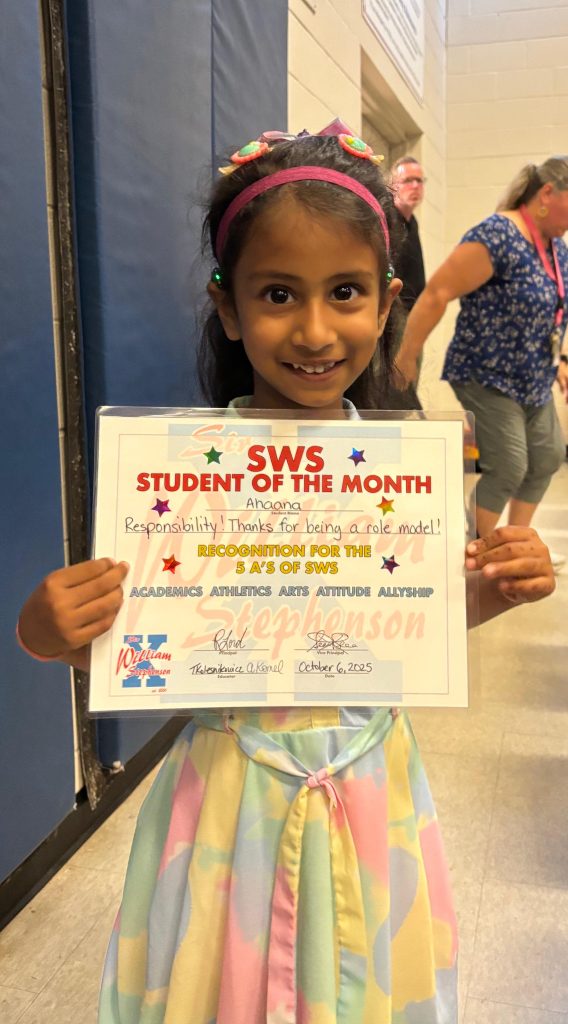
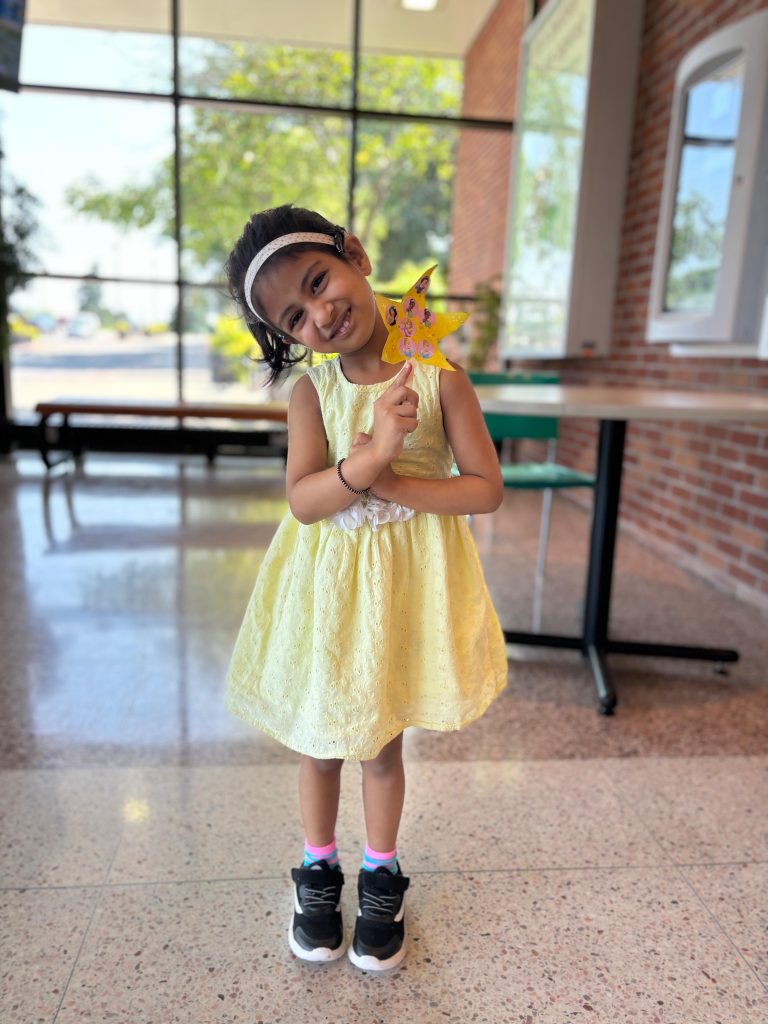
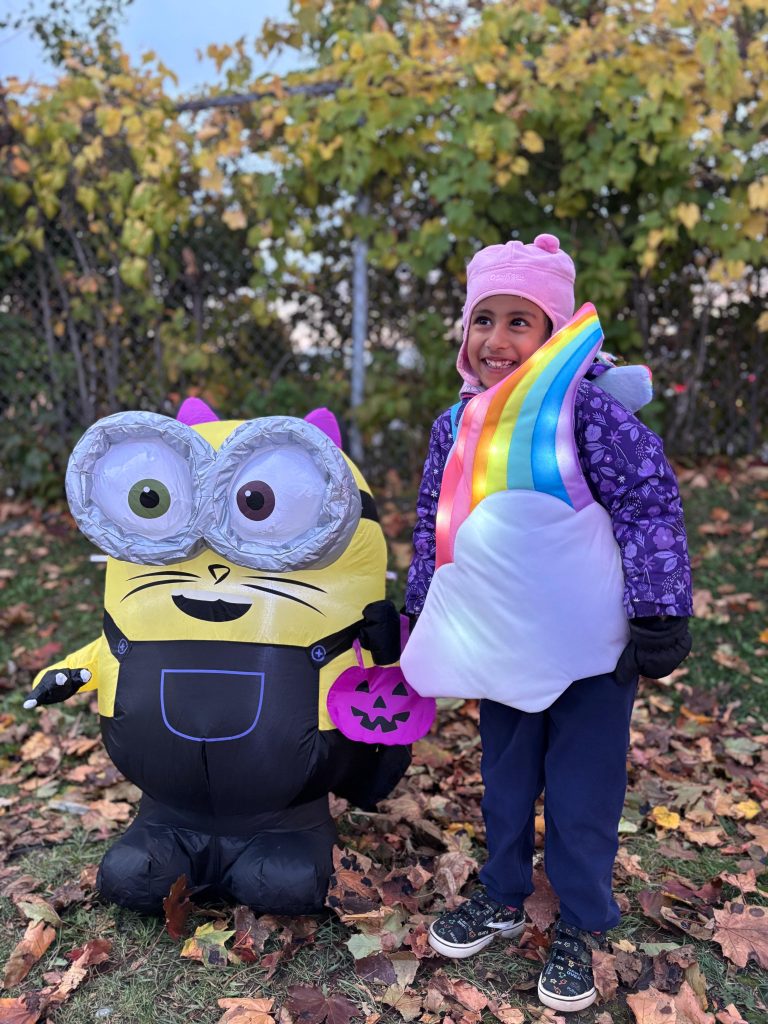
At five years old, Ahaana’s deep joy and desire for connection are easily observed by everyone around her. Her playful but intelligent conversation demonstrates how she is goofy, creative, endlessly curious, witty and has deep empathy for others. She lives with her parents, Ankit and Mansi, and her one-month-old baby brother Agastya. 

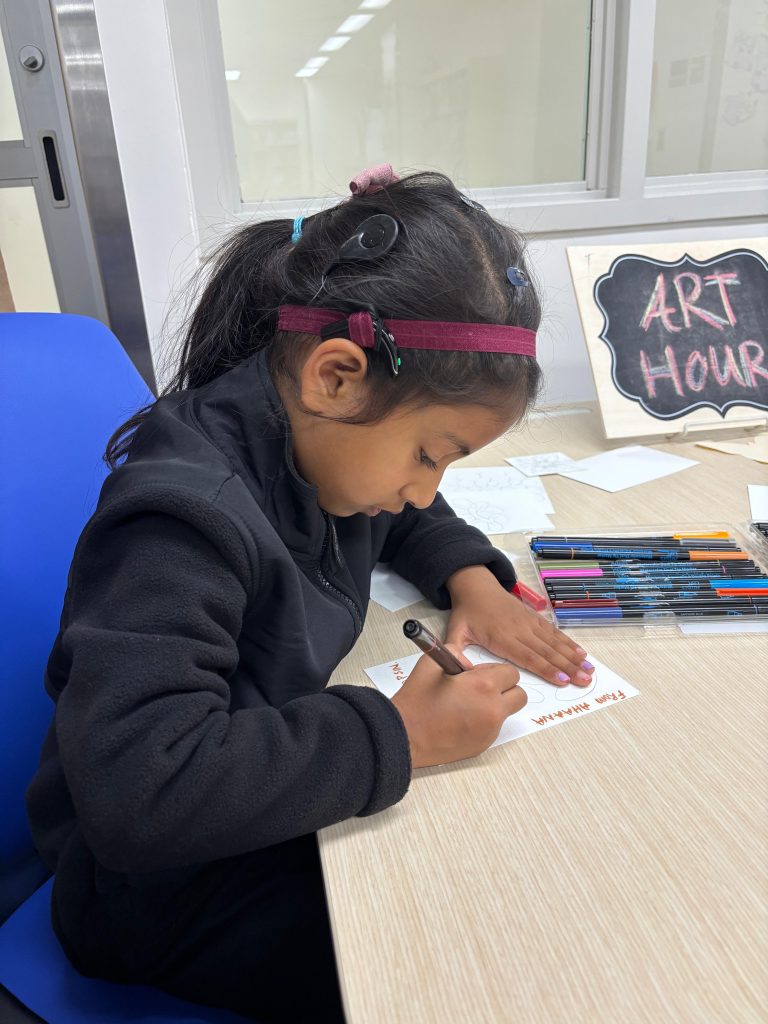
Ahaana is surrounded by love that stretches across generations and cultures, enjoying visits from her grandparents on weekends or when her family travels to India regularly to stay connected to their roots. Ahaana loves science experiments with her dad, Ankit, and crafts and reading with her mom, Mansi. Social by nature, Ahaana is often the first to help a new child at school, guiding classmates through routines, holding hands to provide comfort and even helping them put on their winter attire. A natural leader with a strong sense of responsibility, she is learning multiple languages, including Hindi and French. She has a love for music, dance and creativity that continues to grow. 

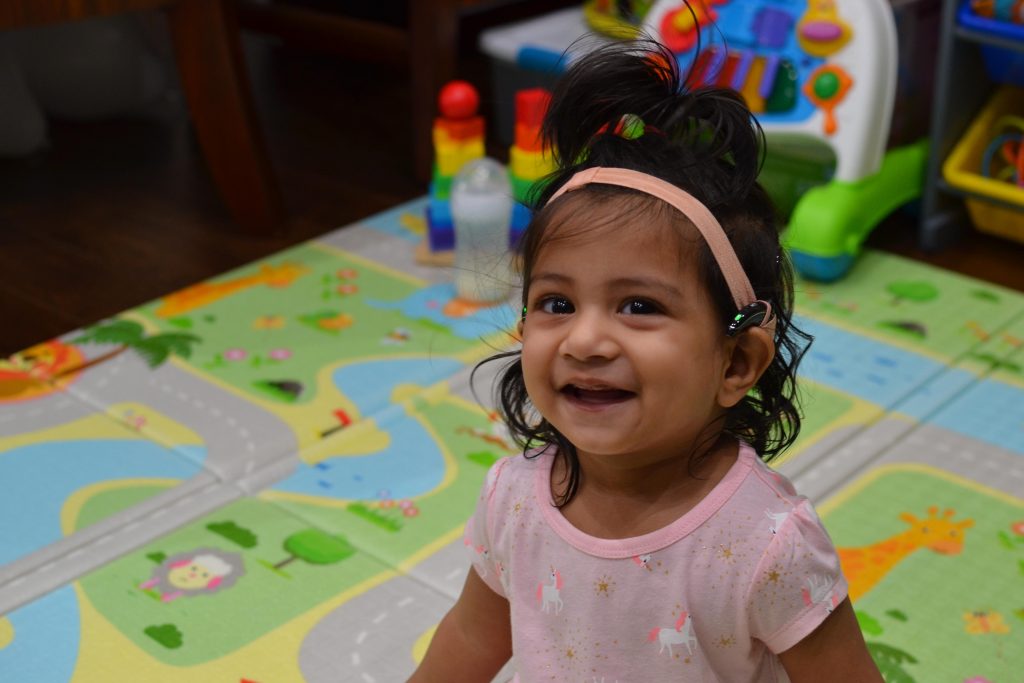
Ahaana’s drive and ability to explore her world were once only a dream to her parents. Born during the COVID-19 pandemic, she entered a world already filled with much anxiety. Shortly after birth, Ahaana failed her newborn hearing screening in both ears. Like many families, Ankit and Mansi were initially reassured that this was common and often temporary. However, follow-up tests through Grandview Kids’ Infant Hearing Program and Audiology service told a different story. After three screenings and a detailed audiology assessment, Ahaana was diagnosed with bilateral profound sensorineural hearing loss. This meant she could not hear sounds at all in either ear, and traditional hearing aids would not help. 

With no family history of hearing loss, the diagnosis was shocking. Due to COVID restrictions, only one parent could attend appointments, making the experience even more isolating. At home, Ankit and Mansi found themselves testing sounds–calling her name, dropping toys, turning on music–hoping for any reaction. Slowly, it became clear that Ahaana was not responding to sound, though her other senses were heightened. She relied on physical closeness, movement and touch to feel safe and connected. 

Like many parents, Ankit and Mansi moved through denial, grief, fear and overwhelming uncertainty. But once the diagnosis was fully understood, they reached a turning point: acceptance. With that acceptance came the determination to learn everything they could and to make the most informed, loving decision possible for their daughter. 

Ahaana’s care journey became a shared decision-making process, guided by specialists at The Hospital for Sick Children (SickKids), Grandview Kids and cochlear implant support organizations. The family learned about cochlear implants, how they bypass underdeveloped parts of the ear and use electrical signals to stimulate the auditory nerve, allowing the brain to learn sound over time. Speech therapy, they learned, would be just as critical as the technology itself. 

They researched extensively, attended virtual meetings and connected with other families, including a cochlear implant community advocate who lived nearby and shared her own lived experience of parenting a child with cochlear implants. Seeing older children with cochlear implants thrive gave them hope. While the risks of surgery were frightening, the compassion and expertise of the medical team, especially their surgeon, Dr. Papsin, at SickKids, helped ground them. Rather than focusing on unanswered questions like “why,” the team encouraged them to focus on what came next: recovery, growth and possibility. Their SickKids Audiologist, Dr. Laurie, was a source of constant support since Ahaana was two months old. She took the time to listen, answer their queries and assist the family in overcoming the learning curve of cochlear implant use. 

Throughout this time, Grandview Kids played a pivotal role. Before surgery, Ahaana received audiology support, early speech-language pathology (SLP) and guidance from educators specializing in deaf and hard-of-hearing children. Even while knowing hearing aids would not restore Ahaana’s perception of sound, they were used to help her and her parents become familiar with the devices and routines. More importantly, Grandview Kids supported the family emotionally, acknowledging the grief, helping them prepare for surgery and reminding them they were not alone. Ahaana’s Speech-Language Pathologist, Alishia C., exemplified Grandview Kids’ values of belonging, excellence and connection through her kind, caring and family-centred service. Alishia helped Mansi and Ankit discover their own potential, amplifying their voice and value as partners in care, and celebrated successes together along the way.  

In October 2021, Ahaana underwent a six-hour bilateral cochlear implant surgery. It was an emotional day for her parents, but the surgery was successful. Recovery was swift, and by the time she arrived home, Ahaana was already playing on her playmat, resilient and determined. One month later, on November 8, 2021, a day before her first birthday, her implants were activated. Six months after activation, the results were extraordinary. With consistent speech therapy, family dedication and ongoing support, Ahaana’s speech developed rapidly, soon on par with her hearing peers. She hums, sings and listens to music every night before bed, and she is preparing to learn piano! Her cochlear implants, lovingly called her “magic ears,” have become a celebrated part of who she is.  

Grandview Kids continued to walk alongside the family before, during and long after surgery. Through audiology check-ins, SLP and the Infant and Child Hearing Program, Ahaana’s parents gained confidence in their approach and reassurance that they were doing the right things. However, it was the Family Engagement Program, specifically their Caregiver Café, a monthly networking and respite event for Grandview Kids parents and caregivers, that truly transformed their journey. Through connection with other families, Ankit and Mansi found a powerful sense of belonging. Hearing others’ stories helped them heal, dream again and even find the courage to grow their family. They realized the power of community, not just for support, but for the discovery of their own strength and potential as advocates. 

Today, Ahaana’s family celebrates not only how far she has come, but the community that helped make it possible. They now volunteer, share their story openly and connect with families just beginning similar journeys. They are raising awareness, offering hope and reminding parents to give themselves grace. They are teaching Ahaana that her differences are her special powers, to find beauty in them by making her headbands colourful and pretty and to learn to advocate for her needs.  

For Ankit and Mansi, Cochlear Implant Day is about celebrating technology, resilience, teamwork and the little girl who shows every day that differences can be powerful. With the right support, connection and care, Ahaana is not just hearing the world; she has also found a voice to help make it a more inclusive, compassionate place for everyone.  

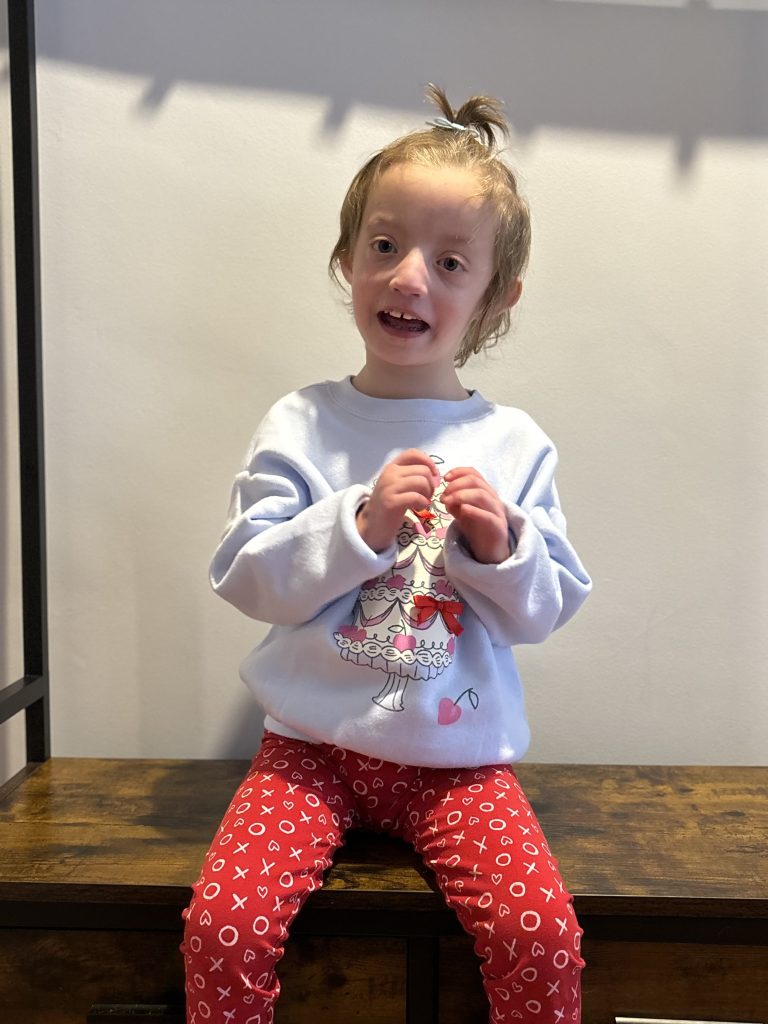
Cassandra never imagined how many turns her family’s journey would take, but loving her son, Brock, has taught her resilience, creativity and fierce advocacy. Brock is nearly 13 years old and lives with complex medical needs, including hydrocephalus with a ventriculoperitoneal (VP) shunt, cerebral palsy, chronic kidney disease, autism spectrum disorder, intellectual disability, developmental delay and a neurogenic bladder that requires catheterization. He lives at home with his mom, Cassandra, his sister, Olive, his grandma and his stepdad. They face each day together as his tight-knit care team.

Before 2019, Brock ate and drank by mouth. Then a life-changing fall down 13 steps caused a brain bleed, and Brock slowly lost the ability and desire to eat. His weight dropped to dangerous levels, and Cassandra knew something had to change. Choosing a feeding tube was not easy, but it became necessary when Brock stopped gaining weight altogether. The feeding tube became a lifeline.

The learning curve was steep. Cassandra became the only one trained to manage Brock’s pump and tube changes, while also teaching others how to care for him, since in-home nursing was not an option. The cost of equipment added constant stress, even with assistance programs, and emergencies often meant long trips to The Hospital for Sick Children (SickKids) because local hospitals were not trained to manage paediatric feeding tubes. There were unexpected challenges too, like Brock learning how to open his feeding line mid-feed, or discovering that their travel backpack blocked the tubing, leading the family to invest in intravenous (IV) poles and multiple pumps so Brock could move freely at home and out in the community.

Despite the hurdles, the feeding tube changed Brock’s life for the better. He is now gaining weight appropriately and has more energy to enjoy the things he loves, just like any child. These include camping with his family, attending Scouts, playing soccer, riding his bike in the summer, watching Peppa Pig and lining up his dinky cars. Grandview Kids has been a constant source of support for Brock and his sister as they have accessed services, including occupational therapy, physiotherapy, speech-language pathology, the Complex Care Program, therapeutic recreation and dietitian support to ensure Brock gets the nutrition and fluids his body needs.

Cassandra’s message during Feeding Tube Awareness Week is one of honesty and hope. She advises caregivers and parents exploring the use of a feeding tube to ask questions, explore all tube options, seek out community resources and not to let fear or doubt stop them from choosing something that can help their child thrive. “You don’t have to do it alone,” Cassandra emphasizes. “If challenges arise, reach out to hospital g-tube teams, members of your family and others in the Grandview Kids community who understand.” Brock’s feeding tube is not a limitation; it is a part of the reason he continues to grow, explore and be exactly who he is.

Learn more about the Family Engagement Team

If you want to connect with others in the Grandview Kids community, reach out to a Peer Navigator on our Family Engagement Team (FET) to start fostering those relationships and gain additional support from peers. You can meet someone from the FET in the Family Resource Centre at Grandview Kids’ Ajax-based headquarters, The Jerry Coughlan Building, Monday through Friday, from 9 a.m. to 2 p.m. 

For more information, email the team at familyengagement@grandviewkids.ca or join the Grandview Kids’ Online Parent Support page to make connections and learn about all upcoming events. 

Written by Grandview Kids Peer Navigator, Sam K. and Ability Acceptance Presenter and Archivist, Mitchell D.

About the Ability Acceptance Program at Grandview Kids 

If you have been following Grandview Kids’ Gather newsletter and social media, you may have heard of our Ability Acceptance Program, led by our Ability Acceptance Presenter and Archivist, Mitchell Daniels. Through our Ability Acceptance Program, we deliver presentations to schools, community organizations and local businesses to improve accessibility and acceptance for people of all abilities. As part of the Ability Acceptance Program, we often collaborate with other Team Grandview members to share their lived experiences, as some of our staff are former clients or family members of former clients. 

Acceptance is something everyone deserves 

Unfortunately, some may not feel accepted in their communities, or fear they will not be.  

For anyone, this can be difficult, and for those with a disability, their diagnosis can become a focus in social settings. This can lead to fears of not being accepted. These experiences are often unseen. It can take a harsh, often silent toll on a person’s self-esteem and may lead them to feel “invisible.” It could progress into painful internal questions, including “Is it my fault?” or “Why won’t anyone accept me?”

Over time, toxic self-inquiries like these can manifest into a deeper, silent suffering, which can lead to someone feeling trapped in their own mind. They may start overanalyzing what they perceive as “wrong” because they may be searching for a possible cause of why they have not found the social connection they long for.

When parents or caregivers witness this invisible, silent pain experienced by their youth or child, it can lead them to feel heartbroken and helpless. It might feel like there is no easy remedy. However, even the smallest acts of kindness and acceptance can be catalysts for hope and change.

That is the heart of Ability Acceptance: seeing and valuing people for who they are, not for their diagnosis—visible or invisible. 

So, what happens when an individual or a group of people reaches out and ignites a light in another person’s story that once seemed dark, with a fear of a lack of acceptance?

Sam’s personal experience in finding a strong bond 

Sam is a former Grandview Kids client who is now a Peer Navigator in the Adolescent Transition Program. He is a college graduate and has a diagnosis of Cerebral Palsy. From an early age, Sam knew that life would not be easy; many challenges came, and others were always on the way. Even while overcoming the physical, mental and emotional trauma that is faced by those with a diagnosis, he greatly feared social ostracization by his peers before attending college. It happened, leaving him feeling unwanted and craving acceptance.

Thankfully, a door can open, and for Sam, one literally did. When they do, the trauma can vanish, and unbreakable friendships and bonds can often bloom. 

For Sam, these powerful bonds were formed with the Women’s Hockey Team at York University during the 2023/24 season when Sam was at a game at York’s home rink, and two of the players happened to hold a door for him in the lobby of the arena. A brief conversation between them ended with Sam saying a simple yet unknowingly powerful “thank you.” Following this, Sam reached out to the team’s official Instagram account to share what had happened, express his gratitude for the kindness and let the coaching staff know they had incredible players who represented the team so well.

Little did Sam know that the staff managing this account would later read his message to the players before their next game. His simple note of appreciation would leave a lasting mark on the Lions’ locker room.  

In response to this message, the team’s Captain at the time reached out to him personally to thank him for his kind words. Several months later, after Sam’s final regular-season game at York that year, he had a brief conversation with the captain and her sister to express his gratitude for their kindness as they held the door. Sam had no idea that this interaction would not be the last time he would speak to or see them or the team.  

York would later make the play-offs that season for a first-round series against the Nipissing University Lakers, and Sam ended up watching the Lions sweep the series! 

Following the two games played at York, Sam would meet many more players, which marked the start of a new and powerful bond he did not see coming. Though the two players have since graduated from the team, they remain close friends with Sam and talk as often as their busy schedules allow. The impact of the initial friendship and the ones developed since, including those currently on the team, are among Sam’s strongest.

He remains close with the team, becoming their biggest fan and even earning the moniker of “superfan,” which Sam wears on his sleeve proudly. Sam always shows up for his friends and cheers for them louder than anyone attending the games. Alongside these bonds, Sam and the team have had many meaningful, transformational conversations about what it means to be “inclusion allies.” 

For Sam, in-person ones take place at the rinks before and after their games, and online, he texts every player individually a variation of “good luck” on the morning of every game day, without fail. They will often talk about their lives when chatting.

These interactions can carry a lot of power. Some on the outside may view them as “just a conversation” or “just words on a smartphone.” However, to Sam and those like him, such honest efforts mean a world to them. They read as “We see, hear and accept you. We are your friends.”

Parents and caregivers of children and youth with disabilities can find peace in these experiences, too. These bonds and friendships have a lasting impact. They can also deepen their existing understanding and perspectives while continuing to accept others. Sam notes that this is vividly felt across York University’s Women’s Hockey.

Sam poses with some of his friends on the team

Thoughts from Sam’s friends on how their friendships and bonds with him impacted them and their concepts of ability acceptance

When asked about Sam’s impact on her personally, York University Women’s Hockey forward Lola M. shares, “Sam has taught me about positivity and perseverance. He has also shown me that disability is a spectrum and looks different for everyone… Treating those with different abilities as people first is critical. Understanding how those with disabilities may have a different way of moving through the world is important to push back against institutions and preconceived notions that further disadvantage those with disabilities.”

Forward, Trynity T., echoes the positive influence through her friendship with Sam, stating, “Sam has been a great influence on my understanding and awareness of ability acceptance. I understand that people with disabilities, visible or not, are just as human as the rest of the population and deserve the same treatment. Disabilities do not define who a person is; they’re just a part of them. This will help me to be more understanding of how individuals with disabilities think and feel and allow me to do my best to include everyone and see who people truly are, despite these disabilities.”

Further advocating the impact, defender Abby H. weighs in, “My relationship with Sam has been nothing short of amazing. While Sam is a person with a disability, he is so much more than that. He is a caring and amazing person and friend; his disability has not limited our interactions or relationship at or away from the rink. He has influenced my awareness of ability acceptance by enlightening me that there is so much more to him than his disability, and his personality shows that at the rink every day. This experience can positively impact future interactions with individuals with visible and invisible disabilities by encouraging myself and others to acknowledge their disability, but look further into who they are as a person.”

Conveying the lasting impact that her friendship with Sam has had on her, forward Abbey M., offers her thoughts, “Being friends with Sam has reaffirmed my beliefs that those with visible/invisible disabilities are not defined by their disabilities. I can positively impact my relationship with future individuals with disabilities by taking the time to get to know them on a personal level and create true and meaningful connections.” Part of acceptance is being an inclusive ally; several of Sam’s friends expressed what that means to them.

Goaltender Emma W. says, “Being an ‘Inclusion Ally’ to me is more than just supporting inclusion; it frames around the way you act, speak, and listen. I think it comes down to creating spaces where EVERYONE feels welcomed through traits like respect, empathy, and kindness, allowing individuals to know they can be their true selves and feel valued without facing judgment.”

Forward Emise G. adds her thoughts, “[An inclusion ally is] someone who makes people feel welcomed and accepted when first meeting them. Also, someone who actively supports and advocates for people in marginalized communities.”

It is also vital to recognize that there is much more to someone than their diagnosis, and that must always be understood. When speaking to it, defender Nicole Y. said, “A person’s worth isn’t defined by their disability, visible or not. True acceptance means treating everyone with the same respect and openness, without pity or assumptions. We’d create a more welcoming world by listening, learning, and seeing people for who they are, not just their challenges.”

When asked how someone without a diagnosis may interact socially with someone who does, more of Sam’s friends offer their advice. Former defender and Captain Ava R. advises, “Show love and kindness as you would with anyone and do not focus on the disability because they are not the disability, focus on the wonderful person they are and treat them as the wonderful person they are.”

Former defender and Alternate Captain, Ilena R. recommends, “Be kind, make eye contact and have a conversation! Smile!!! It can start a friendship that will change your life!” Forward Courtenay B. adds, “My advice is to not make any assumptions about what someone can or can’t do and approach all interactions with the same respect and openness that you would show anyone else. Treating people as PEOPLE first; not defining or labelling them with a condition, making eye contact, and asking questions about their interests is how we make people feel included and respected.”

Sam receiving a surprise visit from his friends and former captains, Ava R. and Ilena R. following the team’s game at Toronto Metropolitan University on October 24, 2025

Captain and defender Sara M. says, “Be patient and treat them with respect that you would with anyone else.”

Thoughts from the team’s Head Coach on how Acceptance is interwoven into the team’s culture

The power behind inclusive bonds is felt not only by the players but also by those who witness it, leaving a lasting impression.

For the team: Head Coach Dan C. He shares, “One of the pillars of the Women’s Hockey Program at York University is the concept of ‘Whanau.’ Whanau is a Maori word which means ‘family.’ However, the beauty of the word is that it also encompasses immediate family, extended family, community, and ancestry. It truly is a beautiful word. We work hard for our daily environment to be a ‘family.’ We honour the players who wore the jersey before us and laid the foundation for the program to be where it is today. We value the sisterhood created by our current players on and off the ice. We appreciate the support from our family at every game. Finally, we reflect the values of our extended family and the community that surrounds us. I think to us, being ‘inclusion allies’ means respecting the diverse backgrounds of our whanau. We all come from different and diverse backgrounds, but all of our whanau is important to us. It makes us stronger. As the saying on our dressing room wall says, ‘For the strength of the Pride is the Lion, and the strength of the Lion is the PRIDE.’ An inclusive environment and culture make us a stronger team.”

Sometimes the door that is held open for you reveals a world where you can roar the loudest and proudest.

Sam and the 2025/26 York Lions Women’s Hockey Team together after a big game

  • ⟨
  • Page 1
  • Page 2
  • Page 3
  • Page 4
  • Interim pages omitted …
  • Page 6
  • ⟩

Primary Sidebar

Child Stories

LnRiLWZpZWxke21hcmdpbi1ib3R0b206MC43NmVtfS50Yi1maWVsZC0tbGVmdHt0ZXh0LWFsaWduOmxlZnR9LnRiLWZpZWxkLS1jZW50ZXJ7dGV4dC1hbGlnbjpjZW50ZXJ9LnRiLWZpZWxkLS1yaWdodHt0ZXh0LWFsaWduOnJpZ2h0fS50Yi1maWVsZF9fc2t5cGVfcHJldmlld3twYWRkaW5nOjEwcHggMjBweDtib3JkZXItcmFkaXVzOjNweDtjb2xvcjojZmZmO2JhY2tncm91bmQ6IzAwYWZlZTtkaXNwbGF5OmlubGluZS1ibG9ja311bC5nbGlkZV9fc2xpZGVze21hcmdpbjowfQ==
LnRiLWhlYWRpbmcuaGFzLWJhY2tncm91bmR7cGFkZGluZzowfQ==
ICAudGItaW1hZ2V7cG9zaXRpb246cmVsYXRpdmU7dHJhbnNpdGlvbjp0cmFuc2Zvcm0gMC4yNXMgZWFzZX0ud3AtYmxvY2staW1hZ2UgLnRiLWltYWdlLmFsaWduY2VudGVye21hcmdpbi1sZWZ0OmF1dG87bWFyZ2luLXJpZ2h0OmF1dG99LnRiLWltYWdlIGltZ3ttYXgtd2lkdGg6MTAwJTtoZWlnaHQ6YXV0bzt3aWR0aDphdXRvO3RyYW5zaXRpb246dHJhbnNmb3JtIDAuMjVzIGVhc2V9LnRiLWltYWdlIC50Yi1pbWFnZS1jYXB0aW9uLWZpdC10by1pbWFnZXtkaXNwbGF5OnRhYmxlfS50Yi1pbWFnZSAudGItaW1hZ2UtY2FwdGlvbi1maXQtdG8taW1hZ2UgLnRiLWltYWdlLWNhcHRpb257ZGlzcGxheTp0YWJsZS1jYXB0aW9uO2NhcHRpb24tc2lkZTpib3R0b219IC53cC1ibG9jay1pbWFnZS50Yi1pbWFnZVtkYXRhLXRvb2xzZXQtYmxvY2tzLWltYWdlPSJhMWJlMmUyODAwMWFkMGRlMjBhM2RlZWVlYmE5MDJhMSJdIHsgbWF4LXdpZHRoOiAxMDAlOyB9IEBtZWRpYSBvbmx5IHNjcmVlbiBhbmQgKG1heC13aWR0aDogNzgxcHgpIHsgICAudGItaW1hZ2V7cG9zaXRpb246cmVsYXRpdmU7dHJhbnNpdGlvbjp0cmFuc2Zvcm0gMC4yNXMgZWFzZX0ud3AtYmxvY2staW1hZ2UgLnRiLWltYWdlLmFsaWduY2VudGVye21hcmdpbi1sZWZ0OmF1dG87bWFyZ2luLXJpZ2h0OmF1dG99LnRiLWltYWdlIGltZ3ttYXgtd2lkdGg6MTAwJTtoZWlnaHQ6YXV0bzt3aWR0aDphdXRvO3RyYW5zaXRpb246dHJhbnNmb3JtIDAuMjVzIGVhc2V9LnRiLWltYWdlIC50Yi1pbWFnZS1jYXB0aW9uLWZpdC10by1pbWFnZXtkaXNwbGF5OnRhYmxlfS50Yi1pbWFnZSAudGItaW1hZ2UtY2FwdGlvbi1maXQtdG8taW1hZ2UgLnRiLWltYWdlLWNhcHRpb257ZGlzcGxheTp0YWJsZS1jYXB0aW9uO2NhcHRpb24tc2lkZTpib3R0b219IH0gQG1lZGlhIG9ubHkgc2NyZWVuIGFuZCAobWF4LXdpZHRoOiA1OTlweCkgeyAgIC50Yi1pbWFnZXtwb3NpdGlvbjpyZWxhdGl2ZTt0cmFuc2l0aW9uOnRyYW5zZm9ybSAwLjI1cyBlYXNlfS53cC1ibG9jay1pbWFnZSAudGItaW1hZ2UuYWxpZ25jZW50ZXJ7bWFyZ2luLWxlZnQ6YXV0bzttYXJnaW4tcmlnaHQ6YXV0b30udGItaW1hZ2UgaW1ne21heC13aWR0aDoxMDAlO2hlaWdodDphdXRvO3dpZHRoOmF1dG87dHJhbnNpdGlvbjp0cmFuc2Zvcm0gMC4yNXMgZWFzZX0udGItaW1hZ2UgLnRiLWltYWdlLWNhcHRpb24tZml0LXRvLWltYWdle2Rpc3BsYXk6dGFibGV9LnRiLWltYWdlIC50Yi1pbWFnZS1jYXB0aW9uLWZpdC10by1pbWFnZSAudGItaW1hZ2UtY2FwdGlvbntkaXNwbGF5OnRhYmxlLWNhcHRpb247Y2FwdGlvbi1zaWRlOmJvdHRvbX0gfSA=

June is Spina Bifida Awareness Month

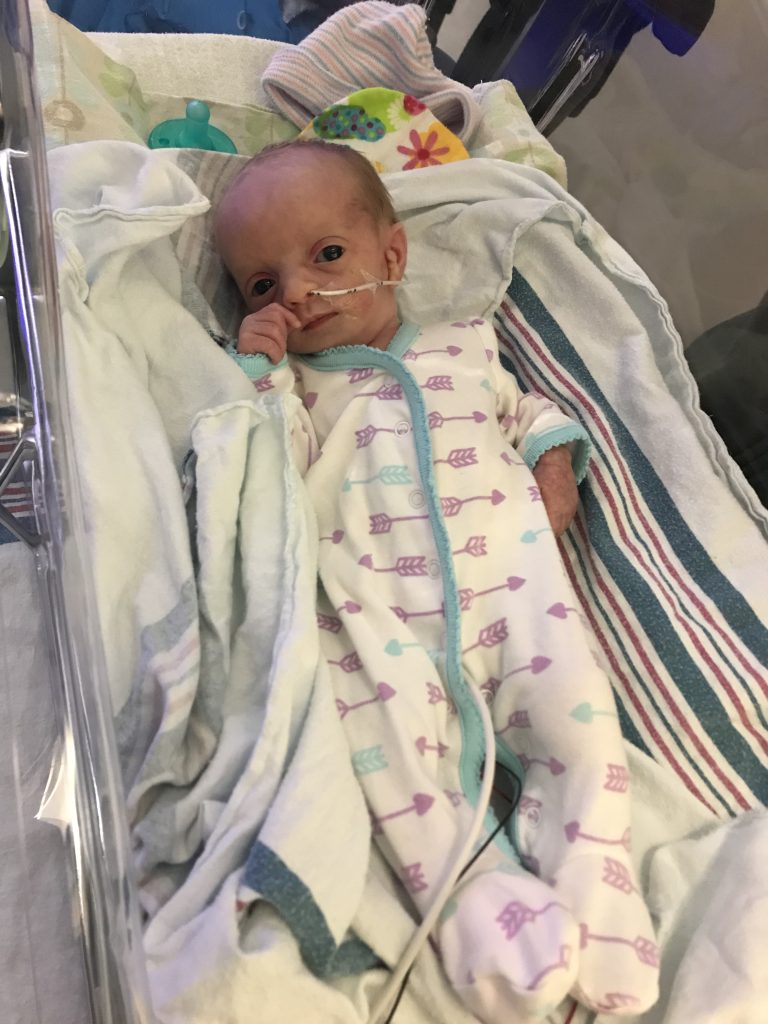
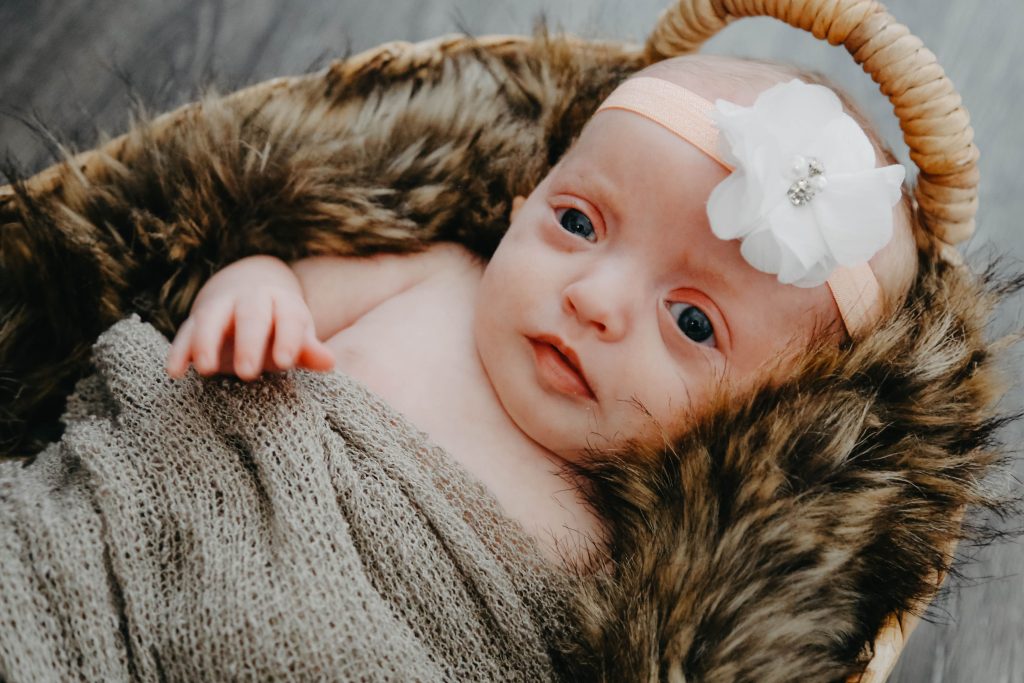
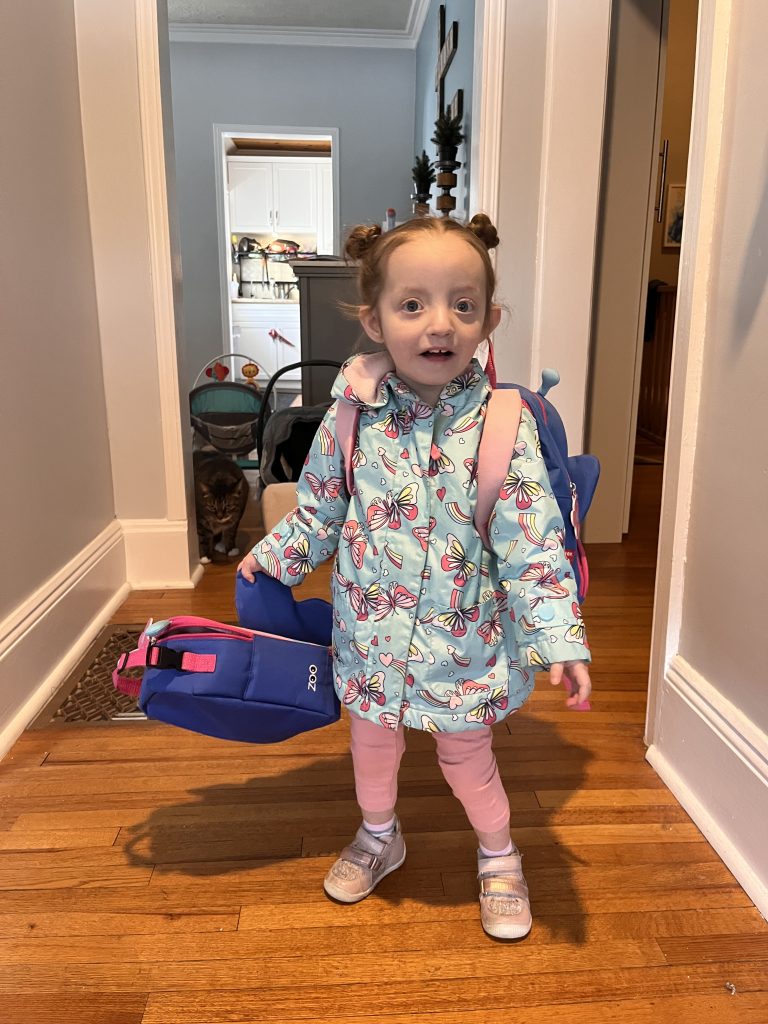
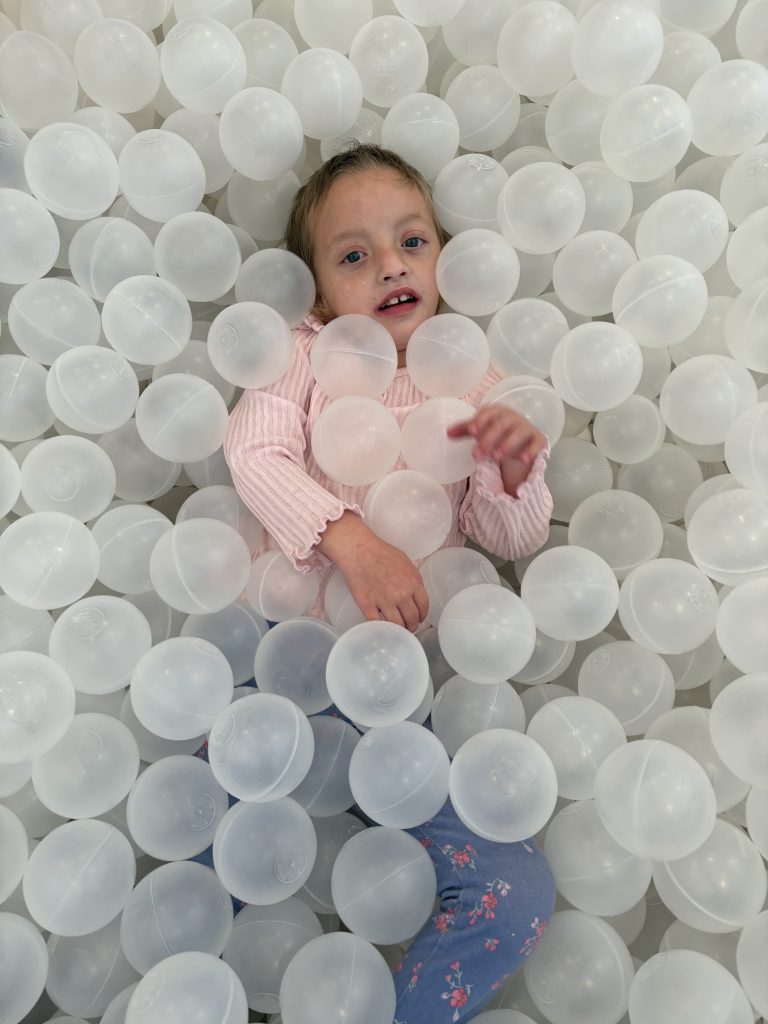
Spina Bifida Awareness Month is nationally observed in June. Spina Bifida is the most common congenital birth defect that causes disability. It is a condition that occurs when the spine...

Latest Updates

  • Becoming her own advocate: Zoey’s story May 29, 2026
  • The life that never was: grieving the fatherhood I thought I’d have May 29, 2026
  • Grandview Kids and Lakeridge Health open Canada’s first anesthesia procedure clinic in a Children’s Treatment Centre May 6, 2026
  • Ahaana’s magic ears: Speech and Hearing Month May 5, 2026
  • May: Dates of Significance April 30, 2026

You Have Questions

We’d like to help you find the answers…

Contact Us Today

© Grandview Kids Built by PeaceWorks

  • About Us
  • Contact Us
  • Privacy
Accessibility Adjustments

Powered by OneTap

How long do you want to hide the toolbar?
Hide Toolbar Duration
Select your accessibility profile
Vision Impaired Mode
Enhances website's visuals
Seizure Safe Profile
Clear flashes & reduces color
ADHD Friendly Mode
Focused browsing, distraction-free
Blindness Mode
Reduces distractions, improves focus
Epilepsy Safe Mode
Dims colors and stops blinking
Content Modules
Font Size

Default

Line Height

Default

Color Modules
Orientation Modules