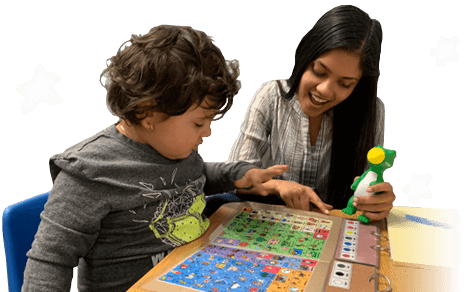
This week marks Neurodiversity Celebration Week. To celebrate, we share an interview between Katy and Samantha. Katy is a parent of and a big advocate for Grandview kid Jake. Samantha is an Occupational Therapist at Grandview Kids. The three have spent the past year learning together with Jake in the Entry to School program.
Their conversation focuses on Jake’s sensory needs and preferences. These factors play a big role in Jake’s everyday life. Katy shares what helps Jake feel calm, regulated and ready to engage with the world. Samantha offers a clinical perspective on why these sensory supports matter. This conversation is a reminder that neurodivergent brains aren’t something to “fix.” In fact, they are something to understand, celebrate and support on a deeper level.
An interview between Samantha and Katy
Sam: Katy and I wanted to discuss something that plays a huge role in a neurodivergent person’s wellbeing: sensory needs and preferences. Understanding sensory needs isn’t about “fixing” a child. Rather, it’s about supporting how their brain works so they can engage, play, learn and connect comfortably. Every person’s brain processes the world through the senses: touch, sound, movement, taste, sight, smell, and even internal senses like body awareness, feelings and balance.
Neurodivergent people often process these sensations differently, which can lead to strong likes, dislikes and unique ways of interacting with their environment. This past year, I worked with Katy and her son Jake in the Entry to School program. Through the program, Katy and I worked with his childcare and school educators to support his sensory and regulatory needs. Katy, can you please describe some of Jake’s sensory interests and what these mean to him?
Katy: One of the biggest things that helps Jake regulate his body and feel calm is water.
Water has always been something Jake is drawn to. The movement, the sound and the feeling of it seem to help his nervous system settle. When he’s feeling overwhelmed or dysregulated, water activities can help him refocus and feel more comfortable in his body.
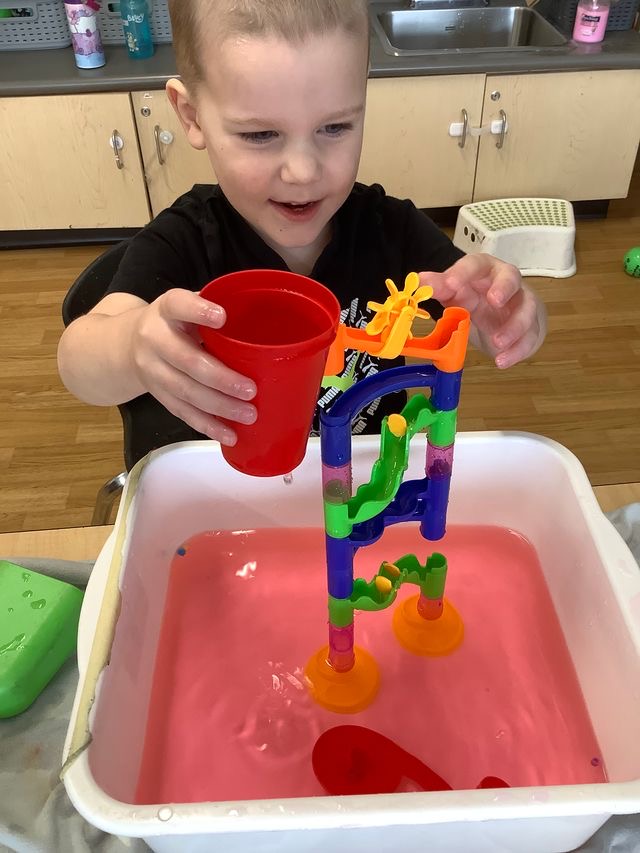
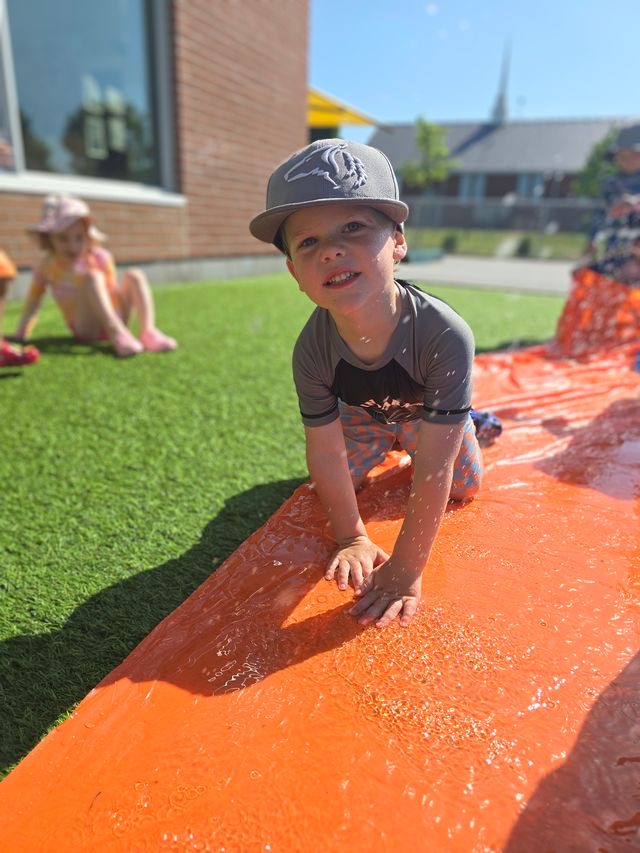
At school, his team has been wonderful in supporting his sensory needs. They provide him with water-based fidget toys and often allow him time to play in the sink. Recently, they introduced something new that Jake absolutely loves—a continuous water tornado. Watching the water spin in a constant swirling motion is incredibly calming for him. It gives him something predictable and soothing to focus on. It helps regulate his body when he needs a moment to reset.
Jake also benefits from movement throughout his day. In the classroom, he has a rocking chair at his desk, which lets him gently rock while he works. This kind of movement helps him stay regulated and focused. He is also given opportunities to take breaks from the classroom for movement activities when his body needs it. These breaks help him release energy and return to learning feeling calmer and more ready.
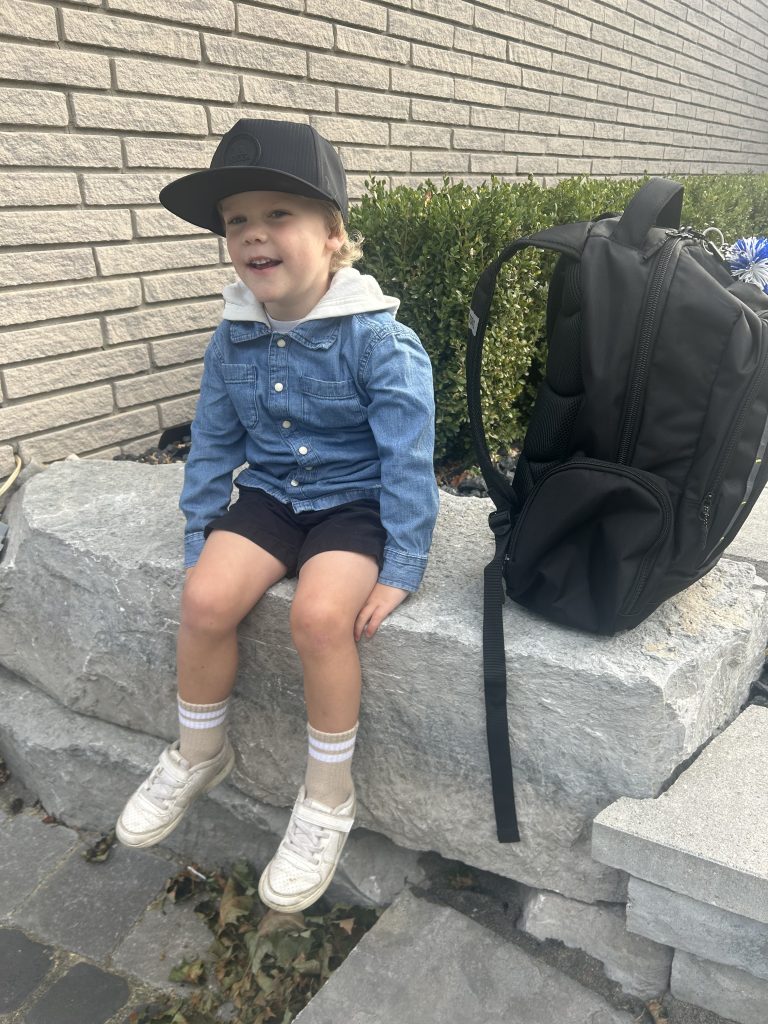
“Supports like these might seem small, but for Jake, they make a big difference. They help him regulate his body, feel safe in his environment and participate more fully in his school day.” – Katy, Grandview Kids mom
Sam: Having many sensory interests and stimming (the repetition of a wide range of actions, often done rhythmically) are important regulation tools for neurodivergent people. They give us clues about what their body may need to help them grow and learn. I’ve noticed that when Jake’s interests and sensory needs are supported at school, he is better able to participate and looks more comfortable. What does this look like at home for your family?
Katy: At home, we try to create an environment that supports Jake’s sensory needs in ways that feel natural and accessible to him. Movement is a big part of how Jake regulates his body, so we make sure there are lots of opportunities for physical activity throughout the day.
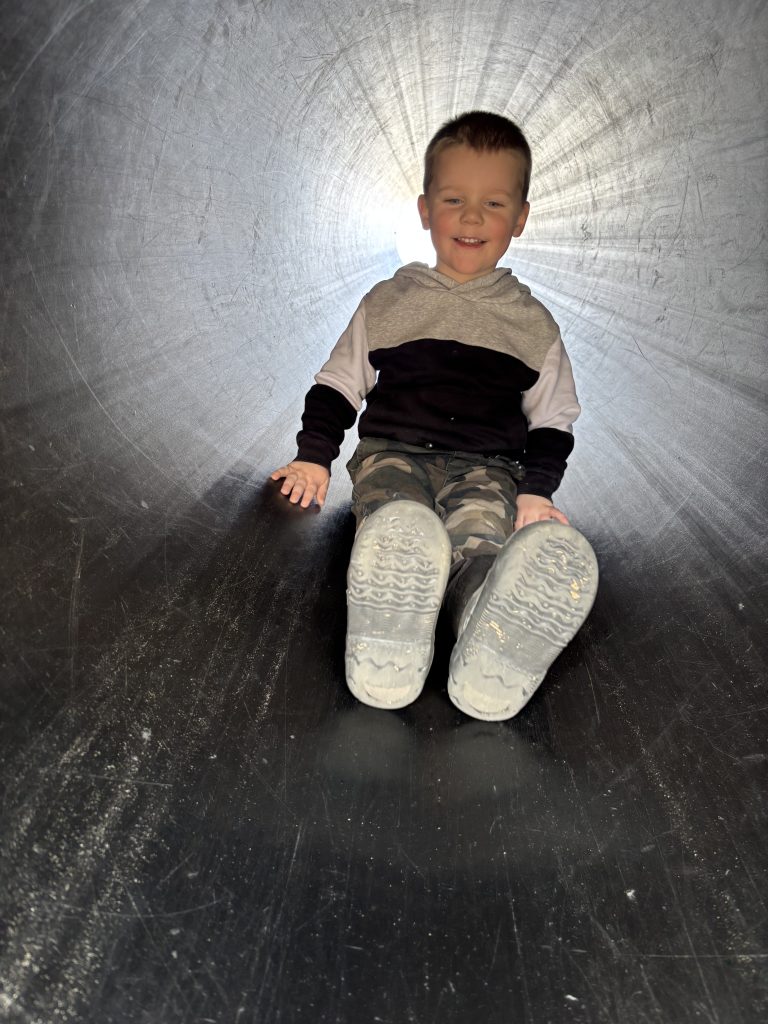
Jake loves to move. He enjoys biking and rollerblading. We even have a swing inside the house that he can use whenever his body needs that calming, rhythmic motion. Outdoor play is also very important to him, so we make sure he has access to the outdoors whenever possible. Fresh air and space to move help him reset and feel his best.
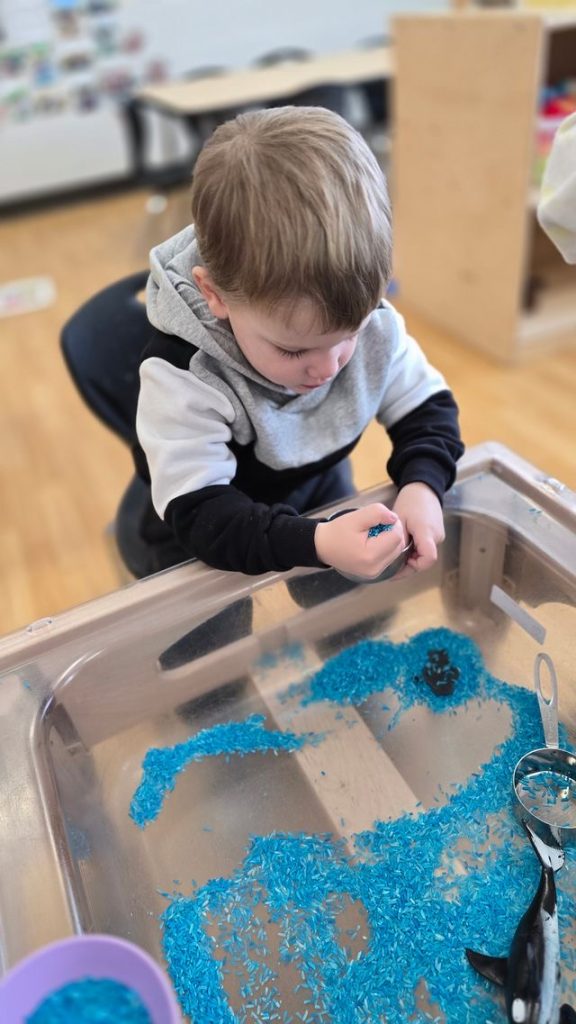
We also keep a variety of sensory toys available for Jake. Some of his favourites include water fidget toys, kinetic sand, marble runs and fine motor toys he can manipulate with his hands. These activities give him opportunities to explore different textures and movements that help regulate his sensory system.
Jake also loves music and movement. Our home often has music playing, and it’s something he naturally responds to. Music gives him another way to move his body, express himself and regulate his energy.
Transitions can sometimes be challenging for Jake, so we’ve learned that preparation makes a big difference. When we’re getting ready for school or heading somewhere, I try to give him as much information as possible about what to expect. At school, he uses visuals to help with transitions, but at home, I usually support him by talking things through and explaining plans in detail.
I’ll often give him countdowns when it’s time to finish a preferred activity, so he knows a transition is coming. I also use simple language like “first this, then this” to help him understand what will happen next. Giving Jake time and information to process changes helps make transitions smoother and helps him feel more comfortable.
“Every small support helps Jake navigate his day with more confidence and ease. By creating a home environment that meets his sensory needs, we’re helping him feel safe, regulated and ready to take on the world in his own way.” – Katy, Grandview Kids mom
Sam: What else have you learned from Jake about sensory interests and needs that you think is important for others to know?
Katy: One of the biggest things we’ve learned on this journey is that sensory needs aren’t “extra” or something to fix. Jake’s sensory needs are simply part of who he is and how he experiences the world. When we support those needs instead of trying to stop them, we see Jake thrive. The movement, the water play, the music, the breaks — these are all tools that help him regulate his body and feel comfortable in his environment. To other parents walking a similar path, trust your child to share what helps them feel calm and safe. What may look small or unusual to others can make a huge difference for our kids. When we listen, adapt and meet them where they are, we give them the space to be their best selves.
Check out more Grandview Kids articles
- October 2026: Dates of Significance
- “I am Clara”
- Mitchell’s journey with Hydrocephalus
- Celebrating World Cerebral Palsy Day 2026
- Building belonging through family leadership