Ontario Autism Program – Entry to School
Access important resources on this page
Please be advised: Registration for the 2027-2028 Entry to School Program will open once invitations have been sent via the AccessOAP Portal.
Grandview Kids has partnered with Lake Ridge Community Support Services, Resources for Exceptional Children and Youth – Durham Region and The Regional Municipality of Durham to offer the Entry to School program as part of the Ontario Autism Program, Early Years Pathway. This partnership is known as the Ontario Autism Program – Durham (OAP-D).
About the program
The OAP Entry to School program is funded by the Ministry of Children, Community and Social Services at no cost to parents. The group-based program helps children with Autism Spectrum Disorder (ASD) prepare to enter school (kindergarten or grade 1) for the first time.
The Entry to School Program has two components:
- The first six months (Phase 1) will focus on building your child’s school readiness skills (“Getting Ready for School”).
- The next six months (Phase 2) will focus on supporting your child’s transition to school.
Eligibility
To participate in the Entry to School program, your child must be:
- registered in the Ontario Autism Program (OAP)
- between three to six years old as of December 31 in the year they are starting school
- starting kindergarten or Grade 1 for the first time
If your child is eligible, you will receive an invitation. Families must receive an invitation to register for the program.
Some children are not eligible for the Entry to School program, including children:
- who are receiving OAP core clinical services
- who have already started attending school
School readiness
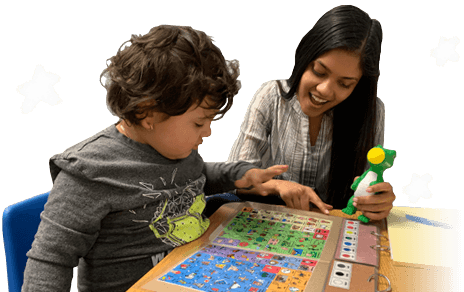
Children learn best when they are having fun. The Entry to School curriculum reflects the play and inquiry-based learning approach used by kindergartens in Ontario schools. Through engaging and child-led activities, our team will support your child’s development in six skill areas:
- Communication – such as conversation, expressing wants and needs, understanding words and language, social communication, and non-verbal communication
- Play – such as toy exploration, and engaging in group play/games
- Social interaction – such as understanding social boundaries, interactions with peers, and learning new behaviours by observing/imitating peers
- Functional routines – such as following classroom routines, and self-help skills such as dressing and feeding themselves
- Behavioural self-management – such as emotional regulation and being able to wait their turn
- Pre-academics, learning and attention – such as developing new learning skills, working within a group setting, and independent work
Service models
Children attend a group-based, skill-building program for two hours and 45 minutes a day, five days a week, for up to six months. A limited number of part-time options are also available. Children can enroll in either a morning program or an afternoon program.
Each group has up to nine children, with a ratio of one staff to every three children. The group setting is intended to be similar to a kindergarten classroom. The environment is set up to help your child learn. The program is offered in several locations across the Durham Region.
Spaces are limited, so caregivers are encouraged to review the information below and complete our Online Referral as soon as they have received their invitation via their AccessOAP portal. Caregivers will be contacted to discuss available options in the order that their referral is received.
Please review the Entry to School – Group-Based Service Model Caregiver Handbook for more information.
Locations for 2027
January start:
February/March start:
July start:
Note: Children who participate in the July 2027 cohort will transition to school in January 2028. Children entering Grade 1 are not eligible for this cohort as they are legally required to attend school starting September 2027.
Delayed school start: For some families, delaying the transition to school may provide your child with more time to develop skills that will help your child be more successful in school.
School transition: Your child will enter school mid-year. By this time their peers will have already adjusted to the daily school routines and the classroom environment may be more predictable. This may also provide your child’s teacher with a more focused approach to supporting your child’s individual needs within the classroom.
Daycare needs: We encourage families to speak to their current daycare provider if they are planning to remain at their childcare location while in the Group Readiness Phase to ensure their spot is maintained.
This cohort can be a valuable option for children who would benefit from additional support and preparation for school, but it may not be the right choice for all families due to the implications of school enrollment and timing. Please consider your child’s individual readiness and developmental needs when making this decision.
Photos of classrooms from previous years
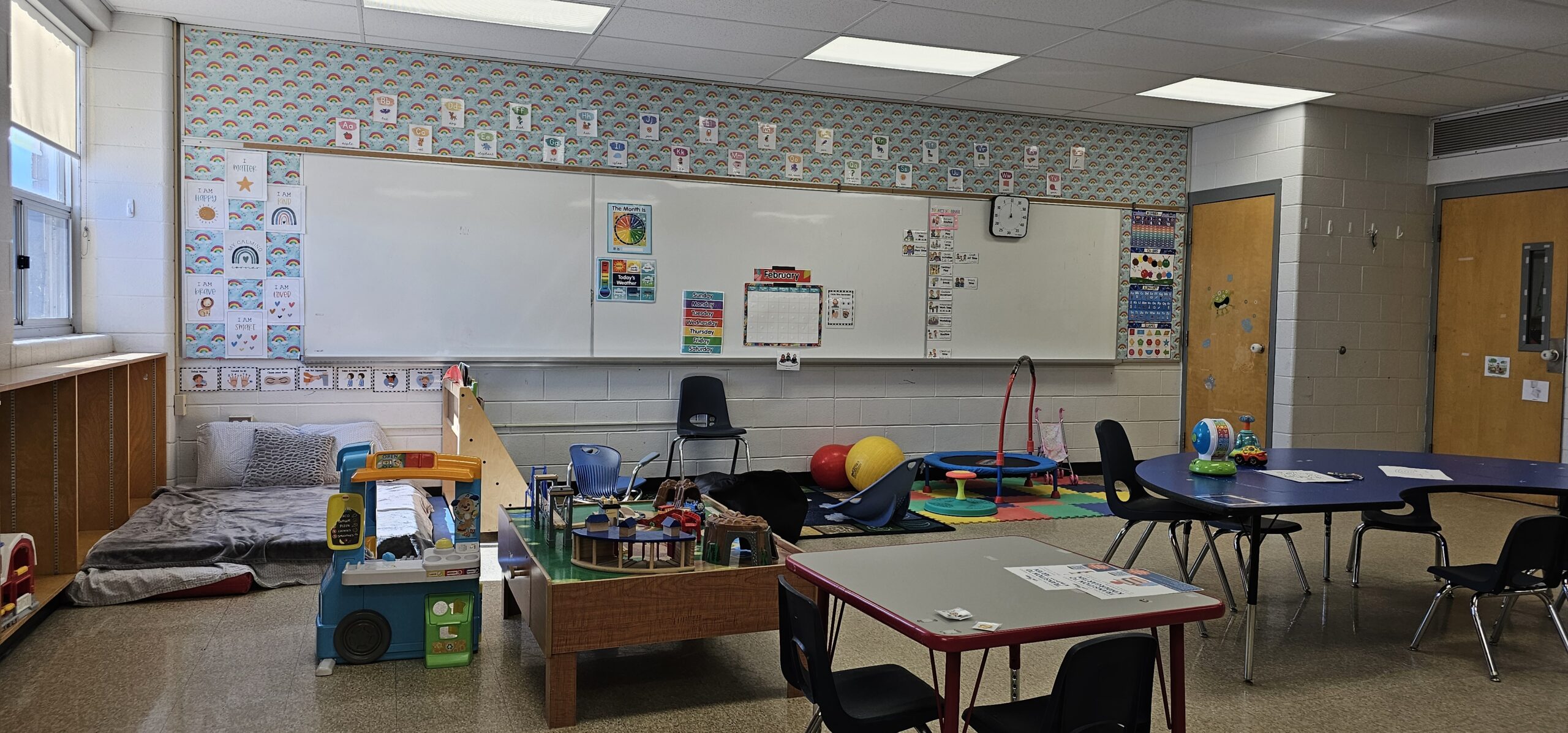
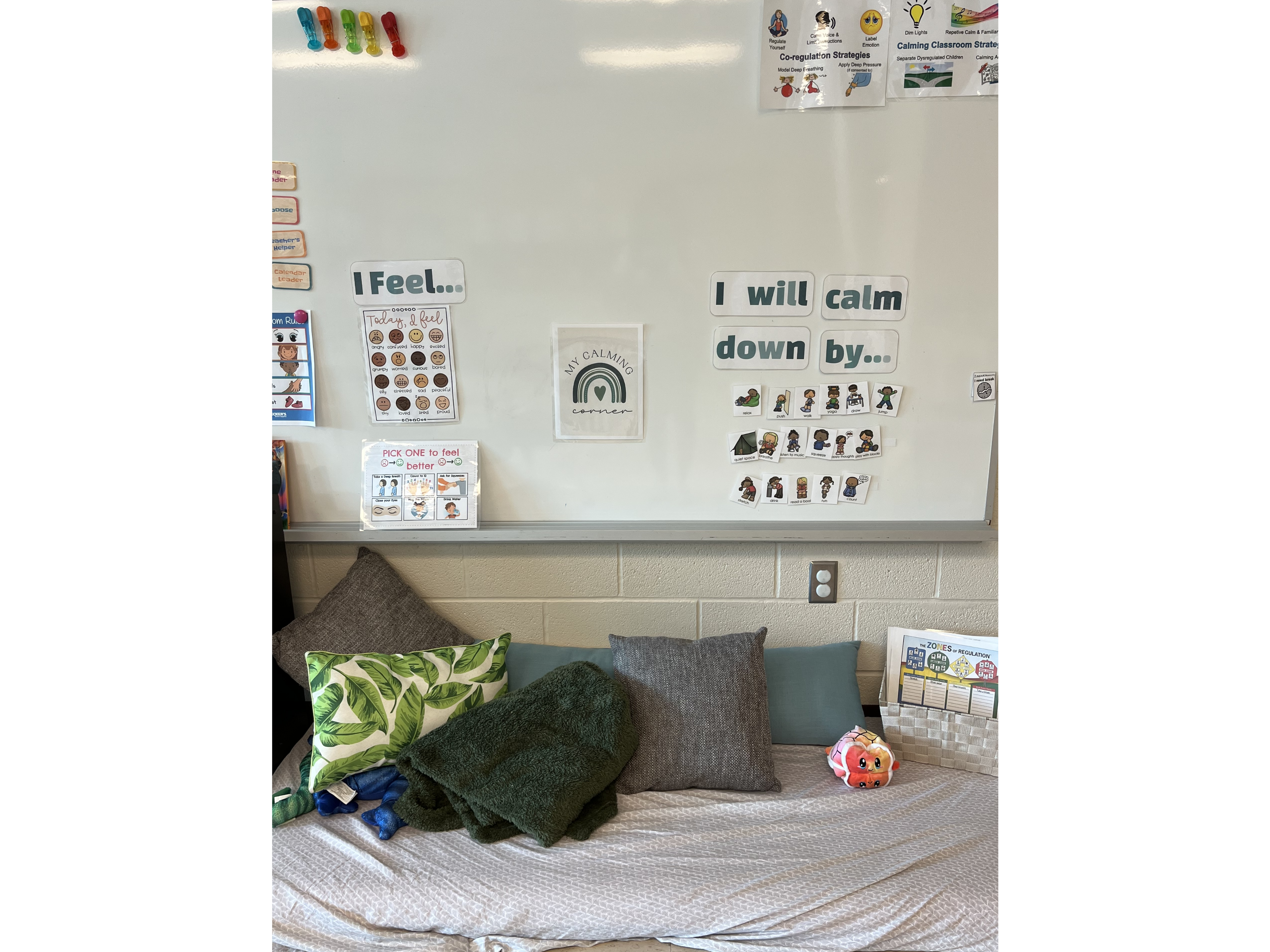
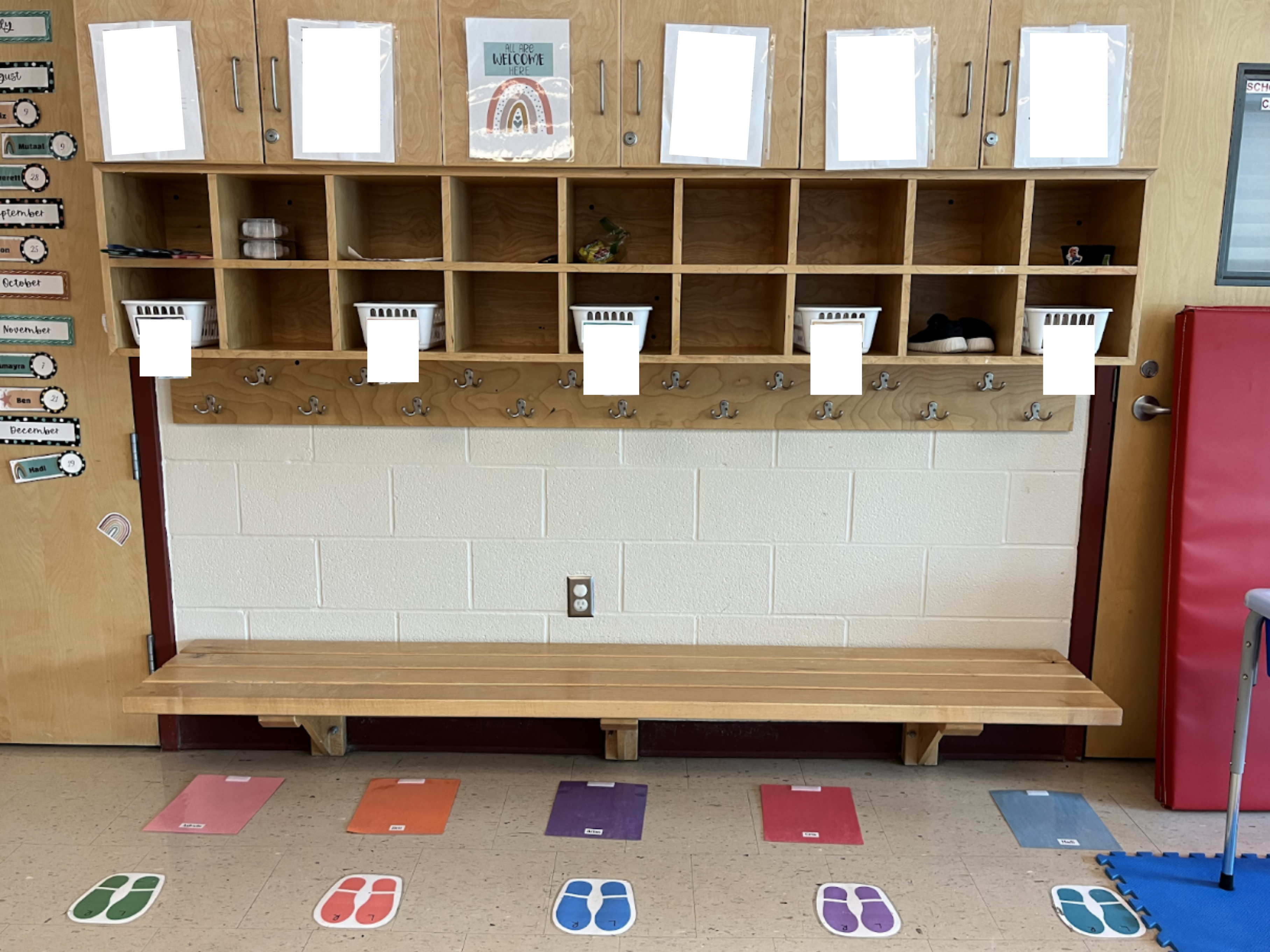
The program is led by staff with experience in applied behaviour analysis, early childhood development and supporting children with Autism Spectrum Disorder. In addition, a multi-disciplinary consultation team will regularly visit each classroom to support the classroom staff with program implementation.
Our multidisciplinary consultation team includes:
- Behaviour Analysts/Behaviour Consultants,
- Speech-Language Pathologists / Communicative Disorders Assistants,
- Occupational Therapists, and
- Transition Coordinators
We recognize that the Group-Based Service Model may not work for all families. If you feel that its structure will present challenges for your family, you may wish to consider the Integrated Service Model (only available for the March start date).
Please review the Entry to School – Integrated Service Model Caregiver Handbook for more information.
If the Group-Based Service Model option cannot meet your family’s needs, the Integrated Service Model can provide support to children who are already enrolled full-time in a licensed childcare program in the Durham Region.
The consultation team outlined above will regularly visit the childcare. They will provide consultation and coaching to your childcare team so that they can support your child’s development in the six skill areas listed above. Enrollment in this service option is a partnership between your family, your childcare provider and the Entry to School team.
We will accept a limited number of children in the Integrated Service Model in 2027. Enrollment is based on meeting the above eligibility criteria and the specific Integrated Service Model eligibility criteria below. We will contact registrants on a first-come, first-served basis.
Integrated Service Model eligibility criteria:
- Your child must already be attending licensed childcare full-time (five days a week) in the Durham Region
- Your child must continue to attend full-time licensed childcare throughout the six-month School Readiness period
Transition to school
The Entry to School team is available to provide up to six months of support to your child’s school team after they start school.
Transition supports may include:
- Supporting your family in completing the paperwork required by the school
- Sharing a written summary of your child’s progress in the six skill areas addressed by the Entry to School program
- Sharing strategies/techniques that were effective in supporting your child’s participation during the School Readiness (Phase 1) component of Entry to School
- Sharing other child-specific resources and learnings
- Attending school meetings
- Providing coaching and consultation to educator teams within your child’s classroom
Children who are in the Entry to School program can receive other OAP supports (other than OAP core clinical services), special needs supports and/or early intervention programs at the same time. For example, your child can receive foundational family services or urgent response services at the same time as the Entry to School program.