• Skip to primary navigation
  • Skip to main content
  • Skip to primary sidebar
Grandview Kids Logo

Grandview Kids

Every Child And Youth Living Life At Their Full Potential

  • About Us
    • Vision, Mission and Values
    • The New Grandview Kids
      • Operational Readiness
      • Visiting Grandview Kids’ Ajax Headquarters
    • Our History
    • Leadership
    • Board of Directors and Committees
      • Join our Board of Directors and Committees
    • Annual Report
    • Strategic Plan
    • Policies
  • Calendar
  • Annual Report
    • Strategic Direction 1: Deliver meaningful, efficient client and caregiver outcomes and experiences
    • Strategic Direction 2: Foster a thriving, connected Team Grandview
    • Strategic Direction 3: Collaborate with partners to maximize impact, focusing on Durham Region
    • The New Grandview Kids – The Jerry Coughlan Building
    • 2024-25 Financial Statement
    • Grandview Kids Foundation update
    • Grandview School update
  • Contact
    • Contactez – nous
    • Ajax – Headquarters
    • Bowmanville Health Centre
    • Grandview School
    • Oshawa – Dwyer
    • Port Perry
    • Whitby – Abilities Centre
  • Careers
  • Register
  • Donate
  • Instagram
  • LinkedIn
  • Facebook
  • Services and Programs
    • Audiology
    • Autism Program
      • Autism Spectrum Disorder (ASD) Diagnostic Hub
      • Caregiver-Mediated Early Years Programs
      • OAP Core Clinical Services
      • Entry to School Program
      • Foundational Family Services
    • Blind-Low Vision Program
    • Extensive Needs Service
    • Family Engagement Program
      • Adolescent Transition Program
      • Family Leader Program
        • Family Advisory Council
        • Youth Advisory Council
    • Infant Hearing Program
    • Medical Services
      • Autism Spectrum Disorder (ASD) Diagnostic Hub
      • Complex Care Program
      • Grandview Anesthesia Procedure (GAP) Clinic
      • Hypertonia Clinic
      • Nutrition Services
      • Orthopaedic Clinic
    • Occupational Therapy
    • Physiotherapy
    • Preschool Outreach Program
    • School Programs & Resources
      • Resources for Educators
      • School-Based Rehabilitation
    • Service Navigation
      • SmartStart Hub: Parents
      • SmartStart Hub: Partners
    • Social Work
    • Speech-Language Pathology
      • Augmentative and Alternative Communication
    • Therapeutic Recreation
  • Purchased Services
    • Beyond the Walls
    • Summer Camp 2026
    • OAP Core Clinical Services
      • Behaviour Services
  • Research
    • Get involved in research
    • IDEA Study
      • Building knowledge and understanding of the intersection of race and disability in accessing pediatric rehabilitation services.
    • Research Associate: Dr. Fiona Moola
    • Research Associate: Dr. Meghann Lloyd
  • Resources
    • Ability Acceptance Program
    • Arriving at Grandview Kids
    • Community Supports & Resources
    • Family Support Fund
    • Free to Read Program
    • Frequently Asked Questions
    • Gather by Grandview Kids
    • News and Updates
    • Privacy
    • Resources for Parents and Caregivers
    • Visiting Grandview Kids
  • Support Us
    • 50/50 Lottery
    • Ways to support
    • Host a fundraiser
    • Participate in an event
      • Golf Fore Grandview Kids
      • Sponsor the Drum
      • Dream Big, Dream Brighter Awards Gala
    • Leave a legacy
      • Gifts of securities
      • Gifts of bequests
      • Gifts of life insurance
    • Your impact
    • Building a Legacy: Honouring Jerry Coughlan
  • I Want To…
    • Connect with Grandview Kids
    • Donate
    • Refer a child or youth
    • Register via My Community Hub
    • Schedule an Appointment
    • Volunteer at Grandview Kids
    • Work at Grandview Kids
  • Grandview School
    • About Our Program
    • About Our Board
    • Grandview School Social Story
    • Plans and Reports
    • Resources for Families
    • Resources for Schools – Switch It Up!
    • Careers and Volunteering
    • Contact Grandview School
  • Search

Posted April 30, 2026

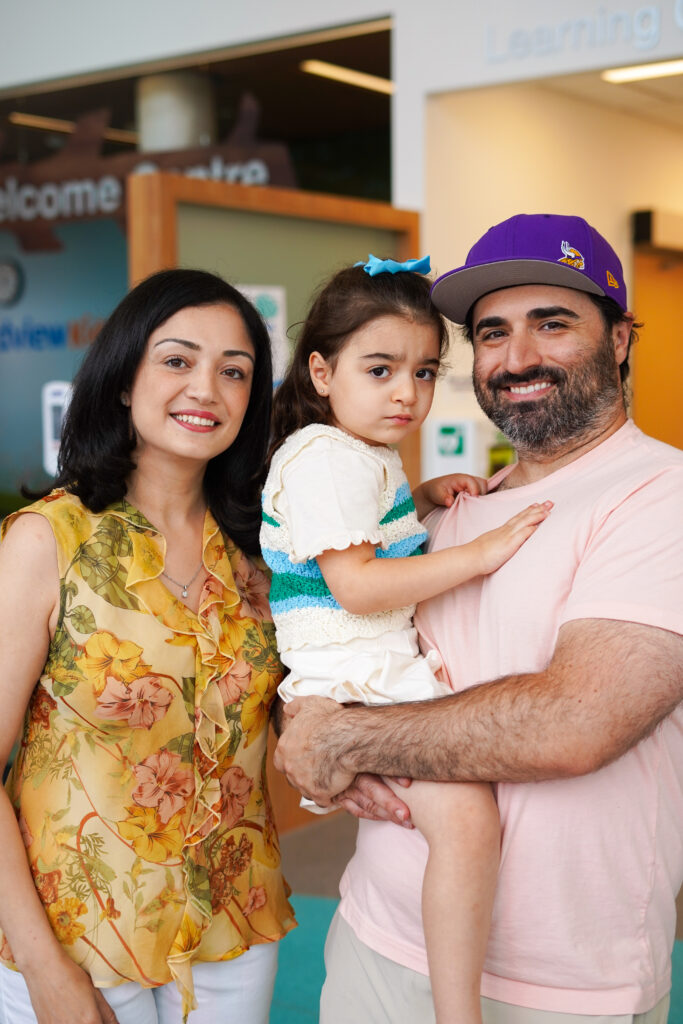
Building confidence through the power of giving: Norah’s story

Social Work

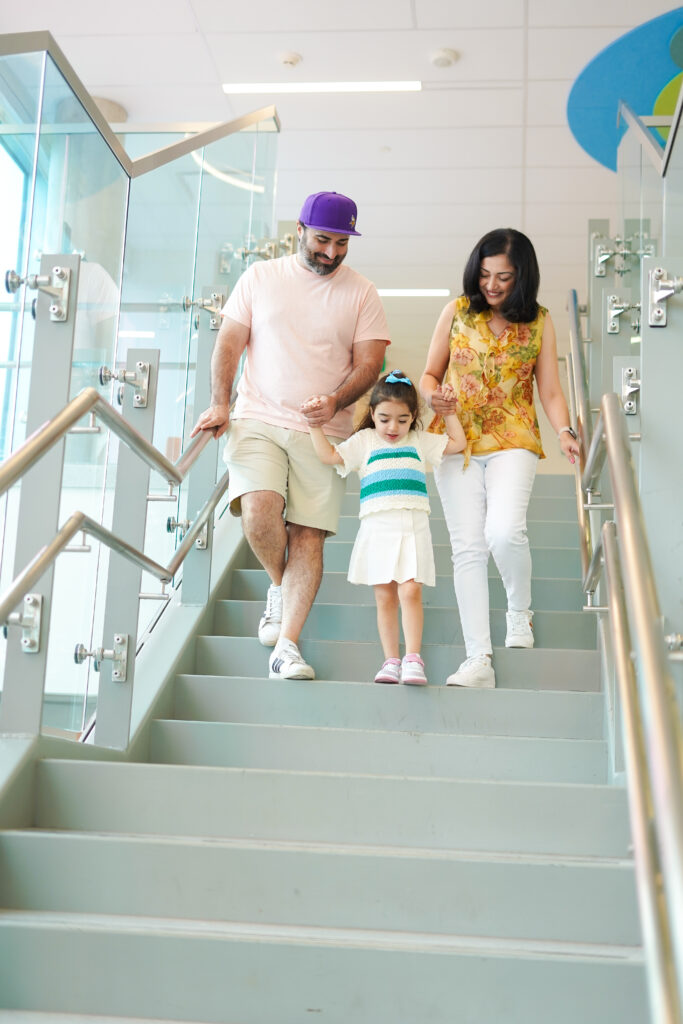
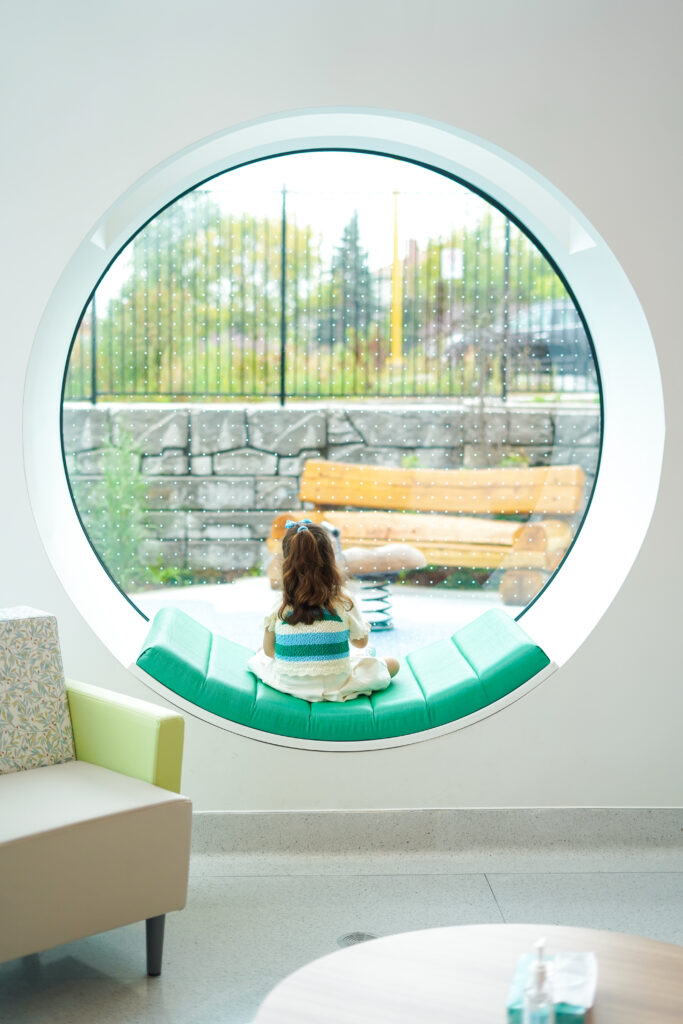
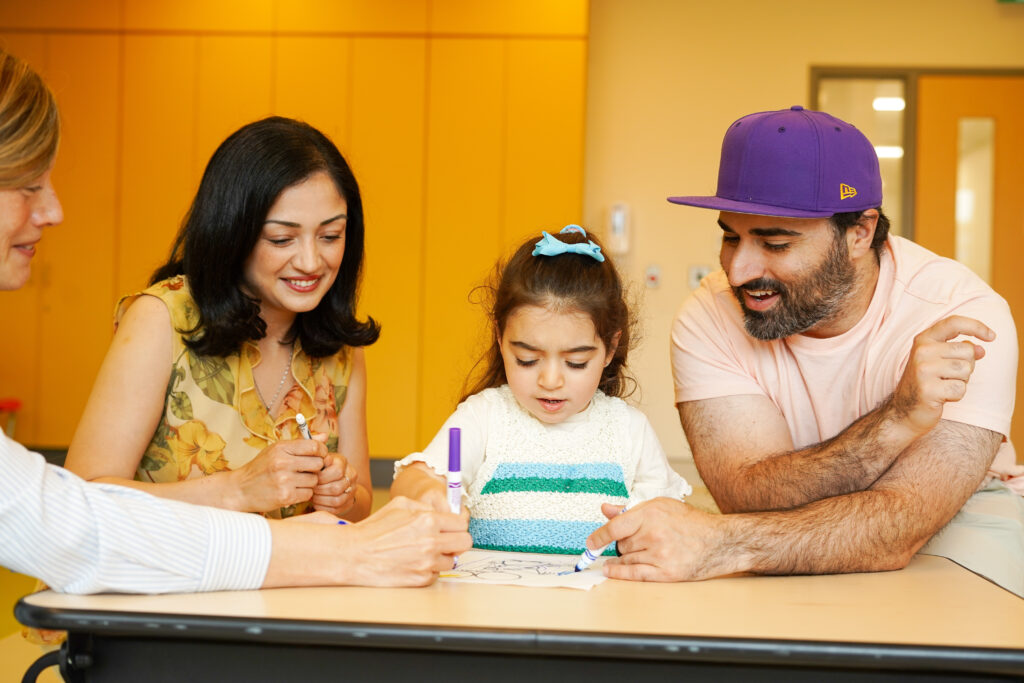
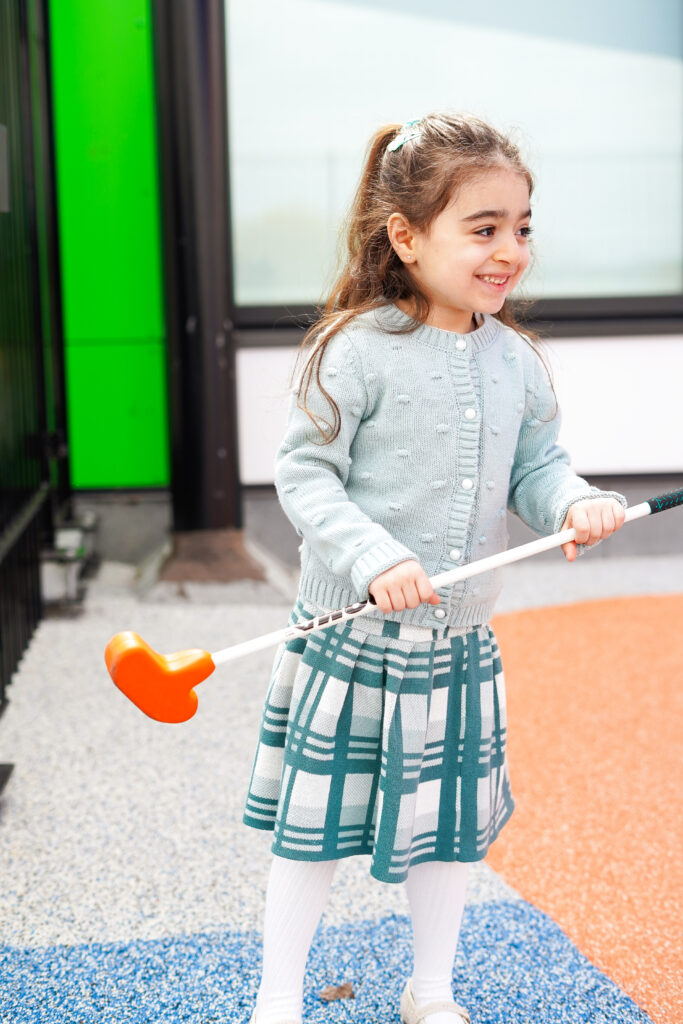
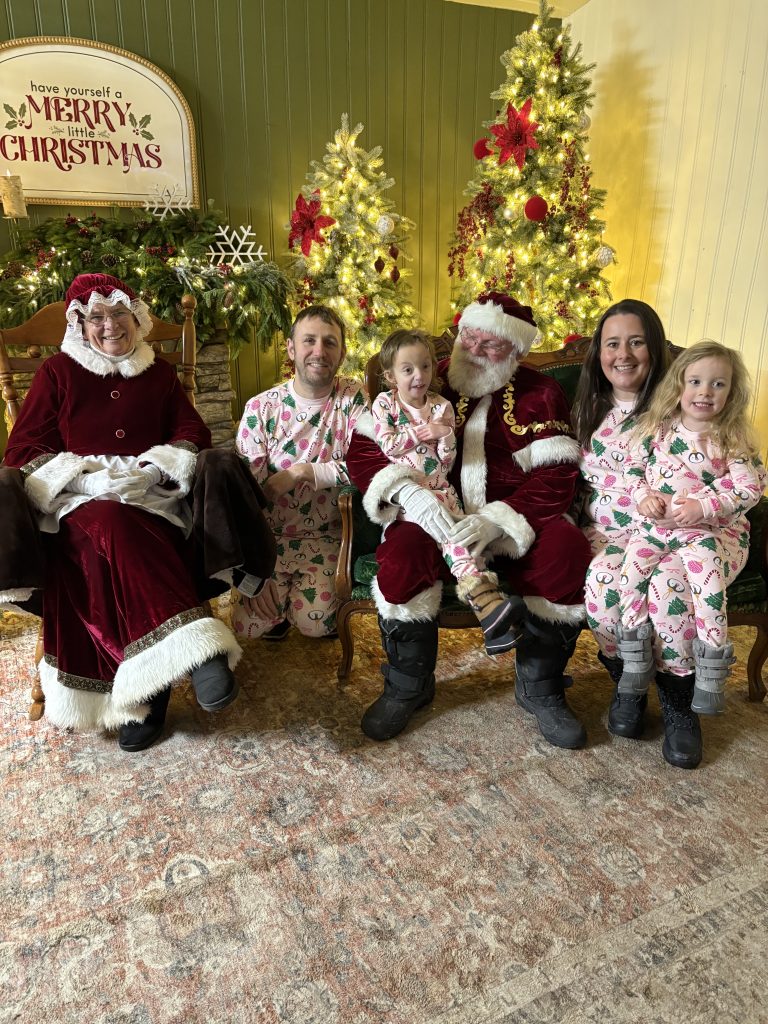
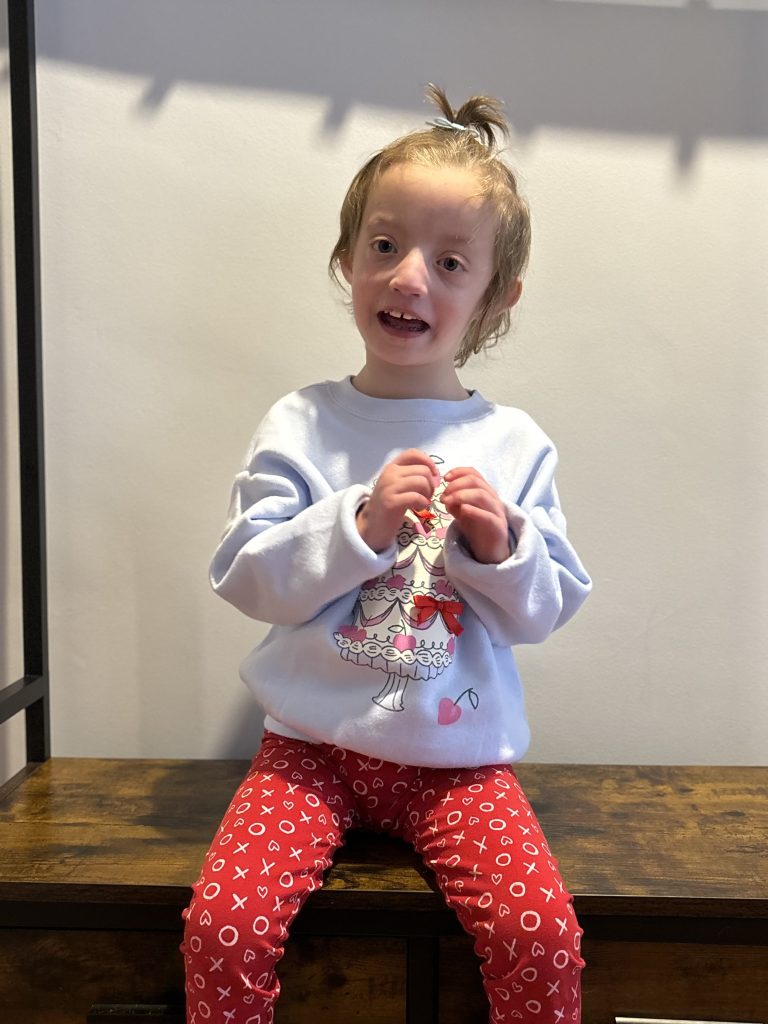
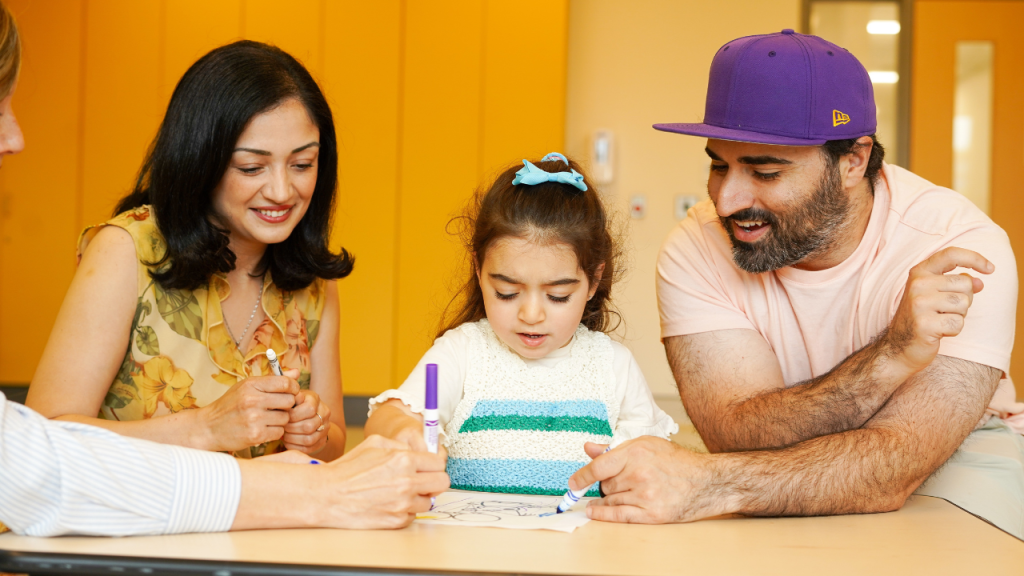
As Grandview Kids prepares to celebrate the 30th annual Golf Fore Grandview Kids Charity Golf Classic, families like Norah’s help share why this community comes together year after year, and why continued support is more important now than ever. The story of Norah and her parents, Zaina and Mike, reflects both the challenges families face and the profound impact of donor generosity. 

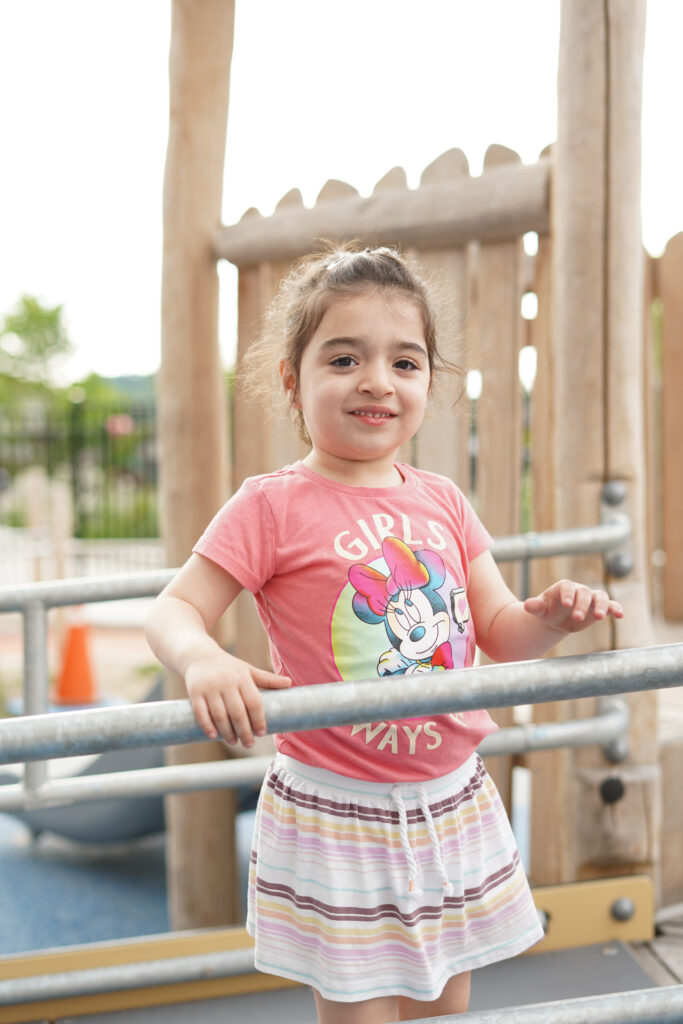
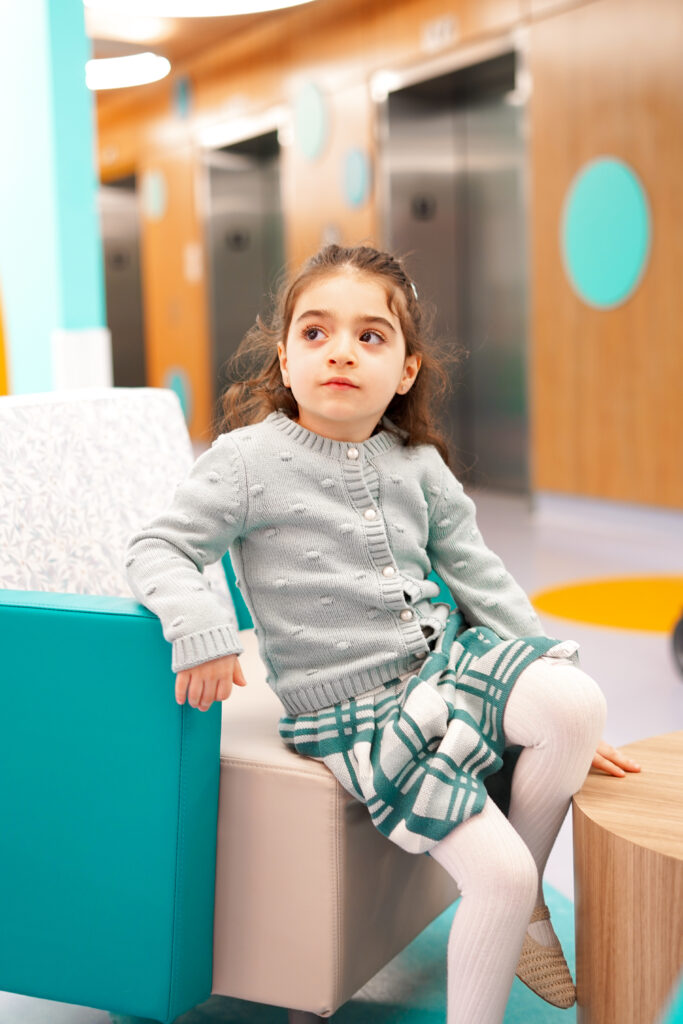
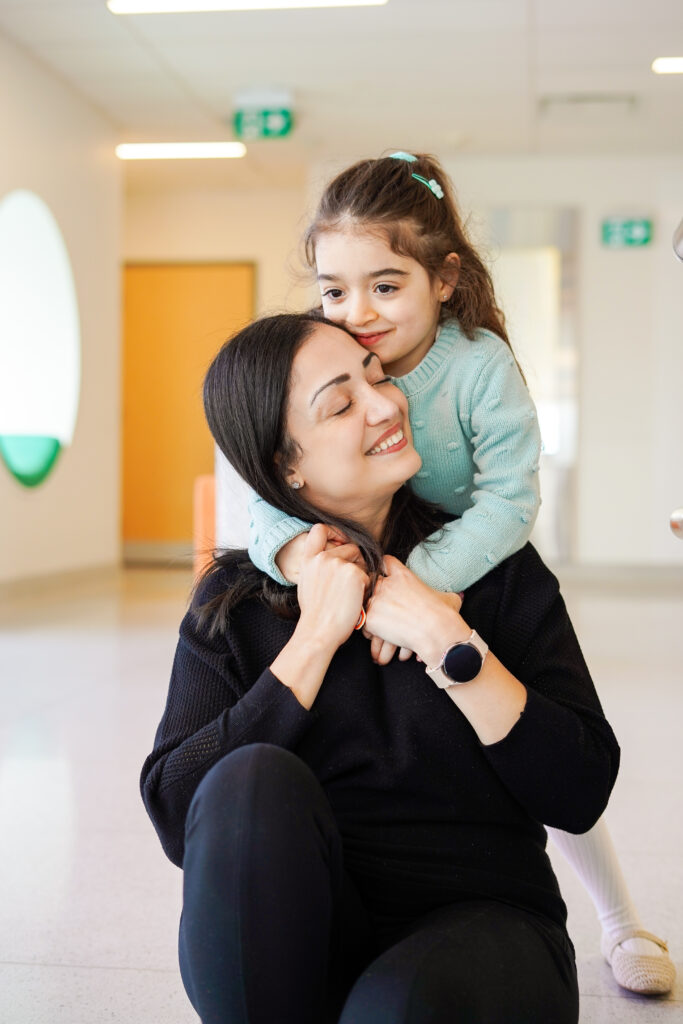
Norah is five years old and the centre of a close-knit circle of care that includes her parents and grandparents. Norah is described by her family as independent, fiery and “a ball of sunshine,” bringing light into every room she enters. She is always on the move, thriving in spaces where she can climb, explore and play freely. Whether she is at the trampoline park, swimming in the pool or playing with her dolls at home, Norah embraces the world with enthusiasm. A deeply affectionate child, Norah loves cuddling with her mom and seeks comfort from trusted adults as she explores new environments, textures and experiences.  

Norah’s developmental journey began early. At 15 months old, her family noticed delays during a routine paediatric check-up, prompting a referral to Grandview Kids. Soon after her referral, she began receiving speech-language pathology (SLP) and Applied Behaviour Analysis (ABA) services. At two years and one day old, Norah was officially diagnosed with autism spectrum disorder (ASD). Zaina and Mike remember the diagnosis as both overwhelming and clarifying. They had seen signs, including limited verbal communication, reduced eye contact and a tendency to focus on details rather than typical play, though hearing it confirmed was still emotional. At the same time, it marked a turning point: a pathway to the support Norah needed and deserved. 

Grandview Kids became an essential partner in Norah’s journey, not only for her but for her entire family. Through SLP and ABA services, Norah began building communication and learning skills that continue to evolve to this day. Equally important was the support her parents received through social work. Jennifer L., a dedicated social worker at Grandview Kids, helped Zaina and Mike gain the tools to process their emotions, navigate resources and shift their perspective during difficult moments. Through therapeutic approaches such as Acceptance and Commitment Therapy (ACT), they learned to focus on what matters most, even on overwhelming days. 

Grandview Kids, in partnership with Lake Ridge Community Support Services, Resources for Exceptional Children and Youth – Durham Region and The Regional Municipality of Durham, offers a crucial Entry to School (ETS) program as part of the Ontario Autism Program (OAP), Early Years Pathway. Before ETS, Norah attended a traditional daycare without specialized support, often spending much of her time on her own. Through ETS, she began learning routines, building attention skills and following directions. This created a foundation that changed how she engaged with the world around her. 

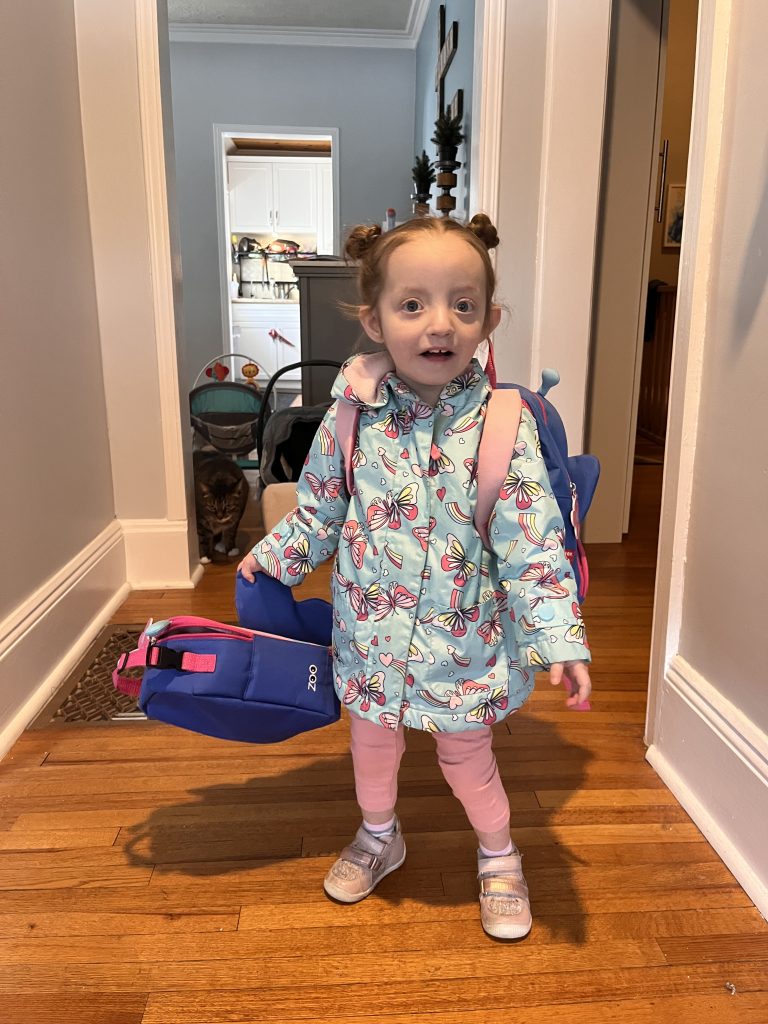
Today, Norah is a student at Grandview School, where her parents say she is not only supported but truly understood. In a setting where every staff member understands the needs of students like Norah, she is learning to thrive in group environments while continuing to build independence. From opening her lunch and managing her belongings to putting on her shoes and recognizing her name, these everyday “inchstones” are celebrated as meaningful achievements.  

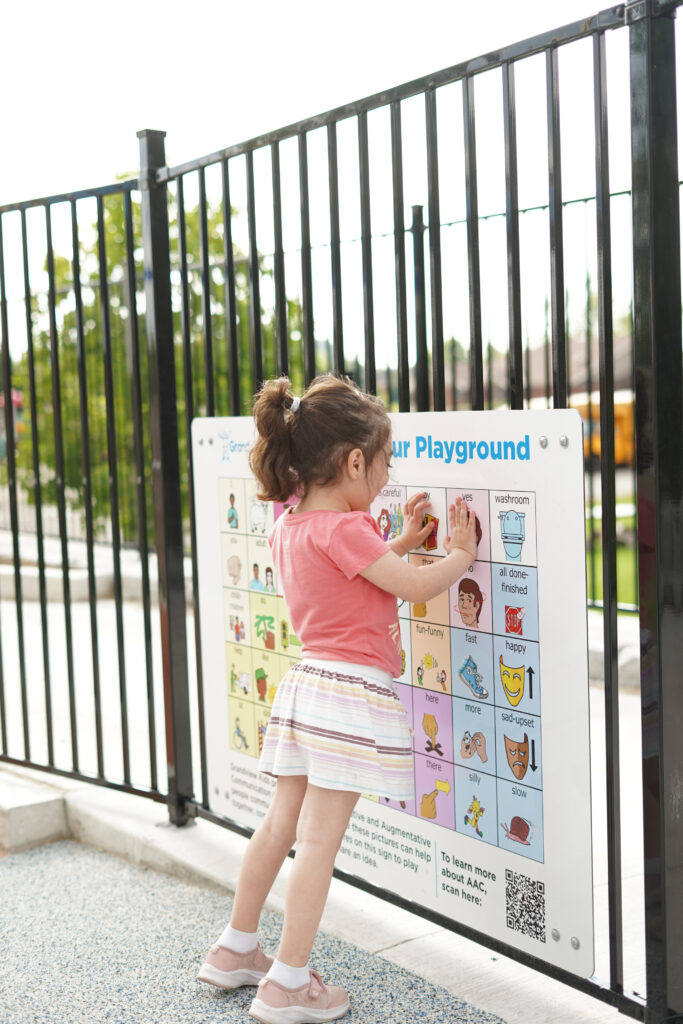
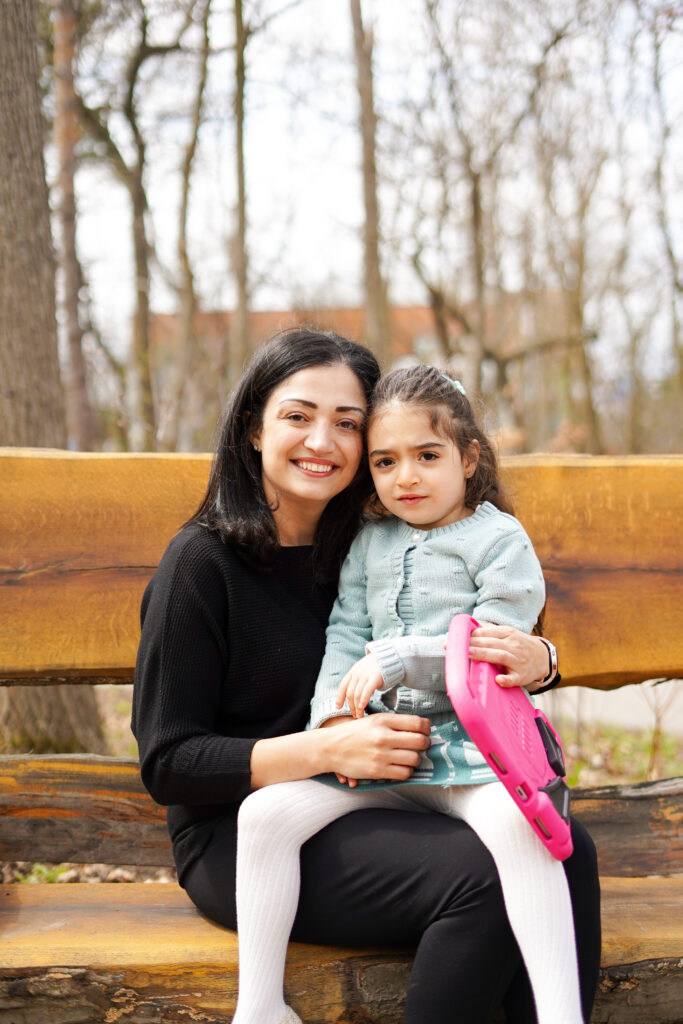
Norah also uses an augmentative and alternative communication (AAC) device, and her care team works closely with her family to ensure consistency between home and school. This collaborative approach brings therapists, educators and parents together, demonstrating the level of care that donor support helps make possible. 

Grandview Kids has created a community for Norah’s family. Through the Family Engagement Program’s offerings, such as park playdates, caregiver cafes and inclusive family events, they have connected with others who “get” their lived experience. This deep connection helps replace feelings of isolation with those of belonging. “It’s easy to isolate yourself and think you’re the only one going through these things,” Zaina admits. “Obviously that’s not the case, but you won’t know until you connect with others.” 

Zaina and Mike find purpose in giving back to their community. The two participate in Grandview Kids’ Ambassador Program and Family Advisory Council (FAC) and Grandview School’s school council. Their contributions to these vital groups enable them to support and uplift other families while saying “thank you” to Grandview Kids. This sense of community changed everything, giving Norah’s family hope, confidence and the reassurance that they are not alone. It also shows them what is possible when the right supports are in place. 

These transformative services do not happen without the generosity of donors. Every therapy session, classroom support and family connection are made possible by a community that chooses to give. For families like Norah’s, that support lifts an incredible weight. It can provide access to services they might not otherwise afford, reduce stress and create opportunities that shape a child or youth’s future. Donor support changes lives and how families see their future. It gives children like Norah the chance to build skills, confidence and independence in ways that once felt uncertain. 

Norah’s journey is just one story, but it represents so many others. This year’s 30th annual Golf Fore Grandview Kids is an opportunity to continue and expand this impact. Every donation plays a critical role in ensuring that more children, youth and families can access the care and community they need, when they need it. Your support powers potential. 

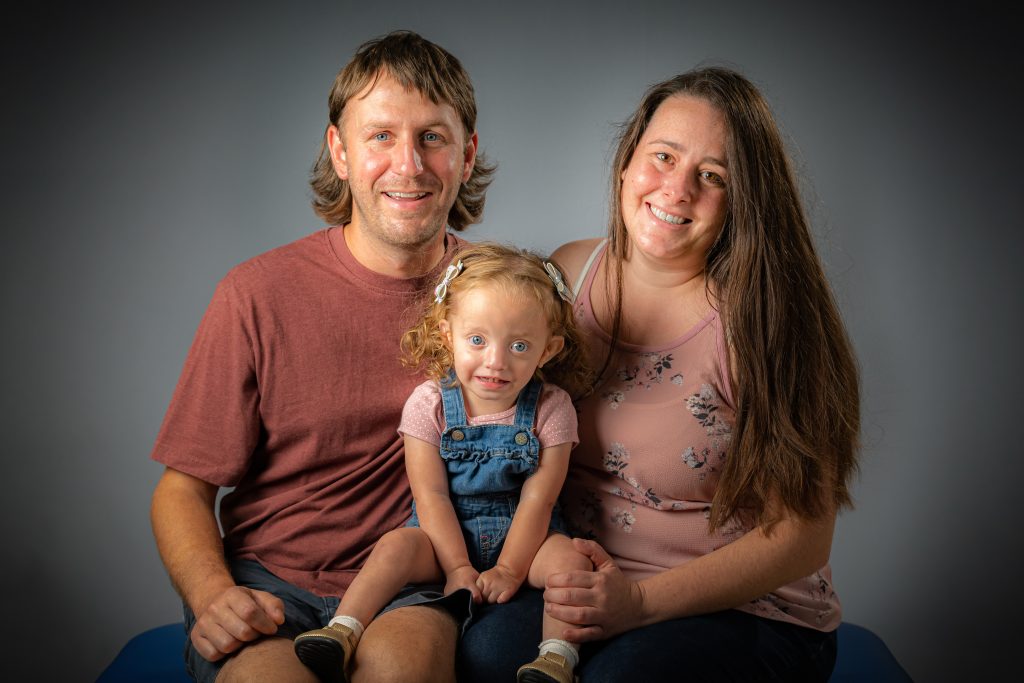
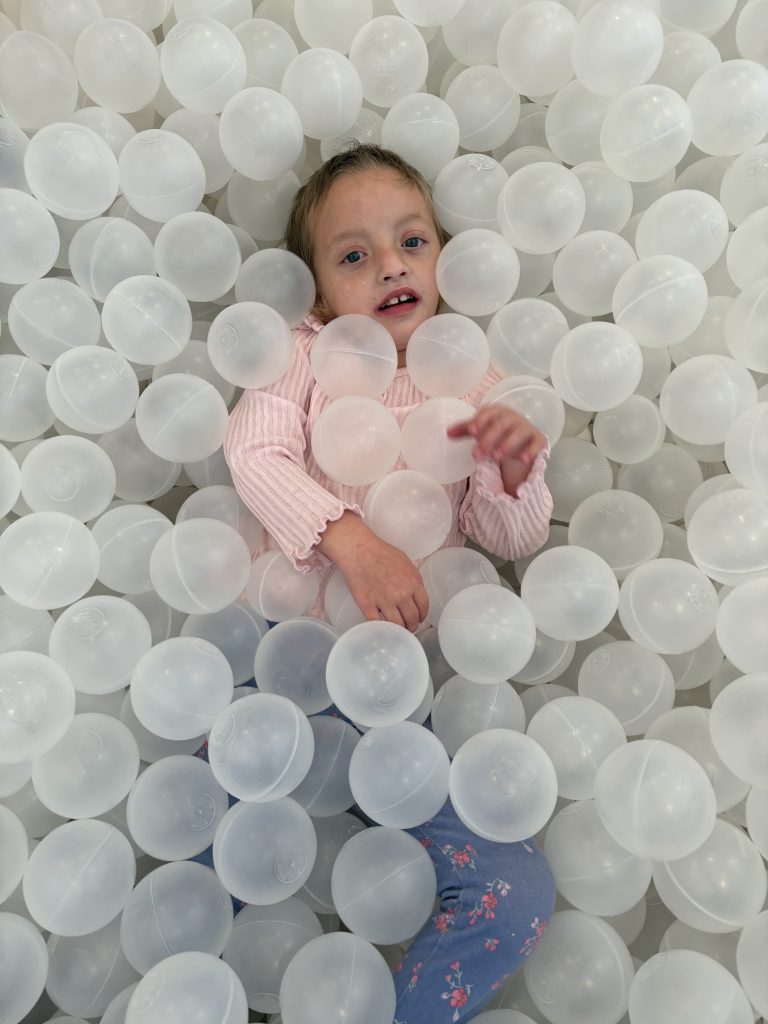
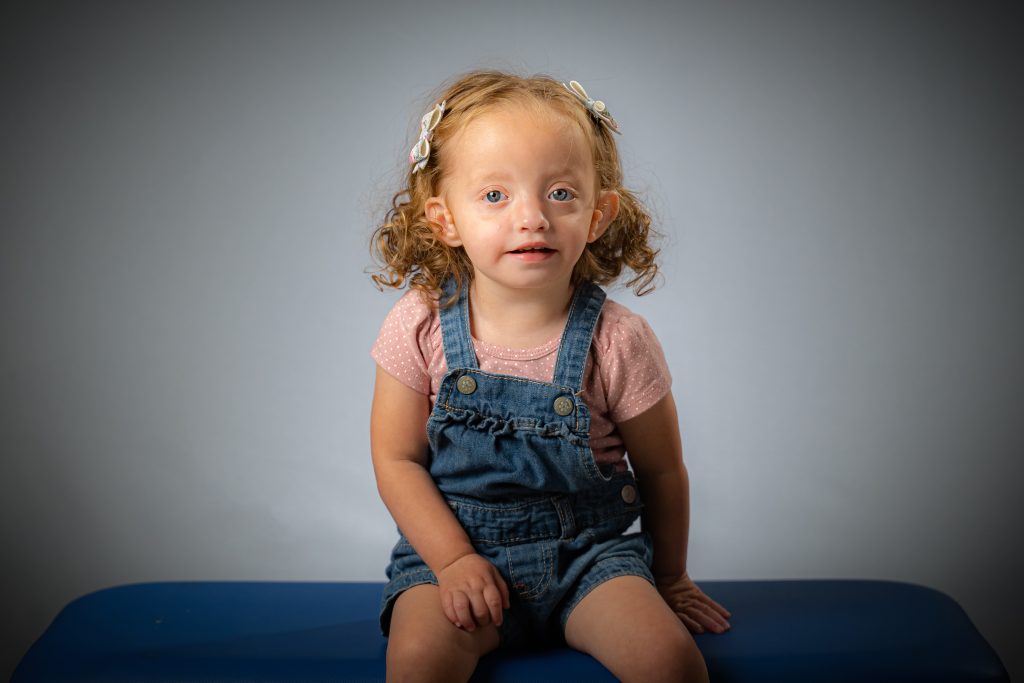
Elysha, a teacher, and Tyrone, an electrician, are the parents of Adaline (7) and her younger sister, MaKinleigh (3). They built a life that is busy, loud and full of movement, just the way their daughter Adaline likes it. Between outdoor adventures, time at the park, weekends at their cottage and their new trailer, the family is always on the go. Adaline thrives in that energy, seeking out stimulation and excitement, sometimes in ways that keep her parents on their toes!  

Adaline is a thrill-seeker with no fear. She loves swimming, spinning chairs, loud noises and anything fast, especially Sea-Doos, snowmobiles and even the lawn tractor. Her personality is unmistakably spicy, determined and full of joy. Adaline communicates in her own ways through her expressive eyes, cheeky smile and a signature eyebrow raise that signals either excitement or a bit of mischief. She is clever and bright, and above all, incredibly tenacious. She continues to push past the expectations set for her. 

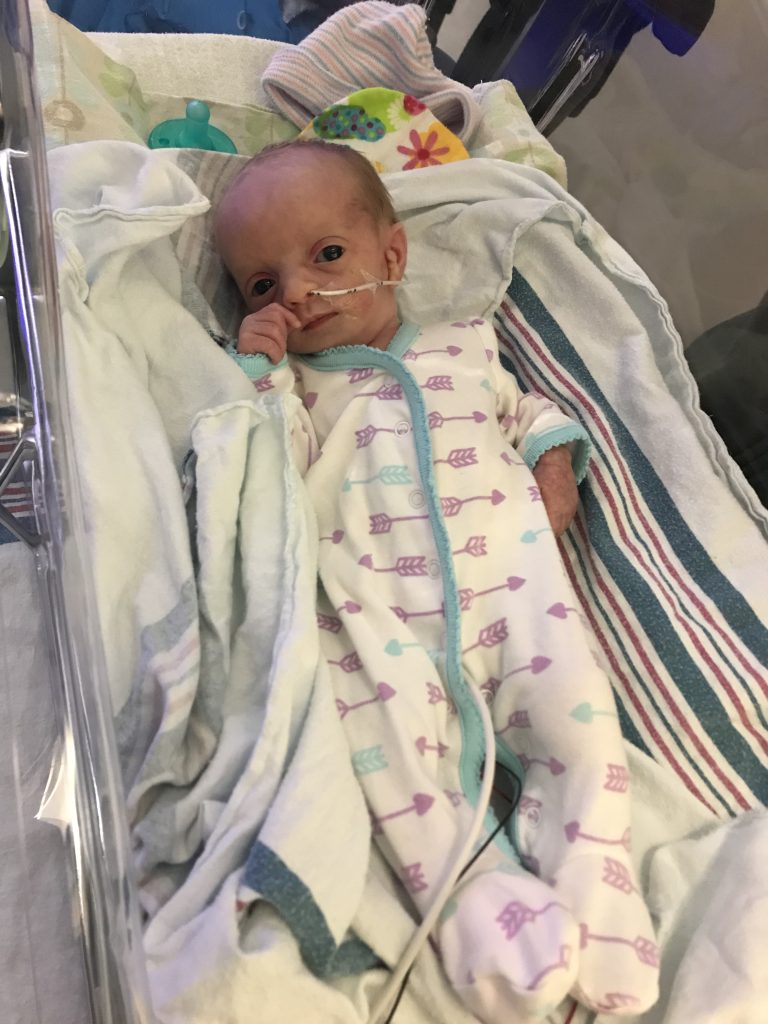
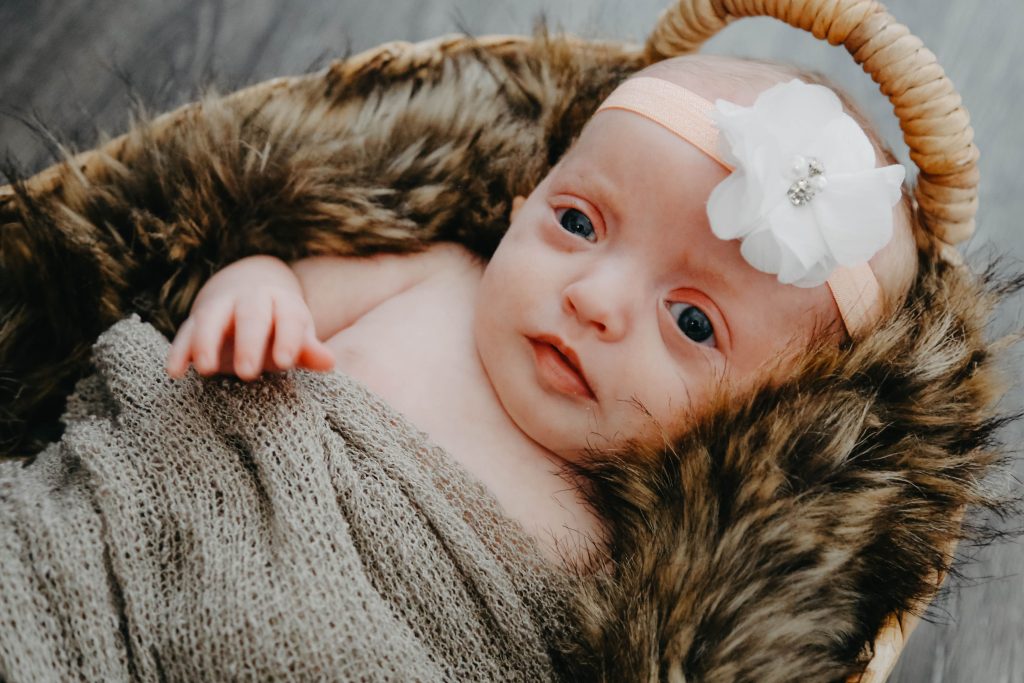
Adaline was one month old when she was diagnosed with Wolf-Hirschhorn Syndrome (WHS), a rare genetic disorder caused by a deletion on chromosome 4. Even within her first week of life, doctors had their suspicions as she was born very small. She was only 3 pounds 13 ounces at nearly 37 weeks gestation, and had difficulty feeding. Subtle physical indicators, including slightly wider-set eyes, small skin growths near her ears and indentations around her shoulders and face, raised concern. She also experienced brain bleeds, adding to the complexity of her early medical picture. Elysha and Tyrone agreed to genetic testing and were told to expect a diagnosis with much milder effects, but when the results arrived, they felt blindsided. 

Adaline’s WHS diagnosis came on the very day they were preparing to leave the hospital’s neonatal intensive care unit (NICU), completely changing their path forward. They grieved the life they had imagined, feeling fear and deep uncertainty about the future. For many children with WHS, challenges can include developmental delays, feeding difficulties, seizures, heart defects and hearing, vision, immune and muscle tone differences. Each child’s experience with WHS is unique. 

Adaline’s early years were medically intense. She spent 28 days in the NICU and had repeated hospitalizations. For the first year and a half, the hospital became a second home. Feeding was one of the biggest struggles as she required a nasogastric (NG) tube and vomited frequently due to a submucosal cleft palate. Shortly after Adaline came home from the NICU, Tyrone and Elysha were set to be married in May of 2019. At the time she was combo feeding with bottles and through the NG tube. “We really wanted to see Adaline’s beautiful face without the NG tube in our wedding photos as the tape from her NG covered half of her face. Her paediatrician said we could remove it for a few days and put it back in after the wedding.” Adaline had done well without the tubes and continued to maintain her weight that a few days after their wedding, their paediatrician approved the complete removal of the NG tube. She was monitored across multiple specialties, including cardiology, immunology, ear, nose, and throat (ENT) and ophthalmology. Her immune system was fragile, requiring the family to live in a small, protective bubble. The risk of seizures loomed constantly. It was not a question of if she would begin having them, but when. At 15 months old, that fear became reality. 

Adaline’s seizures were severe and often triggered by illness or low oxygen levels, caused by choking and aspirating. Most episodes required hospitalization and emergency interventions, like intubation. These moments were terrifying and, at times, traumatic. Over time, Elysha and Tyrone learned not only how to respond but also how to guide medical professionals unfamiliar with Adaline’s rare condition. Since WHS presents differently in every child, they became her experts, voice and advocates. 

Today, Adaline’s seizures are better controlled with the help of seizure medication and parental vigilance. Her last major one was in February 2025, and for the first time, it did not require a hospital stay. It was a milestone that reflected years of persistence, learning and advocacy. 

Despite everything, Adaline continues to defy expectations. Skills that specialists once thought unlikely, she has achieved through sheer determination. From the very beginning, Grandview Kids became a cornerstone of support for Adaline and her family. Referred shortly after leaving the hospital, she began services at three months old.  

At Grandview Kids, the family accessed coordinated care including developmental paediatrics, physiotherapy, occupational therapy, speech-language pathology, therapeutic recreation, nutrition and social work services. Blocks of therapy taught Elysha and Tyrone essential early intervention strategies to guide Adaline’s progress and even led her to independent walking, something that was once considered impossible.  

During her most fragile years, Adaline’s family was part of Grandview Kids’ Complex Care Program. This coordinated care team of Adaline’s specialists from Grandview Kids, The Hospital for Sick Children (SickKids), Lakeridge Health and the Ontario Health at Home, Central East, was impactful. This team understood Adaline as a whole child. When her seizures were severe, the team helped fast-track interventions and ensured seamless communication between specialists. They became a central hub for her care. 

The community they experienced at Grandview Kids was also profound. At Grandview Kids, Elysha and Tyrone connected with many other families, forming strong friendships and a shared understanding. Grandview Kids Summer Camp and Family Engagement Program events gave Adaline space to discover and belong. Adaline was also fortunate to attend Grandview School to prepare the family for her transition to the mainstream school system. The gratitude Elysha and Tyrone have for the Grandview Kids community they formed is immeasurable.  

Today, Adaline’s biggest challenge is communication. She is considered pre-verbal, with a handful of spoken words and some gestures. While her receptive language is strong, understanding much of what is said to her, expressing herself can be frustrating. This gap often shows up in her behaviour. Without a reliable way to communicate her needs, emotions can escalate quickly. Her family continues to explore tools like augmentative and alternative communication (AAC) devices, though attention, vision and motor challenges add complexity.  

Transitions, like starting mainstream school this year, have also been difficult. Everyday activities, like eating, still require patience and creativity. Through it all, Adaline continues to grow on her own timeline. Elysha and Tyrone’s journey has taught them lessons they now share openly with other families. 

Elysha and Tyrone’s lessons: 

Don’t compare. 
Comparison is the thief of joy. Every child, diagnosis or not, has their own path. Adaline’s journey cannot be measured against anyone else’s, not even her sister’s. 

Be patient and take it day by day. 
At first, thinking too far ahead felt impossible. Focusing on the present day-to-day steps, made it manageable. 

Celebrate the “inchstones.” 
Every victory matters. What may seem minor to others can be monumental for your child. 

Advocate fiercely. 
You will become the expert on your child. Ask questions, speak up and challenge kindly when needed. Doctors do not have all the answers, especially with rare conditions. They are also learning with and from you. 

Find your community. 
Whether it is through support groups, organizations like Grandview Kids or other families with different diagnoses but shared lived experiences, connection matters. You are not alone. 

Don’t lose sight of joy. 
Life may look different. It may involve more planning, equipment and confusion, but it can still be full of fun, laughter and meaningful moments. 

Though the future remains uncertain, what has changed is how Elysha and Tyrone face that uncertainty. They now have resilience, community and shared understanding that Adaline will continue to surprise them. If there is one thing Adaline has shown from the start, it is that she is writing her own story. 

Celebrating Autism Awareness and Acceptance Month!

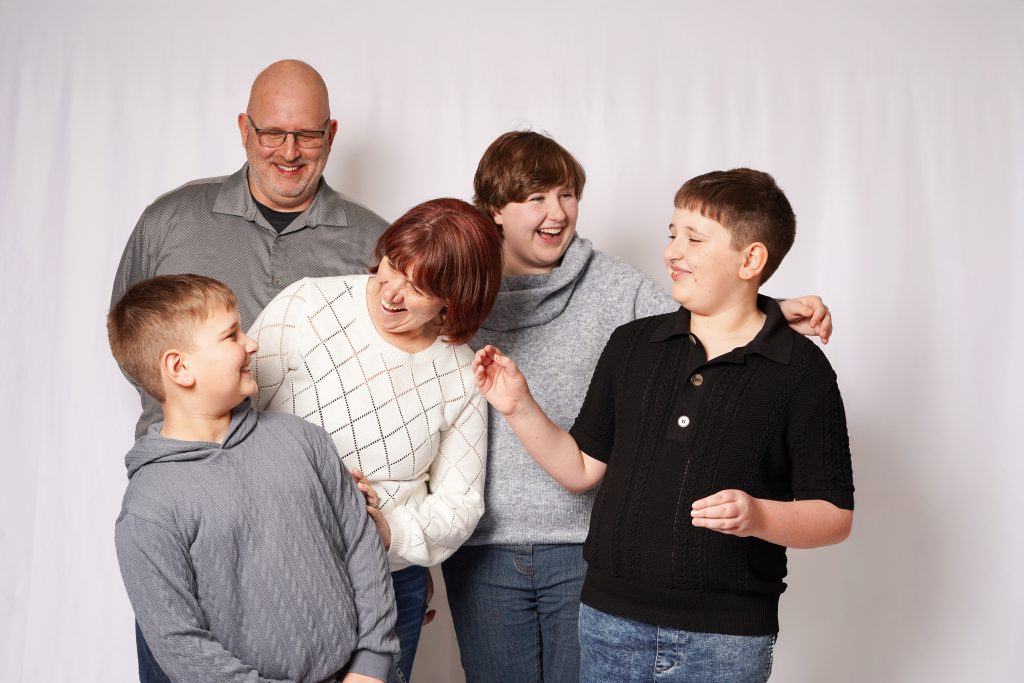
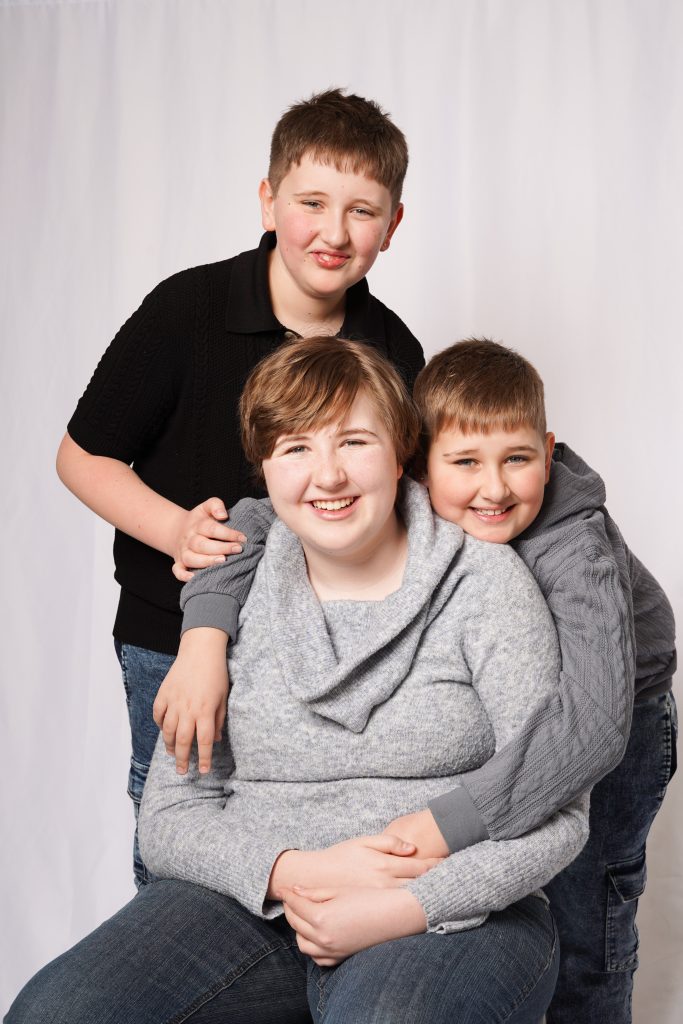
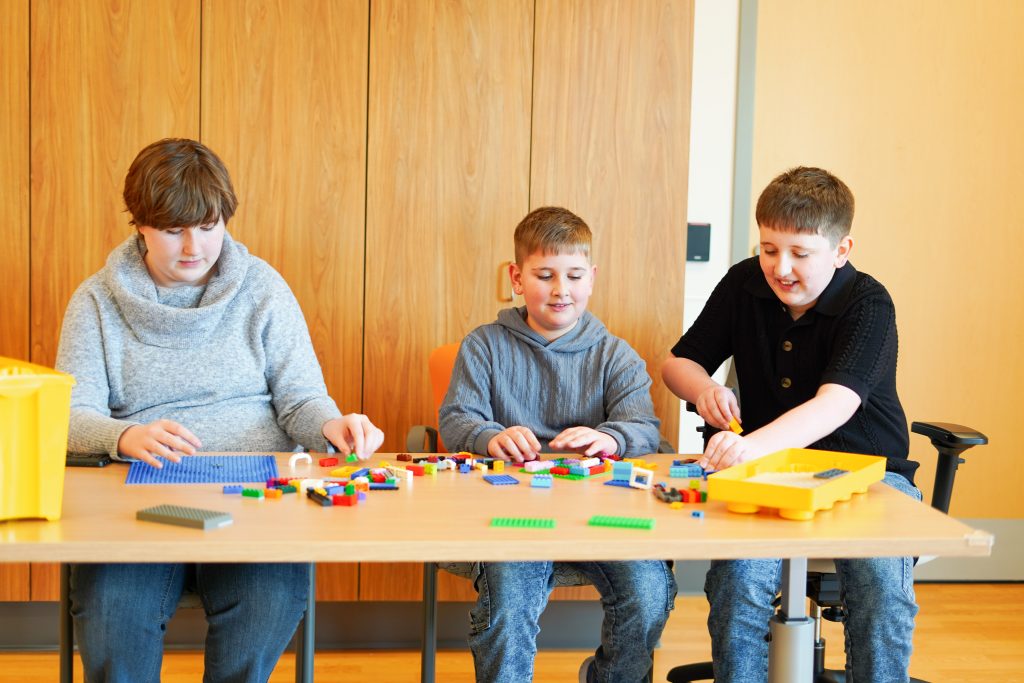
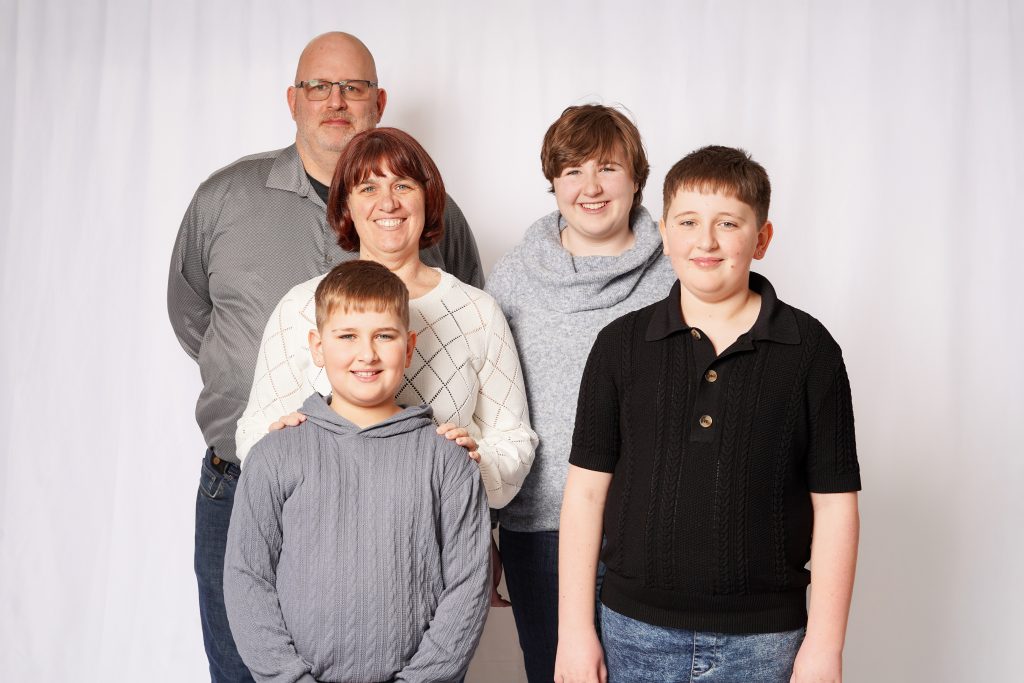
Autism does not look the same for everyone, even within the same family. For Brett and Celine, raising three children on the autism spectrum meant learning to celebrate differences, advocate fiercely and find strength in community. Along the way, their family discovered the life-changing support of Grandview Kids, a place that helped their children grow, communicate and belong. 

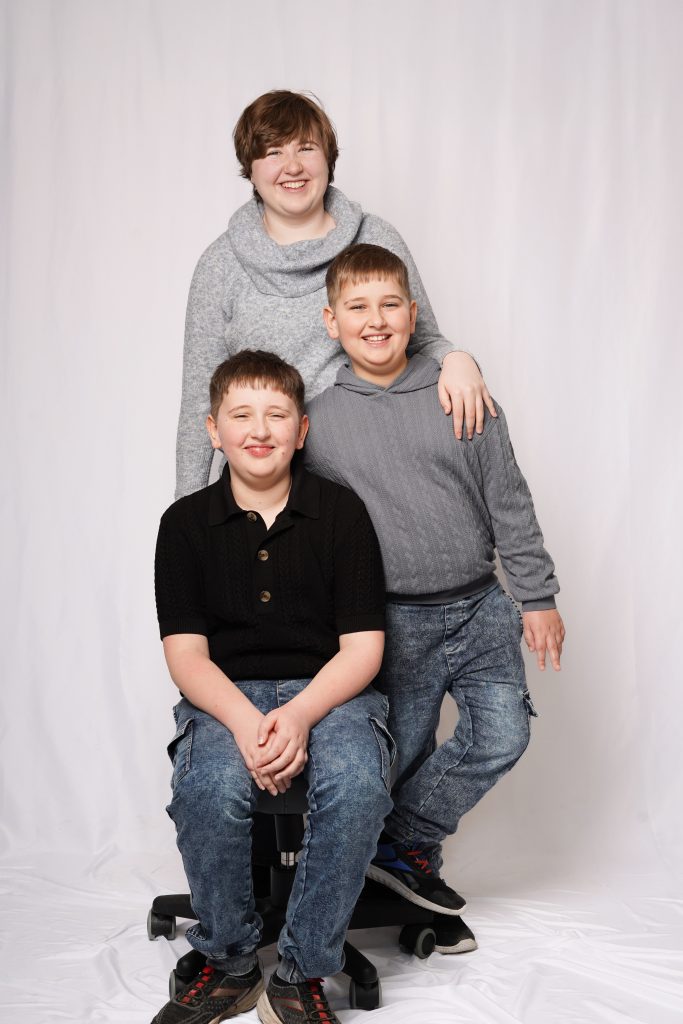
Married for nearly 17 years, Brett and Celine are raising their three children, Elle (14), Liam (12) and Connor (9) in a home filled with music and creativity. Their family time often includes walks near the lake, playing board games or curling up on the couch with popcorn for movie nights. Like any siblings, they disagree on things, but they are usually quickly replaced with laughter. Each child brings something special to the family dynamic.  

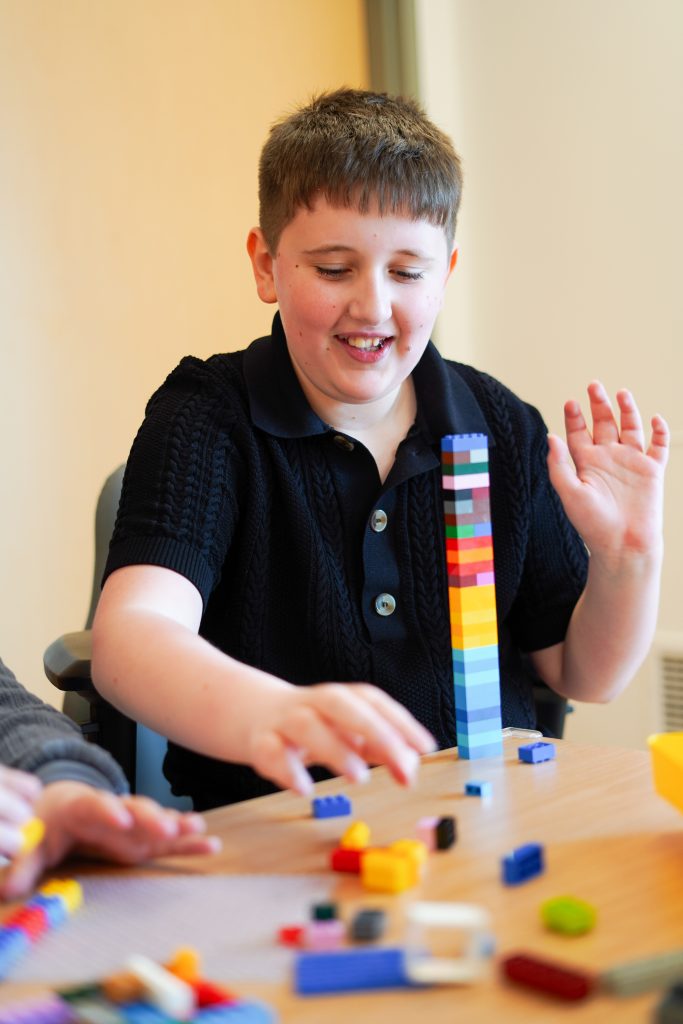
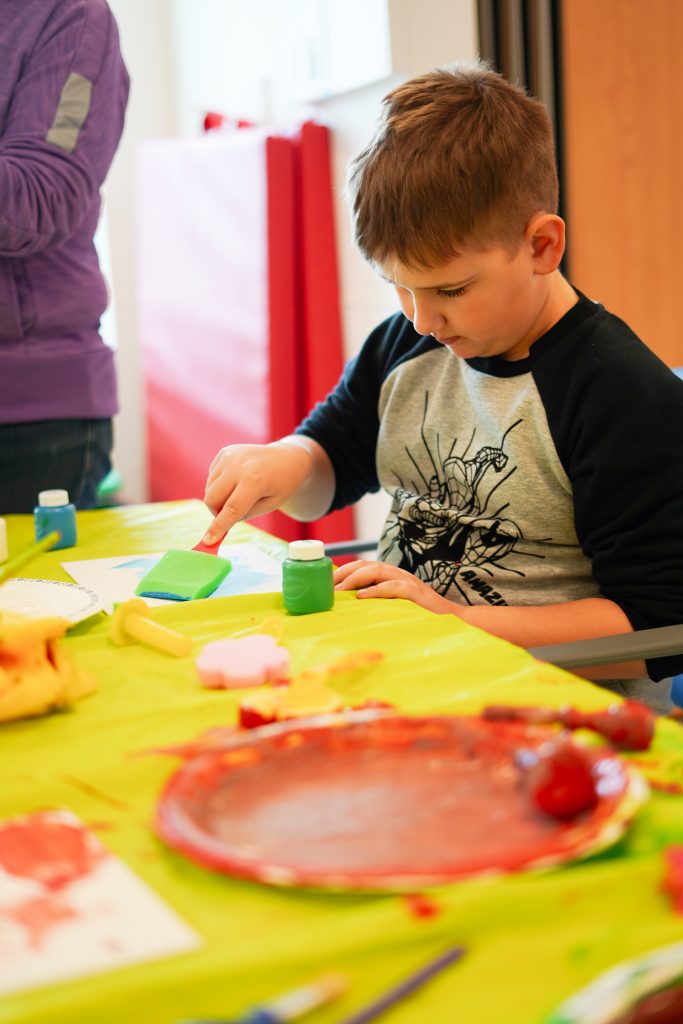
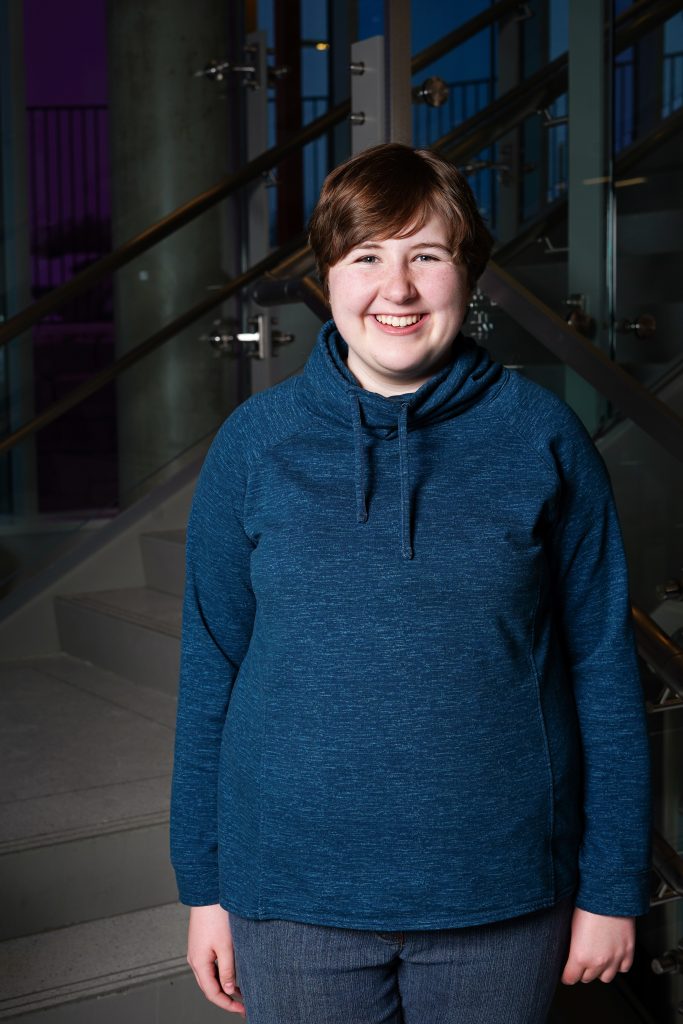
Elle is the family’s tech expert. She creates funny reels, edits photos and captures family memories. She is a huge fan of the “Percy Jackson & the Olympians” series and even took part in a play inspired by it last summer in Ajax. For Elle, storytelling, whether through books, theatre or technology, is a way to express herself and connect with others. Liam, the middle child, is known for his humour. He proudly embraces the role of the family’s “dad joke” master. He will happily approach strangers to share a silly joke and watch their reaction. Beneath the jokes is a deeply kind and affectionate boy who loves cuddling babies and playing with younger kids. Connor, the youngest, has an uncanny ability to read a room. An empath by nature, he is quick to recognize others’ feelings. His humour is a little more complex, goofy and clever all at once. 

Behind these everyday moments is a strong network of support that has shaped their journey. One of the earliest and most influential members of that support system was private speech-language pathologist Debbie, who has worked with Liam since he was two years old. Alongside professionals at Grandview Kids, including speech-language pathologist Melany, Debbie helped the boys develop the communication skills that have opened their world. “They literally brought voice to our lives,” Celine says.  

Through speech therapy, the family learned how to support their sons’ communication, engage in and connect in meaningful ways and build relationships through play and interaction. Their infant and child development worker, Karla, also played an instrumental role in helping Celine and Brett navigate services and funding programs they did not know existed, making additional therapies possible. 

The family’s journey with Grandview Kids began when Liam was just eight weeks old. After spending several weeks in the hospital as a newborn due to illness, he was referred to the Grandview Kids’ previous torticollis clinic to address the involuntary contraction of his neck muscles. At the time, Celine admits she did not even know what Grandview Kids was. By six months old, Liam was not babbling or rolling over, so their paediatrician recommended accessing speech therapy at Grandview Kids. When Liam was eight months old, Brett and Celine attended their first parent workshop called “More Than Words.” Since then, the Centre has become a constant presence in their lives. 

Liam, 12

At two years old, Liam was diagnosed with expressive language disorder by their Grandview Kids developmental paediatirican, Dr. Siapno. While the diagnosis was hard to hear, Celine still felt there might be something more going on. She noticed subtle differences, like limited eye contact, little interest in cuddling and a strong preference for doing things independently. At 34 months, after reassessment, Liam received an official autism spectrum disorder (ASD) diagnosis. Although the process had been emotionally exhausting, the diagnosis ultimately brought relief. “It meant someone finally saw him,” Celine says. “And we finally knew how to help him.” 

Connor’s journey unfolded more quickly. Having already walked a similar path with Liam, Celine and Brett recognized familiar developmental patterns early on, limited babbling, slower motor milestones and reduced eye contact. At just 22 months old, Connor was also diagnosed with ASD. This time, the experience felt different. “I already knew,” Celine explains. “I could see he was just like his big brother. And I knew we would be okay.” 

Connor, 9

Elle’s path looked very different from her brothers’, who were both nonverbal and using augmentative and alternative communication (AAC) devices in their early years. Elle, on the other hand, spoke early and often. Autism was never initially considered since her parents thought speech was the biggest indicator of ASD. As she got older, bullying at school began to take a toll, and professionals initially wondered if she might have generalized anxiety. During an appointment for Connor, Dr. Siapno asked Celine about the rest of the family. As she spoke about Elle, Celine became emotional, prompting an assessment. At eight years old, Elle was also diagnosed with ASD. For Elle, the moment was unexpectedly meaningful. “She told the doctor she finally felt like she was part of the family,” Celine recalls. “She said she ‘finally belonged.’” 

Elle, 14

Over the years, the family has accessed many programs and services through Grandview Kids, including audiology, speech-language pathology, occupational therapy, physiotherapy, therapeutic recreation, social work, summer camp and education at Grandview School. For Celine, the most powerful part of Grandview Kids has been the sense of community, one fostered strongly through the Family Engagement Program. 

Before the COVID-19 pandemic, she remembers sitting in the waiting room in the old Grandview Kids Ajax location while children played together. Even kids who could not speak were laughing and connecting. Parents exchanged quiet looks of understanding, sometimes even silent “thank-yous.”  

“It was the one place we didn’t have to explain anything,”

she remembers fondly. Special events like pyjama parties, holiday celebrations and community programs have created lasting memories. These moments ensured the children could see others like them and feel included. Connor even met his best friend at Grandview School. 

Today, the impact of those supports is evident. Celine often wonders whether the boys would be as verbal as they are today without the early speech therapy they received. Connor also gained a major milestone through therapeutic recreation, learning how to ride a bike. This skill gave him newfound independence. “These are everyday things people take for granted,” Celine says. “But for us, they were huge.” Elle has also found her voice as a leader. She participates in the Youth Advisory Council (YAC) at Grandview Kids and hopes to one day create a subcommittee to help other youth share ideas and advocate for change. At school, she is already helping educate peers about disabilities and accessibility. 

Still, the journey is not without challenges. Social misunderstandings can make school difficult at times. This is especially true for Elle, who loves sharing information and speaking passionately on topics she cares about. Her direct communication style has sometimes been misinterpreted, leading to bullying in the past. She has become skilled at masking, hiding her autistic traits to “fit in” socially. “It’s exhausting,” Celine says. “And she shouldn’t have to do that forever.” Connor continues to experience anxiety at school, while Liam sometimes faces misunderstandings when people assume his autism only matters on certain days. 

Like many parents of neurodivergent children, Celine often thinks about the future, wondering what adulthood will look like and hoping her children will find meaningful work, independence and communities that embrace them for who they are. At the same time, she reminds herself that progress does not always follow a typical timeline. “People just need to take a breath,” she says. “Life is life. People are people.” She also hopes others will reconsider common expectations, like the emphasis on eye contact. “For our family, eye contact was never important,” she explains. “You can still connect with someone without looking directly into their eyes.” 

Instead, Celine believes society should focus more on acceptance and patience, recognizing that everyone grows and learns at their own pace. “There is so much emphasis on the ‘cannot,’ but we need to celebrate the ‘cans’ instead.” For parents on a similar journey, her message is simple: trust yourself and find your community. “You know your child better than anyone. Keep asking questions until someone listens.” And when the road feels overwhelming, remember that you don’t have to walk it alone. Sometimes, the right community can make all the difference, and for Brett, Celine, Elle, Liam and Connor, that community has been Grandview Kids.  

Julie Beazley is a Digital Publisher, Graphic and Web Designer based in Oshawa, Ontario. She creates and shares resources through her small business, including resources, advocacy tools, printables and heartfelt reflections from life with her son, Liam. Julie channels her professional expertise into empowering other families walking similar paths. 

13-year-old Liam lives with his mom, Julie, his stepfather, Brent, their dog, Fox, and a couple of parrot fish. He loves music, dancing, using the bucket swing at parks and cracking up at funny movies. Liam thrives on experiences like bowling, theme park rides, ziplining, canoeing, hovercraft adventures and ATV rides through muddy forest trails. He has been on the ice with the Toronto Maple Leafs, navigated through jungle and mangroves by boat and embraced life with a boldness many only dream of. In Julie’s words, Liam is “extremely mischievous,” full of laughter and loves engaging with his family and friends. Together they have built a life that is equal parts organized, adventurous and beautifully unpredictable. 

Liam entered the world at 34 weeks gestation in Costa Rica, weighing just 5.5 pounds. Doctors immediately noted facial features consistent with Trisomy 21 (Down Syndrome), along with jaundice and a concerning cardiac murmur. Julie flew back with Liam to Toronto, where she is from, and he was transferred to The Hospital for Sick Children (SickKids) as an infant and underwent open-heart surgery at just seven weeks old to repair a congenital heart defect (Tetralogy of Fallot with aortic stenosis and AVSD). Down Syndrome is a genetic condition caused by an extra copy of chromosome 21, resulting in 47 chromosomes instead of the typical 46. It causes mild to moderate cognitive delays, distinct physical features and potential health issues like heart defects. It is not caused by anything parents do and occurs by chance.  

Liam has what Julie calls a “trifecta” of diagnoses: Down Syndrome, cerebral palsy and autism spectrum disorder. The combination results in low muscle tone working against spasticity, sensory challenges and global developmental delays. He is non-verbal, though deeply communicative through sounds, gestures and expression. Liam’s receptive understanding far exceeds his ability to express his needs. Gross and fine motor skills are limited, and he requires one-to-one support in all areas of daily living. Though predominantly a wheelchair user, he walks with support in a walker and rides an adaptive bike at school. 

Feeding was one of the earliest and most exhausting battles as Julie navigated Liam’s severe milk protein allergy, which led to Liam receiving a temporary nasogastric tube (NG Tube). She was told repeatedly that Liam was “failure to thrive” and urged to place a gastrostomy tube (G Tube), but Julie made the decision to persevere. After creative problem-solving (including feeding him from a salad dressing bottle) and relentless advocacy, Liam now enjoys orally eating French fries, pasta, vegetables and soft rotisserie chicken in addition to homemade purees. Food, once a battlefield, is now a celebration when they eat at restaurants or pull into a Wendy’s drive-thru. 

After relocating from the Sarnia area to Oshawa, Liam’s care transitioned to Grandview Kids. Through Grandview Kids, Liam receives services for occupational therapy, physiotherapy (including equipment support and ankle-foot orthoses fittings), therapeutic recreation, developmental paediatric monitoring and Botox injections for spasticity through the Hypertonia Clinic. Alongside medical services, Liam and Julie have accessed social work (funding and school IEP assistance), the Extensive Needs Service for behavioural support and introduction to fun activities and events through the Family Engagement Program, emphasizing the importance of connection. Julie met other parents who understood the sleepless nights, the behaviour challenges and the medical overwhelm. This encouraged her to discover other community groups that further expanded that circle of support, turning isolation into global sisterhood. 

Julie received Liam’s Down Syndrome diagnosis shortly after birth but did not have time to fully process it. “I was so in love with my baby and terrified of the immediate open-heart surgery and its implications that the diagnosis took a back seat.” She describes the diagnosis as “unexpected, scary and overwhelming, given the life I had envisioned for my child while I was pregnant. The relief I felt following his heart repair diminished any of the circumstances impending from having Down Syndrome. And it never took away from the love I felt for my son.” 

If Julie could talk to herself on diagnosis day, she would encourage her to not listen to other people’s perceptions of Liam’s abilities and worth. “Simply love your child and believe in him. He will prove every single limitation placed on him to be inaccurate, and along the way, champion so many hearts.” Julie’s feelings about Liam’s future are mixed. She worries about supports when she is no longer here but she is also excited because she knows her son. “He is the epitome of unconditional love,” she says. “If everyone was like him, the world would be such a better place.”

Misconceptions about Down Syndrome that Julie wants to challenge 

  • People with Down Syndrome are not “always happy.” They experience the full range of emotions. 
  • It is not a disease and cannot be “cured.” 
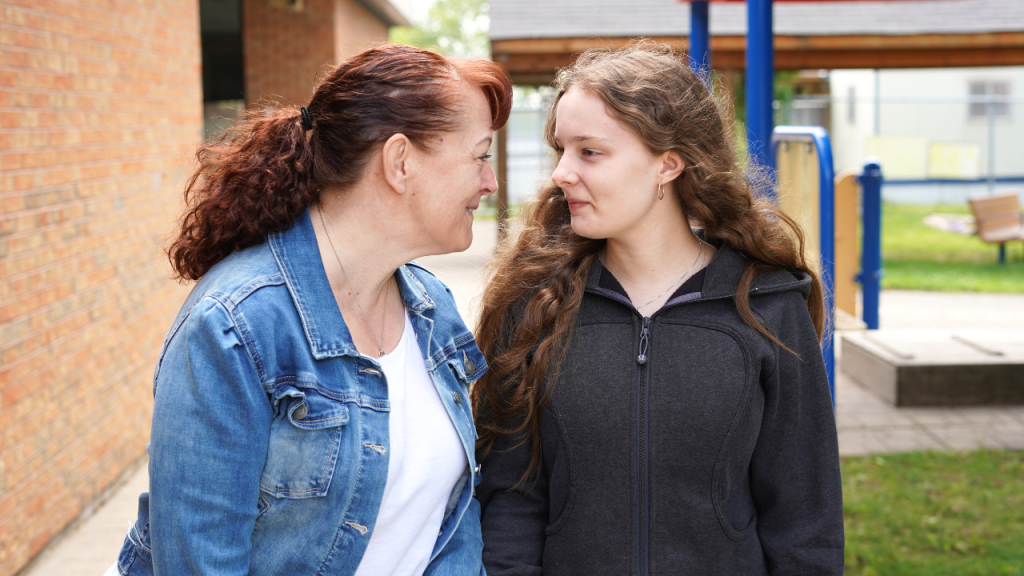
  • Life expectancy has more than doubled (now 60+ years). 
  • Individuals with Down Syndrome often resemble their families more than each other. 
  • Many can live independently and drive with support. 
  • Many attend mainstream schools. 
  • Women with Down Syndrome can have children. 
  • They are more alike than different, defined by personality and passions and not diagnosis. 
  • Individuals with Down Syndrome succeed in elite arenas: 
    • Monika Myers, Toronto-based professional international runway model 
    • Madison Tevlin, Canadian actress and broadcaster 
    • Kyle Land, Canadian competitive bodybuilder and certified personal trainer 
    • Ana Victoria Espino de Santiago from Mexico is a lawyer advocating for disability rights  

Parenting a child or youth with additional needs is more than parenting. You become the caregiver, nurse, teacher, case manager, advocate and so much more. You have different considerations to consider than some other parents or caregivers. You are exhausted, your back hurts and you have not done anything just for you since your child was born. 

You need a break, you need respite. 

Respite care provides essential, temporary relief for primary caregivers, offering short-term breaks to help prevent burnout, reduce stress and improve overall well-being. It can take different forms and can sometimes be difficult to access. But you need to recharge your own battery, and a little bit is better than none. 

Barriers to accessing respite can include cost, not knowing where to find it or finding it but feeling overwhelmed at the idea of someone else caring for your child. But you need a break, or you are going to burn out. You are superhuman, but even superhumans need rest, relaxation and a chance to recharge. 

Respite supports you can access 

  • Special Services at Home provides respite funding for families with a child or children with additional needs. You can use these funds to hire a respite worker, pay someone to clean your home, cover the costs of recreational programs and more. 
  • Family support and respite for children and youth with special needs and the Assistance for Children with Severe Disabilities Program (ACSD) are also options to help with the cost of respite depending on your family’s needs and circumstances. 
  • Resources for Community Respite Services (RFECY) Durham Region has put together a document listing respite agencies, but also provides suggestions on hiring a respite worker. 

What if you are still waiting on respite funding?  

You still need to recharge your own battery.  

Sometimes it requires some creative ideas, and here are some suggestions: 

  • Find recreational activities that your child can participate in, and you can rest on the sidelines for an hour. It may not be a lot of time, but it’s time you can sit and let your mind wander to pleasant images like resting on a beach, playing games on your phone, calling a friend or even tuning everyone and everything out for a moment. 
  • Trade shifts of caregiving with your spouse or other family members or friends to ensure everyone has some time for themselves. This enables you to develop a circle of care comprised of people you trust to help care for you and your child. 
  • Connect with other Grandview Kids families through our Family Engagement Program, attending their many engaging workshops and events, and creating a plan to support one another with respite. 

Funding for recreational activities

Explore the options below to help you and your family access funds for recreational activities: 

  • Jumpstart Canadian Tire 
  • Their Opportunity 
  • Kid Sport 
  • Access2 – Easter Seals Canada Access 2 Entertainment Program 

Remember: Taking care of YOU is also caring for your family. 

Celebrating National Epilepsy Awareness Month and National Cerebral Palsy (CP) Awareness Month

12-year-old Lorenzo is warm, welcoming and engaging in his own way. Though he is nonverbal, he communicates clearly. He shows interest through his eyes and energy and demonstrates displeasure by pushing an object away or disengaging. He is an extremely happy preteen who still loves to cuddle when he is in the mood and not in pain. Lorenzo lives with his mom, Melecia, and his grandmother, who recently began helping with his care. As a family, they treasure simple moments such as car rides, trips to the mall, watching movies and spending time outdoors. Lorenzo also loves cartoons, for their bright colours and fast movement and riding his adaptive tricycle when the weather allows. 

At two months old, Melecia noticed Lorenzo lying in his bassinet, staring steadily at one side. “It didn’t look right,” Melecia recalls, “So I told our family doctor about it. He said to bring Lorenzo to the emergency department if it recurred, which I did.”  That moment marked the beginning of a long and unpredictable medical journey. Lorenzo was experiencing difficult-to-control seizures and although medications were introduced, they did not bring meaningful improvement.  
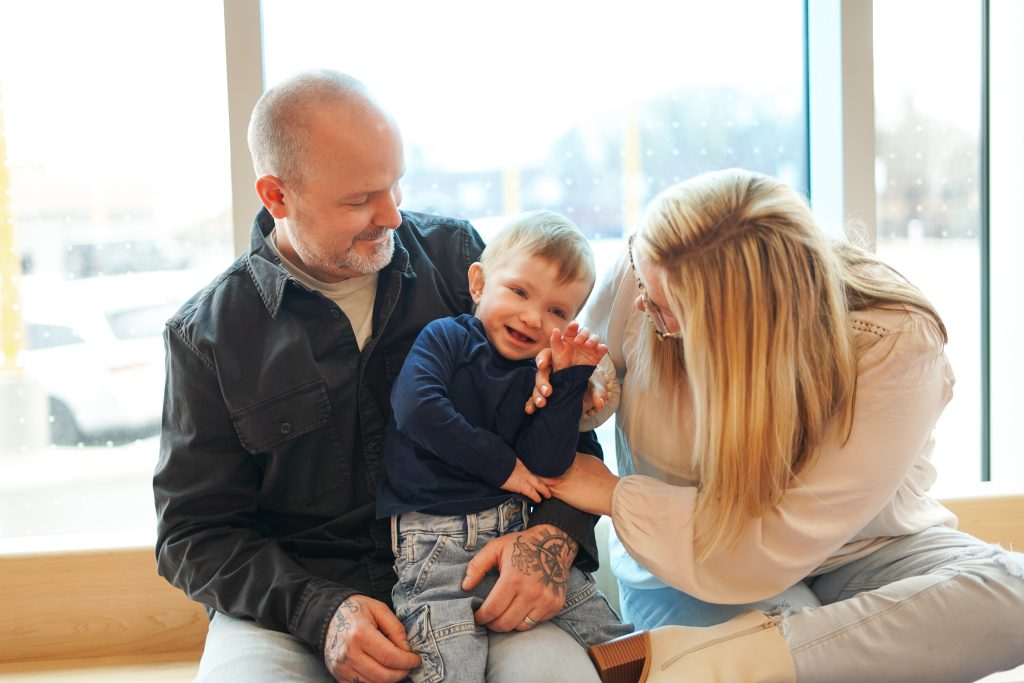
Monitoring, testing and sleepless nights turned the hospital into a second home. At The Hospital for Sick Children (SickKids), doctors conducted extensive investigations, including genetic testing. They identified a rare mutation in the KCTN1 gene, a mutation that occurs at conception. Lorenzo was first diagnosed with infantile spasms and later with malignant migrating focal seizures in infancy, a severe and rare form of epilepsy. 

For Melecia, the diagnosis felt surreal. During her pregnancy, she did all that she could to stay healthy, and Lorenzo was born full-term. There was a sense of disbelief; surely something could “fix” this. Melecia learned that epilepsy, especially rare genetic epilepsy, rarely follows a straight line. Brain surgery was not an option because seizure activity affected both sides of Lorenzo’s brain. Instead, doctors focused on medication to calm the electrical misfiring. He tried countless treatments, but eventually, he required a complex combination of medications, including pharmaceutical-grade CBD oil and a strict ketogenic diet. 

The ketogenic diet demanded exact precision, with every ingredient weighed and every ounce mattered. Melecia followed instructions meticulously, determined to do her part while doctors did theirs. The diet reduced seizure activity for a time, but it also took a toll. Long-term restrictions led to fragile bones from calcium deficiency, leading to the difficult decision to pause the diet and slowly rely on a concoction of medications. Like much of Lorenzo’s care, treatment required constant re-balancing. Now entering adolescence, Lorenzo’s seizures are changing again. Hormonal shifts have increased their frequency, and they look different than before. They are not back-to-back emergencies, but they remain unpredictable. 

The impact of uncontrolled seizures in infancy was profound. During critical stages of brain development, repeated seizure activity altered Lorenzo’s developmental path. He was later diagnosed with Level 5 cerebral palsy, cortical visual impairment (CVI) and global developmental delay. Caring for Lorenzo demands constant vigilance as he requires assistance with all daily activities, managed solely by Melecia. Nights can be sleepless as Lorenzo sleeps beside her to monitor if no nurse is available. Every seizure is tracked, and medication is carefully timed. Feeding adds a further layer of complexity as Lorenzo uses both oral feeds and a gastrotomy tube (G-tube). Lorenzo also uses many devices and equipment, including ankle-foot orthoses (AFOs), a manual wheelchair, a stander, a walker and, at one time, a lift. 

Melecia attests that she was thankful she did not have to do it alone, especially in their early, confusing days. SickKids connected the family with Grandview Kids, opening the door to vital services such as occupational therapy, physiotherapy and speech-language pathology. Lorenzo is part of the Durham Region Complex Care Program, delivered in partnership between SickKids, Grandview Kids, Lakeridge Health and Ontario Health at Home, Central East. Having appointments organized locally has eased much of the logistical burden and ensures continuity of care with each team member informed at every point of Lorenzo’s journey. 

Melecia notes that being able to receive social work services through Grandview Kids has been especially meaningful. “Sometimes just having someone to talk to and being connected with other Grandview Kids parents (with their consent) has been a gamechanger.” Being connected to other Grandview Kids families has provided insight, encouragement and community. “At one point, I was a bus driver and was assigned a route with a Grandview child on the bus. It felt so rewarding knowing that I was taking care of a Grandview friend’s child and confidently caring for them as they were my own.” Through Lorenzo, Melecia learned the need for reciprocity in community, knowing when to give and take assistance. 

Still, the weight of caregiving remains heavy, especially when your child is completely dependent due to seizures and profound physical limitations. “You know you’re doing enough, but it’s still never enough,” Melecia reflects. There is always more to research, monitor and manage. Early on in their journey, she made a conscious decision not to lose herself. Shortly after Lorenzo’s diagnosis, she returned to weight training and cardio. What began as physical conditioning became something deeper. “I have to be strong for my son,” she says. “I want him to know that he’ll never outgrow my lap.” As Lorenzo grows, lifting and transferring him safely requires strength. To her surprise, building physical strength also strengthened her mentally. The gym became her outlet, the place where she processed both good and bad news. “I run for me,” she explains, “so that whenever something happens, I know how to handle it.” 

Lorenzo’s life is complex, shaped by seizures and significant physical disability. Yet it is also filled with joy through bright cartoons, busy public spaces, fresh air and family connection. As a medical parent, self-care became essential to Melecia, not optional. She encourages other parents to invest in themselves now, building resilience for the years ahead. Physical and mental strength, she believes, create the foundation needed to weather uncertainty.  

She lives by this belief: people may give up on you, but you dare not give up on yourself.  

  • Page 1
  • Page 2
  • Page 3
  • ⟩

Primary Sidebar

Child Stories

LnRiLWZpZWxke21hcmdpbi1ib3R0b206MC43NmVtfS50Yi1maWVsZC0tbGVmdHt0ZXh0LWFsaWduOmxlZnR9LnRiLWZpZWxkLS1jZW50ZXJ7dGV4dC1hbGlnbjpjZW50ZXJ9LnRiLWZpZWxkLS1yaWdodHt0ZXh0LWFsaWduOnJpZ2h0fS50Yi1maWVsZF9fc2t5cGVfcHJldmlld3twYWRkaW5nOjEwcHggMjBweDtib3JkZXItcmFkaXVzOjNweDtjb2xvcjojZmZmO2JhY2tncm91bmQ6IzAwYWZlZTtkaXNwbGF5OmlubGluZS1ibG9ja311bC5nbGlkZV9fc2xpZGVze21hcmdpbjowfQ==
LnRiLWhlYWRpbmcuaGFzLWJhY2tncm91bmR7cGFkZGluZzowfQ==
ICAudGItaW1hZ2V7cG9zaXRpb246cmVsYXRpdmU7dHJhbnNpdGlvbjp0cmFuc2Zvcm0gMC4yNXMgZWFzZX0ud3AtYmxvY2staW1hZ2UgLnRiLWltYWdlLmFsaWduY2VudGVye21hcmdpbi1sZWZ0OmF1dG87bWFyZ2luLXJpZ2h0OmF1dG99LnRiLWltYWdlIGltZ3ttYXgtd2lkdGg6MTAwJTtoZWlnaHQ6YXV0bzt3aWR0aDphdXRvO3RyYW5zaXRpb246dHJhbnNmb3JtIDAuMjVzIGVhc2V9LnRiLWltYWdlIC50Yi1pbWFnZS1jYXB0aW9uLWZpdC10by1pbWFnZXtkaXNwbGF5OnRhYmxlfS50Yi1pbWFnZSAudGItaW1hZ2UtY2FwdGlvbi1maXQtdG8taW1hZ2UgLnRiLWltYWdlLWNhcHRpb257ZGlzcGxheTp0YWJsZS1jYXB0aW9uO2NhcHRpb24tc2lkZTpib3R0b219IC53cC1ibG9jay1pbWFnZS50Yi1pbWFnZVtkYXRhLXRvb2xzZXQtYmxvY2tzLWltYWdlPSJhMWJlMmUyODAwMWFkMGRlMjBhM2RlZWVlYmE5MDJhMSJdIHsgbWF4LXdpZHRoOiAxMDAlOyB9IEBtZWRpYSBvbmx5IHNjcmVlbiBhbmQgKG1heC13aWR0aDogNzgxcHgpIHsgICAudGItaW1hZ2V7cG9zaXRpb246cmVsYXRpdmU7dHJhbnNpdGlvbjp0cmFuc2Zvcm0gMC4yNXMgZWFzZX0ud3AtYmxvY2staW1hZ2UgLnRiLWltYWdlLmFsaWduY2VudGVye21hcmdpbi1sZWZ0OmF1dG87bWFyZ2luLXJpZ2h0OmF1dG99LnRiLWltYWdlIGltZ3ttYXgtd2lkdGg6MTAwJTtoZWlnaHQ6YXV0bzt3aWR0aDphdXRvO3RyYW5zaXRpb246dHJhbnNmb3JtIDAuMjVzIGVhc2V9LnRiLWltYWdlIC50Yi1pbWFnZS1jYXB0aW9uLWZpdC10by1pbWFnZXtkaXNwbGF5OnRhYmxlfS50Yi1pbWFnZSAudGItaW1hZ2UtY2FwdGlvbi1maXQtdG8taW1hZ2UgLnRiLWltYWdlLWNhcHRpb257ZGlzcGxheTp0YWJsZS1jYXB0aW9uO2NhcHRpb24tc2lkZTpib3R0b219IH0gQG1lZGlhIG9ubHkgc2NyZWVuIGFuZCAobWF4LXdpZHRoOiA1OTlweCkgeyAgIC50Yi1pbWFnZXtwb3NpdGlvbjpyZWxhdGl2ZTt0cmFuc2l0aW9uOnRyYW5zZm9ybSAwLjI1cyBlYXNlfS53cC1ibG9jay1pbWFnZSAudGItaW1hZ2UuYWxpZ25jZW50ZXJ7bWFyZ2luLWxlZnQ6YXV0bzttYXJnaW4tcmlnaHQ6YXV0b30udGItaW1hZ2UgaW1ne21heC13aWR0aDoxMDAlO2hlaWdodDphdXRvO3dpZHRoOmF1dG87dHJhbnNpdGlvbjp0cmFuc2Zvcm0gMC4yNXMgZWFzZX0udGItaW1hZ2UgLnRiLWltYWdlLWNhcHRpb24tZml0LXRvLWltYWdle2Rpc3BsYXk6dGFibGV9LnRiLWltYWdlIC50Yi1pbWFnZS1jYXB0aW9uLWZpdC10by1pbWFnZSAudGItaW1hZ2UtY2FwdGlvbntkaXNwbGF5OnRhYmxlLWNhcHRpb247Y2FwdGlvbi1zaWRlOmJvdHRvbX0gfSA=
Grandview Kid 2-year-old Matteo smiling for the camera

Meet 2-Year-Old Matteo

Meet 2-year-old Grandview kid, Matteo! He is a smiley kid who loves animals (especially elephants), reading books and singing –– in particular, his favourite, Wheels on the Bus. Matteo has...

Latest Updates

  • Grandview Kids and Lakeridge Health open Canada’s first anesthesia procedure clinic in a Children’s Treatment Centre May 6, 2026
  • Ahaana’s magic ears: Speech and Hearing Month May 5, 2026
  • May: Dates of Significance April 30, 2026
  • Building confidence through the power of giving: Norah’s story April 30, 2026
  • A Place Where S Shines: Williams Syndrome Awareness Month April 29, 2026

You Have Questions

We’d like to help you find the answers…

Contact Us Today

© Grandview Kids Built by PeaceWorks

  • About Us
  • Contact Us
  • Privacy
Accessibility Adjustments

Powered by OneTap

How long do you want to hide the toolbar?
Hide Toolbar Duration
Select your accessibility profile
Vision Impaired Mode
Enhances website's visuals
Seizure Safe Profile
Clear flashes & reduces color
ADHD Friendly Mode
Focused browsing, distraction-free
Blindness Mode
Reduces distractions, improves focus
Epilepsy Safe Mode
Dims colors and stops blinking
Content Modules
Font Size

Default

Line Height

Default

Color Modules
Orientation Modules