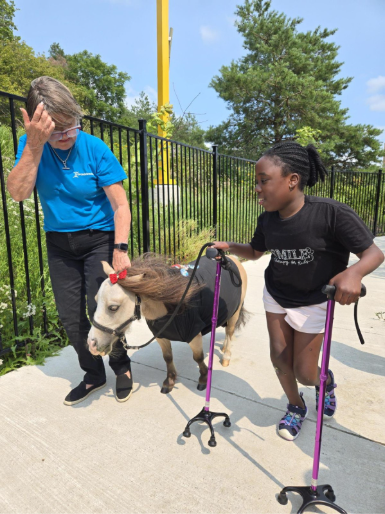
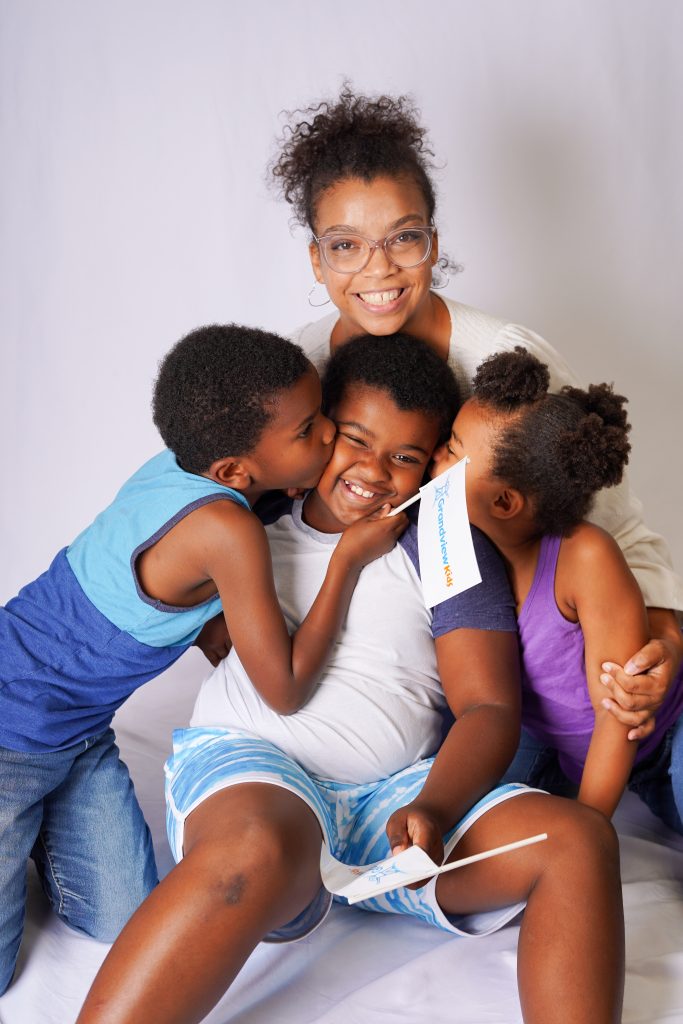
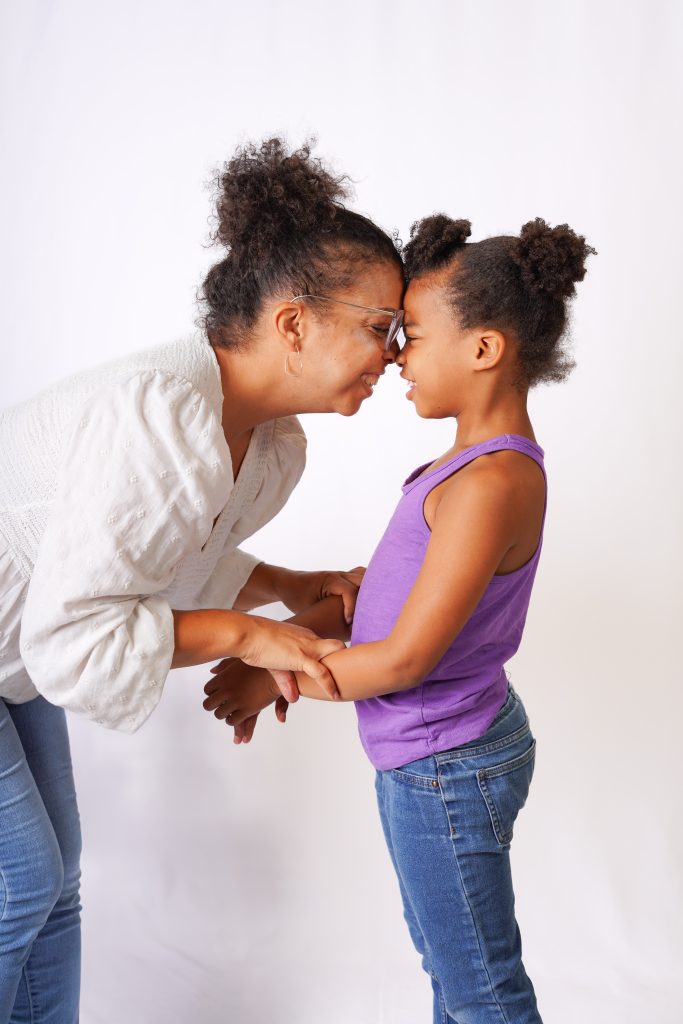
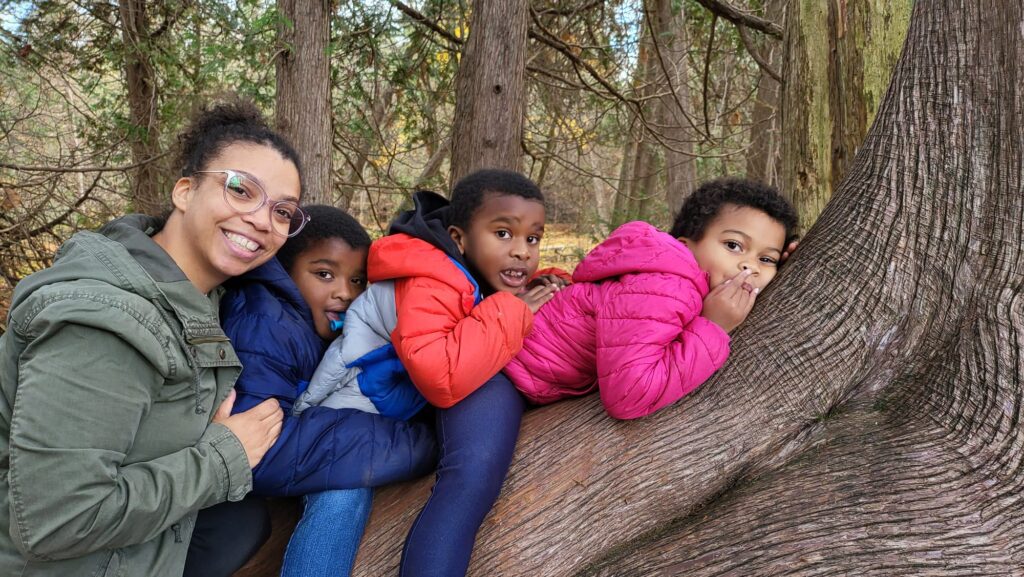
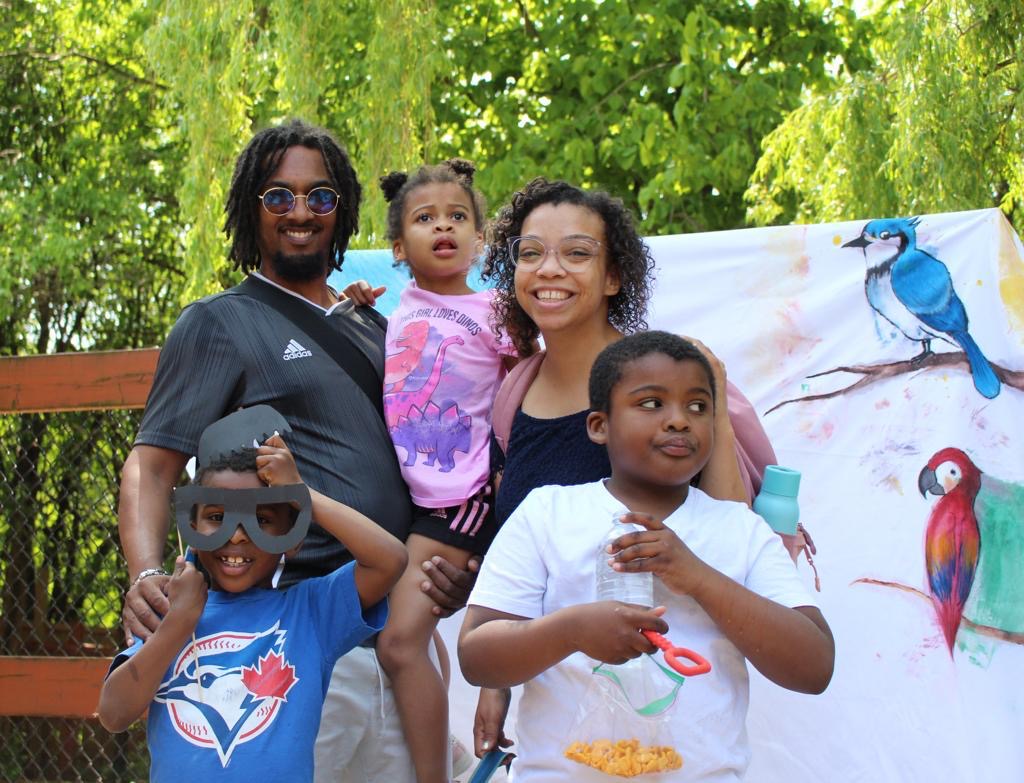
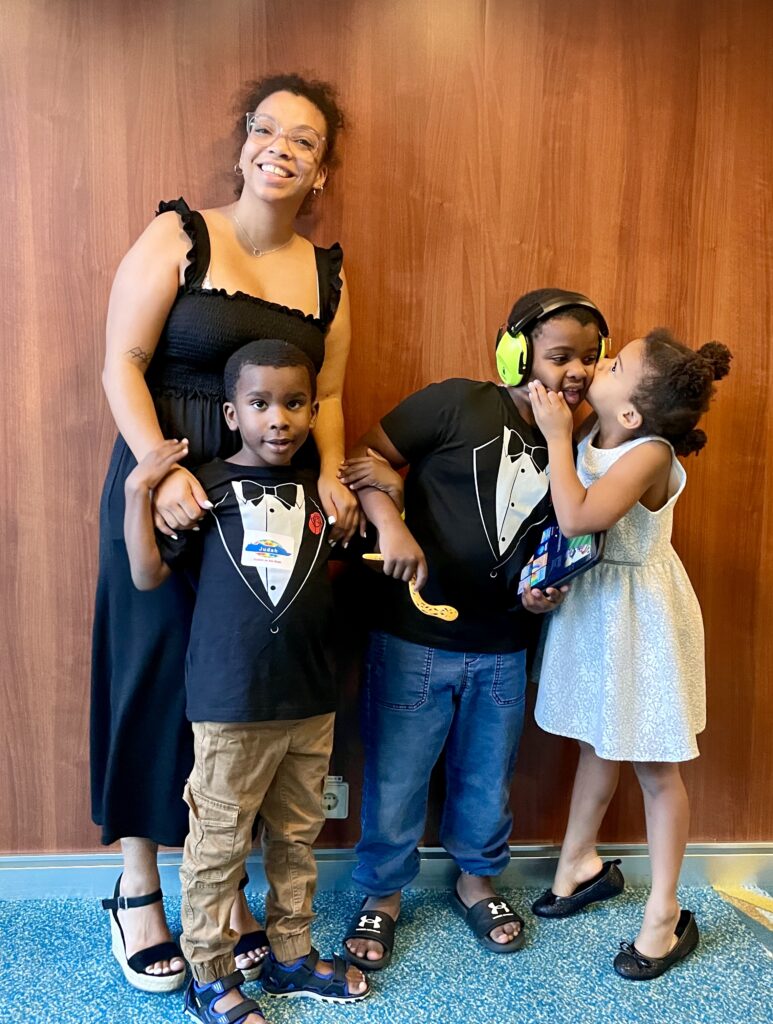
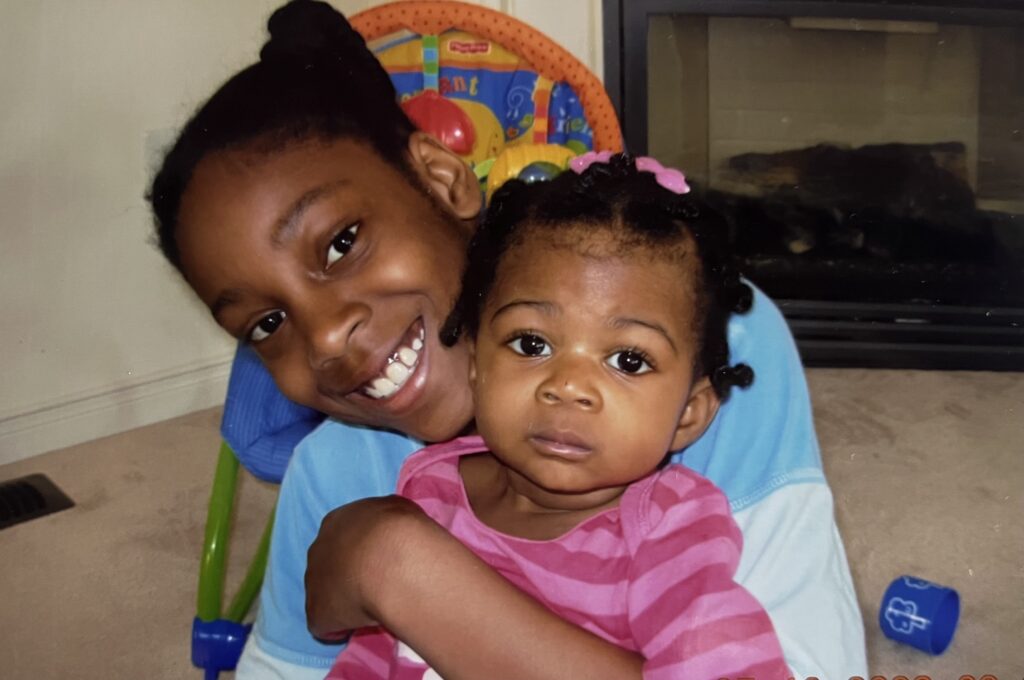
“For the past three summers, this camp has been such a special place for Brielle. She has made wonderful friends, enjoyed so many activities, and always looks forward to going back. What has meant the most to me, as her mom, is seeing how welcomed and included she feels. The counsellors have been incredibly engaging, encouraging the children to connect with one another while creating activities that Brielle enjoys and that also challenge her abilities. As a parent, knowing that Brielle is in an inclusive environment where she is safe, supported, and encouraged to fully participate gives me tremendous peace of mind.
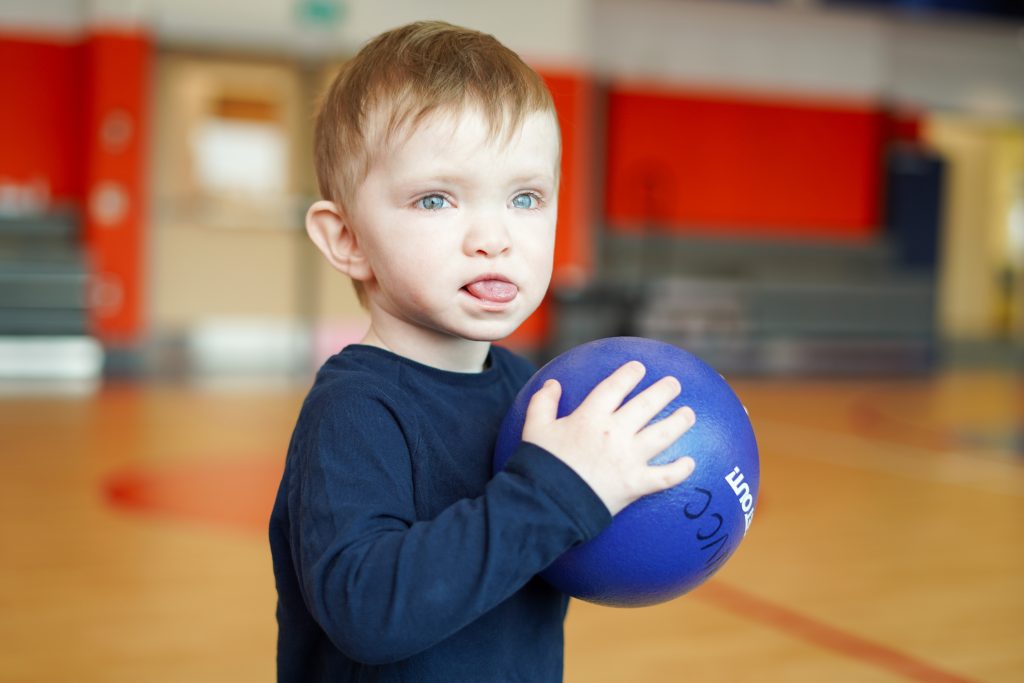
Grandview kid, Brielle
Thank you to the entire camp team for embracing and supporting Brielle over the past three years. You have given her summers filled with friendship, growth, laughter, and wonderful memories, and I am truly grateful.”
– Grandview Kids parent, Michelle
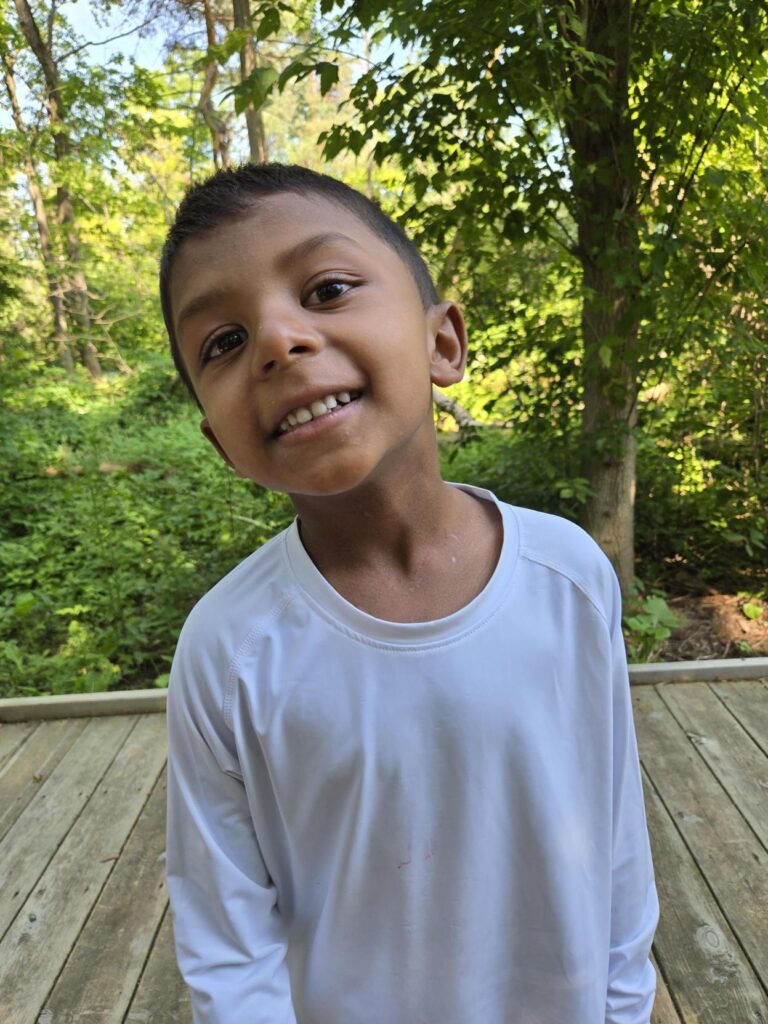
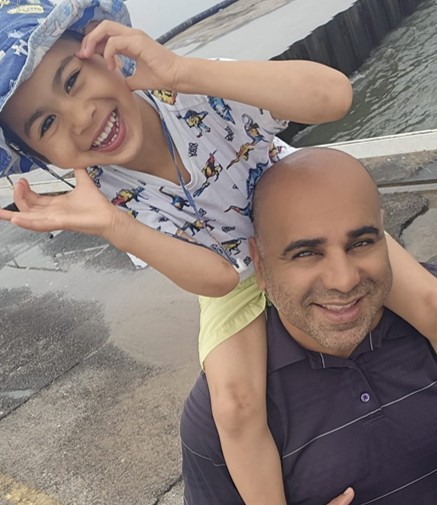
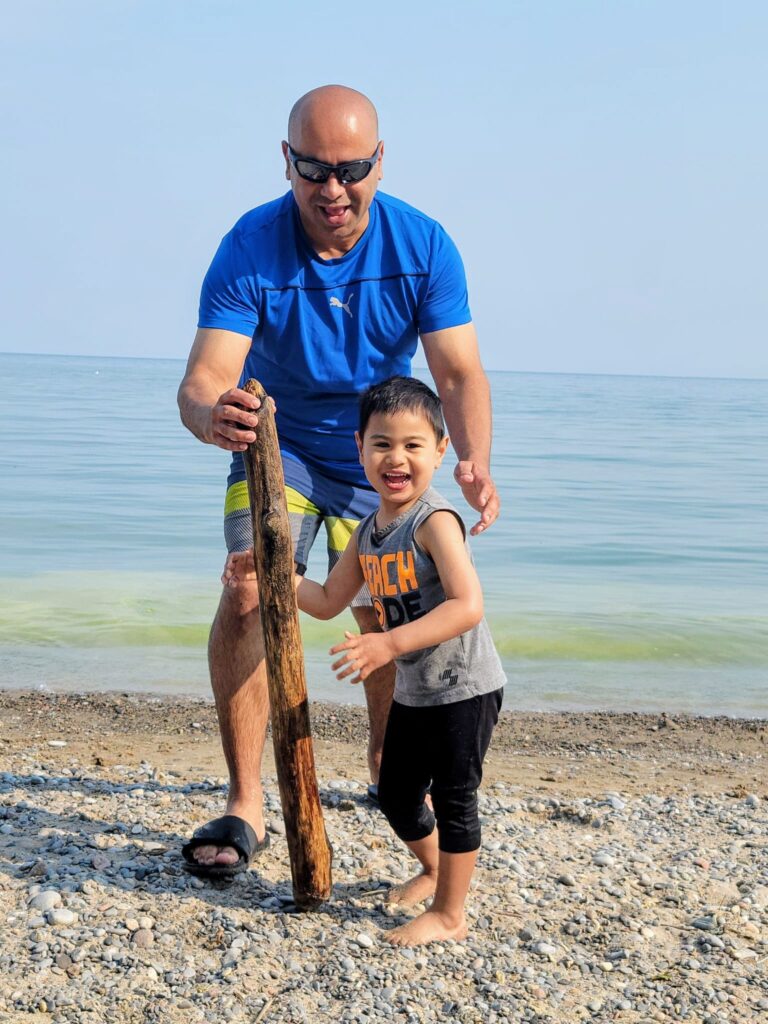
Theeran:
“As a parent of a child with both cognitive and physical developmental delays, finding a camp where my son is not only accepted but truly included has been very challenging. Choosing Grandview Kids Camp has given him an experience that has gone far beyond our expectations.
From the moment Theeran arrives each day, we know he is in the care of compassionate, dedicated, and highly capable staff who genuinely take the time to get to know him as an individual. All the staff have gone and continue to go above and beyond to understand his unique needs, strengths, and personality, allowing him to participate in activities in a way that makes him feel included, capable, and valued.
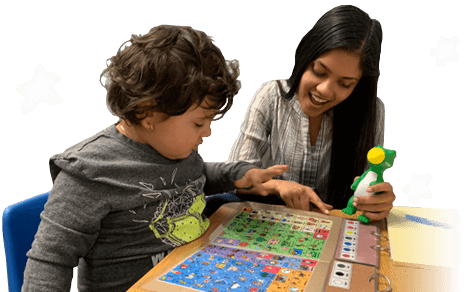
Grandview kid, Theeran
One of the greatest gifts Grandview Kids Camp has given our family is peace of mind. As parents of a child with complex needs, it can be difficult to trust others with their care. However, we have never hesitated to drop him off each morning because we know he is safe, supported, and genuinely cared for.
The camp has created an environment where my son can communicate, build friendships, play alongside his peers, and enjoy the kind of summer camp experience every child deserves. Seeing him come home smiling, excited to share his day, and eager to return each morning means the world to us. We look forward to continuing to enroll him for the upcoming years.
To every member of the Grandview Kids Camp team, thank you. Your compassion, dedication, and unwavering commitment to children with diverse abilities make an immeasurable difference. You have enriched our son’s life in ways words cannot fully capture, and our family will always be grateful. Thank you for giving him the chance to experience the magic of summer camp, just like every child deserves. Thank you for making summer a place where he can simply be a kid.”
– Grandview Kids parent, Piraveena
James:
“My son, James, has been attending camp at Grandview every summer since 2021. He loves going to camp! Camp is a place where counsellors flood him with encouragement. He can socialize with new and old friends as well as participate in so many fun activities that are adaptive and accommodating to his needs.
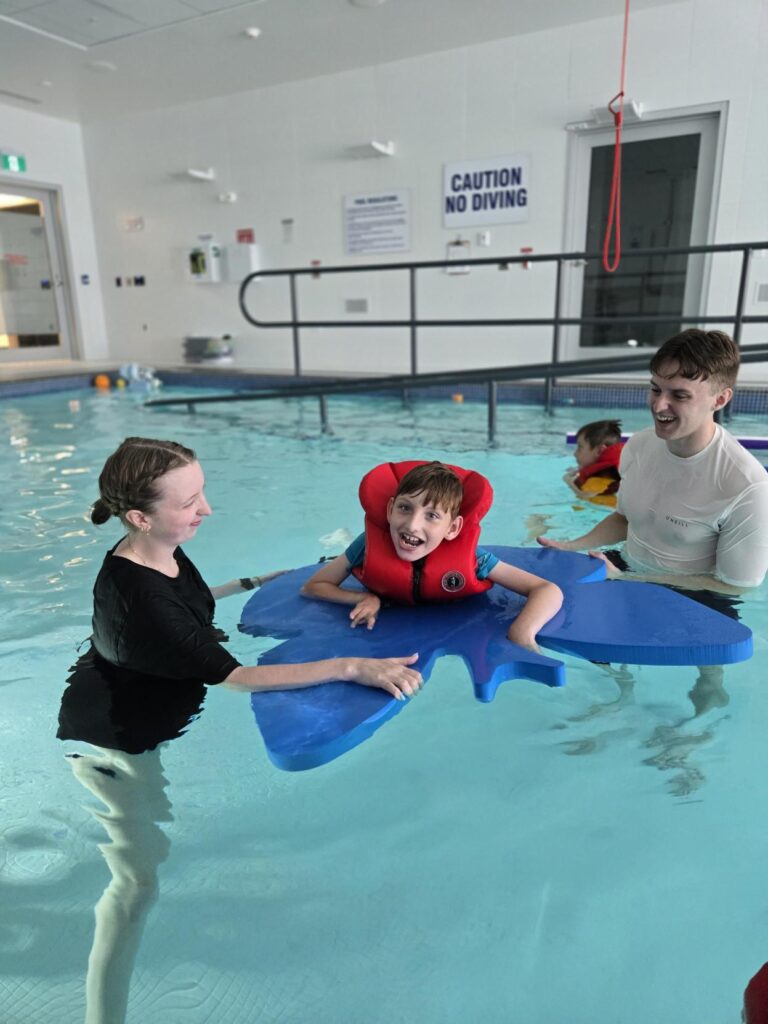
James loves to swim each week in the accessible pool at camp and he also enjoys the sports and games the counsellors plan for the kids. They’re also very willing to play James’ many specific music requests!
Grandview kid, James
As parents, we feel very comfortable sending James to camp, because we know his complex needs are considerately being thought about by the camp team.
His laughter, sense of joy and community is being fostered at Grandview camp. We are so grateful for the many weeks he has experienced there in the summer!”
– Grandview Kids parent, Alison
Raising a child with autism and learning to let go of the life I imagined
Written by Grandview Kids parent, Paul Sahota
There’s something I’ve been thinking about a lot lately, even if I didn’t quite have the words for it.
I’m part of a private Facebook group for dads who are raising autistic children. A few weeks ago, another father shared something that hit me right smack in the gut. He wrote: “Does anyone else feel like they’re grieving a child that’s still alive?”
This is something I’ve felt countless times, but I never had the words for it. I never thought to describe it as grief, but that’s exactly what it feels like.
The life I thought we’d have
Before my son was born, there was so much excitement about this new chapter in my life. This is something my wife and I had wanted for so long. There was anticipation for everything that was coming, all the milestones like walking and talking. You see those moments everywhere, and you can’t wait to experience them for yourself.
I remember daydreaming about what fatherhood would be like.
I remember thinking about playing sports with my son, going to the local park and kicking a soccer ball around on freshly cut grass in the summer, or going to Canadian Tire to buy him his first baseball glove and finding one that would fit his hand. Then, going to the back of my condo or the front lawn of my parents’ home, and playing catch with a green tennis ball to start building his hand-eye coordination.
I remember daydreaming about teaching my son dance moves and us choreographing a routine to show off at family functions like weddings or anywhere there was a dance floor.
I remember thinking about having father-son days where we would go see a movie, go out for a bite to eat and then come home to hear my son tell my wife all about the fun we had.
I remember thinking about going out to restaurants for family dinners and having my parents join us from time to time. I imagined the end of the meal, wrestling with my dad over who would pay the bill.
I remember thinking about larger family dinners, with my siblings, my niece and nephew and my grandmother. Having all of us together and seeing different generations of our family sitting around the same table.
I remember driving past the park in my neighbourhood and seeing all the kids out there playing sports, and doing the math in my head to figure out when my son would join them. I remember thinking I would enroll my son in the soccer program once he turned three and sit on the sidelines, watching him while socializing with the other parents.
When reality set in
The magical day finally arrives, and your child is born. All those things you dreamt about and anticipated suddenly feel so much more real.
But as time goes on, your child starts to miss different developmental milestones. You begin to feel that something isn’t quite right. After going through multiple appointments with different doctors, you eventually receive the official diagnosis of autism.
After being emotionally winded and trying to process everything, you start to realize that many of the things you once imagined are not going to happen, or at the very least, they are not going to happen on the same timeline as other children.
That’s when the reality of the situation truly sets in. All those happy dreams I once held onto begin to hit me differently. What once brought me excitement now becomes a painful reminder of the life I don’t have, the life that was taken away from me.
What our life looks like now
Instead of going to the local park and kicking a soccer ball around, I focused on helping him master basic motor skills. Going up and down steps, holding his legs and guiding them so he knew which foot to put forward.
Instead of going to Canadian Tire to buy him his first baseball glove, I was buying padding to put on the corners of our walls because he struggled with balance and kept hurting himself every day moving through our home.
Instead of playing catch with a tennis ball to build his hand-eye coordination, we played catch with a balloon, because that’s all he could handle for a long time.
We tried taking him to restaurants. We also tried taking him to an autism-friendly event at the cinema. Both were incredibly high stress, and we weren’t able to manage his behaviour in those settings, so we decided to stop trying for the time being.
Family dinners look different now. We go to my parents’ home, and my wife and I take shifts. She feeds him first while I eat quickly, then I take him away from the table so she can have her meal. Most of the time, we’re not even able to sit and eat together with the rest of the family.
There are times when I come across pictures of my siblings and my family sitting down for dinner at a restaurant together, and I stay quiet and keep my emotions hidden, knowing we can’t be part of those moments because it would be too stressful.
Instead of enrolling him in a typical soccer program and sitting on the sidelines with other parents, I enroll him in an all-abilities program where I need to be with him one-on-one. Often, he doesn’t participate with the other kids, and we end up doing our own thing off to the side.
Learning to grieve what never was
I’ve come to realize that holding on to those dreams doesn’t serve me as a father or my family. What I need to do is grieve the life that never was. The experiences we cannot have. The family life that I once envisioned. I need to grieve for my son, for myself as a father, and for my family as a whole.
But just like any kind of grief, it’s not something you process once and move on from. It shows up again and again. There are moments that trigger memories of things that never actually happened, but that I once imagined so clearly. I can’t allow myself to dwell on those moments, but I also can’t ignore them. I need to find a way to grieve them, so I can come back and be present for what I actually have.
Because even though this life is very different and filled with constant challenges, there is still so much beauty in it. There is still so much joy that my son brings into our lives. And in many ways, this journey has changed me in ways I never expected. I’m more compassionate. I’m more patient and understanding. I’m more loving. I’ve learned to appreciate the small things in life and the small wins. Because with autism, those small wins often mean everything.
Letting go and moving forward
Even now, those moments still come up. They don’t just disappear. Just like any kind of loss, they show up when you least expect them.
When they do, I try to treat them the same way I approach meditation. When my mind starts to wander, I have to catch those thoughts, acknowledge them and release them from my mind. If I don’t, the grief can take over, and I’m no longer present for my son or my family in the way they need me to be. And when that happens, it can pull me into a downward spiral of negative thoughts, and ultimately into habits and coping mechanisms that don’t serve me or my health.
But when I am able to catch those moments and release them, it allows me to stay resilient. It allows me to bounce back and stand firmly in the present moment. It allows me to show up as the father my son needs right now.
The truth is, those thoughts will probably never fully go away. Just like grieving the loss of a loved one, it may become less intense over time, but it doesn’t disappear. And maybe that’s because grief is a reflection of love. You only feel it because you care so deeply.
What I try to remind myself of is how far my son has come. Despite all the obstacles and challenges in his way, he continues to grow. I need to appreciate him for where he is now and what it’s taken to get here.
At the same time, I have to continue grieving the life that never was, while also allowing myself to envision a new life that is possible with him. It may be different than what I imagined, but it can still be a life filled with beauty, meaning and excitement.
And maybe that’s the work now. Not holding onto the old vision but allowing myself to carve out a new one.
Celebrating Black History Month!
A few years ago, when my child was six-years-old, we walked into a clinical office (not affiliated with Grandview Kids). He was happily flapping his hands, ready to get started with his Alternative and Augmentative Communication (AAC) device for the first time. The professional we were meeting with flinched. I was confused because she worked with disabled children who stim all the time. “Let’s relax a little,” she said and pushed out a laugh. “Does he get angry like this a lot?” she asked. I looked at my son. He was calm. He was just happily flapping and vocalizing, like I had seen many other autistic children do. She pulled away from us at the table. “He won’t hit you,” I said calmly, and she reacted positively to my reassurance. I realized that she was afraid of him. Our appointment went on as I had originally expected, but I left feeling confused.
After pondering “why” I felt so uneasy about our interaction, I remembered some research that explained my experience. I realized that my son had experienced a microaggression. This professional most likely had experience dealing with white autistic children, but my son is Black. She may not even have been conscious that she was doing it, but the effects of her posture, tone and questions lingered. It took me years to articulate how she made me feel during that appointment. In reality, Black children are perceived as angry, more often than white children (Halberstadt et al., 2020). This is an implicit bias.
I am privileged to have a front row seat to the lives of my three sweet, hilarious and determined Black autistic children, each with varying support needs. I try to take every opportunity to celebrate our different disabilities. On one hand, there is joy in this journey. On the other hand, there are also difficulties placed on them by society, simply because they are disabled. This is ableism. In addition to living in a world where others may not understand their disabilities, we also live in a world where people view my children as angry because they are Black. This is racism.
Black History Month is exciting because we get to publicly celebrate all the joyful things about being Black. It is also an opportunity to highlight the difficulties that have been placed on us by society, simply because we are Black. Just as we must all learn to look at our biases towards the disabled community, we must also look at our biases towards the Black community. Being Black and disabled is a unique, intersectional experience that is often overlooked and dismissed. I challenge us to dismantle ableism and racism, especially this month. I cannot wait to see the impact that my children will have in the world, equipped with the knowledge that they are valuable regardless of their abilities but also because they are Black.
Article sourced: “Racialized Emotion Recognition Accuracy and Anger Bias of Children’s Faces,” by Amy G. Halberstadt, PhD, Alison N. Cooke, PhD, Dejah Oertwig, MA, and Shevaun D. Neupert, PhD, North Carolina State University; Sherick Hughes, PhD, University of North Carolina-Chapel Hill; and Pamela W. Garner, PhD, George Mason University, Emotion, published online July 2, 2020.
Written by Grandview Kids parent, Laura
Kabuki syndrome is a rare genetic disorder affecting 1 of every 32,000 births worldwide. Children with Kabuki Syndrome may experience a variety of symptoms, including mild to moderate intellectual impairment, growth delays, low muscle tone, feeding issues, swallowing difficulties, heart defects, cleft palate or other mouth issues, skeletal abnormalities, including hip dysplasia, visual and hearing impairments, autistic behavioural challenges, developmental delay and possible seizures. It is a spectrum disorder, meaning that every child is affected differently, like many genetic disorders.
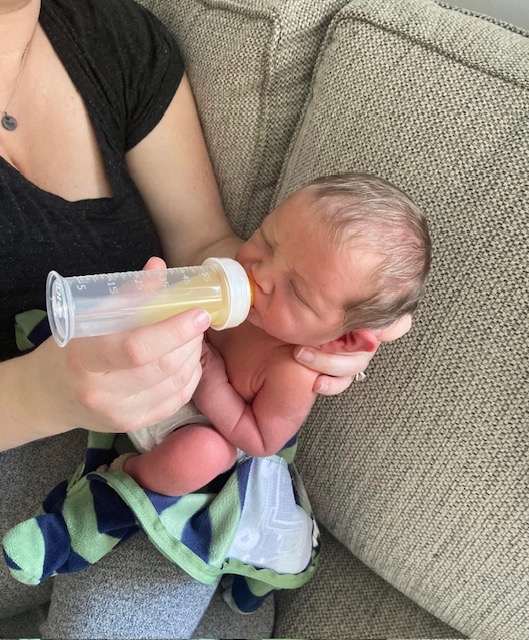
Henley was born 5 lbs 19 oz with both of his hips dislocated (hip dysplasia) and with two sacral dimples, an ear pit and was hard to feed formula or breast milk. We were told that the signs may be a genetic disorder and something we should test for. He had low blood sugar and, for a short period of time, was in the Neonatal Intensive Care Unit (NICU), where my husband and I visited him and tried to do feeds, which never went very well.
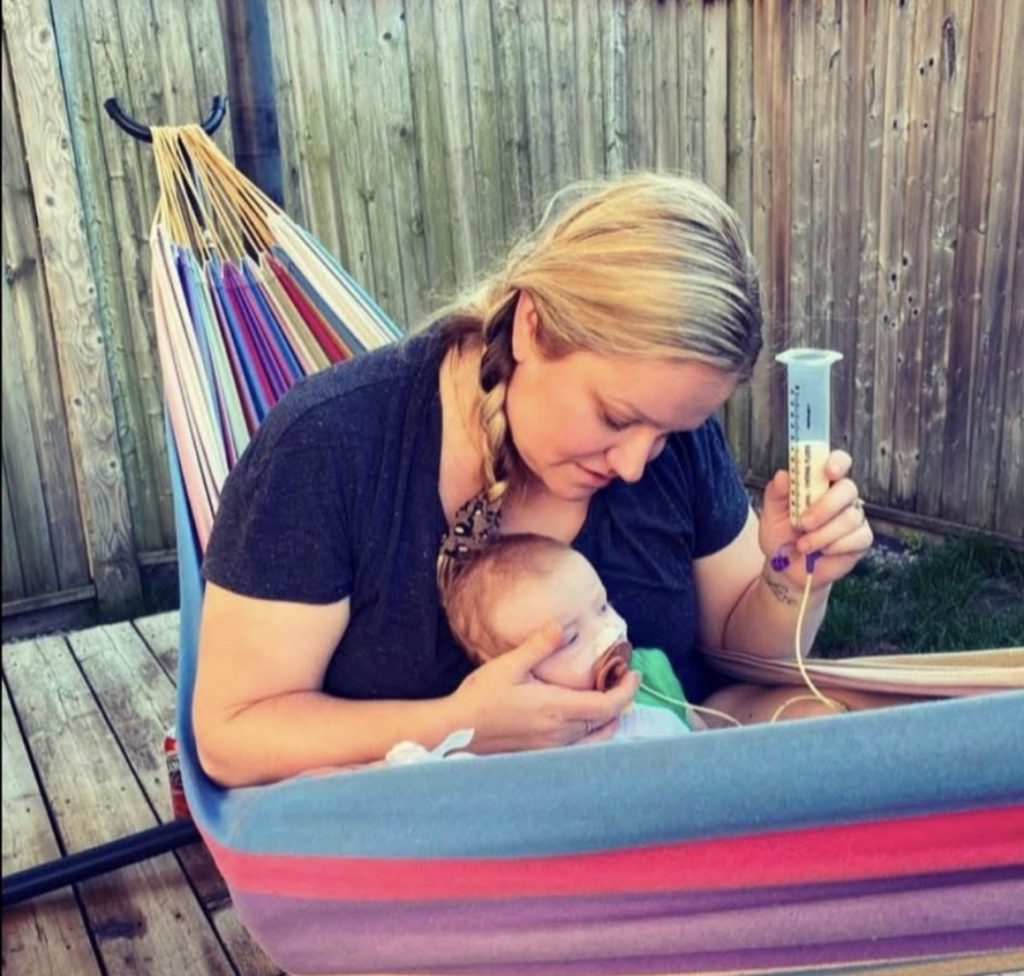
At 2 months old, he was small and still looked like a newborn. He had been vomiting after any formula he managed to ingest and had been diagnosed with reflux. He was placed on two medications for this. He was deemed “failure to thrive” and was admitted to the hospital for daily weight checks, observation and to have a nasogastric (NG) tube inserted for feedings. At age 7 months, he had an inguinal hernia repair, which expedited Henley’s access to a gastrostomy tube (G tube) for feedings. As a mom with a nursing background, I had a really hard time with both, but especially the G tube. It felt so permanent. I felt like I had failed him and didn’t want this for my child.
Grandview Kids has been a big part of our journey and is there for every step. Our social worker here really helped talk us through the diagnosis, the grief associated with this and how it was okay to have all the feelings while still being proud of how far you’ve come from the beginning.
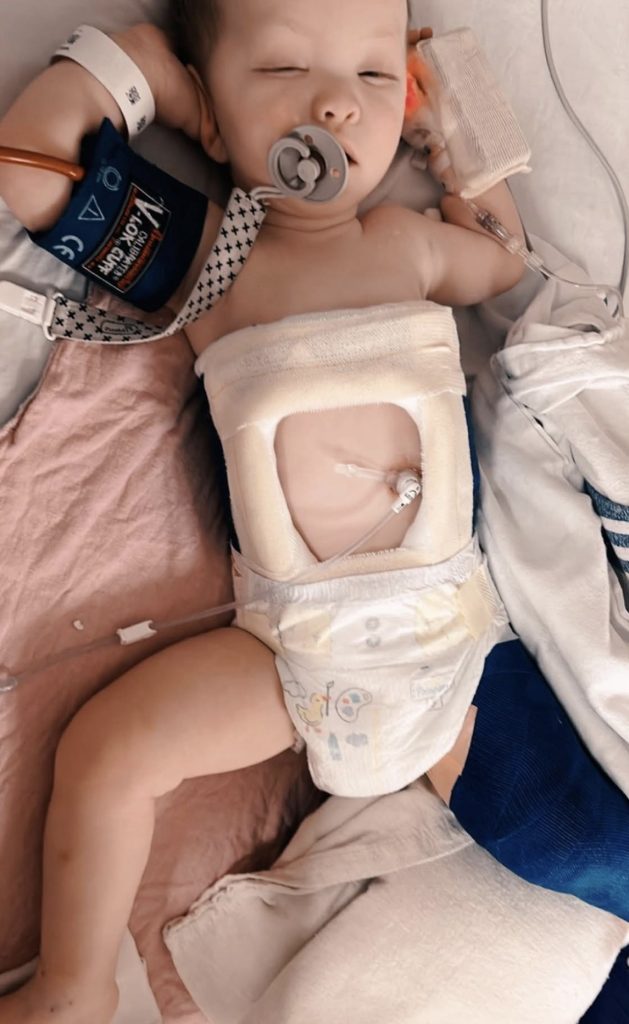
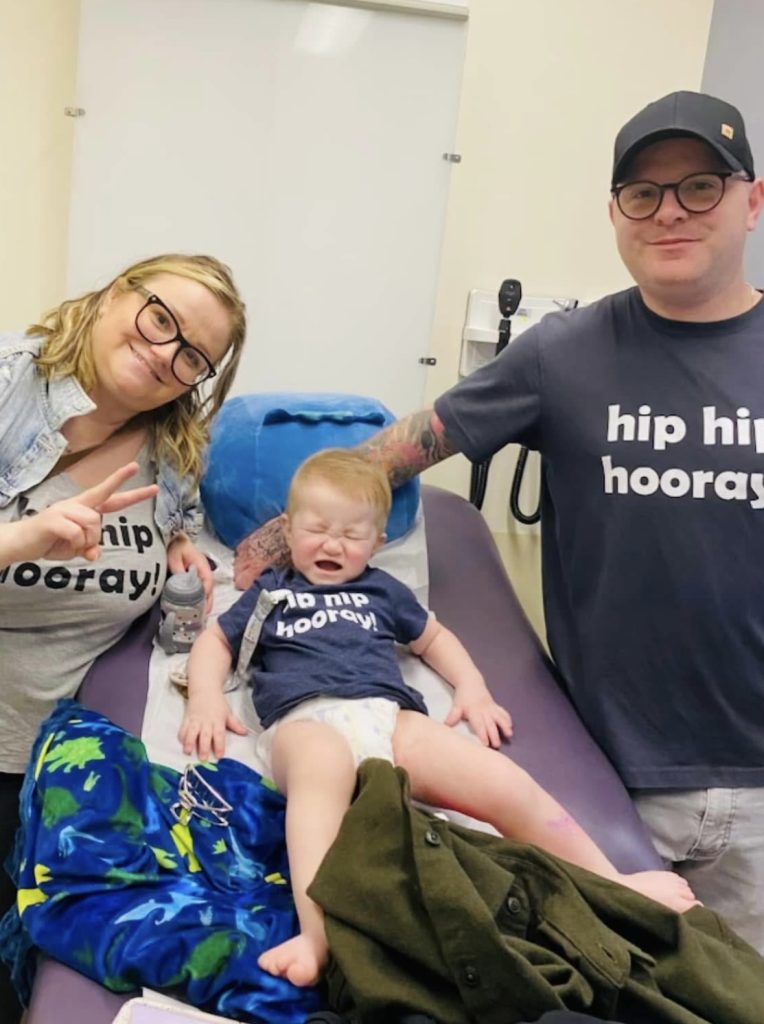
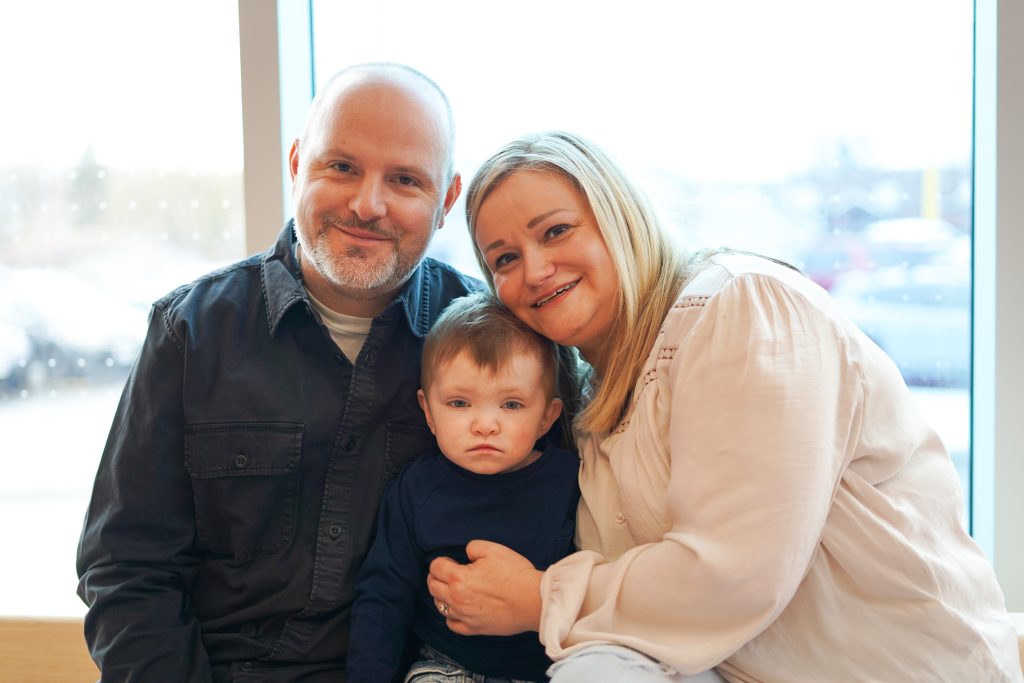
Henley and his mother, Laura
While we struggled with all of this, we underwent testing for genetic disorders. There are two mutations that cause Kabuki syndrome: KMT2D & KDM6A. Weeks later, it came back, and Henley tested positive for the KMT-2D gene. Henley had Kabuki syndrome. After seeing the geneticist, we were referred for early intervention services at Grandview Kids, including participation in the Complex Care Program, delivered in partnership with The Hospital for Sick Children (SickKids), Grandview Kids, Lakeridge Health and the Ontario Health at Home, Central East.
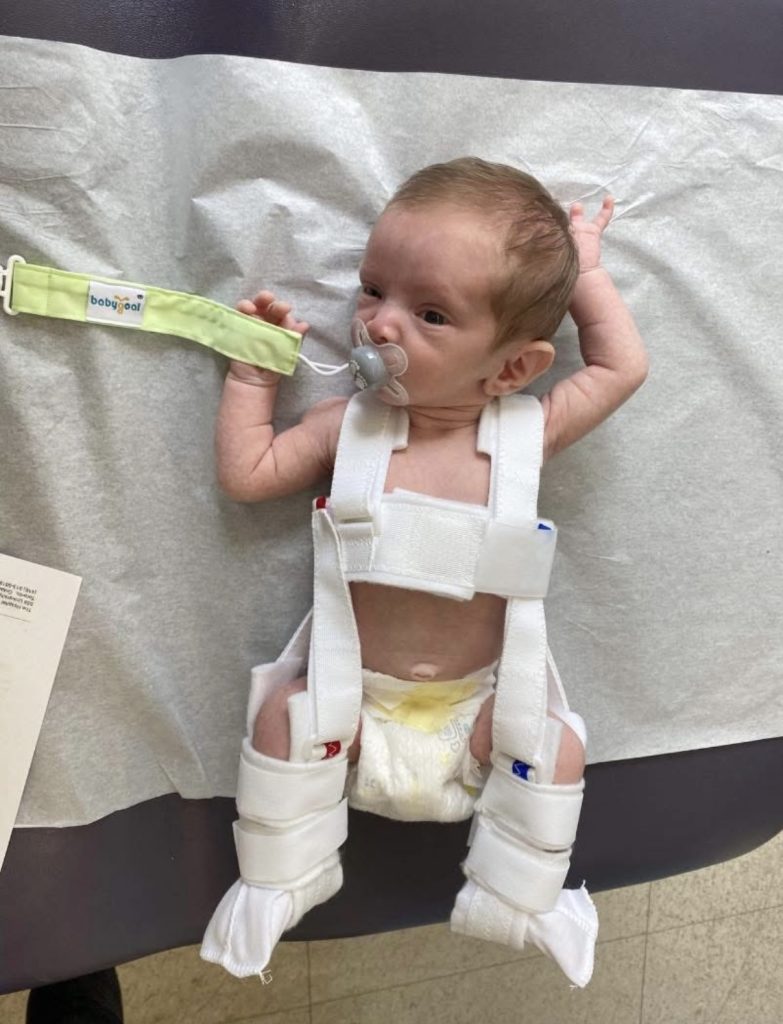
Prior to Henley’s Kabuki syndrome diagnosis, we had already been seeing different specialists at SickKids, primarily orthopaedics, having biweekly ultrasounds and then hip x-rays as he grew. He was placed in a leg brace so we couldn’t bathe or put our baby in pants for months. It was hard, but we were hopeful this would help. It didn’t.
We had Grandview Kids for support through the Complex Care Program, occupational therapy, speech-language pathology, physiotherapy, dietetics, feeding therapy and social work consults throughout Henley’s hurdles. We also travelled to SickKids for many specialist appointments.
For Henley, Kabuki syndrome involved mostly feeding problems, hip dysplasia, low muscle tone as a baby and developmental delay. He missed most milestones. After a swallowing assessment, he was discovered to be mildly aspirating fluids. At this time, we tried to thicken fluids and, as he aged, continued to do swallowing assessment at SickKids radiology, which eventually he was no longer having tracheal aspirations, so we could “try to feed.”
This was terrifying and exciting at the same time. My baby hadn’t had bottles or formula. He started having thickened water and eventually purées. With his G Tube feeds, we would give him opportunities to eat/taste and play orally with food. We did a lot of it by trial and error and just kept going, even when I was nervous. It was a long road, but at 2 years 7 months old, Henley became a feeding tube graduate and was discharged from Grandview Kids’ Complex Care Program. We know this isn’t everyone’s journey, as many Kabuki kids we follow online still have feeding tubes and feeding struggles.
At age 1 year 10 months, Henley also underwent a lengthy 5-hour surgery for his hip. He had hip dysplasia surgery with a pelvic osteotomy (t pins inserted into the hip for proper angle and alignment). He was in a full body cast from his chest down to his ankle on one side, including a “window” for his G tube. We had to watch the cast wasn’t too tight, and we lived on a mattress in our living room for 6+ weeks. After surgery, Henley celebrated his 2nd birthday fresh out of a cast with limited movement and spent his day on the couch.
He had to learn to sit up again at age 2. He gained strength and eventually walked with his shopping cart and then independently. He couldn’t have physiotherapy for months after surgery, as his surgeon wanted him to access this care when he was ready for it. Henley is now walking independently and can walk up stairs with assistance. He is eating orally–a lot of “beige foods” and carbs–but he’s eating! His favourite foods are strawberries, popsicles, pizza and cheese and crackers.
The entire journey, especially in the early days, was a blur. He has been through so much and come so far. Henley is now 3 years 5 months old, has started Nursery School and is thriving. He stims a lot with his autism spectrum disorder (ASD) and seems to enjoy the routine. We are amazed every day by our boy. He is non-verbal, developmentally delayed and has had a diagnosis of autism received through a developmental paediatrician at Grandview Kids.
We are so proud of how far Henley’s come, especially when we share our story. I hope this helps anyone with a new genetic diagnosis, including Kabuki syndrome. You are not alone, and my best advice would be to reach out online, find support groups or others going through similar experiences, whatever that may be.
To show your support, I encourage you to wear green on October 23rd for Kabuki Syndrome Awareness Day!
Written by Peer Navigator and Grandview Kids parent, Danielle P.
When all three of my children were diagnosed with Autism Spectrum Disorder (ASD), it changed my life in a way I did not expect. My older two children hit every milestone early until they experienced a severe significant regression. They stopped talking, playing, looking at me and responding to their names. They started making repetitive movements that I now know are stims. A year after their diagnosis, my youngest child started exhibiting similar symptoms. I felt like a failure, and I missed who my babies were before they regressed.
By 2018, I found myself divorced with a 1-year-old, a 2-year-old and a 3-year-old, all diagnosed with ASD. I chose to lean into my grief and decided to observe my feelings without judgment. I cried. I journalled. I got therapy. I found respite workers and made self-care a priority. It was lonely until I surrounded myself with different friends and parents who also had children with disabilities. I started following disabled content creators online. I started being more open with my vulnerabilities. Slowly, I noticed that having three children with ASD was not actually as awful as I originally thought. As I allowed my world to expand, I realized a few important things about why their diagnoses felt so devastating in the beginning.
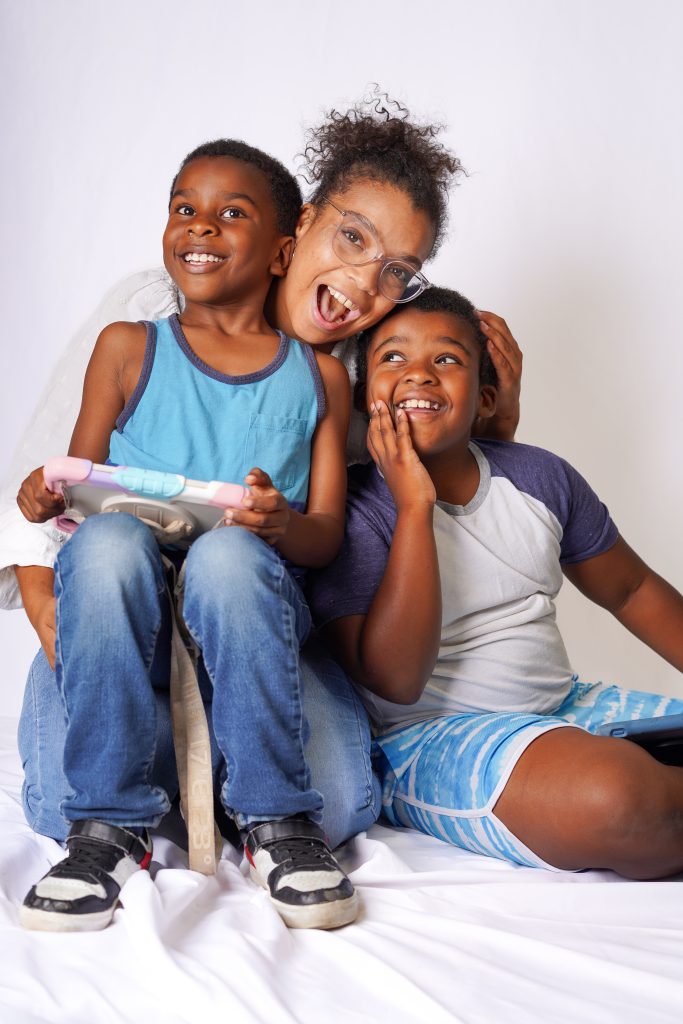
Danielle with her three children.
I’m ashamed to say that I pitied people with disabilities. I didn’t want my kids to be associated with “those type of people”. I wanted my kids to be “normal” because I thought that any deviation was bad. For the first time in my life, I noticed and addressed my own ableism. Once I let go of that way of thinking, I was able to explore this beautiful new community we belong to.
I had to let go of the expectations I had of my children. Some parents hope their children will excel in sports, pursue higher education, or have a specific career. As parents of kids with disabilities, we have the privilege of letting go of our expectations much sooner than other parents might. Among many other expectations, I wanted my kids to talk, look at me and be potty trained. I had to let go of those expectations and be open to the life my children were capable of and wanted for themselves. I had to learn to accept that my children for who they are.
My children are now school-aged, and I have a new partner who is very involved. My older two children still don’t speak but they are learning to use AAC devices. Pullups are still a part of our lives, but they may not be forever. My kids’ friendships may look different from the types of friends I had growing up, but we have found our people. We presume competence while providing support. We allow THEM to tell us who they are and what they want to do with their lives. I thought my life was over when my kids were diagnosed, and in some ways, it was. That life had to end for a new life to be discovered.
Written by Grandview Kids Summer Marketing Assistant, Ayanna S.
September serves as National Sickle Cell Awareness Month in the United States of America. Sickle Cell Awareness Month aims to raise awareness and support research about the disease, and although it’s not officially recognized here in Canada, many sickle cell advocacy groups celebrate the month regardless. Sickle cell affects the oxygen-carrying protein hemoglobin, which is found in red blood cells. This results in stiff, sickled red blood cells that have difficulty flowing through blood vessels.
When my parents were told I had sickle cell disease when I was just six months old, they probably couldn’t predict the profound impact the inherited blood disorder would have on my life. Sickle cell can result in a wide variety of health problems, including anemia, fatigue, swelling in the hands and feet, and attacks of pain called “sickle cell crisis.” Those with sickle cell are also more vulnerable to strokes, bacterial infections, and organ damage due to lack of blood flow.
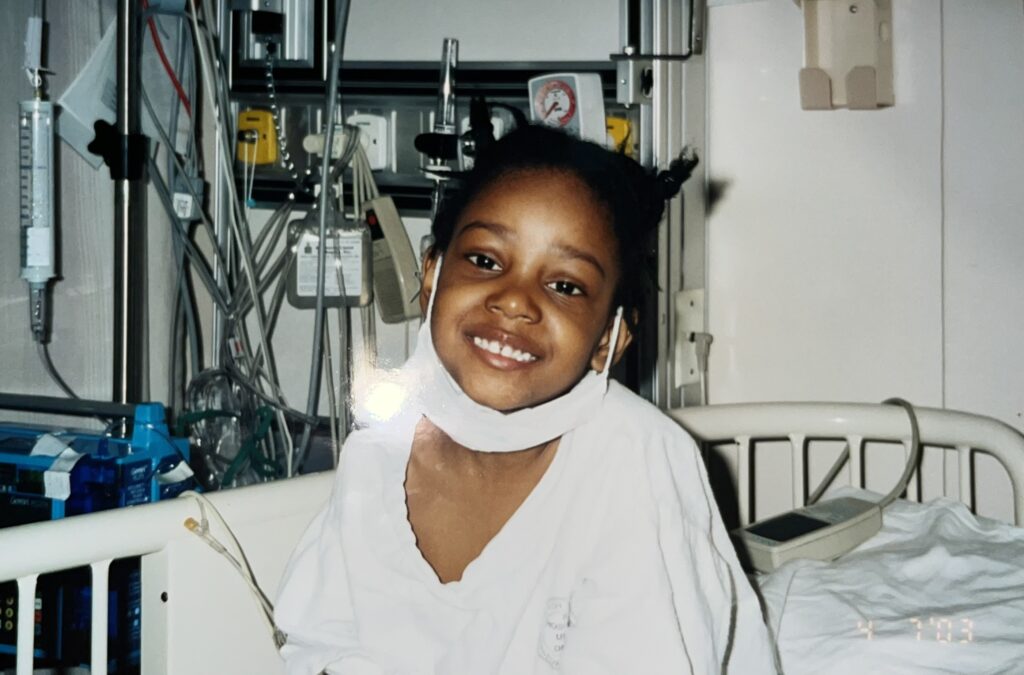
Ayanna at SickKids hospital in Toronto.
From a very early age, I took steps to mitigate the impact of sickle cell disease. I always drank plenty of water, ate healthy, and avoided extremely cold environments that might trigger a pain crisis. Like many other people with sickle cell, I depended on medications such as folic acid, antibiotics, and hydroxyurea to keep my hemoglobin levels high and boost my immune system. Throughout my childhood, I received care from the dedicated red blood cell clinic at the Hospital for Sick Children in Toronto. It was there that I encountered children who also had sickle cell for the first time. I realized some of these children had more severe cases of sickle cell and required more medical intervention such as blood transfusions, surgery, and frequent long hospital stays away from home.
When my sister Rhea, who is nine years younger than me, was young, she also had more sickle-cell-related complications than I did. As a result, she underwent monthly blood transfusions, frequent trips to the hospital, and even surgery to remove her spleen when she was just two years old. My sister, now fifteen, lives a life relatively free from sickle cell complications due to the care she receives at SickKids, but I still remember the impact sickle cell had on her when she was younger. Many children with sickle cell miss important days, milestones, or opportunities due to sickle cell complications. Weeks spent at the hospital are weeks without friends, school, or extracurricular activities. It can be a very isolating experience, and I often struggled to explain the full impact of sickle cell to my friends and teachers. To many of my peers, I simply didn’t “look” sick or like someone who would need health accommodations. Education about sickle cell disease is limited, and many people are ignorant about the disease.
Ayanna hugging her little sister, Rhea.
This is why it’s important to support sickle cell awareness and social support for those with sickle cell disease. Because sickle cell mainly impacts people who are of African, Caribbean, Middle Eastern, Mediterranean, and Indian descent, we also face challenges like discrimination and medical racism that hurt our ability to receive proper care. Groups such as the Sickle Cell Awareness Group of Ontario and Camp Jumoke help fight the stigma against sickle cell and boost opportunities for Ontarians with sickle cell.
Today, I am twenty-three years old and living a happy and healthy life with sickle cell disease. I still sometimes suffer from complications and pain, but I have been helped greatly by the hematology experts at SickKids and Toronto General Hospitals. They are dedicated to helping sickle cell patients live full and healthy lives. Proper support and care make a world of difference for those living with a disability. Happy Sickle Cell Awareness Month!