Celebrating Black History Month!
A few years ago, when my child was six-years-old, we walked into a clinical office (not affiliated with Grandview Kids). He was happily flapping his hands, ready to get started with his Alternative and Augmentative Communication (AAC) device for the first time. The professional we were meeting with flinched. I was confused because she worked with disabled children who stim all the time. “Let’s relax a little,” she said and pushed out a laugh. “Does he get angry like this a lot?” she asked. I looked at my son. He was calm. He was just happily flapping and vocalizing, like I had seen many other autistic children do. She pulled away from us at the table. “He won’t hit you,” I said calmly, and she reacted positively to my reassurance. I realized that she was afraid of him. Our appointment went on as I had originally expected, but I left feeling confused.
After pondering “why” I felt so uneasy about our interaction, I remembered some research that explained my experience. I realized that my son had experienced a microaggression. This professional most likely had experience dealing with white autistic children, but my son is Black. She may not even have been conscious that she was doing it, but the effects of her posture, tone and questions lingered. It took me years to articulate how she made me feel during that appointment. In reality, Black children are perceived as angry, more often than white children (Halberstadt et al., 2020). This is an implicit bias.
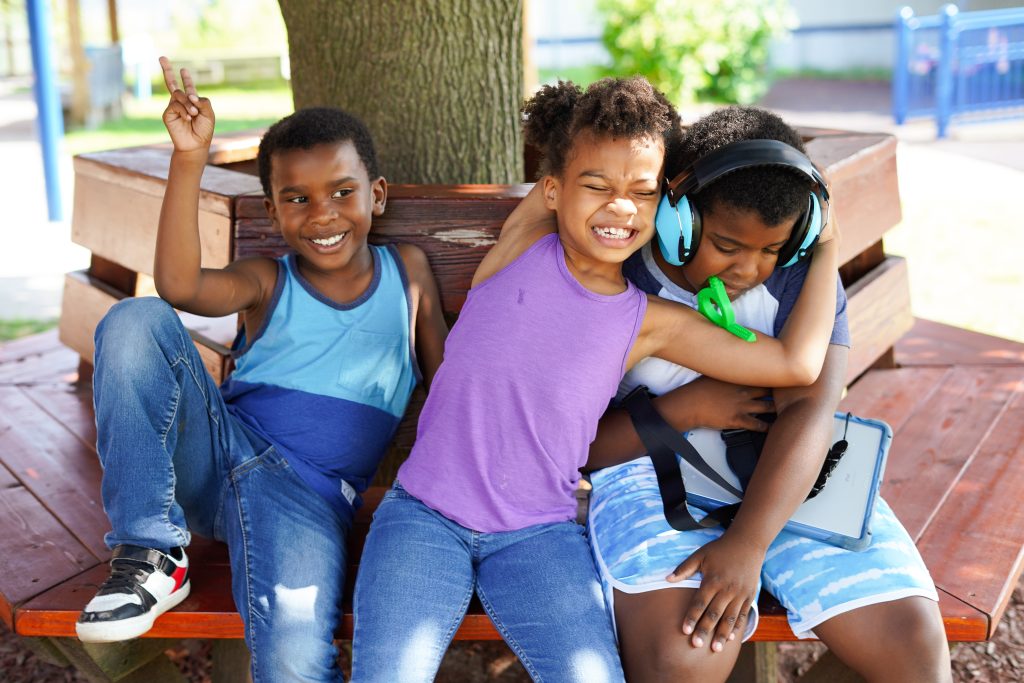
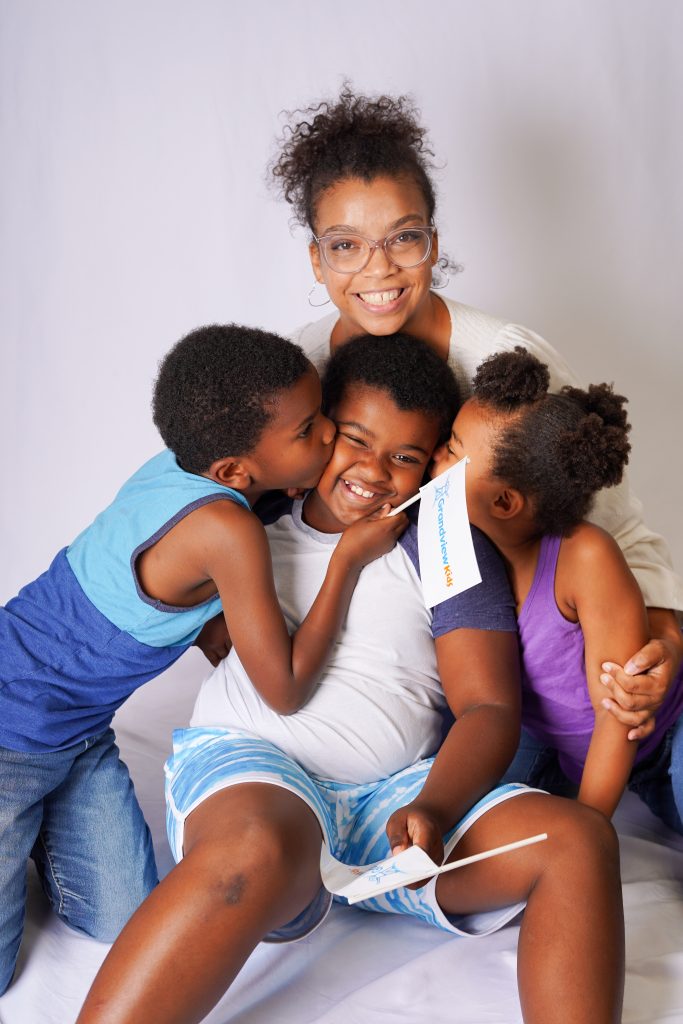
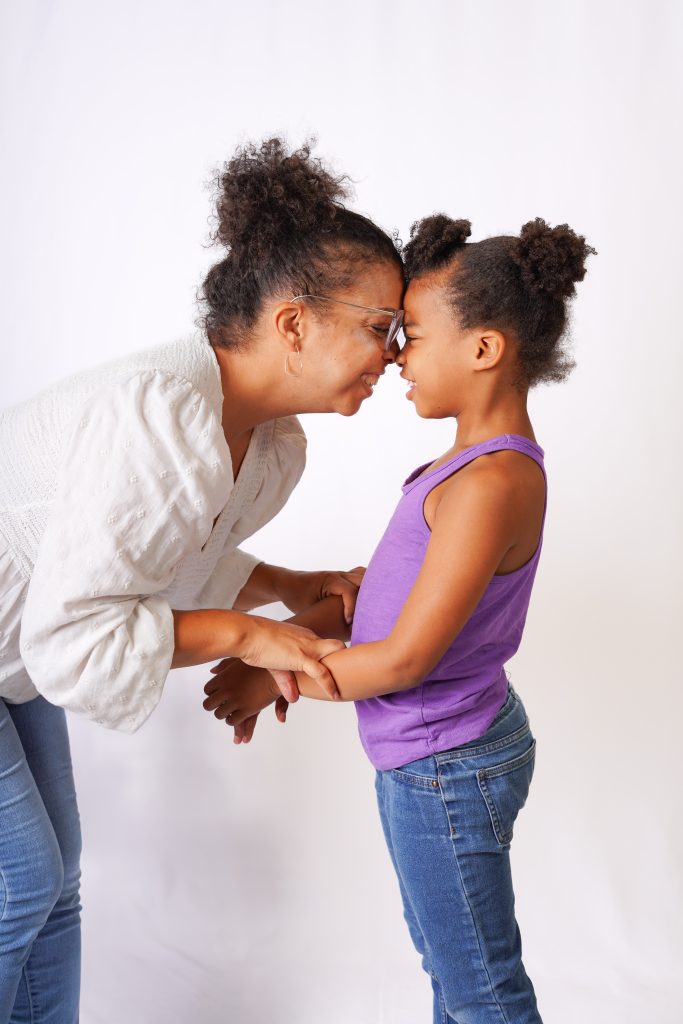
I am privileged to have a front row seat to the lives of my three sweet, hilarious and determined Black autistic children, each with varying support needs. I try to take every opportunity to celebrate our different disabilities. On one hand, there is joy in this journey. On the other hand, there are also difficulties placed on them by society, simply because they are disabled. This is ableism. In addition to living in a world where others may not understand their disabilities, we also live in a world where people view my children as angry because they are Black. This is racism.
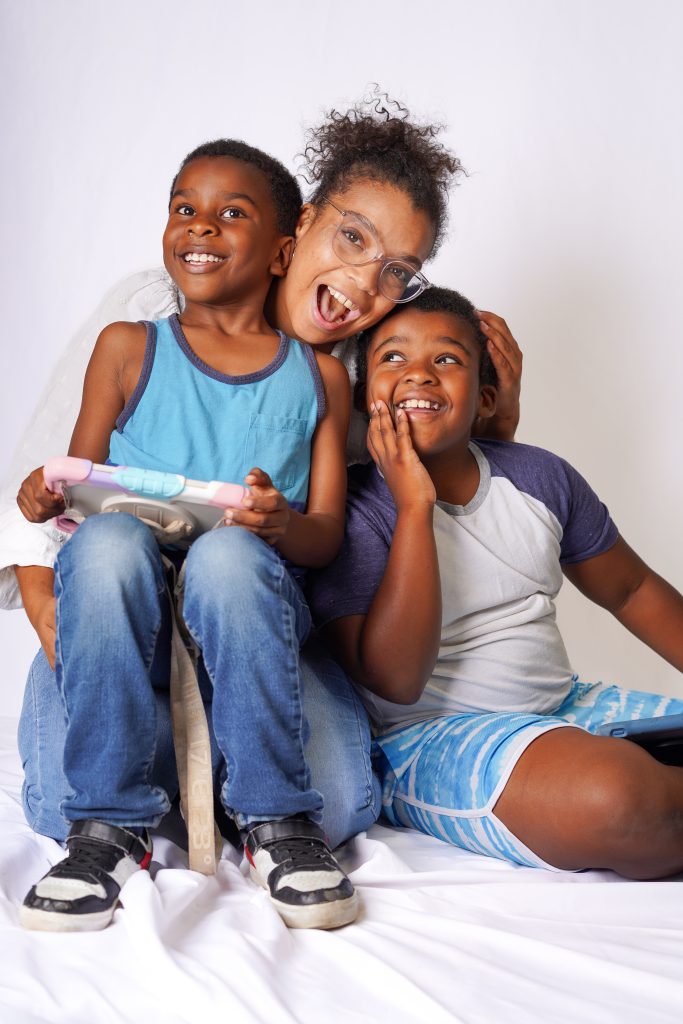
Black History Month is exciting because we get to publicly celebrate all the joyful things about being Black. It is also an opportunity to highlight the difficulties that have been placed on us by society, simply because we are Black. Just as we must all learn to look at our biases towards the disabled community, we must also look at our biases towards the Black community. Being Black and disabled is a unique, intersectional experience that is often overlooked and dismissed. I challenge us to dismantle ableism and racism, especially this month. I cannot wait to see the impact that my children will have in the world, equipped with the knowledge that they are valuable regardless of their abilities but also because they are Black.
Summary: https://www.apa.org/news/press/releases/2020/07/racialized-anger-bias
Article sourced: “Racialized Emotion Recognition Accuracy and Anger Bias of Children’s Faces,” by Amy G. Halberstadt, PhD, Alison N. Cooke, PhD, Dejah Oertwig, MA, and Shevaun D. Neupert, PhD, North Carolina State University; Sherick Hughes, PhD, University of North Carolina-Chapel Hill; and Pamela W. Garner, PhD, George Mason University, Emotion, published online July 2, 2020.
Check out more Grandview Kids articles
- Celebrating Ahaana: Finding sound, strength and community on Cochlear Implant Day
- Navigating the intersection of disability and race as a caregiver: Honouring Black History Month
- Embracing hope through every challenge: Brock’s journey
- Jack’s resilience shines through every step: Rare Disease Day
- February: Dates of Significance