
In January, we acknowledge New Years Day, Mahayana New Year, Lohri, Orthodox New Year, Makar Sankranti and Thai Pongal. Below, read more about each date of significance, written by members of our Inclusivity, Diversity, Equity and Accessibility (IDEA) Committee.
New Year’s Day: January 1
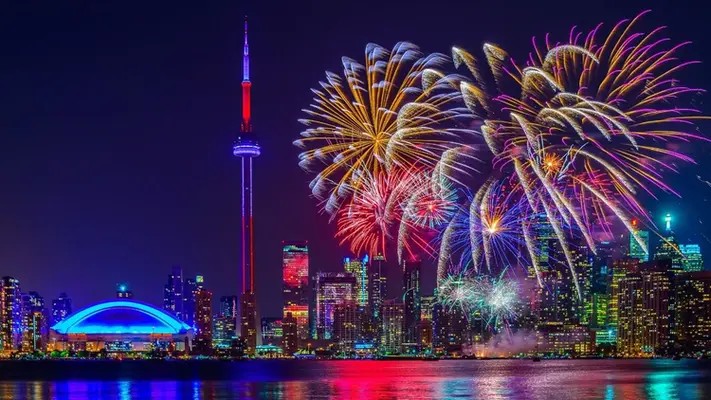
January 1 marks the first day of the year in the Gregorian calendar. The day is commonly celebrated with fireworks, staying up until midnight to welcome the new year, gathering with family and setting goals or resolutions for the year ahead.
Mahayana New Year: January 3
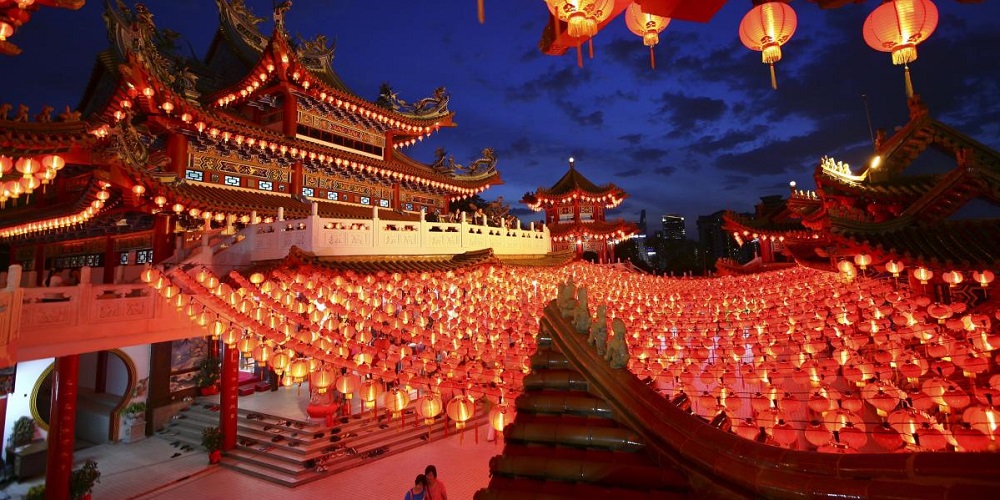
Mahayana New Year, also known as Vesak, is a Buddhist observance that commemorates the birth, enlightenment and death of the Buddha. It is a time for reflection on the past year and a focus on hope, positivity, kindness and good wishes for the year ahead. The day is traditionally marked through family and community gatherings, food, prayer ceremonies, meditation sessions and lectures. Originating in ancient India, the observance spread across Asia and is now celebrated by Mahayana Buddhists in countries including China, Japan, Korea, Vietnam and Taiwan.
Lohri: January 13
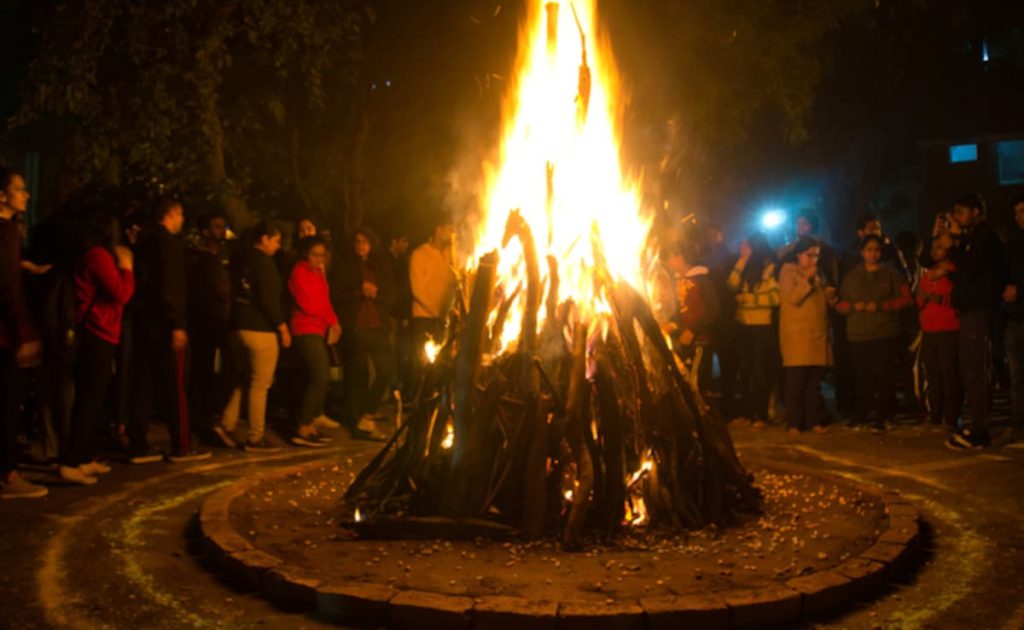
January 13 marks Lohri, a winter harvest festival celebrated by many Punjabi communities in Canada and around the world. The day marks the end of winter and the return of longer days and is commonly celebrated by gathering with family and friends, lighting bonfires, sharing traditional foods and enjoying music and dancing.
Orthodox New Year: January 14
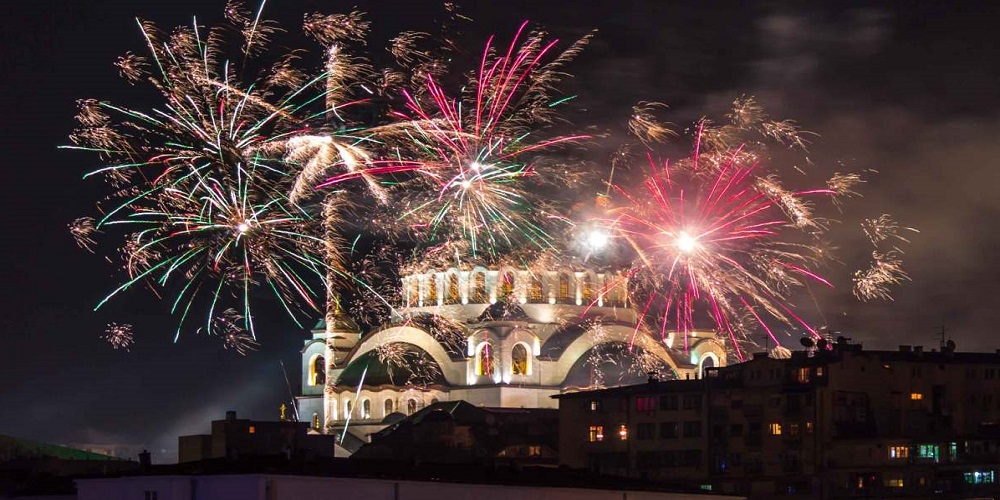
Orthodox New Year is observed on January 14 by those who follow the Julian calendar, including communities in Russia, Ukraine, the Middle East and Ethiopia. Celebrations vary and may include church services, social gatherings and shared meals.
Makar Sankranti: January 14
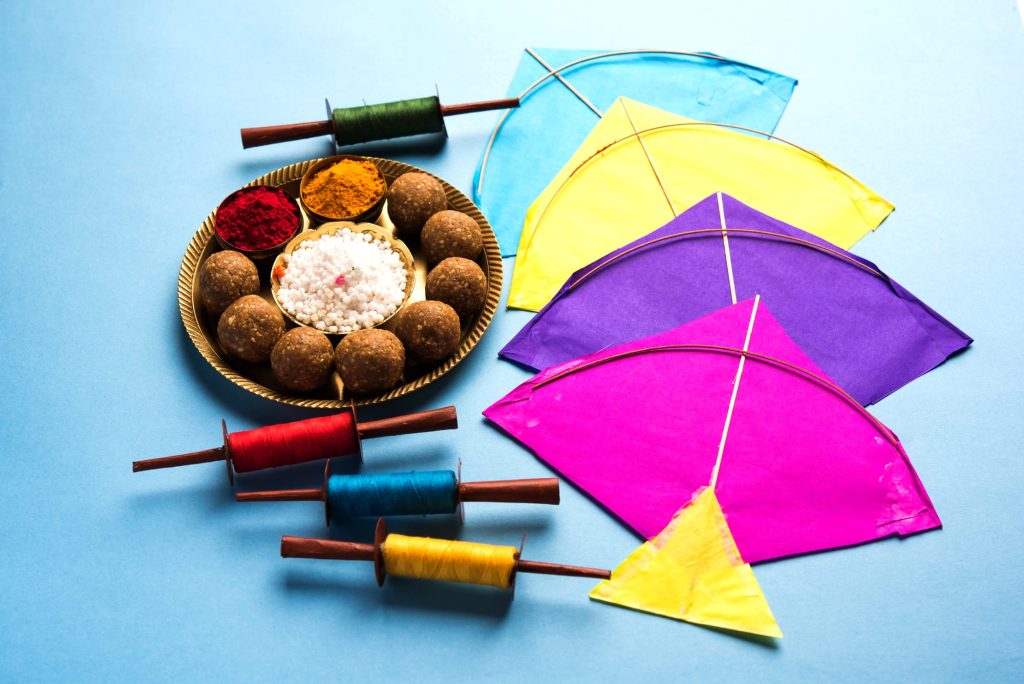
Makar Sankranti is a Hindu festival celebrated in January that marks the sun’s transition into the astrological sign of Makara, or Capricorn, and the beginning of its northward journey known as Uttarayana. Because the festival follows the solar calendar, it is observed on the same date each year, unlike many other Hindu festivals. The transition also signifies the onset of spring, longer days and the completion of the winter harvest.
Celebrated across India, Makar Sankranti is known by different names and traditions depending on the region. These include kite flying in Gujarat, preparing sweets made from sesame seeds and jaggery in Maharashtra, lighting bonfires in Punjab and making traditional rice dishes in Tamil Nadu. The festival also holds religious significance through offerings made to the Hindu sun god, Surya and the practice of ritual bathing.
Thai Pongal: January 14
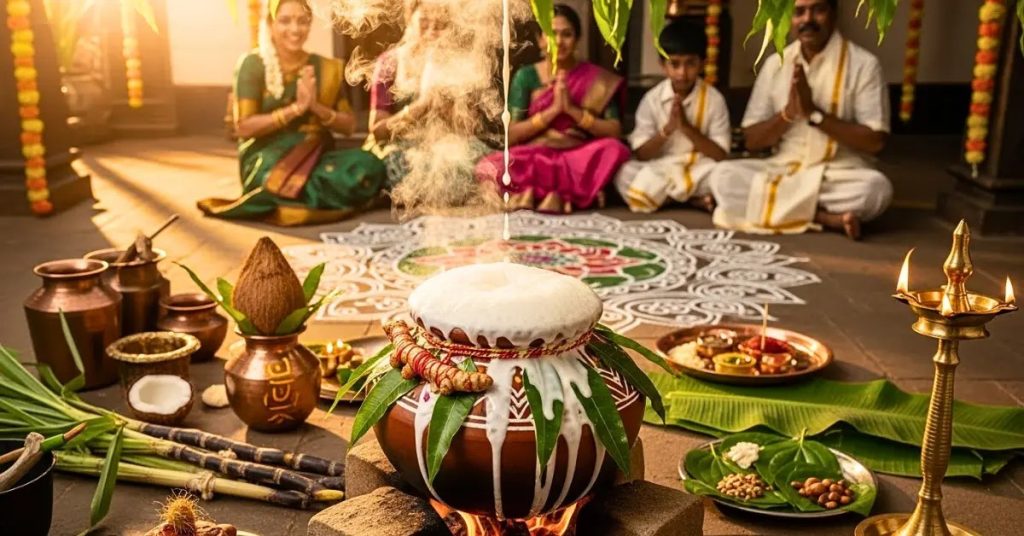
January 14 marks Thai Pongal, a harvest festival celebrated by Tamil communities internationally and widely regarded as the Tamil New Year. The festival marks the beginning of the Tamil month of Thai and focuses on giving thanks to the Sun God for a successful harvest, while recognizing the role of nature, farmers and livestock. Celebrations typically include family gatherings, cultural rituals and the preparation of the sweet rice dish pongal, a symbol of prosperity and renewal.
Check out more Grandview Kids articles
- Celebrating Ahaana: Finding sound, strength and community on Cochlear Implant Day
- Navigating the intersection of disability and race as a caregiver: Honouring Black History Month
- Embracing hope through every challenge: Brock’s journey
- Jack’s resilience shines through every step: Rare Disease Day
- February: Dates of Significance